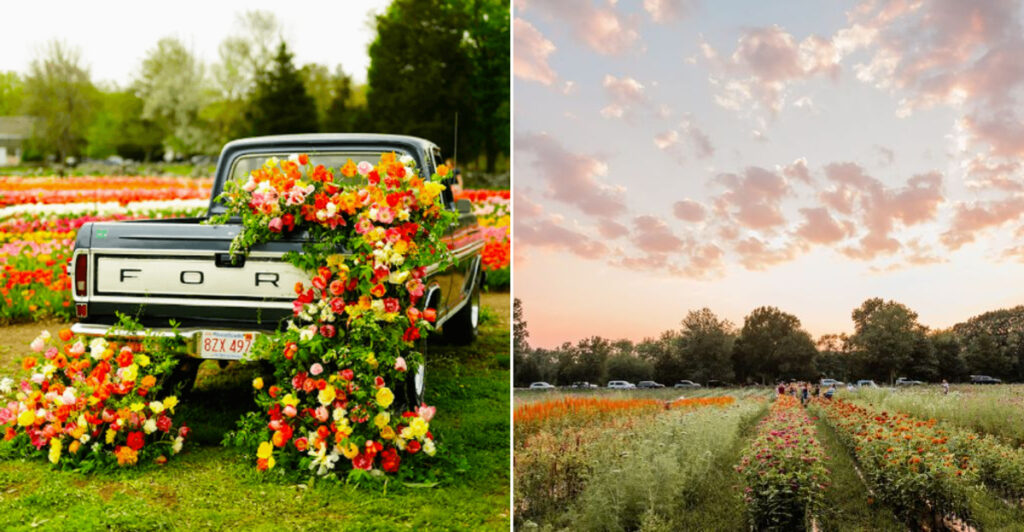
There is a flower farm on the South Shore of Massachusetts where tulips, dahlias, and sunflowers grow across seven acres of working land, and what began as a small, homegrown operation has turned into one of the most talked-about farm destinations in the region. The story behind it is the kind that makes you want to pack the car and head down the back roads of Norwell without overthinking it.
From pick-your-own flower fields to a barn shop stocked with thoughtful gifts, this place has quietly built something that feels both personal and genuinely special. Keep reading to find out exactly what makes this farm worth the drive.
How It All Began With Mason Jars
The origin story of Cross Street Flower Farm is the kind that feels almost too good to be true, but it is well-documented by owner Nikki Bartley, who built the farm from the ground up.
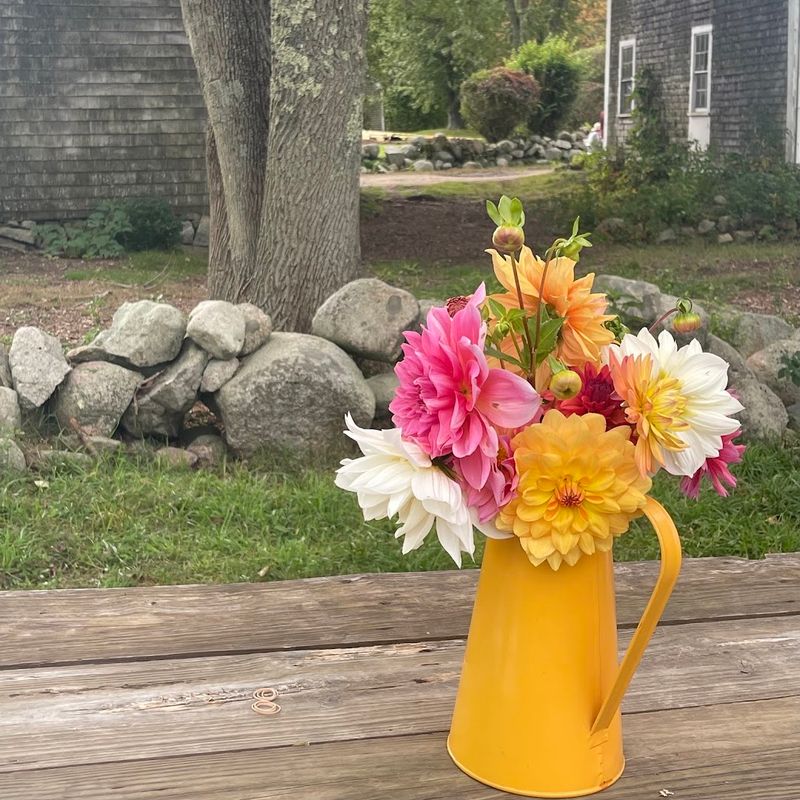
What started as a backyard flower garden eventually grew into a serious cut-flower operation, with mason jars serving as the first vessels for arrangements sold locally.
That small-scale beginning shaped the farm’s entire philosophy: grow real flowers in real soil, sell them fresh, and let the natural variation of each season be part of the charm rather than something to apologize for.
The farm does not try to replicate the predictable uniformity of a grocery store flower section. Instead, it leans hard into the idea that field-grown blooms have a character that commercially sourced flowers simply do not.
That founding mindset is still visible in every corner of the property today, from the fields to the barn shop.
Seven Acres of Growing Land
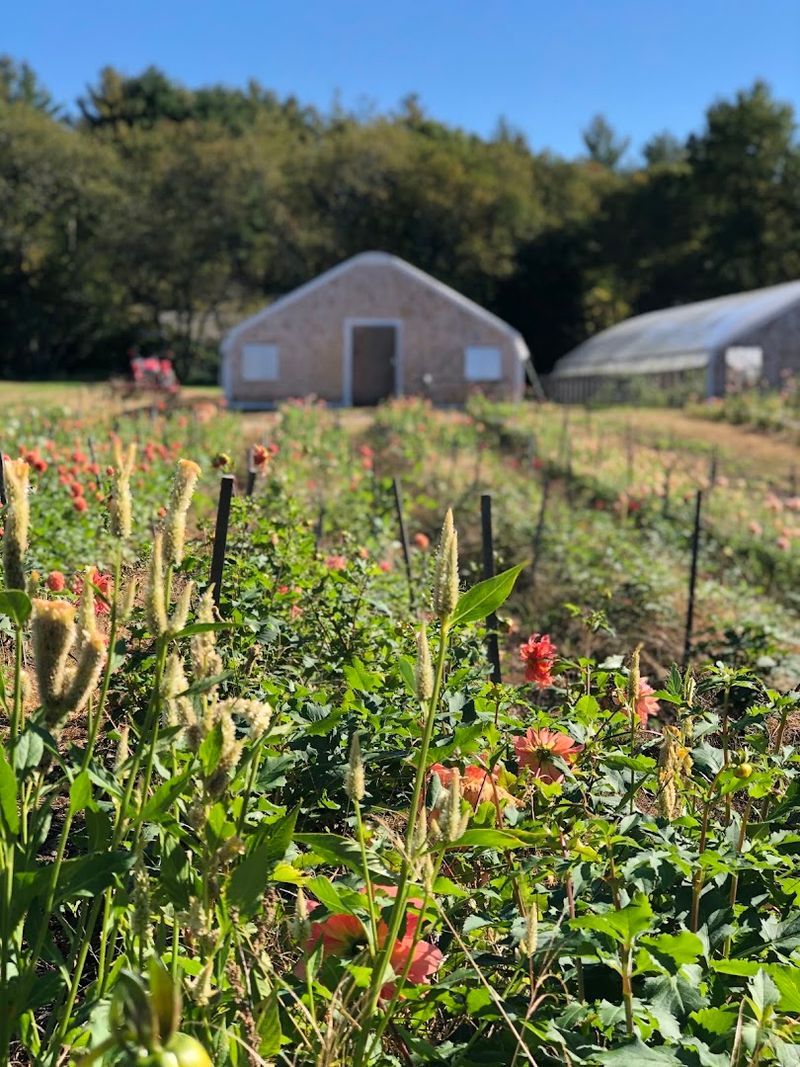
Seven acres sounds like a lot until you are standing in the middle of a field watching row after row of dahlias stretch toward the tree line, and then it starts to feel exactly right.
Cross Street Flower Farm uses its land to grow a rotating cast of flowers across multiple fields, which means the property looks different depending on when you arrive.
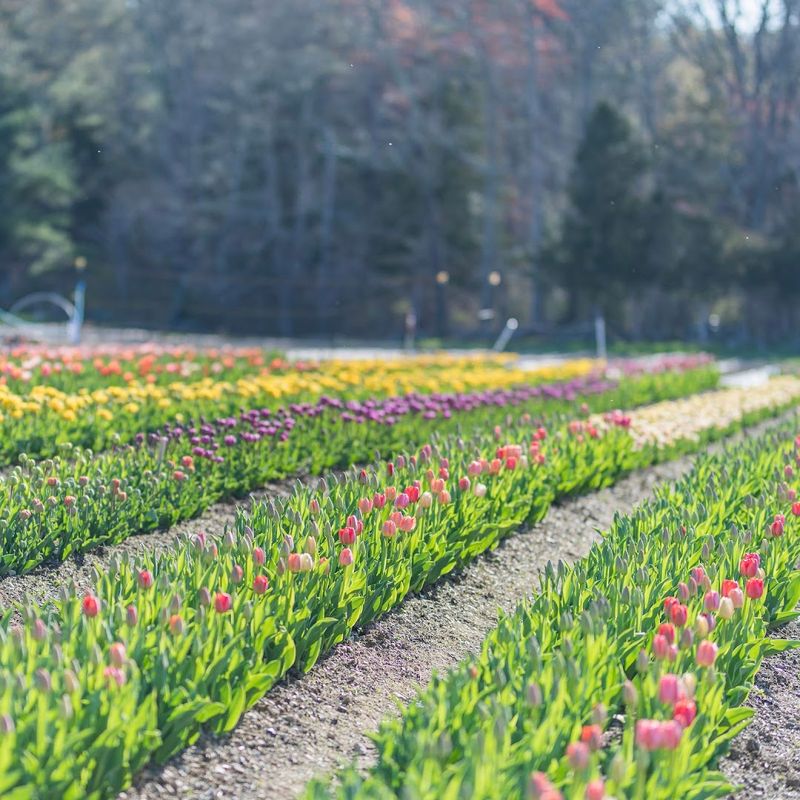
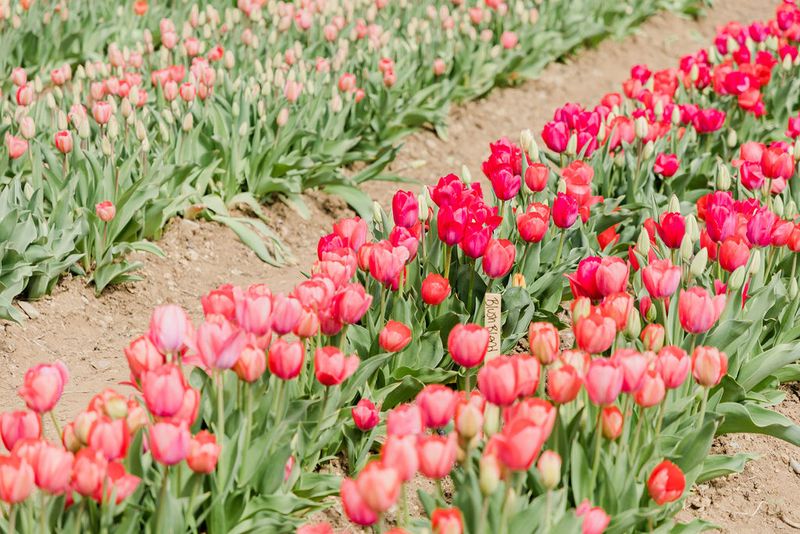
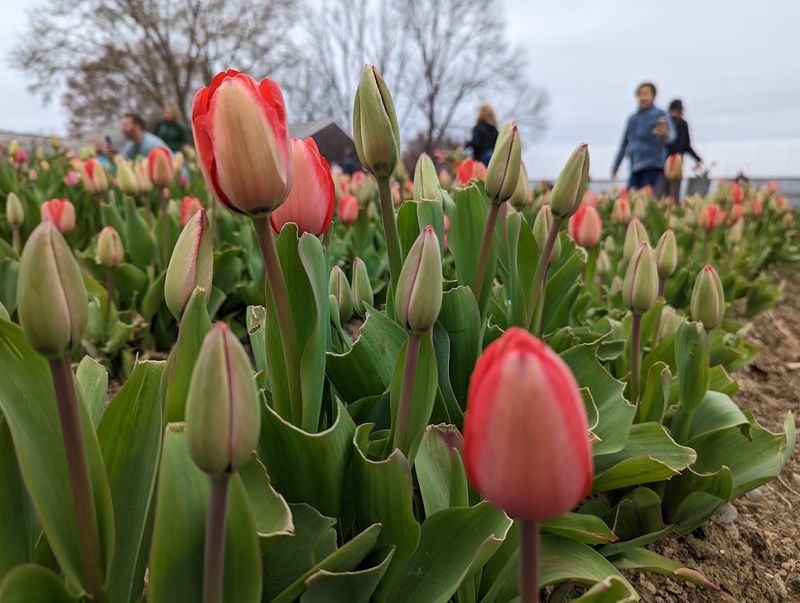
Spring brings tulips in every color imaginable, while summer transitions into lush dahlia fields that visitors consistently describe as the farm’s most visually striking feature.
Three separate fields of flowers are maintained on the property, giving the farm enough variety to keep the pick-your-own experience interesting from one visit to the next.
The scale of the operation also supports the farm’s events calendar, which needs open outdoor space to host yoga sessions, food trucks, and vendor markets without the property feeling overrun.
Seven acres turns out to be a very productive number.
The Pick-Your-Own Experience
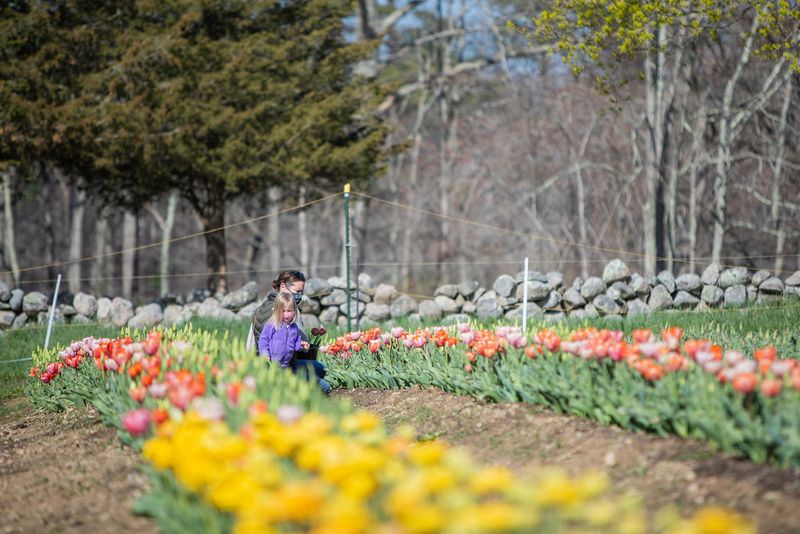
Pick-your-own flower experiences have become popular across New England, but Cross Street Flower Farm has been doing it long enough to have the logistics genuinely figured out.
During tulip season in spring, guests are given the chance to walk the rows and cut their own stems, which turns a simple flower purchase into something that feels much more personal and memorable.
The farm charges for stems picked, and pricing varies by season and bloom type, so checking the website before visiting is always a smart move to avoid surprises at the gate.
Families with young children find the experience particularly well-suited to their needs, as the open fields give kids room to move around while adults focus on selecting the best stems.
The staff on the property walk guests through the process and are genuinely helpful when questions come up, which makes the whole thing feel approachable even for people who have never set foot on a working farm before.
Dahlia Season and What It Delivers
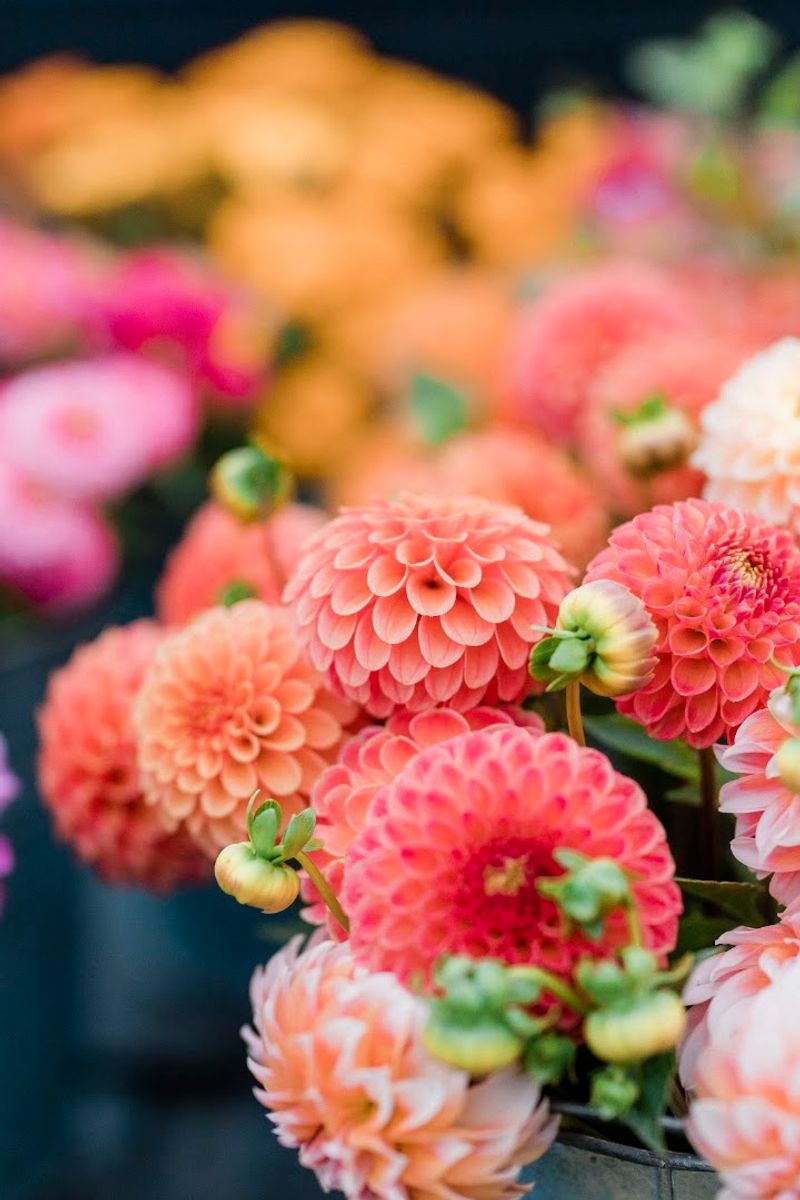
If tulip season is the farm’s spring headline, dahlia season is its late-summer main event, and it draws a dedicated crowd of flower lovers who plan their visits months in advance.
Dahlias at Cross Street Flower Farm are grown across multiple fields, and the variety on display during peak season is genuinely impressive for a farm of this size.
A single dahlia stem can carry multiple blooms, which means the farm’s pricing structure, typically around $45 for ten full stems, delivers more flower per dollar than it might first appear.
The blooms come in a wide range of colors and forms, from tight ball dahlias to larger dinner-plate varieties, and the mix changes from week to week as different cultivars hit their peak.
Dahlia season typically runs from late summer into fall, which extends the farm’s busy season well beyond the spring tulip rush and gives repeat visitors a completely different experience each time they return.
The Barn Shop Worth Browsing
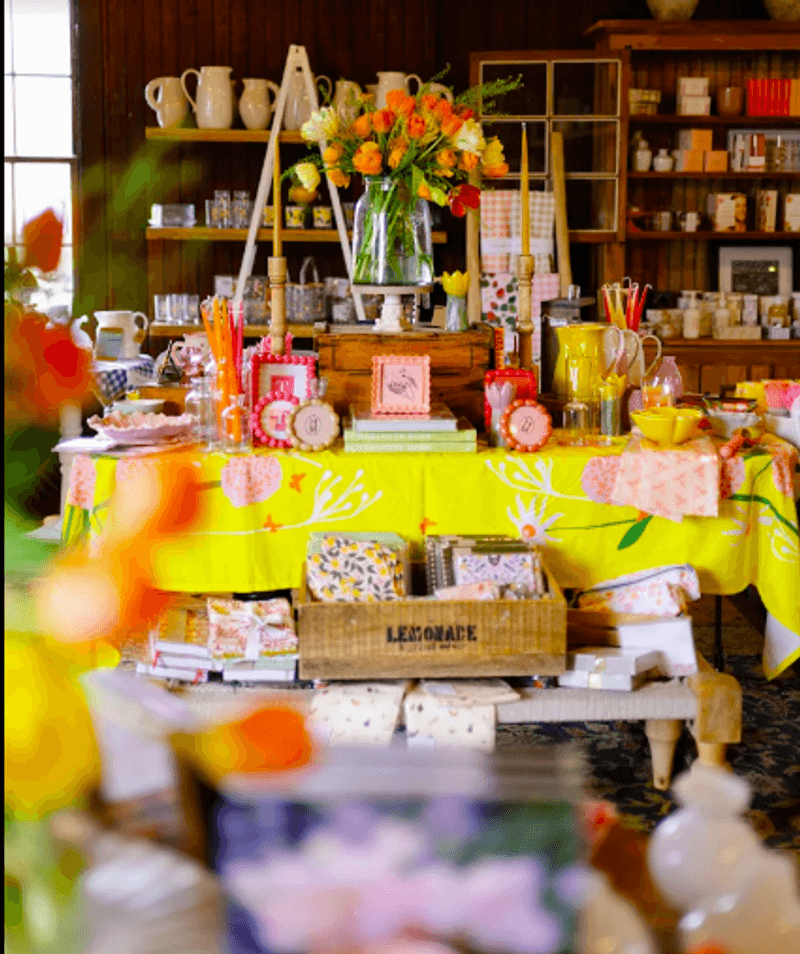
Not every farm visit ends with a bouquet, and that is exactly why the barn shop at Cross Street Flower Farm matters more than it might seem at first glance.
The shop is stocked with a curated selection of gifts that go well beyond the typical farm stand fare, including candles, greeting cards, coffee table books, and a range of merchandise that fits the farm’s overall aesthetic.
The displays inside the barn are well-organized and easy to browse, which makes the space feel more like a boutique than a barn, though it keeps the rustic character of the building intact.
Gifts sold in the shop are the kind that photograph well and travel easily, making the stop useful for anyone looking to bring something home for a friend or family member who could not make the trip.
The barn shop is open during regular farm hours, and its inventory tends to shift with the seasons, so there is usually something new worth checking out on each visit.
Events That Keep the Calendar Full
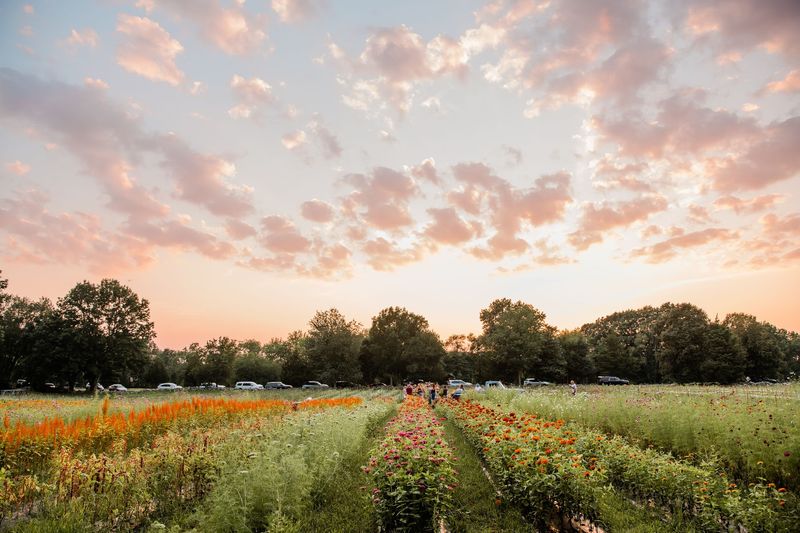
Cross Street Flower Farm has built a calendar of events that turns the property into a community gathering space well beyond the standard farm visit.
Saturday morning yoga sessions held in the flower fields have become a recurring draw, offering a way to connect with the farm’s landscape in a format that works for adults looking for something different to do on a weekend morning.
Thursday programming for children, known as Little Explorers, gives younger visitors a structured way to engage with the farm, which makes the property more accessible for families with kids who need more than just a walk through the fields.
Food trucks, lemonade stands, and local vendor markets round out the events lineup, and the farm uses its open acreage to host these gatherings without things feeling crowded.
The events calendar is updated regularly on the farm’s website, and some sessions fill up quickly, so checking ahead before planning a visit around a specific event is always the right move.
Weddings and Custom Arrangements
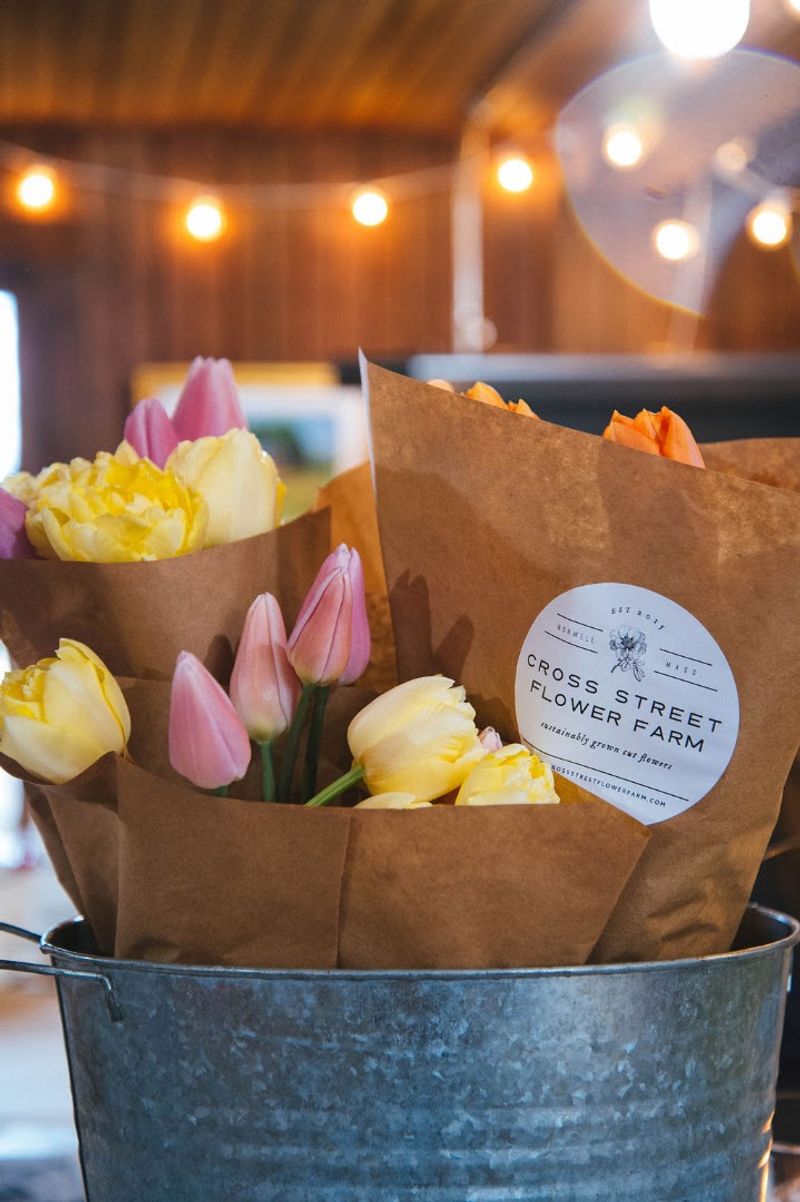
Cross Street Flower Farm has carved out a real niche in the wedding flower market, and it is not hard to understand why couples keep finding their way to the property when planning their big day.
Field-grown flowers have a looseness and natural variation that formal florist arrangements often lack, and brides who want something that feels personal rather than produced tend to respond strongly to what the farm offers.
The farm has worked with couples who picked up bulk stems and arranged their own bouquets, keeping costs manageable while ending up with something that felt completely their own.
Custom arrangements are also available for those who want professional help, and the farm’s staff have a track record of going well above expectations when a bride reaches out with a tight timeline or an unusual request.
Owner Nikki Bartley has been personally involved in helping brides navigate the process, which gives the whole experience a level of care that larger commercial florists rarely match.
The Chickens and the Farm Atmosphere
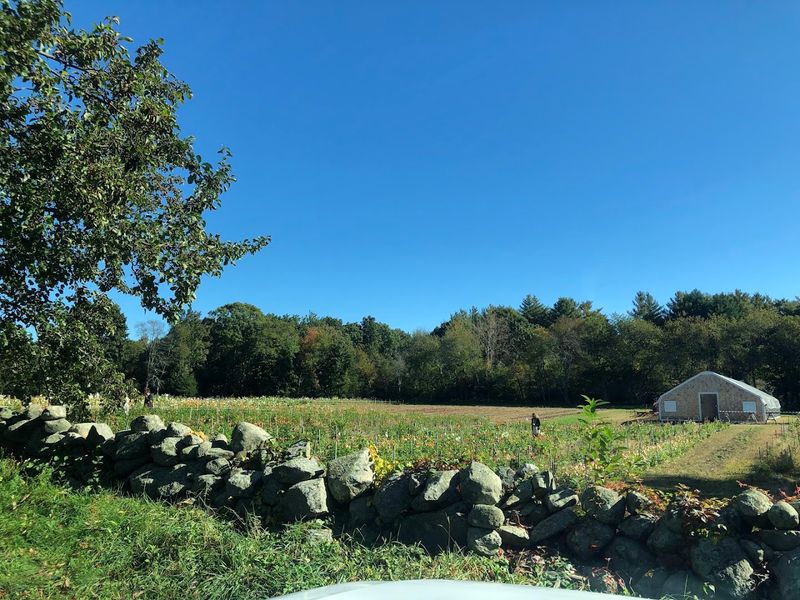
There is something about a working farm that no amount of careful landscaping can manufacture, and Cross Street Flower Farm has it in abundance because it is, at its core, a real farm.
The chickens that roam the property have become an unexpected highlight for families visiting with young children, who tend to find the birds just as exciting as the flowers themselves.
The presence of livestock gives the property a lived-in quality that separates it from more polished agritourism destinations, and that authenticity is a big part of what keeps people coming back.
Bee boxes are also maintained on the farm, which supports the pollination of the flower fields and gives curious visitors a chance to observe an important part of how a working flower operation actually functions.
The overall atmosphere of the property is that of a place where real agricultural work happens every day, and the flowers are the beautiful byproduct of that ongoing effort.
Seasonal Blooms and What to Expect
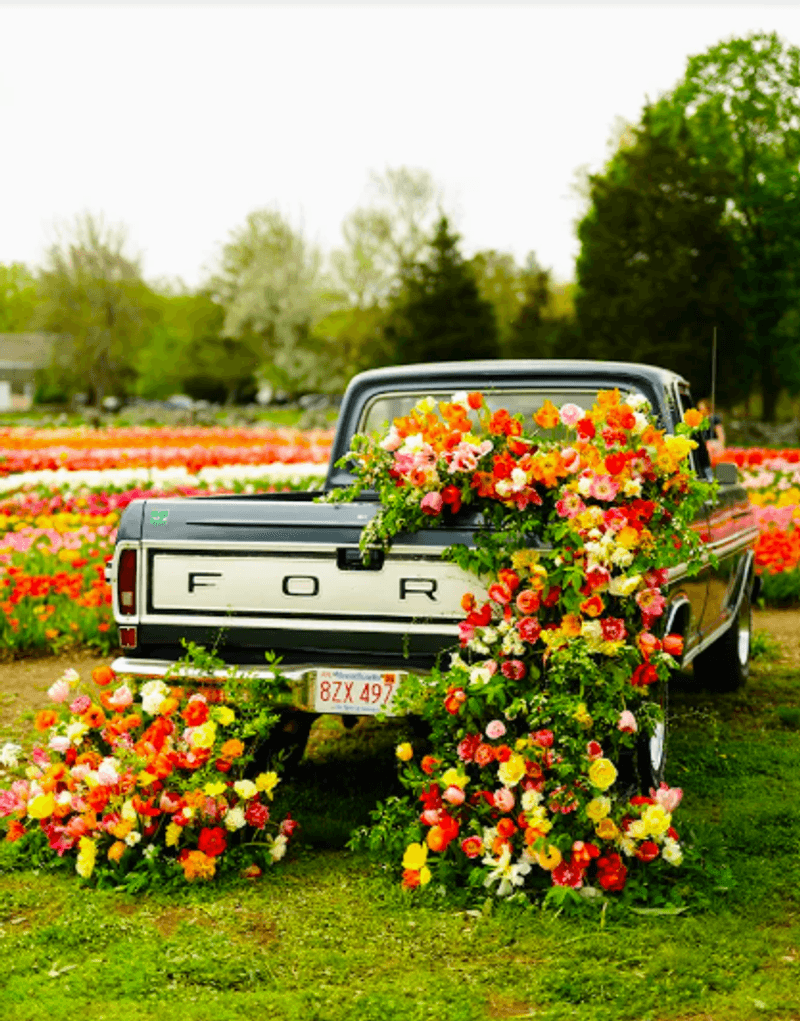
One of the most important things to understand before visiting Cross Street Flower Farm is that the flowers available on any given day depend entirely on what is currently growing in the fields.
The farm operates on a seasonal schedule that follows the natural growing cycle of each flower variety, which means spring visits center on tulips, summer brings a broader mix, and fall is dominated by dahlias.
Arrangements and bouquets purchased from the farm reflect whatever is at peak bloom at the time of purchase, and the colors and varieties will not always match photos shown online from previous seasons.
This is a feature of buying local, field-grown flowers, not a flaw, and the farm has been transparent about this on its website after early feedback from customers who expected more consistency.
Checking the farm’s social media and website before visiting gives the clearest picture of what is currently blooming and what the pick-your-own options look like for that specific week.
Hours, Planning, and Practical Tips
Cross Street Flower Farm keeps a schedule that rewards a little advance planning, and knowing the hours before showing up makes the visit go much more smoothly.
The farm is open Wednesday through Friday from 9 AM to either 4:30 or 5 PM depending on the day, with Thursday hours extending to 7 PM, which is useful for anyone who cannot make a daytime visit work during the week.
Saturday hours run from 9 AM to 5 PM, and Sunday hours are shorter, closing at 1 PM, so Sunday visitors need to arrive early to make the most of the trip.
The farm is closed on Mondays and Tuesdays, which is worth noting before making the drive from a distance.
Pick-your-own sessions can fill up during peak season, and some events require advance registration, so bookmarking the farm’s website and checking it before any visit is the most reliable way to avoid arriving when the fields are already at capacity.
Why This Farm Keeps Growing
A farm that started with mason jars and backyard blooms does not grow to seven acres by accident, and the trajectory of Cross Street Flower Farm says a lot about what happens when a clear vision meets consistent execution.
Owner Nikki Bartley has been the visible force behind the farm’s identity, personally responding to customer feedback, updating the website to reflect accurate seasonal information, and staying involved in the kind of details that define a business’s reputation over time.
The farm has expanded its offerings steadily, moving from simple flower sales into pick-your-own experiences, events programming, a retail shop, and wedding services, each addition building on the last without losing the original character of the place.
Community connection has been central to that growth, and the farm’s events calendar reflects a genuine effort to make the property useful to the surrounding South Shore community beyond just the flower-buying public.
That combination of agricultural seriousness and community warmth is what keeps Cross Street Flower Farm relevant season after season.
Where the Farm Actually Sits
Cross Street Flower Farm is located at 4 Jacobs Lane in Norwell, Massachusetts 02061, tucked into the South Shore countryside in a setting that feels removed from the usual rush of everyday life.
The farm sits on seven acres of growing land, which gives it a scale that surprises first-time visitors who expect something much smaller.
Norwell itself is a quiet town in Plymouth County, about 30 miles south of Boston, and the surrounding landscape of trees and open fields makes the drive to the farm feel like a genuine escape from the city.
The farm is well-signed and easy to find once you are in the area, and the property has enough parking to handle busy weekend mornings without things feeling cramped.
For anyone planning a visit, the farm’s website at crossstreetflowerfarm.com keeps the most current information on what is blooming and when pick-your-own sessions are available.
Share this story