There is a small cafe in central Massachusetts that has quietly been doing something most coffee shops would never attempt: making almost everything from scratch. Not just the food, but the oat milk, the syrups, the sodas, and the sweets too.
Webster is not usually the first town that comes to mind when people think about standout cafe culture, but that is exactly what makes this place worth talking about. This cafe has built a loyal following by treating every cup and every plate as something worth caring about, and the result is a spot that feels genuinely different from anything else in the area.
The Story Behind the Scratch-Made Philosophy
Chef and owner Jess built The Rose Room Cafe around a straightforward but ambitious idea: if you can make it yourself, you should. That philosophy runs through every part of the menu, from the oat milk in the lattes to the syrups in the specialty drinks to the baked goods behind the glass.
The cafe has been operating for years and has developed a reputation not just for quality but for consistency. Guests who come back after months away report that the standards have not slipped, which is one of the harder things to maintain in a small, independent operation.
Jess has been known to stop by tables and chat with guests, which gives the place a character that is hard to manufacture. The scratch-made approach is not a marketing angle here.
It is simply how the cafe has always operated, and that authenticity is noticeable from the first order.
House-Made Oat Milk That Started Seven Years Ago
Seven years before oat milk became a standard menu option at chain coffee shops, The Rose Room Cafe was already making its own in-house using oats grown in New England. That kind of head start says a lot about where the cafe’s priorities have always been.
The owner has explained that making oat milk in-house keeps costs down, which allows the cafe to avoid passing the price of specialty milk alternatives on to guests. It is a practical decision with a community-minded outcome, and it reflects how the cafe thinks about its relationship with the people who walk through the door.
The oat milk sells consistently and has become one of the small details that regulars mention when explaining why they keep coming back. For a cafe that prides itself on doing things differently, the house-made oat milk is one of the clearest examples of that commitment in action.
Custom Syrups That Change With the Seasons
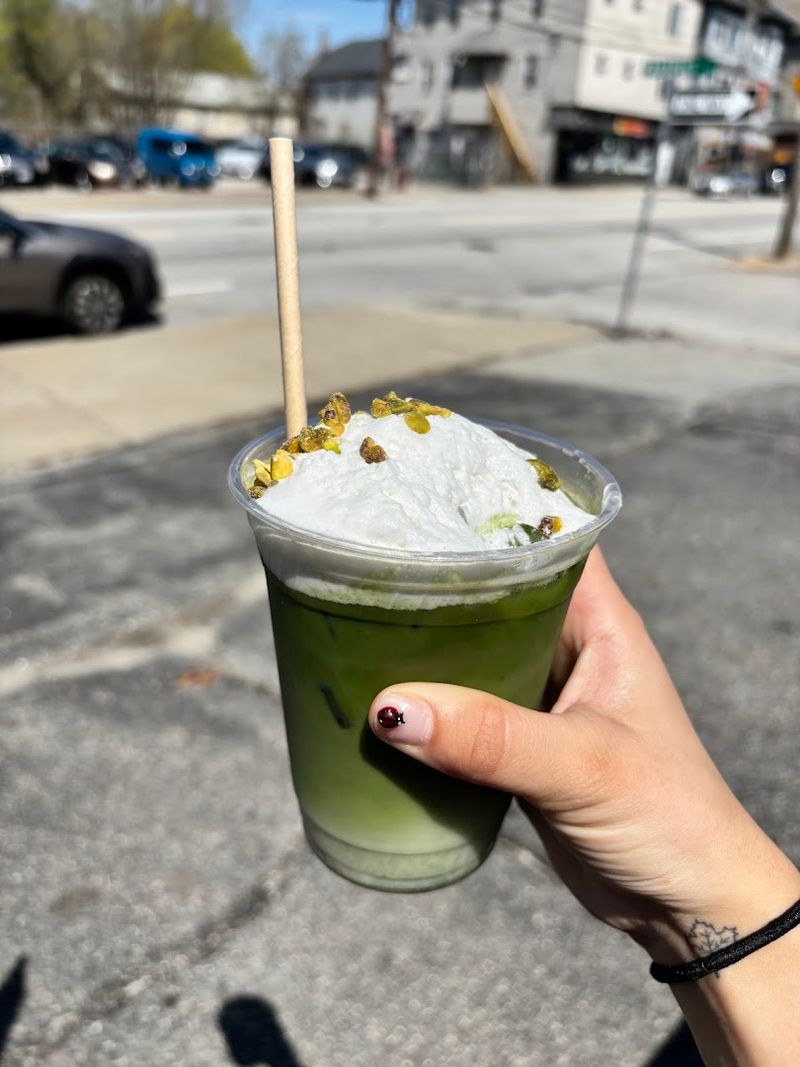
Most cafes order their flavoring syrups from a distributor and call it a day. The Rose Room Cafe makes its own, which gives the drink menu a flexibility and creativity that pre-bottled options simply cannot match.
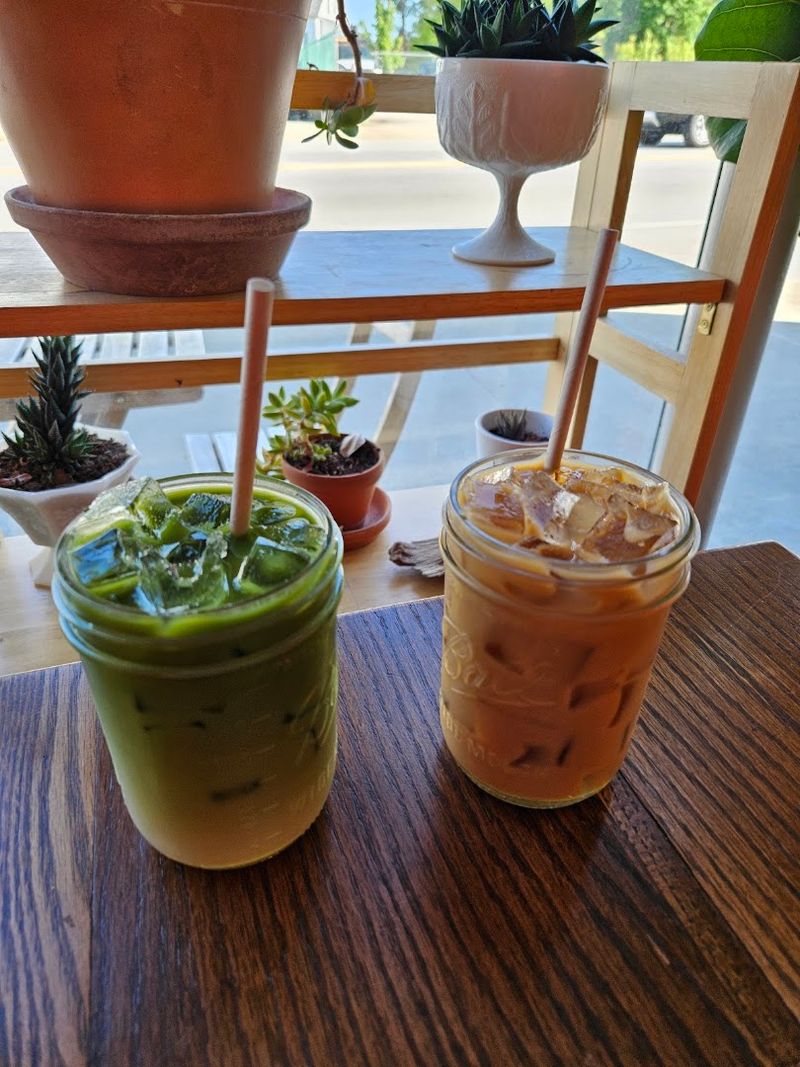
House-made syrups allow the team to build seasonal and limited-run drinks that feel genuinely special rather than just rebranded versions of standard offerings. A pistachio matcha topped with fluff and pistachio pieces, for example, is the kind of drink that only works when the flavoring is crafted in-house with real attention to balance.
The syrup program also supports the cafe’s broader commitment to knowing exactly what goes into every cup. There are no mystery ingredients or artificial shortcuts hiding in the drinks at The Rose Room.
What goes in is what was made on-site, and that transparency is something that guests who care about quality tend to notice and appreciate over time.
Sodas Made From Scratch, Not From a Can
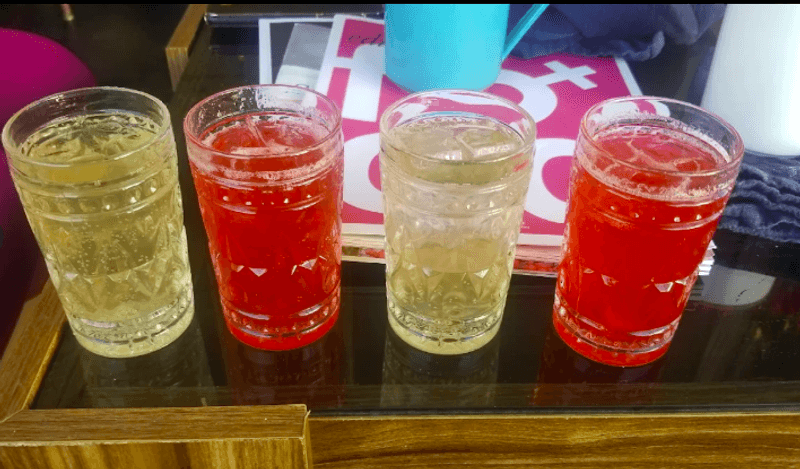
Craft sodas have become a trend in specialty food culture, but not every cafe that lists them on a menu is actually making them from scratch. At The Rose Room, the sodas are built the same way everything else is: with house-made ingredients and real effort behind the counter.
This approach gives the cafe a non-coffee option that feels just as intentional as the espresso drinks, which matters for guests who do not drink coffee but still want something worth ordering. A well-made house soda is not a consolation prize here.
It is a full menu item with its own identity.
The scratch-made soda program also fits naturally into the cafe’s overall approach of controlling quality at every step. When the syrup is made in-house and the carbonation is handled with care, the result is a drink that stands on its own rather than just filling a gap on the menu board.
Sweets That Are Baked, Not Ordered
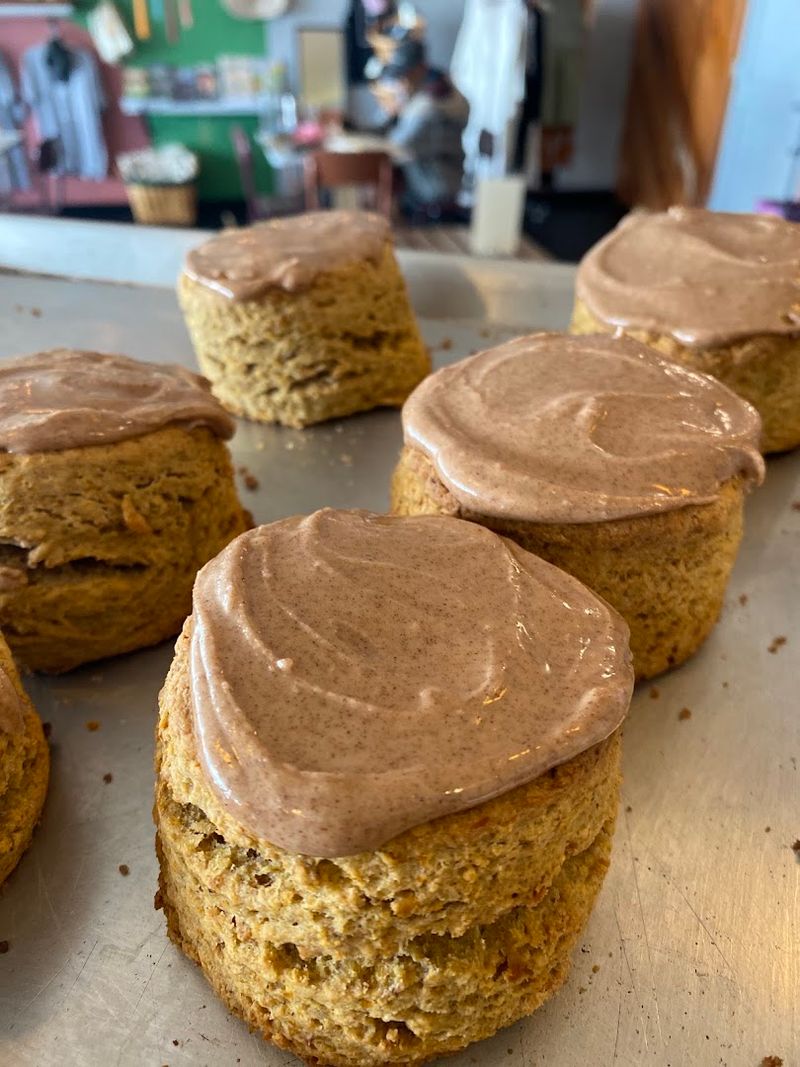
The baked goods at The Rose Room are made in-house, which means the pastry case is stocked with things that were actually baked on the premises rather than delivered in boxes from a wholesale supplier. That distinction matters more than it might seem at first.
From classic pastries to more inventive creations like a pineapple upside-down pastry, the sweets menu reflects the same creativity that runs through the drink offerings. The team clearly enjoys pushing past the expected, and the dessert options tend to surprise guests who come in expecting a standard muffin selection.
The scratch-made approach also means that the sweets menu can shift based on what is fresh, what is seasonal, and what the kitchen feels like experimenting with. For regulars, that unpredictability is part of the appeal.
There is always a reason to check what is behind the glass, because the answer is likely to be something new.
Locally Sourced Ingredients as a Foundation, Not a Footnote
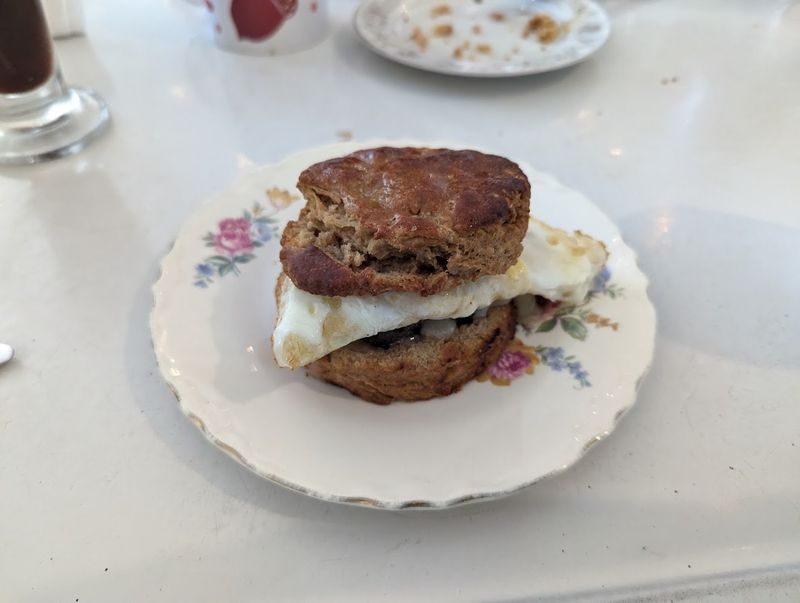
The Rose Room Cafe does not use local sourcing as a talking point. It is built into the foundation of how the menu is constructed, from the fresh-milled flour used to make English muffins to the regional oats that go into the house oat milk.
Buying locally generally costs more than sourcing from large food distributors, and the cafe is straightforward about that reality. The menu is priced to reflect the quality of what goes into it, and the ownership has been clear that those choices are intentional rather than incidental.
Guests who pay attention to where their food comes from tend to find The Rose Room easy to trust, because the sourcing decisions are not hidden or vague. The cafe knows its supply chain because it has built relationships with the people in it.
That kind of accountability is becoming rarer in the food industry, which makes it more noticeable when a small cafe gets it right.
The Atmosphere After the Expansion
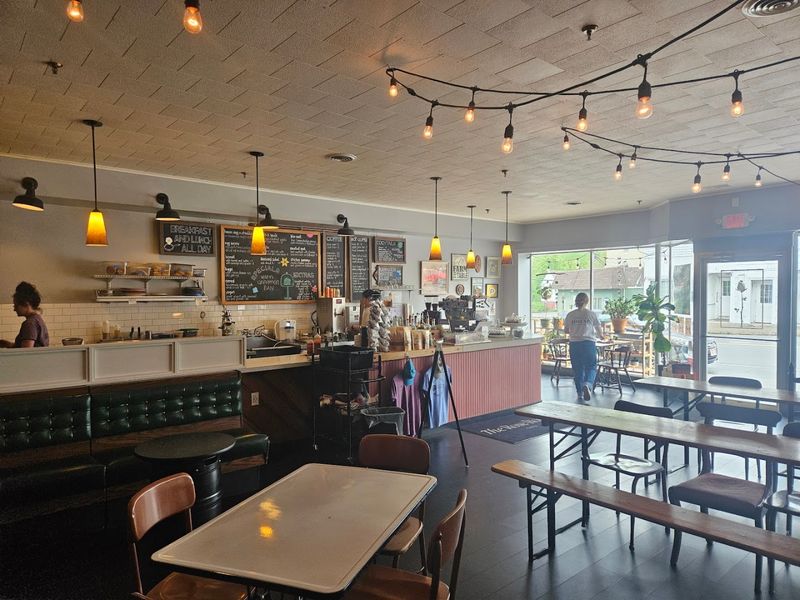
The Rose Room recently expanded its physical space, and the result has been a noticeable shift in how the cafe functions as a place to spend time. More seating means more room for the kind of varied use that makes a neighborhood cafe actually feel like a neighborhood cafe.
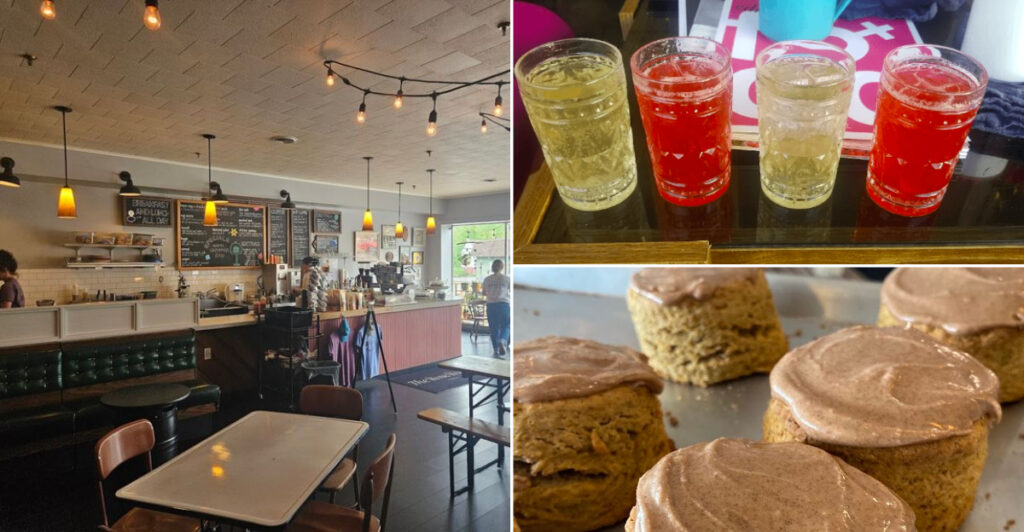
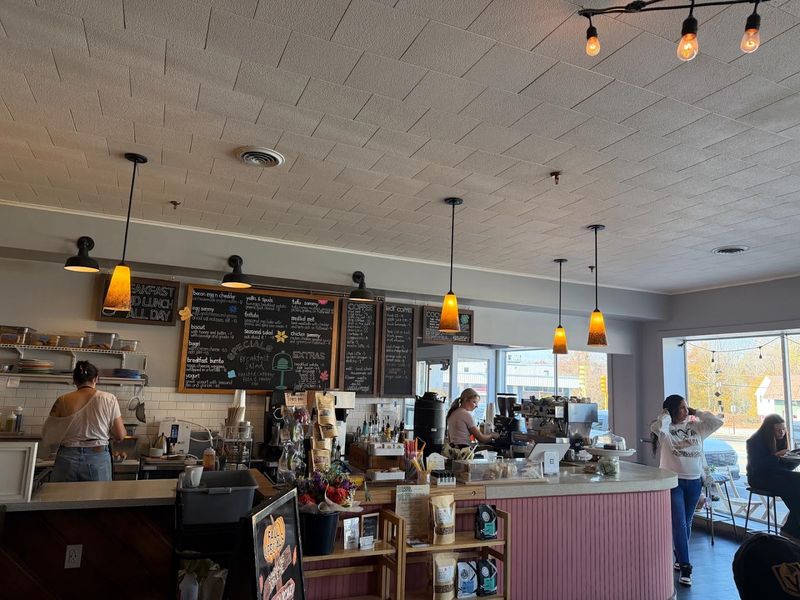
The interior leans into a warm, plant-filled aesthetic with thoughtful touches throughout, including carefully chosen merchandise and decor that feels curated rather than cluttered. Older, somewhat antique-style chairs and tables give the space a character that new furniture rarely achieves.
Guests use the space in different ways depending on the day. Some come to read or study and stay for hours.
Others grab a drink and head out. The expanded layout accommodates both without making either feel out of place.
That flexibility is one of the harder things to design into a cafe, and The Rose Room seems to have landed on a version that works well for the community it serves.
A Matcha Program Worth Taking Seriously
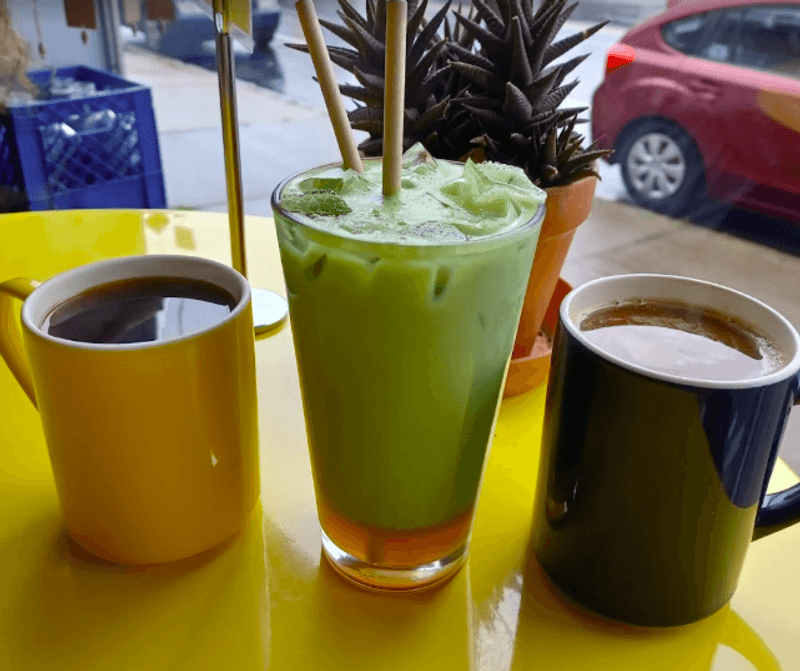
Matcha has gone from a niche specialty to a mainstream menu staple, but the quality gap between a well-made matcha drink and a mediocre one is significant. The Rose Room has put real thought into its matcha offerings, and the results hold up to scrutiny from people who drink it regularly.
The current menu has included creative variations like a pistachio matcha with fluff and pistachio pieces, which goes beyond the standard preparation and gives the drink its own personality. The base matcha itself is handled with enough care that guests who are particular about quality tend to come back specifically for it.
Staff members like Jade have been noted for their knowledge of the drinks and their willingness to help guests navigate options based on personal preferences, including dietary considerations. That kind of attentiveness around a specialty drink program is what separates a cafe that takes matcha seriously from one that just lists it on the board.
Events and Private Parties in the Space
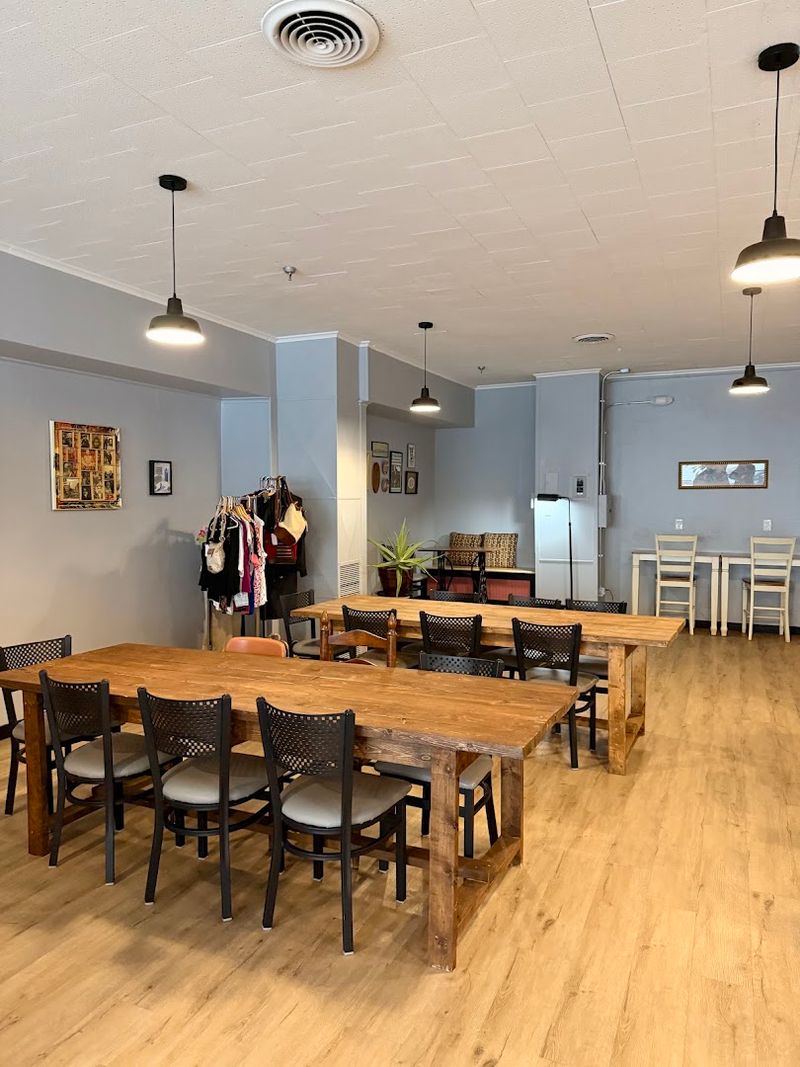
Beyond daily cafe service, The Rose Room has established itself as a venue for private events, and the results have been memorable enough to generate serious word of mouth. The space has hosted themed birthday parties with custom drink menus, elaborate grazing tables, and passed appetizers that disappeared almost as fast as they were served.
Owner Jess and her team approach events with the same scratch-made philosophy that drives the daily menu. Signature drinks are developed specifically for the occasion, and the food is prepared with the same local sourcing and in-house production that guests expect from a regular visit.
The cafe has also shown flexibility in less planned situations, stepping in on short notice to help families mark important moments when other plans fell through. That kind of responsiveness is not something that can be built into a policy document.
It comes from a team that genuinely cares about the community it operates in, and it shows.
What Makes the Coffee Program Stand Out
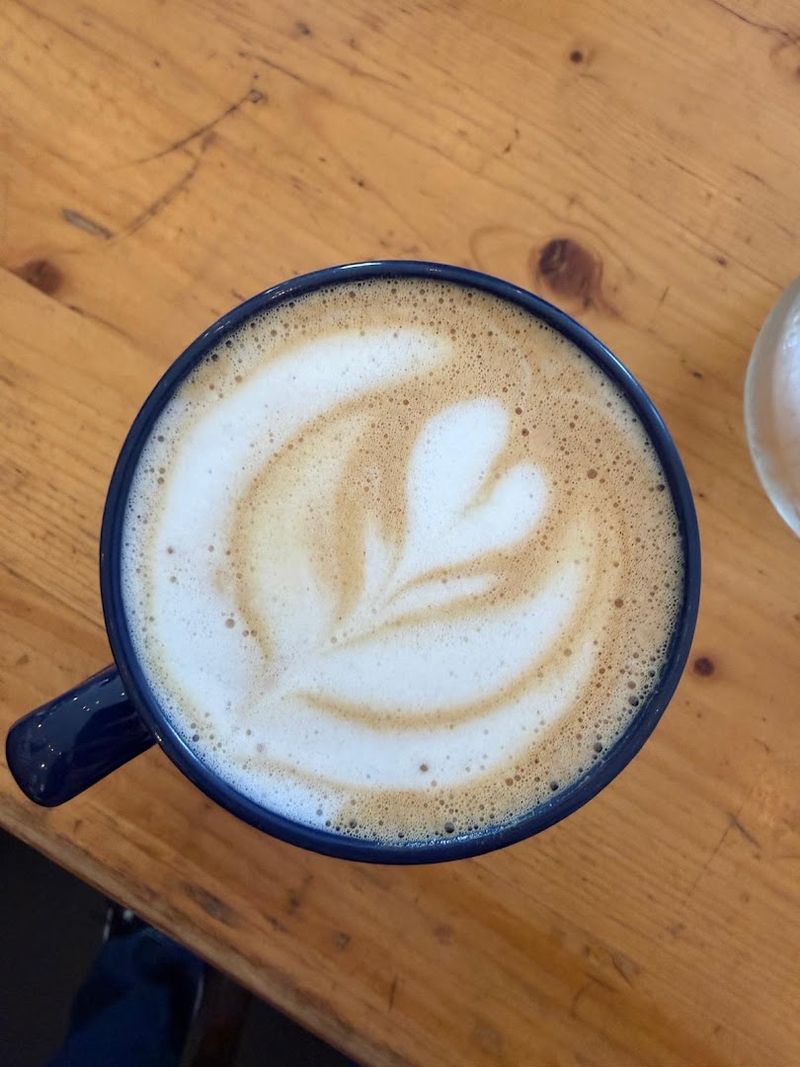
The coffee at The Rose Room is taken seriously, which is not something that can be said about every cafe that puts espresso drinks on the menu. The beans are selected with quality in mind, and the preparation reflects a level of craft that guests who know coffee tend to pick up on immediately.
Drinks like the maple iced latte and the Noggaccino, a seasonal egg nog cappuccino, show a menu that goes beyond the standard espresso lineup. The balance between coffee strength, milk ratio, and added flavor is handled with enough precision that the drinks hold up on their own terms rather than relying on sweetness to cover up weak foundations.
The house-made oat milk and custom syrups feed directly into the coffee program, giving the baristas tools that most shops simply do not have. The combination of quality beans, in-house ingredients, and skilled preparation adds up to a coffee experience that is genuinely worth making a trip for.
Grab-and-Go or Stay Awhile, Both Work Fine
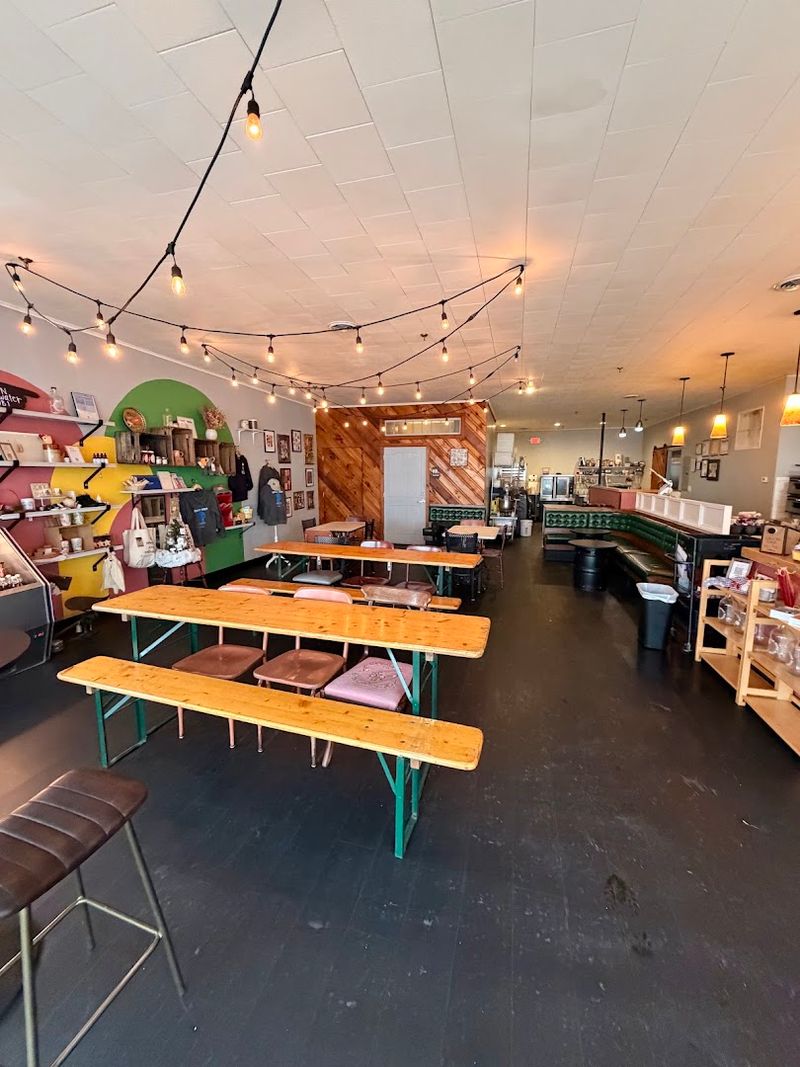
One of the more practical things about The Rose Room is that it functions well regardless of how much time a guest has. The setup supports both a quick in-and-out visit and the kind of extended stay where someone settles in with a book or a laptop and loses track of the morning.
Parking on the side of the building makes the logistics easy, which removes one of the common friction points of visiting a downtown cafe. Guests who arrive around mid-morning on a weekday tend to find the space comfortable without being overwhelmed.
The cafe is open from 7 AM to 3 PM every day, which covers the full range of morning and early afternoon visits but does leave some regulars wishing the hours extended into the evening. For now, the eight-hour window is generous enough to accommodate most schedules, and the consistency of those hours makes planning a visit straightforward and reliable.
A Connection to Lake Chargoggagoggmanchauggagoggchaubunagungamaugg

Webster is home to one of the most famously long place names in the United States: Lake Chargoggagoggmanchauggagoggchaubunagungamaugg, which locals often shorten to Lake Chaubunagungamaug or simply Webster Lake. Visitors who make the trip to the lake frequently find their way to The Rose Room Cafe before or after spending time on the water.
The combination of a lakeside outing and a stop at a scratch-made cafe makes for a straightforward and satisfying day trip from anywhere in central Massachusetts or the surrounding region. The two destinations complement each other naturally, with the cafe offering the kind of quality food and drink that makes a day outdoors feel more complete.
For visitors who are new to Webster, the lake and the cafe together offer a reason to spend real time in the town rather than just passing through. That combination of natural attraction and local business quality is exactly the kind of thing that puts a small town on the map.
Why This Cafe Has Earned Its Place in the Community
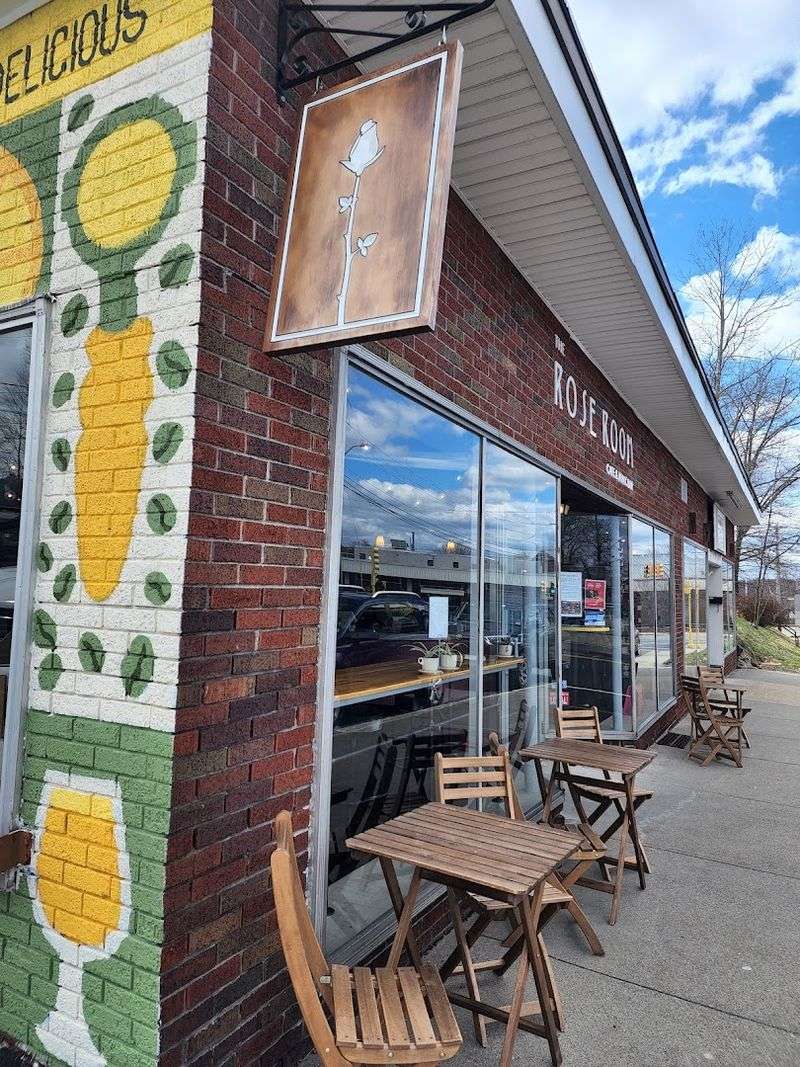
The Rose Room Cafe has not built its reputation through advertising or social media campaigns alone. It has done it by showing up every day at 7 AM, making things from scratch, sourcing locally, and treating the people who walk in like they matter.
The cafe has stepped up during snowstorms, holidays, and last-minute family celebrations, becoming the kind of place that a community reaches for when something needs to go right. That level of trust is not built quickly, and it is not maintained without consistent effort from everyone involved in running the place.
Webster is a town that deserves a cafe like this, and The Rose Room has clearly decided that it is going to be exactly that. From the house-made oat milk to the scratch-built sodas to the custom syrups and the fresh-baked sweets, every detail points toward a place that takes its role in the community seriously.
That is worth the drive, whatever direction you are coming from.
A Webster Address With a Lot Going On Inside
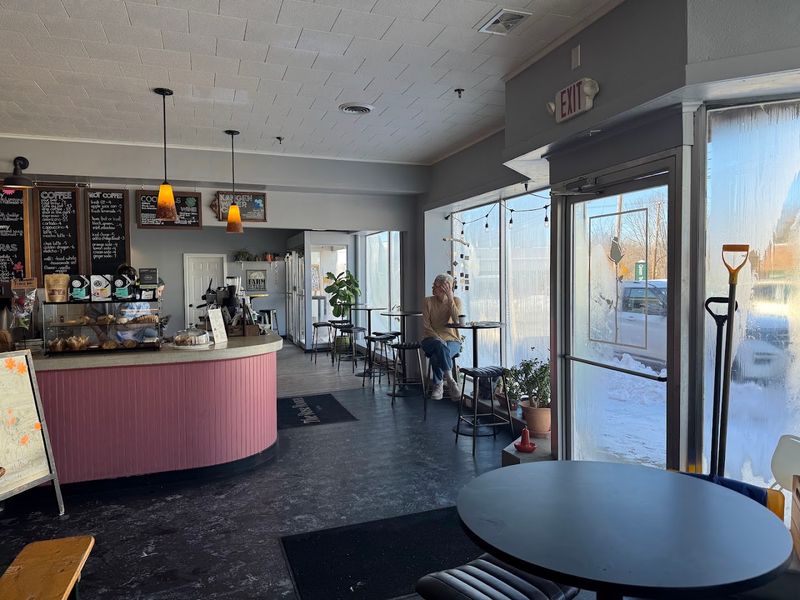
The Rose Room Cafe sits at 4 E Main St, Webster, MA 01570, right in the heart of a small New England town that most people pass through on their way somewhere else. That is a mistake worth correcting.
The cafe is open every day of the week from 7 AM to 3 PM, which means whether it is a Tuesday morning or a Sunday afternoon, there is a window of time to stop in and see what all the conversation is about.
Parking is available on the side of the building, which makes the whole experience easier than expected for a downtown location. The space recently expanded, adding more seating and room for the kind of unhurried morning that Webster does not always get credit for offering.
First-timers tend to linger longer than planned.
Share this story