 Unearth The Voyage
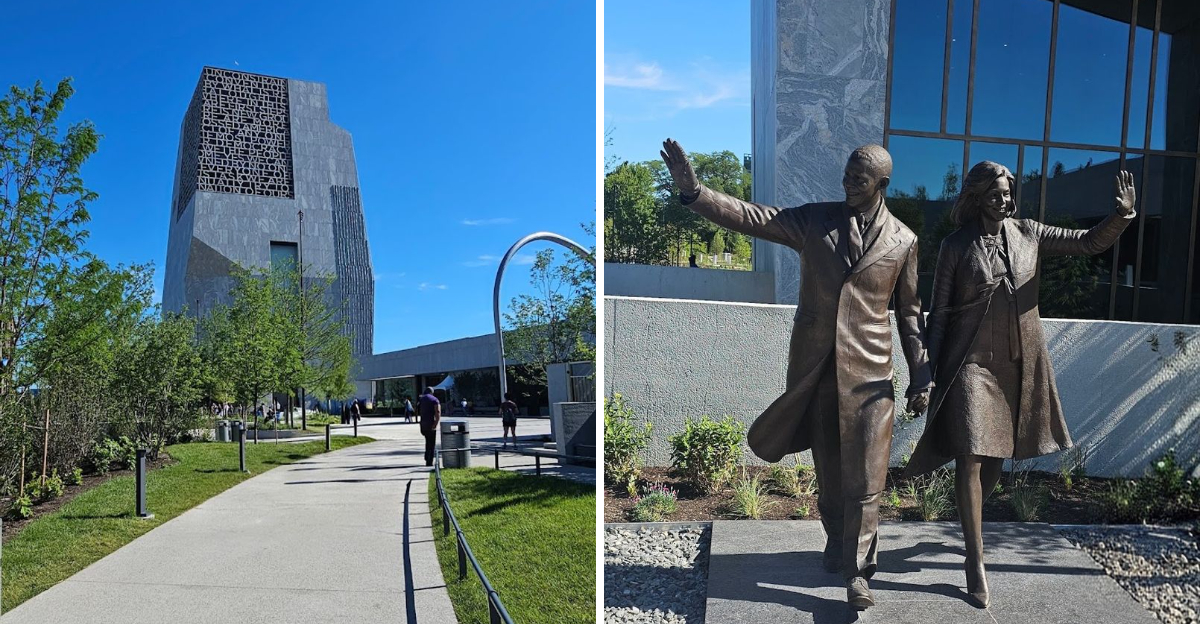
There is a place on Chicago’s South Side that people are talking about in the best possible way. A brand-new cultural landmark has opened its doors, and it is already drawing visitors from across the country and around the world.
Built to honor the 44th President of the United States, this center is far more than a museum. It is a living, breathing community space packed with history, art, gardens, and activities that make every visit feel personal and meaningful.
Whether you live nearby or are planning a trip to Illinois, this is one attraction you will genuinely want to put at the top of your list.
Where It All Begins: Address and Location
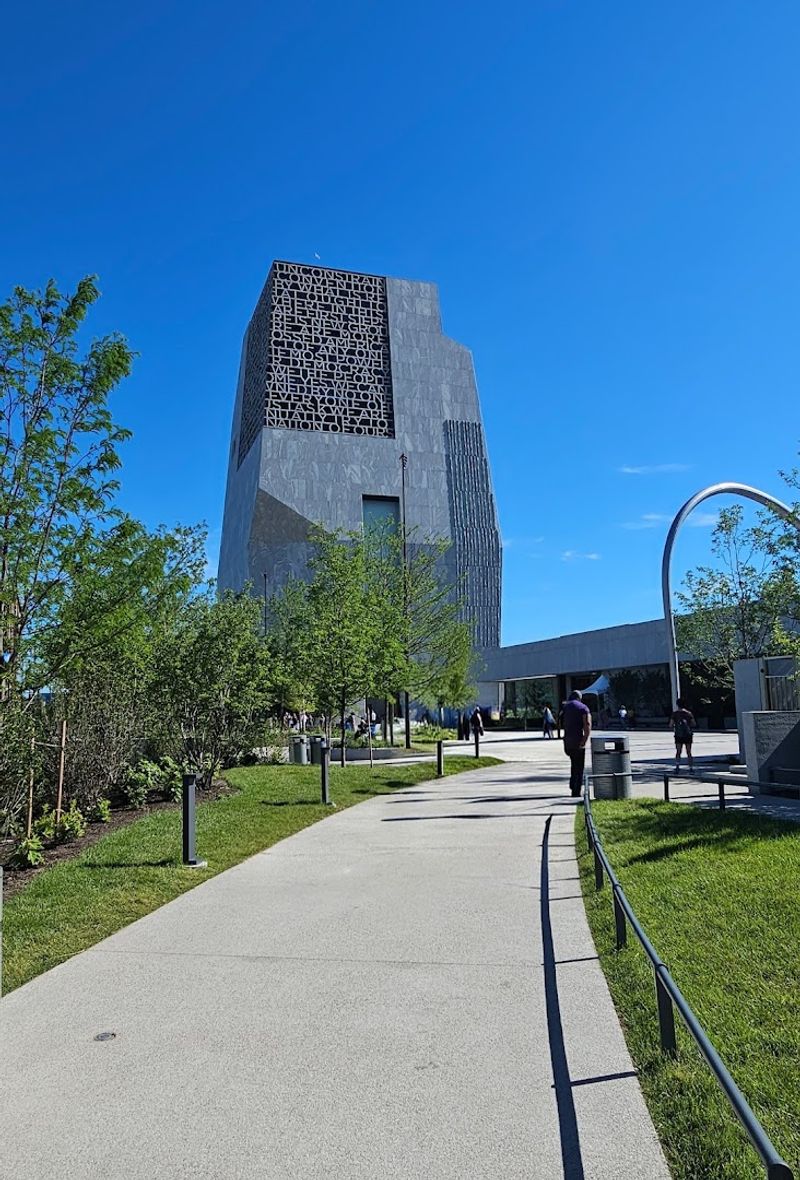
Right in the heart of Chicago’s South Side, at 6001 S Stony Island Ave, Chicago, IL 60637, the Barack Obama Presidential Center sits on 20 acres of beautifully developed land in Jackson Park. This is the same neighborhood where Barack Obama once organized communities as a young man, which makes the location feel deeply intentional rather than symbolic.
The center is easy to reach by public transit, and the surrounding streets are well-marked with signage guiding visitors toward the entrance. Parking is available nearby, though many guests prefer the CTA Green Line for a smoother arrival experience.
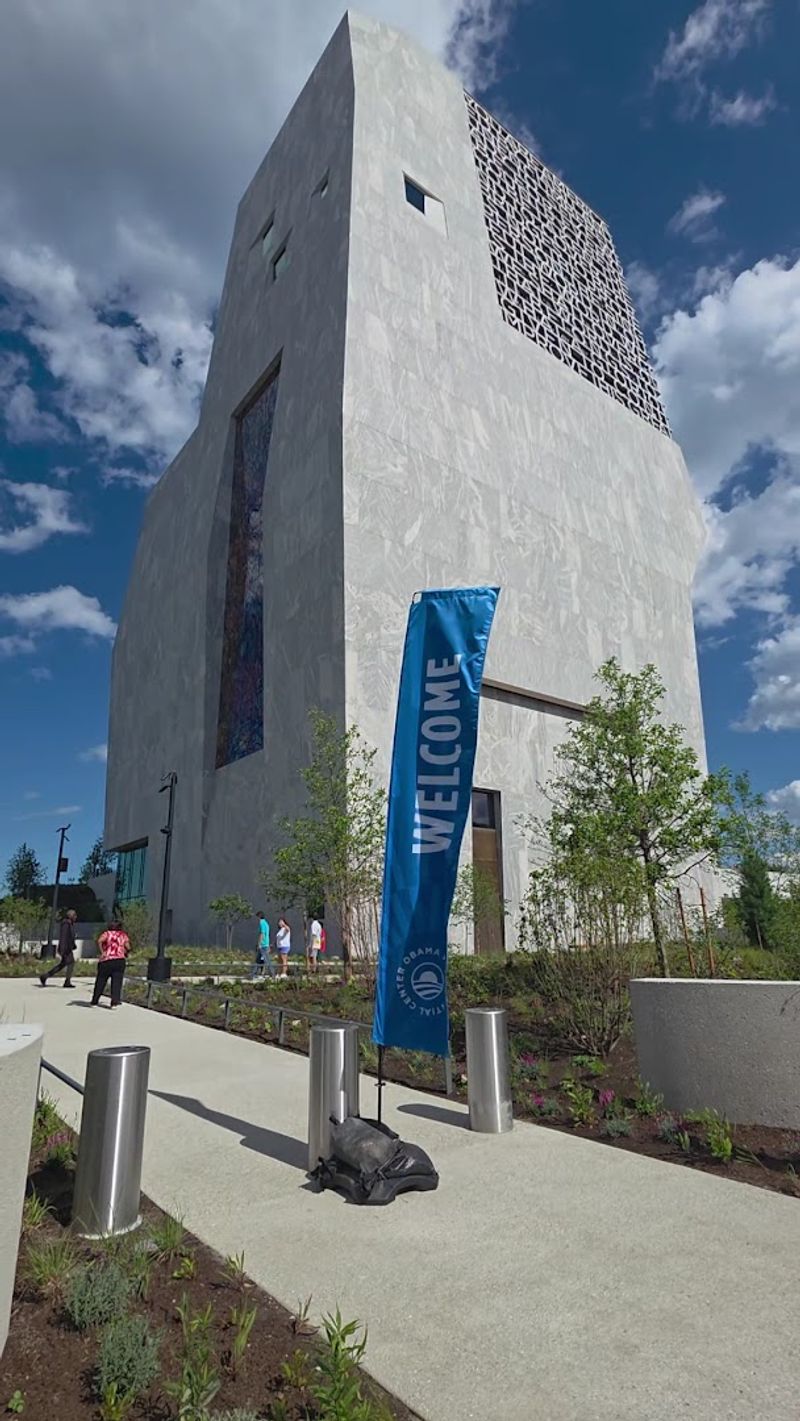
The campus itself feels open and welcoming the moment you approach it. Wide pathways connect the main museum building to the library, plaza areas, and outdoor spaces.
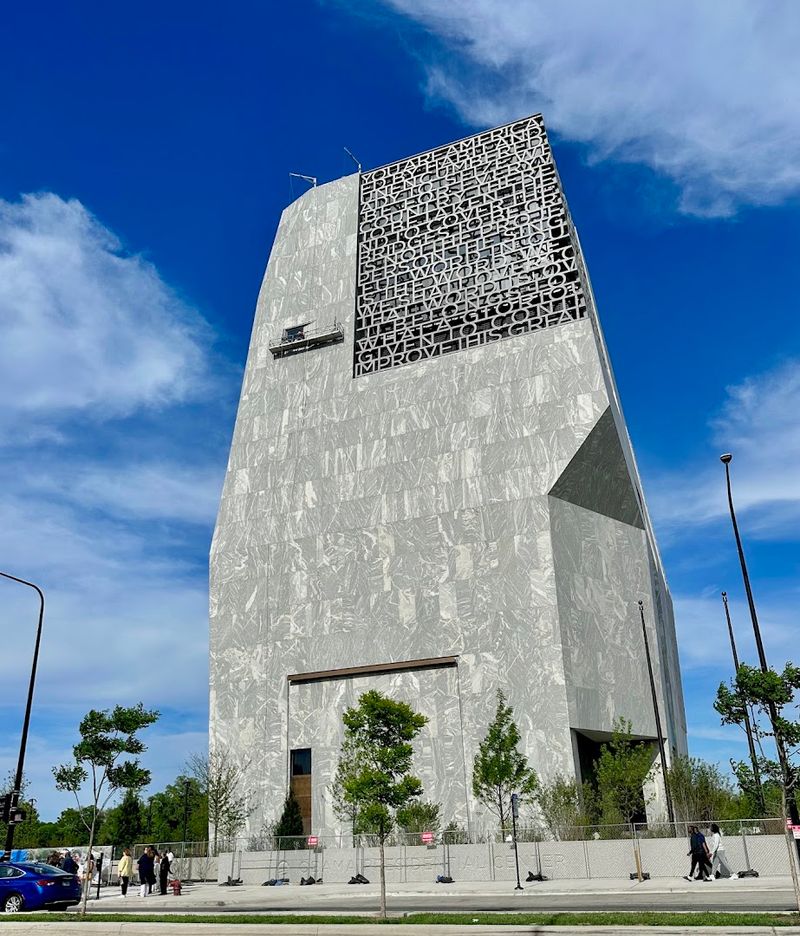
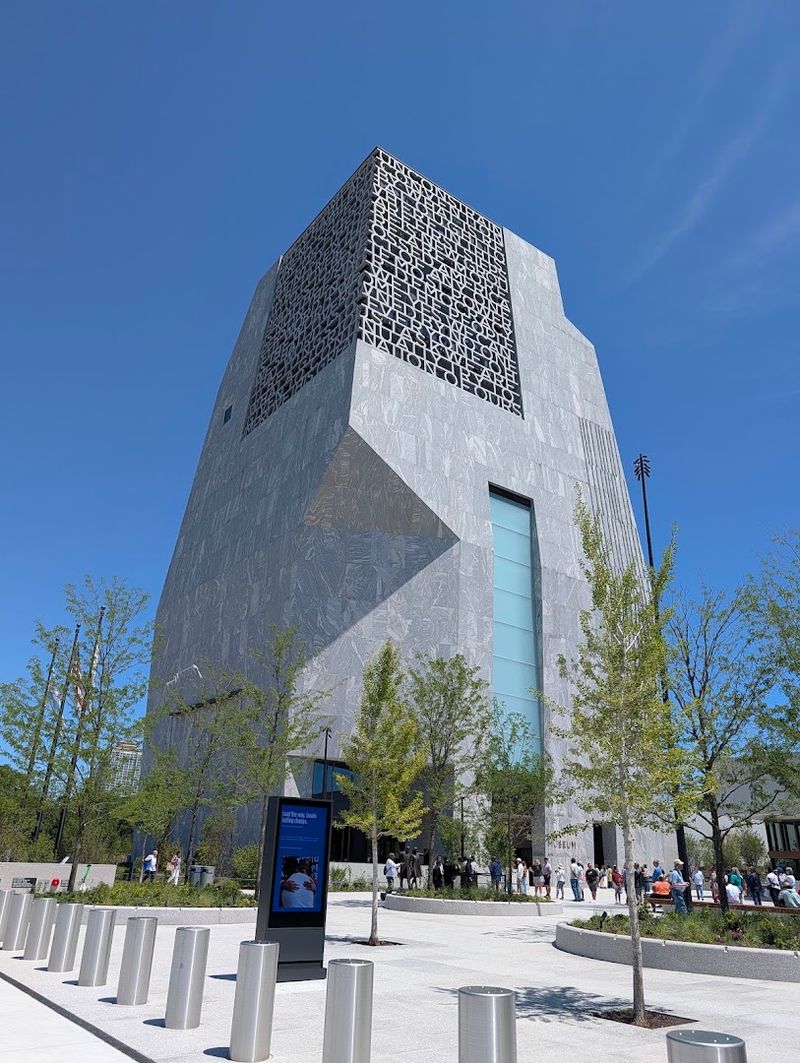
The architecture is bold and modern, designed by Tod Williams Billie Tsien Architects, and it fits naturally into the park landscape without overwhelming it. First-time visitors often spend a few minutes just taking in the exterior before heading inside, and that reaction makes complete sense given how striking the whole setting is.
The Story Behind the Center
Not every presidential library tells its story with this much community focus. The Obama Presidential Center was conceived not just as an archive or a tribute, but as an active civic institution designed to inspire the next generation of leaders.
The Obama Foundation, which manages the center, has been planning this project for nearly a decade.
The museum building anchors the campus and houses exhibits that trace Barack Obama’s life from his childhood in Hawaii and Indonesia, through his years as a community organizer on Chicago’s South Side, to his two terms in the White House. The storytelling is personal, honest, and remarkably accessible for visitors of all ages.
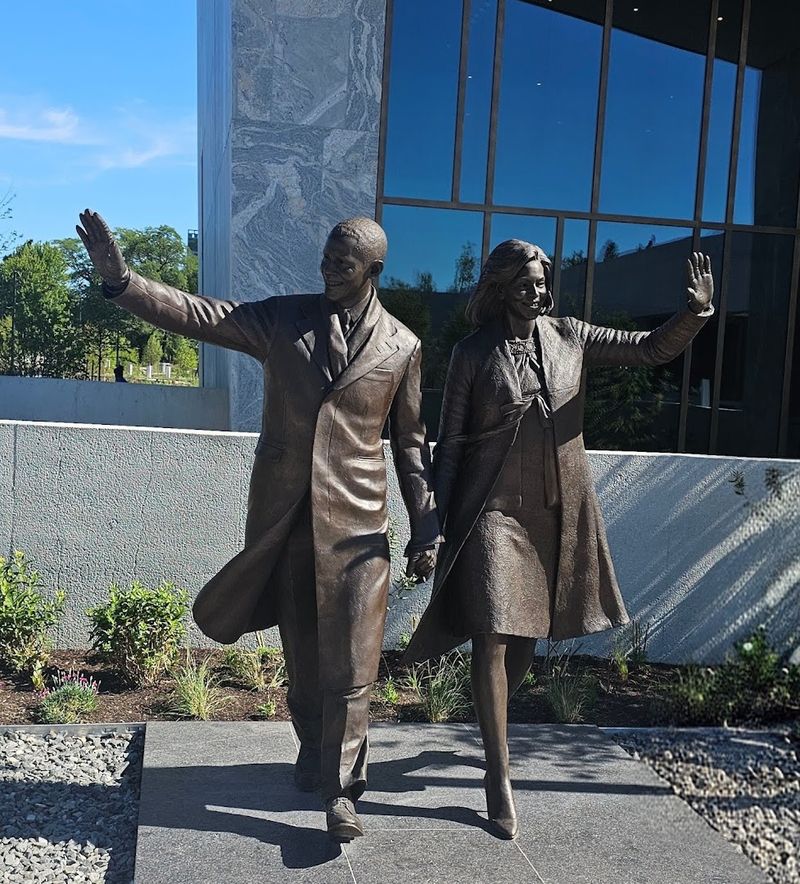
Michelle Obama’s story is woven throughout the exhibits as well, giving the center a dual-voice quality that feels refreshing compared to traditional presidential museums. The design team worked hard to make sure the space reflects not just the achievements of a presidency, but the values and vision that shaped it.
Visitors leave with a richer understanding of how policy, community, and personal history intersect in ways that genuinely matter to everyday life.
The Museum Building Up Close
The museum tower is the tallest structure on the campus, and its interior is just as impressive as its angular exterior suggests. Four floors of exhibit space guide visitors through carefully curated galleries that blend artifacts, video installations, and interactive elements in a way that never feels overwhelming.
Original documents, personal items from the Obama family, and large-scale photography fill the galleries with texture and depth. One of the most talked-about features is the replica of the Oval Office as it appeared during the Obama administration, which gives visitors a tangible sense of the scale and gravity of the presidency.
The exhibits are designed with accessibility in mind, featuring multilingual signage, audio guides, and spaces that accommodate visitors with mobility needs. Families with young children will find that the content is presented at multiple levels, so even kids in elementary school can engage meaningfully with the material.
The flow between floors is intuitive, and most visitors report spending between two and three hours in the museum building alone before they even step back outside to explore the rest of the campus.
The Public Library Branch on Campus
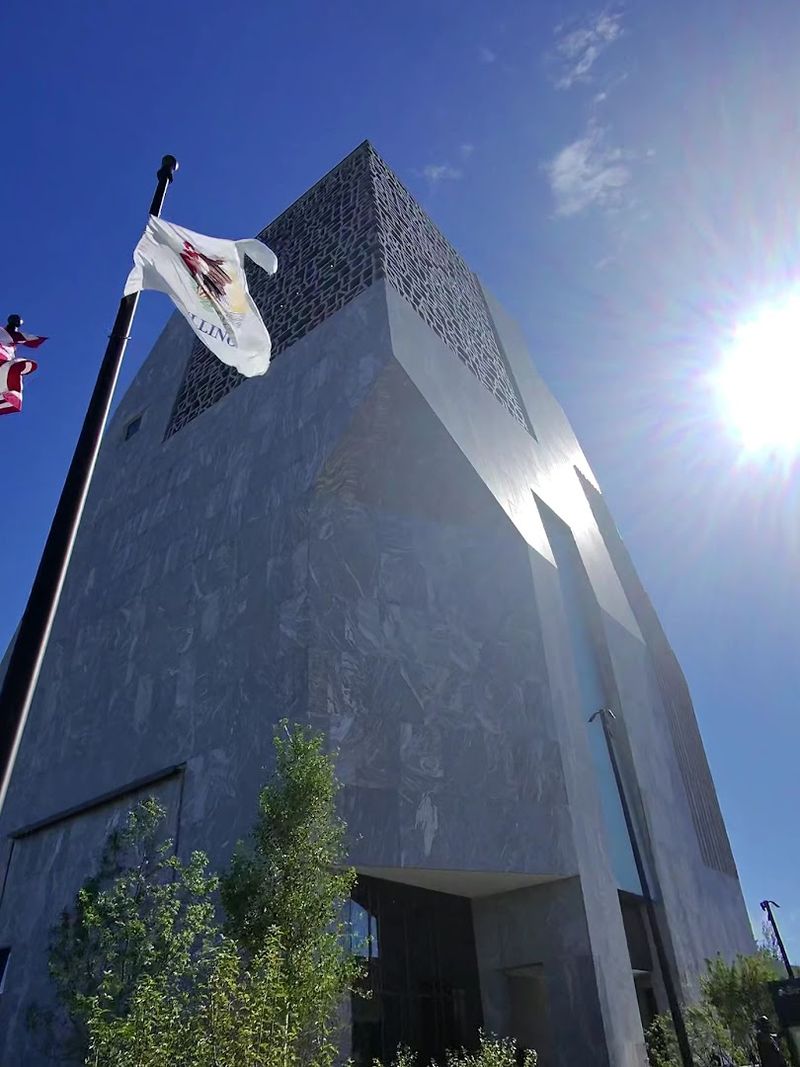
One of the most unique features of the Obama Presidential Center is that it houses a fully operational branch of the Chicago Public Library. This is not a decorative addition.
It is a real, working library that South Side residents can use every single day, completely free of charge.
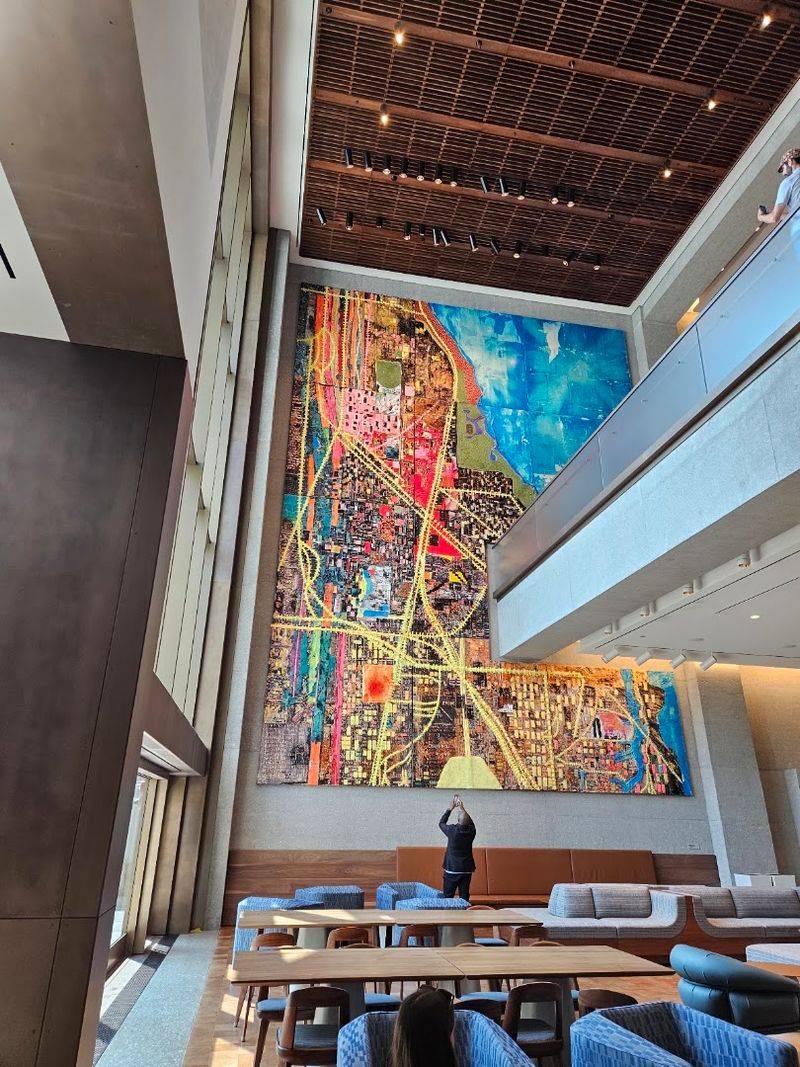
The library space is bright, modern, and thoughtfully designed with comfortable seating, quiet reading areas, and community meeting rooms. Children’s sections are stocked with an impressive range of books, and the technology resources available to patrons are genuinely top-tier compared to many branch libraries across the city.
Visitors who came without a museum ticket reported that the library alone made their trip worthwhile. The staff are known for going above and beyond to help guests, whether they are looking for a specific book, need directions around the campus, or simply want a quiet place to sit and reflect.
The library is open to everyone, no reservation required, and it sends a clear message that this center belongs to the community first and to history second. That philosophy is evident in every corner of the space.
Outdoor Spaces and Landscape Design
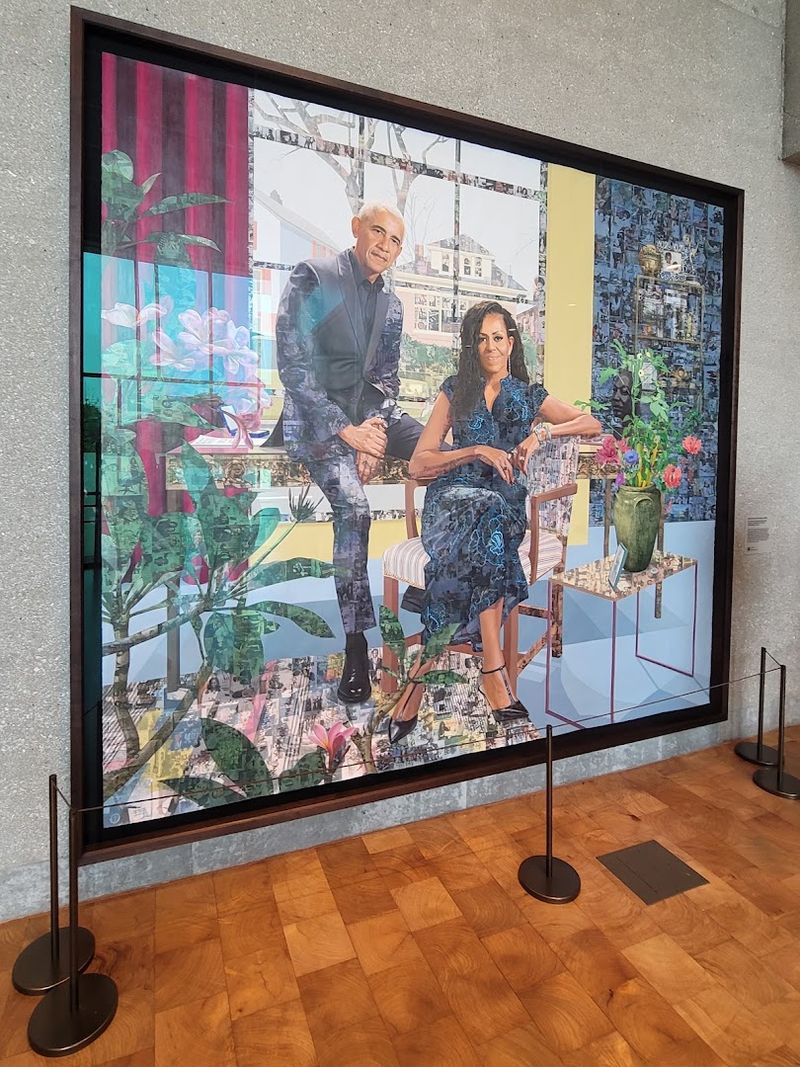
Twenty acres sounds like a lot on paper, but the landscape design at the Obama Presidential Center makes every square foot feel purposeful. The outdoor spaces were shaped by landscape architect Michael Van Valkenburgh Associates, who worked to blend native plantings with open gathering areas in a way that feels natural rather than manicured.
Wide promenades connect the main buildings, and several quieter garden paths invite visitors to slow down and take in the surroundings. The design gives a nod to the original Olmsted-designed Jackson Park landscape while introducing new elements that reflect the center’s forward-looking mission.
On warm days, the outdoor areas fill with locals jogging, families having lunch on the grass, and visitors snapping photos in front of the museum tower. The plaza near the main entrance becomes a natural gathering point where people tend to linger longer than they planned.
There is a calm, open energy to the grounds that contrasts nicely with the more focused, information-rich experience inside the museum. The landscape essentially functions as a public park layered on top of a presidential campus, and that combination works beautifully for everyone who visits.
The Basketball Court That Has Everyone Talking
It might seem unexpected for a presidential center to feature a basketball court, but when you consider Barack Obama’s well-documented love of the game, it makes perfect sense. The court on the campus has quickly become one of the most popular spots for South Side residents, and reviews from early visitors confirm that it is genuinely well-built and fun to use.
The court is open to the public and designed to encourage drop-in play from community members of all ages and skill levels. It is not tucked away in a corner either.
The placement on the campus gives it visibility and energy, making it feel like a central feature rather than an afterthought.
This detail says a lot about the overall philosophy of the Obama Presidential Center. Rather than presenting itself as a hands-off monument, the center actively invites people to use it, play in it, and make it their own.
The basketball court is a small but meaningful symbol of that commitment. It connects the space to everyday life in a way that most presidential libraries simply do not attempt, and the community has responded with real enthusiasm.
Programming and Community Events
The Obama Presidential Center is not the kind of place that opens with a splash and then quietly fades into a routine museum schedule. The Obama Foundation has built an ambitious programming calendar that covers everything from youth leadership workshops to public lectures, cultural performances, and civic engagement events.
Many of the programs are free or low-cost, which reflects the center’s commitment to being genuinely accessible to the South Side community rather than just geographically present there. Schools from across Chicago have already begun scheduling field trips, and the education team works with teachers to align visits with classroom curriculum in history, civics, and social studies.
Adult programming is equally robust, with events designed to spark conversation around issues like public service, environmental justice, and economic opportunity. The center positions itself as a place where ideas are actively developed, not just preserved.
For visitors who want more than a self-guided tour, checking the Obama Foundation’s event calendar before a trip is strongly recommended. There is almost always something scheduled that adds an extra layer of meaning to the visit and makes the experience feel current rather than historical.
Dining and Gathering Spots on Campus
A full day at the Obama Presidential Center goes by faster than most visitors expect, and the on-campus dining options are designed to keep the energy going without requiring a trip off the grounds. The campus includes cafe-style food service that reflects the culinary culture of Chicago’s South Side, with menu options that change seasonally.
The dining spaces are designed with the same attention to detail as the rest of the campus. Natural light, community-style seating, and artwork on the walls make even a quick lunch feel like part of the overall experience rather than a break from it.
The food quality has drawn positive feedback from early visitors, with particular praise for the fresh, locally sourced ingredients.
Gift shop options are also available for those who want to bring home a piece of the experience. From books and prints to thoughtfully designed merchandise tied to the Obama Foundation’s mission, the selection feels curated rather than commercial.
Families tend to spend extra time browsing after their museum visit, and kids are particularly drawn to the educational activity sets and illustrated books available for purchase. It is a satisfying final stop before heading back out into Jackson Park.
Accessibility and Visitor Amenities
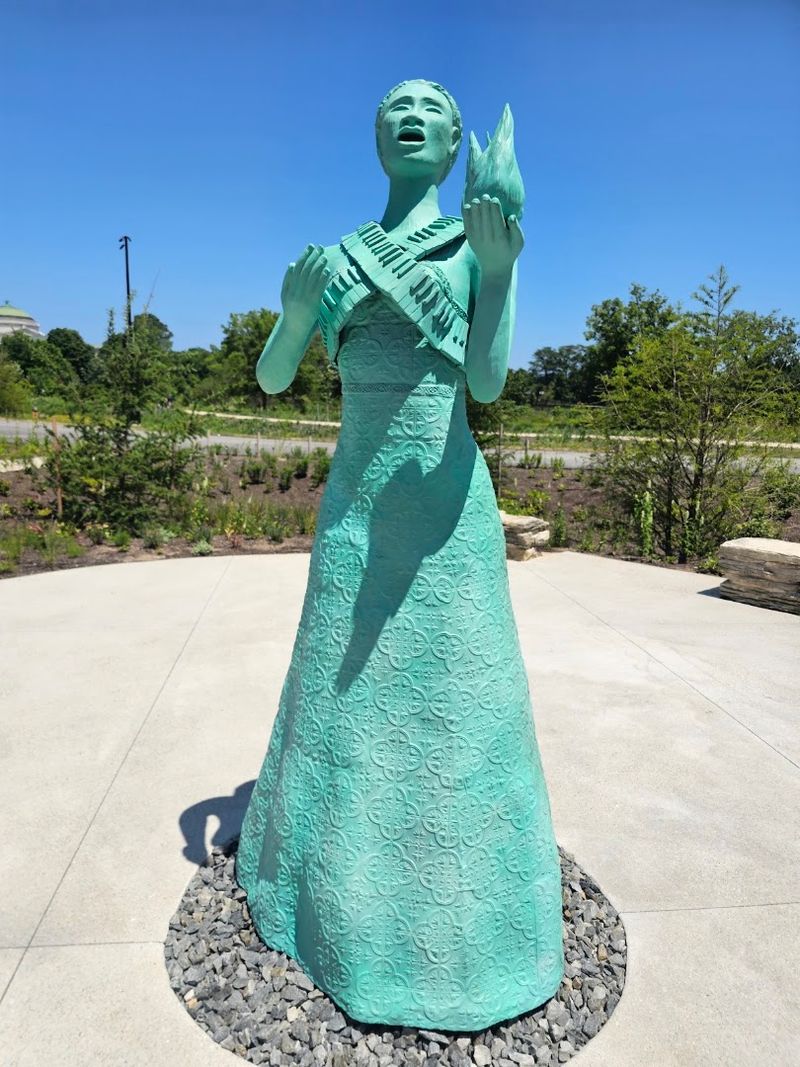
Accessibility was built into the Obama Presidential Center from the ground up, not added as an afterthought. The entire campus is navigable by wheelchair, with smooth pathways, elevator access in all buildings, and seating areas distributed throughout both indoor and outdoor spaces so that visitors can rest comfortably at any point during their visit.
Multilingual resources are available throughout the museum, including audio guides in several languages and exhibit text that has been written with clarity and readability in mind. Families traveling with young children will find stroller-friendly paths, family restrooms, and child-appropriate exhibit content that makes the experience manageable for even the youngest visitors.
The ticketing process is straightforward, with timed entry passes available online to help manage crowd flow during peak periods. The library portion of the campus requires no ticket at all, which means there is always an entry point for visitors who arrive without a reservation.
Staff members across the campus are consistently praised for their helpfulness and genuine warmth, which adds a personal dimension to what could otherwise feel like a large, institutional space. The attention to visitor experience at every level is one of the center’s quiet strengths.
Why This Place Matters Beyond the History Books
Presidential museums often feel like places built for reflection on the past, and there is certainly plenty of that at the Obama Presidential Center. But what makes this particular institution stand out from others across the country is its insistence on being relevant to the present and useful to the future.
The center sits in a neighborhood that has faced real economic challenges over the decades, and the Obama Foundation made a public commitment to ensure that the campus would generate jobs, support local businesses, and create programming that serves South Side residents directly. That commitment is already showing up in tangible ways, from the library branch to the youth programs to the community gathering spaces that locals use daily.
Visitors from outside Chicago often leave with a changed perspective on the South Side, discovering a neighborhood that is creative, historically rich, and very much alive. The center does not try to paper over complexity with polished exhibits.
It invites honest conversation, and that quality is rare in any public institution. For anyone curious about where presidential libraries are heading in the 21st century, this campus in Jackson Park is the clearest answer available right now.



