 Unearth The Voyage
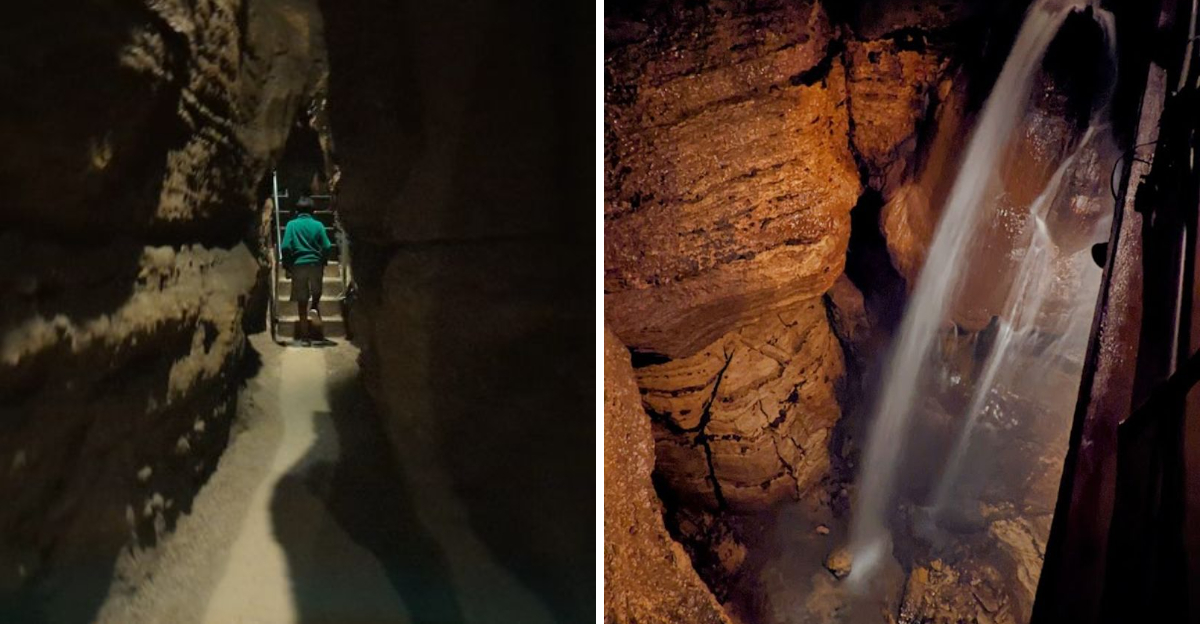
Most people think of Minnesota as a land of lakes and forests, but tucked beneath its rolling hills lies something far more surprising: a cave system that drops visitors nearly 200 feet underground to a waterfall that most Minnesotans have never seen. The cave was discovered by accident, found by a farmer whose pigs wandered into a sinkhole, and what explorers uncovered beneath the surface turned out to be one of the most remarkable geological features in the entire Midwest.
The limestone chambers stretch through the earth, filled with ancient fossils, dramatic rock formations, and the steady sound of rushing water echoing off stone walls. Once you know this place exists, it is very hard not to start planning a visit.
How a Farmer’s Pigs Led to One of Minnesota’s Greatest Discoveries
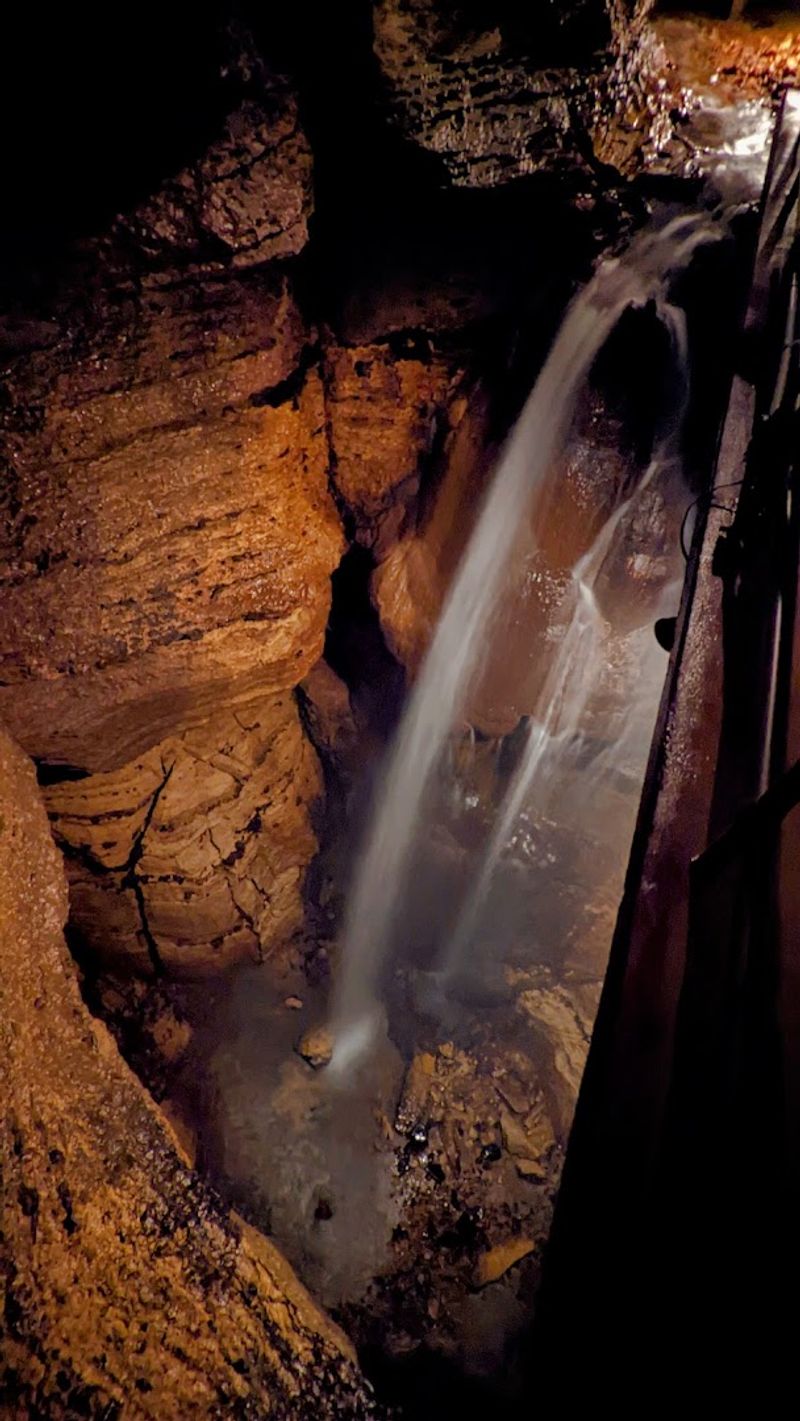
The story of how this cave came to be known starts with something completely unexpected: a group of pigs that disappeared into a hole in the ground. A local farmer noticed his animals had fallen into a sinkhole, and when people went to investigate, they found a passage leading deep into the earth beneath the southern Minnesota countryside.
Niagara Cave, located at 29842 Co Rd 30, Harmony, MN 55939, was officially opened for tours in 1934 after early explorers mapped its underground passages. The cave sits in a region known for karst topography, where limestone bedrock slowly dissolves over thousands of years, creating natural tunnels and chambers.
That accidental discovery by a farmer has since given millions of visitors access to one of the most geologically rich cave experiences in the Upper Midwest. Few origin stories in American tourism are quite this wonderfully strange.
Going Nearly 200 Feet Below the Surface
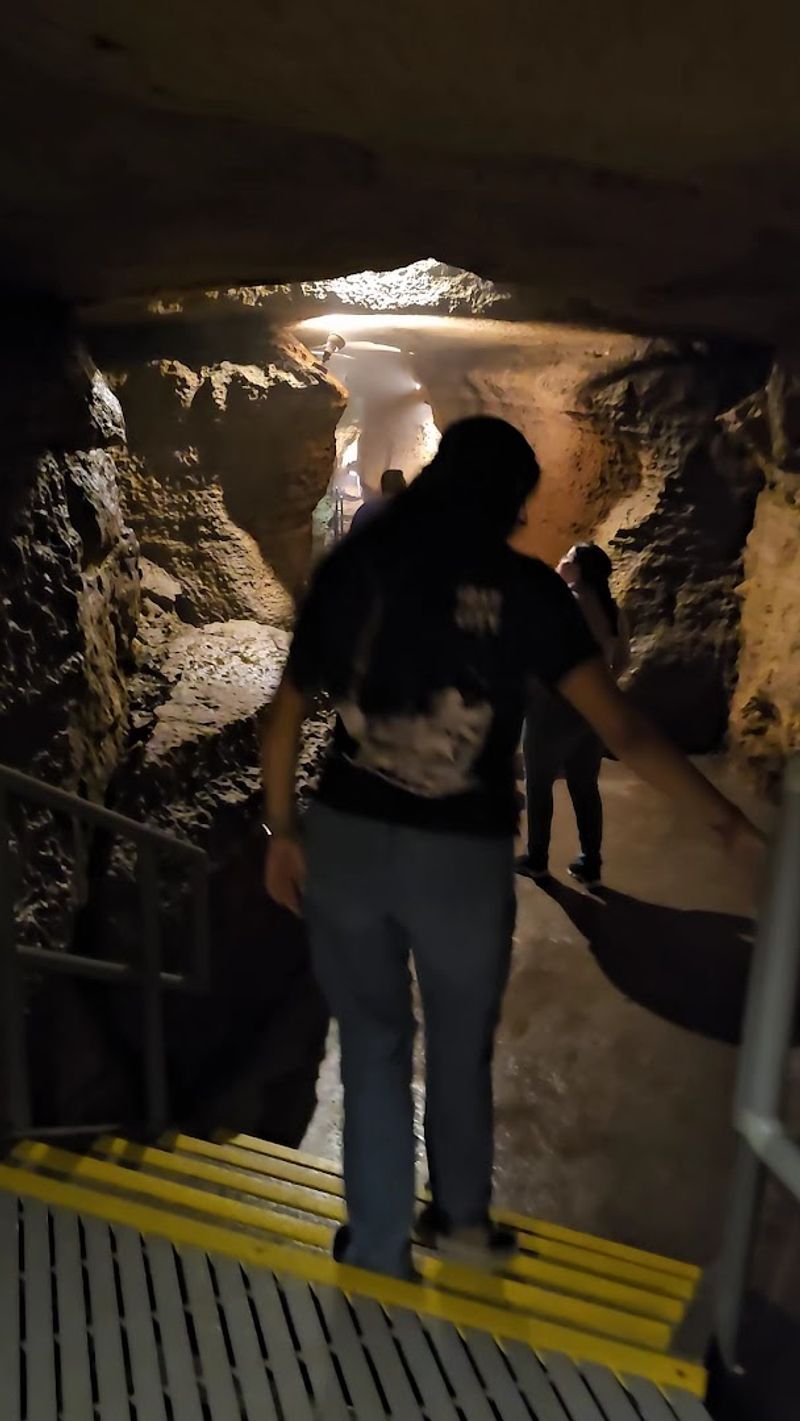
The moment you start descending into Niagara Cave, the temperature drops noticeably and the sounds of the outside world fade away completely. The guided tour takes visitors down roughly 200 feet below the surface, which is a depth that genuinely surprises most people who have never thought much about what lies beneath Minnesota’s farmland.
The descent happens gradually through a series of staircases, with the tour covering approximately one mile round trip and involving more than 250 stairs in each direction. That adds up to somewhere around 500 stairs total for the full tour, which is worth knowing before you arrive.
The cave maintains a consistent temperature of around 48 degrees Fahrenheit year-round, so even on the hottest summer days, you will want to bring a light jacket or sweater. The cool, steady air underground feels almost startling after a warm Minnesota afternoon above ground.
The Underground Waterfall That Makes This Cave Truly Unforgettable
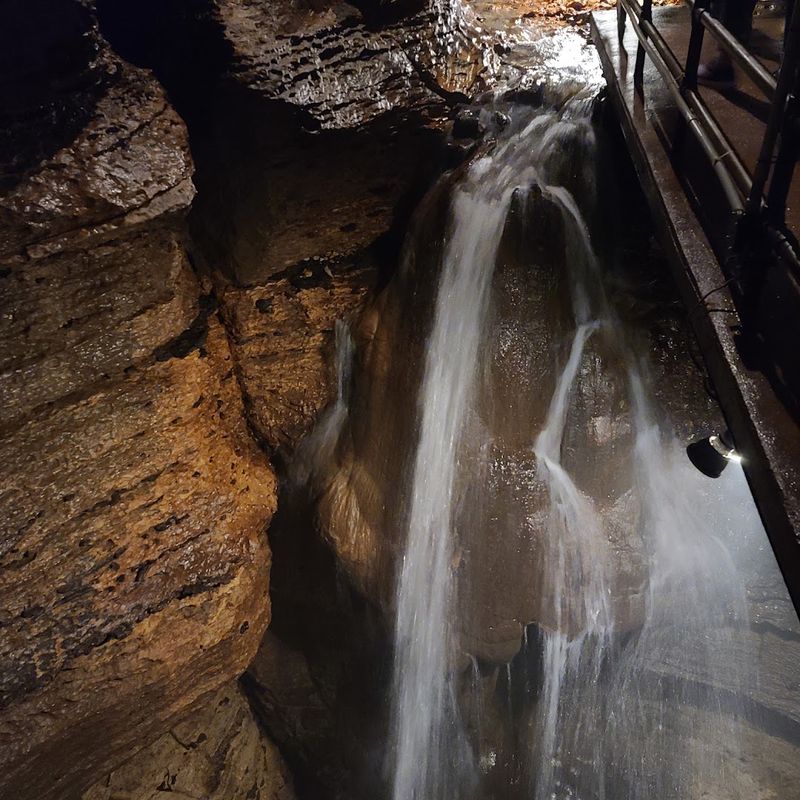
There is a moment during the Niagara Cave tour when you round a corner and suddenly hear it before you see it: the unmistakable sound of falling water echoing through the stone chamber. Then the waterfall comes into view, a 60-foot cascade tumbling through the darkness inside the cave, and it genuinely stops people in their tracks.
An underground waterfall of this size is rare in the Upper Midwest, and it is the feature that sets Niagara Cave apart from most other cave experiences in the region. The water has been flowing through these chambers for an extraordinarily long time, carving its path through ancient limestone over millennia.
The lighting used during the tour highlights the waterfall without overpowering the natural drama of the scene. Standing near it, feeling the cool mist and hearing the roar amplified by the surrounding rock, is the kind of moment visitors remember for years afterward.
Limestone Formations That Took Millions of Years to Build
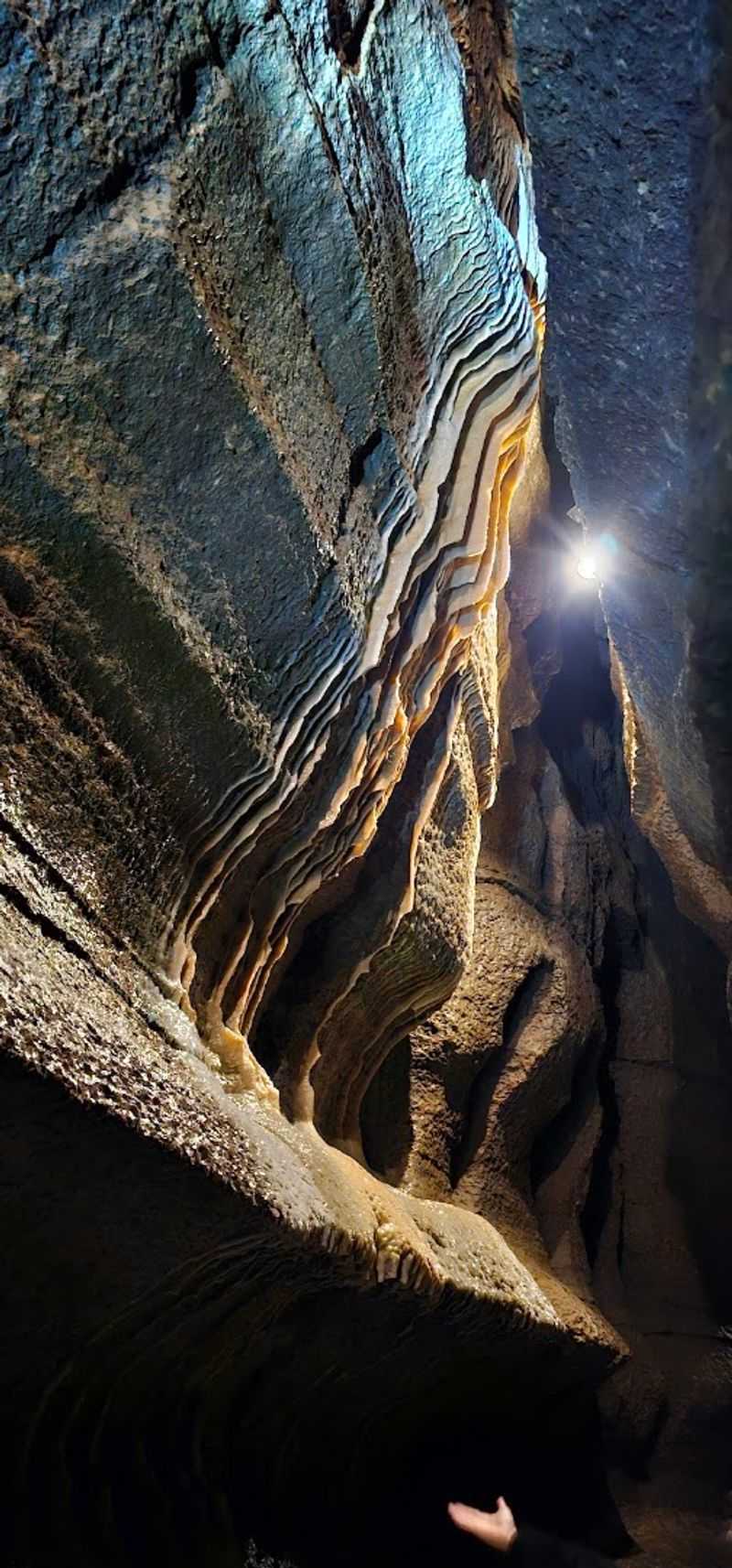
Every surface inside Niagara Cave tells a geological story that stretches back millions of years. The cave is filled with stalactites hanging from the ceiling and stalagmites rising from the floor, along with other limestone formations that have grown at an almost unimaginably slow pace over vast stretches of time.
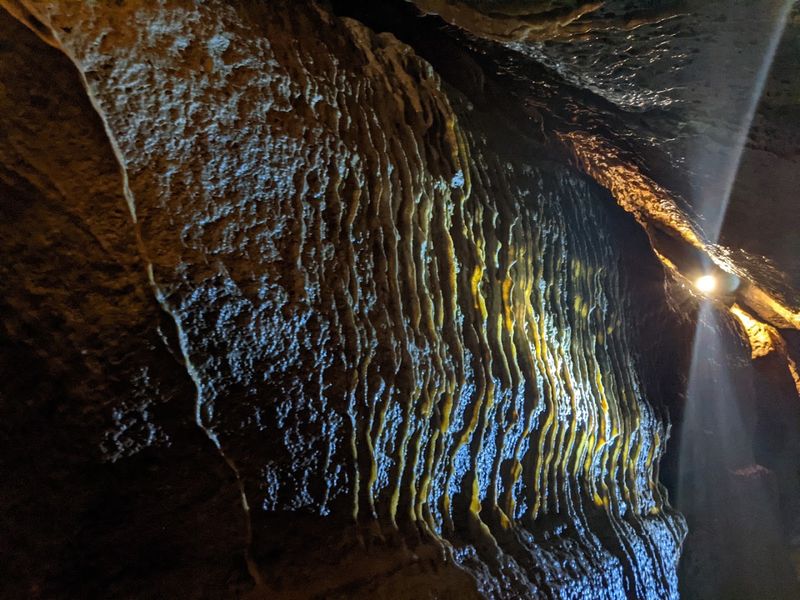
Tour guides explain how these formations develop, which gives visitors a concrete sense of just how ancient the cave environment really is. One particularly memorable part of the tour involves a formation that guides describe as resembling bacon, which sounds silly until you actually see it and realize the resemblance is remarkably accurate.
Some sections of the cave feature formations where the minerals in the limestone glow under certain lighting conditions, adding an extra layer of visual interest to an already dramatic environment. Kids tend to be especially fascinated by this detail, and honestly, adults are too.
Ancient Fossils Embedded Right in the Cave Walls
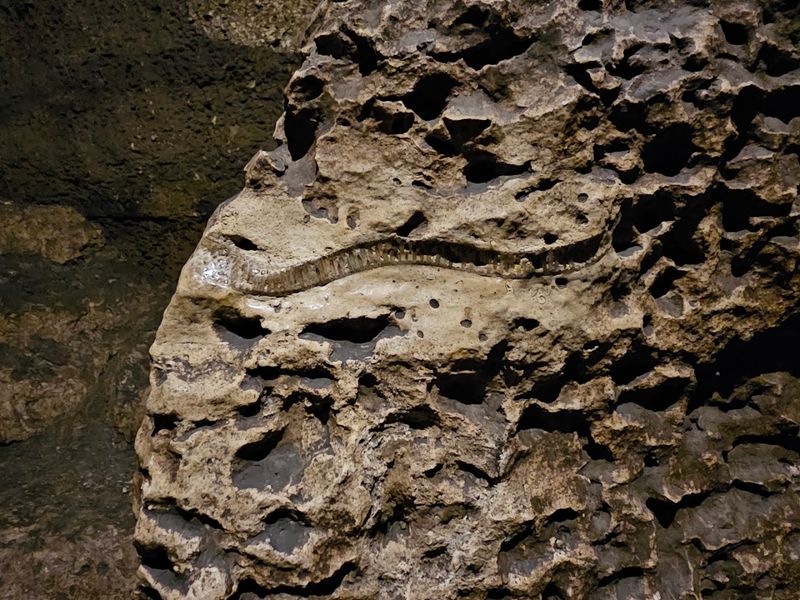
One of the quieter highlights of the Niagara Cave tour is something many visitors almost walk past without noticing: actual fossils embedded directly in the limestone walls surrounding the pathway. These are not replicas or displays; they are real, million-year-old marine fossils preserved in the rock that forms the cave itself.
The fossils are remnants of ancient sea creatures that lived in a shallow inland sea that once covered this part of North America. Seeing coral impressions and shell outlines in a cave wall in Minnesota is a genuinely mind-bending reminder of how dramatically this landscape has changed over geological time.
Tour guides point out specific fossils along the route and explain what types of creatures left them behind. It transforms what might otherwise be a simple sightseeing walk into something closer to a hands-on paleontology lesson, one that works equally well for curious kids and adults who thought they already knew the basics of natural history.
The Underground Chapel Where Couples Have Gotten Married
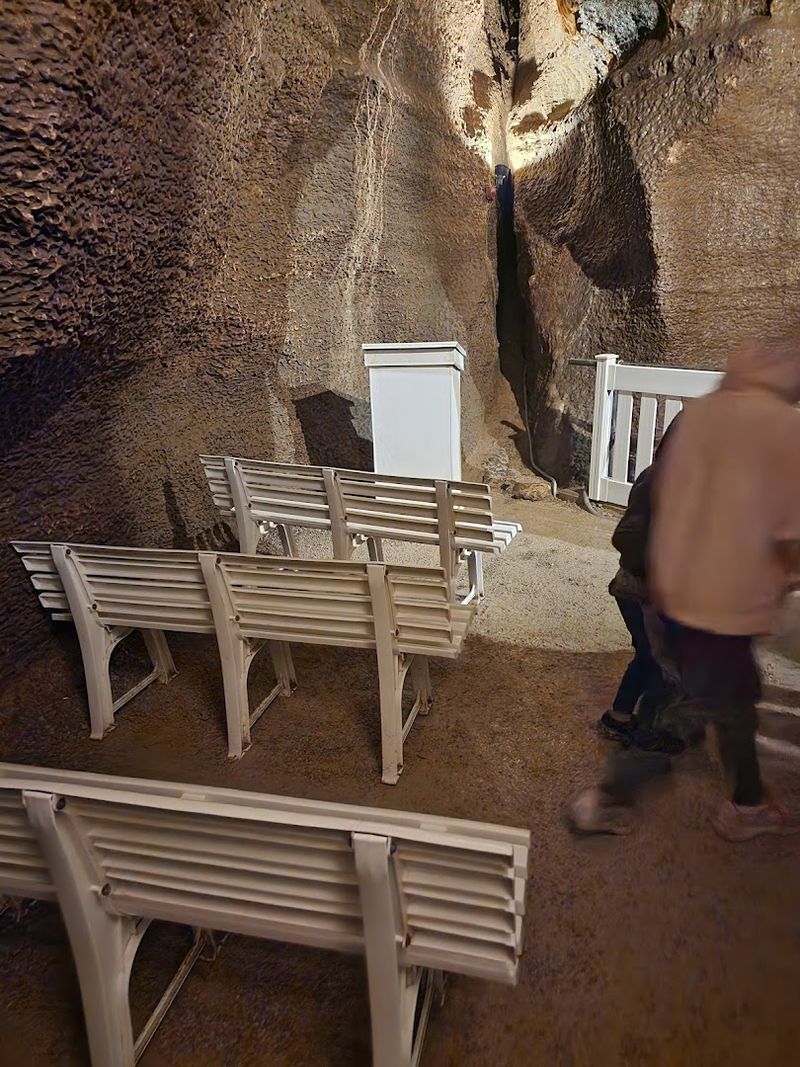
Somewhere deep inside the cave, past the waterfall and the ancient rock formations, there is a chamber that has been used as a wedding chapel. The natural acoustics of the limestone room, combined with the dramatic underground setting, have made it a genuinely unique venue for couples looking for something completely different from a traditional ceremony location.
The idea of getting married nearly 200 feet underground inside a cave might sound unusual, but the space has a surprisingly solemn and cathedral-like quality to it. The stone walls and the soft lighting create an atmosphere that feels both intimate and genuinely grand at the same time.
Tour guides mention the chapel during the tour, and it tends to spark a lot of conversation among visitors about whether they would ever consider it for their own special occasion. Most people seem to land somewhere between intrigued and delightfully uncertain, which feels like exactly the right reaction.
What the Guided Tour Experience Actually Feels Like
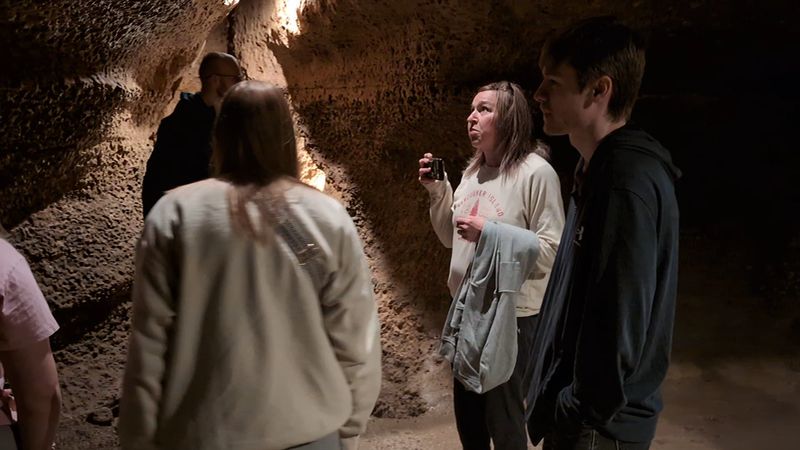
The guided tour at Niagara Cave runs approximately one hour and covers about a mile of underground pathways. Groups are kept at a manageable size, which makes it easy to hear the guide, ask questions, and actually see the features being discussed rather than straining to see past a crowd.
The guides bring a genuine enthusiasm to the tour that makes a real difference. They blend geology, local history, and natural science into a presentation that holds the attention of both adults and younger visitors without ever feeling like a dry lecture.
Questions are welcomed throughout, and guides take time to give thoughtful answers rather than rushing through a scripted routine.
The pacing is relaxed enough to allow for photographs and moments of quiet observation. That balance between education and genuine exploration is what separates a good cave tour from a great one, and the guides here seem to understand that distinction well.
Preparing for the Stairs: What Visitors Should Know Before Going Down
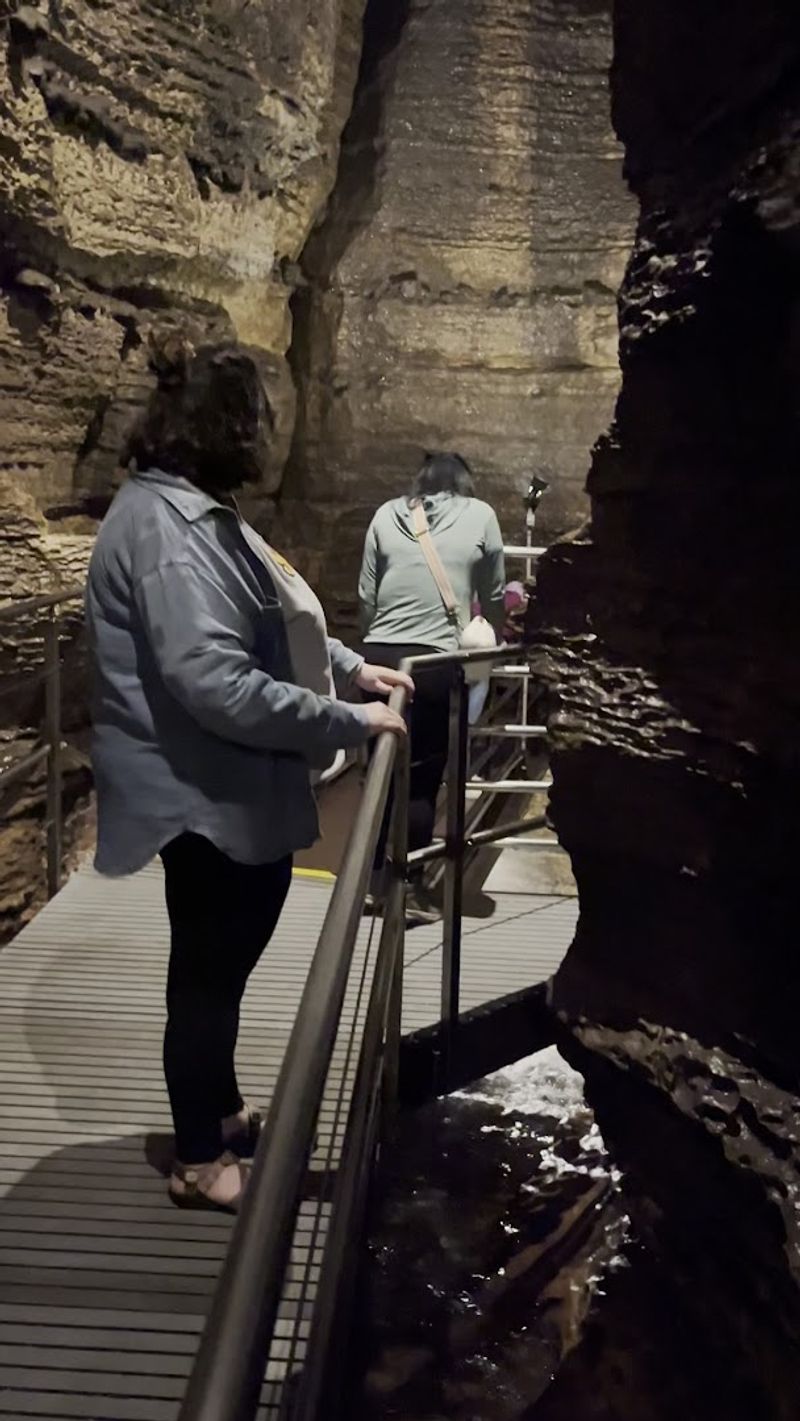
The stairs at Niagara Cave are one of the most talked-about parts of the experience, and for good reason. The full tour involves roughly 250 stairs going down and another 250 coming back up, spread out across the route rather than all at once, which makes the descent much more manageable than the total number might suggest.
The return trip upward is where most visitors feel the effort. Unlike the descent, where the group pauses frequently to look at formations and listen to the guide, the ascent at the end moves at a steadier pace.
Handrails are available throughout, and guides encourage visitors to take their time.
Sturdy, closed-toe shoes with good grip are strongly recommended because some sections of the walkway are damp. The cave is not recommended for strollers, wheelchairs, or visitors with significant mobility limitations.
Knowing this ahead of time helps everyone plan accordingly and arrive ready for the physical experience.
Dressing Right for a 48-Degree Underground Adventure
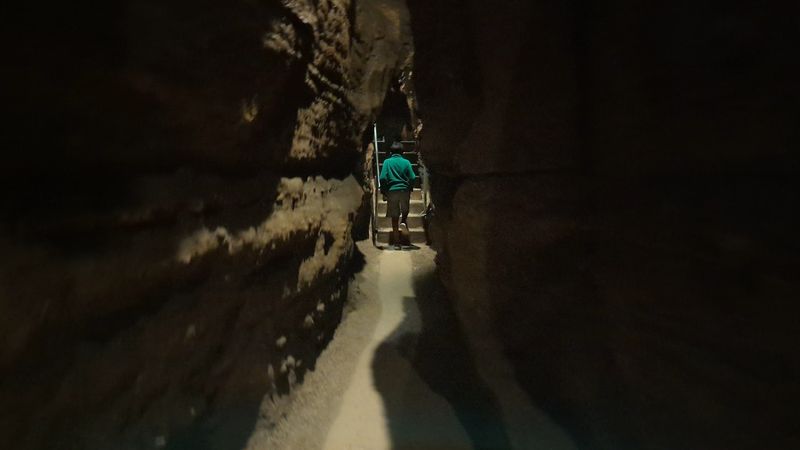
No matter what time of year you visit Niagara Cave, the temperature underground stays remarkably consistent at around 48 degrees Fahrenheit. That kind of steady cool is one of the genuinely fascinating things about deep cave environments, but it also means you need to plan your outfit before you head underground.
A light jacket or layered sweatshirt is the standard recommendation, and it is advice worth taking seriously even if it is a sweltering day outside. The contrast between the summer heat above ground and the cool cave air below can feel quite dramatic, especially in the first few minutes after you descend.
Footwear matters just as much as your top layer. Sections of the cave walkway can be wet and slightly drippy, so shoes with solid grip and closed toes will keep you comfortable and confident throughout the tour.
Sandals and flip-flops are not a good choice here, regardless of how warm the weather is outside.
The Karst Landscape That Makes This Corner of Minnesota Unique
Niagara Cave exists because of the specific geology of southeastern Minnesota, a region shaped by karst topography. Karst landscapes form when water slowly dissolves soluble limestone bedrock over thousands of years, creating sinkholes, underground streams, and cave systems that can extend surprisingly far beneath the surface.
This part of Minnesota sits on thick layers of ancient limestone, which is why the region has produced not just Niagara Cave but a broader landscape dotted with sinkholes and unusual surface features. The cave itself formed as underground water carved passages through the rock over an enormous stretch of geological time.
Understanding even a little of this geological context makes the cave tour feel richer. When you see the waterfall still actively flowing through the cave, you are watching the same process that created the cave continuing to shape it in real time.
That connection between past and present is one of the most compelling things about spending time underground here.
Above-Ground Activities That Round Out the Visit

The experience at Niagara Cave does not begin and end underground. Above ground, the property offers a small mini golf course that gives families something fun to do while waiting for their tour time, and it turns out to be a genuinely enjoyable way to spend 30 minutes in the fresh air before heading below the surface.
There is also a gem mining activity available for younger visitors, where kids can sift through sand to find mineral specimens to take home. Picnic tables are scattered around the grounds, making it easy to bring lunch and turn the cave visit into a relaxed half-day outing rather than a quick stop.
Parking is free and conveniently located near the entrance, which is a small but appreciated detail. The overall setup of the property feels thoughtfully designed for families who want a full afternoon of activity rather than just a single attraction and nothing else to do.
The Gift Shop and What Makes It Worth Browsing
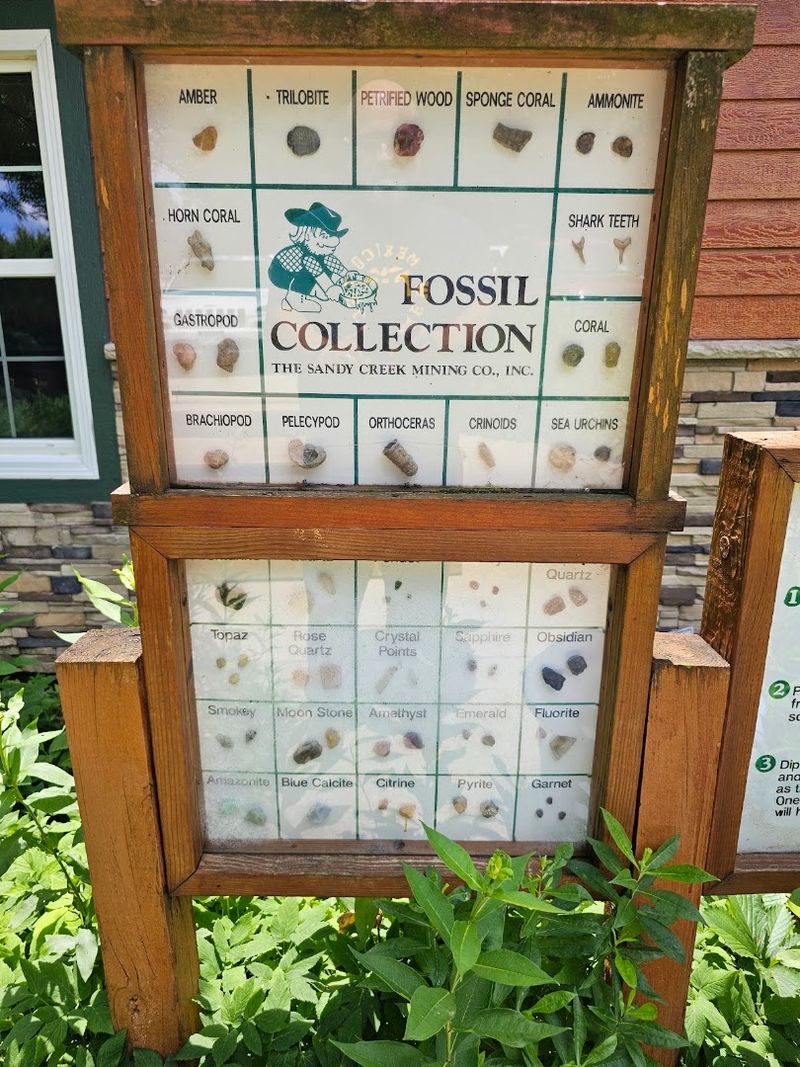
On the way out of the cave tour, visitors pass through the gift shop, and it is genuinely worth slowing down to look around rather than rushing past. The selection leans heavily toward rocks, minerals, and gemstones sourced from various parts of the United States, with price points that feel reasonable compared to similar shops at other natural attractions.
Beyond the geological specimens, the shop carries local souvenirs, cave-themed merchandise, cookbooks, and clothing items. It has the feel of a shop curated by people who actually care about the subject matter rather than a generic souvenir grab at the exit.
For anyone traveling with kids who participated in the gem mining activity outside, the gift shop is a natural extension of that interest. Being able to pick up a labeled mineral specimen and learn what it is turns a simple purchase into a small educational moment, which fits perfectly with the overall tone of the Niagara Cave visit.
Planning Your Visit: Tickets, Timing, and Practical Tips
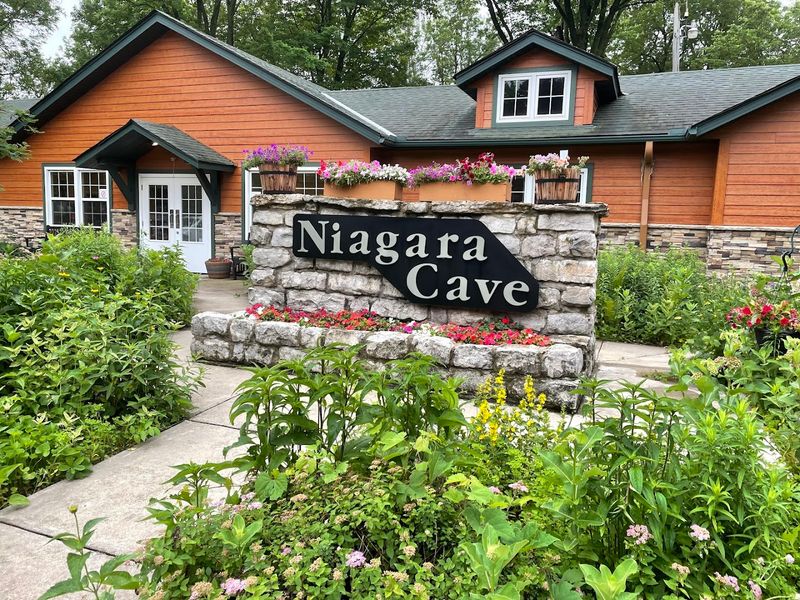
Buying tickets in advance is one of the most practical pieces of advice for anyone planning a trip to Niagara Cave, especially on weekends or during summer months when tours can fill up quickly. Walk-up tickets are available when space permits, but locking in a specific time ahead of the visit removes any uncertainty from the day.
Tour hours run from 9:30 AM through 4 PM on most days, with slightly extended Saturday hours. The full experience, including the above-ground activities and the cave tour itself, typically takes between two and three hours, which makes it an ideal half-day trip.
Food and drinks are not allowed inside the cave, so packing a small bag with snacks and water to enjoy at the picnic tables after the tour is a smart move. Restrooms are available on site, parking is free, and the overall logistics of the visit are straightforward and well-organized from arrival to departure.
Why This Cave Stands Out Among Midwestern Cave Experiences
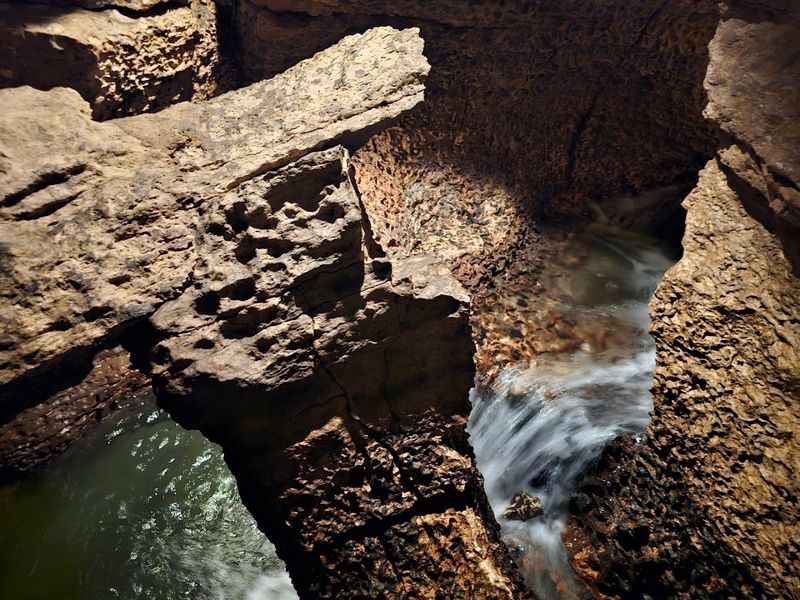
There are other caves open to the public in the Midwest, but Niagara Cave has a combination of features that is genuinely difficult to match in the region. The depth of nearly 200 feet, the 60-foot underground waterfall, the ancient marine fossils in the walls, and the underground wedding chapel all come together in a single tour that covers about a mile of natural cave passage.
The cave ceilings in several chambers rise high enough that visitors can walk through without feeling enclosed, which addresses one of the most common concerns people have before their first cave tour. Sections do narrow in places, but guides prepare visitors for those moments in advance.
What truly separates this experience is how much genuine geological and historical content is woven into the tour without it ever feeling like a classroom. By the time visitors emerge back into the Minnesota sunshine, most of them are already talking about coming back, and that says more than any list of features ever could.
Making a Full Day of It in Harmony and Southeastern Minnesota
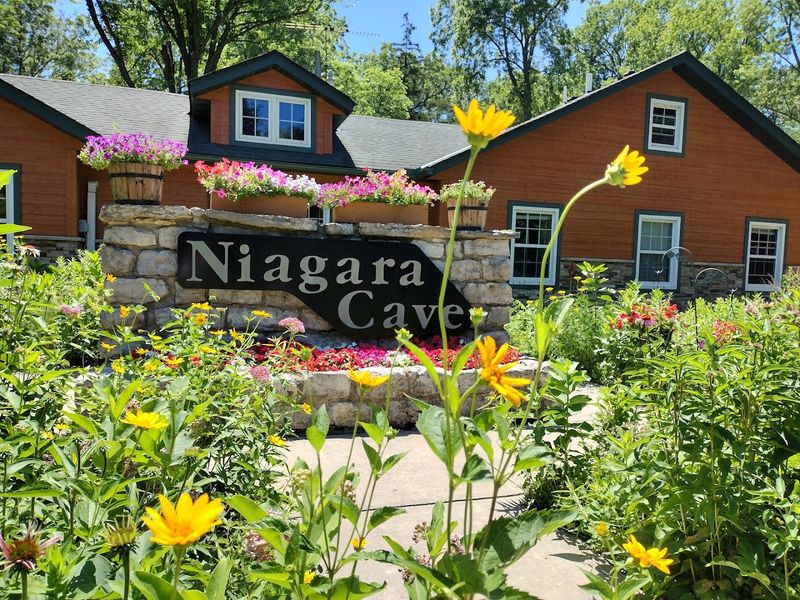
Harmony, Minnesota is a small town with a surprisingly rich surrounding landscape, and combining a visit to Niagara Cave with other local stops makes for a genuinely satisfying full day out. The area around Harmony is known for its scenic countryside and proximity to Amish communities, where local shops sell handmade goods, baked items, and crafts that reflect a way of life quite different from most of what visitors encounter elsewhere.
The rolling hills and quiet roads of southeastern Minnesota are worth experiencing on their own terms, particularly for anyone who has not spent much time in this corner of the state. The landscape has a calm, unhurried quality that pairs well with the reflective mood that tends to follow a cave tour.
Bringing a cooler with snacks and planning a scenic drive after the cave visit is a low-effort way to extend the experience into a proper day trip that feels complete rather than rushed. Southeastern Minnesota rewards visitors who take their time.



