 Unearth The Voyage
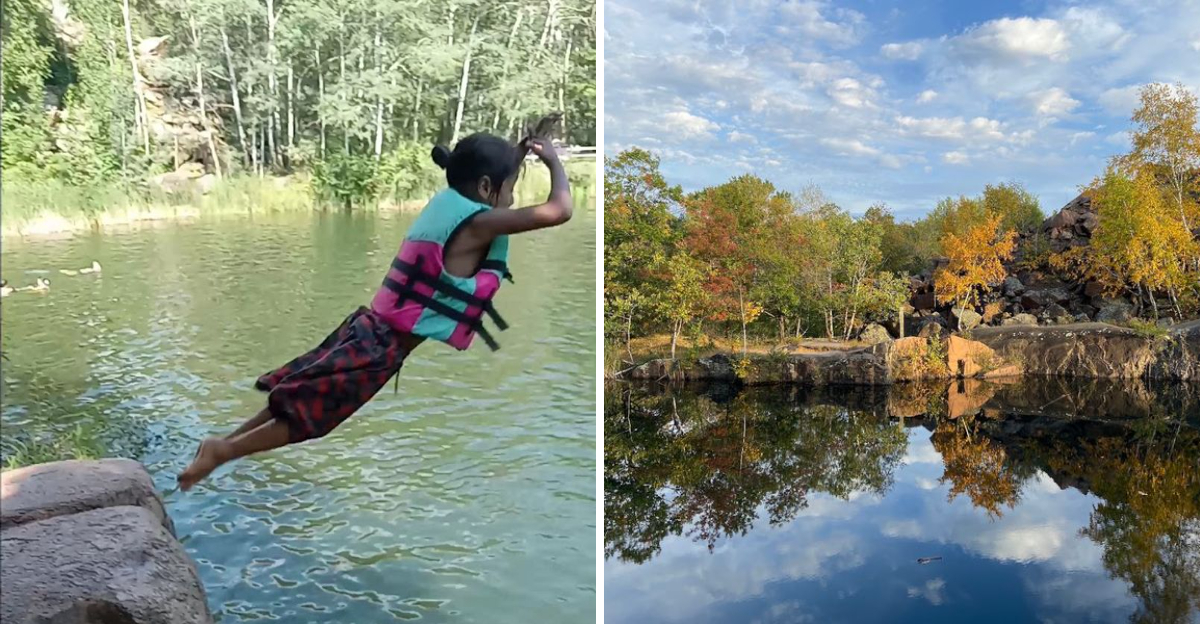
Most people drive past Waite Park, Minnesota without a second thought. But tucked just off County Road 137 sits a place that genuinely stops people in their tracks the first time they see it.
Former granite quarries, some plunging over 100 feet deep, have filled with water so clear and green it looks almost unreal. This is not your typical Minnesota swimming hole, and once you know it exists, you will wonder how it stayed off your radar for so long.
The Surprising History Behind the Quarries
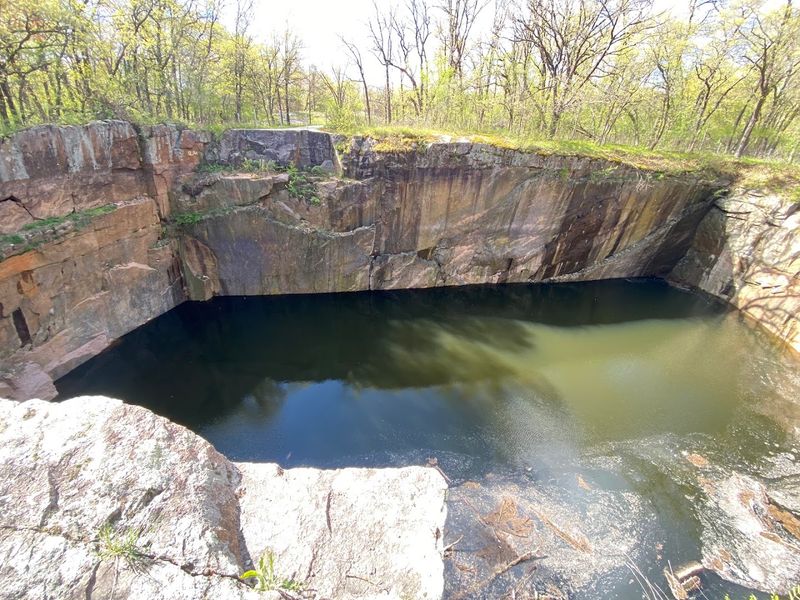
Long before swimmers and hikers arrived, this land was a working industrial site. The St. Cloud area sits on some of the most significant granite deposits in the entire country, and for decades, workers blasted and carved stone from this ground to supply construction projects across the region.
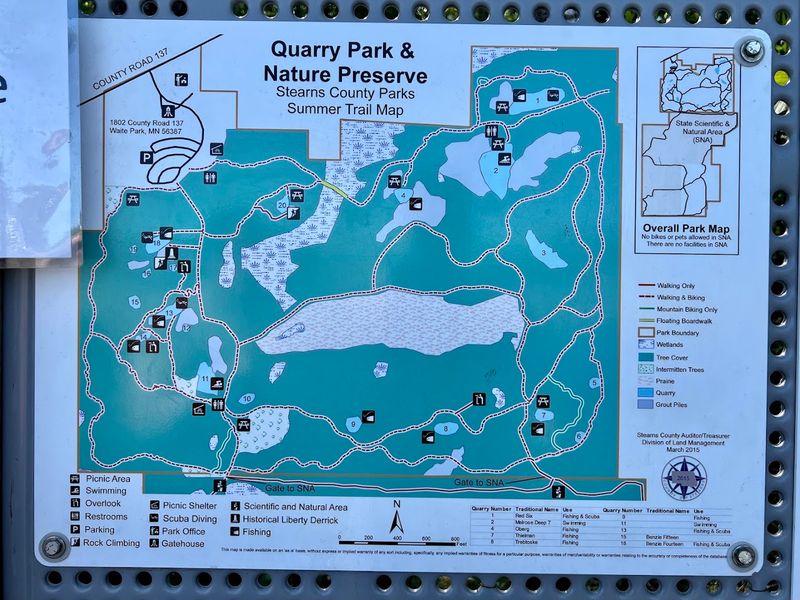
Quarry Park and Nature Preserve, located at 1802 Co Rd 137, Waite Park, MN 56387, now encompasses 684 acres spread across the footprint of 20 former granite mining quarries. Each pit tells a slightly different chapter of that industrial story.
Walking through the park today, you can still feel the weight of that history. The towering rock walls, the strange geometric shapes of the pits, and the old equipment remnants scattered around the property give the whole place an atmosphere that no amount of landscaping could manufacture.
It is industrial heritage transformed into something genuinely beautiful.
What the Water Actually Looks Like Up Close
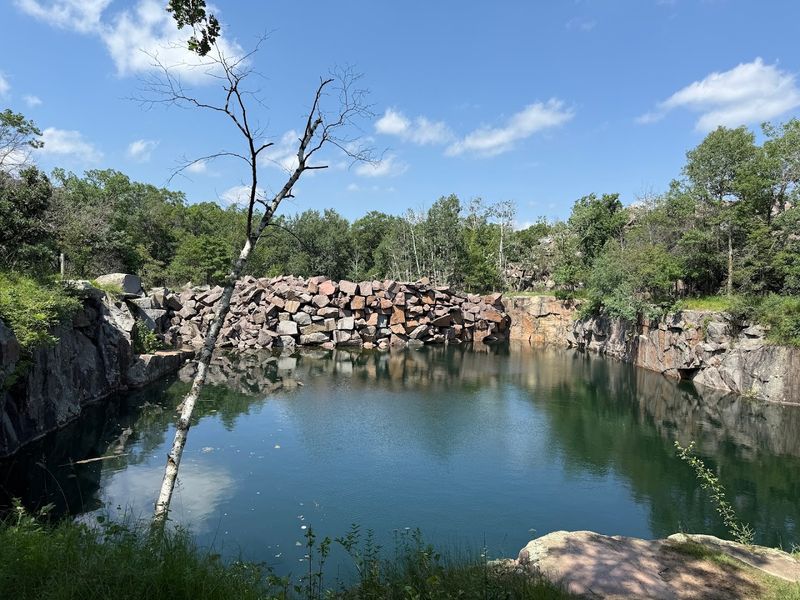
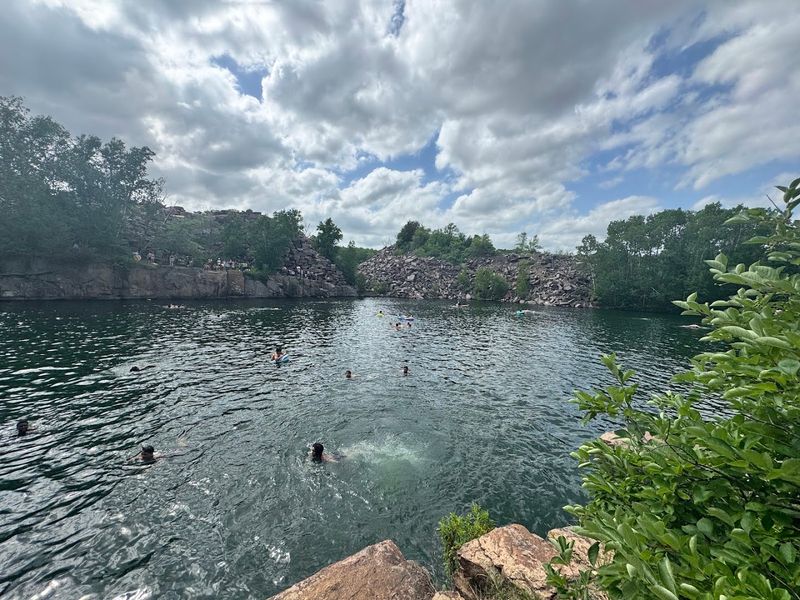
Nothing quite prepares you for that first look at the water. The quarries have filled naturally over time, and the result is some of the most visually striking swimming water in the entire state.
The color shifts between deep emerald and pale turquoise depending on the light and time of day.
Quarry 2 is known for serious depth, reportedly reaching around 145 feet at its deepest point. That depth contributes to the incredible clarity and color that makes the water look almost tropical against the gray granite walls surrounding it.
Quarry 11 offers a calmer, more family-oriented experience with shallower sections near a dock area and a small beach. Both spots feel completely different from a standard lake or public pool.
The water stays refreshingly cool even on the hottest summer days, which makes a long walk through the park feel very well rewarded.
Cliff Jumping That Actually Delivers
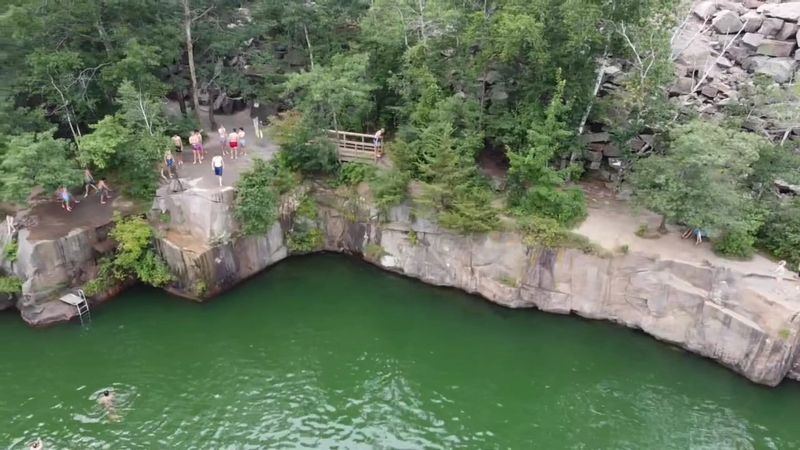
There is a specific kind of thrill that comes from standing on a granite ledge above crystal-clear water and deciding whether to jump. Quarry Park has built a quiet reputation among outdoor enthusiasts in the upper Midwest for exactly this experience.
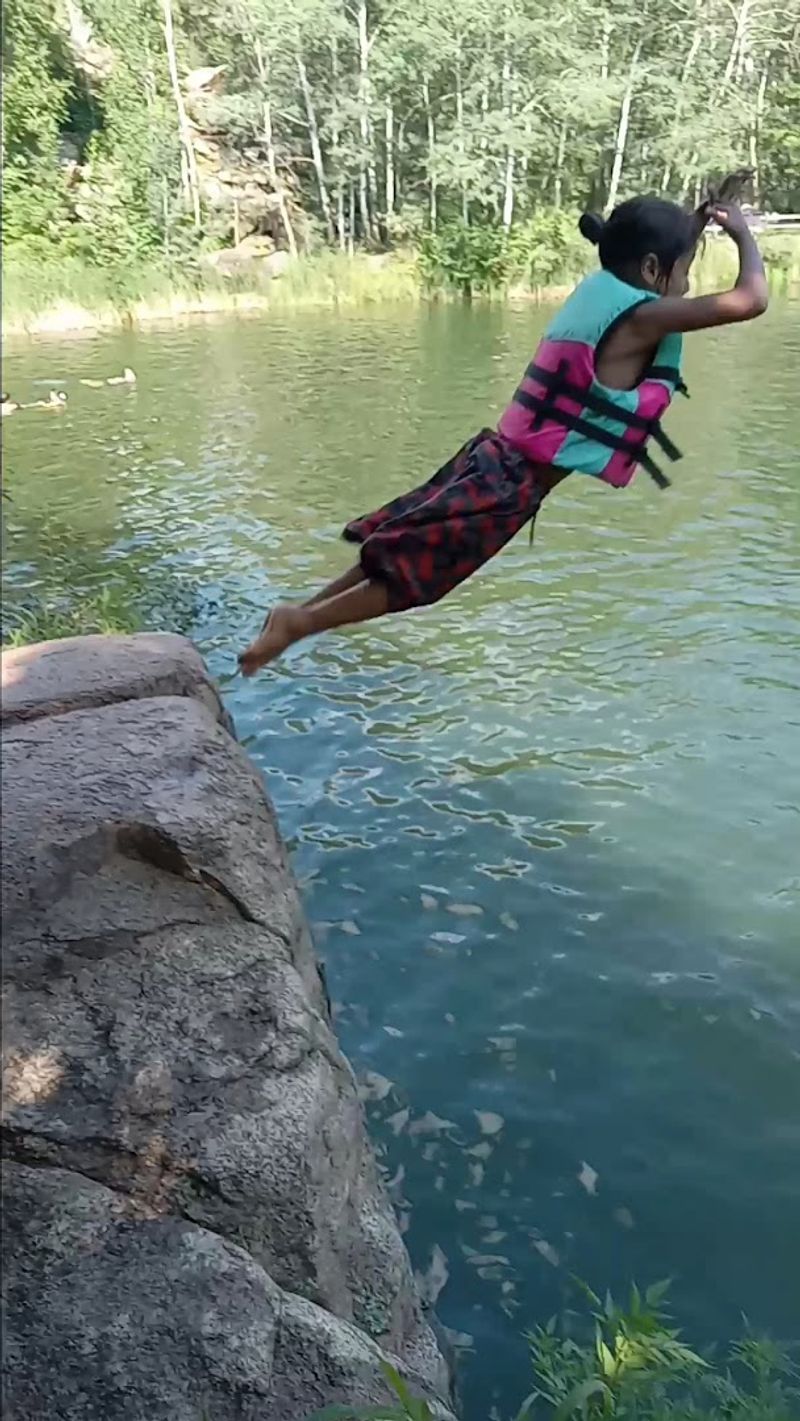
Quarry 2 draws the crowd looking for more of an adrenaline rush. Jumps reportedly range from relatively low entry points all the way up to around 20 to 25 feet, giving people options based on their comfort level.
The water below is deep enough to handle the jumps safely when conditions are right.
Teens and young adults tend to gather here on warm weekends, and the energy around the quarry reflects that. The walk from the parking area to the cliff jumping spots takes roughly 15 minutes on foot, so plan accordingly and wear water-friendly shoes.
Sandals on wet granite are not your friend.
Family-Friendly Spots That Do Not Get Enough Credit
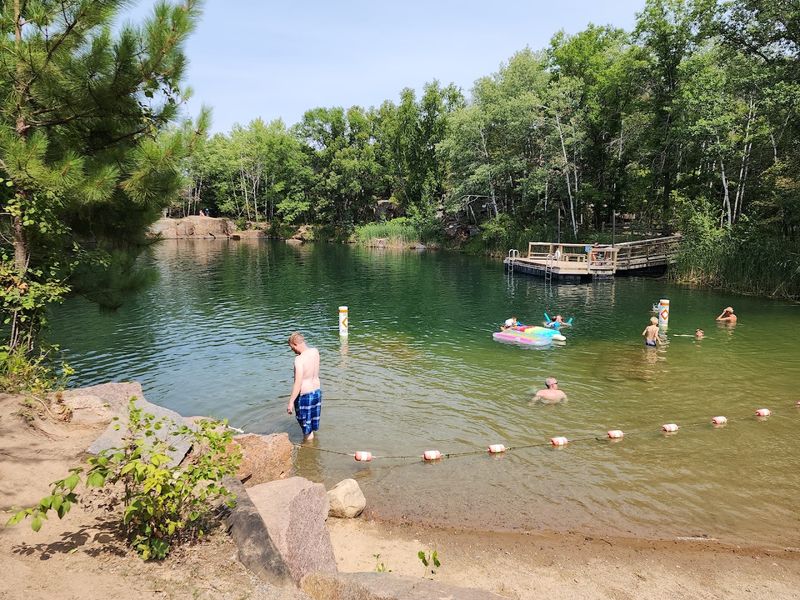
Not every visitor comes to Quarry Park looking for a 25-foot jump. Quarry 11 has earned a loyal following among families with younger kids, and it is easy to see why once you arrive.
The swimming area here is calmer, more manageable, and genuinely enjoyable for a relaxed afternoon outside.
A dock sits near the water’s edge, and shallow areas close to the shore give little ones a safe place to wade and splash without much worry. Picnic areas nearby make it easy to turn a swim into a full afternoon without needing to pack up and drive somewhere else for lunch.
The scene around Quarry 11 on a summer weekend has a comfortable, unhurried feel. People spread out on rocks, float in the water, and take their time.
It is the kind of place where you show up planning to stay an hour and somehow end up staying three.
Trails That Wind Through a Landscape Unlike Any Other
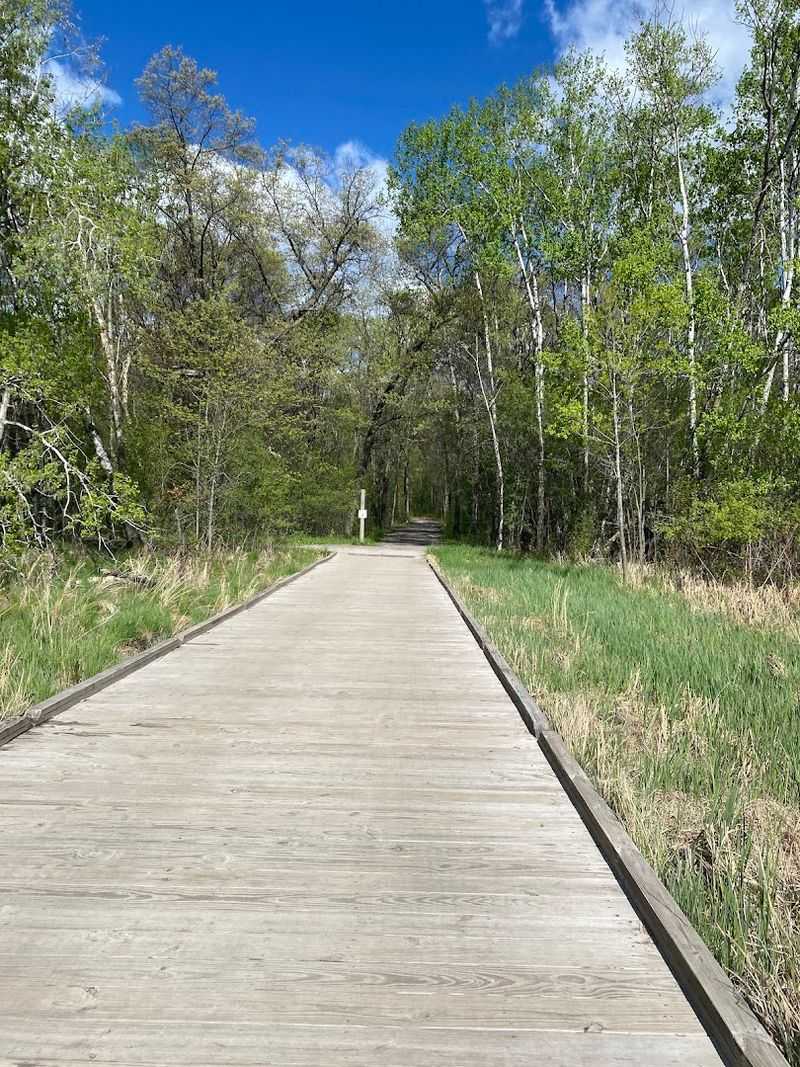
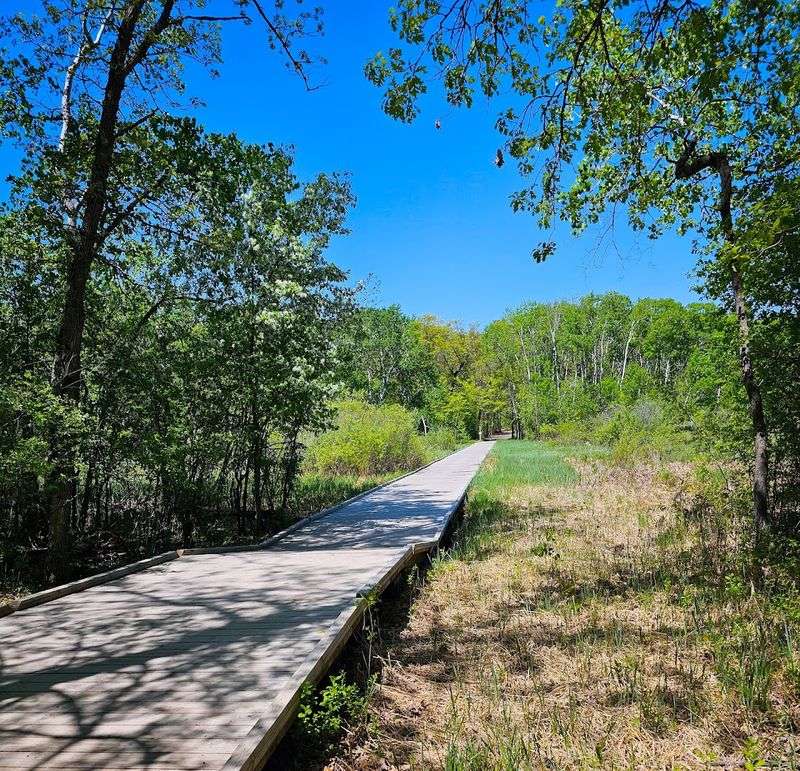
The trail system at Quarry Park covers miles of varied terrain that would genuinely surprise anyone expecting a standard nature walk. The landscape shifts between open prairie, dense woodland, wetland areas, and exposed granite bedrock in a way that keeps things visually interesting throughout the entire loop.
Both an outer and inner trail loop are available, and the terrain stays relatively flat overall, which makes the park accessible to a wide range of visitors. You do not need to be an experienced hiker to enjoy a full tour of the property.
What makes the trails stand out is what you encounter along the way. Quarry pits appear unexpectedly through the trees, large rock piles from past mining operations rise above the trail, and wildlife shows up regularly.
Turtles, deer, insects, and even tadpoles in the shallower pools give the walk a constant sense of discovery that keeps younger visitors genuinely engaged.
Rock Climbing and Bouldering Opportunities
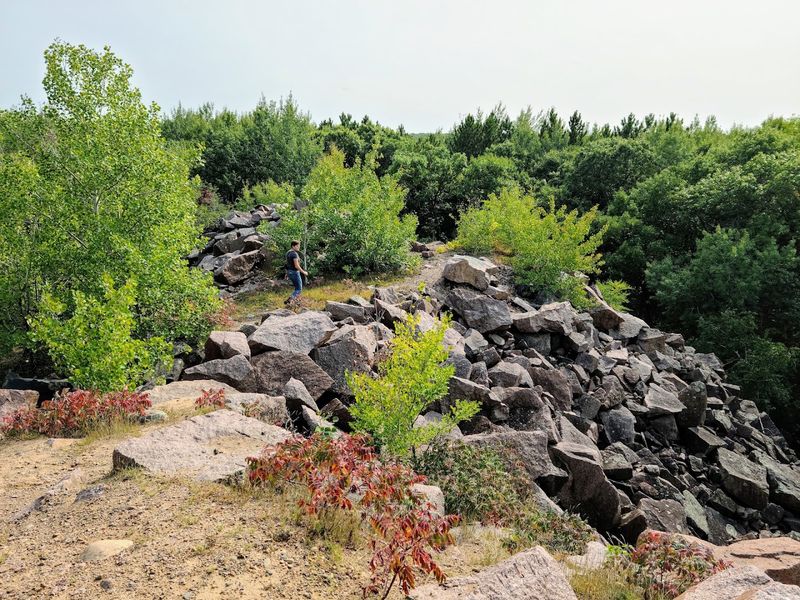
The same granite walls that once supplied building material across the region now serve as a natural climbing gym for outdoor enthusiasts. The exposed rock faces and large boulders scattered throughout the park create genuine bouldering and climbing opportunities that are hard to find at most Minnesota parks.
The texture of St. Cloud granite gives climbers solid grip on the rock surface, and the variety of formations means different skill levels can find something appropriate. Beginners can work on lower boulder problems while more experienced climbers tackle taller faces with more technical challenges.
Climbing here feels organic in a way that indoor gyms simply cannot replicate. The setting, the sounds of the park around you, and the view from the top of a granite face over the water below all combine into something memorable.
Water shoes or approach shoes with solid grip make navigating the rock much more comfortable and safe throughout the visit.
Wildlife That Shows Up When You Least Expect It
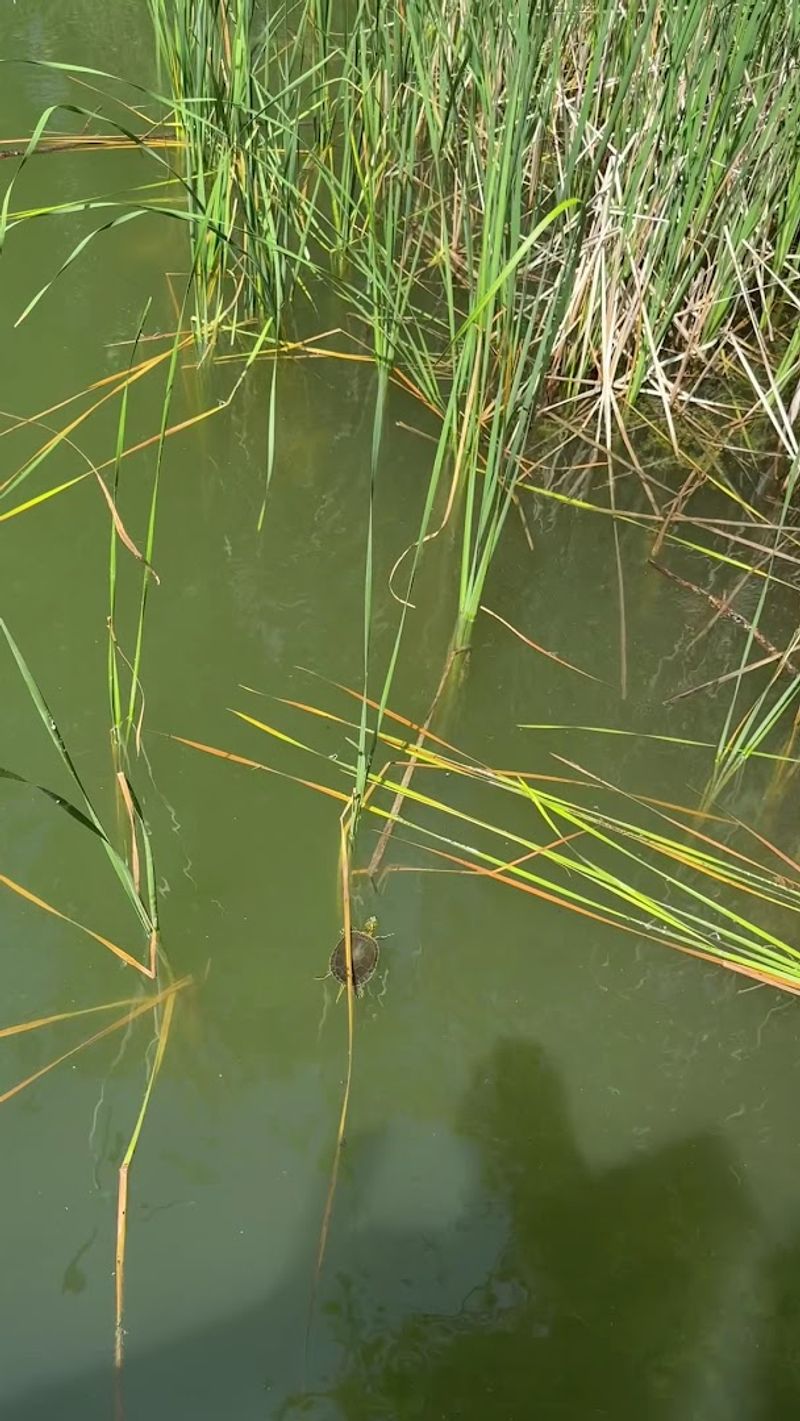
One of the quieter pleasures of spending time at Quarry Park is the wildlife that appears throughout the property. The mix of habitats, from open prairie to wetlands to dense woodland, creates an environment that supports a genuinely varied animal population.
Deer move through the tree lines regularly, especially during morning and late afternoon hours. The shallower quarry pools and wetland areas attract turtles, tadpoles, and water insects in numbers that tend to fascinate younger visitors who have never seen them up close in a natural setting.
Birdwatchers will find plenty to observe as well, given the diversity of plant communities spread across the 684-acre property. The park connects to a scientific natural area nearby, which adds to the ecological richness of the whole corridor.
Bringing binoculars along is worth the extra weight in your bag, especially if you plan to hike the outer loop trail early in the day.
The Mini Mining Museum Worth Stopping At
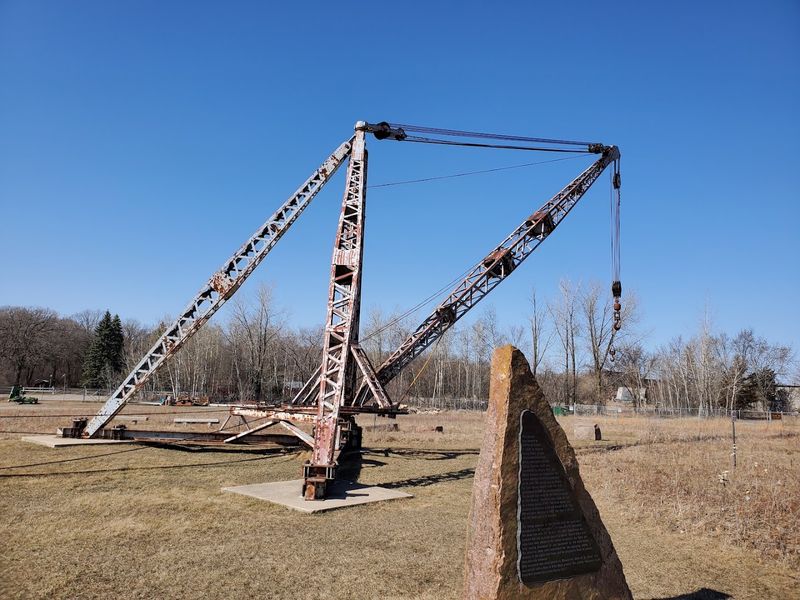
Most visitors come for the water and the trails, but the small mining museum on the property deserves more attention than it typically gets. The exhibits give context to everything else you see in the park, helping visitors understand exactly what this landscape looked like when it was an active industrial operation.
Seeing old quarrying equipment alongside photographs and explanations of the granite mining process makes the rock walls and pit shapes around the park feel much more meaningful. You start reading the landscape differently once you understand how it was formed by human hands over generations of labor.
The museum is modest in size, but the information it contains is genuinely interesting for adults and curious older kids alike. It sits close enough to the main entrance area that it does not require much of a detour.
Spending 15 or 20 minutes there before hitting the trails adds real depth to the overall experience at the park.
Fishing in the Quieter Quarry Pools
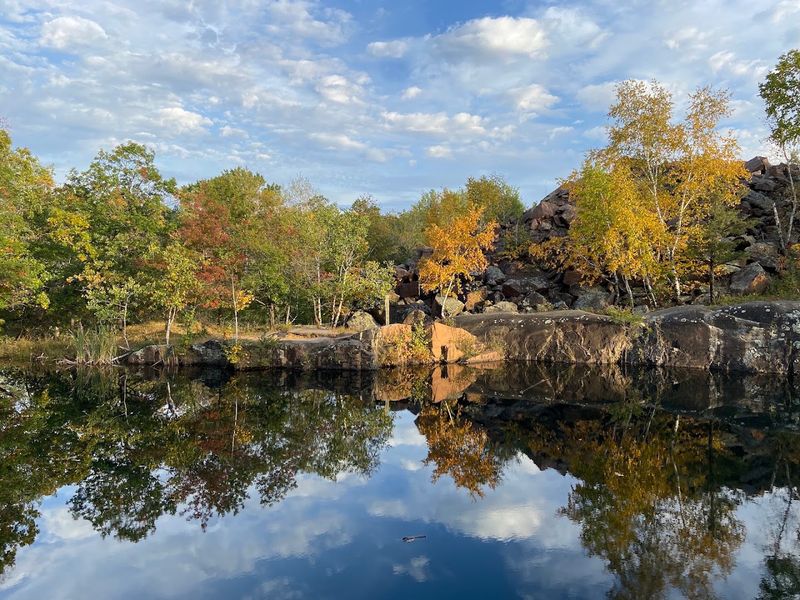
While the swimming quarries tend to draw the biggest crowds, several other quarry pits throughout the park are designated for fishing rather than swimming. These quieter spots have a completely different atmosphere, calm, still, and surprisingly peaceful given how much activity happens elsewhere on the property.
The depth and clarity of the quarry water creates interesting conditions for fishing. Several quarries remain open for fishing throughout the season, and the variety of pits means you can often find a spot that feels entirely private even on a busy weekend day.
Bringing a rod and a small tackle kit along on a park visit is an easy way to extend the day and experience a completely different side of the property. The fishing spots also happen to be some of the most scenic places in the entire park, with granite walls reflecting off still water in a way that makes the whole setting feel almost surreal on a calm morning.
Picnic Areas and How to Use Them Well
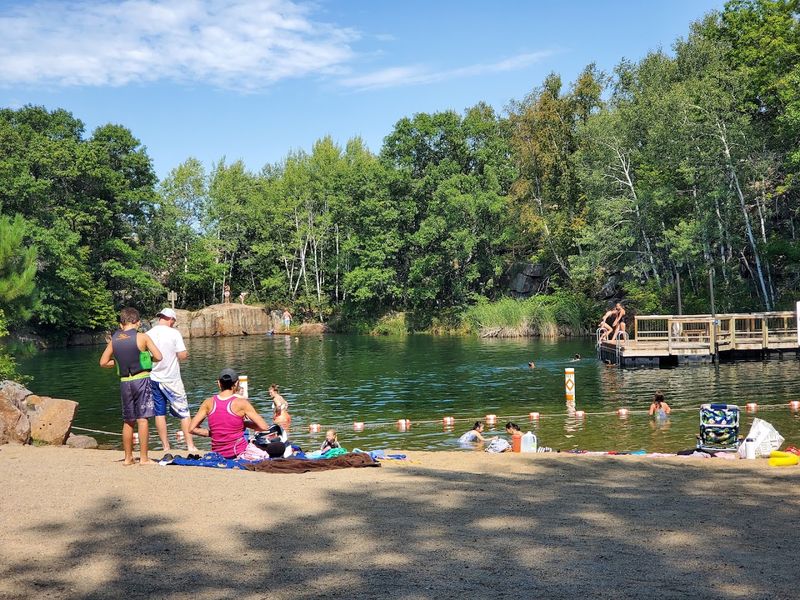
Quarry Park has multiple picnic areas spread throughout the property, and choosing the right one can make a significant difference in how your visit feels. The areas near Quarry 11 put you closest to the family swimming zone, which is convenient if you are moving between the water and a meal throughout the afternoon.
Packing your own food is the obvious move here since there are no concessions inside the park. A cooler with sandwiches, fruit, and plenty of water will serve you well, especially on warmer days when the walk between quarries adds up faster than expected.
One practical note worth keeping in mind: the granite rocks throughout the park can double as impromptu seating when the picnic tables are occupied. Flat-topped boulders near the water provide a surprisingly comfortable resting spot and an excellent view.
Arriving earlier in the day gives you the best chance of securing a shaded picnic area before the midday crowd fills in.
What the Park Feels Like in Autumn
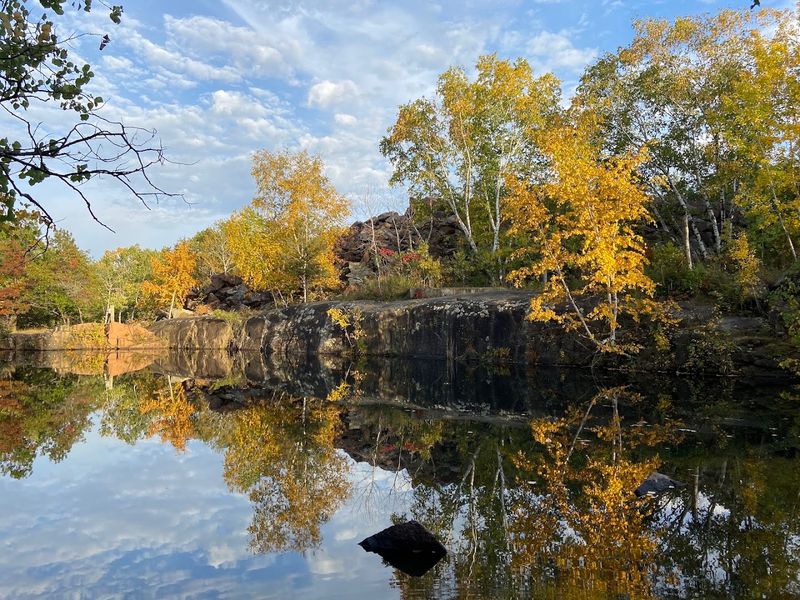
Summer gets most of the attention at Quarry Park, and understandably so. But the park in autumn is genuinely worth the trip on its own terms.
The combination of fall color and exposed granite creates a visual contrast that is hard to find anywhere else in Minnesota.
Orange and red foliage framing the gray quarry walls, with still water reflecting it all back, produces the kind of scenery that stops people mid-trail to just stand and look. The crowds thin considerably after Labor Day, which means the trails feel quieter and the whole property takes on a more contemplative mood.
At least one visitor made the drive specifically in autumn and described it as full of beauty and surprises at every turn. The trails remain accessible well into fall, and the cooler temperatures make longer hikes considerably more comfortable than the peak summer heat.
It is a genuinely different experience from the summer version of the park.
Practical Parking and Pass Information
Getting into Quarry Park requires a parking pass, which is a straightforward process but worth knowing about before you arrive. Day passes are available at the park, and a seasonal pass option exists for visitors who plan to return multiple times throughout the year.
The seasonal pass tends to pay for itself quickly if you visit even a handful of times during the summer. For families or groups who make the park a regular destination, it is the obvious choice financially.
Day pass pricing has shifted over time, so checking the Stearns County website before your visit ensures you have current information.
Parking is centralized in one main lot, and most of the quarries and trail access points require a walk from there. The walk to the cliff jumping area at Quarry 2 takes roughly 15 minutes at an easy pace.
Comfortable footwear matters more than most people anticipate, particularly on the uneven granite terrain near the water.
How Far It Is From the Twin Cities
One of the most common questions about Quarry Park is how far it sits from the Minneapolis-St. Paul metro area. The honest answer is that it is close enough to make a comfortable day trip without needing to rush in either direction.
The drive from the Twin Cities runs approximately one to one and a half hours depending on where you are starting from and traffic conditions. That puts it in the sweet spot for a spontaneous summer outing, far enough to feel like a real escape, but close enough that you are not burning the entire day just getting there and back.
Plan on spending most of the day once you arrive. Between the trails, the swimming areas, the picnic spots, and simply exploring the different quarry pits, the property rewards visitors who give it proper time rather than trying to rush through.
Arriving mid-morning and leaving in the late afternoon is a comfortable rhythm for most groups.
What to Bring for the Best Visit
A little preparation goes a long way at Quarry Park. The terrain varies significantly across the property, and the combination of hiking, swimming, and rock scrambling means your gear needs to handle more than one kind of activity over the course of the day.
Water shoes rank as the single most useful item you can bring. The granite around the quarry edges gets slippery when wet, and bare feet on uneven rock make the experience considerably less comfortable.
A dry bag or waterproof pouch for your phone and wallet is equally smart if you plan to swim.
Sunscreen, a hat, and plenty of water are non-negotiable on a warm day. The trails offer some shade, but the quarry swimming areas are largely open to direct sun.
Bringing floaties for younger swimmers adds to the fun at the shallower beach areas. A light snack or full picnic lunch rounds out everything you need for a genuinely great day at the park.
Why People Keep Coming Back Year After Year
Some parks earn a visit. Quarry Park earns a tradition.
The number of people who describe coming here since childhood, or returning season after season with different groups of friends, speaks to something the property does that is genuinely difficult to replicate elsewhere in the state.
The combination of industrial history, wild swimming, accessible hiking, rock climbing, fishing, and wildlife watching in a single 684-acre property is unusual anywhere in the Midwest. Most parks specialize in one or two of those things.
This one somehow delivers all of them without feeling scattered or unfocused.
There is also something to be said for the freedom the park offers. The trails are well-marked but not over-managed.
The quarries feel wild and real rather than sanitized. You can explore at your own pace, find a quiet corner of the property that feels entirely your own, and leave with the specific kind of satisfaction that only a genuinely great outdoor day can produce.



