Pennsylvania’s public gardens offer far more than colorful flower beds. From expansive botanical displays and historic estates to peaceful specialty gardens, these destinations showcase the state’s beauty in every season.
Whether you’re visiting for spring blooms, summer landscapes, vibrant fall foliage, or year-round conservatories, these 14 gardens each offer something unique. Together, they highlight some of Pennsylvania’s most beautiful places to relax, explore, and enjoy nature.
1. Longwood Gardens, Kennett Square, Pennsylvania
Pierre S. du Pont bought this property in 1906 not to build a garden, but to save a grove of historic trees from being cut down for lumber. What followed was one of the most ambitious horticultural projects in American history.
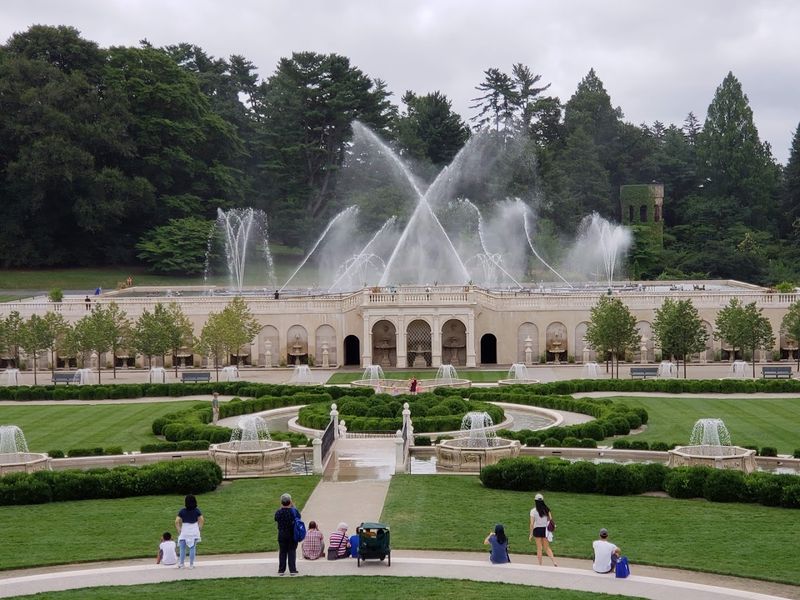
Today, Longwood Gardens covers more than 1,100 acres and runs on a five-season calendar, meaning there is always something new to see. The Main Fountain Garden alone has 1,719 jets, and evening performances with illuminated water are a regular summer event.
The Conservatory District spans over 55,000 square feet of indoor gardens, including an Orchid House, a Silver Garden, and a West Conservatory described as a floating crystal palace. The annual Christmas display, featuring hundreds of thousands of outdoor lights and thousands of poinsettias, draws crowds from across the country every winter.
2. Phipps Conservatory and Botanical Gardens, Pittsburgh, Pennsylvania
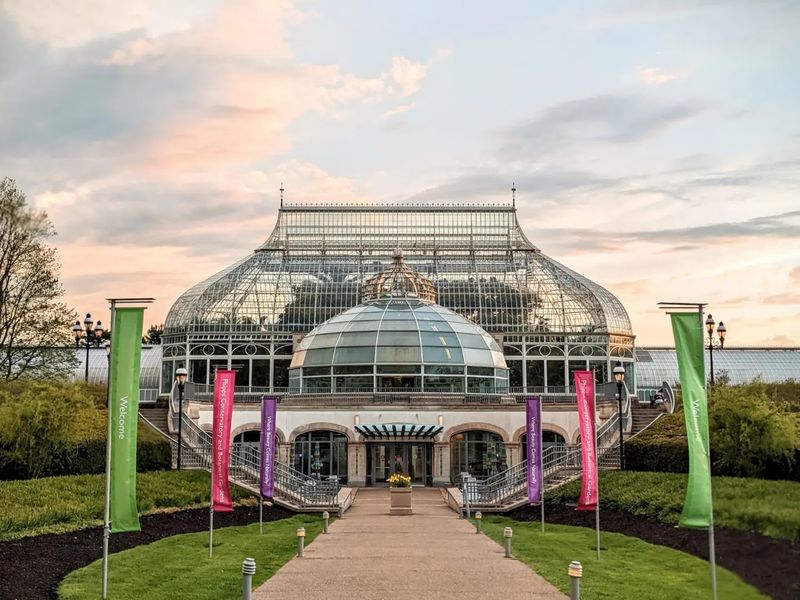
Steel magnate Henry Phipps Jr. gave this Victorian glasshouse to the City of Pittsburgh in 1893 with a clear purpose: to be a source of instruction as well as pleasure to the people. More than 130 years later, that mission has not changed, though the building certainly has.
Phipps now holds prestigious LEED certifications for multiple buildings, with its Center for Sustainable Landscapes achieving LEED Platinum status and producing all of its own energy. That combination of Victorian elegance and cutting-edge sustainability is genuinely unusual for a public garden.
Inside, 14 distinct indoor gardens cover more than 55,000 square feet. The Tropical Forest Conservatory, with a 60-foot ceiling, simulates different global regions every three years. Seasonal flower shows run throughout the year, and the Butterfly Forest operates from April through mid-September in the Stove Room.
3. Chanticleer Garden, Wayne, Pennsylvania
Named after the French word for rooster, Chanticleer is one of those rare places where horticulture and fine art become almost impossible to tell apart. Rooster motifs are tucked throughout the grounds as a playful nod to the name, rewarding observant visitors.
The garden opened to the public in 1993 on land that had been the Rosengarten family estate since 1912. What sets it apart from traditional botanical gardens is its structure: seven to eight horticulturists each manage a distinct outdoor room, creating a landscape full of contrasting styles and unexpected plant combinations.
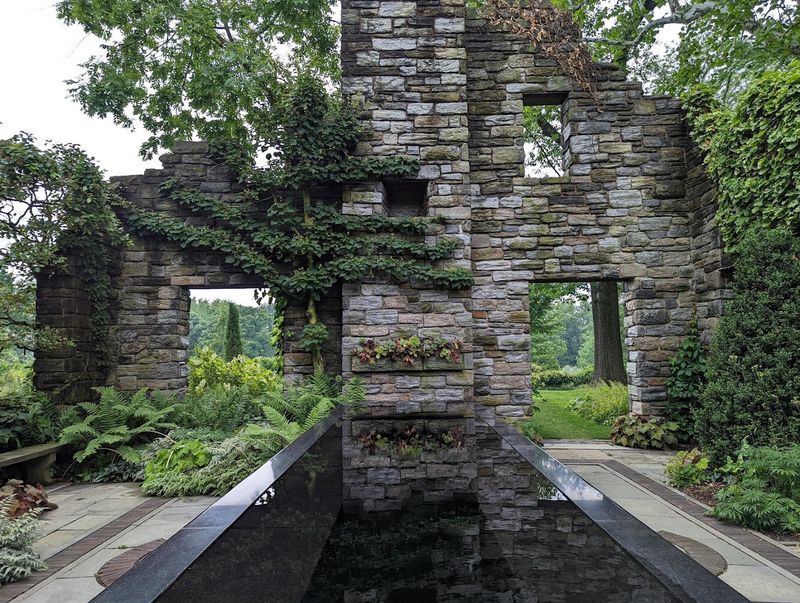
The Ruin Garden, built on the foundation of a former family home, is particularly striking, with stone walls, a water table shaped like a sarcophagus, and stone-carved books lining a room called the Library. Every visit tends to reveal something that was missed on the last one.
4. Morris Arboretum & Gardens, Philadelphia, Pennsylvania
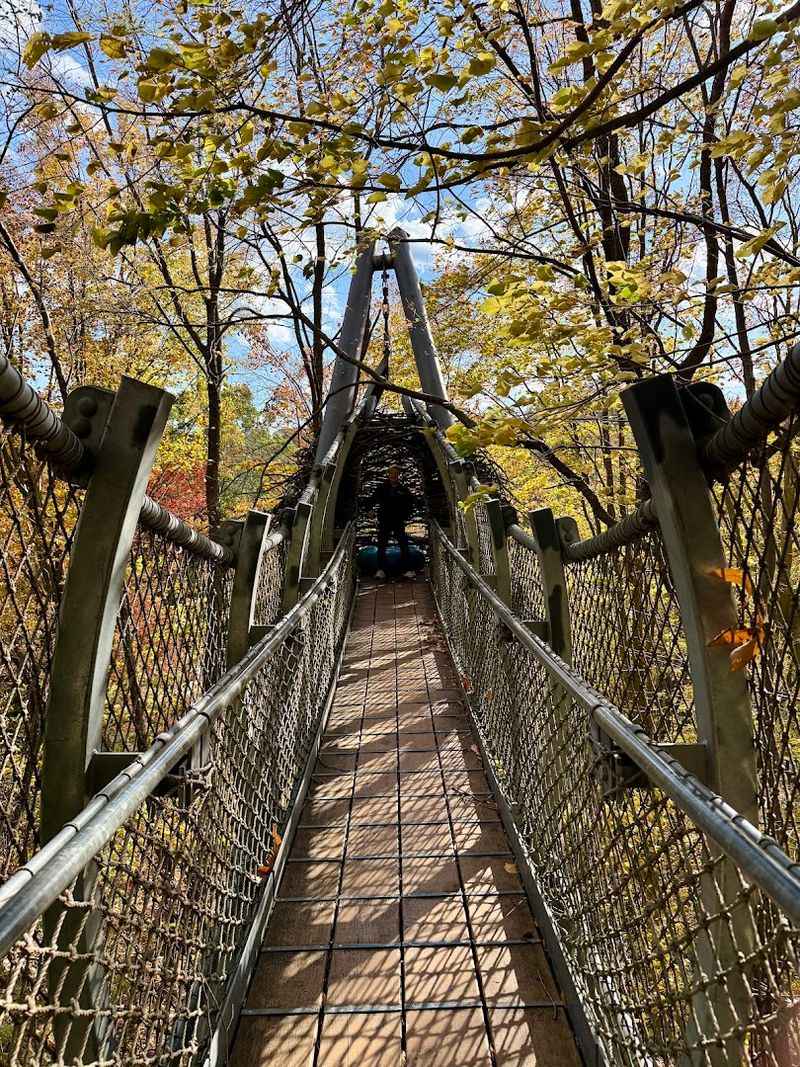
The official arboretum of the Commonwealth of Pennsylvania sits on 92 acres in Chestnut Hill, and its most talked-about feature hangs 50 feet above the ground. The Out on a Limb canopy walk stretches 450 feet through the treetops, complete with a large hammock net called the Squirrel Scramble and a giant Bird’s Nest complete with oversized robin’s eggs.
Siblings John and Lydia Morris began developing the estate in 1887, drawing on their travels through Europe and Japan. Lydia eventually left the property to the University of Pennsylvania, which has managed it as a public garden since 1933.
The Dorrance H. Hamilton Fernery, built in 1899, is the only remaining freestanding Victorian fernery in North America. With over 11,000 labeled plants and a Great Trees collection of 17 outstanding specimens, the arboretum offers serious depth for anyone who enjoys trees as much as flowers.
5. Hershey Gardens, Hershey, Pennsylvania
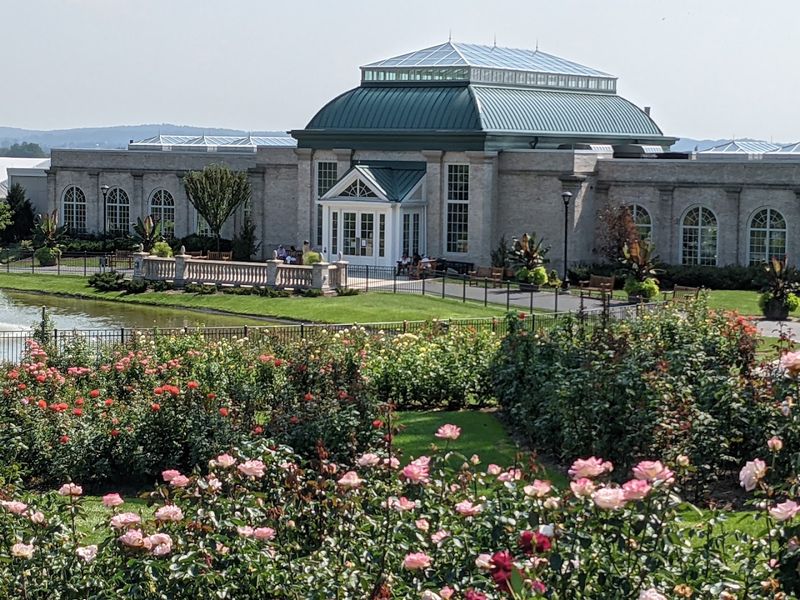
Milton S. Hershey had a simple request in 1937: create a nice garden of roses. What grew from that modest idea now covers 23 acres and includes everything from a Japanese garden to one of only 25 butterfly atriums in the entire United States.
The Milton and Catherine Hershey Conservatory, added in 2016, anchors the year-round experience. Inside the Butterfly Atrium, hundreds of exotic butterflies from South America, Africa, and Asia fly freely around visitors, and a chrysalis cabinet lets guests watch new butterflies emerge in real time.
The original rose garden still thrives, featuring 3,000 roses across 115 varieties. Families with children tend to gravitate toward the Children’s Garden, which opened in 2003 and includes 20 themed mini-gardens, a pond with fish and frogs, a Hoop House for gardening lessons, and a butterfly-shaped planting bed that is hard to walk past without stopping.
6. Tyler Arboretum, Media, Pennsylvania
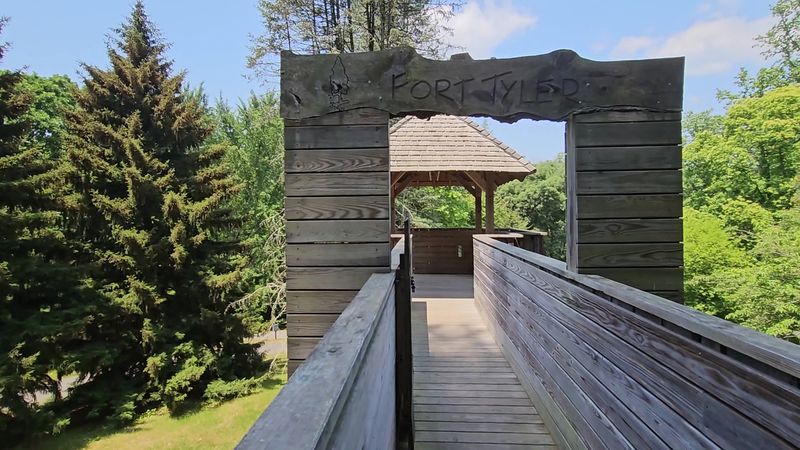
At 650 acres, Tyler Arboretum is one of the largest arboreta in the entire northeastern United States, and it feels every bit that size once you start walking its 17 to 20 miles of trails. The property traces its roots to 1681, when Quaker farmer Thomas Minshall purchased the land directly from William Penn.
Brothers Minshall and Jacob Painter began systematically planting over 1,000 tree and shrub specimens in 1825, and 20 of those original Painter trees still stand today. Several hold the title of Pennsylvania state champion, including a Giant Sequoia that has been growing here for nearly two centuries.
The 11.5-acre Wister Rhododendron Garden, a Fragrant Garden originally designed for visitors with visual impairments, and an 85-acre Pinetum of conifers all add to a destination that works equally well as a casual afternoon walk or a serious naturalist outing in any season.
7. Jenkins Arboretum & Gardens, Devon, Pennsylvania
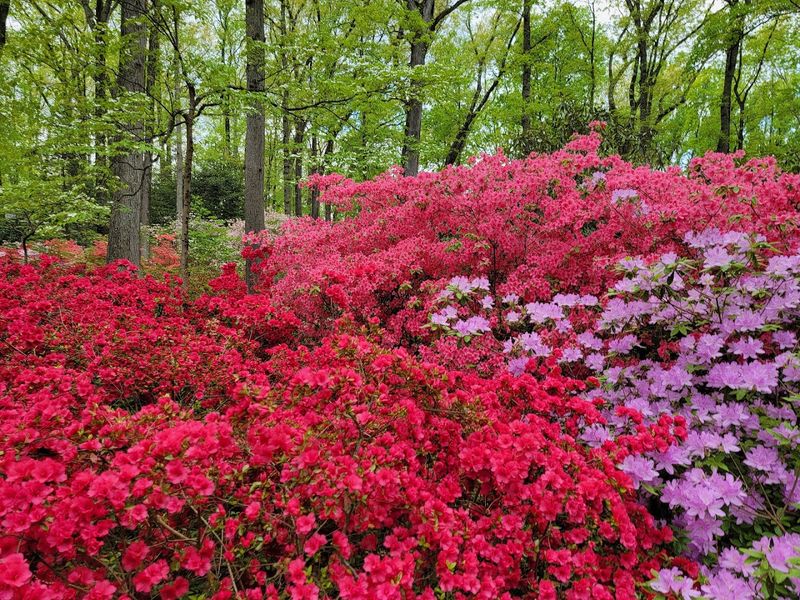
Few gardens in the country can match Jenkins Arboretum when rhododendron season peaks. The collection here is nationally accredited by the American Public Gardens Association, and some specimens on display cannot be found anywhere else in North America.
H. Lawrence Jenkins established the garden in 1968 as a living memorial to his wife Elisabeth, a devoted gardener and wildlife enthusiast. The site was chosen partly because its rocky, acidic soil turned out to be ideal for growing plants from the heath family, which includes both azaleas and rhododendrons.
The garden covers 48 acres and is threaded with 1.2 miles of paved paths, making it accessible for most visitors. A central pond lined with bald cypress trees attracts turtles, frogs, and nearly 100 songbird species throughout the year. Admission is free, which makes it an easy destination to visit more than once across the seasons.
8. Stoneleigh: A Natural Garden, Villanova, Pennsylvania
A former Main Line estate became one of the Philadelphia region’s most interesting public gardens when Natural Lands opened Stoneleigh to visitors in May 2018, after the Haas family donated the property following more than 80 years of careful stewardship. Admission remains free.
The garden’s design philosophy sets it apart from most traditional botanical destinations. Rather than showcasing exotic collections, Stoneleigh focuses on native plants and how they can be used to support local wildlife, with the goal of inspiring home gardeners to bring similar ideas back to their own yards.
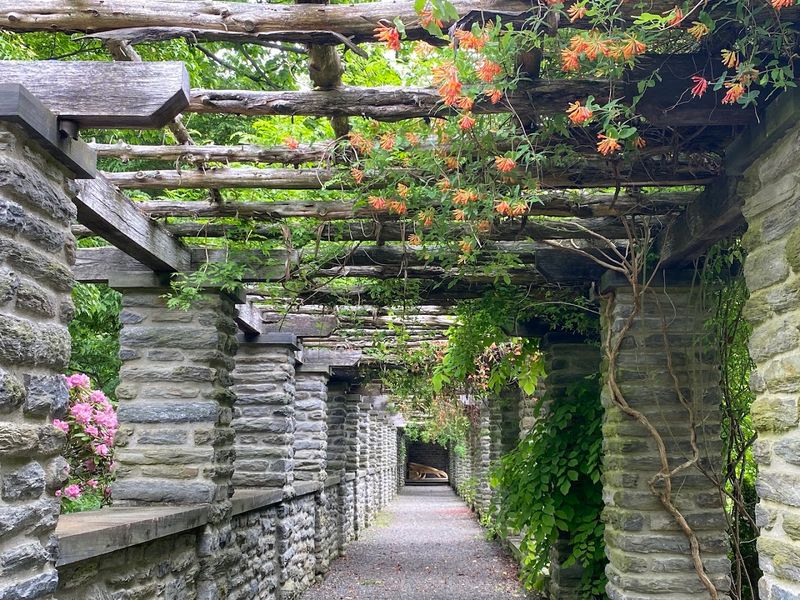
Highlights include Catalpa Court, featuring a 50-foot waterfall and a chemical-free water garden that filters through plants rather than chemicals, and the Bog Gardens, which replaced a former swimming pool and now host carnivorous native plants like pitcher plants and sundews. The Olmsted Brothers-designed Great Lawn and a restored Pergola covered in 20 native vine species add historical weight to the naturalistic setting.
9. Bartram’s Garden, Philadelphia, Pennsylvania
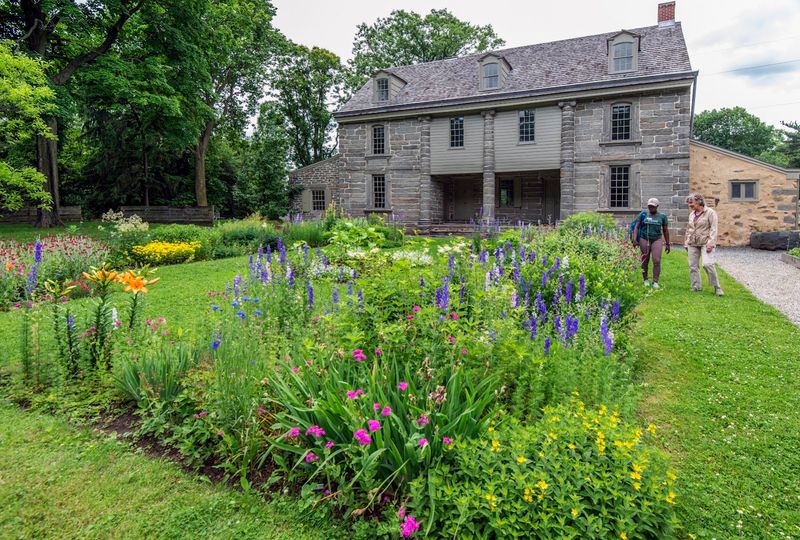
America’s oldest surviving botanical garden has been growing along the Tidal Schuylkill River since 1728, when Quaker farmer John Bartram began collecting and cultivating plants with a dedication that eventually earned him the title of King’s Botanist from King George III.
The stone house Bartram built himself still stands on the property, its front door originally facing the river since that was the main route of travel in colonial times. Nearby, the Ann Bartram Carr Garden has been restored to reflect its early 19th-century origins as a rose garden, now also featuring a mophead hydrangea that tends to stop visitors mid-step.
The garden’s most historically significant tree is a Franklinia alatamaha, a species saved from complete extinction by the Bartram family. The country’s oldest ginkgo tree, estimated at over 235 years old, also grows here. Grounds are open free of charge from dawn to dusk every day of the year.
10. Pittsburgh Botanic Garden, Oakdale, Pennsylvania
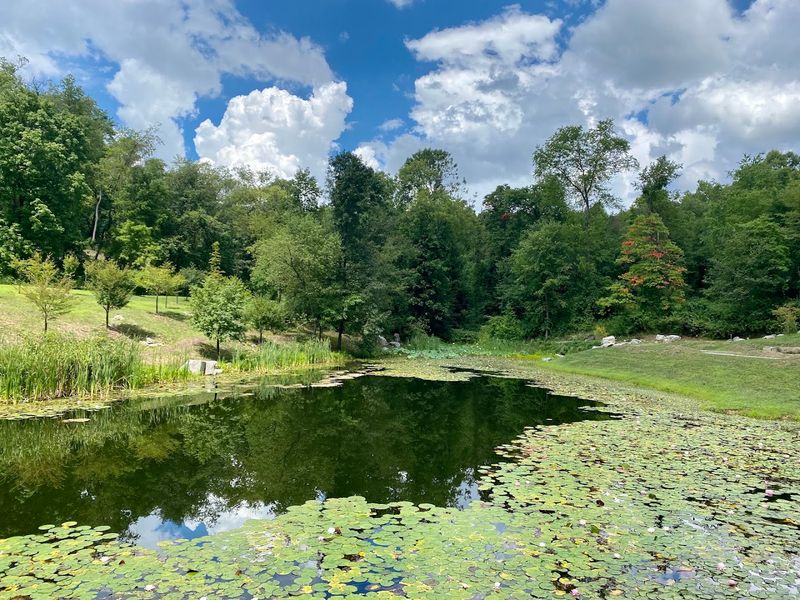
Building a world-class botanical garden on land once wrecked by coal mining sounds like an unlikely project, but that is exactly what the Pittsburgh Botanic Garden accomplished. It opened on April 1, 2015, making it one of the newest major gardens in the state and one of the largest in the country by total acreage at 460 acres.
A passive acid mine drainage treatment system, installed in 2012, uses limestone filtration to neutralize acidic water that once made the site inhospitable. The result is a now-thriving Lotus Pond at the center of the Asian Woodland, complete with fish, aquatic plants, and an arched Oriental-style bridge.
The 40-acre Woodlands of the World section organizes plantings into five geographic forest themes, including an Eastern European Forest with a 25-foot cob dragon sculpture that younger visitors tend to find immediately. The Margaret Lawrence Simon Dogwood Meadow, ringed by over 500 dogwood trees, draws visitors for hiking, photography, and wildflower viewing across every season.
11. The Arboretum at Penn State, University Park, Pennsylvania
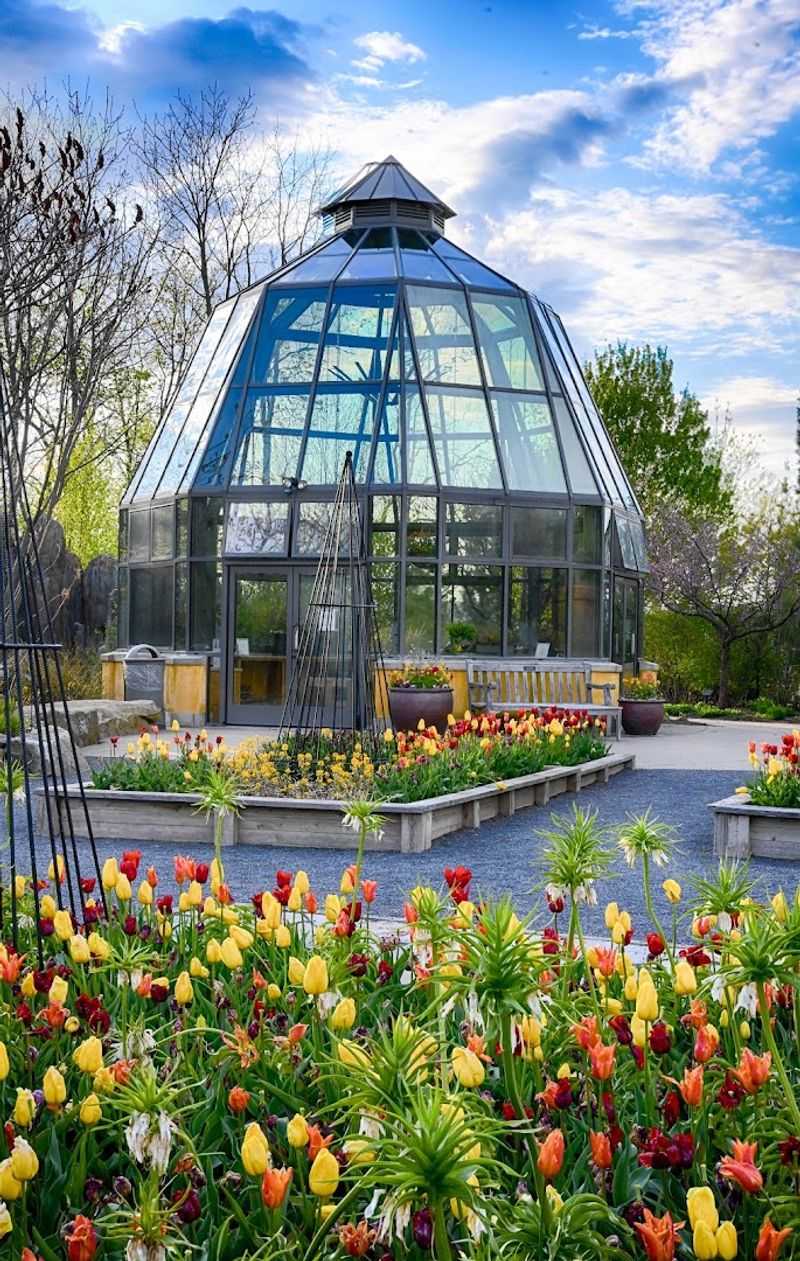
A $10 million gift from alumnus Charles H. Smith in 2007 turned a long-held campus dream into reality, and the H.O. Smith Botanic Gardens opened two years later as the centerpiece of what is now a 370-acre arboretum recognized as a Great Place in Pennsylvania. Entry is free.
The Children’s Garden, added in 2014, is modeled on the central Pennsylvania landscape and includes a simulated limestone cave with stalagmites, a wading stream, a glass house for educational programs, and a caterpillar sculpture large enough for kids to climb. The Pollinator and Bird Garden, opened in 2021, features a glass-enclosed bee box and a bird house with rocking chairs for quiet observation.
Beyond the cultivated areas, 340 acres of natural land include Hartley Wood, where some oak trees exceed 300 years in age. Winter brings a 22-foot lit Fraser fir to the main fountain plaza, and the annual Winter’s Glow event adds live music and seasonal crafting to the holiday calendar.
12. Scott Arboretum & Gardens, Swarthmore, Pennsylvania
The Scott Arboretum does not sit beside Swarthmore College; it actually is the college campus, with over 4,000 labeled ornamental plants woven through buildings, pathways, and open spaces across 300 to 357 acres. The arboretum was established in 1929 in honor of Arthur Hoyt Scott, a Swarthmore alumnus who also happened to invent the paper towel.
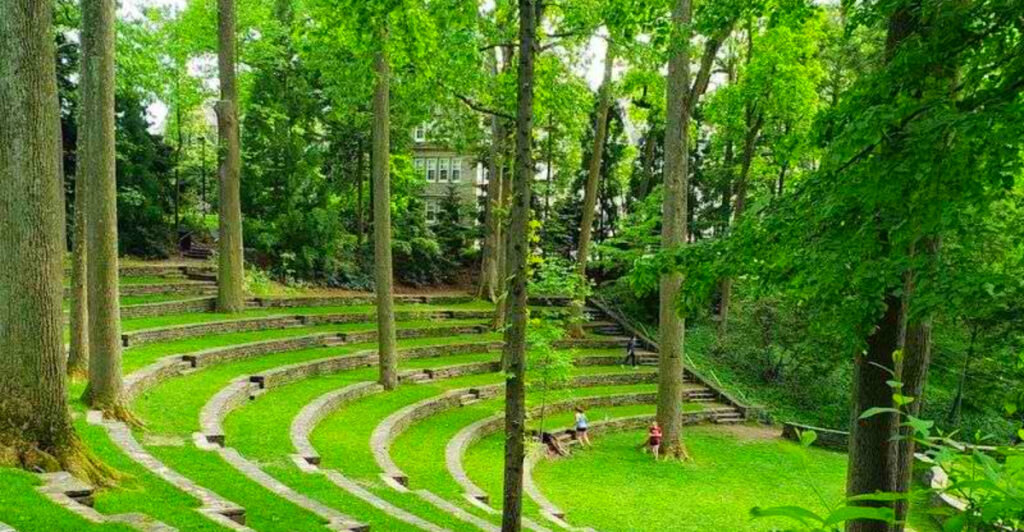
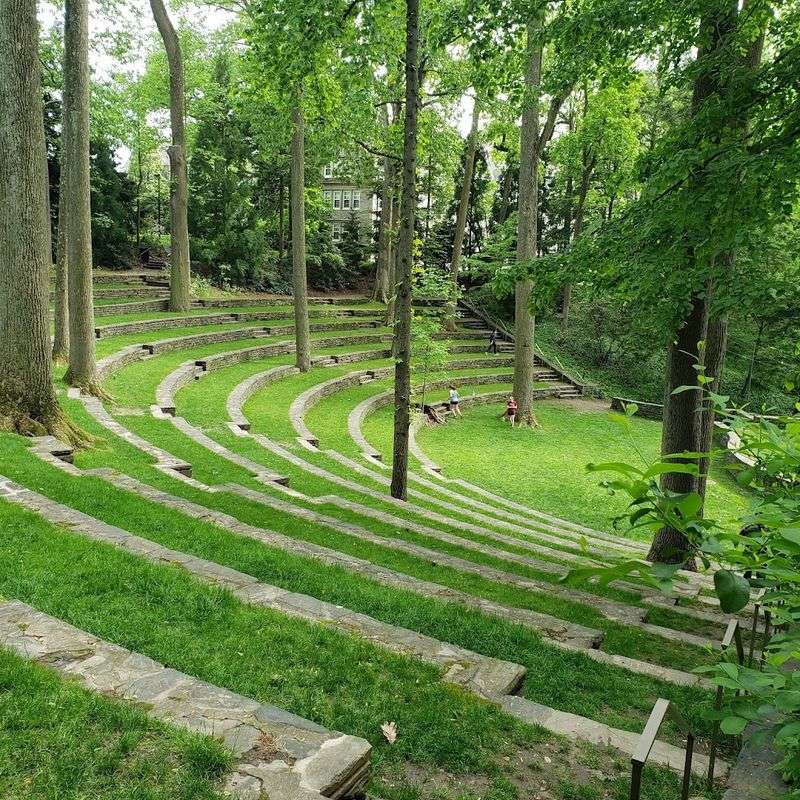
The Dean Bond Rose Garden showcases more than 650 roses across 200 varieties, and each graduating senior traditionally receives a rose from this garden during commencement. The Scott Outdoor Amphitheater, designed in 1942 and carved into a hillside framed by tulip poplars and white oaks, hosts both graduation ceremonies and a summer concert series.
A Winter Garden provides interest from November through March, while the Pollinator Garden peaks from June to August. The Cherry Border includes a curved stone whisper bench that carries a quiet message from one end to the other, a small detail that visitors tend to remember long after leaving.
13. Bowman’s Hill Wildflower Preserve, New Hope, Pennsylvania
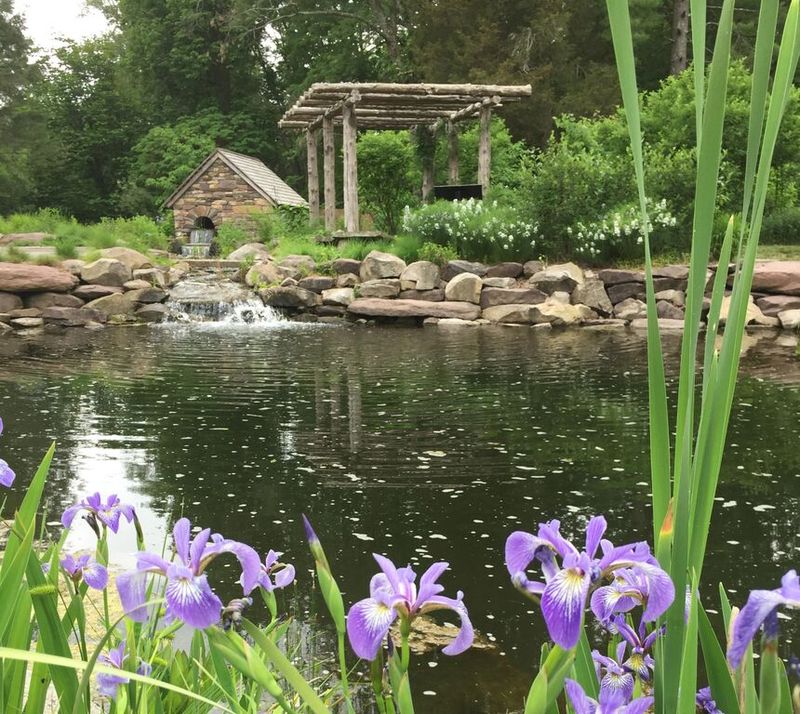
There is only one accredited botanical museum in the United States dedicated entirely to native plants, and it is tucked into 134 acres near New Hope. Bowman’s Hill Wildflower Preserve shelters over 700 of Pennsylvania’s 2,000 native plant species, and it actively protects around 60 that are classified as rare, threatened, or endangered.
The Preserve was established in 1934 as a living memorial to the soldiers of George Washington’s army who camped in the area during the American Revolution. Civilian Conservation Corps workers in the 1930s built the early trails, a stone bridge, and a log cabin using American chestnut logs.
Spring, particularly mid-April through May, is the most visited season, when woodland trails fill with Virginia bluebells, trilliums, bloodroot, and wood poppies. A Native Plant Nursery sells over 200 native species grown from locally sourced seeds, and Access Cart tours are available for visitors with limited mobility throughout the year.
14. Welkinweir, Pottstown, Pennsylvania
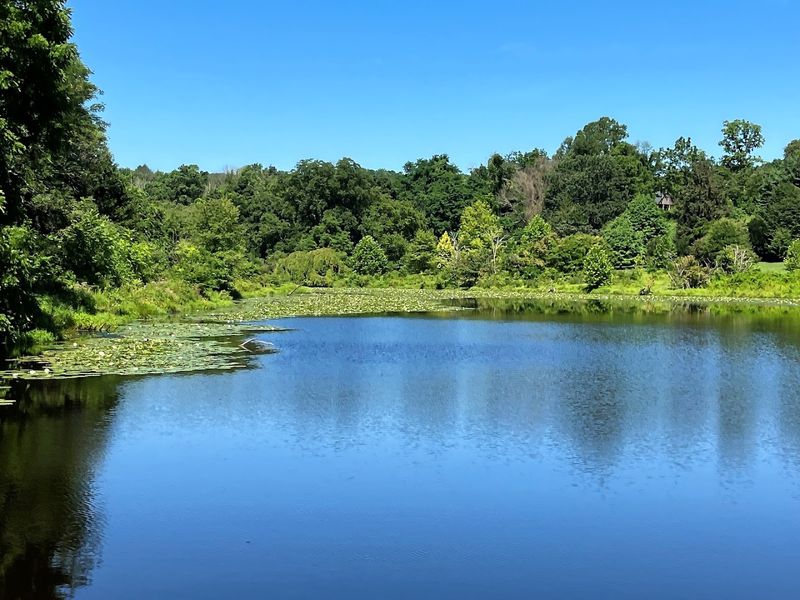
The name Welkinweir translates from Old English as where sky meets water, and anyone who has stood beside one of the property’s seven ponds on a clear day would agree that the name fits perfectly. This 197-acre estate near Pottstown has been on the National Register of Historic Places since 2001 and is open to the public free of charge.
Everett and Grace Rodebaugh purchased a declining farm here in 1935 and spent decades transforming it into a conservation showpiece, planting an arboretum, creating the pond series, and reforesting cleared hillsides. The 55-acre arboretum includes a Pennsylvania state champion Chinese hackberry tree and specimens of franklinia, magnolia, and Japanese maple.
Share this story