 Unearth The Voyage
Most candy bars come and go, but one St. Paul creation has been sitting on gas station counters and grocery store shelves for over 90 years. A chewy nougat center, a sticky layer of caramel, and a generous coating of salted peanuts make it one of the most recognizable treats in the Midwest.
The story behind it stretches back to 1933, when a small family-owned candy company decided to do something simple and do it really well. What followed was a legacy that most people outside Minnesota have never fully heard about.
The Company That Started It All in St. Paul
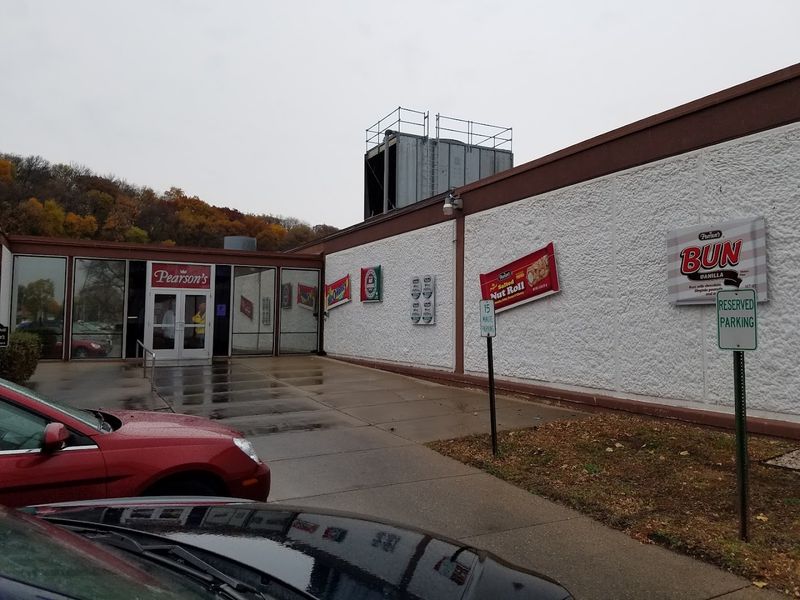
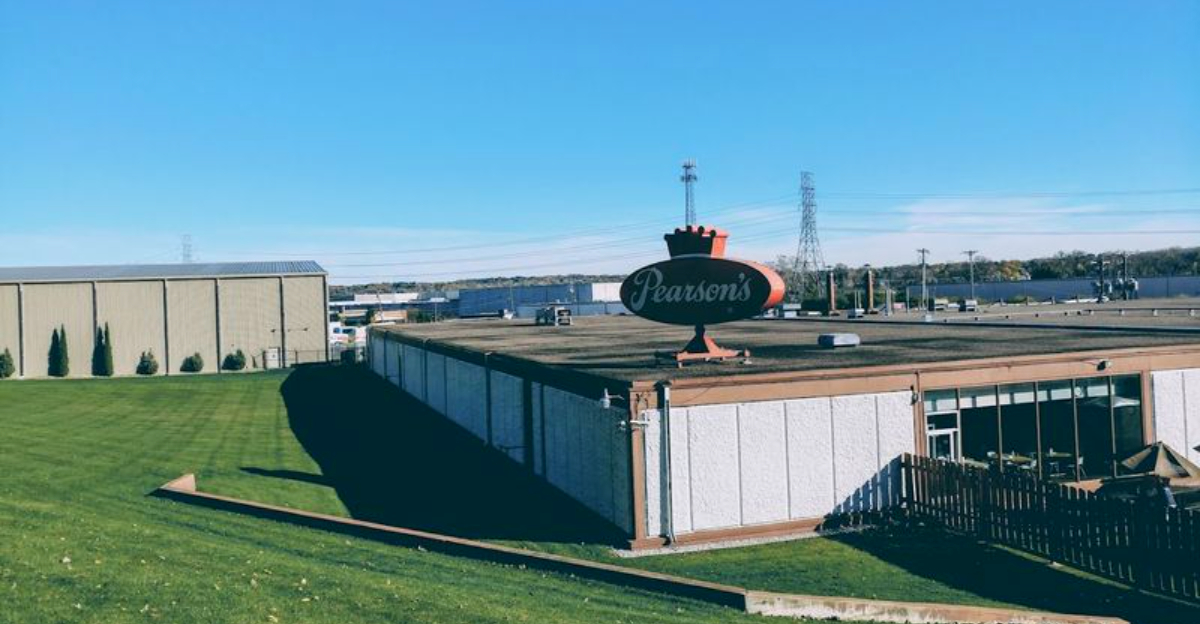
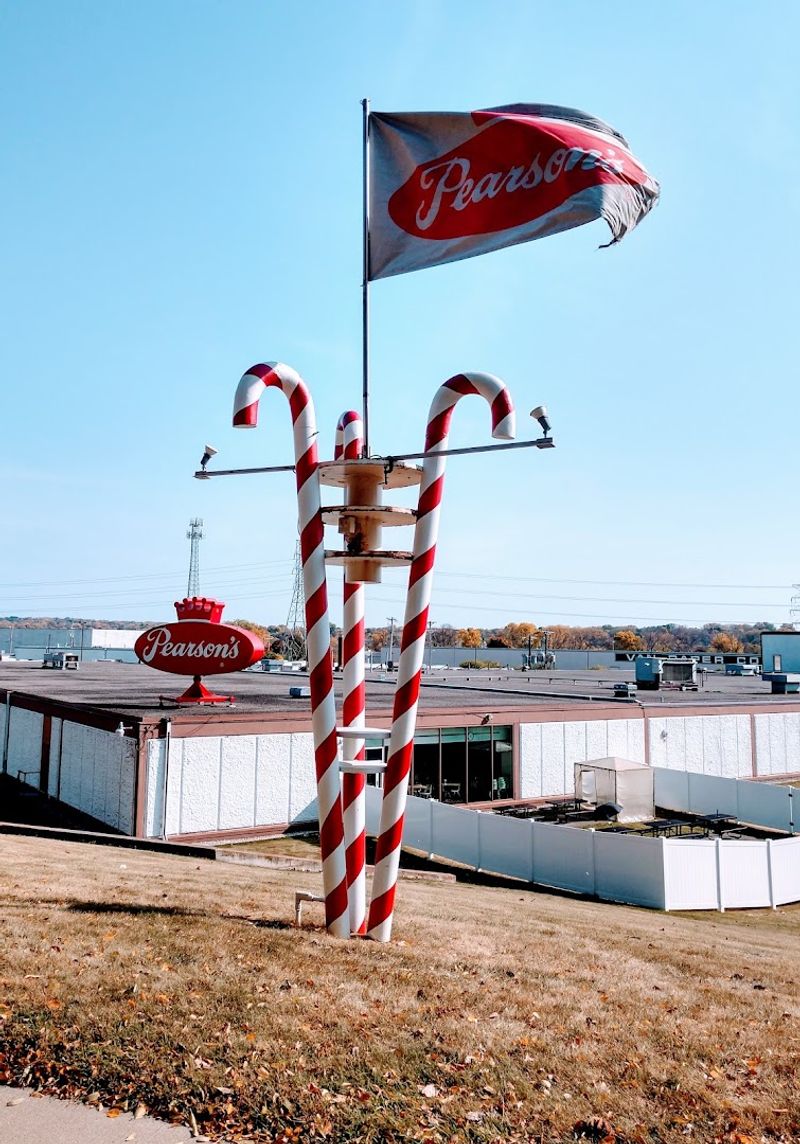
Not every candy company can say it has been making the same beloved product for more than nine decades. Pearson’s Candy Co, located at 2140 7th St W in St. Paul, Minnesota, has been a quiet powerhouse in American confectionery since its founding in 1912.
The company grew steadily through the early twentieth century, building a reputation for straightforward, satisfying candy made with real ingredients. St. Paul became the permanent home for its operations, and the facility on 7th Street West is where the magic still happens today.
What makes Pearson’s story so compelling is how it managed to survive decades of industry consolidation without losing its identity. While giant candy corporations swallowed up smaller brands across the country, Pearson’s kept making its products in Minnesota.
That kind of staying power is rare, and it says a lot about the loyalty the brand has built over generations.
How the Salted Nut Roll Was Born in 1933
The year 1933 was not an easy time in America. The country was deep in the Great Depression, and people were looking for small, affordable pleasures wherever they could find them.
That is exactly when Pearson’s introduced the Salted Nut Roll, a candy bar that cost very little but delivered a satisfying combination of flavors and textures.
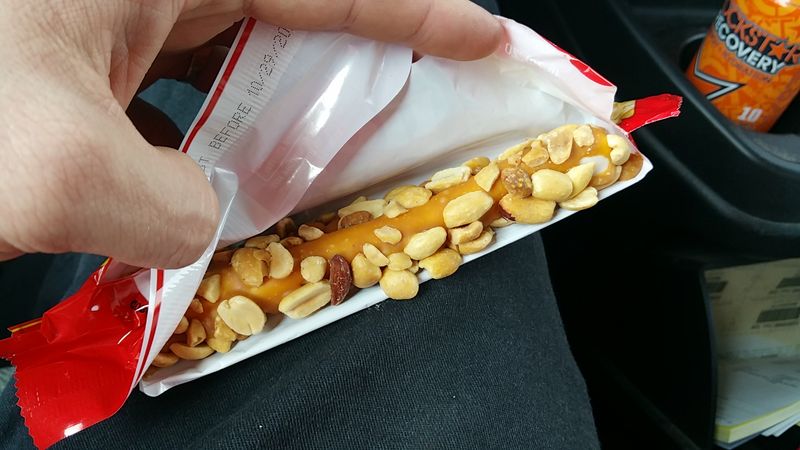
The original formula combined a vanilla nougat center with a coating of caramel and roasted, salted peanuts. It was simple, filling, and genuinely delicious.
Workers could grab one for a few cents and feel like they had actually eaten something.
The timing turned out to be perfect. Candy bars that offered substance and value became popular during the Depression era, and the Salted Nut Roll fit that mood exactly.
More than 90 years later, it is still sold across the country, which is a remarkable run for any food product.
What Actually Goes Into a Salted Nut Roll
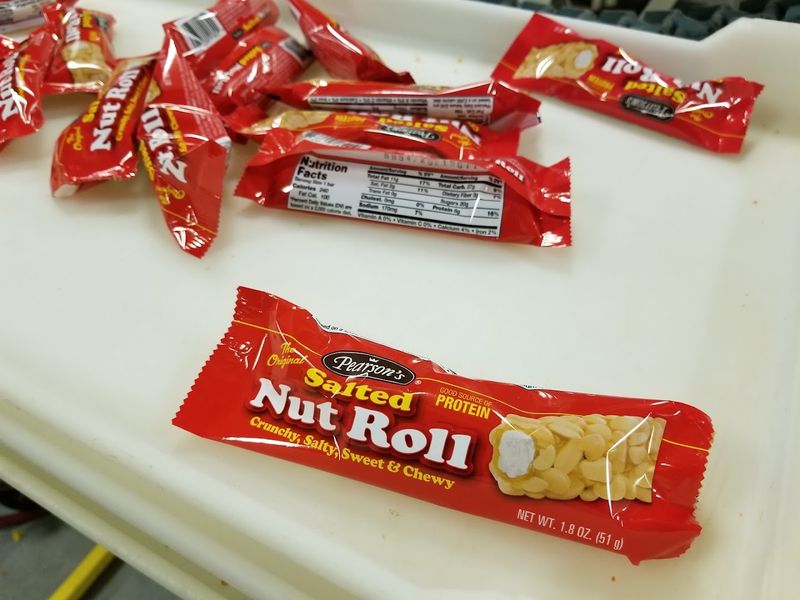
Part of what made the Salted Nut Roll so popular from the start was its honest simplicity. There are no fancy ingredients or complicated flavor combinations.
The bar is built around a soft vanilla nougat core, which gives it a chewy, satisfying bite that holds everything together.
Wrapped around that nougat is a thin layer of caramel, which adds a subtle sweetness and acts as the glue that holds the outer shell of roasted, salted peanuts in place. The salt on those peanuts is what really sets this bar apart from other candy of its era.
That contrast between sweet and salty was not common in American candy in 1933. Most treats leaned heavily toward sweetness alone.
Pearson’s found a balance that felt genuinely craveable, and loyal fans have been reaching for that distinctive combination ever since. The texture alone keeps people coming back.
The Nut Goodie: Another Minnesota Original
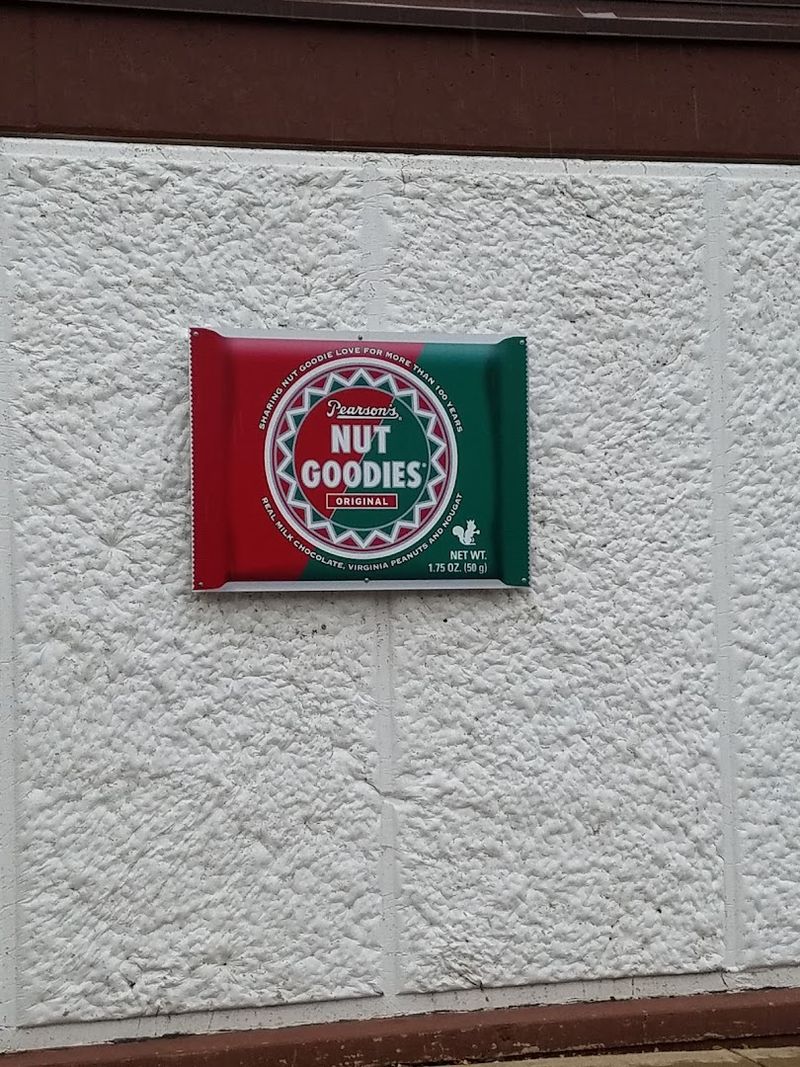
The Salted Nut Roll gets most of the attention, but Pearson’s has another product with serious Midwest credentials. The Nut Goodie has been around even longer, with roots going back to 1912 when the company was first established.
This one features a maple-flavored nougat center covered in milk chocolate and studded with whole peanuts. The maple flavor gives it a distinctly old-fashioned quality that feels like it belongs in a different era entirely, which is honestly part of its charm.
Fans of the Nut Goodie tend to be deeply loyal, and many grew up eating them in Minnesota before ever hearing of more nationally advertised candy bars. The bar has a regional identity that feels genuinely tied to the state.
Bringing a box of Nut Goodies to a friend or family member who has moved away from Minnesota is practically a local tradition at this point.
Pearson’s Mint Patties and the Peppermint Legacy
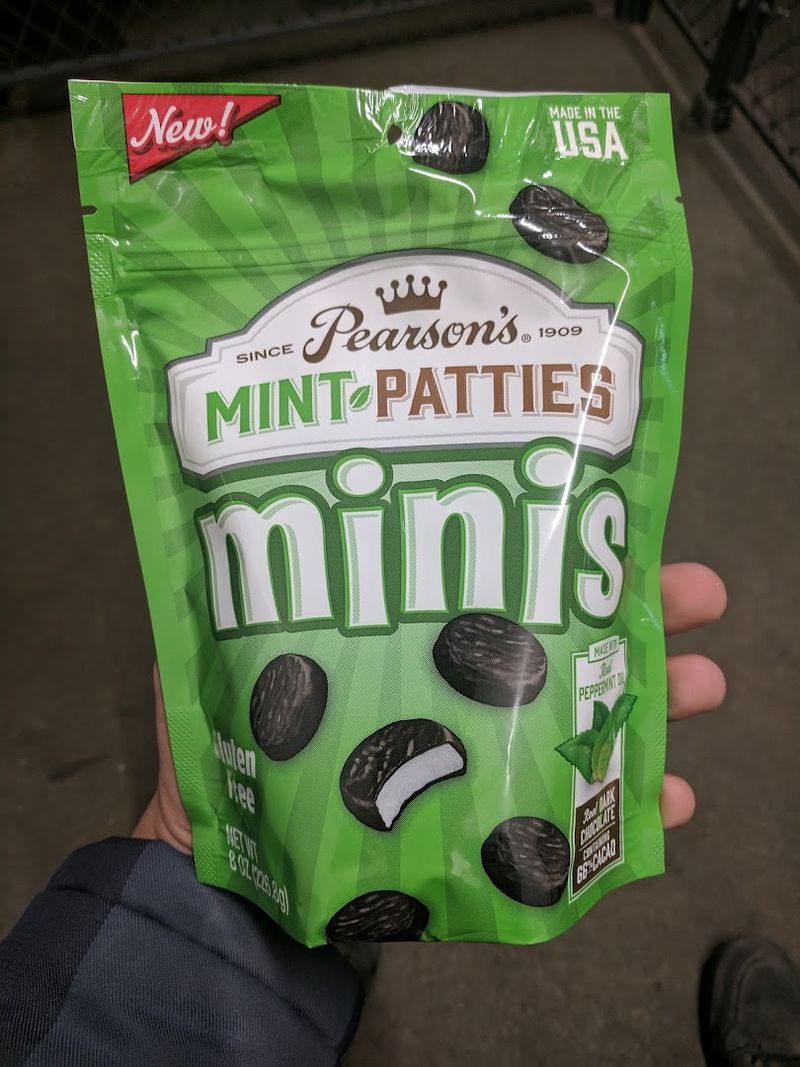
Beyond the peanut-based bars, Pearson’s also makes a line of mint patties that have developed a dedicated following of their own. The Pearson’s Peppermint Patty features a creamy mint filling covered in dark chocolate, and the combination has earned real admiration from people who take their after-dinner mint seriously.
What separates the Pearson’s version from other mint patties on the market is the texture of the filling. It tends to be smoother and creamier rather than dry or powdery, which makes each bite feel more indulgent.
The dark chocolate coating adds a slight bitterness that balances the sweetness of the mint center.
Some fans eat one or two every day after a meal, which says a lot about how habit-forming the flavor profile can be. The mint patties have also gone through recipe and packaging updates over the years, generating both praise and criticism from longtime customers who have strong opinions about their favorite treat.
A Family Business That Outlasted the Competition
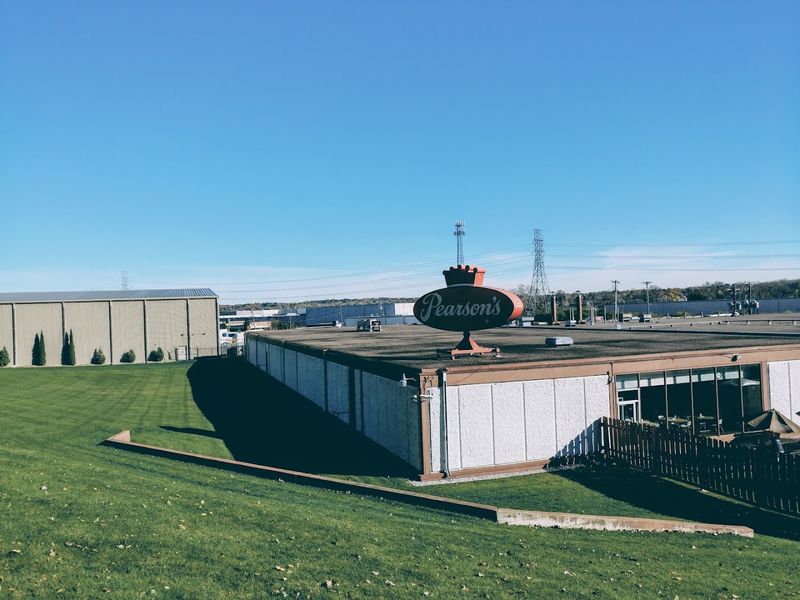
The American candy industry went through enormous changes during the twentieth century. Large corporations acquired smaller regional brands at a rapid pace, and many beloved local candies quietly disappeared from store shelves.
Pearson’s managed to navigate that landscape and remain a recognizable name.
Staying independent while maintaining production in St. Paul was not a small achievement. The candy business is competitive, ingredient costs fluctuate, and consumer tastes shift constantly.
Companies that survive for more than a century in that environment have usually figured out something important about consistency and brand loyalty.
Pearson’s built that loyalty one candy bar at a time, focusing on a small product line rather than trying to compete with every new trend. That focused approach kept the company grounded in what it does well.
For generations of Minnesotans, the name Pearson’s carries a kind of hometown pride that no amount of national advertising could replicate.
The Twin Cities Marathon Connection
There is something genuinely fun about a candy company sponsoring a marathon. Pearson’s has been connected to the Twin Cities Marathon, providing bite-size Salted Nut Rolls to runners at the finish line.
For exhausted athletes who just covered 26.2 miles, a salty, sweet, protein-packed candy bar is not the worst reward imaginable.
The partnership makes a kind of perfect sense when you think about it. The Salted Nut Roll has peanuts, which carry actual nutritional value, and the combination of sugar and salt is exactly what a depleted runner’s body is calling for.
It is a clever bit of local brand alignment that also happens to be genuinely practical.
Runners who grew up eating Salted Nut Rolls in Minnesota get a nostalgic jolt along with their post-race snack. The marathon connection has helped introduce the candy to out-of-state participants who might never have encountered Pearson’s products before crossing that finish line.
Why Loyal Fans Have Such Strong Opinions
Few things generate stronger feelings than a beloved childhood food that changes. The reviews and comments surrounding Pearson’s products over the years reveal just how personally people take their candy.
Longtime fans of the Salted Nut Roll have been vocal about changes to the recipe, the packaging, and the overall experience of eating the bar.
Some customers feel the nougat texture has shifted over time, becoming grainier or less flavorful than they remember. Others have pointed out that the peanut coverage seems thinner than it used to be.
These are not small complaints for people who have been eating the same candy bar for 30 or 40 years.
That level of emotional investment is actually a sign of how deeply the product is woven into people’s lives. A candy bar that nobody cared about would not inspire that kind of passionate feedback.
The complaints come from a place of genuine affection for what the product once meant to them.
What the St. Paul Factory Represents for the Midwest
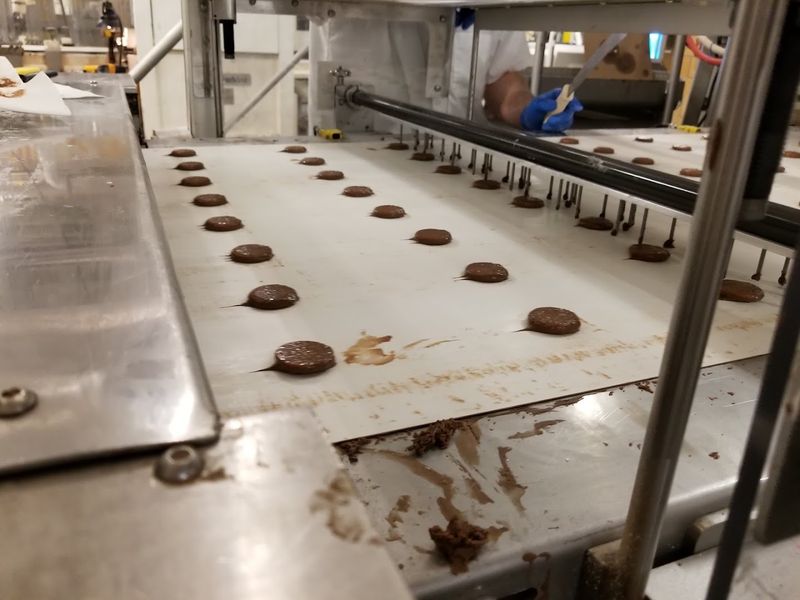
The facility at 2140 7th St W in St. Paul is not a tourist destination in the traditional sense. It is a working candy factory that operates Monday through Friday, quietly producing the bars and patties that have been on store shelves for generations.
But what it represents to the surrounding community goes beyond just manufacturing.
Having a candy company remain rooted in the same city for over a century is meaningful for a region that has seen many businesses relocate or shut down entirely. Pearson’s presence in St. Paul is a thread connecting the city’s industrial past to its present, a reminder that some things are worth keeping exactly where they are.
The smell of chocolate and roasted peanuts that likely drifts through the neighborhood on production days is the kind of detail that sticks with people who grew up nearby. That sensory memory is part of what makes local institutions so hard to replace once they are gone.
Why the Salted Nut Roll Still Matters Today
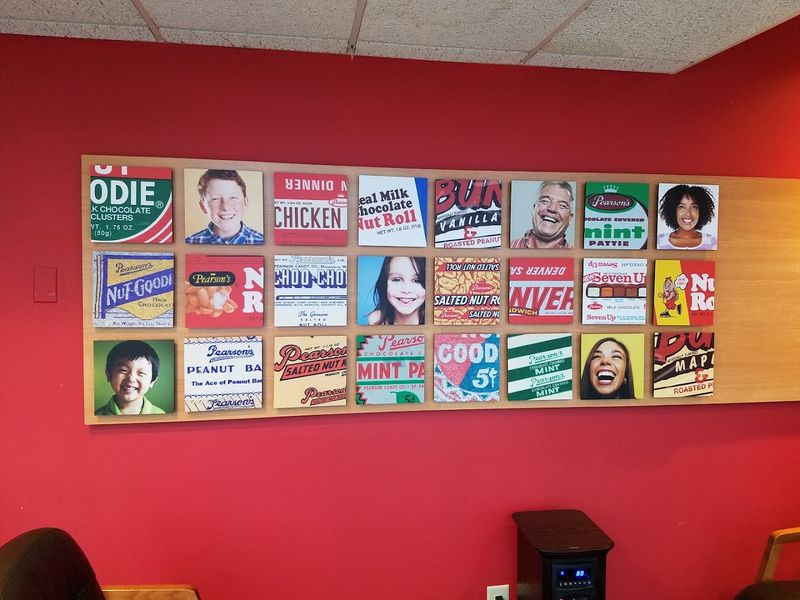
In an era when artisan chocolatiers and trendy confections dominate food media, the Salted Nut Roll keeps selling. It shows up at gas stations, grocery stores, and checkout counters across Minnesota and beyond, sitting quietly next to flashier competitors without apology.
The bar’s longevity is not accidental. It fills a specific craving that more complicated candy cannot quite match.
The saltiness, the chew, the crunch of peanuts, and the subtle caramel sweetness work together in a way that feels complete. There is nothing missing and nothing excessive about it.
For anyone curious about American regional food culture, the Salted Nut Roll is worth seeking out. It is a piece of Midwest history that happens to still be edible and widely available.
Pearson’s Candy Co created something in 1933 that has genuinely stood the test of time, and that is a story worth knowing no matter where you grew up.



