 Unearth The Voyage
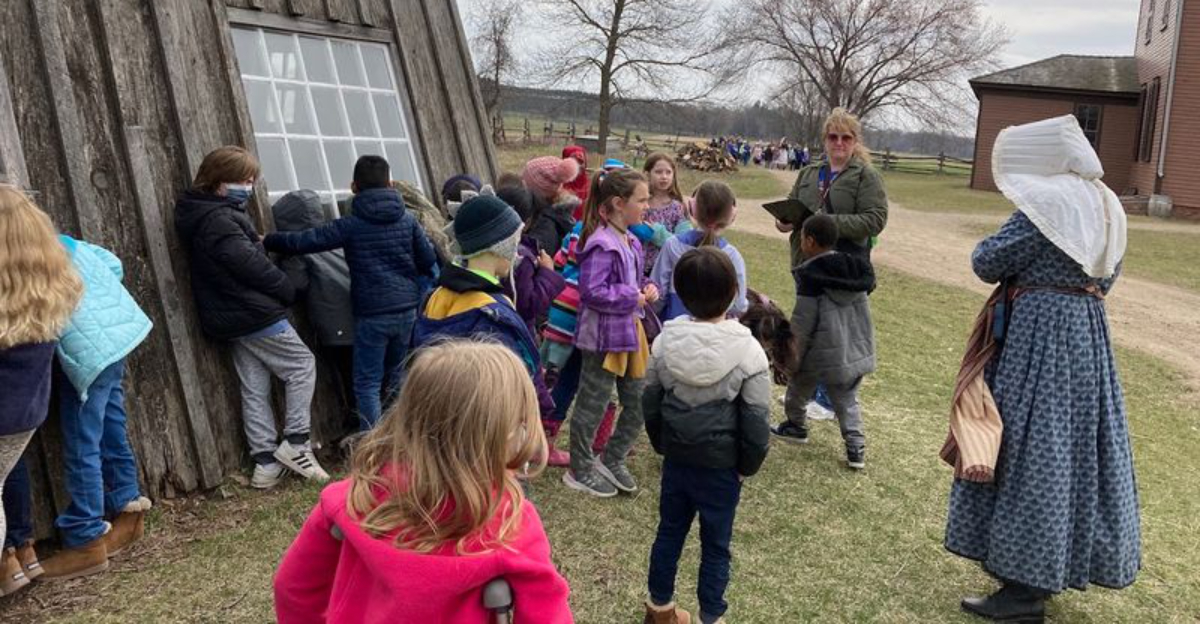
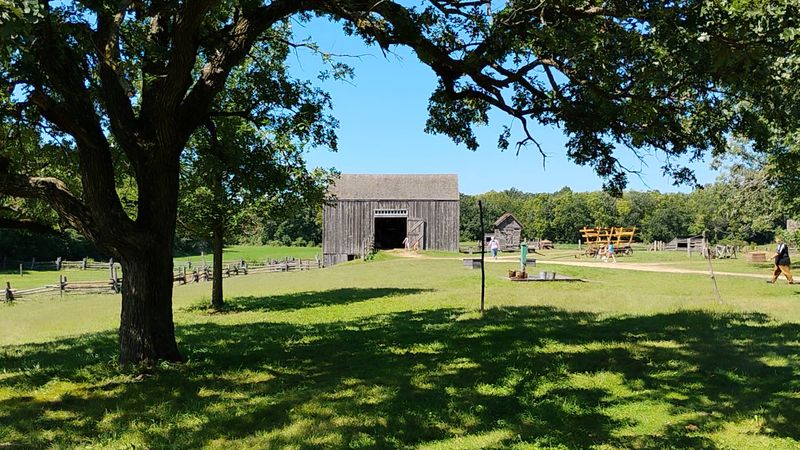
There is a farm in Minnesota where the clocks stopped somewhere around 1867. Sheep wander past split-rail fences, woodsmoke drifts from a farmhouse chimney, and the people working the fields are dressed exactly as they would have been more than 150 years ago.
You can pull weeds, feed animals, and watch bread being made in a wood-burning stove, all within an hour of the Twin Cities. Once you know this place exists, it is genuinely hard to understand why more people are not talking about it.
A Living Piece of Minnesota History
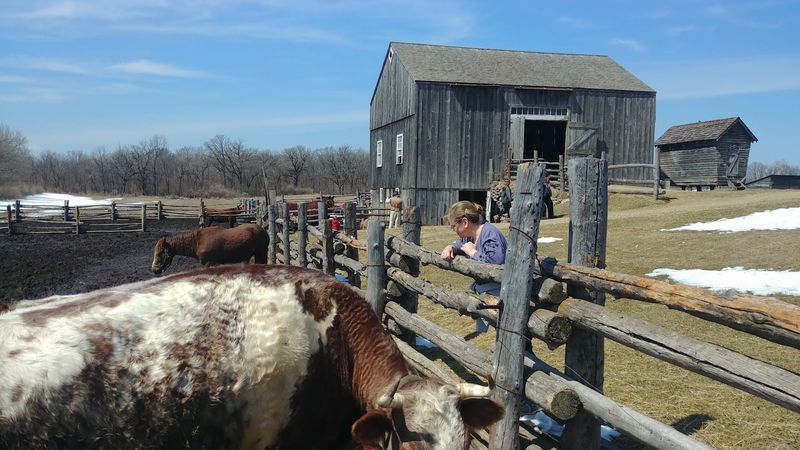
Most history museums ask you to look but not touch. This one hands you a hoe and puts you to work.
Oliver Kelley Farm, located at 15788 Kelley Farm Rd, Elk River, MN 55330, is a fully operational 1860s farmstead managed by the Minnesota Historical Society.
Oliver Kelley was a real farmer who settled this land along the Mississippi River in 1850. He later became one of the founders of the National Grange, an agricultural organization that shaped American farming policy for generations.
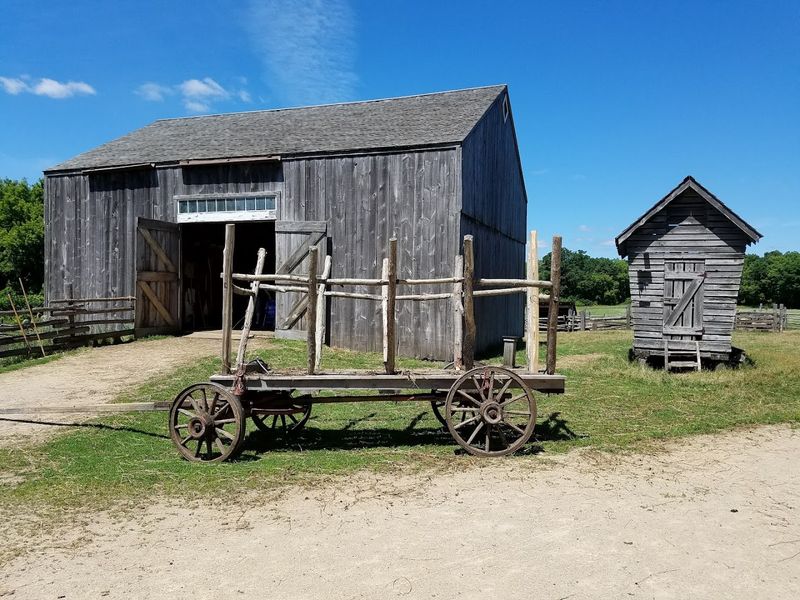
The farm itself has been carefully restored to reflect daily life as Kelley and his family would have lived it. Walking the property feels less like a museum visit and more like stepping onto a working homestead that simply never stopped running.
That authenticity is what makes it stand apart from nearly every other historic site in the region.
Meeting Blaze the Ox
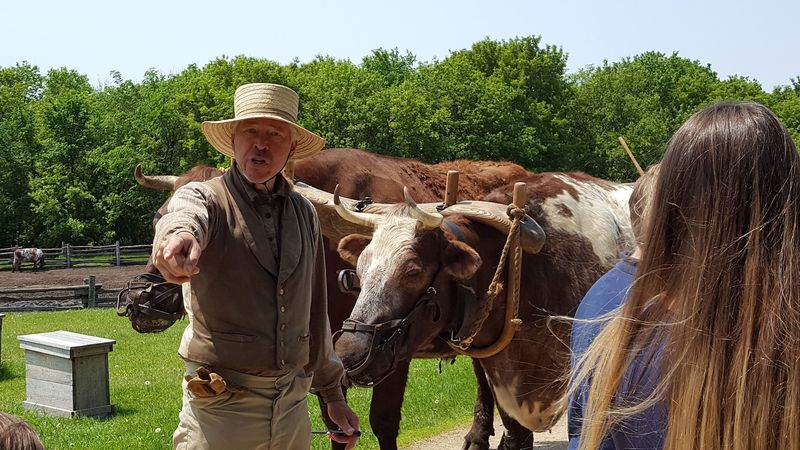
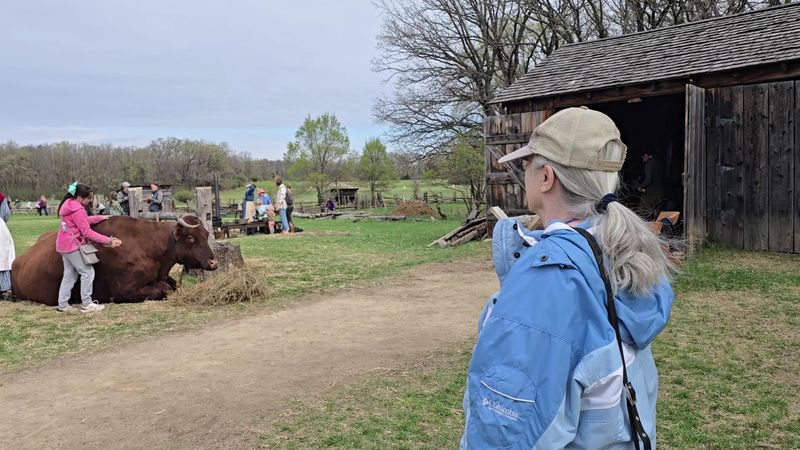
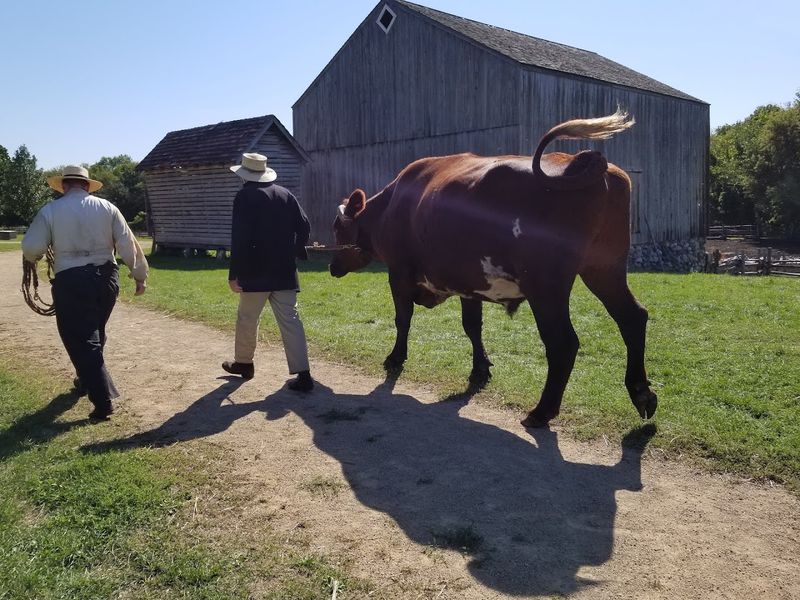
Few animals command attention quite like a 3,000-pound ox. Blaze is the farm’s resident draft animal and, by most accounts, the undisputed star of every visit.
Oxen were essential to 19th-century farming. They pulled plows, hauled logs, and moved equipment across fields that no horse could manage as efficiently.
Seeing one up close puts that history into immediate physical perspective. Blaze is enormous in a way that photographs simply do not prepare you for.
Children tend to freeze in place when they first see him, then slowly inch closer with wide eyes. Adults do pretty much the same thing.
The farm staff are knowledgeable about draft animals and happy to explain how oxen were trained, worked, and cared for during the 1860s.
Blaze alone is worth the drive to Elk River, and that is not an overstatement by any measure.
Staff in Period Clothing Who Actually Know Their Stuff
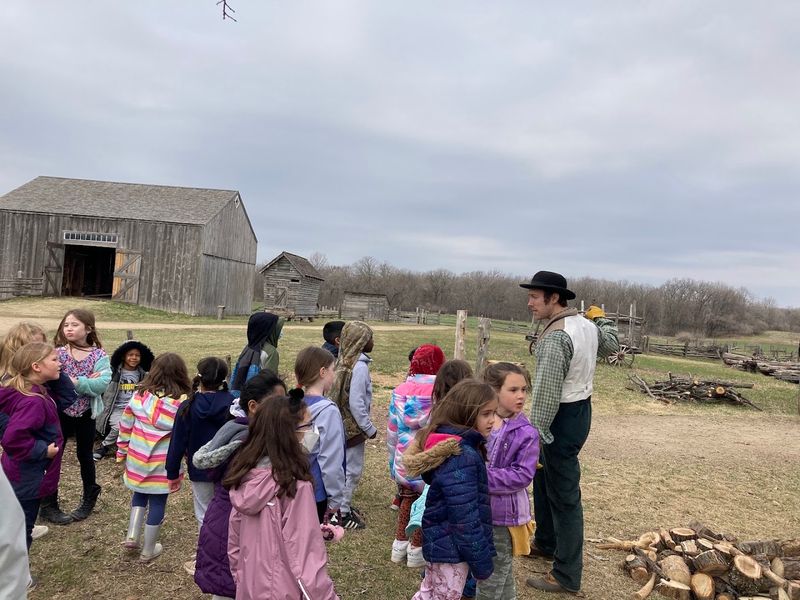
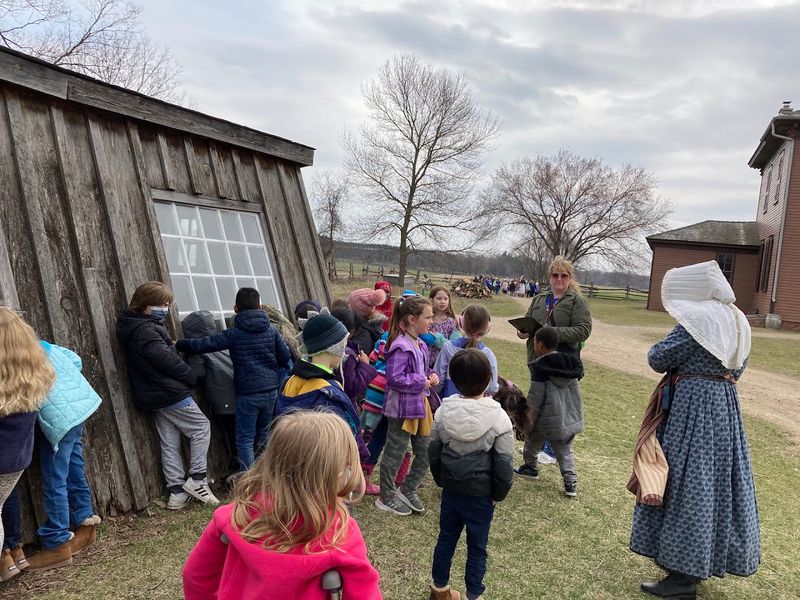
The interpreters at Oliver Kelley Farm do not just wear period costumes. They live the role in a way that makes the whole experience feel genuinely immersive rather than theatrical.
Ask one of them about crop rotation, and you will get a detailed, historically accurate answer delivered in the voice of someone who actually farms this land. Ask about the kitchen tools hanging near the fireplace, and they will walk you through exactly how each one was used to prepare a meal in the 1860s.
That level of preparation is not easy to pull off, and the staff here does it without making it feel like a performance. The conversations feel natural, the knowledge runs deep, and the enthusiasm is real.
For kids especially, talking with someone in full period dress who answers questions in character creates a memory that no textbook assignment ever could.
The Historic Farmhouse Up Close
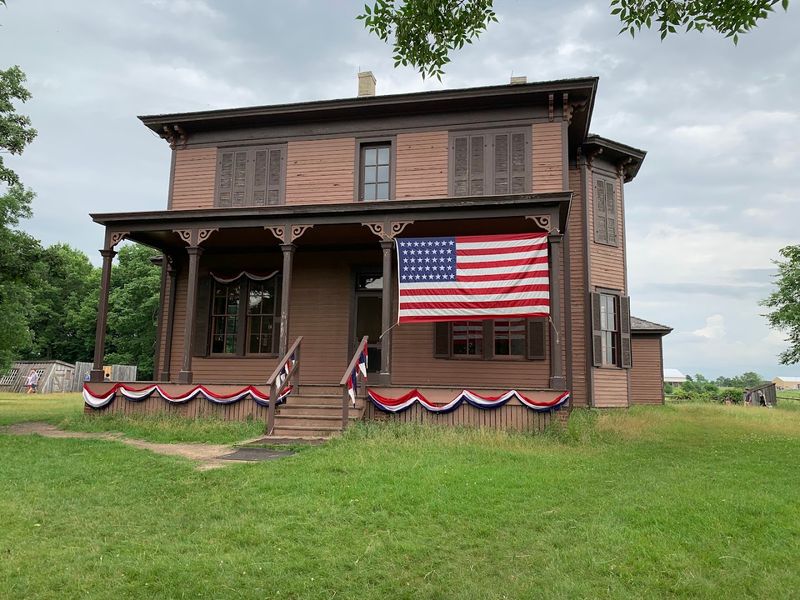
The original Kelley farmhouse is one of the most quietly fascinating structures on the property. Restored to reflect how it looked during the 1860s, the house gives visitors a room-by-room look at how a Midwestern farm family actually lived during that era.
The kitchen is where things get especially interesting. A wood-burning stove anchors the room, and traditional foods are sometimes prepared there during visits, filling the space with smells that feel completely out of time.
Furniture, tools, and household items are arranged as they would have been used, not displayed behind glass. You can get close, ask questions, and absorb details that a photograph or documentary could never fully communicate.
The house is modest by any standard, which is exactly the point. Understanding how ordinary families managed daily life in the 1860s is more powerful than any dramatic exhibit could be.
Hands-On Farm Chores for Kids and Adults
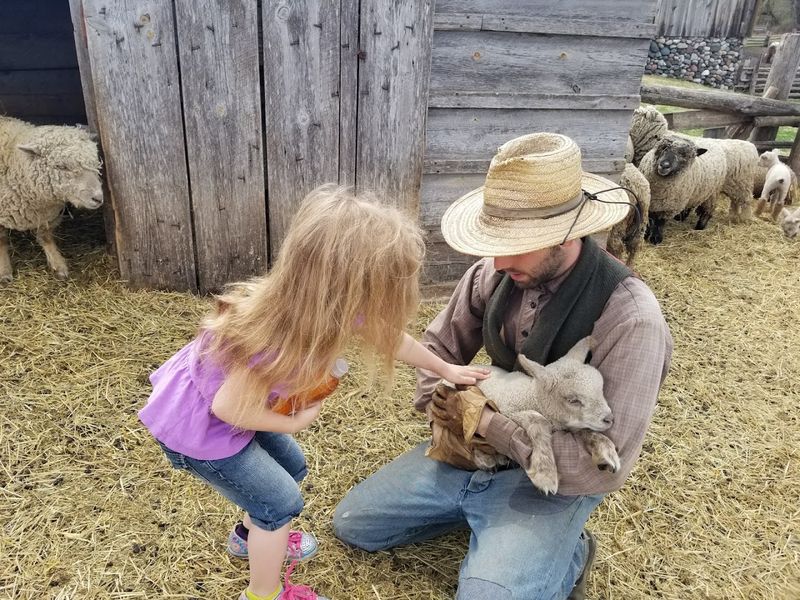
There is something quietly satisfying about pulling weeds from a garden that has been planted the same way for over 150 years. Oliver Kelley Farm encourages visitors to participate in real farm chores, and it turns out that most people, kids especially, love it.
Helping feed goats, working in the garden, and handling old-fashioned farm tools gives the visit a physical dimension that most educational experiences lack. You are not just watching history.
You are doing a small version of it.
For children who have never seen food grown in the ground or watched an animal being cared for, these moments land hard in the best way. Parents often report that their kids talk about the farm chores for days after the visit.
The farm staff guides participation without making it feel scripted, so the whole thing stays loose and fun rather than turning into a structured lesson.
Sheep, Pigs, and Chickens Roaming the Grounds
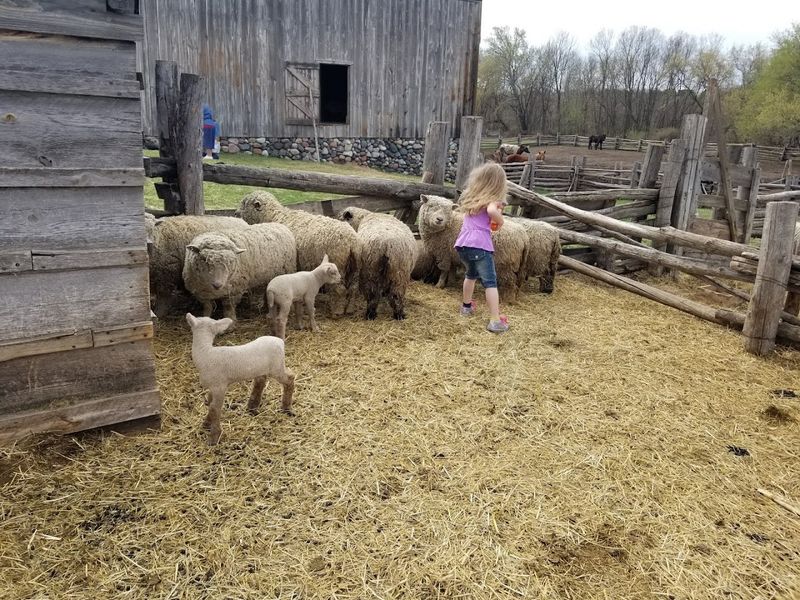
On a good visit day, the farm feels alive in every direction. Sheep wander near the fences, chickens strut across the paths without much concern for personal space, and pigs root around in their pen with the kind of focused energy that is oddly entertaining to watch.
These are not just decoration. The animals on the property represent the breeds and species that a real Minnesota farm family would have kept during the 1860s.
They are part of the working farmstead, which means they are fed, cared for, and integrated into the daily rhythm of the site.
Petting and observing the animals is one of the most popular parts of any visit, particularly for younger children who may not have much experience around livestock.
One note worth keeping in mind: the number and variety of animals present can vary by season, so calling ahead is always a smart move.
Walking Trails Along the Mississippi River
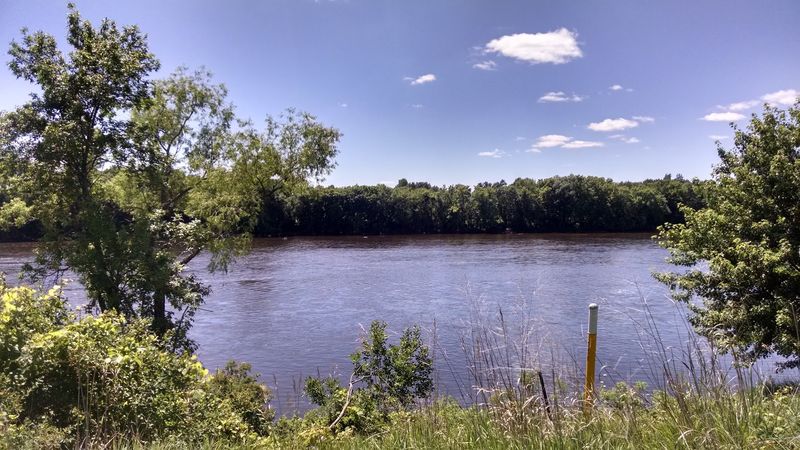
Beyond the farmyard, the property opens up into some genuinely beautiful natural terrain. Trails wind through woodland, across prairie, and along the Mississippi River, giving visitors a chance to see the landscape that Oliver Kelley himself would have looked out over every morning.
The combination of river views, open prairie, and tree cover makes the trail system appealing in every season. Spring brings wildflowers, summer fills the prairie with tall grasses, and fall turns the whole landscape into something worth photographing at every turn.
The trails are not strenuous, which makes them accessible for families with younger children or visitors who simply want a relaxed walk after exploring the farmyard.
Rocking chairs overlooking the farm are available near the main area, giving visitors a spot to sit and take in the view at their own pace before or after hitting the trails.
The Visitor Center and Educational Kitchen
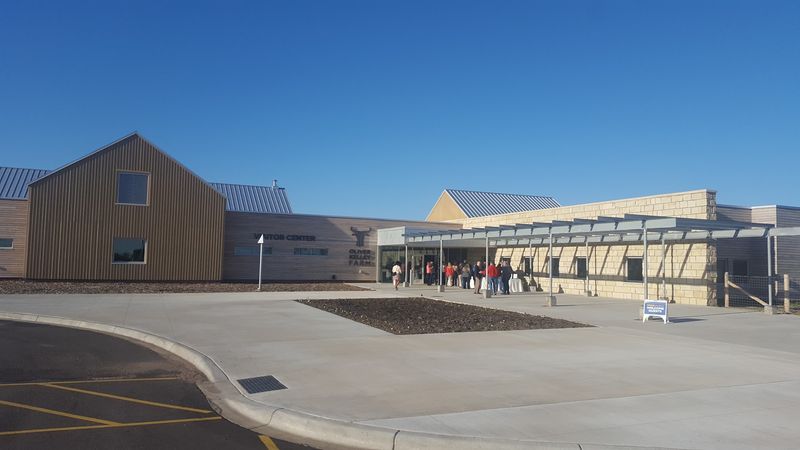
The visitor center at Oliver Kelley Farm is a more recent addition to the property, and it adds a dimension that makes the site work for school groups and curious adults equally well. The building includes an educational lab and a working kitchen where programs connect 1860s farming practices to modern food systems.
The kitchen has hosted events including educational tea times and cooking demonstrations that give visitors a hands-on look at how ingredients were grown, prepared, and preserved before refrigeration existed.
The facility is well-equipped, clean, and designed to handle groups of various sizes. It has also been used for private events and conferences, which speaks to its flexibility as a venue.
Having this modern space alongside the historic farmstead creates an interesting contrast that helps visitors connect the past to the present without feeling like the history has been watered down or oversimplified.
The Story of Oliver Kelley and the National Grange
Oliver Kelley was not just a farmer. He was an organizer, a reformer, and one of the most influential agricultural figures in American history, which makes this farm a genuinely significant place beyond its scenic appeal.
After settling in Minnesota, Kelley became increasingly concerned about the challenges facing rural farmers, particularly their lack of political and economic power. In 1867, he co-founded the Order of Patrons of Husbandry, commonly known as the Grange, which became one of the most powerful advocacy organizations in American agricultural history.
The Grange pushed for railroad regulation, fair pricing, and cooperative buying, changes that directly improved life for millions of farm families across the country.
Understanding that history while standing on the actual land where Kelley farmed and planned gives the visit an emotional weight that goes well beyond a typical museum experience. This place has genuine national significance.
Gardens That Change With Every Season
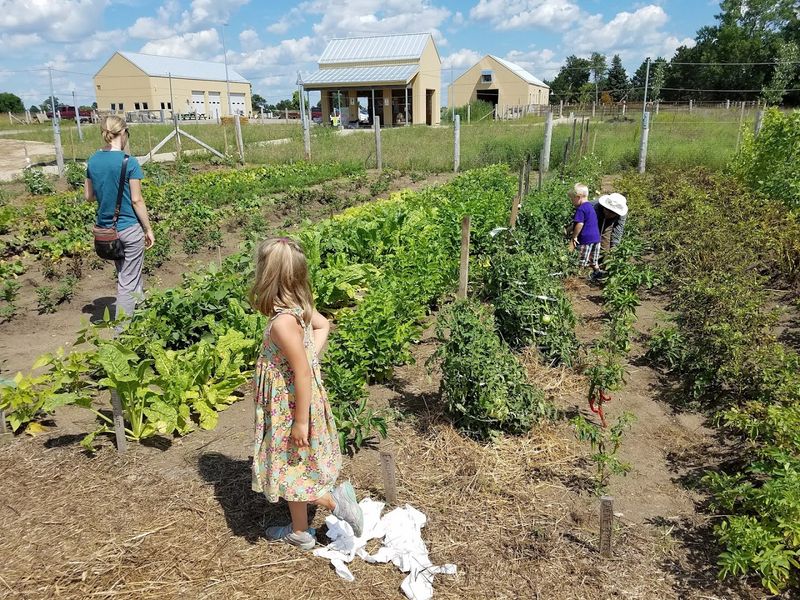
The gardens at Oliver Kelley Farm are not background scenery. They are a core part of what makes the site feel like a living, breathing place rather than a frozen exhibit.
Planted with heirloom varieties and maintained using period-appropriate methods, the gardens reflect exactly what a Minnesota farm family would have grown in the 1860s for both food and practical household use. Herbs, vegetables, and flowers all have a purpose rooted in historical accuracy.
Summer visits reward you with the full visual impact of everything in bloom. The kitchen garden near the farmhouse is especially striking when the growing season peaks, with dense plantings that make clear just how labor-intensive self-sufficient farming actually was.
Spring and fall each offer their own appeal, with planting and harvest activities that give visitors a chance to connect with the agricultural calendar in a way that feels grounded and real.
A Fully Accessible Site for All Visitors
One detail that does not always get mentioned but genuinely matters: Oliver Kelley Farm is fully accessible for visitors with mobility considerations. The grounds are designed to allow everyone to participate in the experience without significant barriers.
Golf cart escorts are available for visitors who need assistance moving around the property, which covers a meaningful amount of ground. That kind of thoughtful planning makes a real difference for families with elderly grandparents, visitors using wheelchairs, or anyone who might find a long walking day physically challenging.
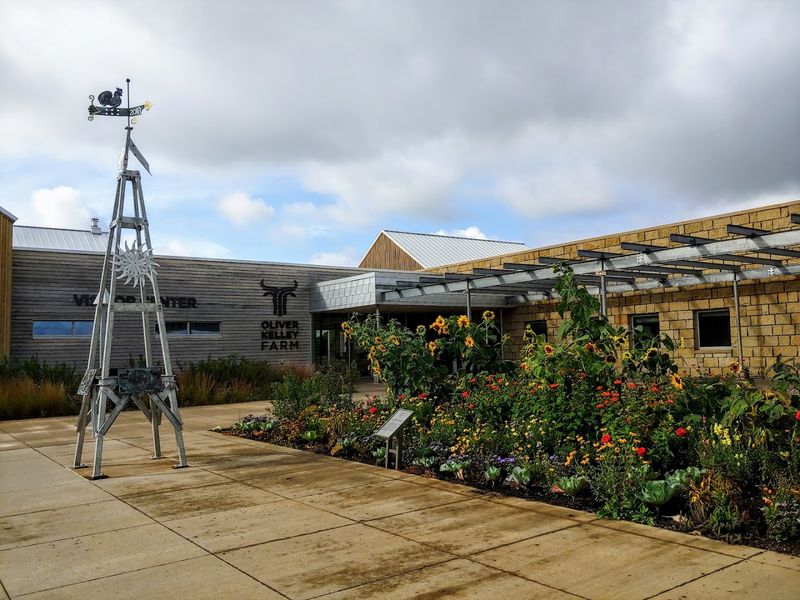
The visitor center and restroom facilities are also clean and well-maintained, which sounds like a small thing until you are managing a full day out with young children and realize how much it matters.
Accessibility at a historic outdoor site is not always guaranteed, so knowing that this farm has made the effort to include all visitors is worth factoring into your planning.
What to Know Before You Visit
A few practical details can make the difference between a smooth visit and a frustrating one. Oliver Kelley Farm is open Wednesday through Saturday from 9 AM to 3 PM.
The farm is closed Sunday through Tuesday, so planning around that schedule is essential.
There is no food available for purchase on the property, so bringing a packed lunch is a genuinely good idea. Picnic tables are available, and eating outside near the farm with the sound of animals in the background is a pleasant way to spend part of the afternoon.
The farm is managed by the Minnesota Historical Society, and an annual MNHS membership grants access to this site plus dozens of other historical locations across the state, making it excellent value for families who plan to explore Minnesota history more broadly.
Checking the website before visiting is always smart, especially if seeing specific animals is a priority for your group.
Why Families Keep Coming Back Year After Year
Some places get one visit. Oliver Kelley Farm tends to get many.
Families with annual MNHS memberships return across different seasons, bringing grandparents, friends, and new visitors each time because the experience holds up no matter how many times you have seen it.
Part of that staying power comes from how much the farm changes throughout the year. The gardens look different in June than they do in September.
The animal population shifts with the seasons. Programs and events rotate, so there is almost always something new to anchor a return visit.
The other part is simpler. Spending a few hours outside, away from screens, doing something physical and historically meaningful, is the kind of experience that families genuinely miss when they go too long without it.
The farm has a relaxed pace that is hard to find elsewhere, and that alone keeps people coming back through every season.
Old-World Farming Techniques Still in Practice
Watching someone use a scythe properly for the first time is a surprisingly humbling experience. The farm demonstrates a range of 19th-century agricultural techniques that most modern visitors have never seen performed in real life, and the staff makes each one look both skilled and understandable.
From hand-plowing methods to traditional food preservation, the demonstrations connect visitors to the physical realities of farming before mechanization. These were not simple tasks.
The effort required to feed a family through a Minnesota winter using only hand tools and preserved food is genuinely staggering when you see it laid out in practice.
The farm also draws connections between historical methods and modern sustainable agriculture, which adds a layer of relevance that keeps the demonstrations from feeling like pure nostalgia.
Ancient grains and traditional crop varieties have even been featured at conferences held on the property, reflecting the farm’s ongoing role in agricultural education.
A Quiet Corner of Minnesota Worth the Drive
Elk River sits about an hour north of Minneapolis, which puts Oliver Kelley Farm within easy reach of the Twin Cities without requiring a major travel commitment. The drive itself follows a stretch of Minnesota landscape that grows noticeably quieter and greener as the metro fades behind you.
Arriving at the farm, the first thing you notice is how still everything feels compared to daily life. The farmyard has a rhythm of its own, shaped by animals and seasons rather than schedules and notifications.
That quality is increasingly rare and increasingly valuable. A morning or afternoon here resets something that is hard to name but easy to feel.
For anyone curious about Minnesota history, family-friendly outdoor experiences, or simply a place where the past is treated with honesty and care, the drive to Elk River is absolutely worth making at least once, and probably more than that.



