Most people think of Ohio as landlocked farmland and industrial cities, but tucked inside Sandusky Bay sits a small island that holds one of the most quietly powerful Civil War stories in the entire country. During the war, this island served as a federal prison camp specifically designed to hold Confederate officers, and today a carefully preserved cemetery stands as a direct connection to that era.
The contrast between the island’s peaceful waterfront setting and its sobering history makes visiting feel unlike anything else in the region. Once you cross the bridge and step onto the island, the past feels surprisingly close.
The Island That Time Nearly Forgot
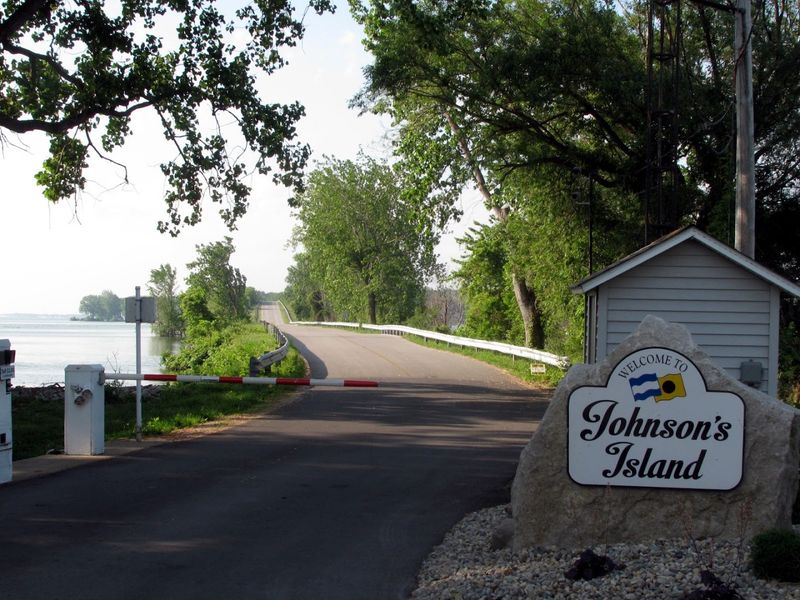
Few places in the Midwest carry a story this layered beneath such a quiet surface. Johnson’s Island sits in Sandusky Bay in Danbury Township, Ohio, connected to the mainland by a short toll bridge that still charges a small fee to cross.
The island covers roughly 300 acres and sits close enough to the Ohio shoreline that you can see it from Marblehead. Despite its size, the island packed an enormous amount of Civil War history into a relatively small footprint.
What makes the setting so striking is how ordinary it looks from a distance. Beautiful homes line the waterfront, boats sit in private docks, and the whole place feels like a peaceful lakeside retreat.
Only when you reach the cemetery do you fully understand what happened here more than 160 years ago.
A Federal Prison Camp Built for Officers

Not every Civil War prisoner ended up at a large, well-known camp. Johnson’s Island was specifically designed to hold Confederate officers, which made it different from most Union prison facilities of the era.
The camp opened in 1862 and remained operational until after the war ended in 1865. At its peak, it held over 2,500 Confederate officers, making it one of the more significant officer-level prison facilities in the North.
The location on an island in Lake Erie was intentional. Escape attempts were far more difficult when prisoners were surrounded by cold water, and the remote setting made the facility easier to manage with a smaller guard force.
The island’s geography worked as a natural barrier that no fence alone could replicate.
206 Graves That Tell a Quiet Story
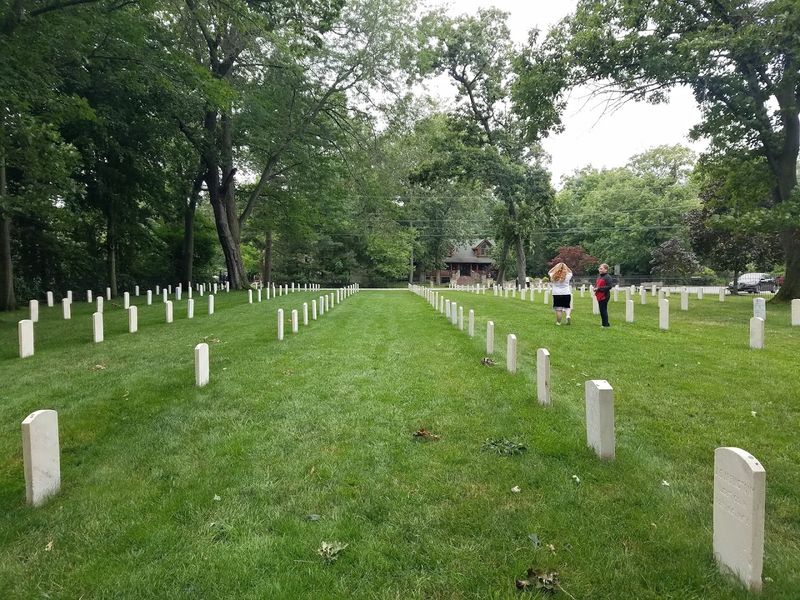
The Confederate Stockade Cemetery is the heart of any visit to Johnson’s Island. A total of 206 Confederate soldiers are buried here, each marked by a white headstone that has been carefully maintained over the decades.
Walking through the rows feels genuinely sobering. The headstones are clean and upright, the grass is trimmed, and the overall condition of the cemetery reflects a serious commitment to preservation.
Several informational signs throughout the grounds explain the history of the prison camp and the men buried there.
A large bronze statue of a Confederate soldier stands watch over the graves, adding a visual focal point to the site. The cemetery is managed and maintained as a historic landmark, and the recent renovations have made the experience even more meaningful for visitors who take time to read the markers and reflect on what happened here.
The Bronze Statue Standing Guard

One of the most visually striking features of the cemetery is the large bronze statue of a Confederate soldier positioned prominently among the graves. The figure stands facing south, a detail that carries symbolic weight for anyone familiar with Civil War memorial traditions.
The statue was erected to honor the men buried on the island and has become one of the most photographed features of the site. Up close, the craftsmanship is impressive, and the figure carries a quiet dignity that fits the tone of the cemetery perfectly.
Visitors often pause here longer than anywhere else on the island. There is something about a bronze figure standing watch over 206 graves in the middle of a Lake Erie island that makes the whole experience feel unexpectedly moving.
It is the kind of detail that stays with you long after you have driven back across the bridge.
Crossing the Bridge for Two Dollars
Getting to Johnson’s Island involves one of the more charming small details of the trip: a toll bridge that charges a modest fee to cross. The bridge connects the island to the Marblehead Peninsula, and the toll has been a part of the experience for a long time.
Visitors are advised to bring cash, specifically paper bills, since the toll booth does not always accommodate cards. It is a minor logistical detail but one worth knowing before you make the drive out to the peninsula.
The bridge itself is short and narrow, and crossing it gives you an immediate sense of arriving somewhere distinct from the mainland. The water on either side of the bridge is calm on most days, and the view across Sandusky Bay on a clear afternoon is genuinely beautiful.
The two-dollar crossing fee may be the best value in Erie County.
What the Prison Looked Like in Its Day
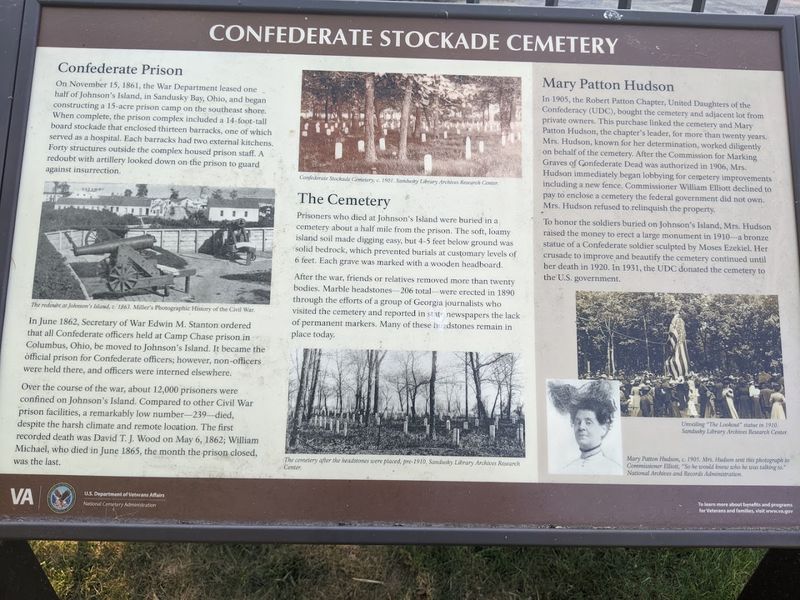
Nothing physical remains of the original prison structures. The wooden barracks, guard towers, and perimeter fencing that once defined the camp have long since disappeared, leaving only the cemetery as a tangible remnant of the site’s wartime function.
Historical records and interpretive signs on the island help fill in the picture. The camp was organized into a series of blocks with wooden barracks buildings, a perimeter fence, and a boundary that kept prisoners separated from the surrounding island.
Officers held at Johnson’s Island were generally treated better than enlisted prisoners at other camps, though conditions still deteriorated significantly during the harsh Lake Erie winters. The cold was a recurring challenge that the camp’s designers may not have fully anticipated when selecting the site.
Reading the historical panels on location gives you a much clearer sense of daily life inside the camp than most textbooks ever provide.
A View of Cedar Point Across the Water
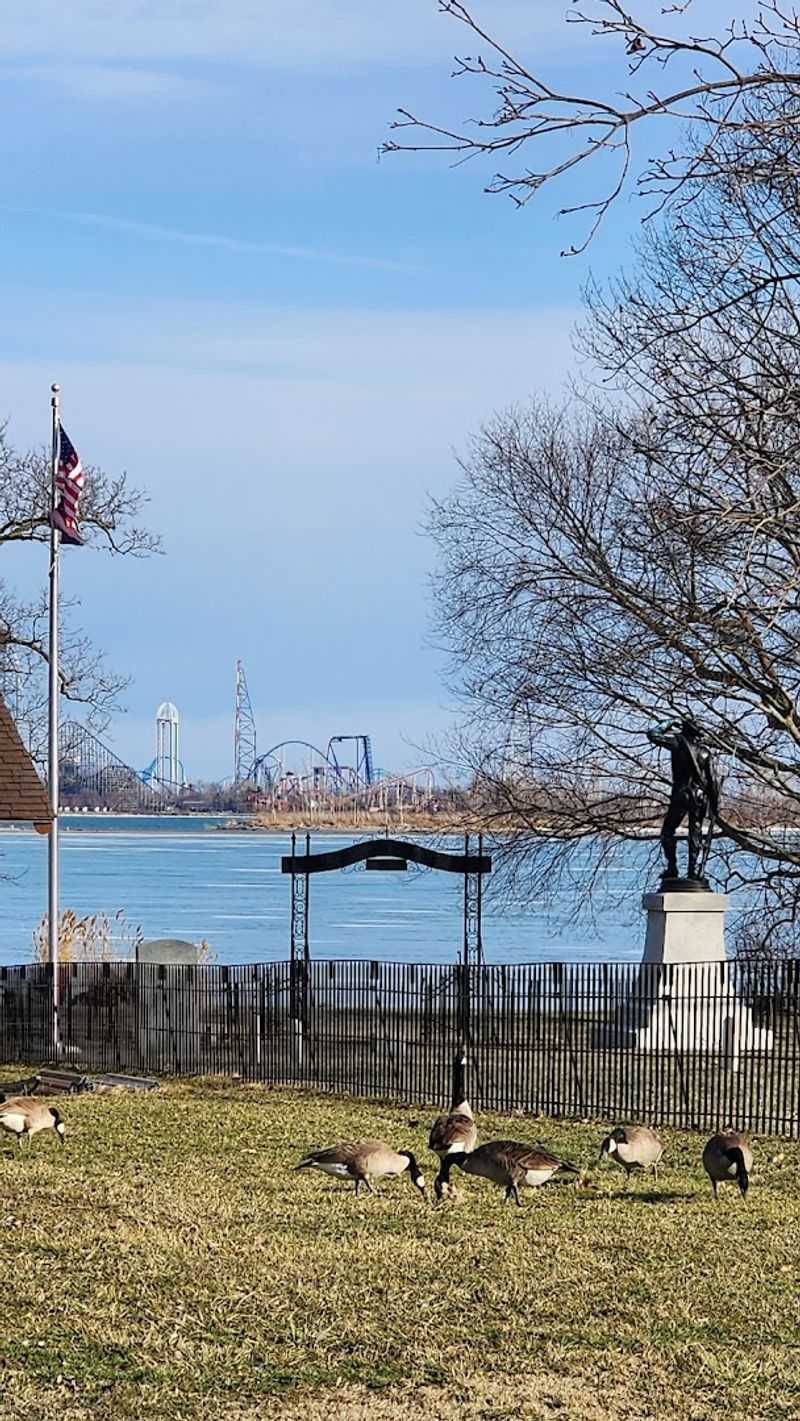
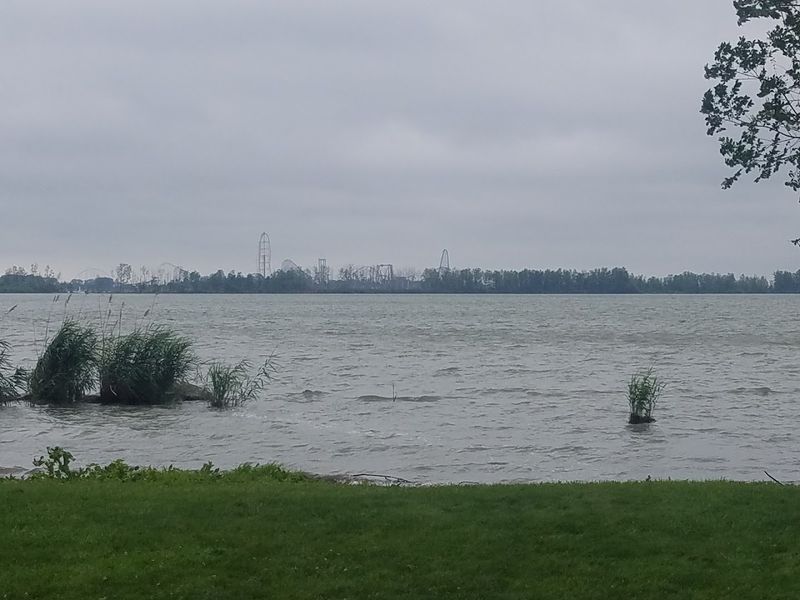
One of the more unexpected pleasures of visiting Johnson’s Island is the view across Sandusky Bay. On a clear day, Cedar Point is visible on the horizon, its roller coaster silhouettes rising above the waterline in the distance.
The contrast between the quiet, history-laden cemetery and the distant outline of one of the country’s most famous amusement parks is genuinely striking. It is the kind of juxtaposition that Ohio seems to specialize in, where the serious and the playful exist within easy sight of each other.
The waterfront views from the island are consistently beautiful regardless of the season. Sandusky Bay has a wide, open quality that feels more like a Great Lake than a sheltered bay, and the light on the water in the late afternoon hours gives the whole scene a calm, almost meditative quality that pairs well with the reflective mood of the cemetery visit.
The Residential Side of the Island
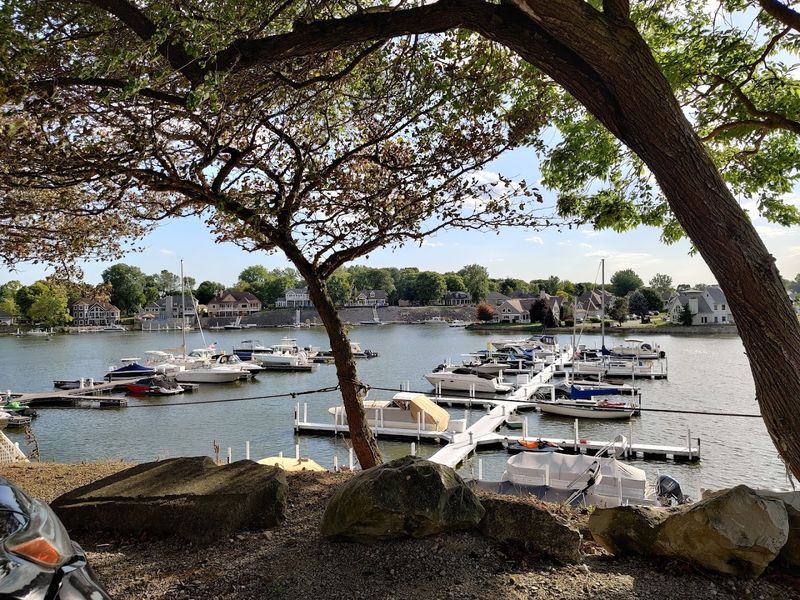
Beyond the cemetery, Johnson’s Island is a functioning residential community. The island is home to a collection of beautiful private residences, many of them waterfront properties with private docks and well-kept grounds.
Visitors who have driven through the residential section often comment on the quality of the homes and the overall sense of quiet prosperity the island projects. A rock wall runs around part of the island, adding a distinctive architectural detail to the landscape that gives the community a cohesive, almost estate-like feel.
The residential area is private, and posted signs make clear that non-residents should respect the community’s boundaries. Most visitors stick to the cemetery and the accessible areas near the bridge, which is entirely sufficient for a meaningful visit.
The residential character of the island is simply part of what makes Johnson’s Island such an unusual combination of living community and preserved historic site.
Why the Island Was Chosen for a Prison
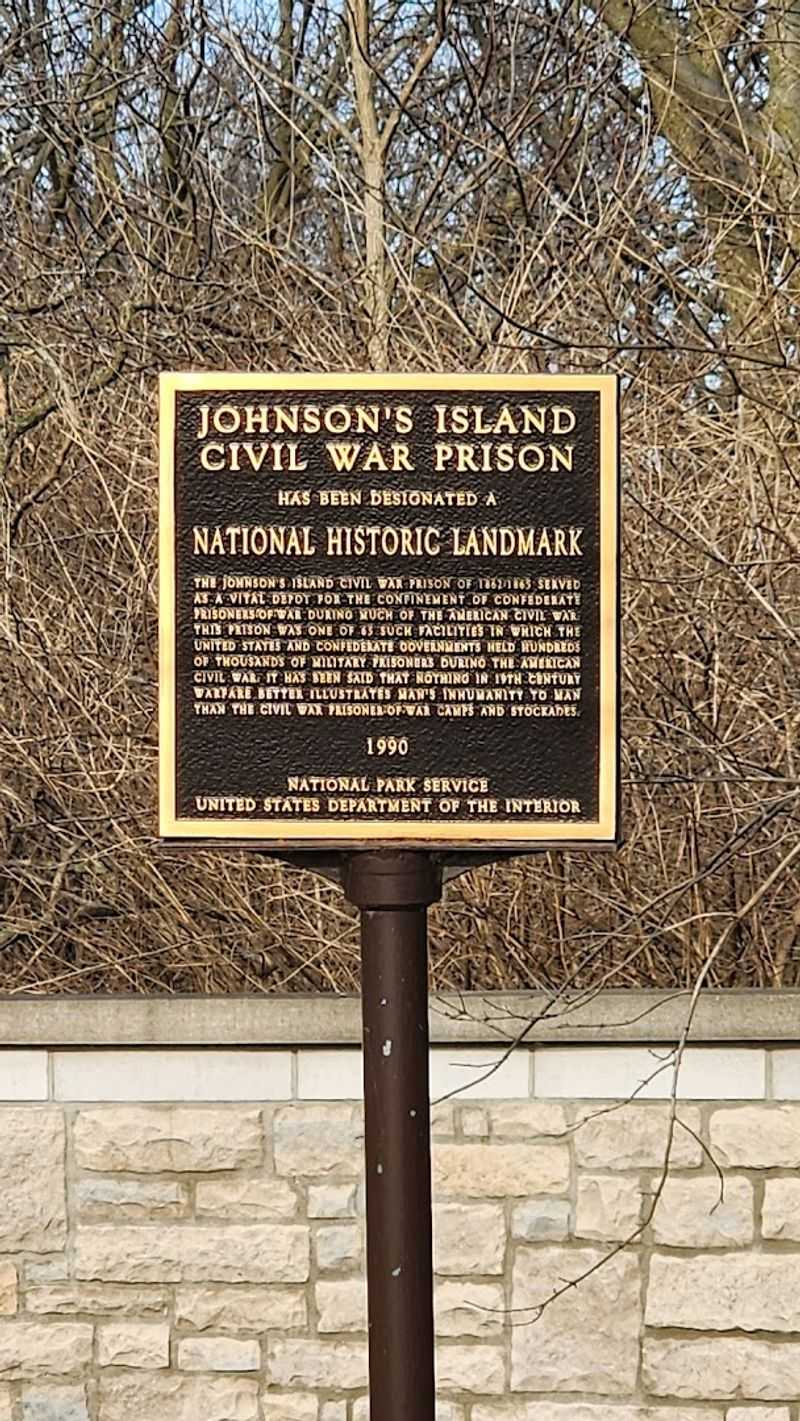
The decision to place a prison camp on Johnson’s Island was not accidental. Union military planners specifically selected the site because its island location made escape dramatically more difficult, particularly during the brutal Lake Erie winters when the water was too cold and dangerous to swim.
The island’s proximity to the Lake Erie shore also made supply runs and communication with the mainland relatively manageable, giving the facility a logistical advantage over more remote locations. It was close enough to be practical but isolated enough to be secure.
The choice to house officers specifically, rather than enlisted men, also reflected a calculated approach. Officers were considered more valuable as prisoners in terms of potential exchange agreements and were thought to require a more controlled environment.
Johnson’s Island became the primary destination for captured Confederate officers throughout much of the war, giving it a specific and important role in the larger prison system.
The Quarry Cove That Visitors Often Miss
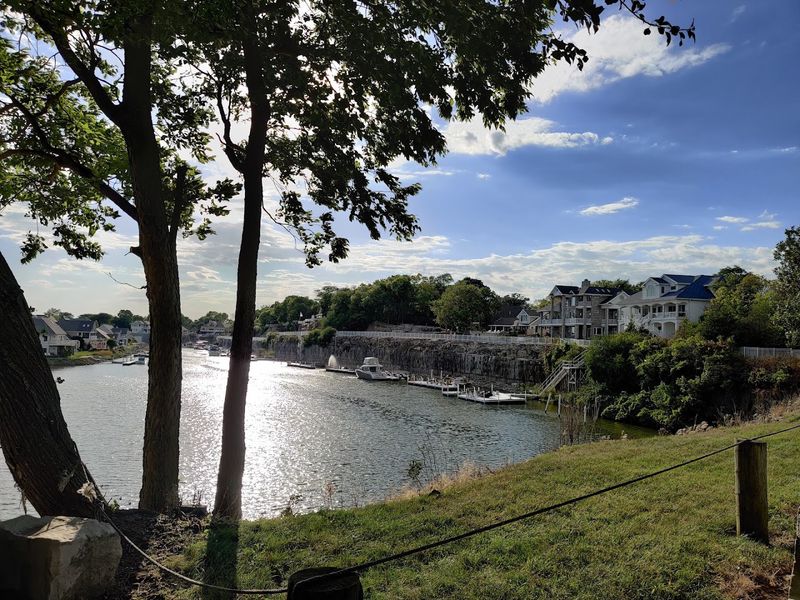
Most first-time visitors come specifically for the cemetery and leave without discovering the quarry cove tucked into another part of the island. The cove is formed by old limestone quarry activity and creates a distinctive natural feature that sets Johnson’s Island apart from the typical Lake Erie island experience.
The rock formations along the cove’s edge have a rough, textured quality that reflects the island’s geological history. The water inside the cove tends to be calm and clear, and the surrounding trees give the area a sheltered, private atmosphere that feels removed from both the cemetery and the residential sections of the island.
Finding the cove requires a bit of exploration, which is part of the appeal. It rewards visitors who take their time rather than rushing straight to the cemetery and back.
The quarry cove is one of those details that makes a second or third visit to Johnson’s Island feel just as worthwhile as the first.
Biking to the Island from Marblehead
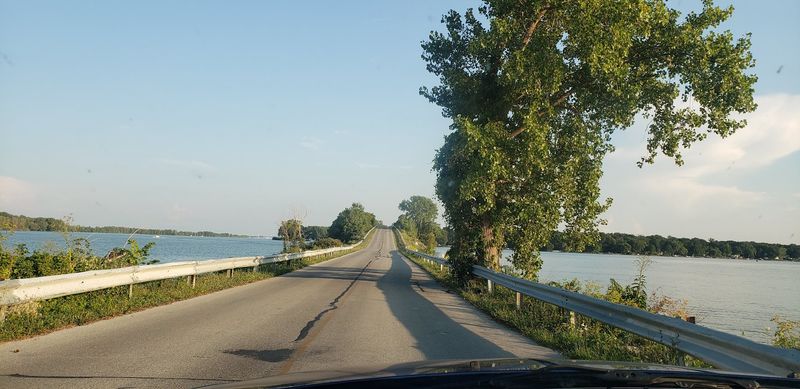
Johnson’s Island makes an excellent stop for cyclists exploring the Marblehead Peninsula. The flat terrain of the peninsula and the short bridge crossing make the island accessible on two wheels, and the relatively low traffic on the island’s interior roads makes biking a comfortable way to see the site.
Many cyclists who ride the Marblehead area include a stop at the cemetery as part of a longer loop that takes in the peninsula’s lighthouses, waterfront parks, and lakeside scenery. The island fits naturally into that kind of day trip without requiring a significant detour from the main route.
Biking through the residential section and down toward the water gives you a different perspective on the island than arriving by car. The pace is slower, the details are easier to notice, and the whole visit tends to feel more immersive.
Bring a lock and plan to walk the cemetery section on foot for the full experience.
What the Winters Meant for Prisoners
Lake Erie winters are not gentle. The wind comes off the open water with real force, temperatures drop well below freezing, and the bay can ice over significantly during the coldest months.
For Confederate officers from the Deep South, this environment was genuinely shocking.
Historical accounts describe prisoners struggling with the cold in ways that went beyond simple discomfort. Many came from states where winter meant mild temperatures and occasional frost, not months of freezing wind off a Great Lake.
The climate alone made Johnson’s Island one of the harsher prison experiences in the Union system, regardless of the camp’s relatively organized structure.
The winters also affected escape possibilities. The frozen bay occasionally created ice thick enough to consider crossing, and some prisoners did attempt to use the ice as an escape route, though none succeeded in reaching the mainland and freedom.
The cold that made the island miserable also made it nearly inescapable.
Signs and Monuments That Explain the History
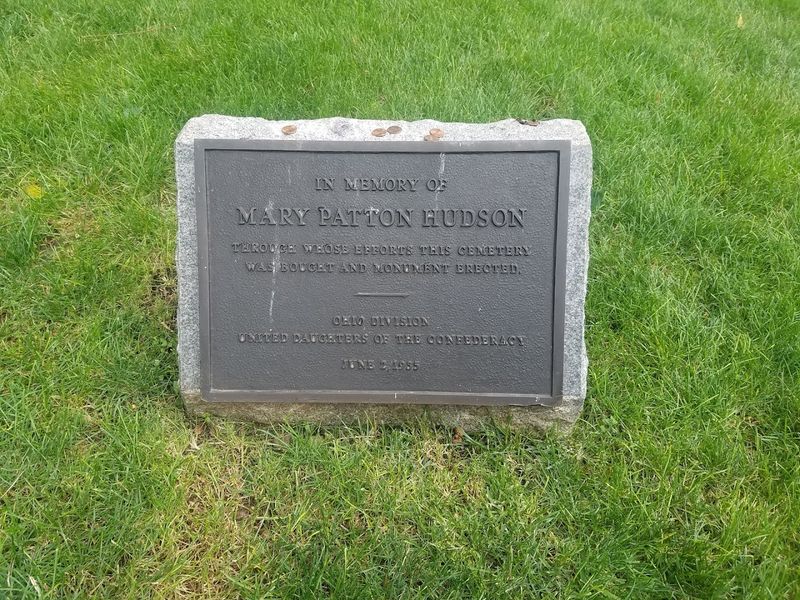
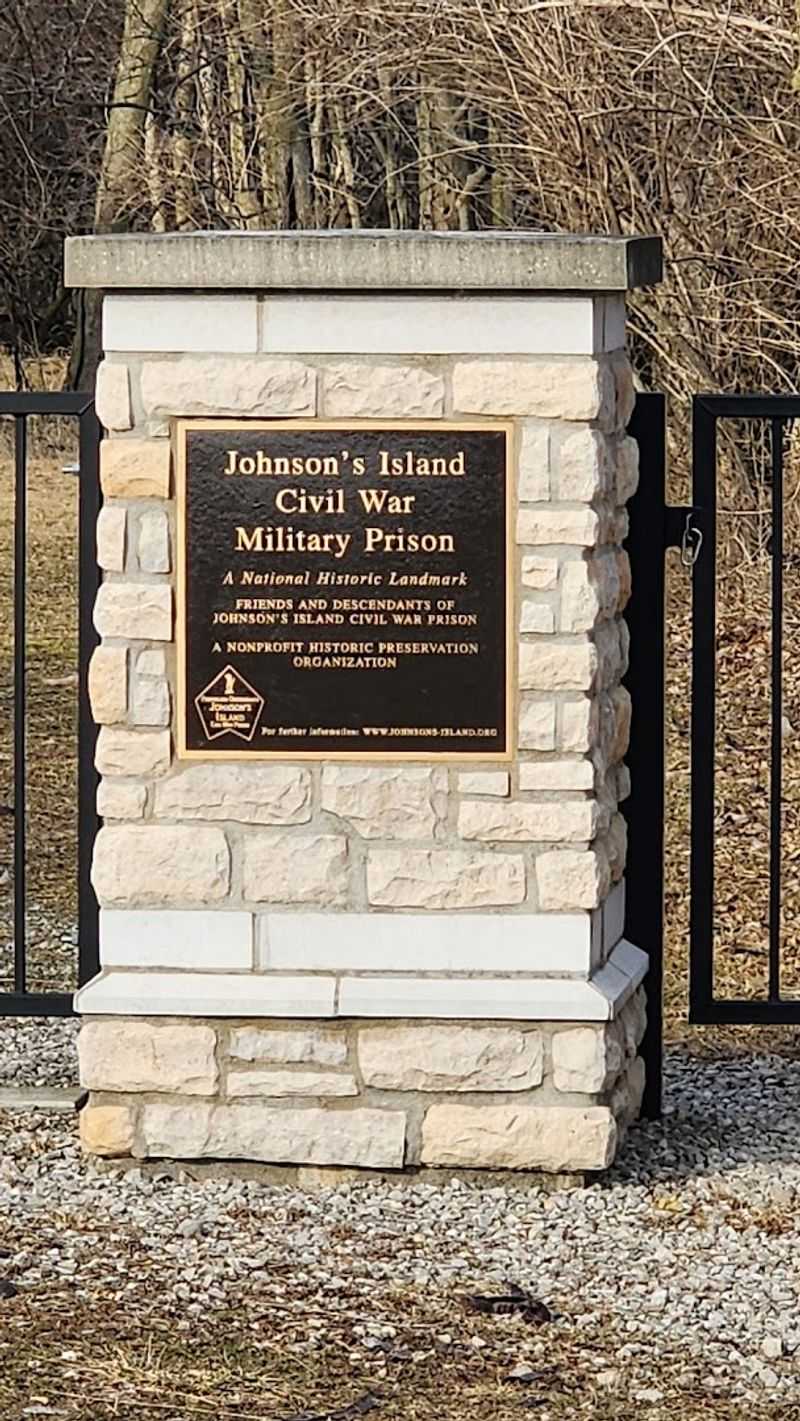
One of the things that makes a visit to Johnson’s Island genuinely educational is the quality of the on-site interpretation. Several signs and monuments throughout the cemetery explain the history of the prison camp, the conditions prisoners faced, and the significance of the site within the broader Civil War story.
The panels are well-written and accessible, providing enough context for visitors who arrive with no prior knowledge of the island’s history. They cover the camp’s operation, the types of prisoners held there, and the postwar history of the cemetery itself.
Recent renovations have improved both the physical condition of the site and the quality of the interpretive materials. Visitors who have seen the site in earlier years and returned after the renovations consistently note how much more polished and informative the experience has become.
The improvements make it easier to connect emotionally with the history rather than simply observing it from a distance.
How to Make the Most of Your Visit

A visit to Johnson’s Island works best when you give yourself enough time to slow down. The cemetery deserves at least 30 to 45 minutes of unhurried attention, especially if you read the interpretive signs and take time at individual headstones.
Bring cash for the toll bridge, wear comfortable walking shoes, and consider visiting on a weekday when the island is quieter. The cemetery is open to the public, and the grounds are well maintained throughout the warmer months.
Spring and fall tend to offer the most comfortable temperatures for exploring on foot.
After the cemetery, take a short drive or walk around the accessible parts of the island to appreciate the waterfront setting and the quarry cove. Combining Johnson’s Island with a stop at the Marblehead Lighthouse State Park makes for a full and satisfying day along the Lake Erie shore without needing to travel far between stops.
Why This Place Deserves More Attention

Johnson’s Island does not appear on most lists of Ohio’s must-see historic sites, which is genuinely puzzling given how well-preserved and historically significant it is. The combination of a carefully maintained Civil War cemetery, a compelling prison camp story, and a beautiful Lake Erie setting makes it one of the more complete historic experiences in the region.
Part of what makes the island so memorable is the contrast. You cross a toll bridge, pass beautiful homes with private docks, and then arrive at a cemetery holding 206 Confederate officers who never made it home.
That kind of layered experience is hard to manufacture and impossible to forget.
The Marblehead Peninsula area as a whole rewards exploration, and Johnson’s Island fits naturally into a longer trip through Erie and Ottawa counties. Once you visit, it becomes one of those places you find yourself telling other people about long after the trip is over.
Share this story