 Unearth The Voyage
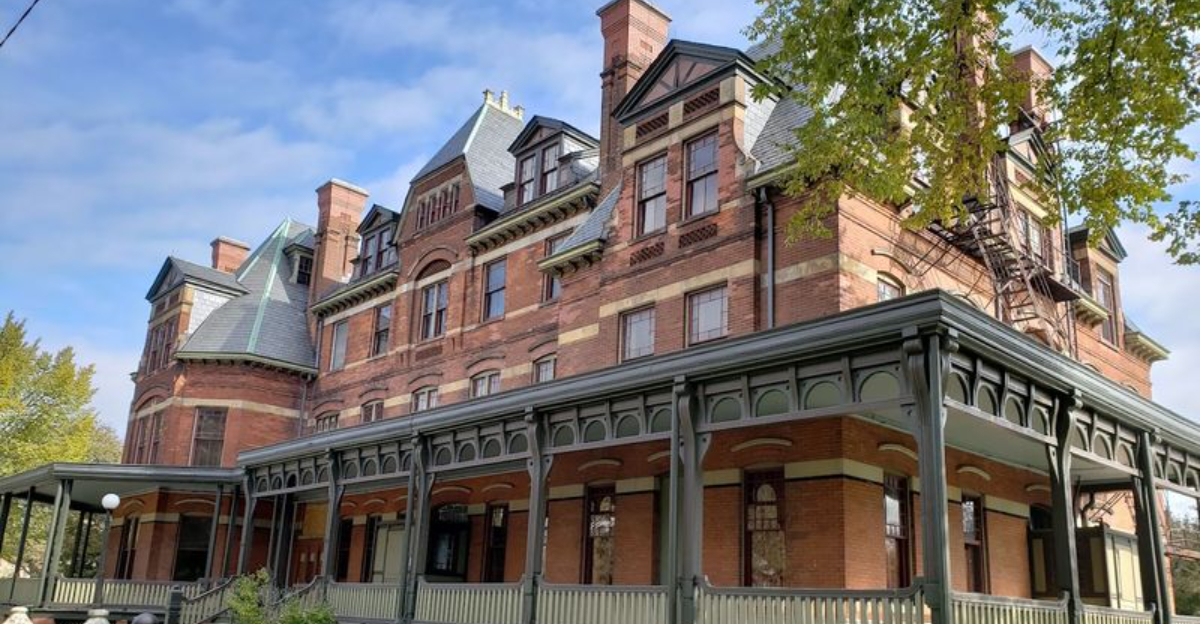
There is a neighborhood on Chicago’s South Side where time seems to move a little differently, where red brick buildings line quiet streets and the echoes of a bold social experiment still hang in the air. Back in 1880, a railroad magnate named George Pullman built an entire town from scratch for his workers, complete with homes, a hotel, a church, and a factory, all designed according to one sweeping vision.
That town became a flashpoint for the American labor movement and a landmark in urban planning history. Today, Pullman National Historical Park preserves this remarkable place, and a visit here is one of the most rewarding and underrated experiences Chicago has to offer.
Where the Park Begins: Address, Location, and Getting There
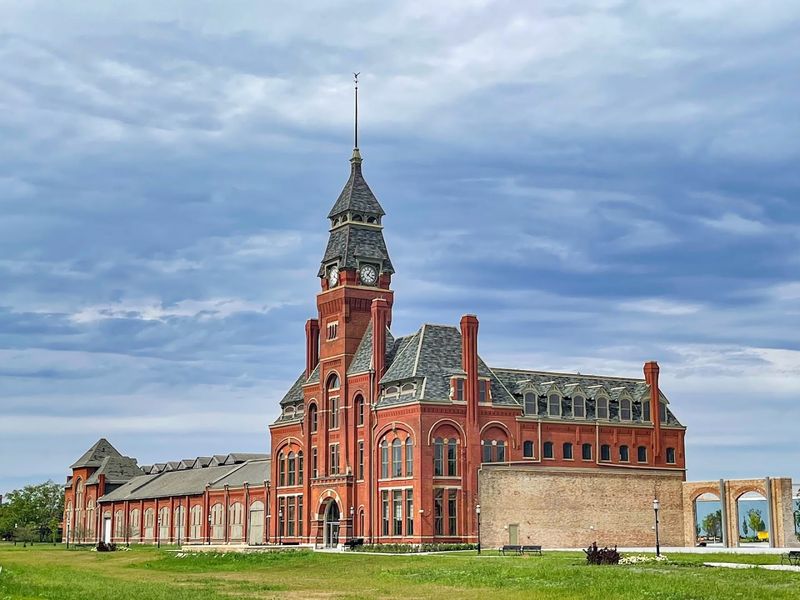
The official address for Pullman National Historical Park is 610 E 111th St, Chicago, IL 60628, tucked into the far South Side of the city in a neighborhood that most tourists never think to explore.
Getting here is easier than you might expect. The park sits just steps away from the 111th Street Pullman stop on the Metra Electric Line, which runs directly from Millennium Station in downtown Chicago.
The train ride takes about 35 minutes and drops you practically at the front door.
If you prefer driving, the park is accessible from Interstate 94, and there is free parking on site, which is a genuine rarity in Chicago. The visitor center is open Wednesday through Sunday from 10 AM to 4 PM, and it is closed on Mondays and Tuesdays, so plan accordingly.
The whole site, including the museum and guided tours, is completely free to visit. You can reach the park by phone at +1 773-928-7257, or browse ahead at the official NPS website for current programming details before your trip.
The Man Behind the Town: George Pullman’s Grand Vision
George Pullman was not a modest man. In 1880, he set out to build not just a factory but an entire self-contained community for the workers who assembled his famous sleeping railroad cars, and he wanted every detail controlled.
The town of Pullman was designed by architect Solon Beman and landscape architect Nathan Barrett. It included worker housing, a church, a library, a market, a theater, and the luxurious Hotel Florence, named after Pullman’s daughter.
The idea was that happy, comfortable workers would be more productive and less likely to cause trouble.
What Pullman did not anticipate was that workers resented having every aspect of their lives controlled by their employer. He owned the homes they rented, the stores where they shopped, and even the church they attended.
The arrangement felt less like generosity and more like a gilded cage.
His vision was genuinely groundbreaking in terms of urban planning, but it carried deep contradictions that would eventually explode into one of the most significant labor conflicts in American history, changing the country’s relationship between workers and corporations forever.
The Visitor Center and Museum: A Well-Crafted Introduction to the Story
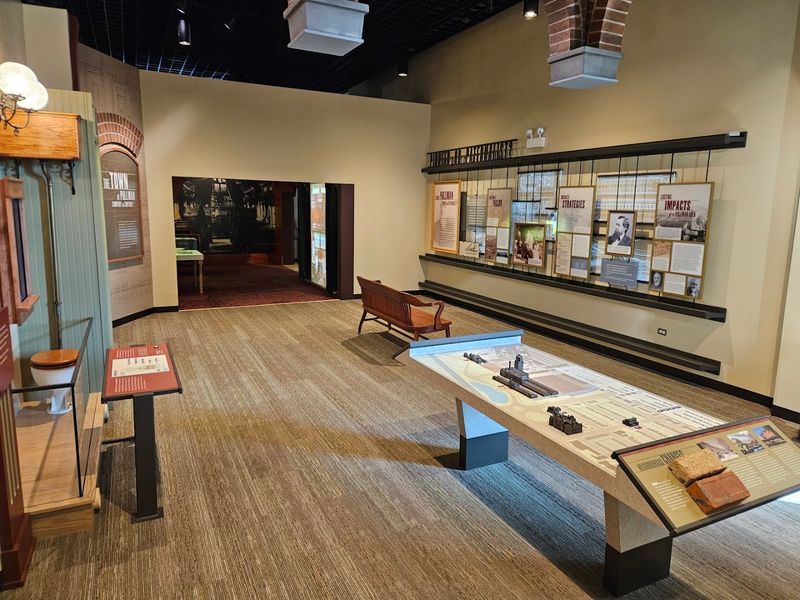
The visitor center sits inside a preserved section of the original Pullman factory building, and that setting alone gives the space a weight that a typical museum building cannot replicate.
The exhibits are thoughtfully designed and cover a wide range of topics, from the construction of Pullman sleeping cars to the social structure of the planned community, the labor uprising of 1894, and the legacy of the Pullman porters. Each display connects naturally to the next, so the full story unfolds in a logical and compelling way.
There are photographs, artifacts, and informational panels that manage to be genuinely engaging rather than dry. Families with children will appreciate the Junior Ranger booklet, which gives kids a structured and fun way to interact with the exhibits at their own pace.
The staff at the front desk are notably enthusiastic and knowledgeable. They are ready to answer questions, hand out walking maps of the surrounding neighborhood, and point you toward the highlights based on how much time you have.
The restrooms are clean, the space is air-conditioned, and the whole visit feels well worth your afternoon.
The 1894 Pullman Strike: When Workers Changed History
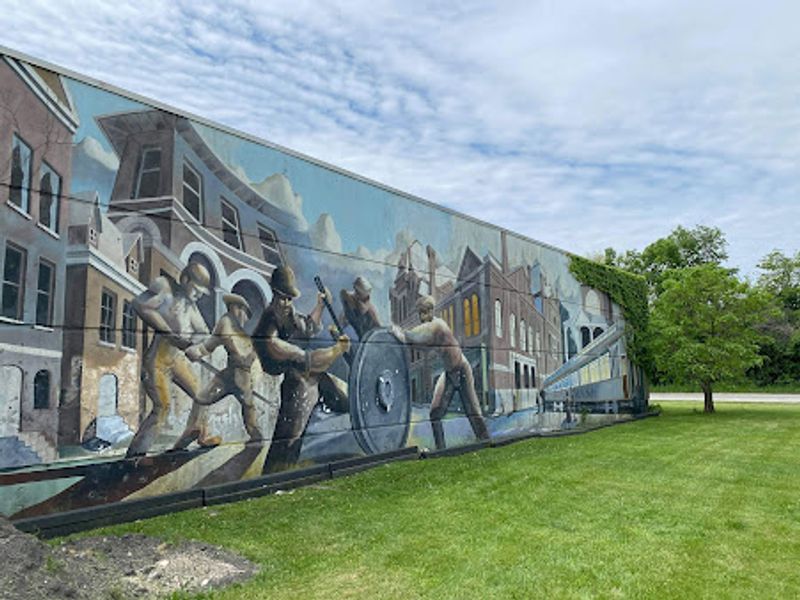
Few events in American labor history carry the weight of the Pullman Strike of 1894. When George Pullman cut wages during an economic depression but refused to lower rents in the company town, workers reached a breaking point and walked off the job.
The American Railway Union, led by Eugene V. Debs, supported the strike by refusing to handle any trains that included Pullman cars.
The boycott spread rapidly across the country, paralyzing rail traffic from Chicago to the West Coast. At its peak, over 250,000 workers in 27 states had joined the effort.
President Grover Cleveland sent in federal troops to break the strike, a decision that outraged labor advocates and led directly to the arrest of Debs. The courts sided with the railroad companies, and the strike collapsed.
However, the conflict had lasting consequences. It helped establish Labor Day as a federal holiday, strengthened the broader labor movement, and exposed deep tensions between corporate power and worker rights.
The park does an excellent job of presenting this chapter honestly, letting visitors draw their own conclusions about who was right and what it all meant.
The Pullman Porters: A Brotherhood That Shaped Civil Rights
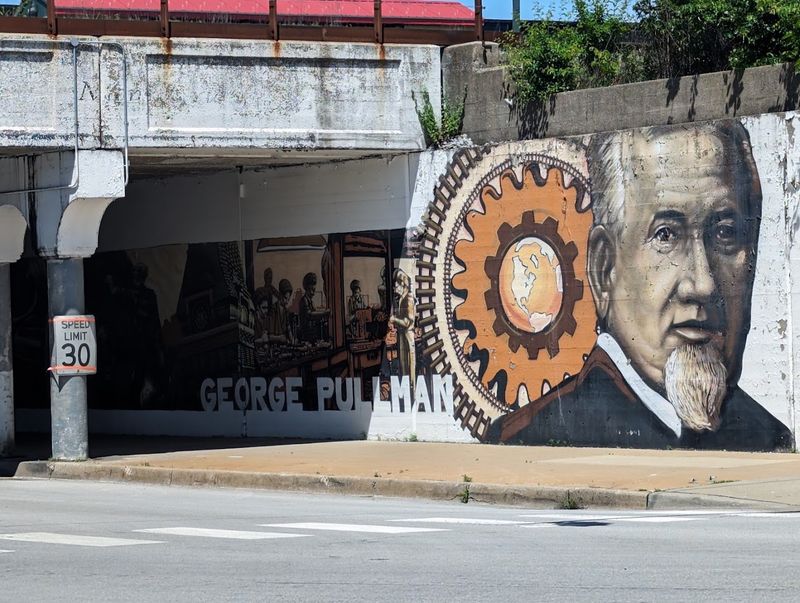
One of the most powerful stories told at this park is the one about the Pullman porters, and it deserves far more attention than it typically receives in mainstream American history classes.
After the Civil War, George Pullman hired formerly enslaved Black men to work as porters on his luxury sleeping cars. The work was demanding and often demeaning, requiring porters to be available around the clock, carry luggage, shine shoes, and cater to every passenger request, all while enduring frequent disrespect.
Despite those conditions, the job offered relatively stable income and, crucially, the opportunity to travel across the country. Porters used that access to spread newspapers, ideas, and news between Black communities from coast to coast, playing a quiet but vital role in the Great Migration and early civil rights organizing.
In 1925, A. Philip Randolph organized the Brotherhood of Sleeping Car Porters, which became the first Black-led union to win a contract with a major American corporation.
That victory in 1937 was a landmark moment. The park honors this legacy with care and depth, making it one of the most moving parts of the entire visit.
The Architecture of the Neighborhood: Brick by Beautiful Brick
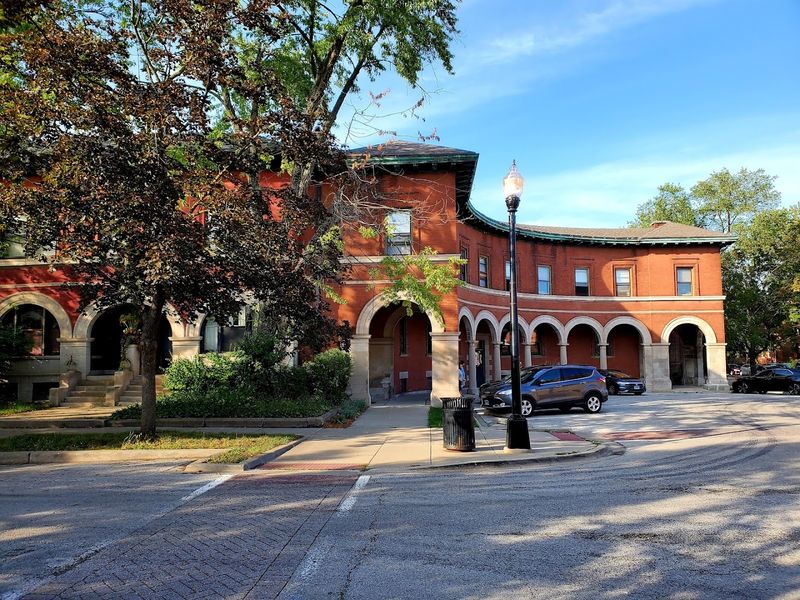
One of the first things you notice when you step outside the visitor center and start walking the surrounding blocks is how cohesive everything looks. The neighborhood was designed as a unified whole, and that intentionality still shows.
The homes built for Pullman workers range from modest rowhouses for lower-paid employees to more spacious residences for supervisors and managers. The differences in scale and detail were deliberate, reflecting the company’s rigid social hierarchy.
Even so, every building shares the same warm red brick palette and careful Victorian-era proportions that make the whole district feel like a living architectural document.
Many of the original structures are still standing, some fully restored and others in the middle of ongoing renovation projects. The contrast between polished facades and weathered brickwork gives the neighborhood a layered, honest character that feels more real than a fully sanitized historic district would.
The park staff provides a walking map that guides you through the key streets and landmarks at your own pace. Do take the time to walk those blocks, because the architecture tells a story that no exhibit panel can fully capture, and the quiet pride of the current residents is genuinely moving to witness.
Hotel Florence: The Crown Jewel of the Planned Community
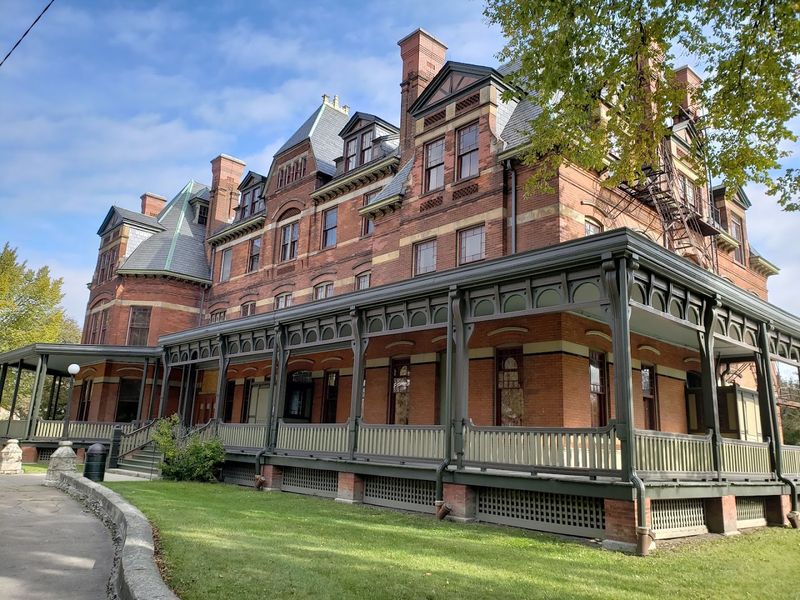
George Pullman did not build Hotel Florence for his workers. He built it for himself, his guests, and the kind of well-heeled visitors he wanted to impress.
Named after his favorite daughter, the hotel was the architectural showpiece of the entire planned community.
The building features Queen Anne-style details, a wraparound porch, and interior woodwork that speaks to the era’s appetite for craftsmanship. It operated as a functioning hotel and dining establishment for decades and served as a social hub for the community’s upper tier.
Today, Hotel Florence is undergoing restoration, and access is limited depending on when you visit. During special events like Open House Chicago, additional floors and rooms may be open for tours, offering a rare look at the interiors.
On regular visits, the first floor is typically accessible.
Even from the outside, the hotel makes an impression. It anchors the historic streetscape and gives you a clear sense of the gap between Pullman’s personal ambitions and the daily realities of the workers who lived in the smaller homes nearby.
That contrast is part of what makes this place so thought-provoking and worth your time.
The Ranger-Led Tours: Where the Story Really Comes Alive
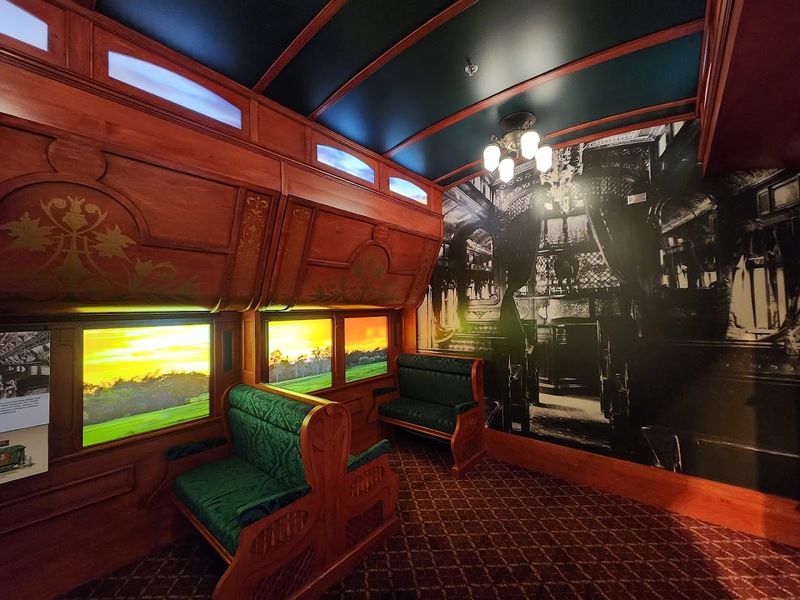
The free guided tours offered daily at 1 PM are genuinely one of the highlights of a visit here, and timing your trip around them is strongly recommended by just about everyone who has been.
The rangers who lead these tours bring real enthusiasm to the material, weaving together the threads of urban planning, railroad history, labor rights, and civil rights into a narrative that feels urgent rather than dusty. The tours typically run about 30 to 45 minutes, combining time inside the visitor center with a walk through parts of the surrounding neighborhood.
Tour sizes are kept manageable, and the format is conversational rather than lecture-style, so asking questions is genuinely encouraged. The rangers tend to have more information than they can fit into the allotted time, which means the exchanges that happen when visitors ask thoughtful questions are often the most memorable parts.
When cold weather limits outdoor portions of the tour, the staff provide detailed walking maps so you can explore the neighborhood on your own afterward. Either way, the guided experience adds layers of context that make the self-guided walk through the historic district significantly richer and more meaningful than it would be otherwise.
The Pullman Factory: Industrial History in Preserved Form
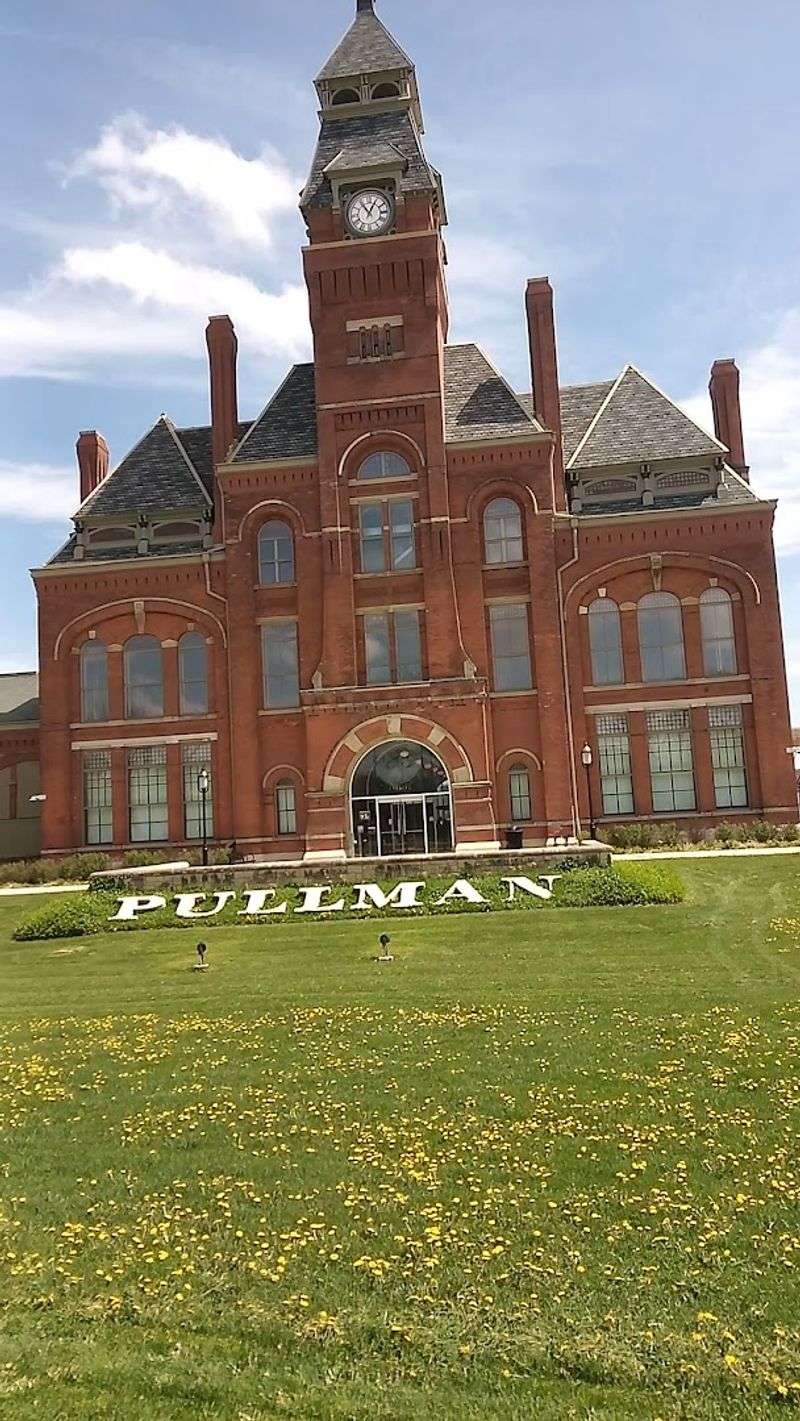
The factory complex where Pullman sleeping cars were built is the physical heart of the entire site. At its peak, the Pullman Palace Car Company was the largest manufacturer of railroad cars in the world, employing thousands of workers and producing the most luxurious passenger cars ever to roll across American rails.
A fire set by an arsonist in 1998 destroyed significant portions of the factory, which was a genuine loss for the site. However, the National Park Service has preserved and restored what remains, and the surviving structures still communicate the enormous scale of what once operated here.
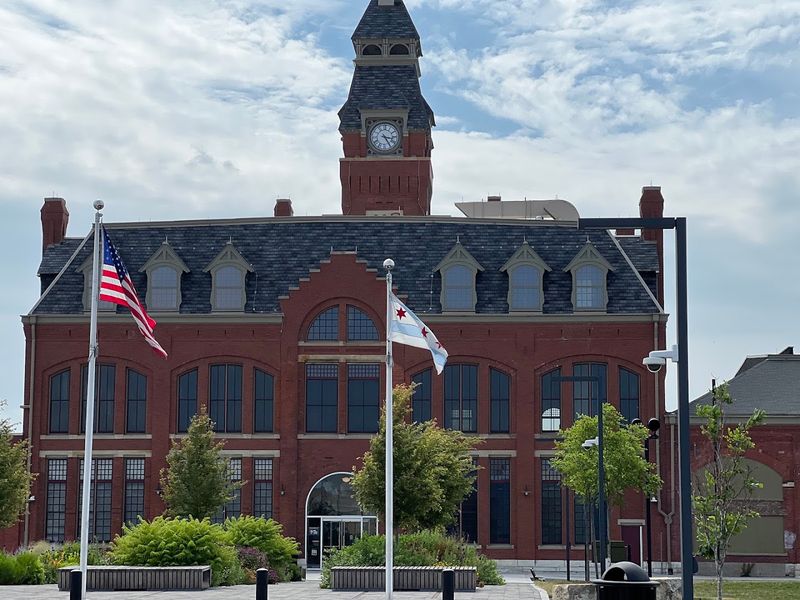
The clocktower building, which now anchors the visitor center, is the most immediately recognizable element of the factory complex. A free museum space across the street from the main visitor center offers additional exhibits and context about the factory’s operations and workforce.
Ongoing restoration work means the site continues to evolve. Plans to bring actual Pullman railroad cars to the site for display are in the works, which would add a dramatic physical centerpiece to the experience.
For now, the exhibits do a solid job of helping visitors visualize the scale and sophistication of what was produced here.
Planning Your Visit: Practical Tips for Getting the Most Out of Your Trip
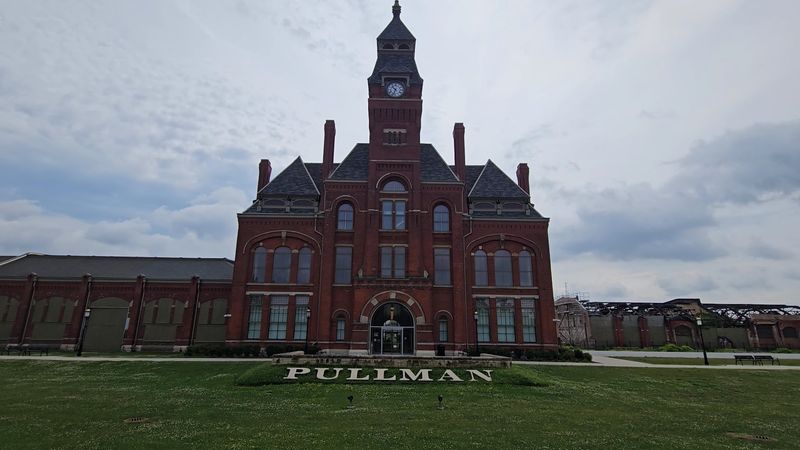
A few practical details can make a real difference in how much you get out of a trip to this park. The visitor center is open Wednesday through Sunday from 10 AM to 4 PM, so Monday and Tuesday visits are not possible.
Arriving by 12:30 PM gives you enough time to explore the museum before the 1 PM guided tour begins.
The entire site, including the museum, tours, and gift shop browsing, is free. There is no admission fee, no ticket reservation required, and no parking charge if you drive.
That makes this one of the most accessible historical experiences in the Chicago area.
Wear comfortable walking shoes, especially if you plan to explore the surrounding neighborhood after the tour. The historic district covers several city blocks, and the most interesting details are the ones you notice up close on foot.
The gift shop carries a solid selection of books, maps, and souvenirs, and passport stamp collectors will be pleased to know that stamps for both Pullman NHS and the Emmett Till and Mamie Till-Mobley National Monument are available at the front desk. A visit here pairs well with a broader exploration of Chicago’s South Side history.



