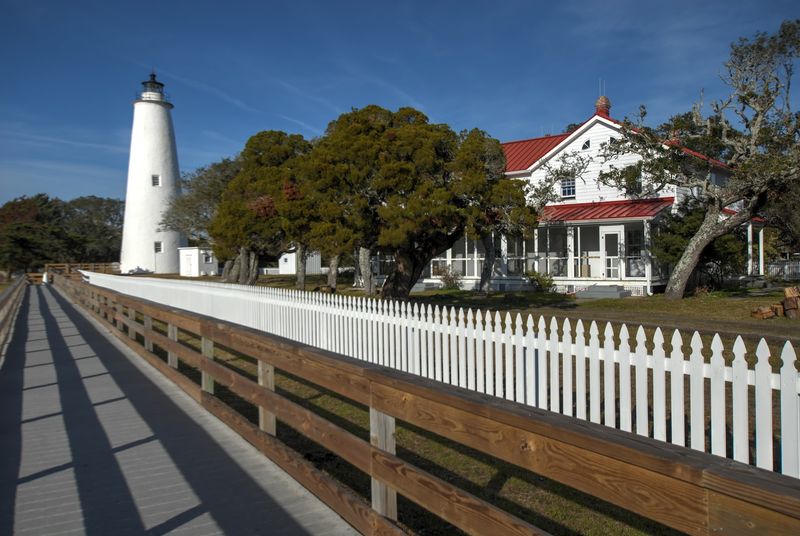
Tucked at the far end of North Carolina’s Outer Banks sits a little village you can only reach by boat or plane. Ocracoke has spent centuries as a hideout, a fishing town, and a place where the story of the pirate Blackbeard still lingers in the salt air. What makes it special is how easy it is to walk right through that history, from an old lighthouse to a quiet cemetery holding sailors from another country. If you love finding the real, overlooked corners of North Carolina before the crowds do, this island belongs on your list.
A Village at the End of the Outer Banks
Getting to Ocracoke feels like a small adventure before you even step off the boat. The village sits on Ocracoke Island, the southern tip of North Carolina’s coastal Outer Banks, cut off from the mainland and reachable mostly by ferry across open water. That isolation is exactly why it has kept its old-fashioned charm while other beach towns grew loud and crowded.
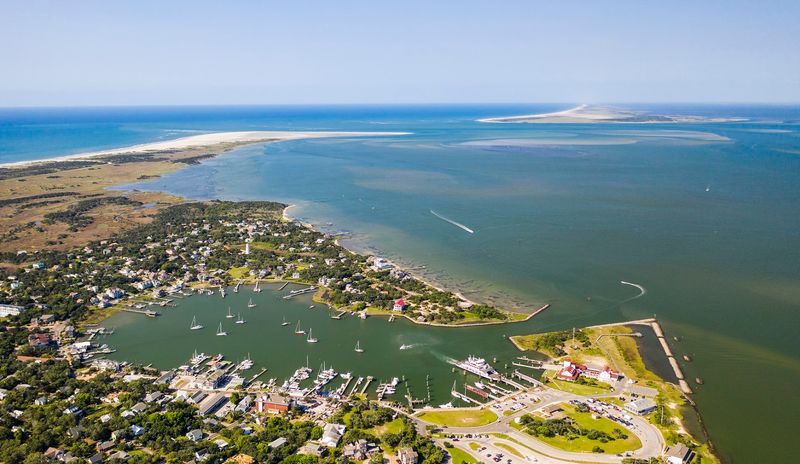
Once you arrive, the whole place feels wrapped around Silver Lake, a snug little harbor dotted with boats. Shops and restaurants line the water’s edge, and the pace slows down the moment your feet hit the sand-dusted streets.
Ocracoke isn’t a resort strip or a theme park version of the coast. It’s a working village with real history layered into its lighthouse, its museum, and its quiet corners. For anyone chasing the authentic, tucked-away side of North Carolina, this is the kind of spot you feel proud to have found.
Where Blackbeard Met His End
Few names stir up the coast like Blackbeard, and Ocracoke sits right at the center of his legend. The notorious pirate used the island’s tricky inlets and hidden channels as a base, slipping in and out of the shallow waters that bigger navy ships struggled to follow.
His story reached a dramatic close in these very waters back in 1718, when a fierce battle brought his reign to an end near the island. That single event helped stamp Ocracoke into pirate history for good, and locals have been telling the tale ever since.
Walking the village today, it’s easy to imagine those rough years when smugglers and sea robbers treated this remote spot as a safe harbor. The isolation that draws visitors now is the same isolation that once drew outlaws. Standing on the shore, you can trace 300 years of that story with nothing more than your own two feet and a little imagination.
The 1823 Lighthouse Standing Watch
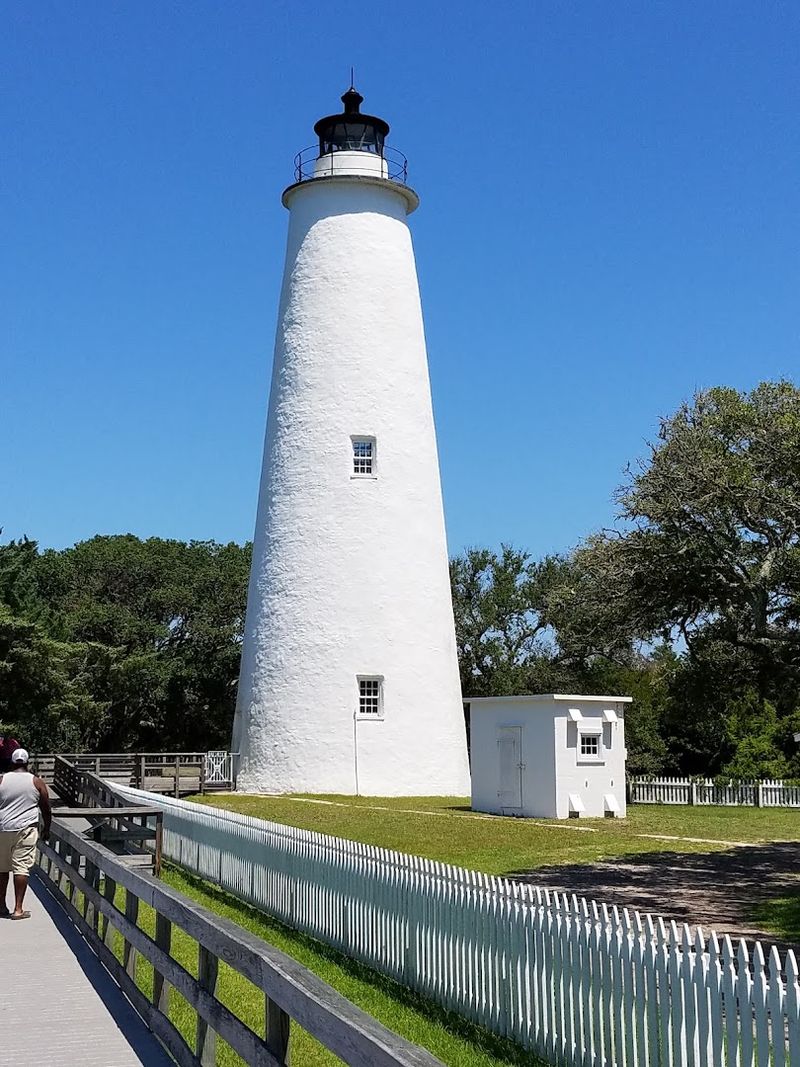
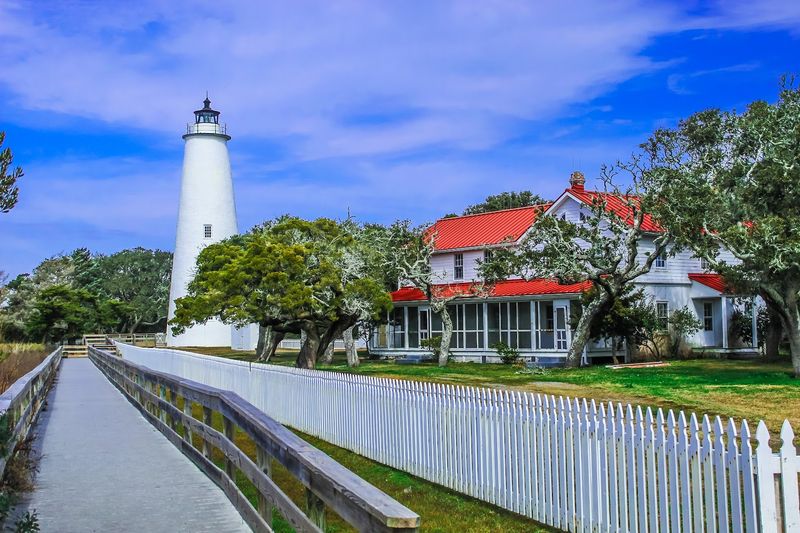
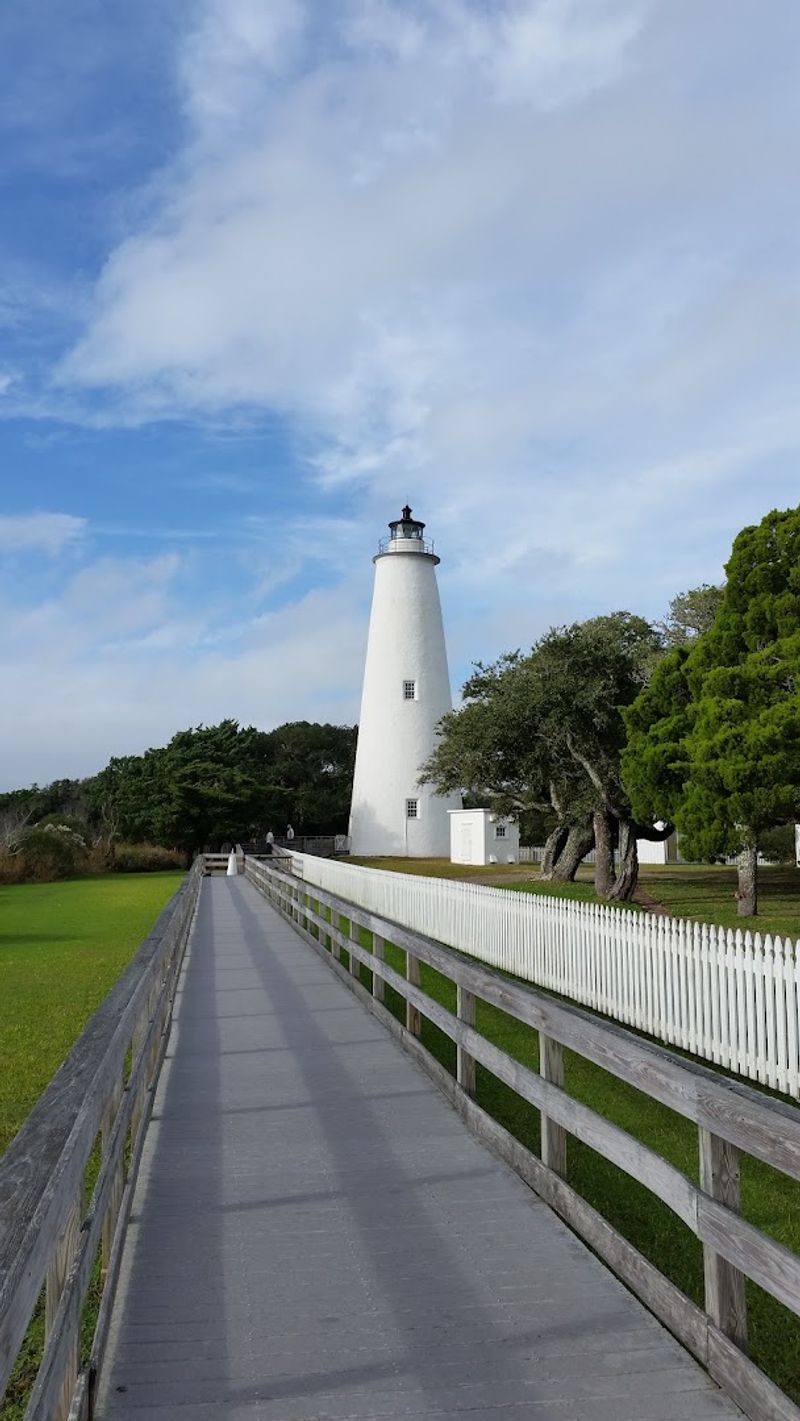
Rising white and steady above the village, the Ocracoke Lighthouse has been guiding sailors since 1823. That makes it one of the oldest working lighthouses in the country, and it still overlooks the village and the wide waters of Pamlico Sound just as it did nearly two centuries ago.
Its short, sturdy shape sets it apart from the tall striped towers people usually picture on the Outer Banks. There’s something honest about it, a simple beacon that did its job through storms and shipwrecks without any fuss.
Visitors love strolling up to the base for a photo, especially in the soft light of early morning or late afternoon. The grounds around it feel calm and unhurried, a nice pause between exploring the harbor and wandering the sandy lanes. For a village so tied to shipwrecks and pirates, a nearly 200-year-old lighthouse feels like the perfect landmark to anchor the whole story.
History Inside an Early 1900s House
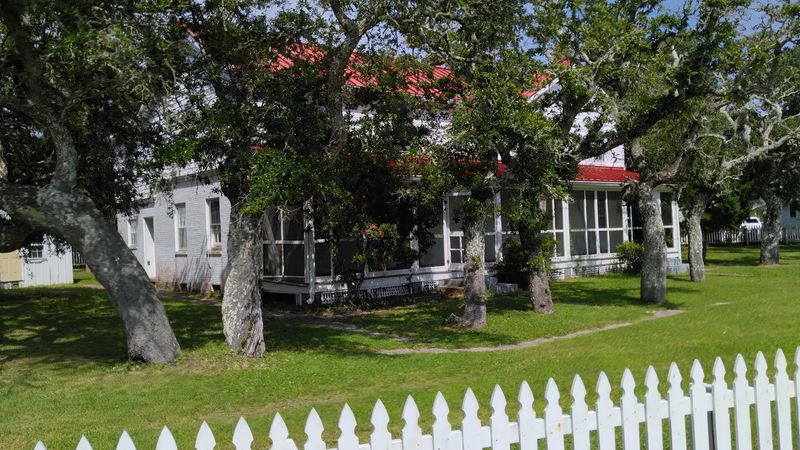
Set inside a charming home from the early 1900s, the Ocracoke Preservation Society Museum packs the island’s whole story under one roof. The house itself is part of the exhibit, a genuine slice of how villagers once lived before ferries and paved roads.
Inside, the displays trace Ocracoke’s past as a fishing community, a shipping stop, and a place shaped by the sea in every possible way. You’ll find old photos, tools, and everyday objects that make the island’s heritage feel real rather than distant.
What makes it worth the stop is how personal it feels. Instead of a big polished exhibit hall, you get the sense of stepping into someone’s home and hearing family stories passed down through generations. History buffs and curious wanderers alike tend to leave with a deeper appreciation for how this remote village survived and held onto its identity. It’s the kind of small, heartfelt museum that rewards travelers who like their history close and unhurried.
The Tiny British Cemetery
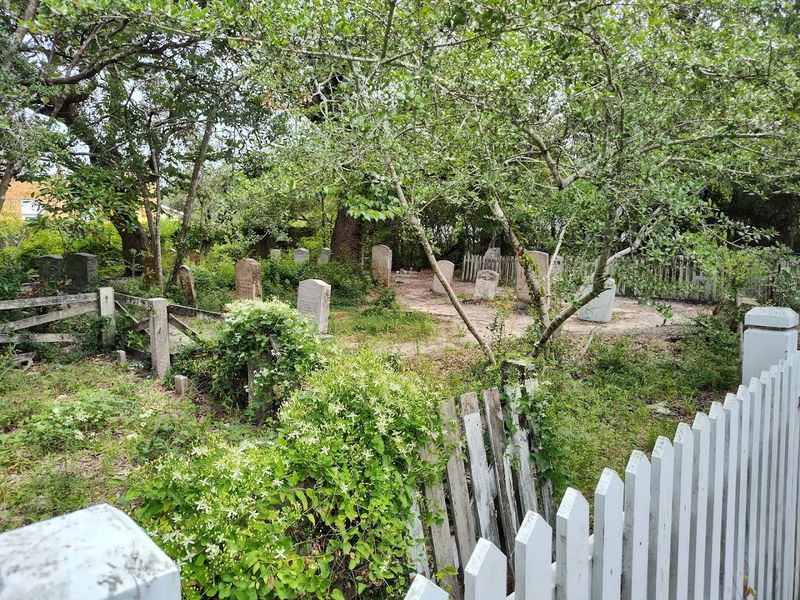
Down a quiet lane sits one of the most unexpected sights on the island, a small plot of ground known as the British Cemetery. Inside rest the graves of WWII sailors, a solemn reminder that even this far-flung village touched the wider world in wartime.
The cemetery is tiny, easy to miss if you’re not looking, yet it carries a weight that stops most visitors in their tracks. A little corner of a North Carolina island became a resting place for men from across the ocean, and the village has cared for it with quiet respect ever since.
Standing there, you feel the contrast between Ocracoke’s peaceful streets and the harsh history of the sea just offshore. It’s a moving, thoughtful stop that adds another chapter to the island’s long relationship with ships and sailors. Many travelers say it’s the spot that stays with them longest after they leave.
Silver Lake and the Working Harbor
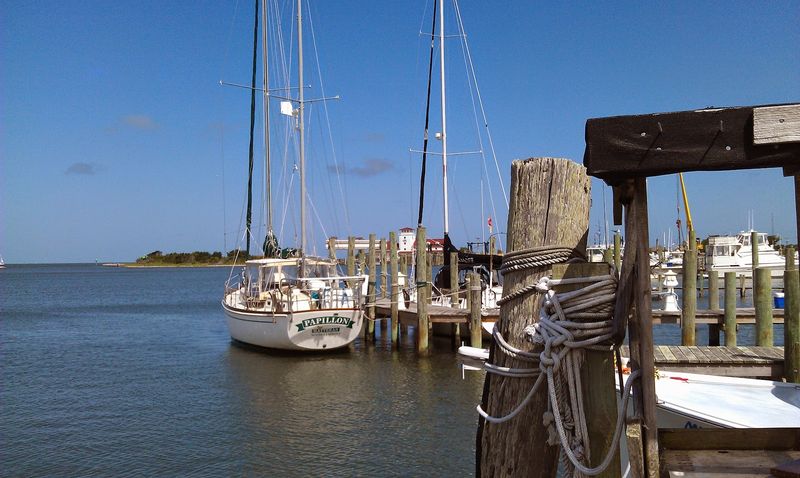
Right at the heart of the village, Silver Lake sparkles with boats of every size, from fishing vessels to weekend sailboats. This snug harbor is the beating center of Ocracoke life, where locals and visitors mingle along the water’s edge.
Wandering the harbor, you’ll pass shops and restaurants that line the shore, each one an easy stop for a bite or a browse. The whole scene feels lived-in and genuine, not staged for tourists but simply carrying on the way it always has.
Mornings bring quiet reflections on the still water, while evenings glow as the sun sinks behind the masts. It’s the sort of place where you can lose an hour just watching the boats bob and the pelicans glide past. For anyone who loves an authentic coastal village over a glossy resort, Silver Lake delivers the real thing without any pretense.
Streets Made for Wandering on Foot
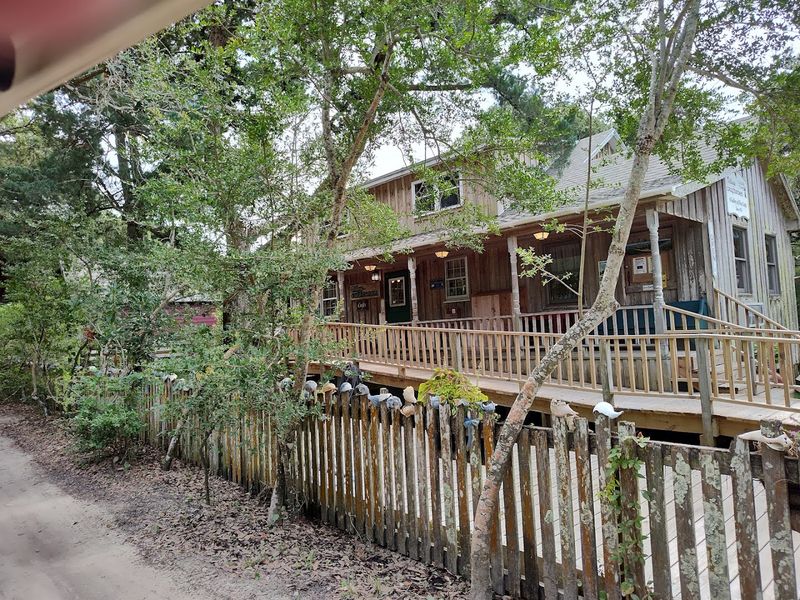
One of the best things about Ocracoke is that you barely need a car once you arrive. The village is small and flat, laced with sandy lanes and shady paths that practically beg to be explored slowly.
Renting a bike or simply walking lets you soak up the details you’d blow right past behind a windshield. Old cottages, live oaks draped in Spanish moss, and hidden corners all reveal themselves at a stroller’s pace.
Because the island is so remote, the streets stay calm and unhurried, free of the traffic that clogs busier beach towns. You can walk from the lighthouse to the harbor to the cemetery in a single easygoing afternoon. That walkability is exactly what makes tracing the island’s 300 years of history feel so effortless. Instead of rushing from parking lot to parking lot, you get to experience Ocracoke the way villagers always have, one unhurried step at a time.
Beaches Left Beautifully Wild
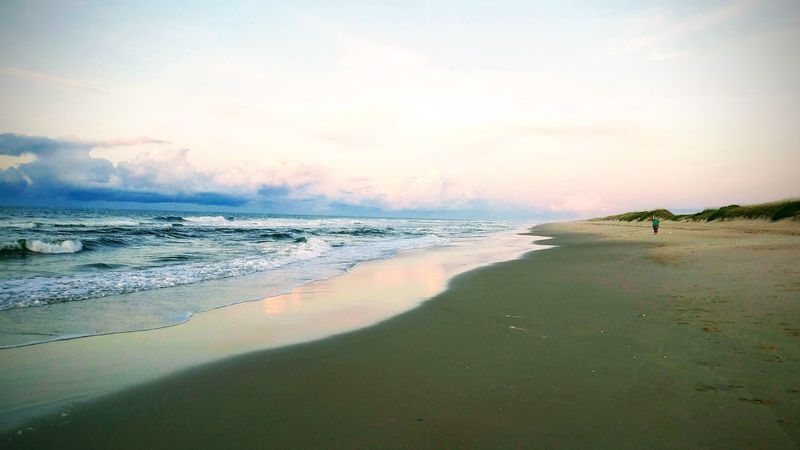
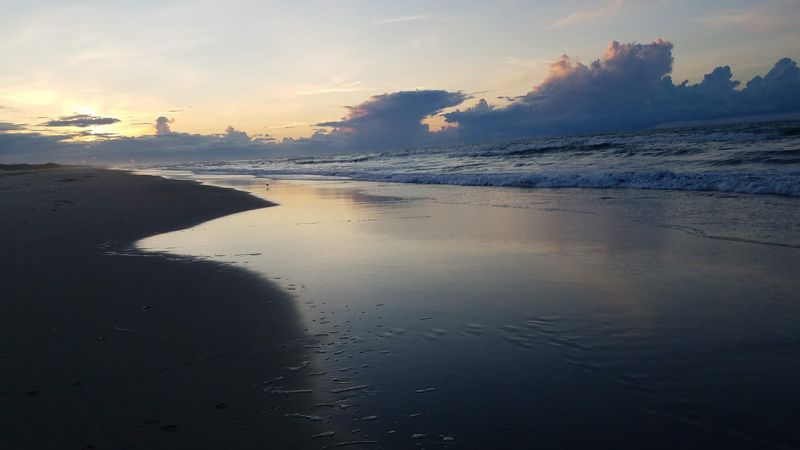
Beyond the village, Ocracoke stretches into miles of open, undeveloped shoreline that feel wonderfully untouched. No high-rise hotels or crowded boardwalks here, just soft sand, rolling dunes, and the steady sound of the Atlantic.
Because so much of the island is protected, the beaches stay wide and quiet even in the warmer months. You can spread out a towel and feel like you have a slice of the coast all to yourself, a rare treat along the busy Outer Banks.
Shell hunters, swimmers, and sunset watchers all find their happy place along these shores. The remoteness that keeps the crowds away is the very thing that keeps the sand so clean and the water so calm. For travelers hunting the wild, natural version of the North Carolina coast, Ocracoke’s beaches are a genuine reward well worth the ferry ride.
Getting There by Ferry
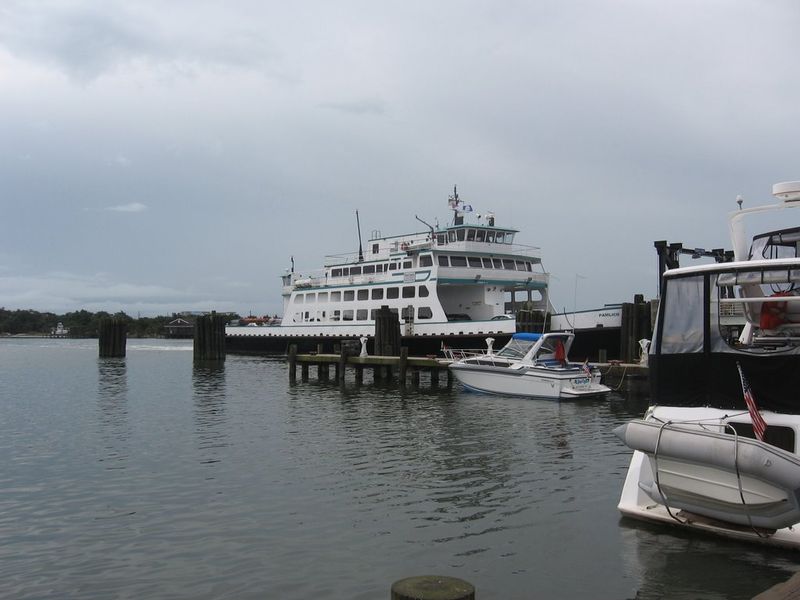
Half the fun of Ocracoke begins with the journey, since there’s no bridge connecting the island to the mainland. Reaching the village means climbing aboard a ferry and gliding across the water, watching the coastline shrink behind you.
Ferries link Ocracoke to nearby points along the Outer Banks and the mainland, and the ride itself becomes part of the experience. Salt spray, seabirds, and open horizons set the mood long before you dock at Silver Lake.
Planning your ferry timing is the one bit of homework this trip requires, since schedules shape your whole day. It’s smart to arrive early during busy summer weekends when the boats fill up fast. The extra effort keeps Ocracoke pleasantly hard to reach, which is a big part of why it stays so peaceful. Think of the crossing not as a hurdle but as the doorway to a place the rush of ordinary travel simply can’t touch.
Fresh Seafood Along the Water
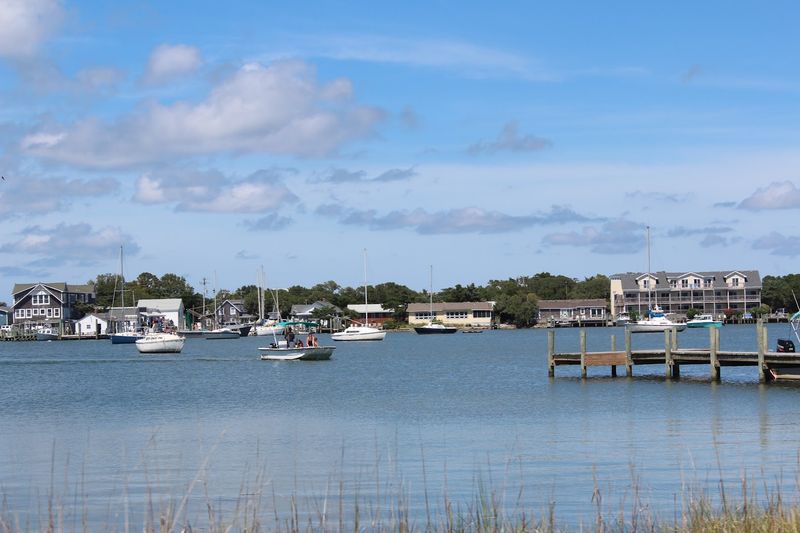
All those fishing boats bobbing in Silver Lake aren’t just for show, and you taste the proof at the harbor’s restaurants. Ocracoke’s shops and eateries line the water, serving up the kind of fresh catch you can only get on a real fishing island.
From casual crab shacks to cozy sit-down spots, the food here leans on what the sea provides that very day. There’s a homey, unhurried feel to dining by the harbor, watching the boats while you eat.
The village keeps things modest and welcoming rather than fancy or overpriced, which suits its down-to-earth spirit perfectly. Pairing a plate of local seafood with a view of the working boats is one of those simple pleasures that sticks with you. For travelers who value good, honest coastal cooking over flashy resort dining, Ocracoke’s harborside tables hit the spot.
Who Ocracoke Suits Best
Not every traveler wants the same thing from a coastal trip, and Ocracoke knows exactly who it’s for. If you crave quiet over crowds, character over chain hotels, and history over hype, this island practically calls your name.
Families enjoy the safe, walkable village and easygoing beaches, while history lovers get lost in the lighthouse, museum, and pirate lore. Couples find plenty of slow, romantic moments along the harbor at sunset, and solo wanderers appreciate the peaceful pace.
What ties them all together is a love of authenticity. Ocracoke rewards the kind of visitor who feels a little thrill at discovering a genuine, overlooked corner of North Carolina before the crowds catch on. If you’d rather trade a busy boardwalk for a village that still feels real, you’ll fit right in. It’s a place for people who measure a trip by its stories rather than its souvenirs.
Why This Remote Island Stays With You
Long after the ferry carries you back to the mainland, Ocracoke has a way of lingering in your memory. The lighthouse, the harbor, the tiny cemetery, and the whispered pirate tales all blend into something that feels bigger than a simple beach getaway.
Its remoteness is the whole point. Because it takes real effort to get here, the island has held onto its history, its charm, and its slow, salt-air rhythm in a way few places manage anymore.
You leave with sandy shoes, a few good photos, and the quiet satisfaction of having traced 300 years of North Carolina history on foot. For anyone who treasures the authentic, overlooked side of the Outer Banks, Ocracoke is less a destination and more a discovery you’ll want to keep telling people about. Pack a little patience for the crossing, and this remote village will hand you a trip you won’t soon forget.
Share this story