 Unearth The Voyage
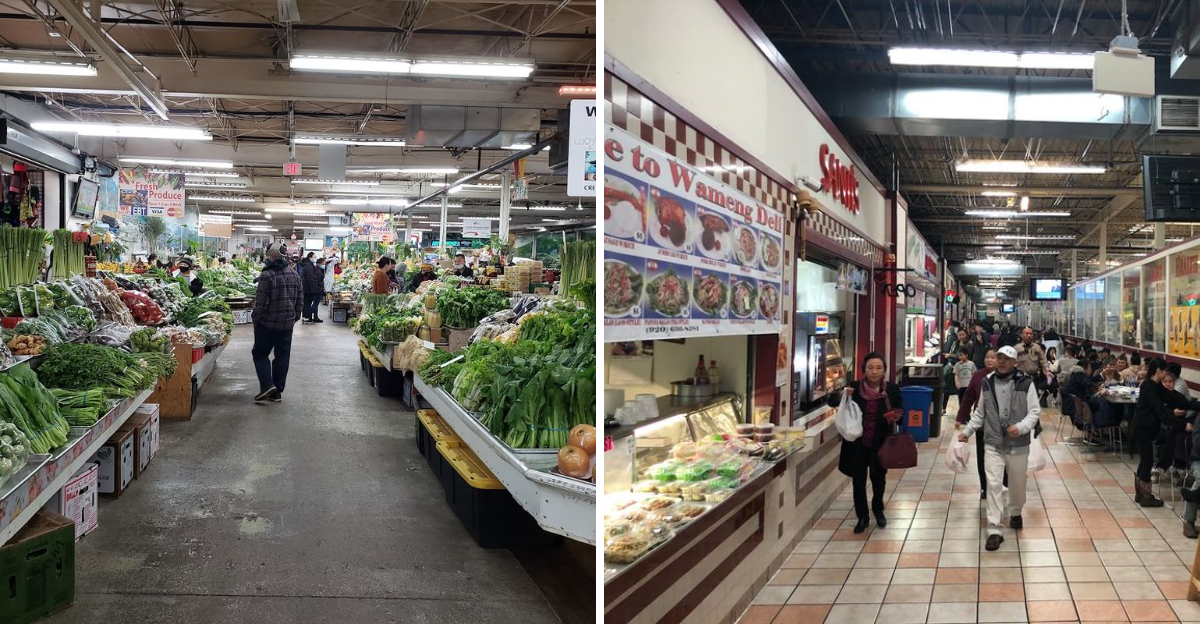
There is a massive indoor marketplace in Minnesota where you can eat Lao-style papaya salad, pick up exotic tropical fruits, shop for hand-embroidered traditional clothing, and get your taxes done, all under one roof. The food alone draws people from across the Twin Cities and beyond, with dozens of stalls serving steaming bowls of pho, Hmong sausage, sticky purple rice, and curries that taste like they were made from recipes passed down for generations.
This is not a food court in the conventional sense. It is a living, breathing cultural hub that has quietly become one of the most exciting places to eat and explore in the entire Midwest.
What Hmong Village Actually Is
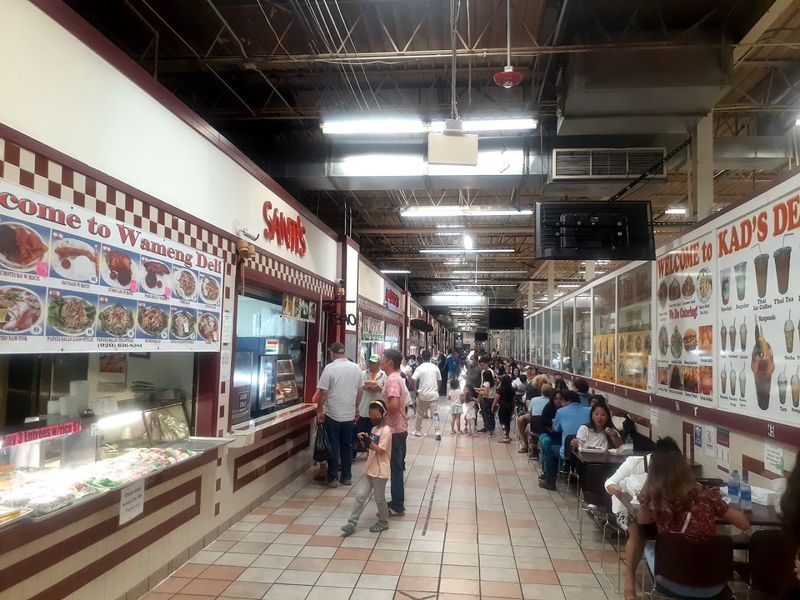
Most people who have not been to Hmong Village picture a small ethnic grocery tucked into a strip mall. The reality stops you in your tracks the moment you walk through the doors.
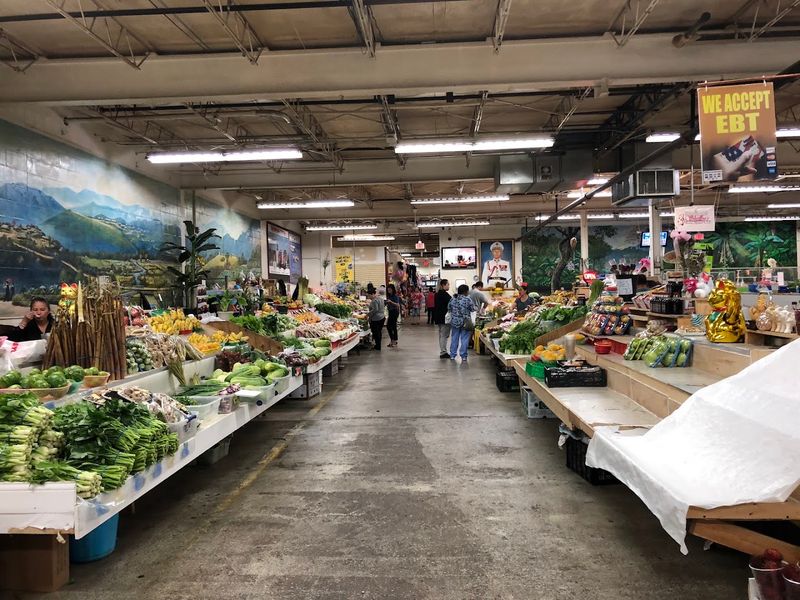
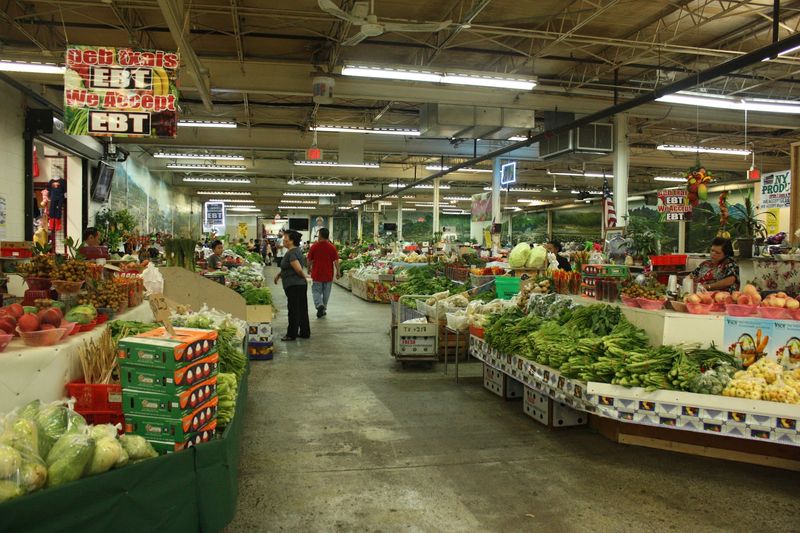
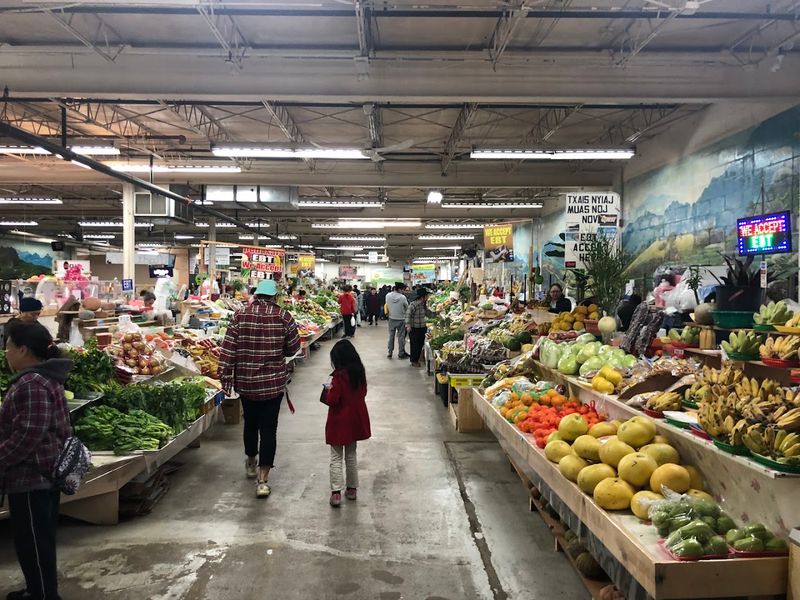
Hmong Village, located at 1001 Johnson Pkwy, St Paul, MN 55106, is a sprawling indoor marketplace housed in a large warehouse-style building. Inside, you will find well over a hundred vendor stalls selling everything from fresh produce and traditional Hmong clothing to herbal medicine, jewelry, smoothies, and hot food.
The marketplace serves as the commercial and cultural heart of the Twin Cities Hmong community. It is open seven days a week from 9 AM to 7 PM, making it accessible whether you are stopping by on a Tuesday afternoon or a busy Saturday morning.
Nothing else in the Midwest quite matches its scale or energy.
The History Behind the Marketplace
The story of Hmong Village cannot be told without understanding the broader story of the Hmong people in Minnesota. After the Vietnam War era, tens of thousands of Hmong refugees resettled in the United States, with a significant concentration landing in the Twin Cities.
St Paul became home to one of the largest urban Hmong communities in the country. Over decades, that community built institutions, businesses, and gathering spaces that reflected their Southeast Asian roots while planting them firmly in Midwestern soil.
Hmong Village grew out of that entrepreneurial spirit. It gave vendors a permanent, centralized space to sell goods and food that reflected their heritage.
Before large indoor markets like this existed, many Hmong vendors operated at seasonal outdoor markets. Having a year-round indoor home changed everything for the community and for curious visitors wanting a genuine cultural experience.
The Food Hall That Earns the Hype
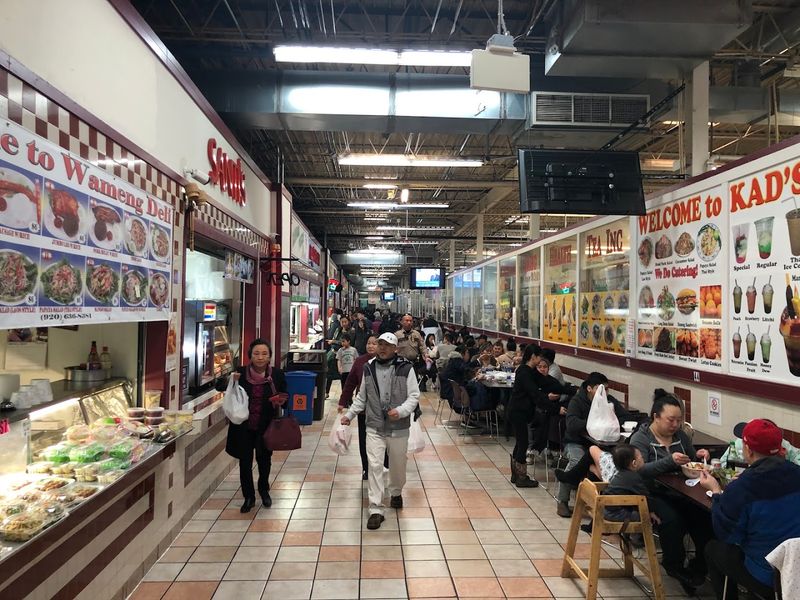
The food hall at Hmong Village is the main event for most first-time visitors. Dozens of stalls line the interior, each one run by a family or individual vendor serving recipes rooted in Hmong, Lao, Thai, and Vietnamese culinary traditions.
You will find steaming bowls of pho with generous portions of meat and fragrant broth, Lao-style papaya salad with a sharp, funky punch, Hmong sausage grilled until the casing crisps up, stuffed chicken wings, and sticky purple rice with a chewy texture unlike anything you have had from a standard bag of white rice.
Prices are genuinely affordable, which makes it easy to order from multiple stalls and sample widely. Tables fill up during peak hours, but turnover is quick.
The smell of grilling meat and simmering broth hits you long before you reach the food stalls, and it is nearly impossible to resist.
Purple Rice and Why It Deserves Your Attention
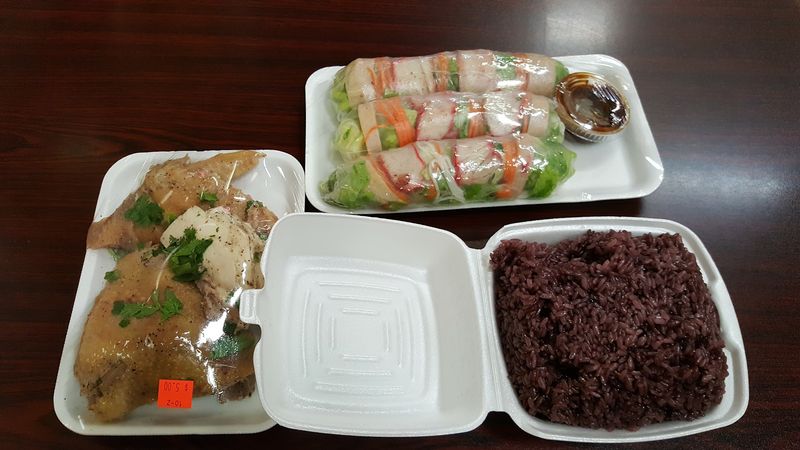
If you have never eaten purple sticky rice, Hmong Village is a genuinely excellent place to try it for the first time. The rice has a deep violet color that comes naturally from the variety of glutinous rice used, not from any dye or additive.
The texture is dense and chewy in a satisfying way. It holds together when you pull off a small piece, making it easy to eat by hand the traditional way.
The flavor is mild and slightly nutty, which makes it a natural companion for bold dishes like papaya salad or spicy sausage.
A few visitors order sticky rice expecting the fluffy white variety and get a surprise. Asking your vendor ahead of time is always a smart move.
Once you know what to expect, the purple rice becomes one of the most memorable bites of the entire visit.
Traditional Clothing That Stops You Mid-Aisle
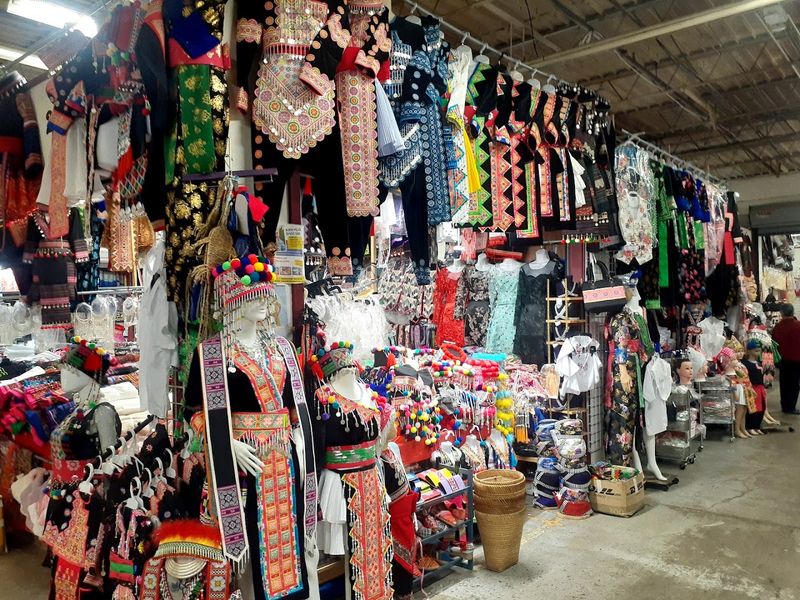
Wandering away from the food stalls leads you into a completely different world. The clothing vendors at Hmong Village sell traditional Hmong garments that are genuinely breathtaking up close.
The embroidery work on many pieces is extraordinarily detailed. Geometric patterns in vivid reds, blues, greens, and golds are stitched by hand, often representing cultural symbols with meanings passed down through generations.
Full ceremonial outfits can take months to complete.
Prices vary widely depending on the complexity of the piece and whether it is handmade or machine-assisted. Handcrafted dresses tend to be considered well-priced given the labor involved.
Haggling is generally accepted and even expected at many of the non-food stalls, so do not be shy about asking whether there is flexibility on price.
Even if you are not shopping, walking through the clothing section is a visual experience worth the time on its own.
Fresh Produce and Ingredients You Will Not Find Elsewhere
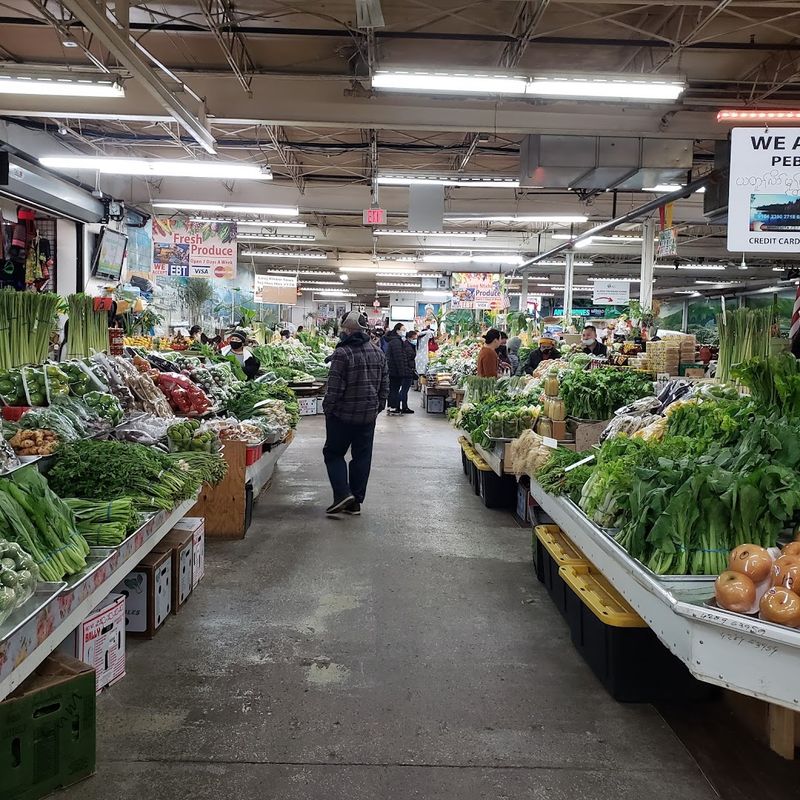
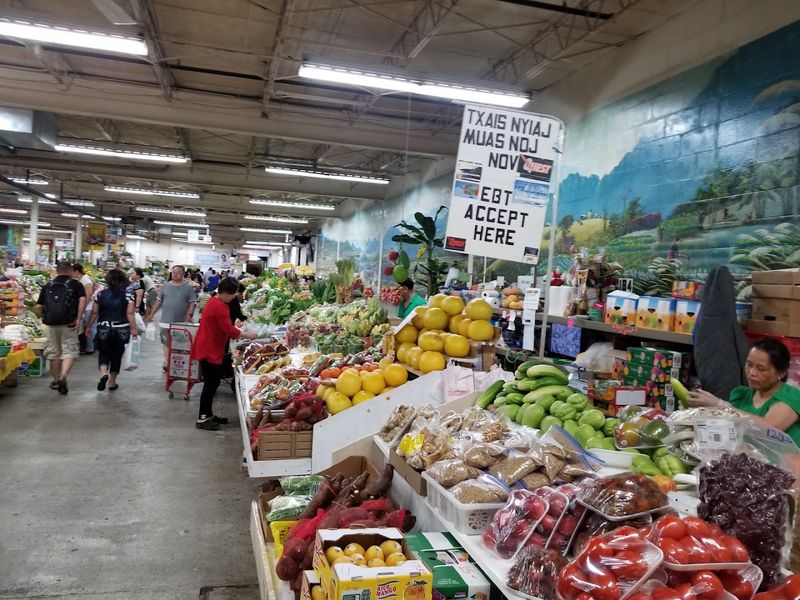
The fresh produce section of Hmong Village stocks ingredients that are nearly impossible to find at mainstream grocery stores in the Midwest. You will encounter bitter melon, long beans, Thai eggplant, fresh lemongrass, galangal root, specialty peppers, and tropical fruits that arrive with surprising regularity.
Home cooks who want to recreate authentic Southeast Asian dishes at home treat this section like a treasure hunt. Finding fresh kaffir lime leaves or fresh turmeric root in Minnesota in the middle of winter is not something most people expect to be possible.
Prices on produce can be higher than expected at some stalls, so it pays to browse before committing. That said, the availability of specialty items that simply do not exist elsewhere in the region makes the trip worthwhile for serious cooks.
A short walk through the produce area alone can inspire an entire week of cooking.
Herbal Medicine and Eastern Remedies
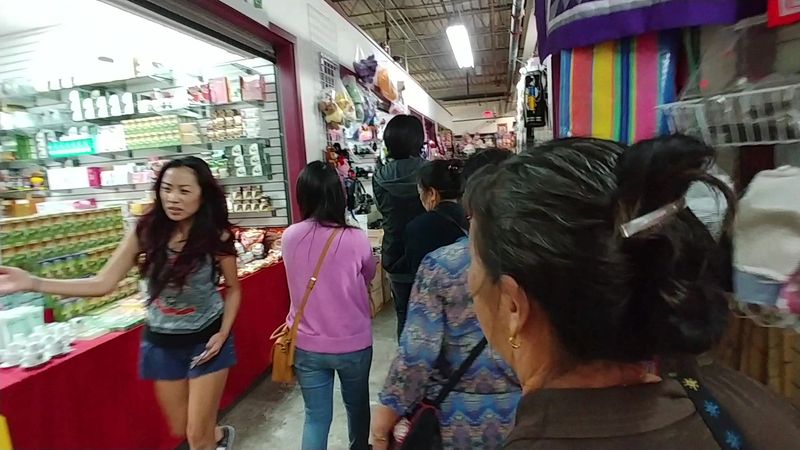
One of the most unexpected corners of Hmong Village is the section dedicated to herbal medicine and traditional Eastern remedies. Vendors here sell dried herbs, roots, powders, and preparations that have been used in Hmong and Southeast Asian healing traditions for centuries.
The stalls are fascinating even if you have no intention of purchasing anything. Glass jars filled with unidentifiable dried plants, bundles of bark, and carefully labeled powders line the shelves.
A few vendors are happy to explain what different preparations are traditionally used for.
This section reflects how deeply the marketplace functions as more than a shopping destination. For many in the Hmong community, these remedies are an important part of maintaining health in ways that complement or sometimes precede Western medical care.
For outside visitors, it offers a rare and respectful window into a healing tradition that most Americans have never encountered firsthand.
Fruit Smoothies Worth the Wait
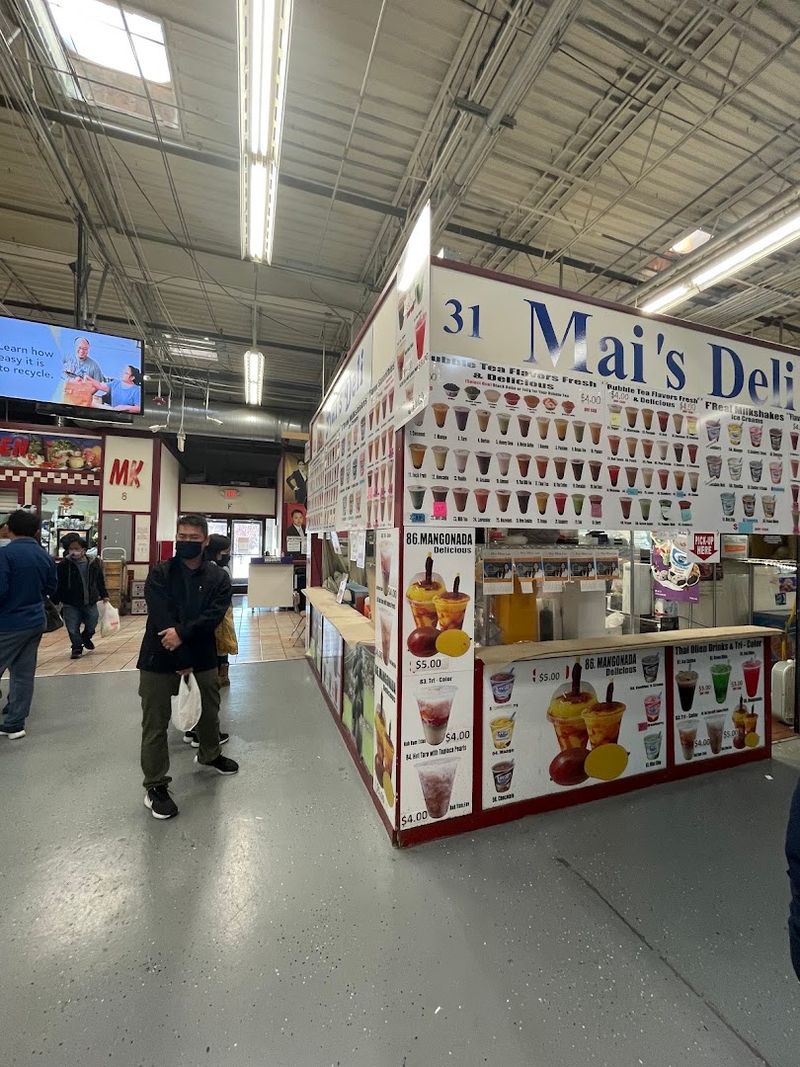
Somewhere between the food stalls and the clothing vendors, you will almost certainly spot a smoothie stand with a menu board packed with tropical options. The smoothie selection at Hmong Village is legitimately impressive, featuring fruits like jackfruit, soursop, longan, lychee, and durian alongside more familiar choices like mango and strawberry.
The drinks are blended fresh and served cold, which makes them a perfect break from the sensory intensity of walking the market. On a busy afternoon, a smoothie gives you an excuse to slow down and take in the scene around you.
The variety of fruit options available reflects the produce that vendors bring in specifically for the market. You are not getting a generic chain smoothie here.
Each cup reflects the actual inventory of the market, which means seasonal availability sometimes changes what is on offer. That unpredictability is part of the appeal.
Pho Stalls and the Art of Choosing the Right Bowl
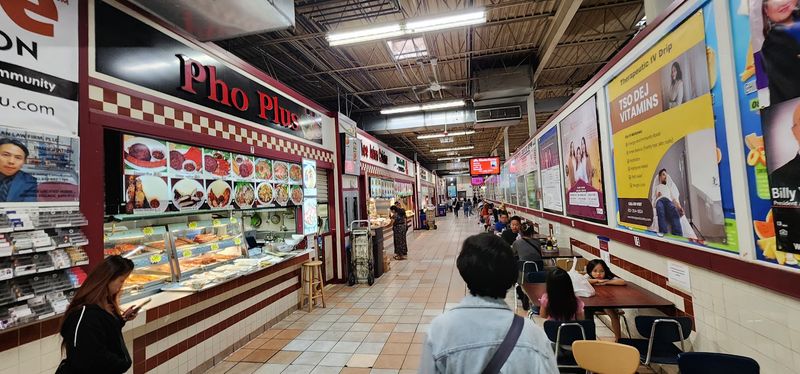
Pho is everywhere at Hmong Village, and navigating the options is one of the more enjoyable challenges of the visit. Multiple stalls serve their own versions, each with slight differences in broth depth, noodle thickness, meat selection, and garnish quality.
Some broth is clear and delicate with a long-simmered bone flavor. Others are richer and darker, with a more assertive spice profile.
Noodle thickness varies from stall to stall, and the meat portions at most vendors are generous enough that finishing a full bowl is a genuine commitment.
Regulars tend to develop strong loyalties to specific stalls based on personal preference. If it is your first visit, a slow walk past the open kitchens before ordering lets you see the broth color and watch how each vendor assembles their bowls.
That quick reconnaissance usually leads to a much more satisfying first bowl.
The Jewelry and Accessories Section
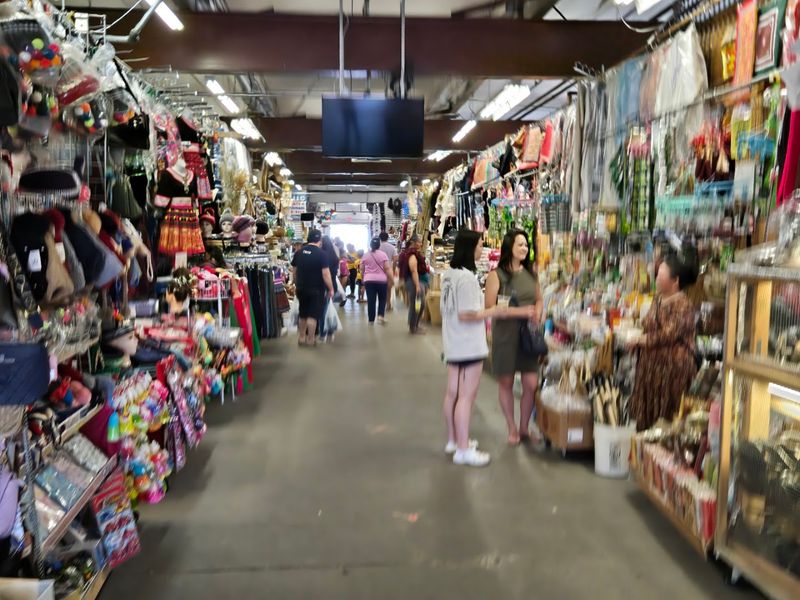
Tucked among the food and clothing stalls, the jewelry vendors at Hmong Village offer pieces that range from everyday accessories to ornate traditional silver work. Hmong silversmithing has a long cultural history, and some of the pieces on display reflect that tradition with intricate designs and heavy, handcrafted construction.
You will also find more casual jewelry at lower price points, making the section accessible whether you are looking for a meaningful cultural piece or just a fun addition to your everyday wardrobe. The variety across stalls is wide enough that browsing without a specific goal is perfectly enjoyable.
A few vendors specialize in pieces designed for traditional Hmong ceremonies and celebrations, which carry a different weight and significance than decorative fashion jewelry. Asking vendors about the background of specific pieces often leads to genuinely interesting conversations about the cultural meaning behind the designs.
Services You Would Not Expect Inside a Marketplace
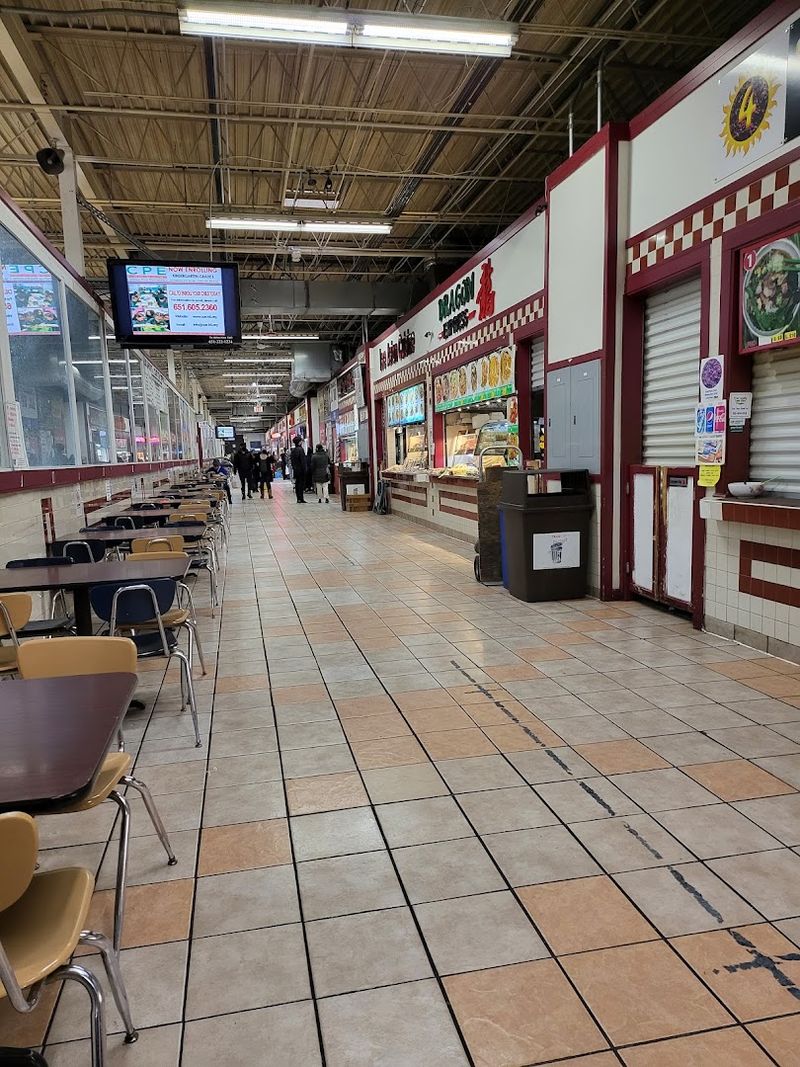
One of the most surprising things about Hmong Village is the range of practical services available inside the building. Beyond food and shopping, the marketplace hosts a DMV location where visitors can take driver’s permit tests, tax preparation services, a clinic, and other community-focused businesses.
Having these services under one roof is not accidental. The marketplace was designed to serve the practical daily needs of the Hmong community, not just its commercial and culinary interests.
For families who may face language barriers at mainstream government offices, having trusted community-based services in a familiar environment matters enormously.
For outside visitors, discovering a working DMV inside a food and culture marketplace is genuinely surprising. It is one of those details that makes Hmong Village feel less like a tourist attraction and more like a real, functioning piece of a living community.
That authenticity is exactly what makes the place worth visiting.
When to Visit for the Best Experience
Timing your visit to Hmong Village makes a noticeable difference in the experience. The marketplace opens at 9 AM every day, and arriving early on a weekday means shorter lines at food stalls, more available seating, and vendors who still have full inventory.
Weekends draw the largest crowds, which creates a lively, buzzing atmosphere that many visitors love. The trade-off is that popular food stalls can run out of certain dishes by early afternoon.
Getting there before noon on a Saturday is the sweet spot if you want both the energy of a full crowd and a complete menu to choose from.
Some stalls and dry goods vendors close earlier than the official 7 PM closing time, so planning your visit around the midday hours gives you the best chance of finding everything open and fully stocked. A second visit in the same week is rarely a bad idea.
How Hmong Village Compares to Seasonal Outdoor Markets
The Twin Cities have a strong tradition of seasonal Hmong outdoor markets, particularly in summer. Those markets have their own energy and appeal, with fresh-picked produce arriving directly from Hmong farmers and a festival-like atmosphere on warm weekend mornings.
Hmong Village offers something those markets cannot: year-round access. In a Minnesota winter, when outdoor markets shut down and temperatures drop well below freezing, Hmong Village stays open and fully operational.
That consistency makes it an anchor for the community and a reliable resource for shoppers who depend on specialty ingredients throughout the year.
The indoor setting also means rain, wind, and cold are never a factor. You can take your time, sit down for a full meal, browse clothing, and pick up groceries all in a single comfortable visit regardless of the season.
That combination of cultural depth and practical year-round accessibility is genuinely rare anywhere in the Midwest.
Why This Place Stays With You Long After You Leave
Most food halls and markets are easy to categorize and move on from. Hmong Village is harder to shake.
The combination of genuinely delicious food, a living cultural tradition, practical community services, and a scale that rewards multiple visits creates something that is difficult to replicate anywhere else in the region.
Visitors who come once almost always come back. The food stalls rotate and evolve, vendors update their inventory, and the produce section changes with availability.
There is always something new to try or notice that you missed the first time.
More than the food or the shopping, what lingers is the sense of being somewhere real. Hmong Village was not built for tourism.
It was built for a community, and visitors are welcome guests in that space. That distinction changes how the experience feels, and it is the reason the marketplace earns its reputation as one of the most authentic cultural destinations in all of Minnesota.



