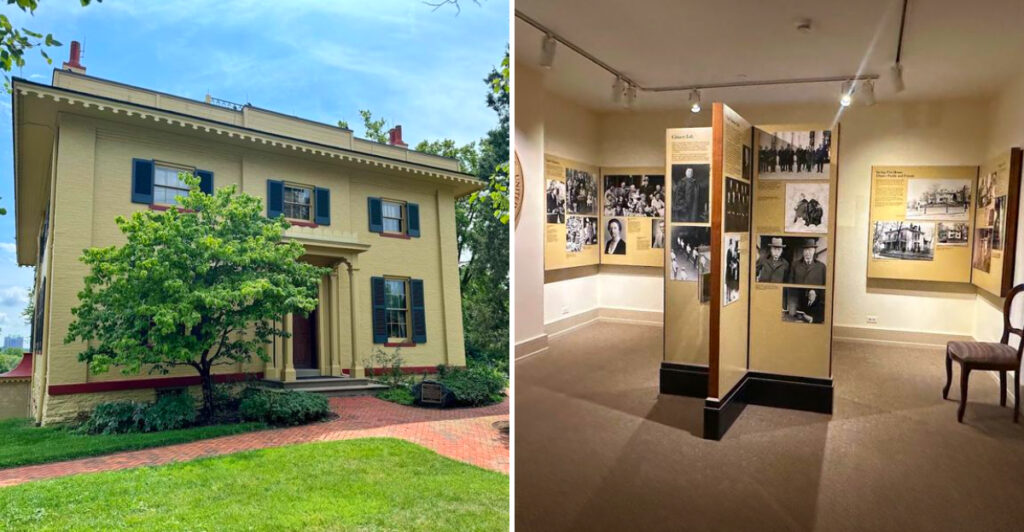
Only one person in American history has ever served as both President of the United States and Chief Justice of the Supreme Court. That person is William Howard Taft, and the house where he grew up still stands today in Cincinnati, Ohio.
Preserved and operated by the National Park Service, this Victorian-era home takes visitors inside the world that shaped one of the most uniquely accomplished figures in the country’s political history. Whether you know everything about Taft or have never given him much thought, a visit here will leave you genuinely surprised by how much one man achieved.
The Only Man to Lead Two Branches of Government
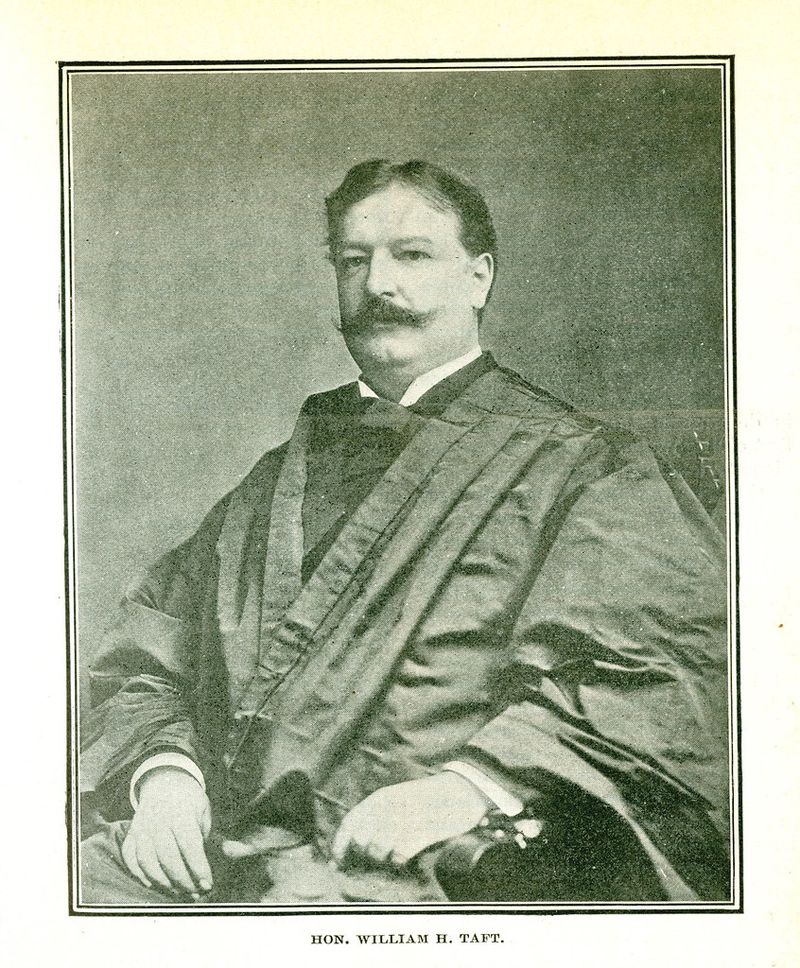
No other person in American history has ever held the two most powerful positions in two separate branches of the federal government. William Howard Taft served as the 27th President of the United States and later became Chief Justice of the Supreme Court, a role many historians believe he found more personally fulfilling than the presidency itself.
That combination makes him one of the most constitutionally significant figures the country has ever produced. Most visitors arrive at the William Howard Taft National Historic Site at 2038 Auburn Ave, Cincinnati, OH 45219, knowing very little about him.
They leave with a completely different perspective.
The site does an excellent job of framing just how rare Taft’s dual legacy truly was. That single fact alone is enough to make the trip worthwhile, and the rest of the experience only builds from there.
A Victorian Home That Tells a Bigger Story
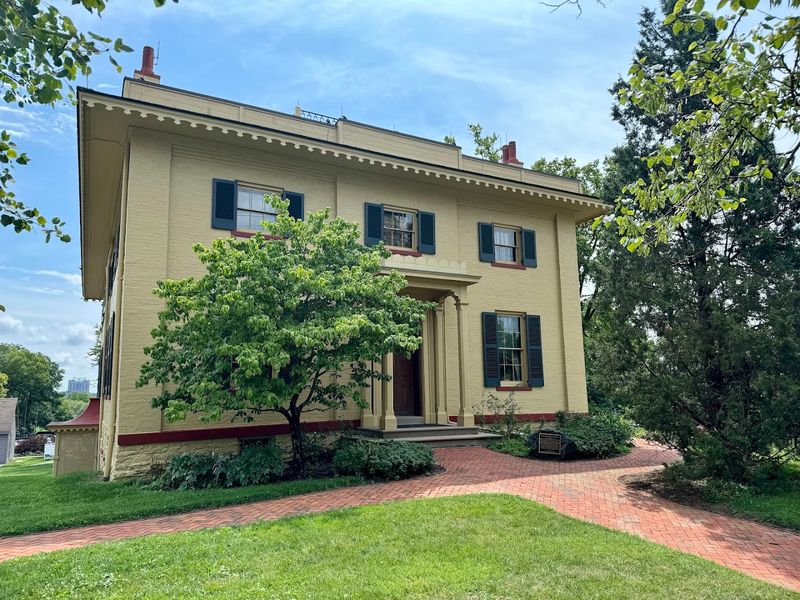
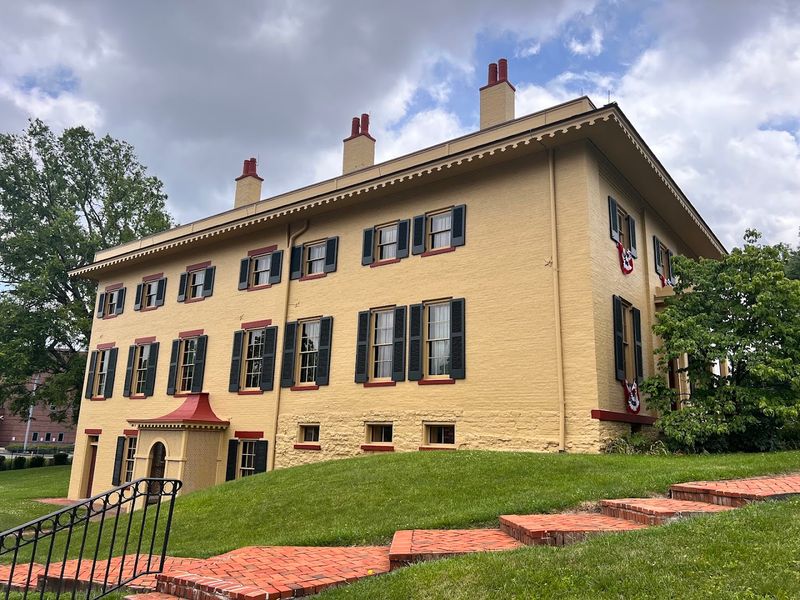
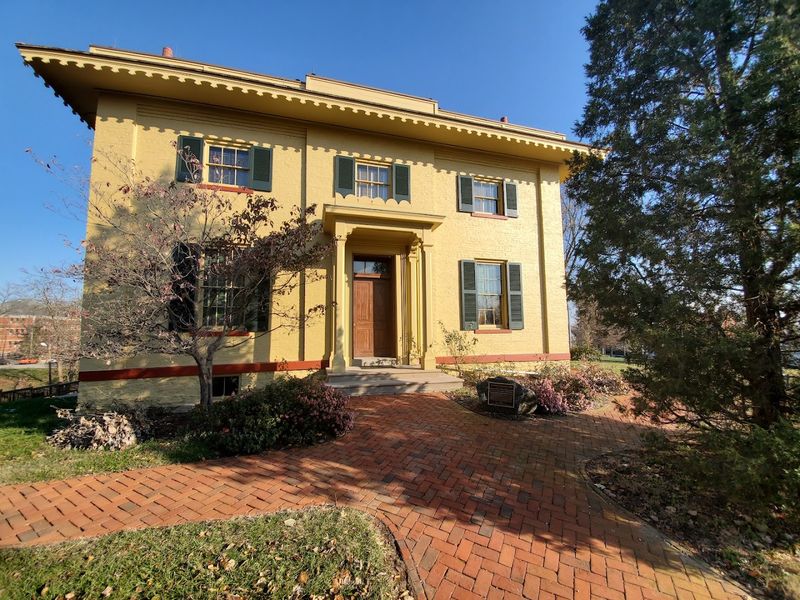
The house itself is a beautifully restored Greek Revival and Italianate structure that dates back to the mid-1800s. Walking through its rooms feels like stepping into a carefully preserved slice of 19th-century American life, with period furnishings and architectural details that reflect how prosperous Cincinnati families lived during that era.
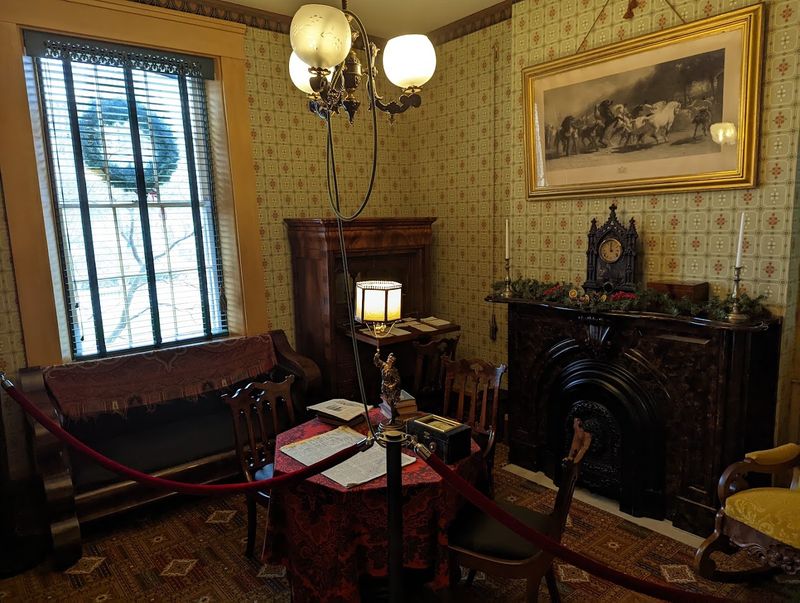
The first floor parlor and library have been restored and furnished to closely resemble how they looked during Taft’s childhood years. The attention to detail throughout the restoration is genuinely impressive, especially considering how much of the original material had to be carefully researched and replicated.
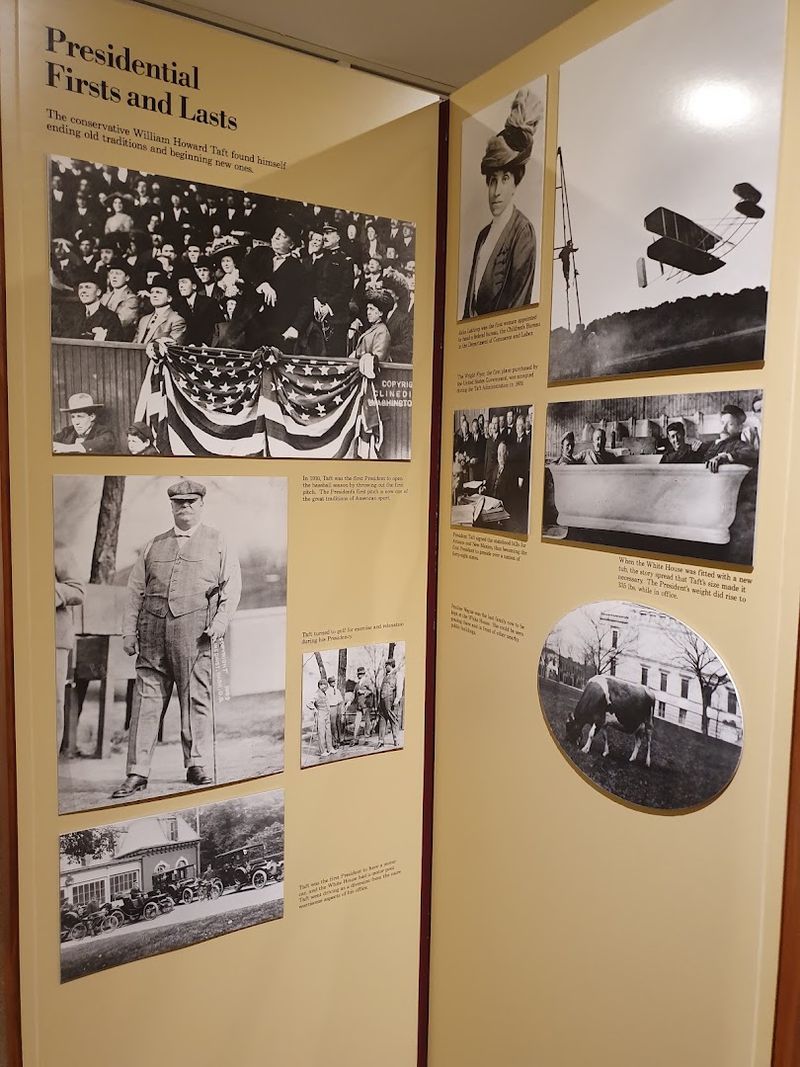
Upper floors transition into exhibit spaces that document Taft’s life chronologically, moving from his Cincinnati boyhood through his legal career, presidency, and eventual appointment to the Supreme Court. The layout flows naturally, making the whole visit feel like one connected story rather than a collection of separate displays.
Free Admission at a National Park Service Site
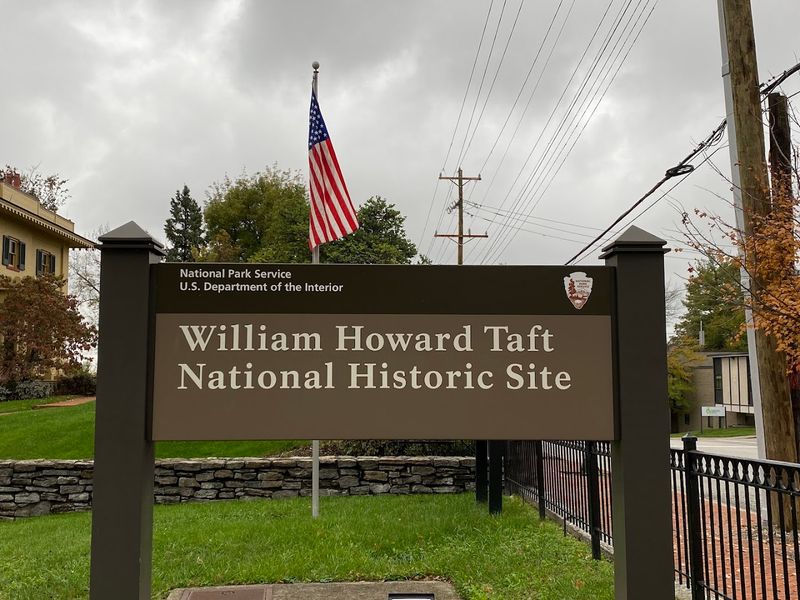
One of the most pleasant surprises about this site is that admission is completely free. The National Park Service manages the property, and there is no charge for the guided tours, the museum exhibits, the visitor center, or the short film shown on-site.
Even parking is available at no cost.
Free does not mean sparse, though. The experience here is thorough and thoughtfully organized, comparable in quality to many paid historic sites across the country.
The exhibits are well-written, the displays are engaging, and the guided tours add real depth to everything you see.
For families especially, this is a rare opportunity to spend a genuinely educational afternoon without any financial pressure. Kids can participate in the junior ranger program, and adults can spend as much or as little time as they want exploring the exhibits.
Most visits run between one and two hours.
Guided Tours Led by Knowledgeable Park Rangers
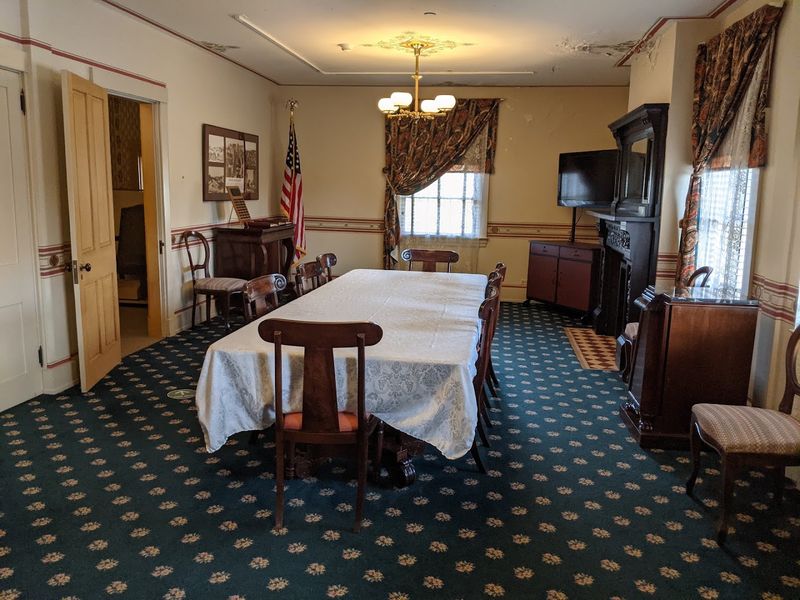
The guided tours here are one of the highlights of the visit. Park rangers lead groups through the home on a regular schedule, sharing detailed stories about the Taft family, the history of the house, and the broader political context of William Howard Taft’s career.
The rangers are well-prepared and clearly passionate about the subject.
Tour groups tend to be small, which creates a genuinely personal atmosphere. Visitors often find themselves having real conversations with the ranger rather than just listening to a rehearsed script.
Questions are welcomed, and rangers regularly stay after the formal tour to continue answering them.
Tours run approximately 25 to 30 minutes for the house portion, with the remaining exhibits available for self-guided exploration afterward. Arriving early in the day on a weekday tends to result in smaller groups and a more relaxed experience for those who prefer a quieter visit.
The Taft Family’s Remarkable Influence on American History
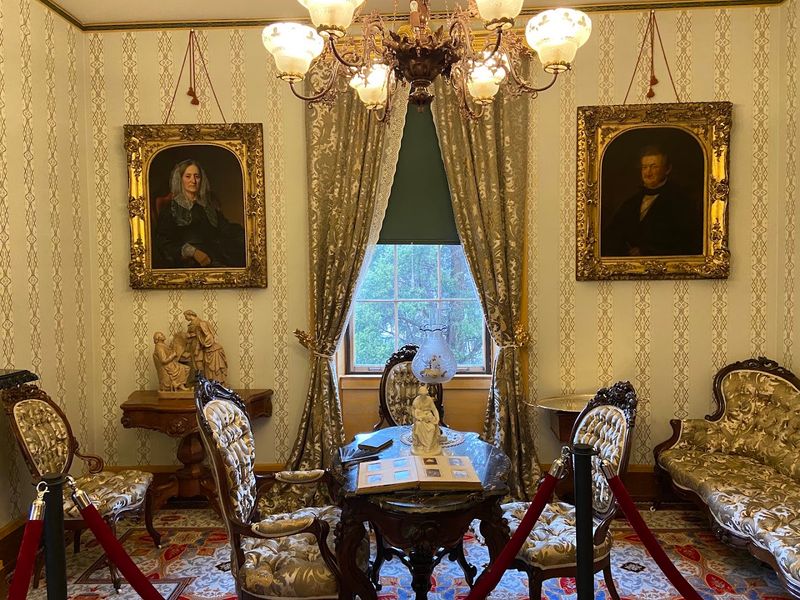
William Howard Taft did not come from an ordinary family. His father, Alphonso Taft, served as Secretary of War and Attorney General under President Ulysses S.
Grant, and later served as a U.S. diplomat abroad. The family’s deep involvement in American law and politics stretched across generations in ways that most visitors find genuinely surprising.
The site does not focus exclusively on William Howard Taft himself. Exhibits explore the broader Taft family story, including his parents, siblings, and descendants, giving visitors a fuller sense of the household that produced such an exceptional public figure.
Understanding the family context makes Taft’s own achievements feel even more significant. He was not simply a product of privilege but of a household where public service, legal scholarship, and civic responsibility were treated as genuine callings.
That background shaped everything that followed in his remarkable career.
Interactive Exhibits and Unexpected Museum Features
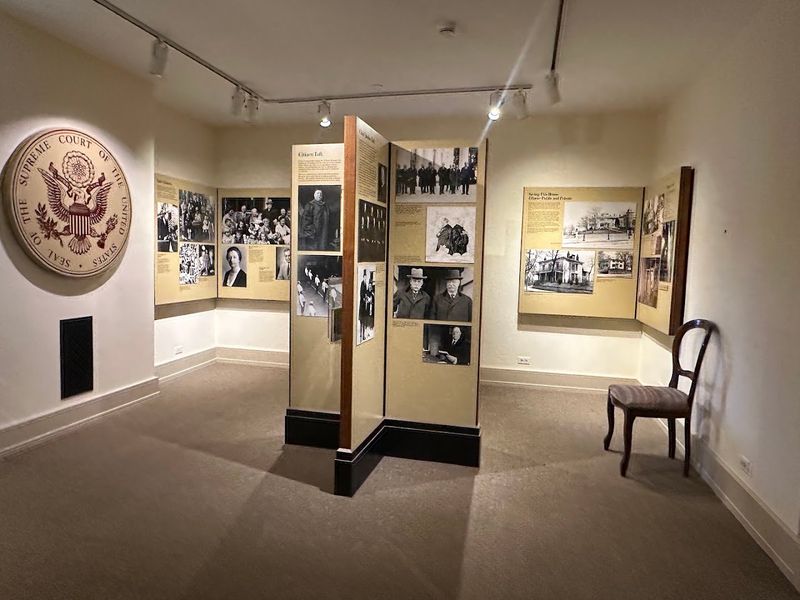
The exhibits inside the home go well beyond standard portrait-and-placard museum displays. Several interactive elements are built into the experience, including buttons that activate audio recordings, giving visitors a more dynamic way to engage with the history on display.
One of the more memorable features is an animatronic figure of Charles Taft, William Howard Taft’s youngest son. It is an unexpected touch that tends to catch visitors off guard in the best possible way, especially younger guests who might otherwise find a presidential museum a bit dry.
Artifacts from Taft’s personal life are scattered throughout the house, offering small, intimate glimpses into who he was beyond his official roles. A mix of memorabilia, photographs, and personal objects helps humanize a figure who might otherwise feel distant from modern audiences.
The curation throughout is careful and clearly done with both education and engagement in mind.
The Visitor Center, Film, and Gift Shop
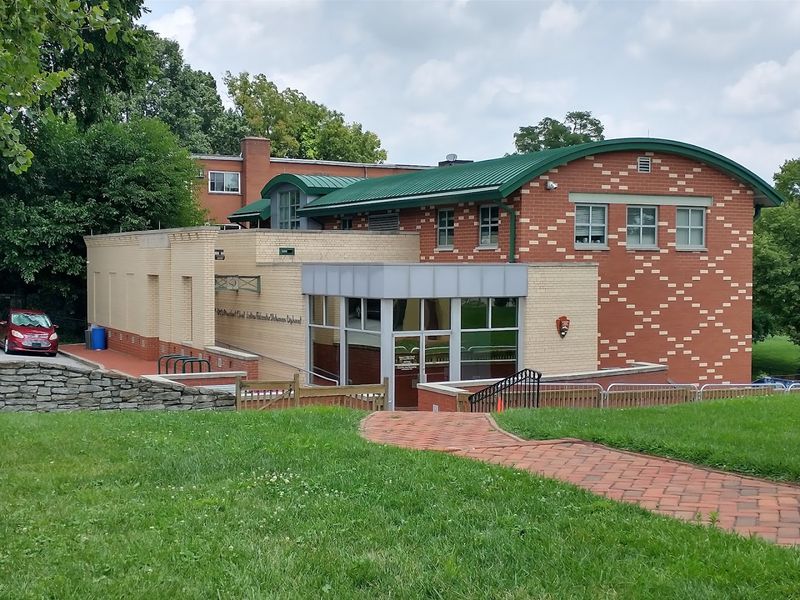
Before or after touring the house, the visitor center offers its own worthwhile stop. A short film provides helpful context about Taft’s life and legacy, and it is especially useful for visitors who arrive knowing little about him.
Watching it first makes the house tour considerably richer.
The visitor center also houses a small but well-stocked National Park Service gift shop. Books, postcards, and other commemorative items are available for those who want to take something home.
The selection leans toward educational materials, which fits the overall tone of the site perfectly.
Restrooms are available in the visitor center, and the building is fully accessible. The entire property, including the historic house, has been made accessible for visitors with mobility limitations, with ramp access and an elevator built into the original structure.
Planning a visit around the visitor center film is a smart way to get the most out of the experience.
How the Home Has Been Restored and Preserved
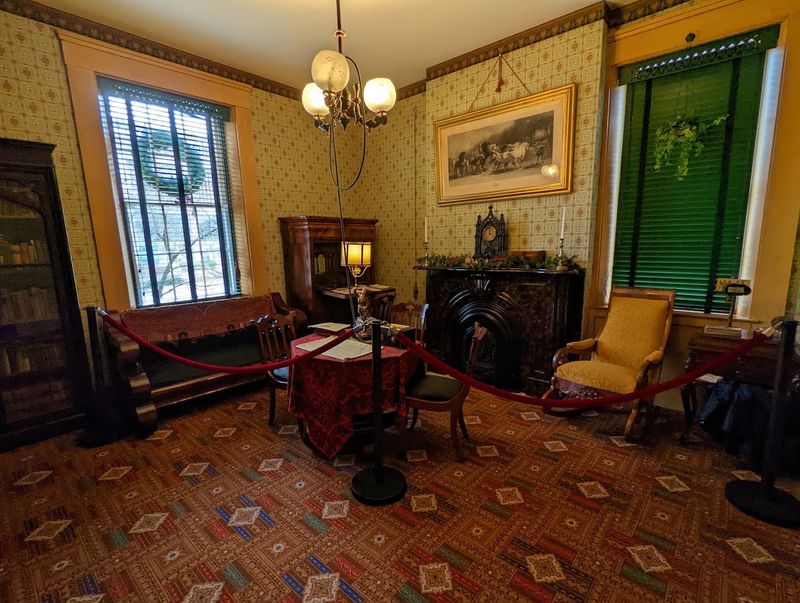
Restoring a 19th-century home to reflect a specific period of time is a complex and painstaking process. At this site, two rooms on the first floor, the parlor and the library, have been carefully restored and furnished to reflect the era of Taft’s childhood.
The furnishings are mostly period-appropriate pieces, with a smaller number of original family items woven in.
The restoration work is detailed enough that visitors genuinely feel transported into a different era when they step into those rooms. The wallpaper, the furniture arrangements, and the decorative objects all reflect careful historical research rather than a generic Victorian aesthetic.
The upper floors maintain more of a traditional museum format, which creates a natural contrast between experiencing history and learning about it. That balance between immersive restoration and informative exhibit space is one of the things that makes this site stand out among presidential historic homes across the country.
Taft’s Path From Cincinnati to the White House
Long before William Howard Taft reached the White House, he built an impressive legal and judicial career rooted in Cincinnati. He served as a local judge, as Solicitor General of the United States, and as a federal appellate court judge before President William McKinley appointed him to govern the Philippines following the Spanish-American War.
Theodore Roosevelt later appointed him Secretary of War, and the two men developed a close working relationship that eventually led Roosevelt to support Taft’s successful presidential campaign in 1908. Understanding that progression helps visitors appreciate just how methodically Taft built his career over decades.
The exhibits at the site trace this journey clearly and in detail, connecting each step back to the values and influences Taft absorbed growing up in this Cincinnati home. It is a compelling reminder that the people who shape history often begin in very ordinary places, shaped by family, community, and early experience.
What Made Taft Prefer the Supreme Court Over the Presidency
One of the more fascinating threads running through the exhibits is the idea that Taft never truly wanted to be president. His passion was always the law, and the presidency, despite its power and prestige, was not where he felt most at home.
He had actually turned down earlier opportunities to be appointed to the Supreme Court because the political circumstances were not right.
When President Warren G. Harding appointed him Chief Justice in 1921, Taft reportedly considered it the fulfillment of his deepest ambition.
He served in that role until shortly before his passing in 1930, and he is widely credited with modernizing the federal court system during his tenure.
The site presents this personal dimension of Taft’s story with real sensitivity. It is not just a political biography but a portrait of a man who found his true calling later in life, which gives the whole narrative a quietly compelling quality.
Practical Tips for Planning Your Visit
The site is open Thursday through Sunday from 9 AM to 4 PM and is closed Monday through Wednesday, so planning ahead is essential. Arriving early on a weekday tends to result in smaller crowds and a more personal experience, particularly for the guided house tours.
Parking is available both in a small lot near the visitor center and in a larger lot behind the Taft Education Center. It can be a little tricky to spot at first, but both lots are free and reasonably convenient once you know where to look.
The entire property is fully accessible for visitors with mobility limitations. An elevator is built into the historic house, and ramp access is available at the entrance.
Most visits take between one and two hours, though those who enjoy reading every exhibit panel in detail may want to allow a bit more time. The whole experience is completely free of charge.
Why This Site Deserves More Attention Than It Gets
Presidential historic sites connected to more famous figures tend to draw the bigger crowds, but that relative quietness is actually part of what makes this place so appealing. Visits here feel unhurried and personal in a way that busier sites simply cannot replicate.
The rangers have time to talk, and the exhibits have room to breathe.
Taft is often described as one of America’s more underappreciated presidents, and a visit here goes a long way toward correcting that impression. His record on antitrust enforcement, his contributions to the federal judiciary, and his unique constitutional legacy all deserve far more recognition than they typically receive.
For anyone passing through Cincinnati with even a passing interest in American history, this site is genuinely worth the detour. The combination of a beautifully restored historic home, thoughtful exhibits, knowledgeable rangers, and free admission makes it one of the more rewarding stops in the entire city.
Share this story