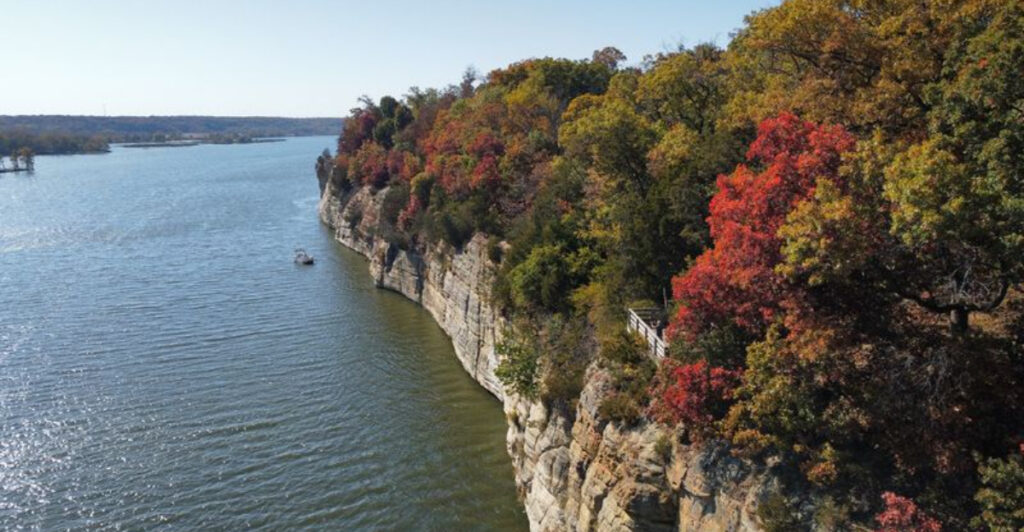
There is a state park in northern Illinois where you can stand on a bluff above the Illinois River, watch two massive bison graze in a fenced meadow, and walk past enormous earth sculptures shaped like animals stretching across the land. Most people in the region flock to Starved Rock or Matthiessen, so this quieter neighbor often gets overlooked, which is honestly their loss.
Buffalo Rock State Park sits just outside Ottawa, Illinois, and it packs a surprising amount of character into its 290 acres. From river views and sandstone bluffs to effigy mounds you can only fully appreciate from above, this park keeps rewarding you the more attention you give it.
Where Buffalo Rock State Park Actually Is
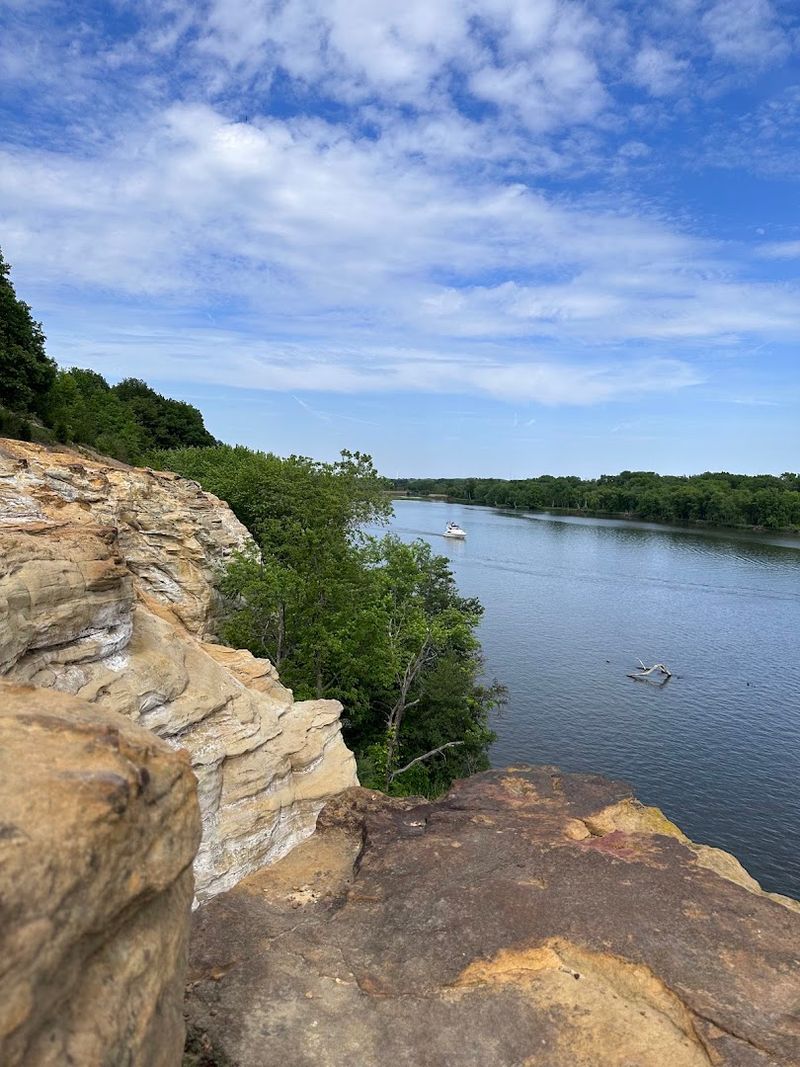
Buffalo Rock State Park sits at 1300 N 27th Rd, Ottawa, IL 61350, tucked along a riverside bluff in LaSalle County, about 90 miles southwest of Chicago.
The park covers roughly 290 acres and overlooks the Illinois River from a commanding height that gives visitors a wide, sweeping view of the water below. Ottawa itself is a small city with a lot of regional history, and the park fits right into that character.
Getting there is straightforward. The drive up to the park entrance already gives you a preview of the landscape, with rolling terrain and tree lines that hint at the scenery waiting ahead.
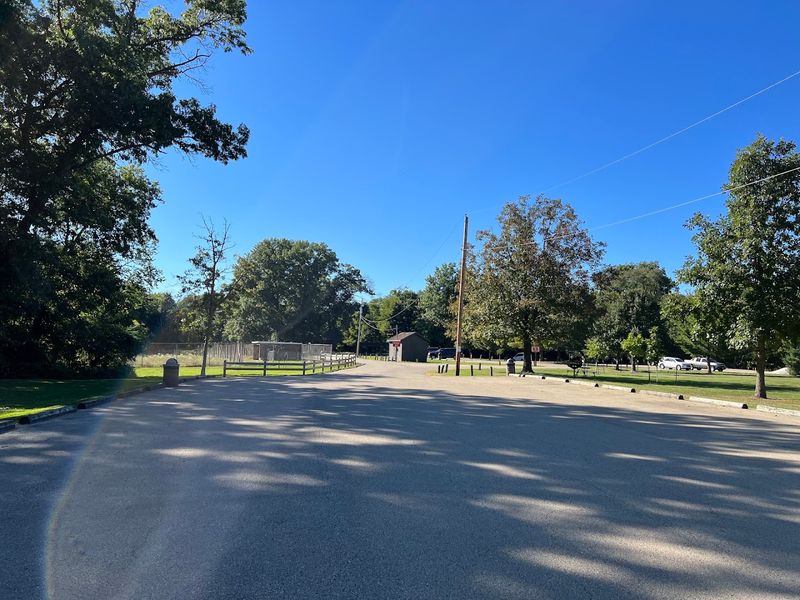
The parking area is spacious, well-signed, and can handle larger vehicles including RVs with ease. The park is open daily from 8 AM to 7 PM, so arriving early in the morning is a smart move if you want the trails mostly to yourself.
You can reach the park by phone at 815-433-2220 or check the Illinois DNR website for current conditions before heading out. Admission is free, which makes it an easy yes for any day trip.
The Two Bison That Give the Park Its Name
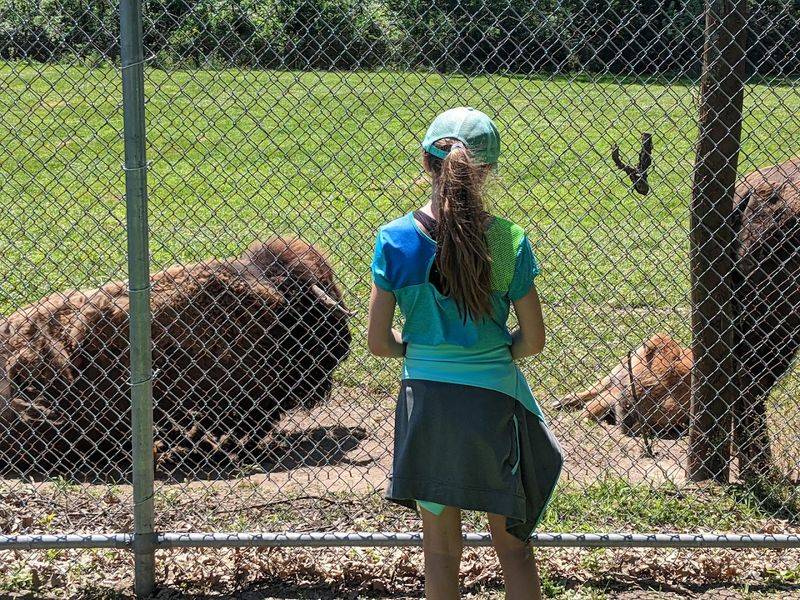
The two bison living at Buffalo Rock State Park are genuinely hard to ignore, and they tend to be the first thing many visitors want to find after parking the car.
They live in a fenced enclosure near the parking area, so you do not need to hike far to see them. On calm mornings, they have been spotted resting close to the fence line, close enough that you can really take in just how large these animals are.
Bison are the heaviest land animals in North America, with adult males sometimes topping 2,000 pounds. Seeing that kind of size up close, even through a fence, gives you a new appreciation for why these animals once shaped entire ecosystems across the continent.
Kids especially love the encounter. The bison seem unbothered by onlookers and go about their business at a slow, unhurried pace that feels almost theatrical.
The enclosure is kept clean and the animals are regularly cared for by park staff. Whether you are a wildlife enthusiast or just a curious passerby, spending a few minutes watching these two is one of the most memorable parts of the whole visit.
The Effigy Tumuli: Earth Sculptures on a Grand Scale
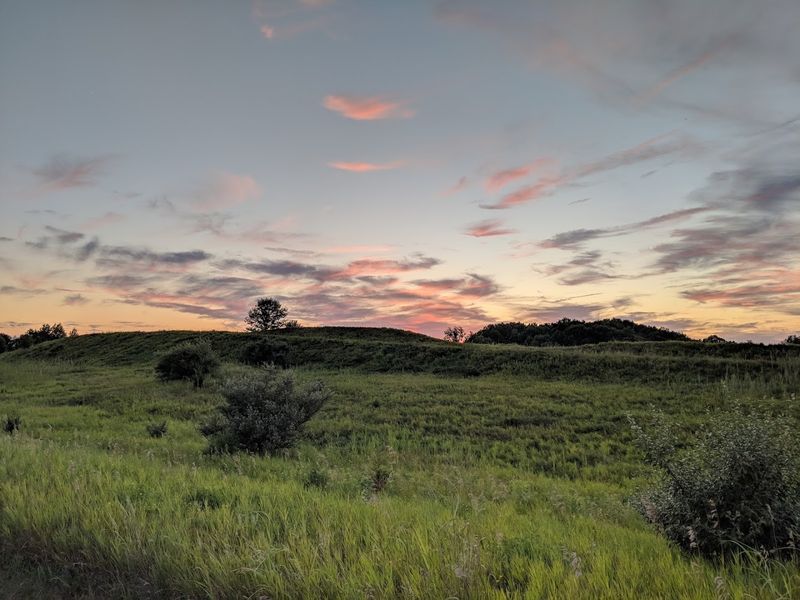
One of the most unusual features of the park is a series of giant earth sculptures known as the Effigy Tumuli, and they are unlike anything else in Illinois.
Created in 1985 by artist Michael Heizer, these massive landforms are shaped like local wildlife, including a turtle, a catfish, a frog, a snake, and a water strider. Each one is built from reclaimed strip-mine spoil, essentially sculpted from the industrial debris left behind by decades of coal mining on the site.
The catch is that you cannot fully see them from ground level. The shapes are so large, stretching up to 200 feet in length, that walking alongside them feels like moving past a long grassy hill rather than a recognizable animal form.
The full picture only reveals itself from above.
That said, knowing what is beneath your feet changes how you experience the walk. There is something quietly powerful about standing on top of a 10-foot-tall earthen catfish.
Informational signs about the effigy trail have been missing or damaged in places, so doing a little research before your visit helps you connect the dots between what you see and what you are actually standing on.
Views From the Bluff Above the Illinois River
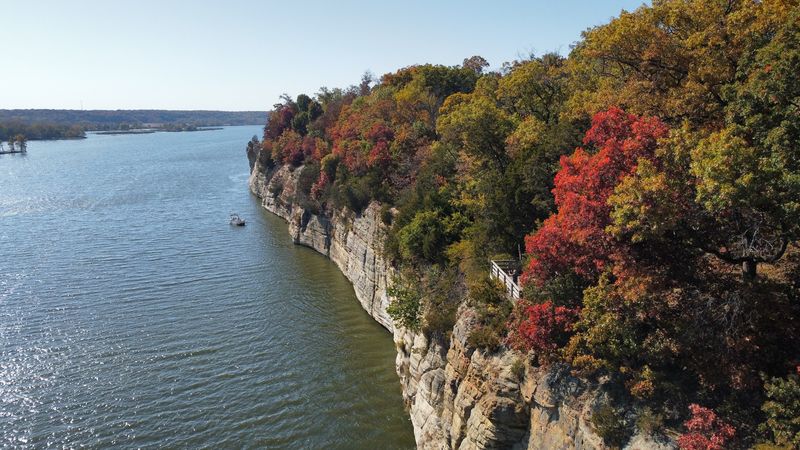
The bluff overlook at Buffalo Rock is the kind of view that stops you mid-sentence and makes you forget what you were about to say.
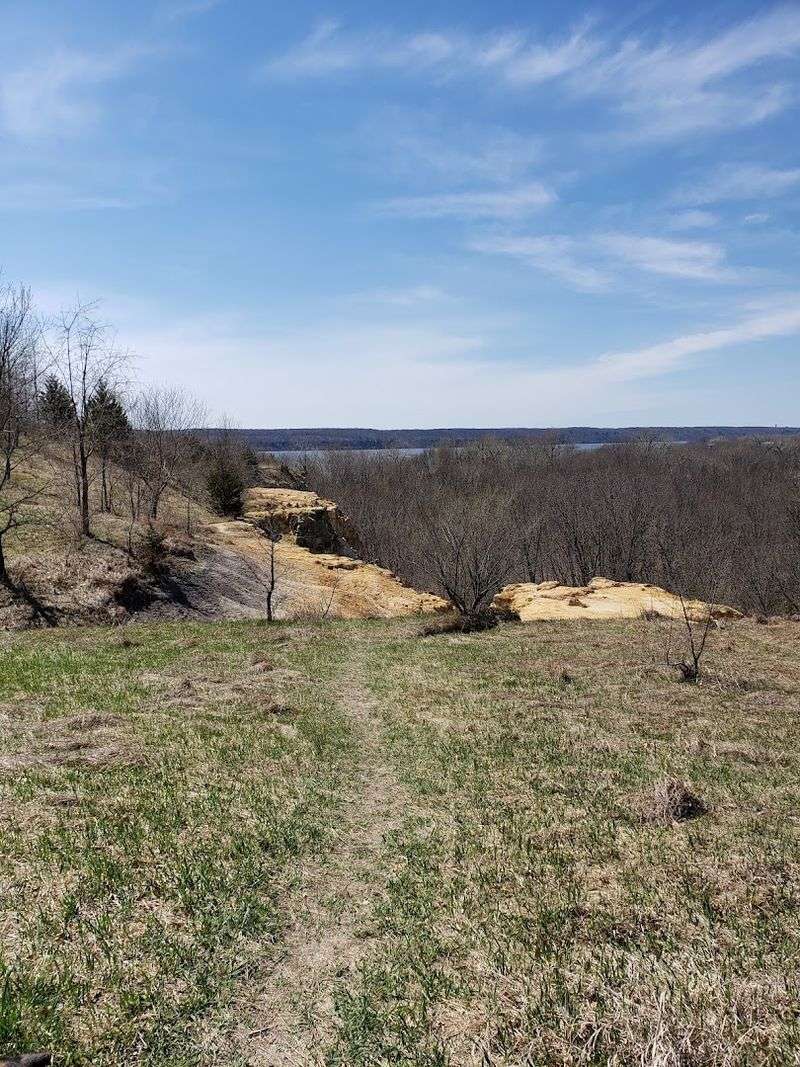
From the top, the Illinois River stretches out wide and calm below, framed by tree lines on both banks. On a clear day, the contrast between the dark water, the pale sandstone cliffs, and the surrounding green landscape is genuinely striking.
The river trail leads you along the edge of the bluff, and there are several spots where you can pause and look out over the water. The most dramatic rock face is tucked slightly off the main path, so it catches some visitors by surprise the first time they come around a bend and suddenly have nothing but open air and river in front of them.
A walking stick or trekking pole is helpful if you want to navigate some of the steeper sections near the rock overlook. The footing can be uneven, and confidence on your feet matters more here than physical fitness.
Fall is widely considered the best season for the bluff views, when the tree canopy turns orange and gold and the whole scene looks almost too good to be real.
Trails That Work for Almost Everyone
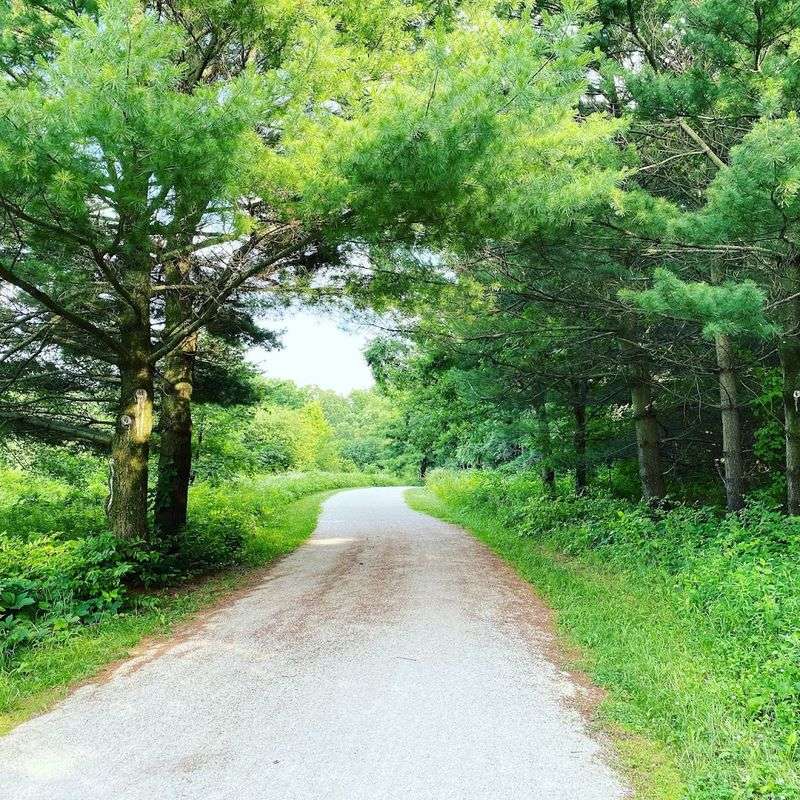
Not every state park trail is created equal, and Buffalo Rock stands out for offering routes that are genuinely manageable for a wide range of visitors.
The main trails run along the river bluff and through prairie and savanna terrain, with most of the path either flat or gently rolling. Compared to the stair-heavy climbs at nearby Starved Rock, the trails here feel almost like a reward for tired legs.
The gravel path that traces the river’s edge is wide enough for side-by-side walking and has been described as stroller-compatible, which is a real bonus for families with young children. Total trail distance for a full loop comes in around three miles, which is enough to feel like a real outing without being exhausting.
Wildlife sightings along the trail are common. Birds are everywhere, and patient walkers have spotted eagles riding thermals above the river.
Deer, wild turkeys, and various small animals make appearances throughout the year.
One note: the trail to the best overlook has reportedly been closed for an extended period due to missing railings, so checking with the park before your visit is a good idea if that specific viewpoint is on your must-see list.
Picnicking and Open Green Space to Spread Out
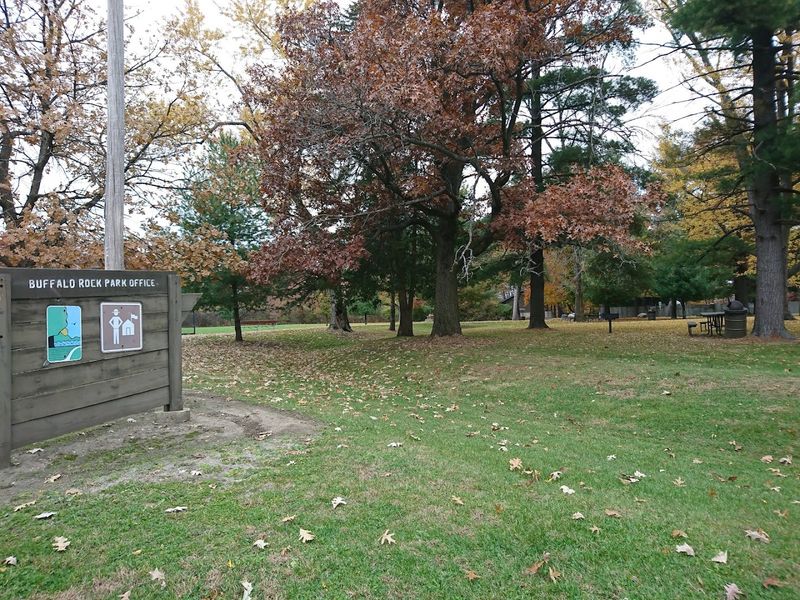
Buffalo Rock is not just a hiking destination. A generous stretch of open green space makes it one of the more relaxed spots in the region for a proper outdoor meal.
The park has multiple picnic areas with tables scattered across the grounds, along with at least one covered shelter that includes a fireplace, which is a surprisingly cozy detail for a state park. The grounds are consistently described as clean and well-maintained, which matters when you are trying to enjoy a meal outdoors.
Families with kids have plenty of room to spread out. There is a playground on site, and a baseball field adds another option for groups that want to be active between snacks.
The open layout means children have space to run without wandering too close to trail edges or the bison enclosure.
Spring and early fall tend to offer the most comfortable picnicking weather, when temperatures are mild and the foliage is either fresh or colorful. Summer visits are perfectly fine but can get warm on the exposed bluff sections, so packing extra water is smart.
Restroom facilities are available on site, with flush toilets during the warmer months and a clean outhouse available year-round for winter visitors.
Wildlife Beyond the Bison Enclosure
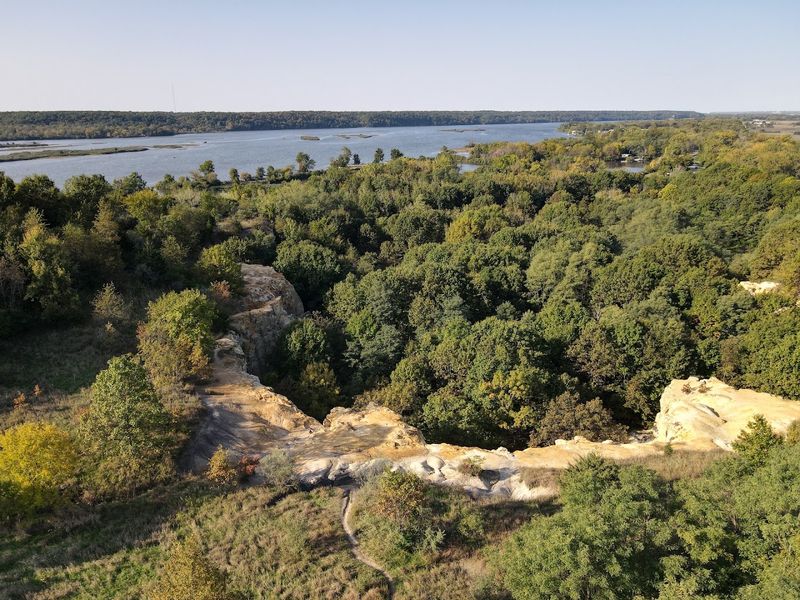
The bison get most of the attention, but the wildlife at Buffalo Rock extends well beyond the fenced enclosure near the parking lot.
The park’s mix of habitats, including savanna, prairie, and riverbank forest, creates ideal conditions for a wide variety of animals. Bird watchers in particular find this park rewarding throughout the year, with many species moving through during migration seasons.
Bald eagles are spotted here with some regularity, especially during cooler months when they hunt along the river. Seeing one glide low over the bluff is the kind of moment that makes you stop walking and just watch until it disappears.
White-tailed deer are common in the early morning and late afternoon hours, often spotted grazing at the edges of the prairie sections. Wild turkeys also appear on occasion, strutting through the grass with a confidence that suggests they own the place.
The diversity of bird species is particularly impressive. Visitors have counted multiple species in a single outing, from woodpeckers working the tree trunks to songbirds filling the canopy with sound.
For anyone who enjoys wildlife observation alongside a manageable hike, Buffalo Rock delivers a consistently satisfying experience without requiring specialized gear or expert-level trail skills.
How Buffalo Rock Compares to Its Famous Neighbors
LaSalle County is home to three state parks within a short drive of each other, and Buffalo Rock is the quietest of the trio by a wide margin.
Starved Rock draws enormous crowds with its dramatic canyons and waterfalls. Matthiessen offers similarly rugged terrain with a slightly smaller footprint.
Buffalo Rock, by contrast, trades vertical drama for horizontal calm, offering flat trails, open views, and a more relaxed pace overall.
That difference is actually its strongest selling point for certain visitors. After a morning of climbing stairs at Starved Rock, arriving at Buffalo Rock feels like switching from a sprint to a comfortable walk.
The park handles that role well and without apology.
Trail signage at Buffalo Rock has been a recurring complaint from visitors, with several noting that directional markers and informational signs are missing or in poor condition. Downloading a trail map before arriving saves frustration and lets you focus on the scenery rather than figuring out where you are.
The park also sees far less foot traffic than its neighbors, which means quieter trails and a better chance of having a viewpoint to yourself. For visitors who prefer their nature without a crowd, that alone makes Buffalo Rock worth the short detour.
The Nearby Gun Range and What to Expect
One detail that catches some visitors off guard is the sound of gunshots echoing through the park from a nearby shooting range. It is worth knowing about before you arrive so it does not come as a surprise mid-hike.
The range is not part of the park itself, but it sits close enough that the sound carries, particularly on weekends when activity there tends to be higher. Weekday visits are noticeably quieter, and many regulars specifically recommend going on a Tuesday or Wednesday morning if peace and quiet are a priority for you.
The sound does not affect the scenery, the trails, the bison, or any other feature of the park. It is purely an audio experience, and some visitors tune it out entirely after a few minutes while others find it more distracting.
Families with young children or visitors seeking a meditative outdoor experience may want to plan accordingly. Early morning arrivals on weekdays tend to offer the most tranquil conditions.
The park itself has no control over the neighboring range, so it is one of those trade-offs you weigh before deciding when to visit. Most people who go still rate the overall experience positively and say the park is worth it regardless.
Tips for Planning Your Visit to Buffalo Rock
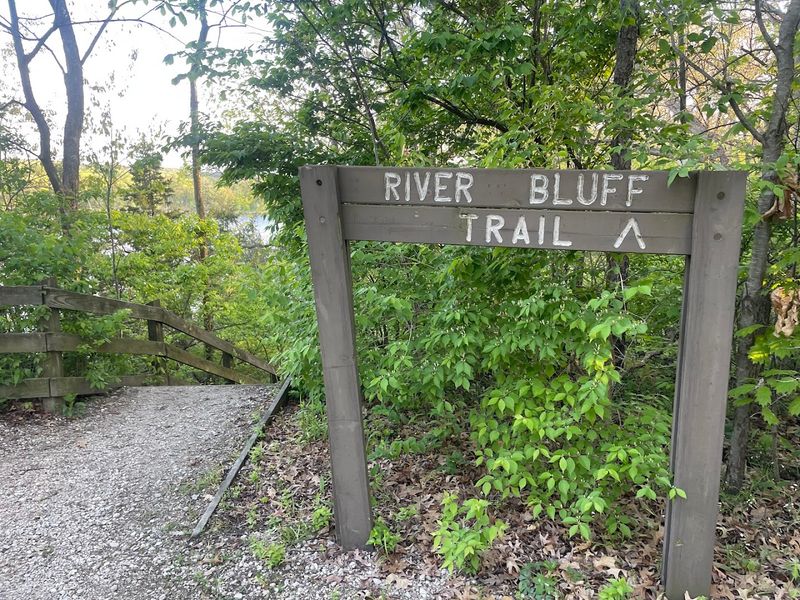
A little planning goes a long way at Buffalo Rock, especially since some of the informational signage on the trails has seen better days.
The park is open daily from 8 AM to 7 PM, and arriving right at opening gives you the best chance of having the bison enclosure and bluff views to yourself. Free admission means there is no budget pressure, and the spacious parking area accommodates everything from compact cars to full-size RVs.
Wear comfortable walking shoes with some grip, particularly if you plan to explore near the rock overlook. The main gravel path is easy going, but a few sections near the bluff edge are rougher underfoot and benefit from proper footwear.
Pack water, especially in warmer months, since there are no water fountains along the trail itself. Bringing a small snack is also smart if you plan to combine the effigy trail with the river bluff loop, which together cover a few miles.
Fall is an excellent time to visit for the foliage, while spring brings migrating birds and fresh green growth along the river. Winter visits are possible and surprisingly pleasant, with cleaner sightlines through the bare trees and dramatically fewer fellow hikers to share the bluff with.
Share this story