There is a museum in Worcester, Massachusetts, where you can stand face-to-face with a full suit of medieval armor, then walk a few steps to grab a coffee and a sandwich. That combination sounds unusual, but at this museum, it works perfectly.
The museum holds one of the most wide-ranging art collections in New England, covering everything from ancient Egyptian artifacts to European masterworks, and it does all of this without feeling overwhelming or stuffy. Whether you are an art lover, a history fan, or just someone looking for a genuinely interesting afternoon, this place delivers something most museums simply cannot match.
The Higgins Armor Collection That Started Everything
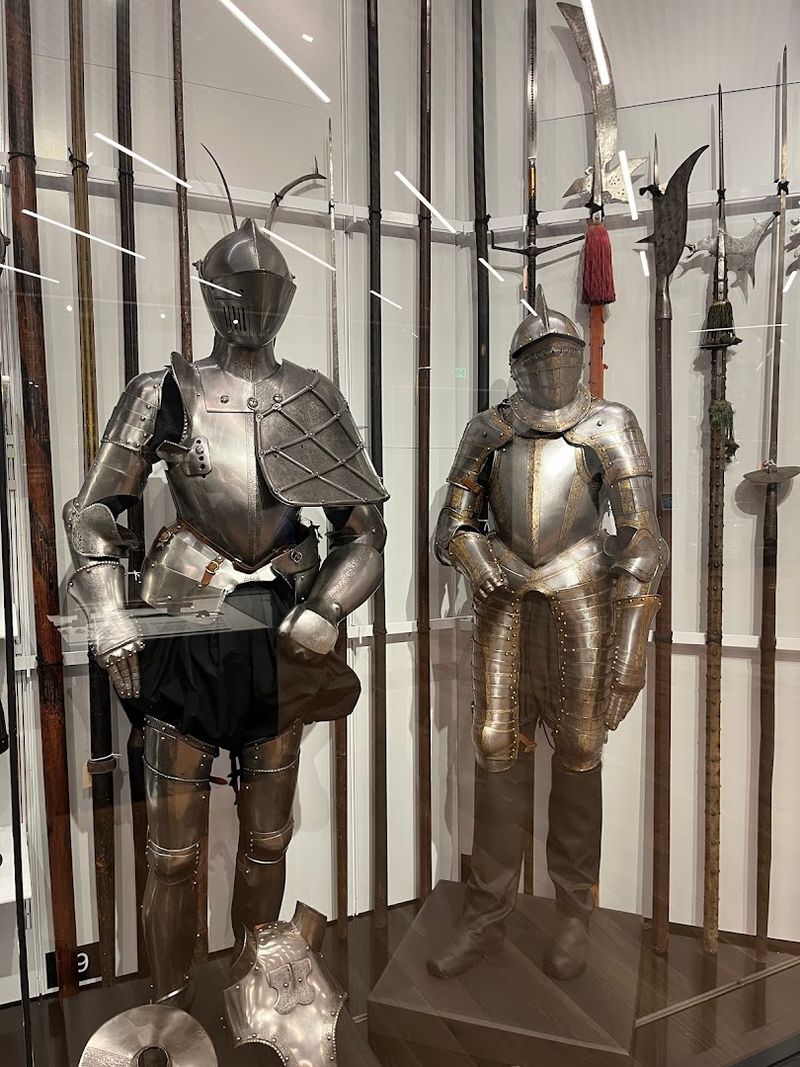
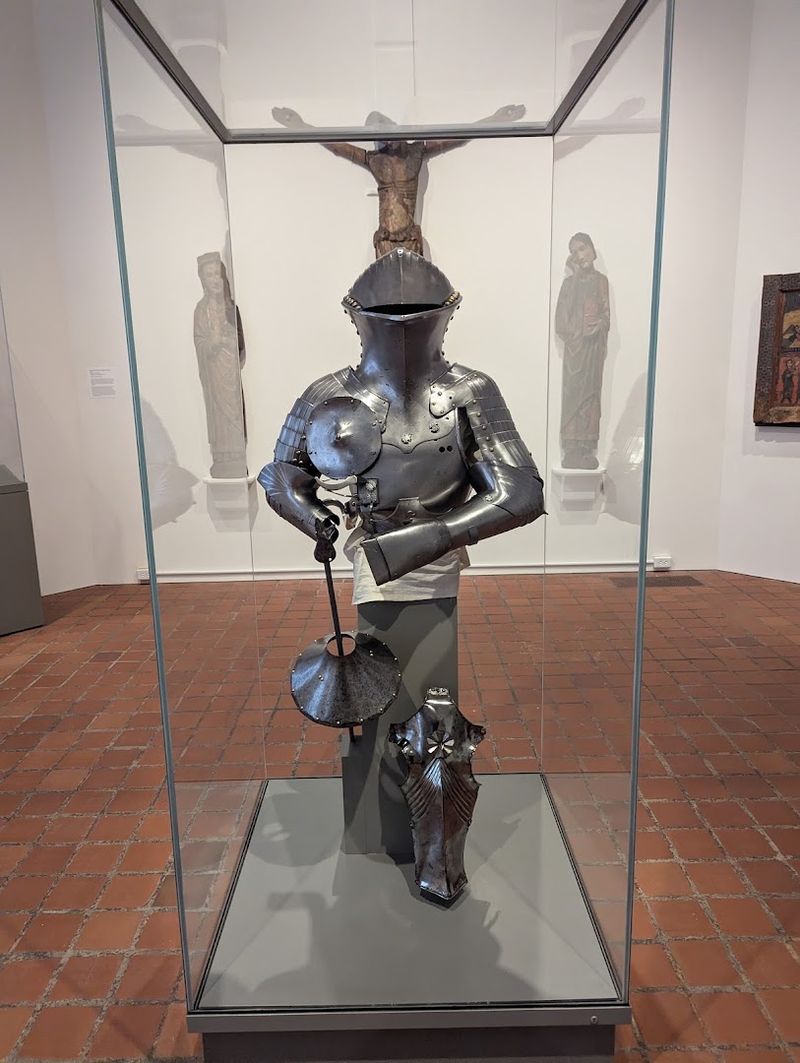
The armor collection at the Worcester Art Museum is the kind of thing that stops people mid-step. The Higgins Armory collection, originally housed in its own dedicated museum before that institution closed, found a permanent home at WAM and has been expanded and redesigned into one of the most thoughtfully presented armor exhibitions in the entire country.
The collection occupies two large rooms. The first is a curated showcase that takes roughly 20 to 30 minutes to explore properly, though many people spend far longer.
The second room is an open storage space that could genuinely keep a curious person occupied for hours, with piece after piece displayed with careful labeling and context.
Digital tablets throughout the gallery let visitors read detailed information about individual pieces, and QR codes connect to an easy-to-use website where each numbered item gets its own full entry. It is an unusually modern and accessible approach to presenting historical objects that span centuries of craftsmanship.
Try On a Helmet, Hold a Sword
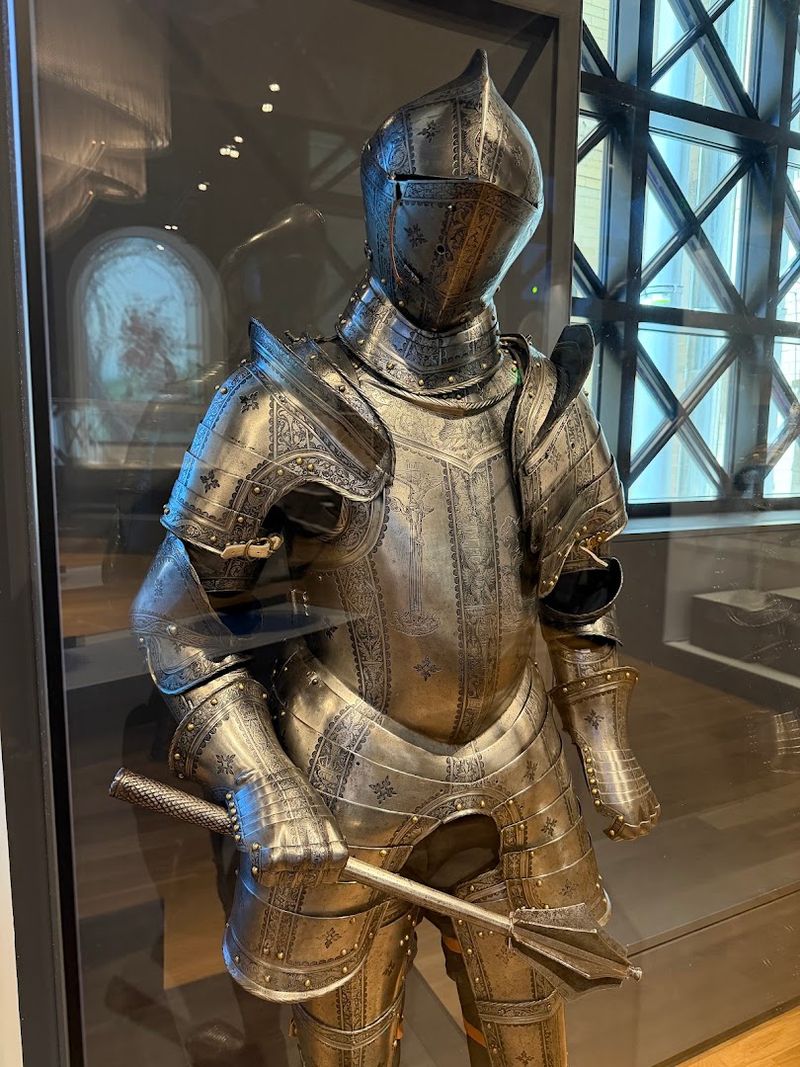
Not every museum lets you touch the exhibits, but the armor section at WAM takes a hands-on approach that sets it apart from more traditional galleries. Visitors can actually try on a knight’s helmet and hold real swords, turning what could be a passive viewing experience into something far more engaging and memorable.
That kind of direct interaction with historical objects makes the age and craftsmanship of the pieces feel real in a way that reading a placard simply cannot replicate. Kids are particularly enthusiastic about this part of the visit, but adults tend to linger just as long once they realize the opportunity is genuine.
The interactive element was part of the redesign that followed the absorption of the Higgins Armory collection, and it reflects a deliberate choice by the museum to make medieval history accessible rather than distant. The result is a section that appeals equally to first-time museum visitors and people who have been following armor history for years.
A French Chapter House From 1150 AD
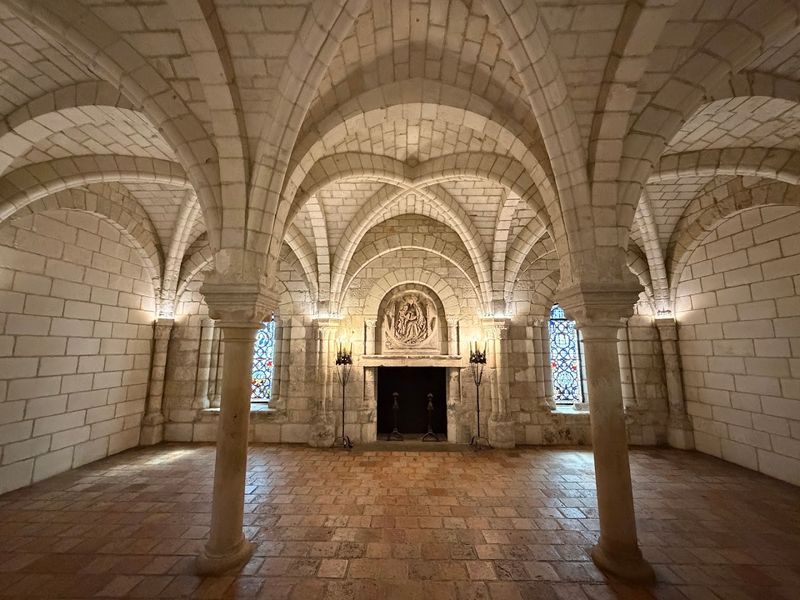
One of the most extraordinary things inside the Worcester Art Museum is something many first-time visitors do not expect at all. The museum houses an actual French chapter house dating to around 1150 AD, making it one of the earliest European buildings ever disassembled and shipped to the United States.
That is not a reproduction or a replica. The stones were transported from France and reassembled inside the museum, creating a genuine medieval architectural space that visitors can walk through and experience directly.
The scale and age of the structure tend to produce a quiet kind of awe that is hard to manufacture with conventional exhibits.
Seeing a building that old standing intact inside a Massachusetts museum reframes the entire visit. It connects the armor collection, the European paintings, and the ancient artifacts into a single coherent story about how human creativity and craft have evolved across thousands of years.
Few museums outside major metropolitan centers can offer anything comparable to this.
Ancient Artifacts From Egypt and Sumer
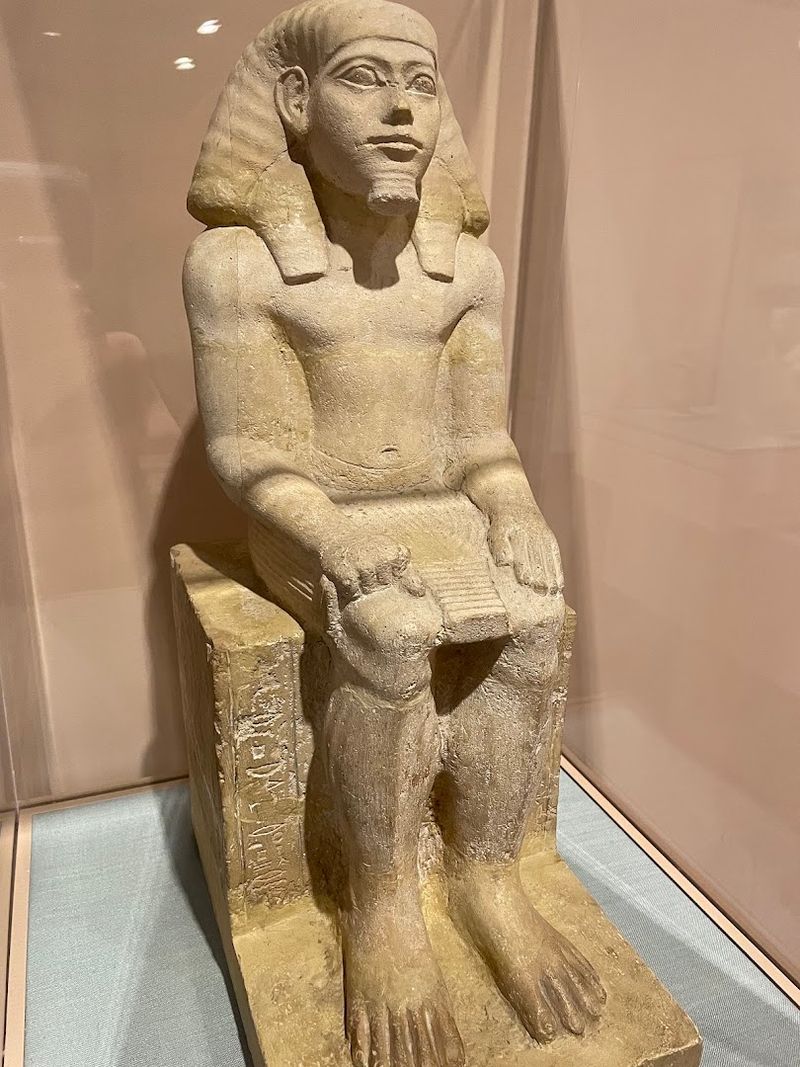
Before medieval knights ever buckled on their armor, civilizations in Egypt and Mesopotamia were already producing objects of remarkable complexity and beauty. The Worcester Art Museum holds a collection of ancient artifacts that includes Egyptian mummies and Sumerian cuneiform tablets, placing the museum in a category that most people reserve for institutions in major cities.
Cuneiform tablets are among the earliest forms of written communication ever produced, and seeing them in person next to Egyptian funerary objects creates a surprisingly powerful timeline of early human history. The juxtaposition is something a textbook cannot fully convey.
For families visiting with children, this section of the museum offers a natural entry point into conversations about ancient history that feel grounded and real rather than abstract. The objects are well-labeled and the displays are clean and accessible.
Finding this level of ancient world coverage in Worcester, Massachusetts, is the kind of discovery that keeps people recommending the museum to friends long after their visit ends.
European Masters Worth the Trip Alone
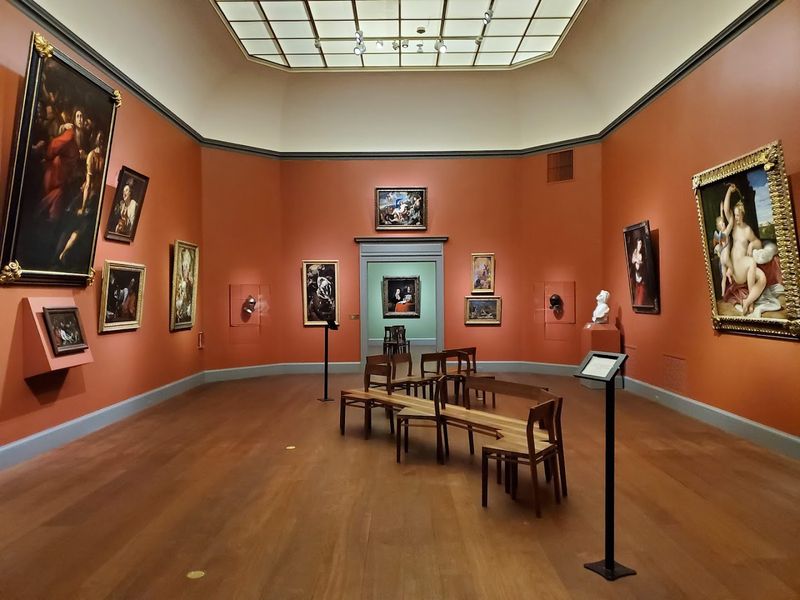
The European art collection at WAM covers the major movements and artists with a depth that consistently surprises first-time visitors. Works by Monet and Renoir are present, and the museum also holds what many consider one of the finest El Greco paintings in the entire United States, ranking it alongside holdings at institutions like the Metropolitan Museum and the Frick Collection.
There is also a rare opportunity to see paintings by Pieter Bruegel the Elder and Pieter Bruegel the Younger displayed side by side, which offers an unusually direct comparison of two generations of one of the most important artistic families in European history. That kind of curatorial decision reflects genuine thought about how visitors learn and engage.
The collection avoids the filler works that tend to dilute larger city museums. Every piece feels chosen with intention, and the overall effect is a European gallery that rewards careful attention rather than quick glances.
It is a compact collection that carries serious weight.
The Renaissance Court and Its Architecture
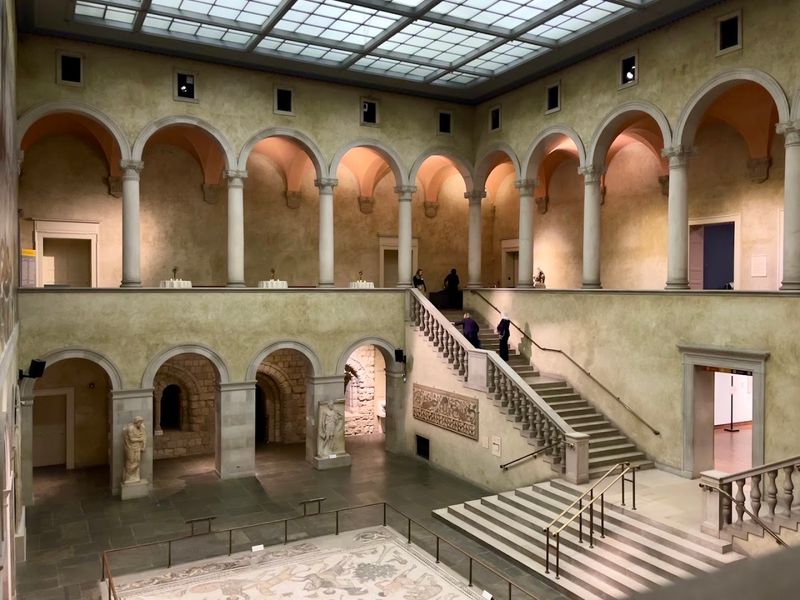
The Renaissance Court is one of the architectural highlights of the Worcester Art Museum building itself. With massive mosaics, open arches, and a scale that feels genuinely grand, the space serves as a dramatic connector between different wings of the museum and functions as a destination in its own right.
The court has also proven to be a popular event venue, hosting weddings and private gatherings that take advantage of the dramatic surroundings. The combination of art-filled galleries and this central architectural showpiece creates an atmosphere that event organizers and guests consistently describe as unlike anything else in the region.
Even on a standard museum visit, the Renaissance Court provides a natural pause point where the building itself becomes part of the experience. The scale of the mosaics and the height of the arches communicate something about the ambition behind the original construction that no single exhibit can match.
It is the kind of architectural space that makes the entire visit feel more significant.
Coffee and Sandwiches Inside the Museum

The title of this article is not exaggerating. The Worcester Art Museum genuinely pairs medieval armor with coffee and sandwiches, and that combination is part of what makes a visit here feel complete rather than rushed.
The on-site cafe gives visitors a place to rest, recharge, and extend their time in the building without needing to leave and find somewhere nearby.
Museum cafes vary enormously in quality and atmosphere, but having one available at WAM means that a half-day visit can stretch comfortably into a full afternoon without anyone running out of energy. Families with younger children especially benefit from a built-in rest stop that keeps the group together and happy.
The gift shop sits adjacent to the cafe, creating a natural end-of-visit loop that covers coffee, browsing, and the chance to pick up something to remember the day. A beautifully illustrated book detailing each piece in the armor collection is available for purchase there, making it one of the more thoughtful gift shop offerings in the region.
Seasonal and Rotating Exhibits That Keep It Fresh
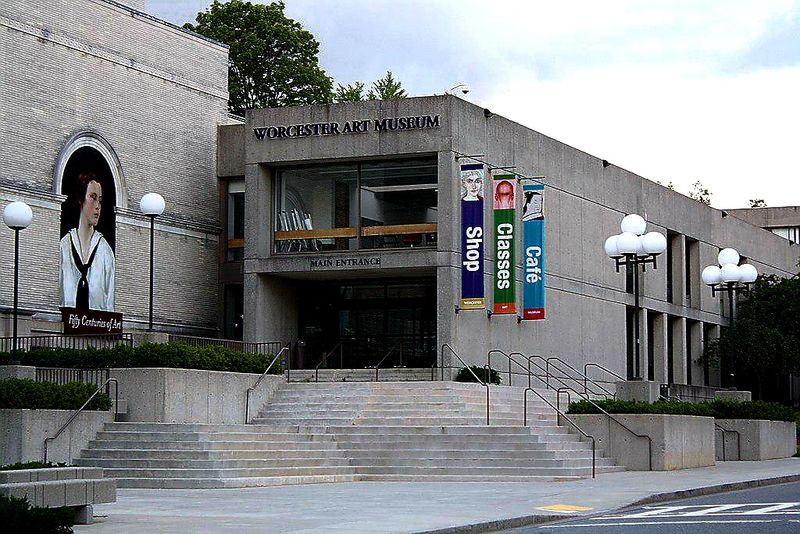
Beyond its permanent collection, the Worcester Art Museum runs a rotating calendar of special exhibitions that give returning visitors strong reasons to come back. The Flora in Winter exhibit is one of the most beloved annual events, bringing together local floral artists who design arrangements specifically to accompany selected works from the permanent collection.
The pairing of fresh floral design with existing artwork creates a layered viewing experience that changes the way people see both the flowers and the paintings. Docents during these events are consistently noted for their knowledge and enthusiasm, adding a conversational dimension that enriches the visit considerably.
Other recent exhibitions have explored climate and weather through an artistic lens, and the museum has hosted events tied to Nordic cultural traditions, including a Lucia Fest celebration that drew on Scandinavian heritage in a New England setting. The variety of programming reflects a curatorial team that thinks carefully about how to serve both regular members and first-time visitors across the full calendar year.
Admission, Membership, and Practical Details
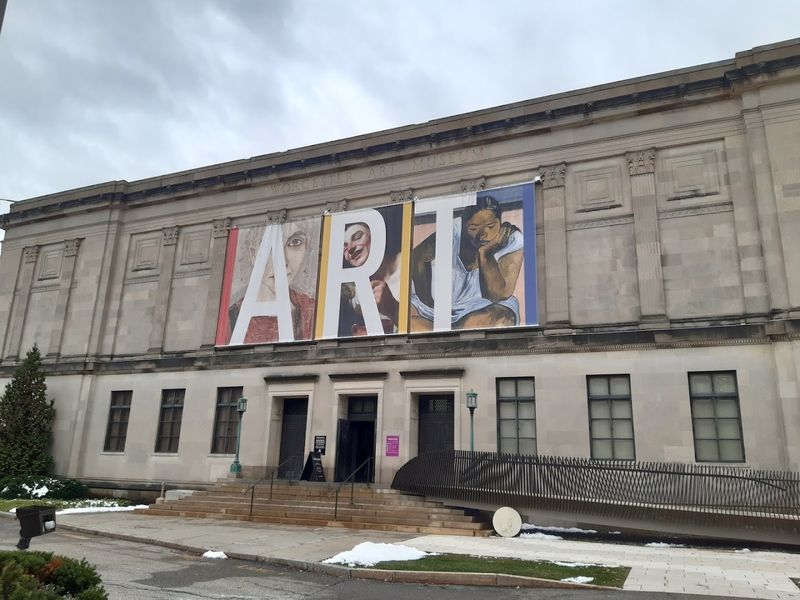
General admission to the Worcester Art Museum is $22, a price that reflects the depth and quality of the collection rather than a casual afternoon stroll. The Arms and Armor exhibit alone draws consistent praise as worth the full admission price, and that is before accounting for the European masters, the ancient artifacts, the French chapter house, and the rotating exhibitions.
For frequent visitors, a museum membership costs $70 annually and includes access to a private parking lot along with advance viewing privileges for special exhibitions. Local library cardholders can access half-price tickets through a library pass program, which makes the museum significantly more accessible for residents who visit regularly.
Timed entry tickets for the armor exhibit should be reserved online in advance, as only a limited number of visitors are allowed in at one time. That cap keeps the experience comfortable and unhurried, which is a meaningful advantage over larger institutions where crowding can make careful looking difficult.
Planning ahead pays off here.
Why Worcester Deserves More Credit
Worcester does not always get the recognition it deserves as a cultural destination, but the presence of an institution like WAM makes a strong case for the city. The museum holds a collection that punches well above its weight relative to the size of the community it serves, and the ongoing investment in new acquisitions and redesigned galleries signals that the ambition here is not slowing down.
Several well-regarded local restaurants sit within easy walking distance of the museum, making it straightforward to build a full day around a visit. The combination of free nearby parking, a strong permanent collection, rotating exhibitions, interactive elements, and an on-site cafe creates a package that competes comfortably with much larger institutions in bigger cities.
For anyone within reasonable driving distance of central Massachusetts, the Worcester Art Museum represents one of the more rewarding cultural stops in the entire region. The medieval armor, the ancient world artifacts, the European paintings, and the coffee waiting at the end of the tour make for a day that is genuinely hard to forget.
Where You Will Find It

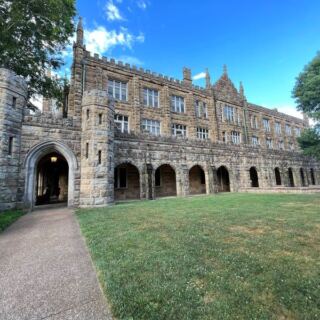
Right in the heart of Worcester, Massachusetts, the Worcester Art Museum sits at 55 Salisbury St, Worcester, MA 01609. The building itself carries a classical architectural presence that signals something serious is happening inside, but the atmosphere once you enter is far more welcoming than its grand exterior suggests.
The museum is open Wednesday through Sunday from 10 AM to 4 PM, and it is closed on Mondays and Tuesdays. That schedule makes it an ideal weekend destination for families, couples, or solo visitors who want to fill a free afternoon with something genuinely worthwhile.
Parking is not a problem here, which is a rare advantage for any city museum. A large free lot sits right across the street, removing one of the most common headaches that come with urban museum visits.
Getting there is straightforward, and the location puts several good local restaurants within easy walking distance for after your tour.
Share this story