Tennessee has a way of keeping history close. Across the state, you can walk through the actual rooms where presidents lived, where Civil War families took shelter, and where writers grew up hearing stories that would one day change American literature.
These are not recreations or replicas. They are the real buildings, the real grounds, and in many cases, the real furnishings.
Whether you are planning a road trip through Middle Tennessee or looking for a meaningful day trip from Nashville, this list covers twelve historic homes and estates that are genuinely worth your time. Some are grand and well-known.
Others are quieter and less crowded, but just as compelling. All of them are open to visitors and offer something you cannot get from a history book alone.
Andrew Jackson’s Hermitage, Nashville
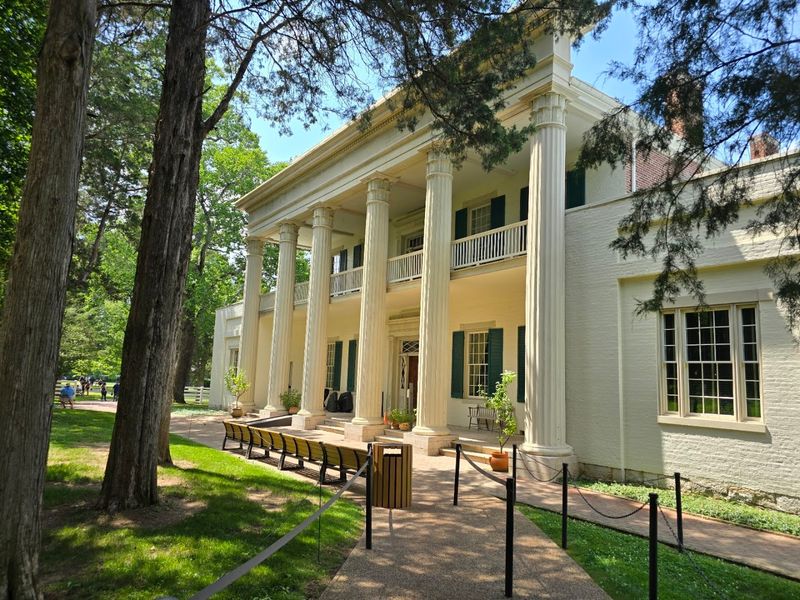
Few historic homes in the entire country carry as much weight as The Hermitage, the estate of the seventh U.S. president just outside Nashville. The property spans over 1,000 acres and includes the main mansion, formal gardens, historic outbuildings, and Jackson’s tomb.
What makes this visit stand out is the honest storytelling. The site does not shy away from the full history, including the lives of the enslaved people who lived and worked on the grounds.
Interpretive exhibits address this history directly, giving visitors a more complete picture of the estate’s past.
The mansion itself features original furnishings, wallpaper, and personal items connected to Jackson and his family. Admission includes a guided mansion tour and access to the museum.
The official Hermitage visitor page has current hours and pricing. For anyone interested in early American political history paired with a genuinely impressive estate, this is one of Tennessee’s most complete historic experiences.
Belle Meade Historic Site, Nashville
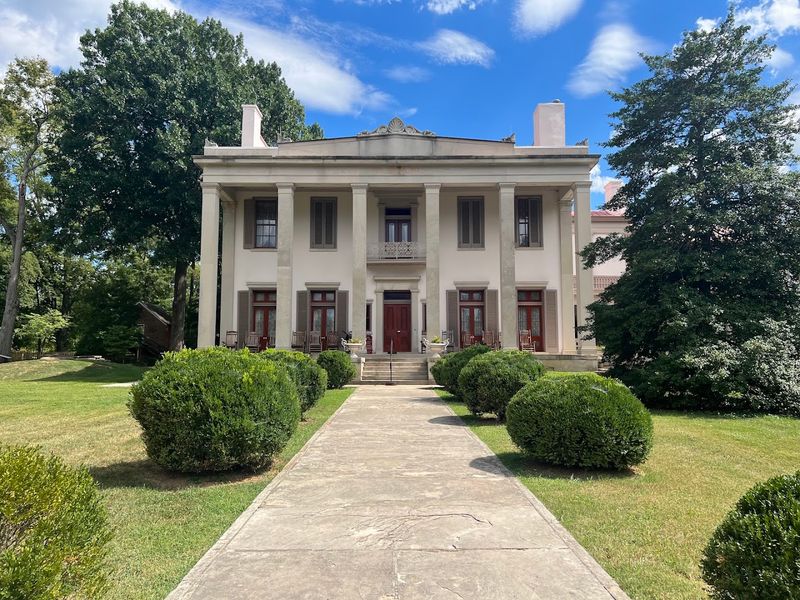
Belle Meade is the kind of estate that feels grand the moment you pull onto the property. The mansion anchors a large Nashville historic site that traces the story of one of Tennessee’s most prominent 19th-century families and their connection to the state’s horse-breeding industry.
Tours run throughout the day from 9 a.m. to 5 p.m., and guides walk visitors through the mansion’s rooms while explaining both the Harding-Jackson family history and the roles played by enslaved workers who kept the estate running. The site includes several original outbuildings, a carriage house, and well-maintained grounds.
Belle Meade sits in one of Nashville’s most recognizable neighborhoods, making it easy to pair with other city stops. The interpretive approach here has been updated in recent years to reflect a fuller, more layered history.
It is a well-organized attraction that rewards visitors who take their time rather than rushing through.
Cheekwood Estate and Gardens, Nashville
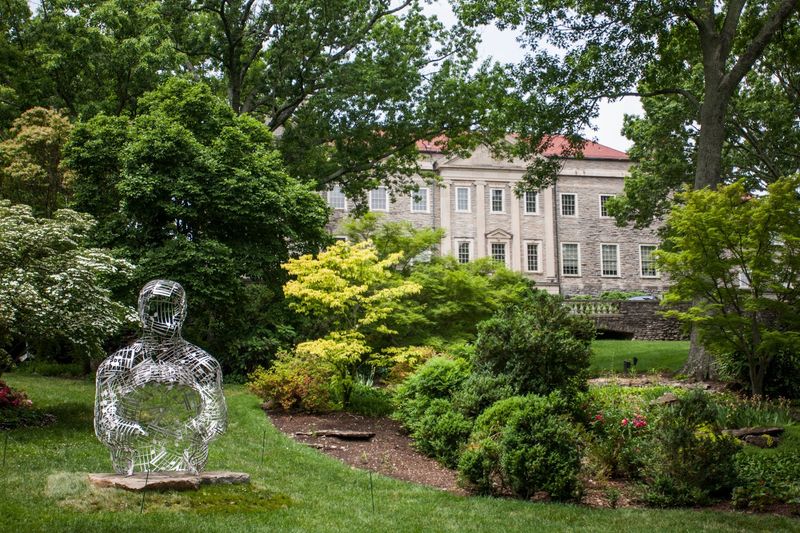
Cheekwood works on a different scale than most historic homes. Spread across 55 acres in Nashville, the former Cheek family estate combines a Georgian Revival mansion, an art museum, and one of Tennessee’s most impressive botanical gardens into a single destination.
The mansion was completed in 1932 and features period rooms, decorative arts, and rotating art exhibitions. Outside, the gardens are organized into distinct areas, including a Japanese garden, a herb garden, a water garden, and seasonal display areas that change throughout the year.
Cheekwood is open Tuesday through Sunday, with select holiday closures noted on its official site.
Because there is genuinely a lot to see here, most visitors spend several hours on the property. It works well as a full morning or afternoon outing.
Families, garden enthusiasts, and architecture fans all find something worth their attention. Admission pricing and parking details are available on the Cheekwood website.
Belmont Mansion, Nashville
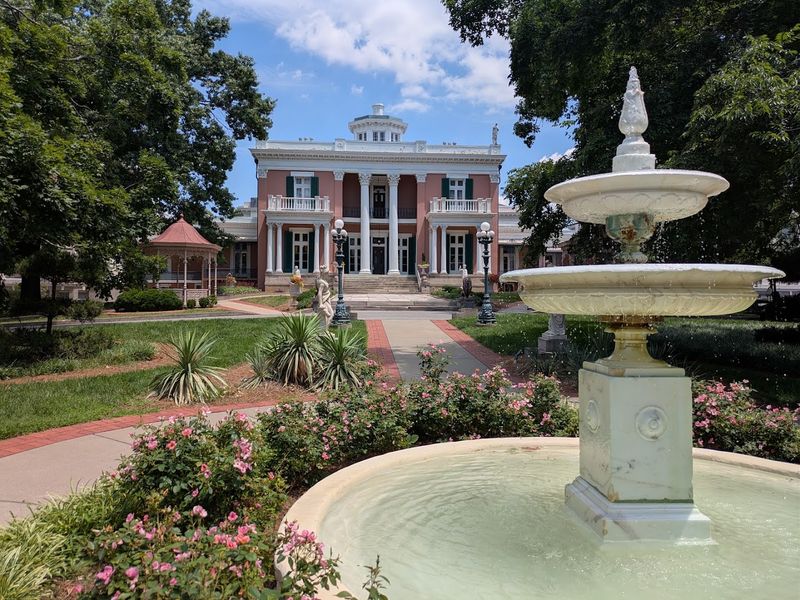
Belmont Mansion is one of the most architecturally striking homes surviving from 1850s Nashville. Built for Joseph and Adelicia Acklen, the Italianate villa sits on the Belmont University campus and gives visitors a direct look at the ambitions and tastes of one of antebellum Nashville’s wealthiest households.
Adelicia Acklen was a fascinating historical figure in her own right. She managed the estate, navigated the Civil War with unusual independence, and built a life that defied many expectations of the era.
The mansion’s interiors reflect her influence, with elaborate decorative details, imported furnishings, and a scale that sets it apart from other Nashville historic homes.
Tour information and visitor planning details are available on the official Belmont Mansion website. The location near downtown Nashville makes it easy to include on a city itinerary without a long drive.
For visitors who want antebellum architecture paired with a genuinely compelling personal history, Belmont Mansion delivers both.
Travellers Rest Historic House Museum, Nashville
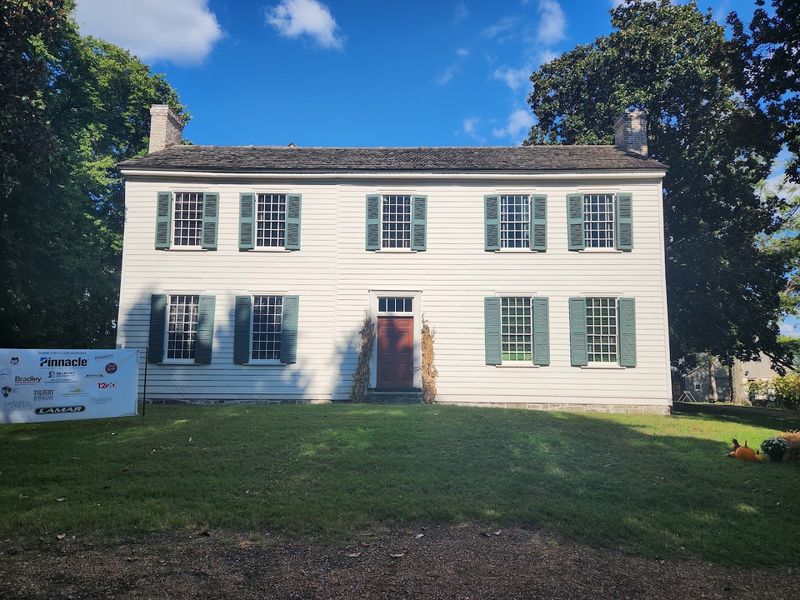
Built around 1799, Travellers Rest is one of the oldest historic house museums open to visitors in Nashville. The home belonged to John Overton, a prominent early Tennessee figure, lawyer, and close associate of Andrew Jackson.
The property carries history from multiple eras, including early Native settlement, frontier expansion, and the Civil War period.
Tours run Tuesday through Saturday, with guides covering the house, exhibits, and grounds. The site interprets not only the Overton family story but also the lives of enslaved people connected to the property and the landscape’s role during the Battle of Nashville in 1864.
Travellers Rest tends to draw a more history-focused crowd than some of Nashville’s larger attractions, which gives it a quieter, more personal visit experience. The property sits within the city but feels removed from the busier tourist areas.
For travelers who want early Tennessee history without the crowds, this is a rewarding stop worth planning ahead for.
Carter House, Franklin
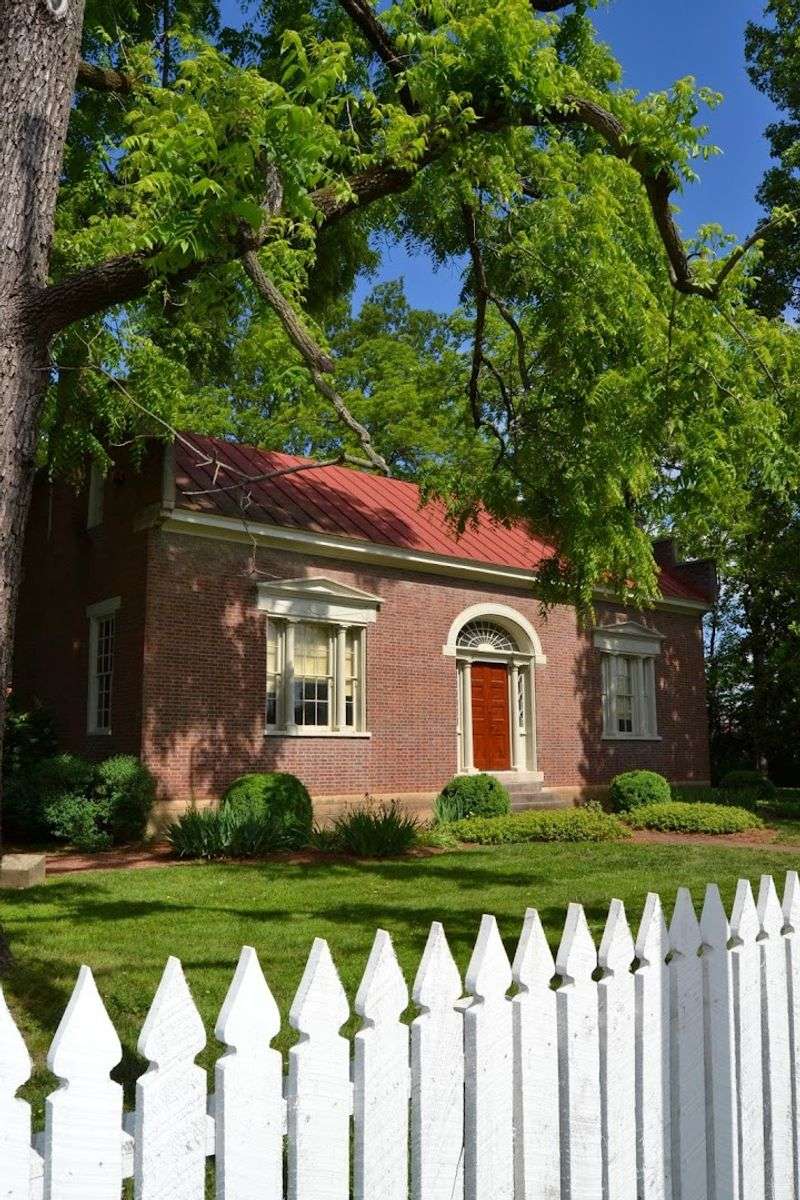
The walls of Carter House still carry the marks of one of the Civil War’s most intense engagements. Built in 1830, the home sat at the center of the Battle of Franklin on November 30, 1864, and the Carter family sheltered in the basement as the fighting swept directly through their property.
Today the house is managed by the Battle of Franklin Trust and is open for tours Monday through Saturday from 9 a.m. to 5 p.m. and Sunday from 10 a.m. to 5 p.m. Visitors tour the house, outbuildings, and grounds while guides explain both the military history and the civilian experience of that day.
The bullet holes still visible on the outbuildings are among the most striking physical reminders of the battle that remain anywhere in Tennessee. Carter House pairs well with a visit to nearby Carnton for a fuller picture of the Battle of Franklin and its lasting impact on this part of Middle Tennessee.
Carnton, Franklin
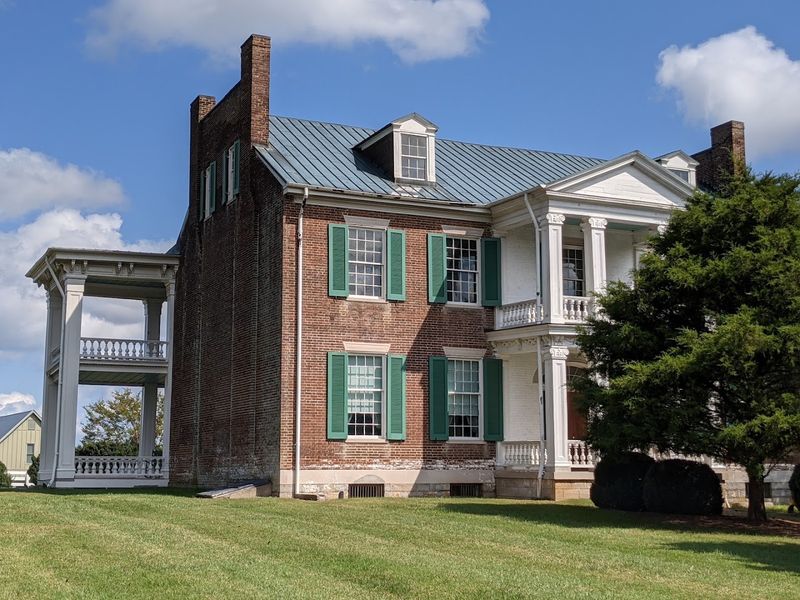
Carnton carries a quiet gravity that visitors tend to feel as soon as they arrive. Built in 1826, this Middle Tennessee farmhouse became one of the most significant sites connected to the Battle of Franklin, serving as a field hospital after the fighting on November 30, 1864.
The mansion is managed by the Battle of Franklin Trust and is open Monday through Saturday from 9 a.m. to 5 p.m. and Sunday from 10 a.m. to 5 p.m. Guided tours cover the house’s history, the McGavock family who owned it, and the events that unfolded here during and after the battle.
The property also includes grounds with a Confederate cemetery nearby, which adds to the historical weight of the visit. Carnton and Carter House are close enough to visit on the same day, and many travelers plan exactly that.
For anyone with an interest in Civil War history or Southern plantation-era architecture, Carnton is one of Franklin’s most compelling stops.
Lotz House, Franklin
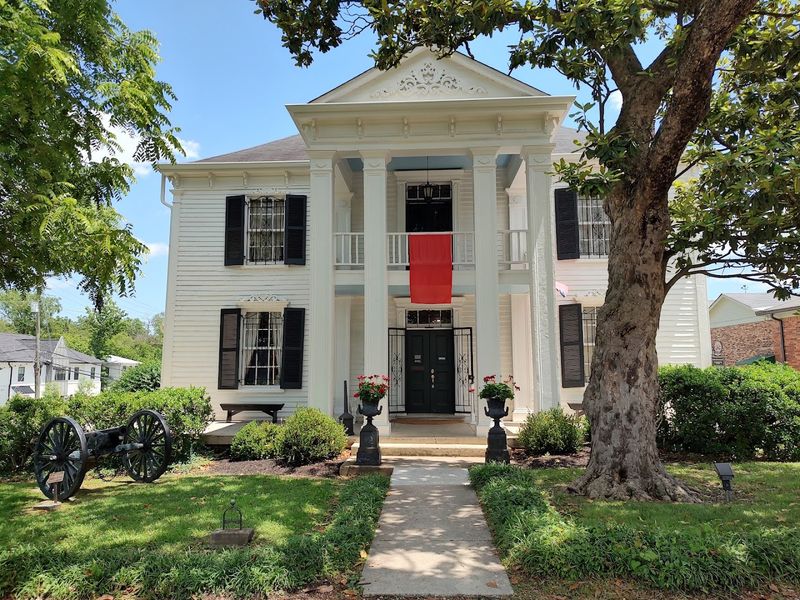
Johann Albert Lotz was a German immigrant and skilled craftsman who built his Franklin home with detailed woodwork that still impresses visitors today. The house sits near the heart of Franklin’s Civil War historic district and tells a story that is both personal and directly tied to the Battle of Franklin.
Inside, visitors find period furnishings, antiques, and battle artifacts that help explain what civilian life looked like before and during the fighting. The Lotz House offers several tour options, including standard house tours and specialty experiences focused on the battle and the family’s survival story.
Details are listed on the official Lotz House website.
Because it is a smaller house museum, Lotz House tends to offer a more intimate visit than some of the larger nearby sites. Guides here are known for detailed storytelling that brings the 1864 events to life in a very specific, human way.
It is a natural companion stop to both Carter House and Carnton just down the road.
Cragfont State Historic Site, Castalian Springs
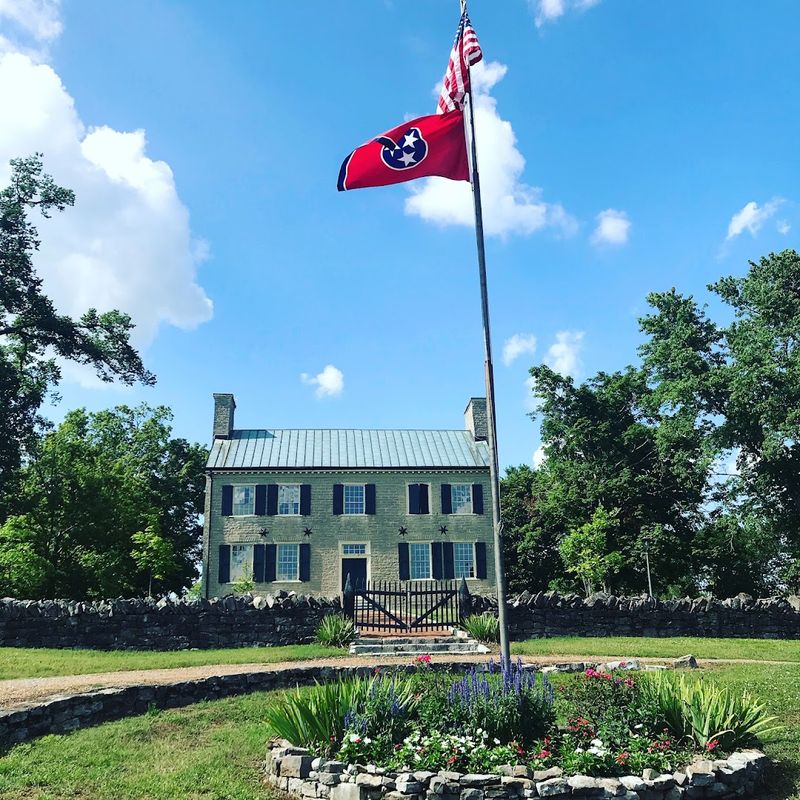
Cragfont is not on most tourists’ radar, and that is exactly what makes it worth seeking out. Located in Castalian Springs, this early Tennessee stone house was built between 1798 and 1802 for General James Winchester, one of the founders of Memphis and a key figure in early Tennessee history.
The Tennessee Historical Commission lists Cragfont as a state historic site, and guided tours are offered Thursday through Sunday during the operating season. Tours run at set times, so checking ahead before you go is a smart move.
The site also sits near Wynnewood, another historic property in the same area, which makes a combined visit very doable.
The architecture itself is notable. Cragfont is one of the oldest and best-preserved stone houses in Tennessee, and the interior reflects the lifestyle of a prosperous frontier-era family.
Visitors who enjoy early American history away from the busier Nashville attractions tend to find this a genuinely satisfying stop.
Historic Rock Castle, Hendersonville
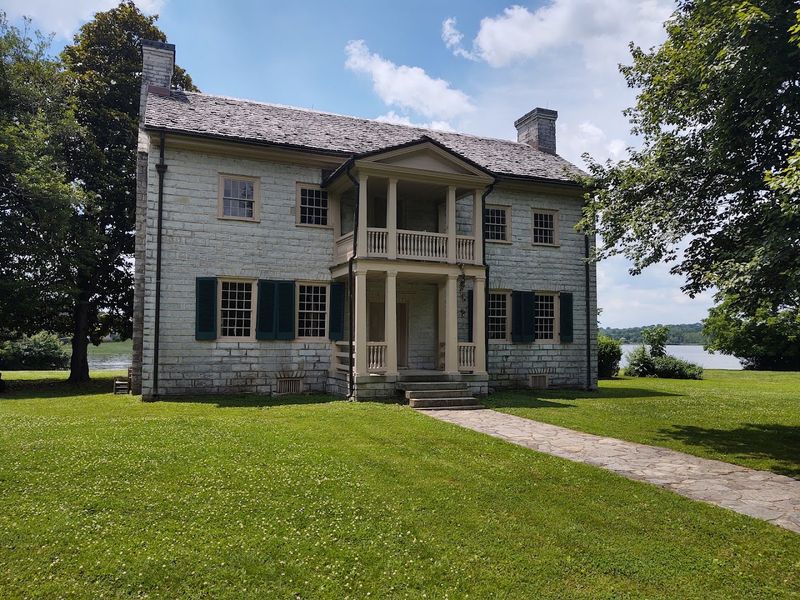
Rock Castle is one of Tennessee’s oldest stone houses still standing, built between 1784 and 1796 for Daniel Smith, a surveyor, senator, and key figure in early Tennessee statehood. The property sits in Hendersonville near Old Hickory Lake, giving the visit a scenic setting alongside its historical weight.
The Tennessee Historical Commission identifies Rock Castle as a state historic site, and guided tours are available on weekdays and Saturdays. The official website has current hours and tour scheduling details.
The house features period furnishings, original stonework, and exhibits that connect Smith’s life to the broader story of Tennessee’s early years as a state.
For travelers based in Nashville, Hendersonville is an easy drive that puts Rock Castle within reach for a half-day trip. The combination of frontier-era architecture, lakeside grounds, and a relatively uncrowded visit experience makes it a refreshing alternative to the larger, more heavily trafficked Nashville historic sites.
It is a quieter stop with real historical depth.
Historic Sam Davis Home and Museum, Smyrna
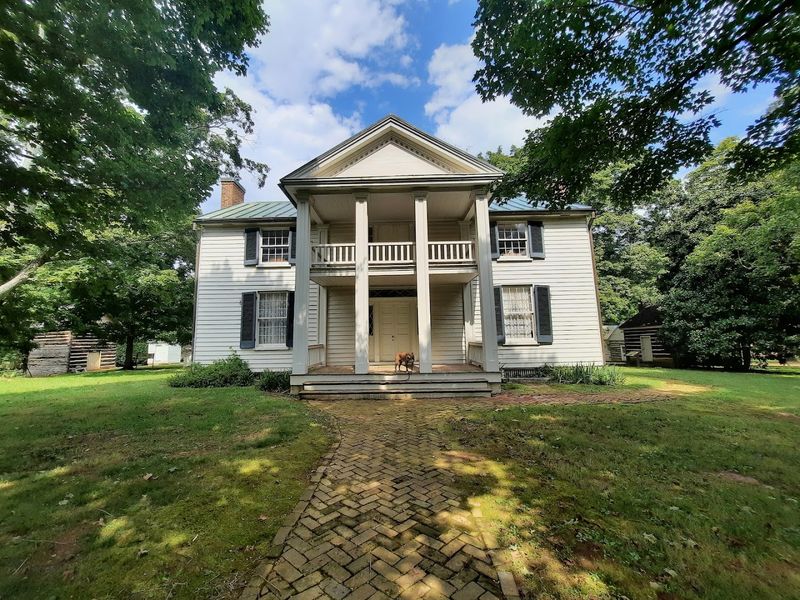
Sitting on 168 acres in Smyrna, the Sam Davis Home feels more like a working historic farm than a single house museum. The property includes a Greek Revival main house, multiple outbuildings, slave quarters, a family cemetery, and open acreage that gives visitors a real sense of mid-19th-century rural Tennessee life.
Sam Davis was a Confederate scout whose story became widely known in Tennessee after the Civil War. The museum and home interpret both his life and the broader history of the Davis family and the people connected to the property.
Visitors can tour the house and walk the grounds at a relaxed pace.
The official site describes the property as a historic and cultural landmark in Middle Tennessee. Because of the size of the estate, the visit has room to breathe in a way that smaller urban house museums do not.
Smyrna is a manageable drive from Nashville, making this an accessible choice for a meaningful day trip outside the city.
Alex Haley House Museum and Interpretive Center, Henning
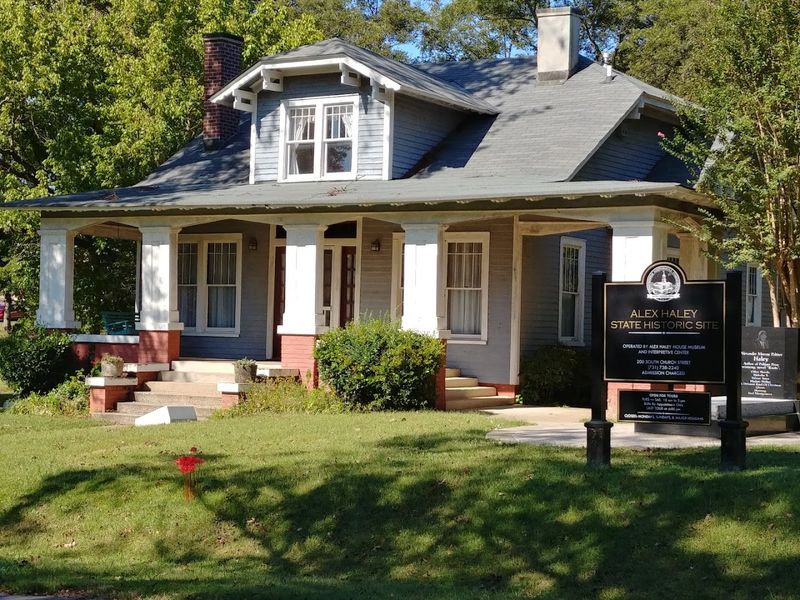
The small town of Henning, Tennessee holds a piece of American literary history. The Alex Haley House Museum preserves the childhood home connected to the author of Roots, one of the most influential books and television events of the 20th century.
The Tennessee Historical Commission lists the house as a state historic site.
Originally known as the Palmer House, the home was built by Haley’s maternal grandfather. It was here that Haley heard the family stories from his grandmother and other relatives that would eventually shape the research behind Roots.
Those front porch conversations became the foundation for a story that reached millions of people.
The museum is open Tuesday through Saturday, with the last tour in the afternoon. Visitors can see family memorabilia, interpretive exhibits, and the rooms where Haley spent his early years.
For anyone interested in African American history, Southern literature, or family storytelling as a form of cultural preservation, this museum in Henning is a genuinely moving destination.
Share this story