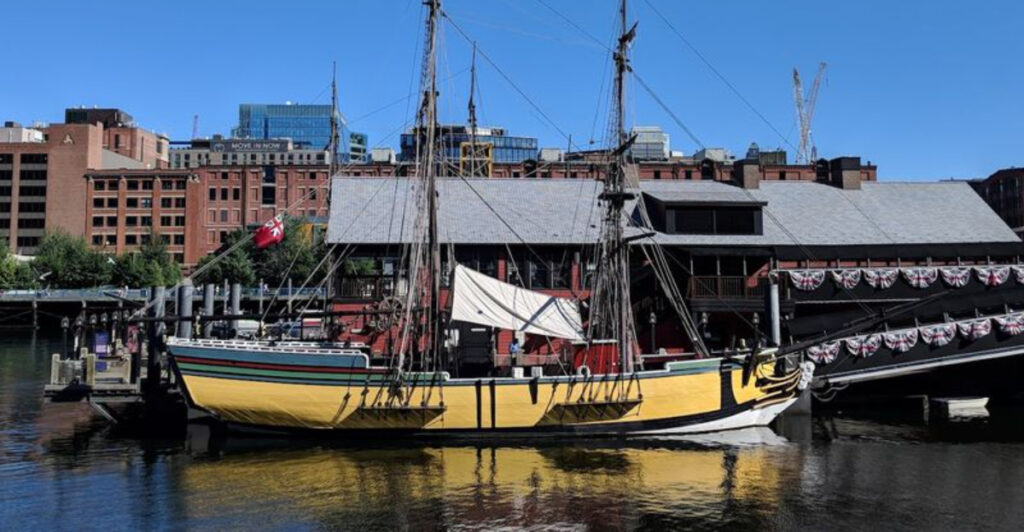
Boston Harbor has a story to tell, and it does not hold back. Right on the waterfront, there is a floating museum that puts you inside one of the most defining moments in American history, the Boston Tea Party of 1773.
This is not the kind of place where you read a plaque and move on. The experience pulls you into the story, hands you a character card, and before long, you are tossing tea crates off the side of a ship.
And once the history lesson wraps up, there is a tearoom waiting with five varieties of tea and fresh scones overlooking the harbor. History and afternoon tea, all in one stop.
A Floating Museum Unlike Any Other
Most museums are buildings. This one floats.
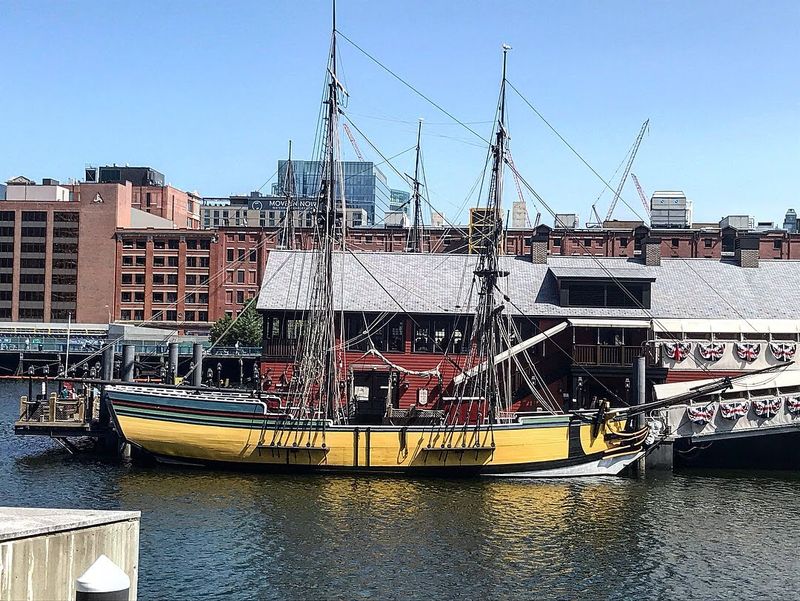
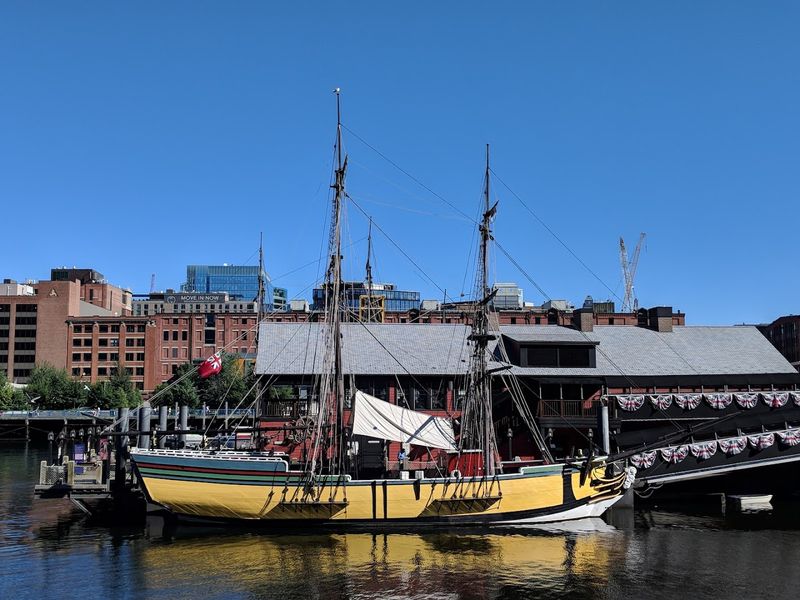
The Boston Tea Party Ships and Museum uses two replica ships, the Beaver and the Eleanor, as part of its core exhibit space, and touring them gives a completely different perspective on the events of December 16, 1773.
The ships are historically accurate replicas, built to reflect the actual vessels that carried the East India Company tea into Boston Harbor. Boarding them puts the scale of the original protest into sharp focus.
The quarters were tight, the conditions were rough, and the men who carried out the protest worked fast under cover of darkness.
Walking the deck and looking out over Fort Point Channel, the same body of water where the original event took place, adds a layer of context that no indoor exhibit can fully replicate. The ships are a reminder that this history happened in a real place, not just in a textbook.
Actors Who Bring 1773 to Life
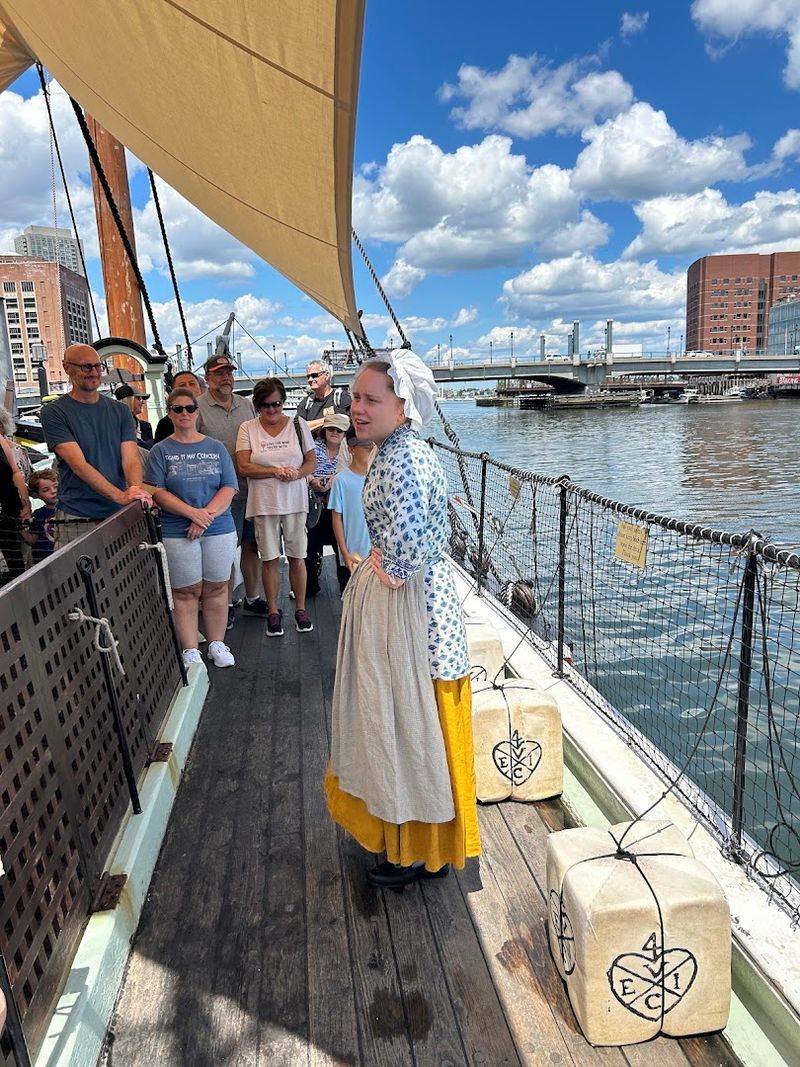
The performers at this museum are not standing around in costumes waiting to be photographed. They are fully committed to their roles, delivering speeches, arguing with the crowd, and playing out the tension of the colonial era with real theatrical energy.
Sam Adams makes an appearance, and the actors portraying him and other historical figures do so with enough detail and conviction that the experience never tips into feeling staged or hollow. The balance between education and entertainment is handled carefully, and the result is a tour that holds attention without ever feeling preachy or over-rehearsed.
Even adults who feel they already know the history of the Boston Tea Party tend to come away having learned something new. The actors are skilled at reading the crowd, adjusting their delivery depending on whether the group skews toward curious kids or history-focused adults.
That flexibility is what keeps the experience from feeling like a one-size-fits-all performance.
Talking Portraits and Multimedia Exhibits
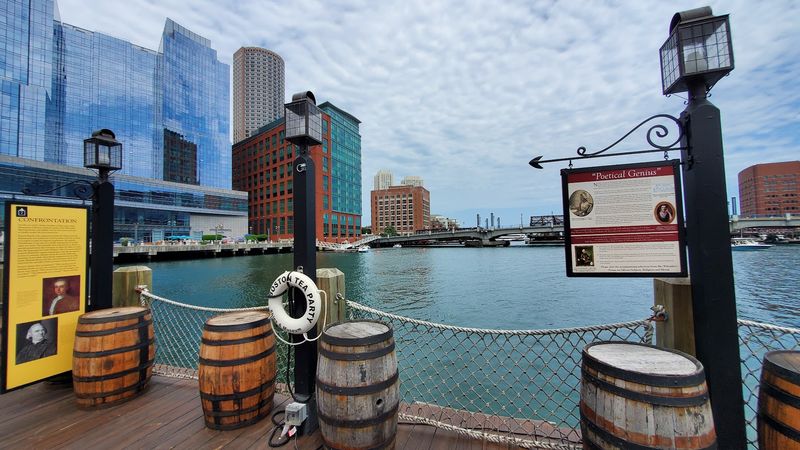
One of the more unexpected features inside the museum is the talking portraits. Framed paintings of historical figures come to life on screen, delivering monologues that explain their perspectives on the events leading up to the Boston Tea Party.
It sounds like a theme park gimmick, but the execution is genuinely thoughtful. The portraits cover figures from multiple sides of the debate, giving visitors a more complete picture of the political climate in colonial Boston.
Children especially respond to this format, and adults who visit with skepticism often leave impressed by how much information is packed into a short presentation.
Beyond the portraits, the museum uses a mix of film, artifacts, and interactive displays to tell the broader story of colonial resistance and the road to revolution. The multimedia approach keeps the pacing varied, so the tour never settles into a single rhythm long enough to feel monotonous.
Each room introduces a new format and a new layer of the story.
Throwing Tea Into the Harbor
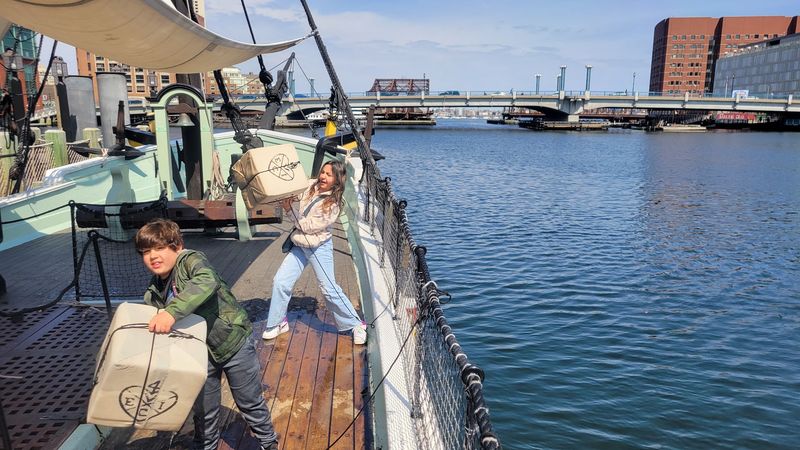
At some point during the tour, the moment arrives. A guide leads the group onto one of the replica ships, the crowd gathers at the railing, and one by one, visitors grab a rope attached to a replica tea crate and heave it over the side into the water below.
It is a short moment in the timeline of the tour, but it is the one that gets photographed the most and remembered the longest. The act of physically participating in the protest, even in replica form, creates a connection to the event that reading about it never quite achieves.
Staff members are helpful during this part of the tour, making sure solo travelers can capture the moment on camera and that children get a turn even if the railing is a bit high. The tea crates are retrieved and reset for the next group, but in the moment, the action feels entirely real and completely satisfying.
The Real Artifacts on Display
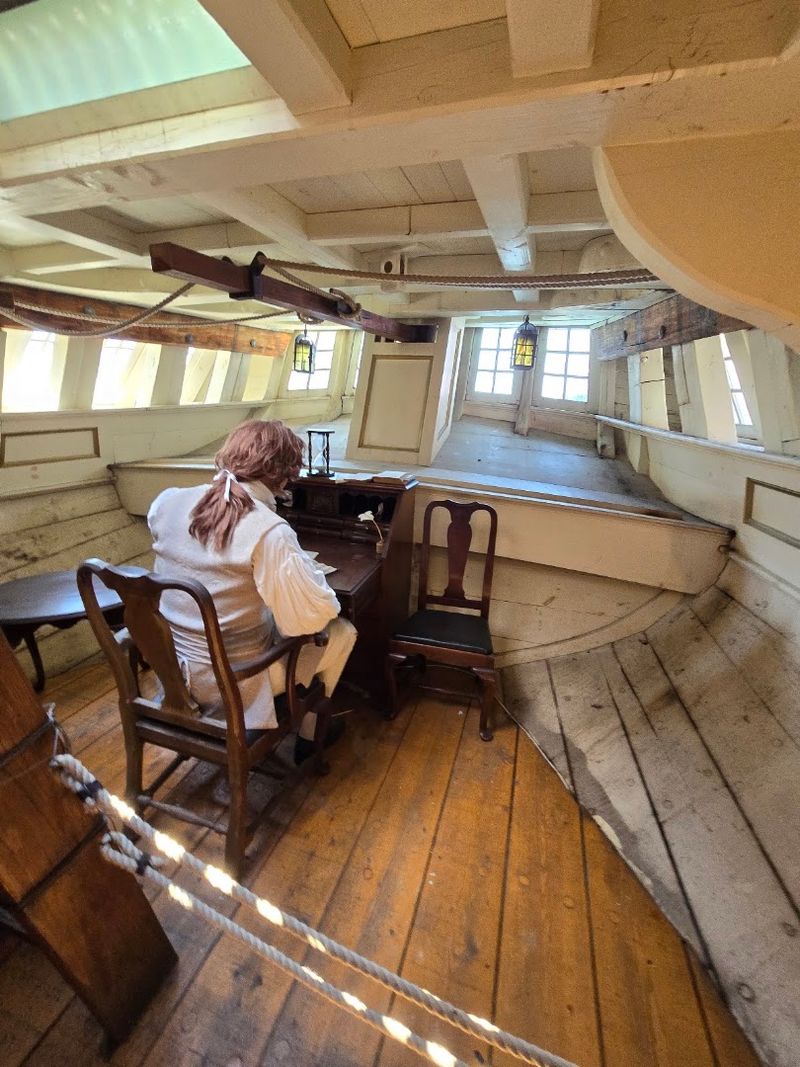
Beyond the performances and the interactive elements, the museum holds a collection of genuine historical artifacts connected to the Boston Tea Party. One of the most significant is an original tea chest, one of only two known to survive from the night of December 16, 1773.
Seeing the actual object in person carries a different weight than any reproduction could. The chest is small, worn, and entirely ordinary-looking, which somehow makes it more powerful.
It is a direct physical link to an event that helped set the course of American independence.
Other artifacts include documents, maps, and period objects that fill in the wider context of colonial life and political resistance. The museum presents these pieces clearly, with enough explanatory text to make them accessible to younger visitors without oversimplifying things for adults.
History tends to land harder when there is a real object in front of you rather than just a description on a page.
How Long the Visit Actually Takes
The full guided tour runs approximately one hour, which is a reasonable commitment for most visitors. The pacing moves quickly enough that attention stays engaged, but not so fast that anything feels rushed or glossed over.
After the guided portion ends, visitors are free to explore the gift shop and the tearoom at their own pace, which can easily add another thirty to sixty minutes to the visit. Families with younger children who want to linger on the ship decks or revisit certain exhibits may find the total time stretching closer to two hours.
Tickets are timed, meaning each tour group starts at a specific entry time. Arriving a few minutes early is helpful, but showing up significantly before your slot does not get you in faster.
The museum can also sell out days in advance, particularly during summer and school holiday periods, so planning ahead is the most reliable way to guarantee your preferred time.
Abigail’s Tea Room on the Harbor
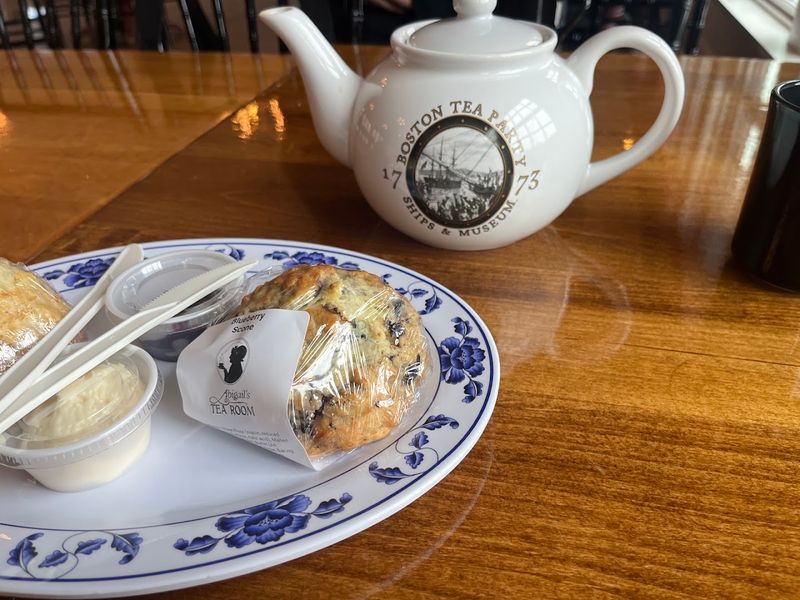
Abigail’s Tea Room is the final stop on the experience, and it earns its place. Tucked inside the museum near the gift shop, the tearoom overlooks the harbor and offers five varieties of tea, each one corresponding to a type that was thrown overboard during the original protest.
For a modest price, guests can enjoy unlimited cups of any of the five teas during their visit to the cafe. The selection includes options across different flavor profiles, and the tearoom also serves scones and cookies, which pair well with the quieter, more relaxed pace of the post-tour wind-down.
The harbor view from the tearoom is a genuinely pleasant way to close out the experience. After an hour of colonial drama, protests, and ship decks, sitting down with a warm cup of tea while looking out over the water has a satisfying logic to it.
The tearoom also sells packaged teas to take home, which makes for a practical and thematic souvenir.
Perfect for Families With School-Age Kids
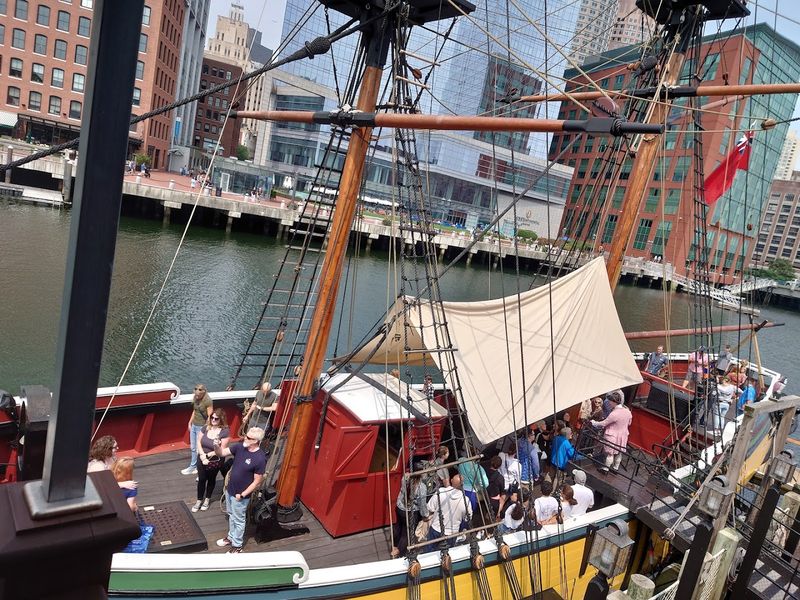
The museum is built with multiple age groups in mind, but it particularly excels with school-age children. Kids between roughly six and fourteen tend to get the most out of the interactive format, largely because the character cards, live actors, and hands-on tea-throwing moment keep them engaged in ways that passive exhibits do not.
Several school groups visit regularly, and the museum is experienced at managing large groups without letting the energy collapse into chaos. The structure of the tour keeps everyone moving and focused, which is no small achievement when the group includes a mix of curious kids and restless ones.
Parents who visit with children report that the museum sparks genuine conversations about history, fairness, and how ordinary people make big decisions. That kind of outcome is hard to engineer in a classroom setting but tends to happen naturally when kids feel like active participants rather than passive listeners.
The experience sticks with them.
Tips for Getting Tickets Without the Headache
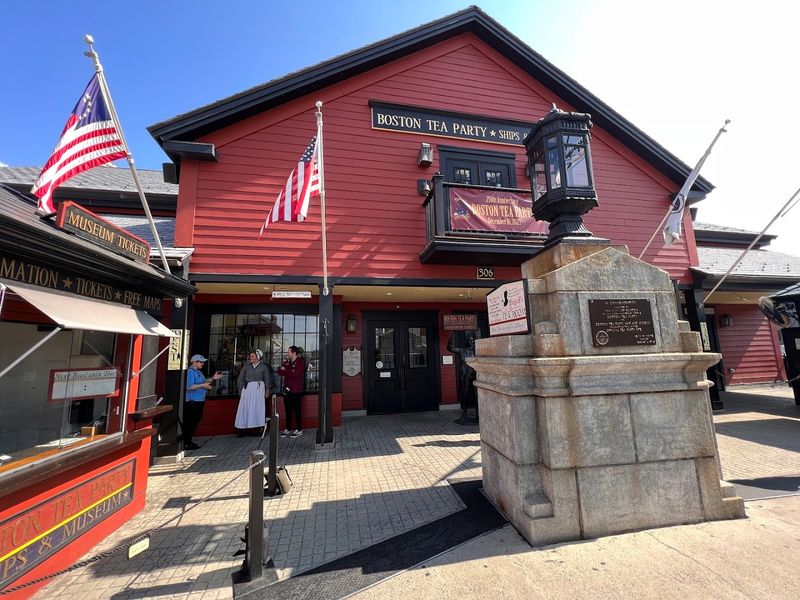
Tickets to the Boston Tea Party Ships and Museum sell out regularly, and the most common frustration among first-time visitors is showing up without a reservation and finding every slot full. Booking online at least one to two weeks in advance is the safest approach, especially for weekend visits or summer travel.
That said, there is a workaround for spontaneous travelers. Showing up at the museum before it opens at 10 AM sometimes results in same-day tickets becoming available, either through cancellations or reserved slots that were not claimed.
It is not guaranteed, but it has worked often enough to be worth trying if plans are flexible.
The museum’s website, bostonteapartyship.com, is the most reliable place to check availability and purchase tickets. Prices vary depending on age, and the museum offers options for adults, children, and seniors.
Buying directly through the official site avoids third-party markups and confirms the booking immediately.
The Gift Shop Worth Sticking Around For
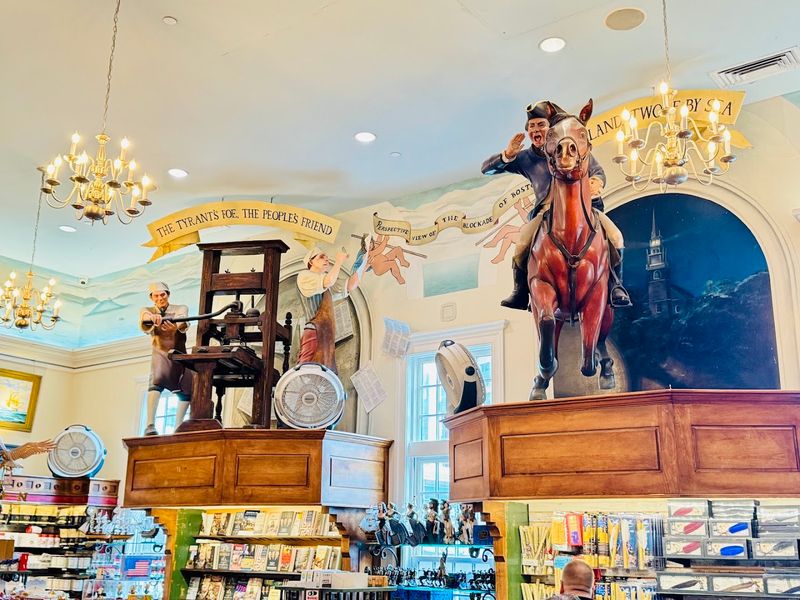
The gift shop at the end of the tour is not an afterthought. It is well-stocked, reasonably priced, and stocked with items that actually connect to the experience rather than generic tourist merchandise.
Tea is the obvious centerpiece of the shop, with packaged varieties available that mirror the five types offered in Abigail’s Tea Room. Beyond tea, the shop carries books, clothing, colonial-themed games, and a range of smaller trinkets that appeal to different budgets.
The selection skews toward items with a genuine historical angle rather than mass-produced novelties.
Many people who visit the tearoom and enjoy a particular variety of tea end up purchasing a box to take home, which is a smart move given that the specific blends are curated to match the museum’s theme. The shop also carries playing cards with a colonial design, which turned out to be a crowd favorite among visitors who wanted something a little different from the usual souvenir options.
Where Congress Street Meets the Harbor
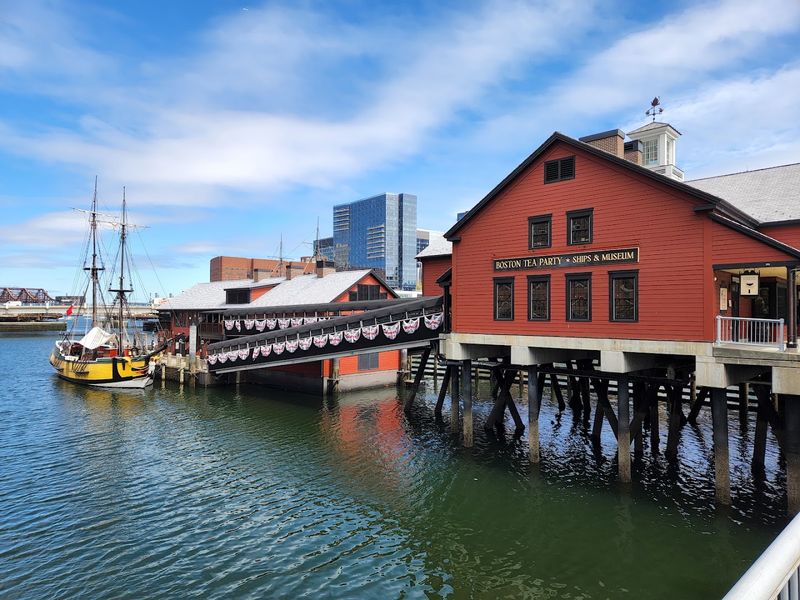
The Boston Tea Party Ships and Museum sits at 306 Congress St, Boston, MA 02210, right along the Fort Point Channel waterfront. The location alone sets the mood before you even walk through the door.
Two tall-masted ships are docked right outside, and they are not decorations. These are full replicas of the vessels involved in the original 1773 protest, and they are central to the tour experience.
The museum is open daily from 10 AM to 5 PM, which makes it easy to plan around a morning or midday visit.
Tickets tend to sell out, especially on weekends and during peak travel months, so booking in advance is strongly recommended. The museum sits within easy walking distance of other downtown Boston landmarks, making it a natural anchor for a full day of exploring the city on foot.
Share this story