For more than 150 years, one historic club in western Pennsylvania has preserved German traditions through music, food, and a welcoming sense of community that has outlasted generations. Visitors come for authentic German favorites, live entertainment, historic architecture, cultural festivals, choir performances, and a warm atmosphere that feels every bit as timeless as the building itself. It’s the kind of place where every visit offers a glimpse into traditions that continue to bring people together.
The experience extends far beyond the dining room. Historic ballrooms, live concerts, community celebrations, classic German recipes, centuries-old customs, welcoming hospitality, and a remarkable commitment to preserving local heritage have made this one of Pennsylvania’s most unique cultural destinations. Whether you’re interested in German history, great food, or simply discovering somewhere unlike the ordinary, it’s easy to understand why this club continues to thrive.
Here’s why Apollo Maennerchor Club has become one of Pennsylvania’s most enduring German cultural landmarks and one of the best places to experience authentic Old-World traditions in western Pennsylvania.
A Club With Deep Roots on South Dock Street
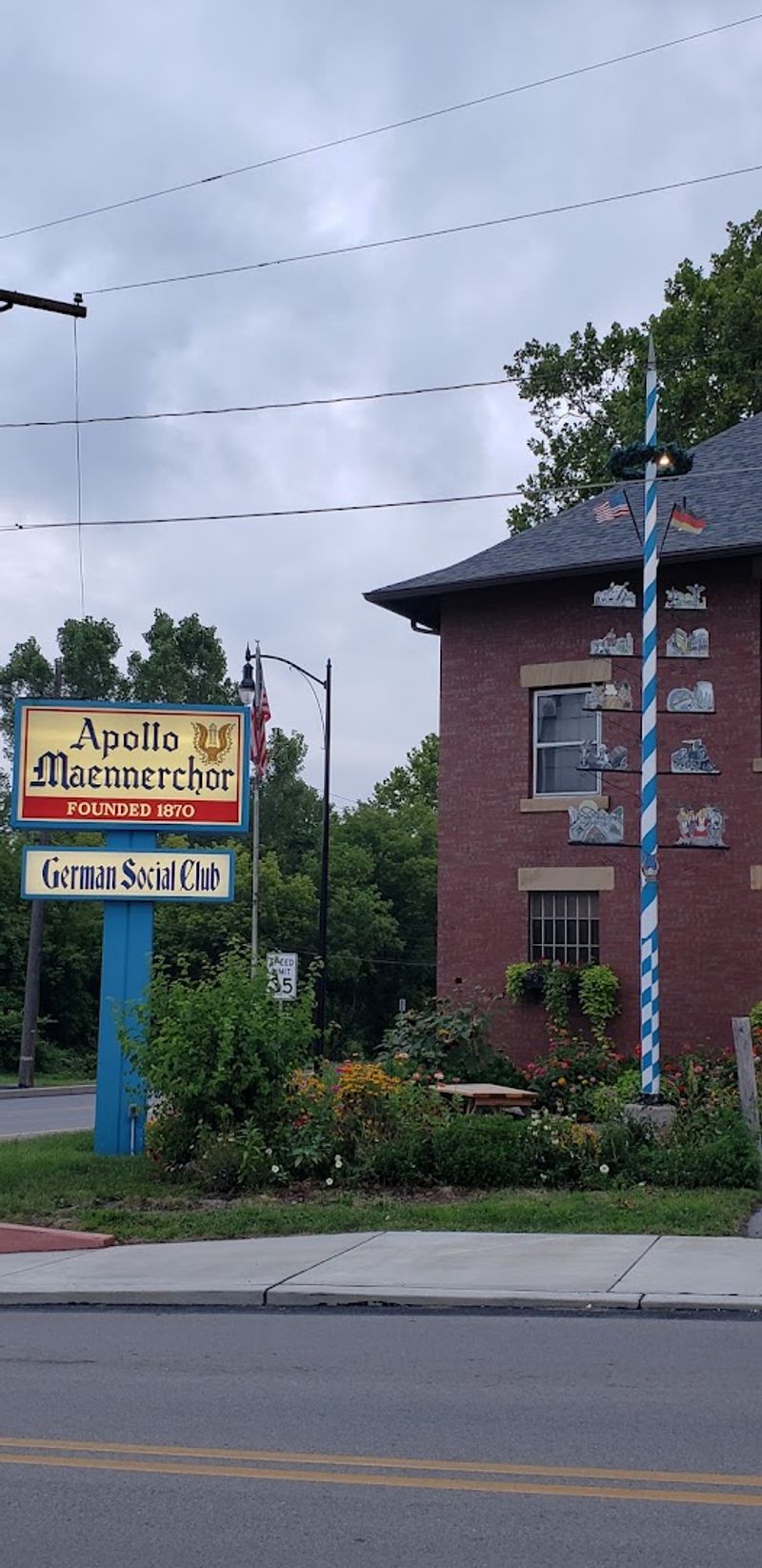
The Apollo Maennerchor Club stands at 391 South Dock Street, Sharon, PA 16146, in Mercer County, western Pennsylvania, and the address alone tells you something about its staying power. Most buildings from 1910 have been torn down, repurposed, or quietly forgotten. This one still hosts dinners, concerts, and cultural celebrations on a weekly basis.
Sharon is a modest city along the Shenango Valley, and the Maennerchor has been part of its social fabric for well over a century. The club was founded in 1870 by citizens of German descent who wanted a dedicated space to preserve their language, their music, and their customs. That founding mission has never been officially retired.
Today the club holds a 4.7-star rating on Google from more than 255 reviews, which is a remarkable score for a private membership club in a small Pennsylvania city. The phone number is 724-308-6599, and the website is sharonmaennerchor.com for anyone planning a visit.
How a German Singing Society Was Born in 1870
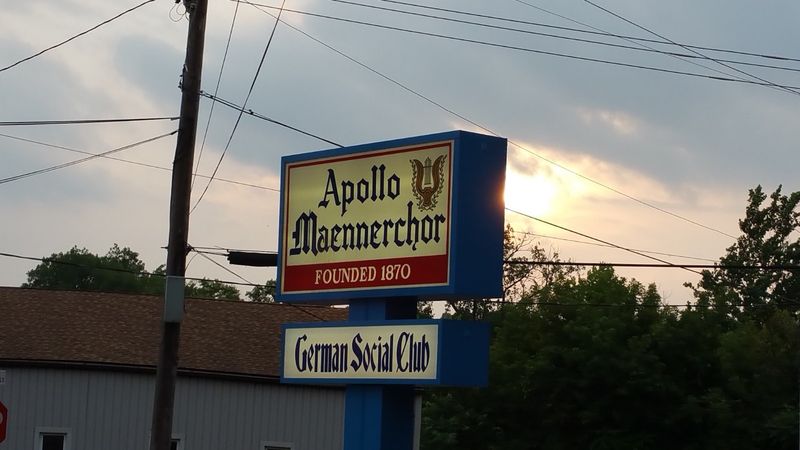
Picture a group of German immigrants in 1870, freshly settled in industrial western Pennsylvania, missing the choral traditions they grew up with back home. Their solution was practical and deeply communal: they founded the Apollo Maennerchor Society to keep those traditions alive on American soil.
The word “Maennerchor” translates directly to “men’s choir” in English, which tells you everything about the club’s original purpose. The founders registered the society as a branch of the Nord-Amerikanischer Saengerbund, the North American Singers Association, giving their small Sharon chapter a connection to a continent-wide German-American cultural network.
Early meetings were held in a rented hall on State Street before the membership grew large enough to dream of something permanent. The club became so central to local social life that residents simply called it “the Club,” with no further explanation needed. That kind of casual shorthand is usually reserved for institutions people genuinely cannot imagine living without, and apparently Sharon felt exactly that way.
The 1910 Building That an Architect Made to Last
In 1908, the membership voted to stop renting and start building. Two years later, on November 23, 1910, they dedicated a permanent home on South Dock Street designed by E. E. Clepper, who was considered one of Sharon’s prominent architects of that era.
The dedication was significant enough that the Pittsburgh Gazette Times ran a feature story on it, which was not a small thing for a regional ethnic club. The coverage reflected how seriously the broader community took the role of cultural organizations in the Shenango Valley’s growth and identity.
Clepper designed several notable structures in Sharon during his career, but most of them no longer stand. The Maennerchor building is one of the rare survivors, and its continued use as an active club rather than a museum or a converted apartment building makes it genuinely unusual. The wooden paneling, the layout, and the bones of the place still carry the character of that original 1910 construction, which you notice the moment you walk through the front door.
The German Concept That Defines the Whole Experience
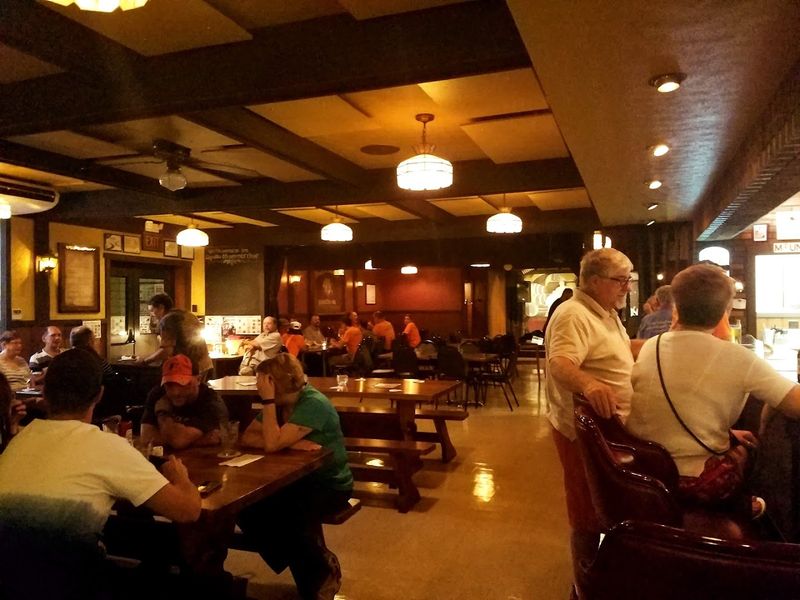
Germans have a word that does not translate cleanly into English: “Gemutlichkeit.” It describes a feeling of warmth, belonging, and social comfort that comes from being in a welcoming space with people who are genuinely glad you showed up. The Apollo Maennerchor has made this concept its unofficial operating philosophy.
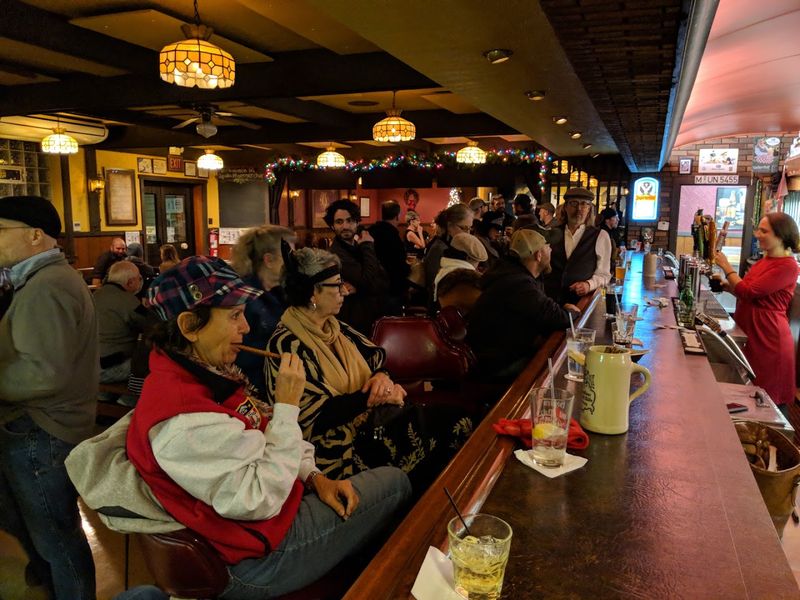
The interior reflects it immediately. Wooden tables, warm lighting, vintage photographs chronicling 150-plus years of club history, and a layout that encourages conversation rather than isolation all contribute to an atmosphere that feels lived-in rather than staged. It is the kind of place where strangers tend to start talking to each other without much prompting.
The staff reinforces the feeling consistently. Friendliness and courtesy come up repeatedly in visitor accounts, not as a scripted performance but as a natural extension of the club’s culture. Gemutlichkeit is not something you can manufacture with a design budget alone. It has to be practiced over generations, and this club has had more than 150 years of practice to get it right.
German Food That Takes the Menu Seriously
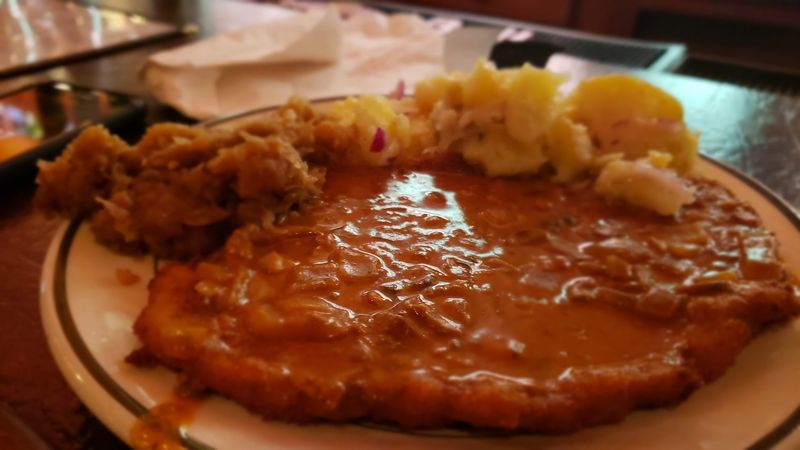
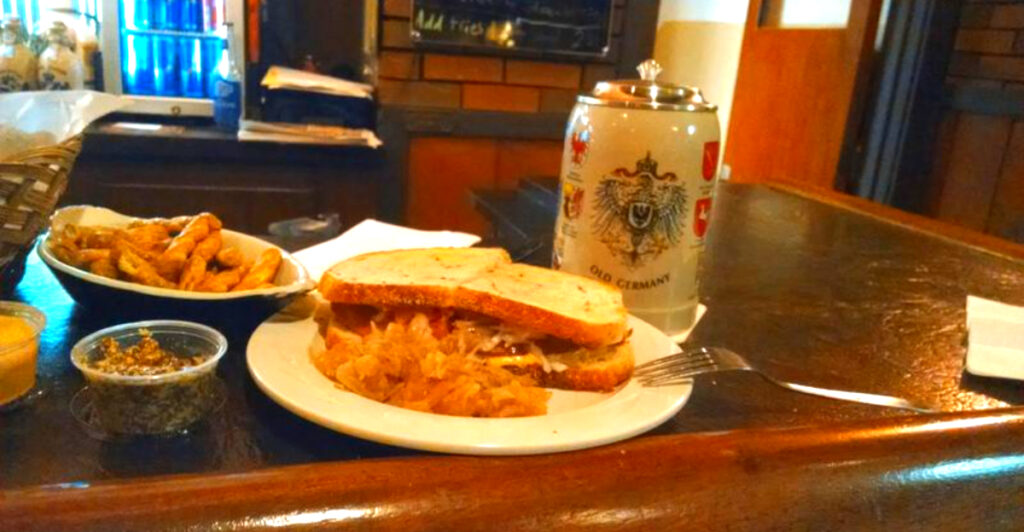
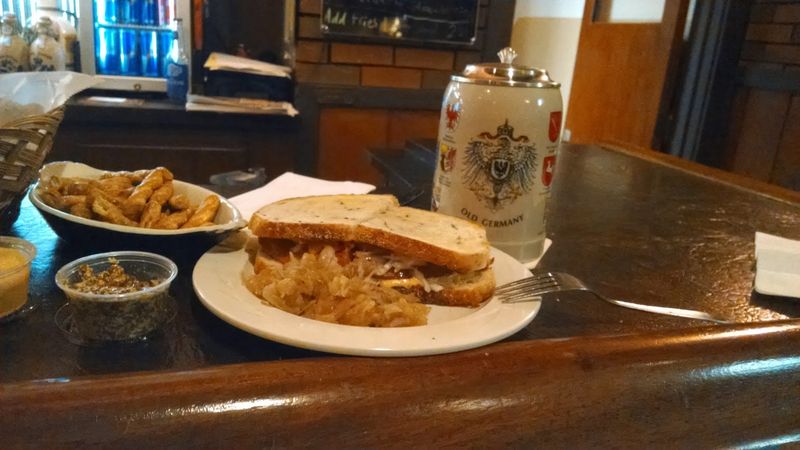
The kitchen at the Apollo Maennerchor opens Thursday through Saturday from 5 PM to 10 PM, and the menu leans into its German identity with confidence. Spicy bratwurst sandwiches arrive with that satisfying snap of a properly prepared sausage, and the currywurst with crispy fries is the kind of dish that makes you understand why it became a street food staple in Germany.
Beyond the German classics, the menu includes meatball subs, BBQ chicken sandwiches, and rotating weekly specials like baked cod dinners, so there is enough variety to keep regulars from ordering the same thing every visit. The truffle fries have developed something of a loyal following among regulars, and the pretzels with beer cheese are a reliable crowd favorite.
Potato pancakes and schnitzel round out the more traditional offerings for anyone who came specifically for the German experience. The prices are reasonable enough that the food feels like a genuinely good deal rather than a novelty charge for the cultural atmosphere, which is a balance not every specialty club manages to strike.
156 Years of Singing and the Choir That Kept Going
A choir that has been performing for 156 years is not a footnote. It is the entire point. The Apollo Maennerchor Singers have given concerts locally, across America, and in Germany itself, carrying the club’s vocal tradition far beyond the borders of Mercer County, Pennsylvania.
The group was originally an all-male ensemble, which is exactly what “Maennerchor” implies. Over time, as membership in the separate men’s and women’s choirs declined, the two groups were combined into a single mixed choir. That practical adjustment kept the singing tradition alive rather than letting it disappear on a technicality.
Under the direction of Chip Dugan in recent years, the choir has continued to showcase the talent and dedication that the club’s founders prioritized back in 1870. Watching a choir that has been performing continuously for a century and a half is a quietly extraordinary experience, the kind that makes you think about how many weddings, funerals, celebrations, and ordinary Tuesday rehearsals went into building something that durable.
The Festhalle Upstairs and Why It Matters
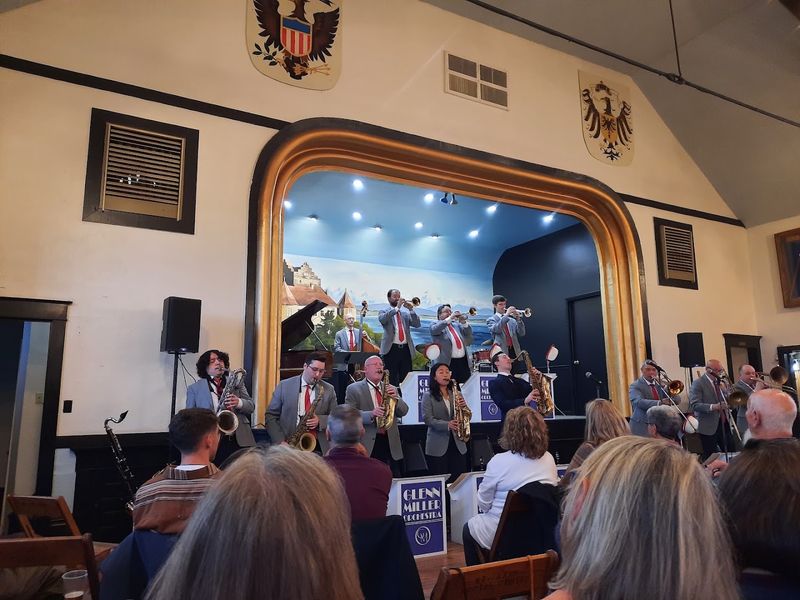
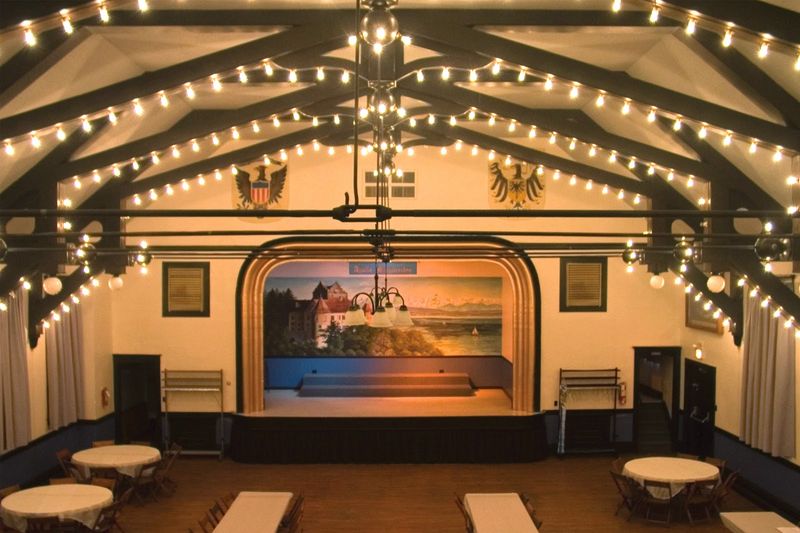
Head upstairs at the Maennerchor and you find the Festhalle, a second-floor hall that was refurbished to restore its original 1910 grandeur. The renovation preserved as much of the original design and decor as possible, which means the room feels like a time capsule that someone actually bothered to maintain rather than just seal shut.
The Festhalle is smoke-free and serves as the venue for the club’s most significant cultural programming: singer concerts, holiday celebrations, formal dinners, and family events that draw on German traditions the club has been honoring for generations. The scale of the room makes it feel appropriate for something important, which is exactly the intention.
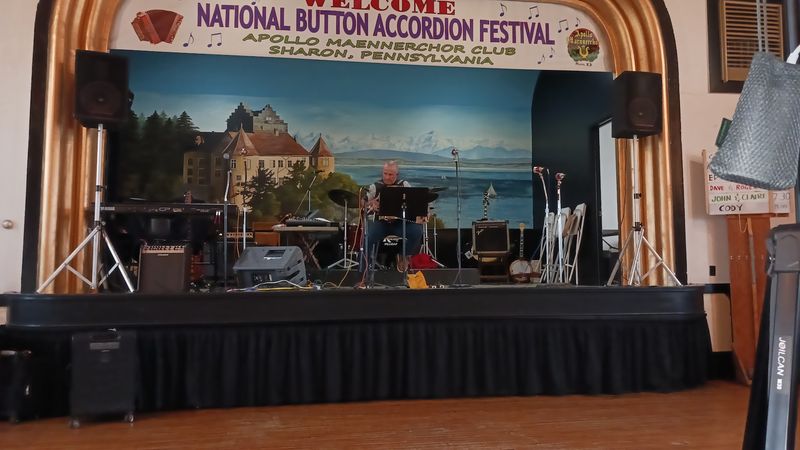
The club has also opened the Festhalle for broader community use, positioning it as a resource for Sharon and the surrounding area rather than an exclusively private space. A stage this well-preserved, in a building this historically significant, deserves a full audience, and the club seems determined to make sure it gets one. The room downstairs has its own performance stage too, so the musical energy flows through both floors.
Live Music Every Weekend and the Bands Worth Knowing About
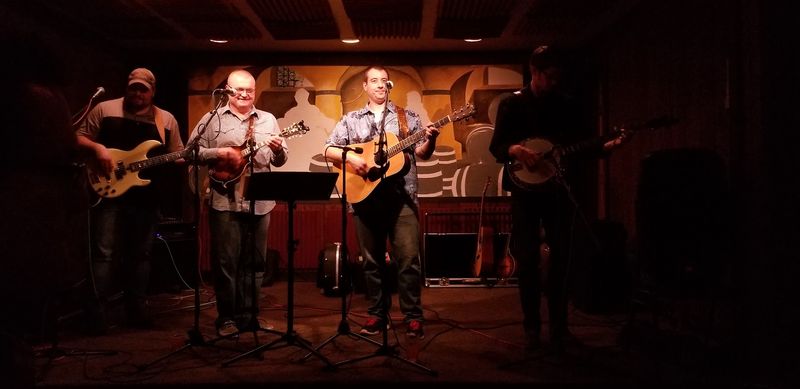
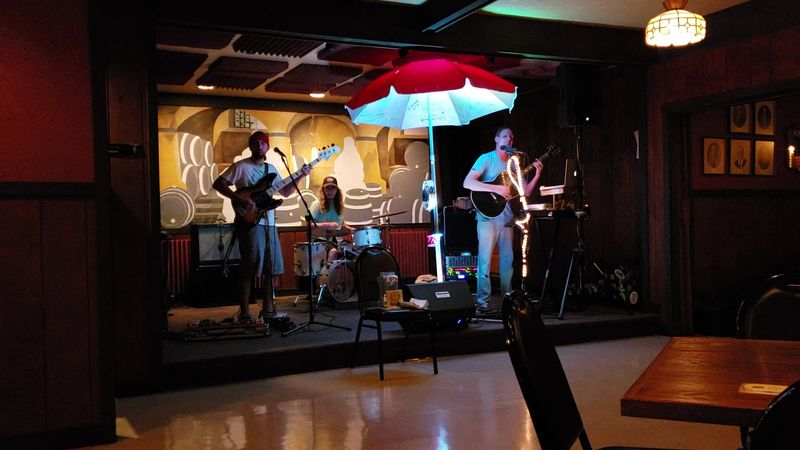
Thursday, Friday, and Saturday nights at the Maennerchor regularly feature live music, and the range of genres is broader than the German theme might suggest. Blues acts, local rock bands, and traditional German performances have all taken the stage, which keeps the weekly entertainment from feeling repetitive for regulars who come back week after week.
The club has two performance spaces: the main area downstairs and the Festhalle upstairs, and live acts also occasionally perform in the Biergarten outdoor area when the weather cooperates. Having multiple stages in one building means the club can accommodate different types of events simultaneously or rotate the programming depending on the size of the crowd.
The music is genuinely good rather than merely present. Local musicians consistently draw praise from visitors who came primarily for the food and ended up staying far longer than planned because the band was too enjoyable to leave behind. That kind of pleasant surprise is the best advertisement a venue can have, and the Maennerchor earns it on a regular basis.
Membership That Costs Less Than a Lunch Sandwich
Private clubs often conjure images of exclusivity, steep dues, and long waiting lists. The Apollo Maennerchor operates on a different model entirely. Annual membership costs $10, a fee so nominal that it functions less as a barrier and more as a handshake, a small formality that makes you an official part of something that has been running since 1870.
The public is welcome to dine at the club without any prior membership, so the food and the atmosphere are accessible to anyone who shows up during operating hours. The membership simply unlocks the full range of amenities and privileges that the club offers beyond the dining experience.
For $10 a year, you get to say you are a member of a German cultural institution that has outlasted most of the ethnic social clubs that once populated western Pennsylvania. That is a genuinely unusual thing to be able to claim. The club is open Thursday through Saturday from 5 PM to 11 PM, closed Sunday through Wednesday, and the kitchen runs from 5 PM to 10 PM on those same nights.
The Last German Culture Club Standing in the Shenango Valley
At its peak, the Shenango Valley had multiple ethnic social clubs serving the various immigrant communities that built its industrial economy. Most of those clubs are gone now. The Apollo Maennerchor is the only German culture club that remains, which gives it a significance that extends well beyond its own membership rolls.
That distinction carries real weight. The club is not just preserving its own history; it is preserving the last active institutional memory of German cultural life in this entire region. The vintage photographs on the walls, the choral performances, the traditional food, and the annual festivals are all doing work that no other organization in the valley is positioned to do.
Entering its third century of operation, the club has articulated clear goals: remember the history, preserve the tradition, protect the historic building, educate the community about cultural heritage, and remain an active participant in Sharon’s civic life. Those are not small ambitions for a club with a $10 membership fee, but the Maennerchor has always been good at punching above its weight.
Planning Your Visit and What to Expect When You Arrive
The Maennerchor runs a tight schedule: Thursday through Saturday, doors open at 5 PM and the kitchen closes at 10 PM, with the club itself staying open until 11 PM. Sunday through Wednesday, the club is closed entirely, so timing your visit matters if you do not want to find a dark building on South Dock Street.
First-time visitors should know that ordering happens at the bar area rather than through table service, which keeps the operation running smoothly with a small staff. The seating is varied, with different styles of chairs and tables spread across a large open area, so there is usually a comfortable spot regardless of group size.
Catering is available for private events, the Festhalle can be booked for community functions, and the club’s email is [email protected] for anyone who wants to reach out before showing up. The experience is casual, welcoming, and entirely unpretentious, which is exactly what a 154-year-old German social club with a $10 annual membership should feel like. Come for the bratwurst, stay for the accordion music.
Share this story