Ohio has more railroad history packed into its borders than most people realize. The state played a massive role in connecting the eastern United States to the Midwest, and the depots, roundhouses, and towers left behind tell that story better than any textbook ever could.
From grand Art Deco terminals to quiet small-town stations that once fed soldiers heading off to war, each landmark holds a piece of American history worth seeing in person. This guide covers 11 of the most fascinating railroad sites across Ohio, giving you everything you need to plan a trip worth taking.
1. Dennison Railroad Depot Museum – Dennison
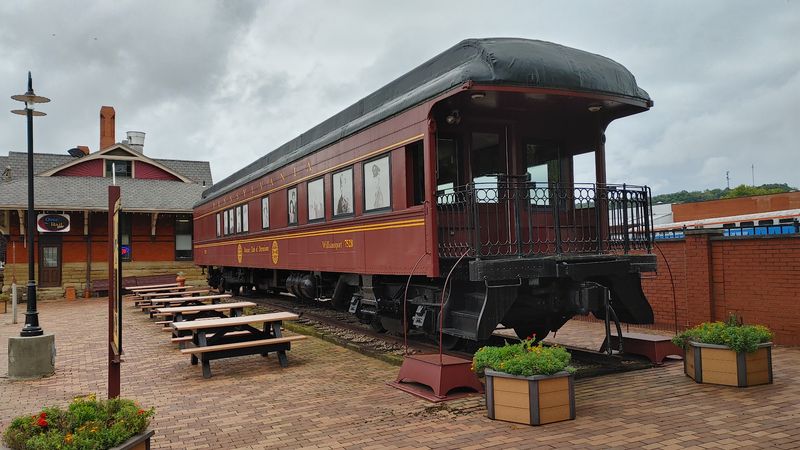
During World War II, over one and a half million U.S. troops passed through this small Ohio depot, and the volunteers who fed and supported them earned the station the nickname “Dreamsville, USA.” The Dennison Railroad Depot Museum preserves that remarkable chapter of American history with honesty and care.
The museum features authentic artifacts, military memorabilia, and restored depot spaces that bring the 1940s era back to life. Visitors can explore exhibits about the Salvation Army canteen workers who served free food and coffee to soldiers around the clock.
The building itself is a beautifully maintained 1873 Pennsylvania Railroad structure. Guided tours are available, and the gift shop carries railroad-themed items and locally made goods.
This is one of those places where the history genuinely moves people, and it earns every bit of that reputation.
2. Age of Steam Roundhouse Museum – Sugarcreek
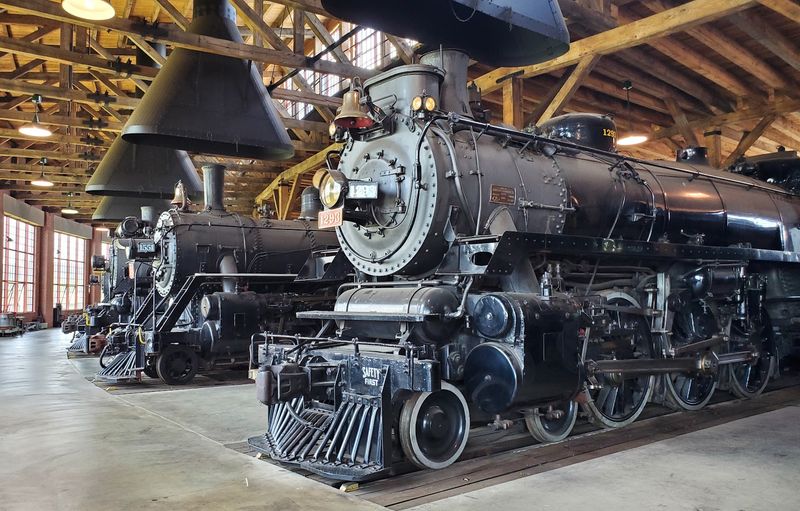
Railroad collector Jerry Joe Jacobson spent decades tracking down and restoring some of the rarest steam locomotives in North America, and the result is one of the most impressive private railroad collections anywhere in the world. The Age of Steam Roundhouse Museum in Sugarcreek is where that collection lives.
The facility features a fully reconstructed roundhouse, complete with a functioning turntable, and houses over a dozen operating steam locomotives. Many of these engines are the last surviving examples of their class, making the collection genuinely irreplaceable.
Tours take visitors inside the working shop where mechanics actively maintain and restore the locomotives. Seeing a massive steam engine up close, with all its mechanical complexity on full display, is an experience that sticks with you.
Reservations are required, so plan ahead before making the trip to Sugarcreek.
3. Cincinnati Union Terminal – Cincinnati
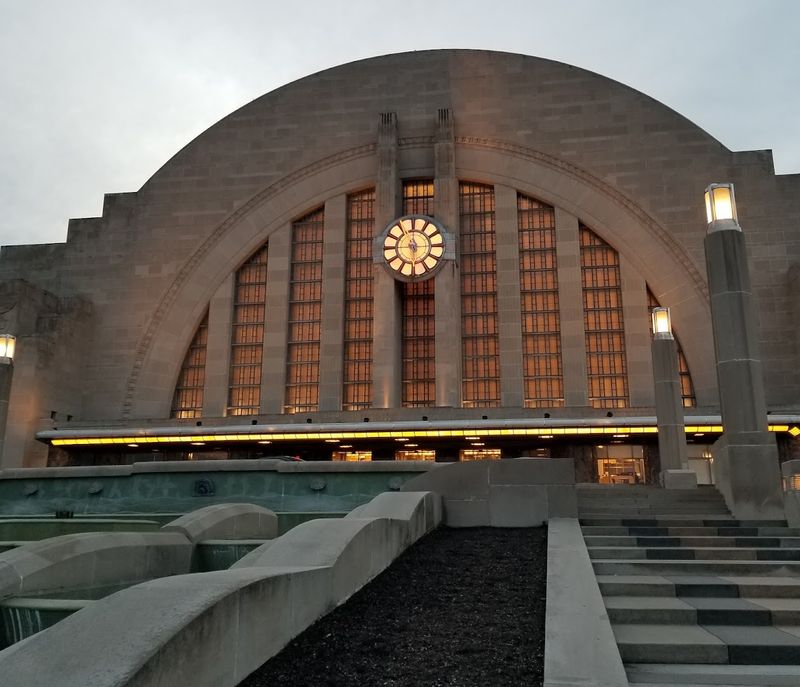
Completed in 1933, Cincinnati Union Terminal is widely considered one of the finest examples of Art Deco architecture in the United States. Its enormous half-dome facade stretches 216 feet wide, making it one of the largest half-domes in the Western Hemisphere.
Today the terminal operates as the Cincinnati Museum Center, housing multiple museums and an IMAX theater under one spectacular roof. The restored interior features original mosaic murals created by artist Winold Reiss, depicting the workers and industries of Cincinnati during the early twentieth century.
The building was nearly demolished in the 1970s before a major community effort saved it. A comprehensive restoration completed in 2018 brought the terminal back to its original grandeur.
Whether you visit for the history, the architecture, or the museums inside, Union Terminal consistently delivers an experience that justifies the trip.
4. Mad River & NKP Railroad Museum – Bellevue
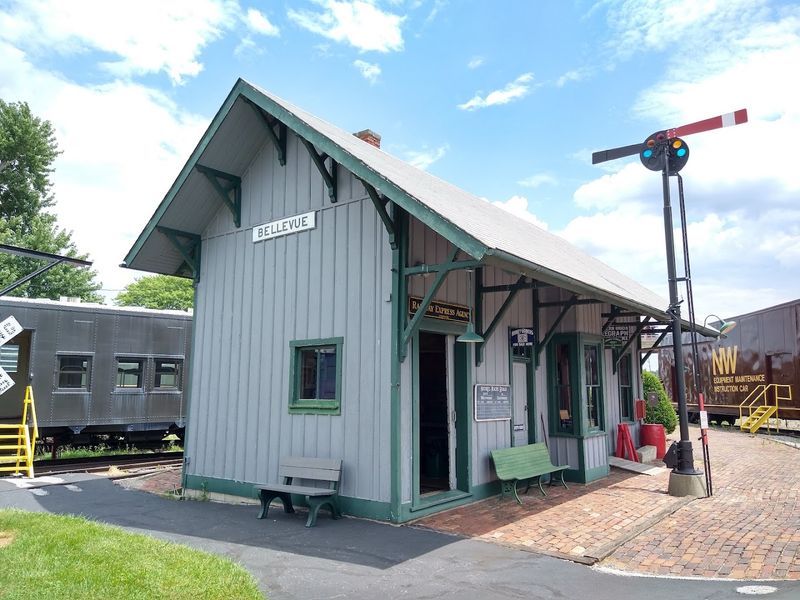
Bellevue, Ohio sits at the crossroads of several historic rail lines, and for much of the twentieth century it was one of the busiest freight railroad hubs in the entire country. The Mad River and NKP Railroad Museum pays tribute to that legacy with a collection that reflects the town’s deep connection to the industry.
The museum grounds feature full-size locomotives, cabooses, passenger cars, and freight equipment spread across an outdoor display area. Inside, exhibits cover the history of the Nickel Plate Road and other railroads that shaped the region.
One of the highlights is a restored New York Central steam locomotive that visitors can climb aboard and explore. The museum is volunteer-run and community-supported, which gives it a personal, welcoming atmosphere.
Admission is affordable, and the outdoor layout makes it a practical destination for families with children who want to get close to real railroad equipment.
5. Marion Union Station Tower – Marion
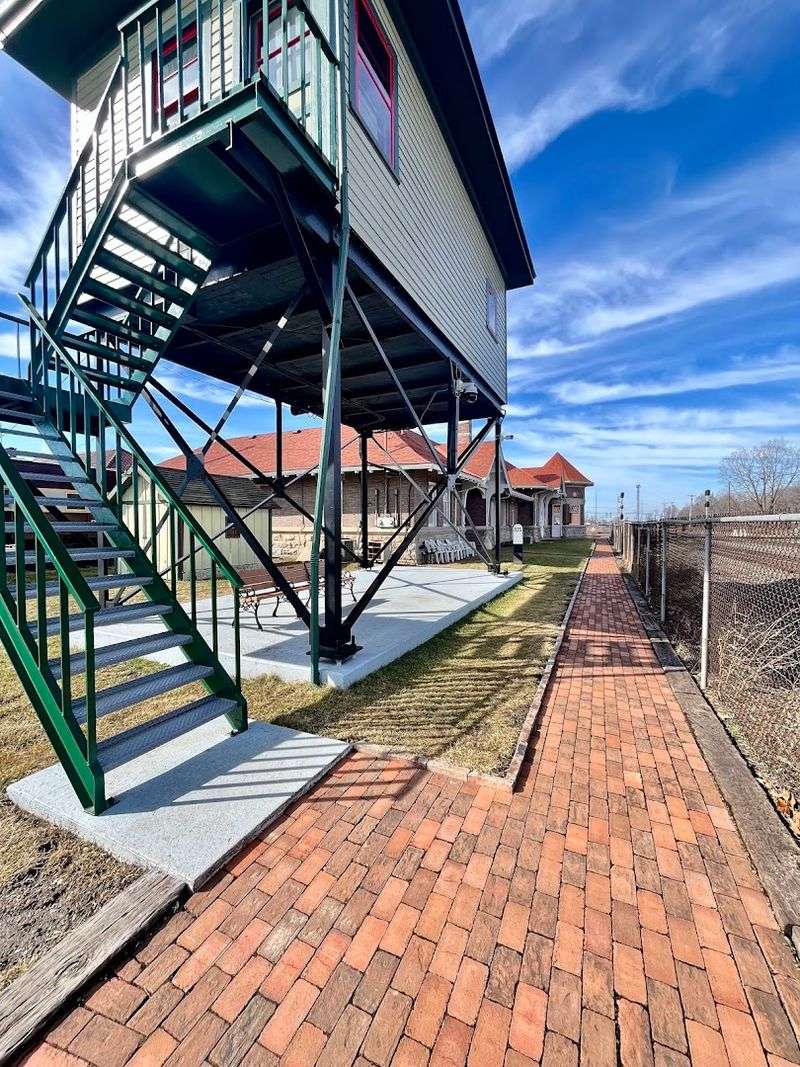
Most railroad interlocking towers across America were torn down decades ago once computerized systems replaced the need for human operators. The Marion Union Station Tower is one of the few that survived, and it remains one of the last manually operated interlocking towers still standing in the United States.
Built in 1902, the tower once controlled the movement of trains through one of Ohio’s busiest rail junctions. Marion was a critical crossing point where multiple major rail lines converged, and the tower operators played a vital role in keeping traffic moving safely.
The tower has been preserved and is open for tours on select dates. Visitors can climb to the upper level and see the original mechanical levers used to switch tracks and control signals.
Railfans who appreciate operational history rather than just static displays will find this site especially rewarding and well worth the detour.
6. Ohio Railway Museum – Worthington
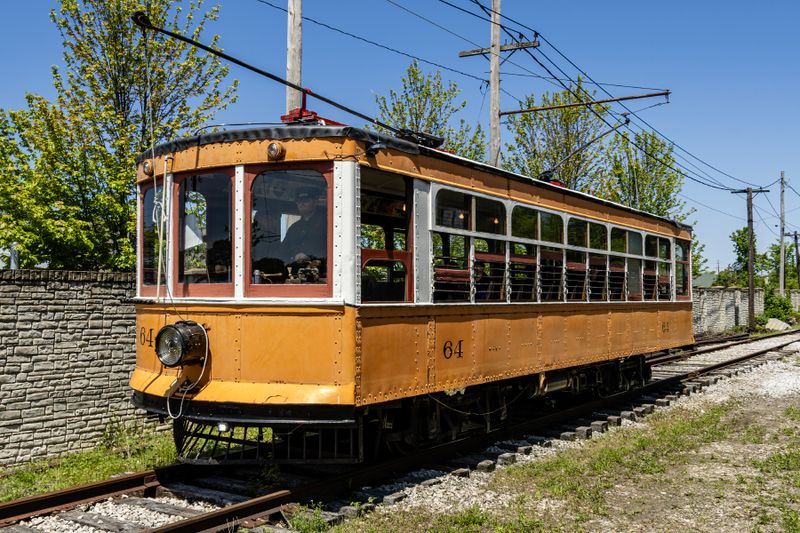
Founded in 1948, the Ohio Railway Museum holds the distinction of being one of the oldest railway preservation organizations in the United States. That longevity means the collection has depth and variety that newer institutions simply cannot match.
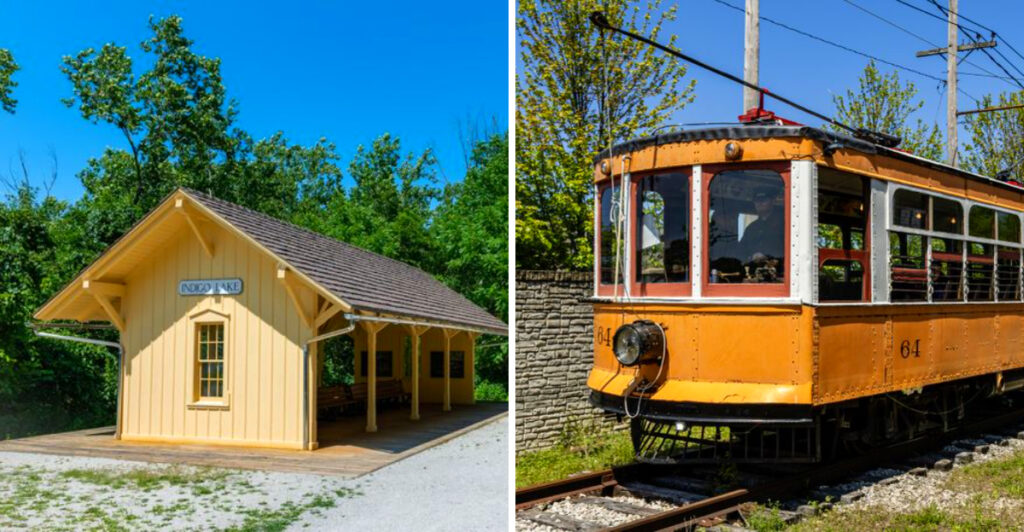
The museum specializes in electric railway history, with a notable focus on the interurban cars that once connected Ohio’s cities and towns before automobiles took over. Visitors can ride restored streetcars and interurban vehicles on the museum’s operating track, which makes the experience more interactive than a typical static display.
The grounds also include steam and diesel locomotives, freight cars, and a variety of maintenance equipment. Seasonal events and special operating days bring additional equipment to life throughout the year.
The Worthington location is convenient for visitors coming from Columbus, and the combination of rideable vehicles and historical exhibits makes this museum a particularly engaging stop on any railroad heritage tour.
7. Athens B&O Railroad Depot – Athens
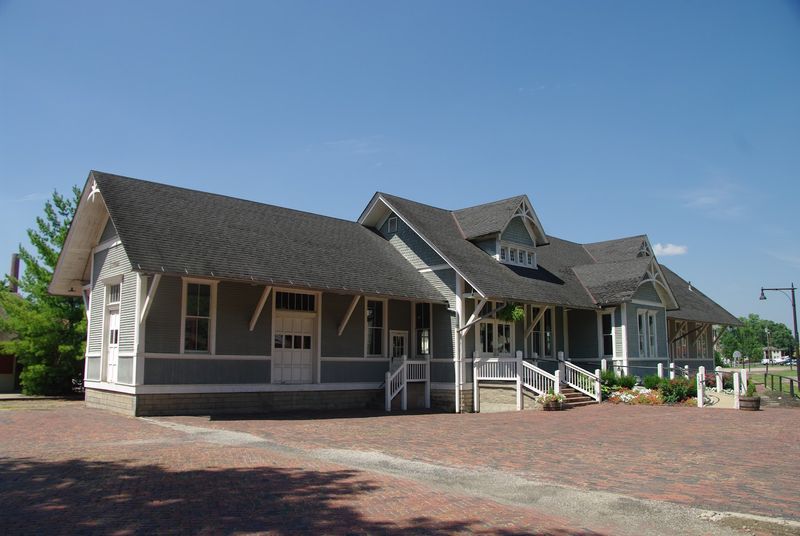
Built in 1889, the Athens Baltimore and Ohio Railroad Depot is one of the most architecturally attractive surviving nineteenth century stations in Ohio. The building features Victorian-era brickwork and design details that reflect the ambition railroad companies brought to even their smaller stations during the height of the rail era.
The depot was placed on the National Register of Historic Places, recognizing its architectural and historical significance to the region. Over the years it has served various community functions, helping ensure the building remained maintained and relevant to local residents.
Athens is home to Ohio University, and the depot sits in a part of town that connects the city’s past to its present. Visitors interested in architectural history will appreciate the level of detail preserved in the exterior stonework and window treatments.
The depot stands as a reminder that railroad companies once invested serious resources in making their stations genuinely beautiful structures.
8. Bradford Railroad Museum – Bradford
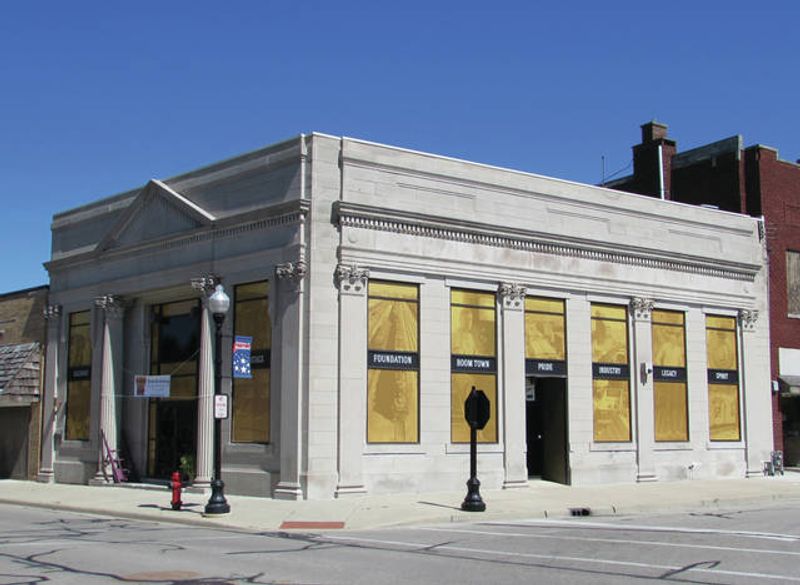
Bradford, Ohio sits in Miami County in the western part of the state, and its railroad history is tied closely to two major lines that shaped the region: the Pennsylvania Railroad and the Cleveland, Cincinnati, Chicago and St. Louis Railway, better known as the Big Four Railroad. The Bradford Railroad Museum was created specifically to preserve that dual heritage.
The museum features a focused collection of artifacts, documents, photographs, and equipment related to both railroads. Because it targets a specific geographic and corporate history rather than trying to cover everything, the exhibits feel unusually coherent and well-organized.
Local volunteers run the museum with clear enthusiasm for the subject, and that dedication shows in how the collection is presented. For visitors researching Pennsylvania Railroad or Big Four history specifically, Bradford offers primary source materials and artifacts that larger museums may not carry.
It is a specialist destination that rewards visitors who come prepared with questions.
9. Rockside Station (Cuyahoga Valley Scenic Railroad) – Independence
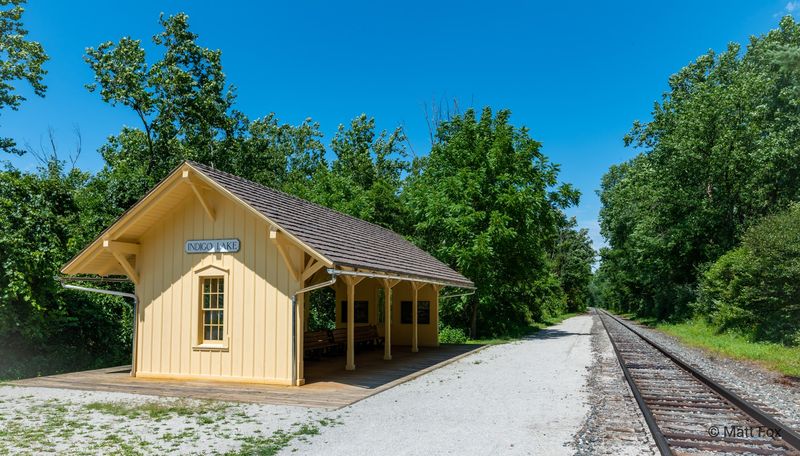
The Cuyahoga Valley Scenic Railroad is one of the most popular heritage railroads in the United States, carrying hundreds of thousands of passengers annually through Cuyahoga Valley National Park. Rockside Station in Independence serves as the northern gateway to the entire operation, making it the starting point for many visitors.
The station connects directly to the national park trail system, and some passengers use the train as a practical way to access hiking and biking routes without needing a car shuttle. The railroad operates vintage passenger cars pulled by diesel locomotives along a route that follows the Cuyahoga River through forested valley terrain.
Special event trains run throughout the year, including themed excursions for families and seasonal trips during autumn foliage. The combination of a working heritage railroad, national park access, and a well-maintained historic station makes Rockside Station one of the most practically useful railroad landmarks on this entire list.
10. Columbus Union Station Arch – Columbus
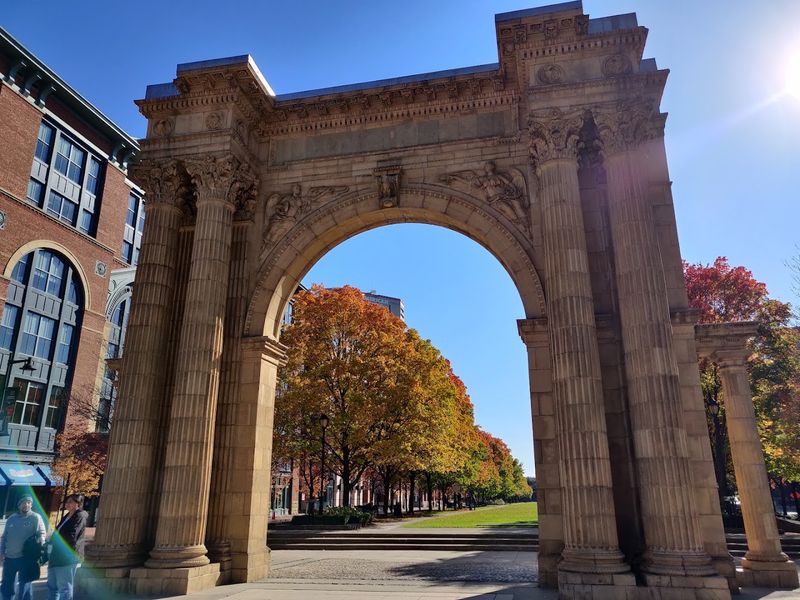
Columbus Union Station was a grand Romanesque Revival structure built in 1897, and for decades it served as one of the city’s most recognizable buildings. When the station was demolished in 1976 to make way for a convention center, the main arch was saved and eventually relocated to McFerson Commons park near the Short North neighborhood.
The arch stands today as the sole surviving piece of a building that once handled enormous passenger traffic through the Ohio capital. Its preservation was the result of sustained advocacy from architectural historians and community members who recognized what would be lost if nothing was kept.
Visiting the arch is free and accessible year-round. The surrounding McFerson Commons park is a well-maintained public space that gives the structure a dignified setting.
For anyone interested in urban railroad history or architectural preservation, the Columbus Union Station Arch is a genuinely moving reminder of what once stood there.
11. Hocking Valley Scenic Railway Depot – Nelsonville
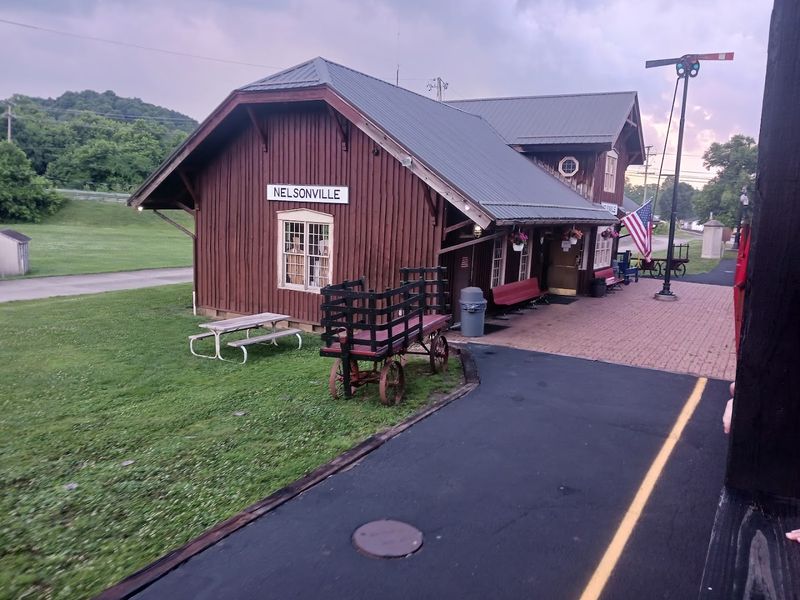
The Hocking Valley Scenic Railway operates out of a charming historic depot in Nelsonville, offering excursion train rides through the rolling hills and forests of southeastern Ohio. The railway has been running passenger excursions since 1972, making it one of the longer-running heritage railroad operations in the state.
The depot itself reflects the character of small-town Ohio railroad architecture, and the surrounding area adds natural scenery that changes dramatically with the seasons. Autumn trips through the Hocking Hills region are especially popular, drawing visitors from across the state.
The railway uses restored vintage equipment and operates on a schedule that includes themed excursions, family events, and special seasonal trips. Nelsonville is also close to Hocking Hills State Park, making it easy to combine a train ride with a broader regional visit.
The relaxed pace and genuine historical equipment give this railway a character that modern transit simply cannot replicate.
Share this story