A single light burning in a window on a hilltop once meant the difference between bondage and freedom for thousands of people. That lantern, visible across the Ohio River from Kentucky, guided freedom seekers northward through one of the most daring operations in American history.
The story behind that light belongs to a remarkable family in a small Ohio town, and the house where it all happened still stands today. Few places in the country carry this much weight in a single room.
The Hilltop That Changed Everything
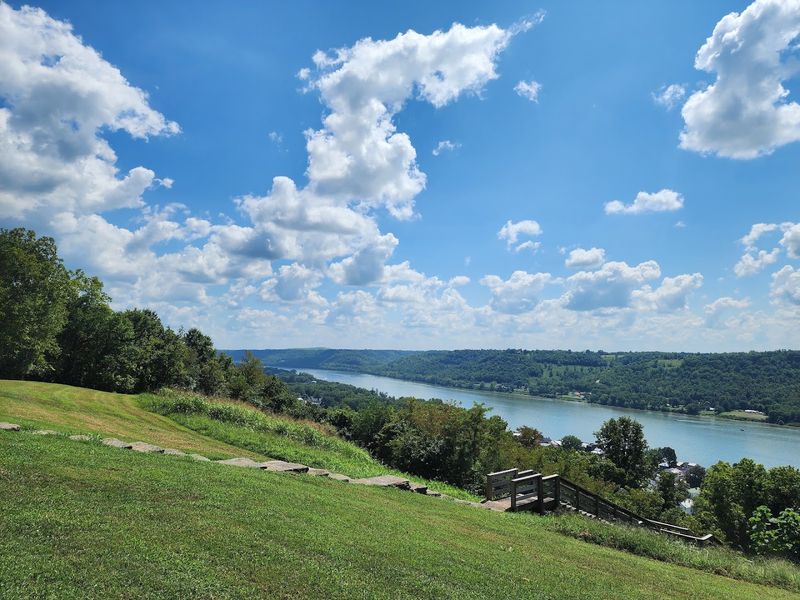
There are hills, and then there are hills that changed history. The bluff above Ripley, Ohio, rises sharply above the Ohio River, giving anyone standing at the top a commanding view of the Kentucky shore directly across the water.
That view was not accidental. The Rankin family chose this location deliberately, knowing that freedom seekers crossing the river at night could look up and see a light burning in the window.
The elevation made the signal visible from a considerable distance, cutting through darkness and fog.
Standing on that hilltop today, you feel the full weight of what happened here. The river below looks deceptively peaceful.
But for thousands of people making a desperate crossing, this high ground represented the first moment of real safety. The landscape itself becomes part of the story the moment you arrive.
John Rankin House at 6152 Rankin Hill Road
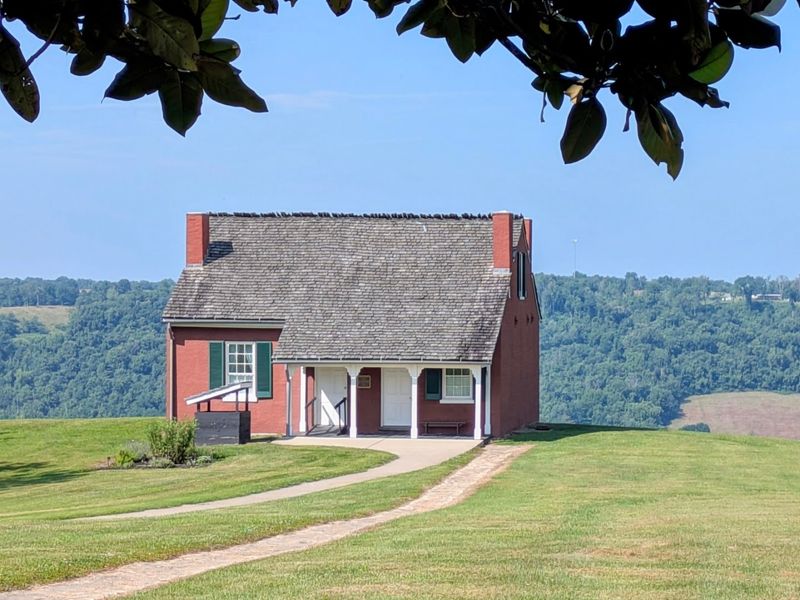
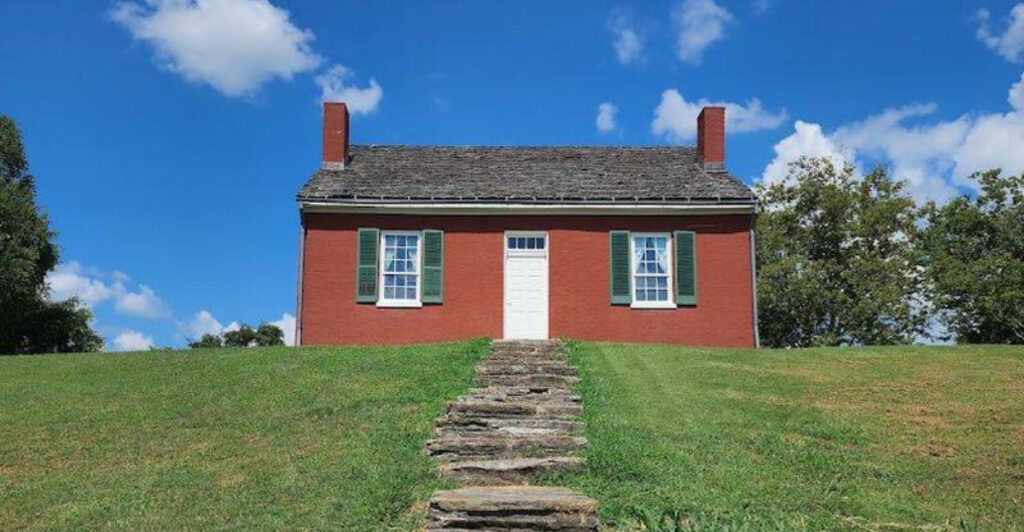
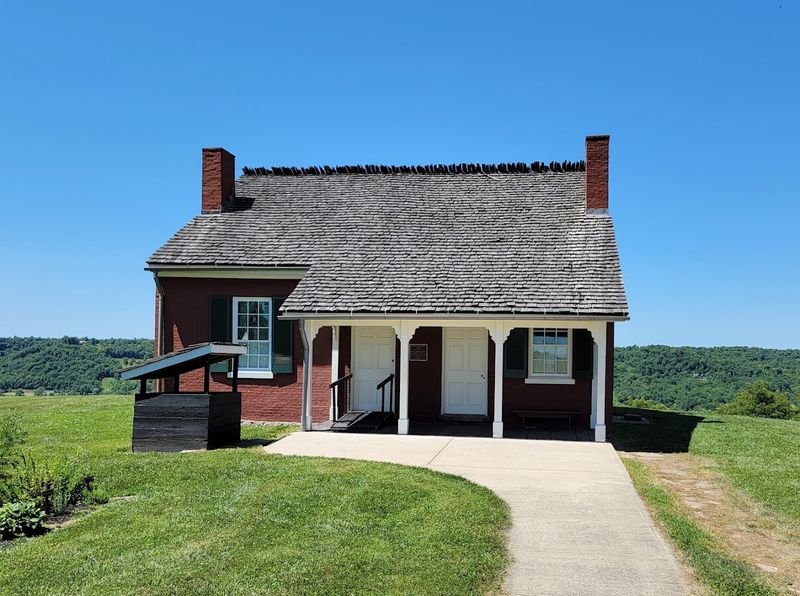
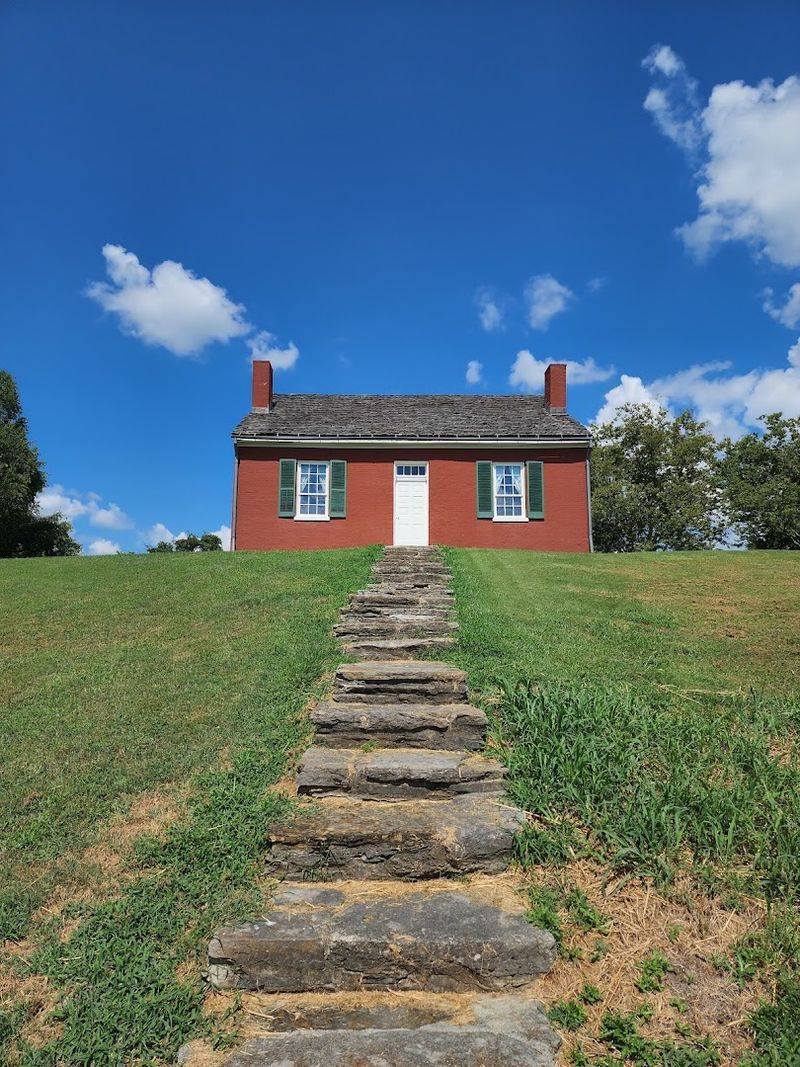
The John Rankin House sits at 6152 Rankin Hill Rd, Ripley, OH 45167, and it looks both modest and quietly powerful at the same time. The brick structure does not shout for attention, but its position on the hill makes it impossible to ignore.
Reverend John Rankin was a Presbyterian minister and passionate abolitionist who moved to Ripley in 1822. He and his wife Jean raised thirteen children in this house while simultaneously running one of the most active stations on the Underground Railroad in Ohio.
The house has been carefully restored to reflect its original appearance, with period-accurate furnishings and details that took significant research to get right. Managed by the Ohio History Connection, it operates as a state memorial and museum.
Arriving here for the first time, you immediately understand why this address matters so deeply to American history.
The Light in the Window
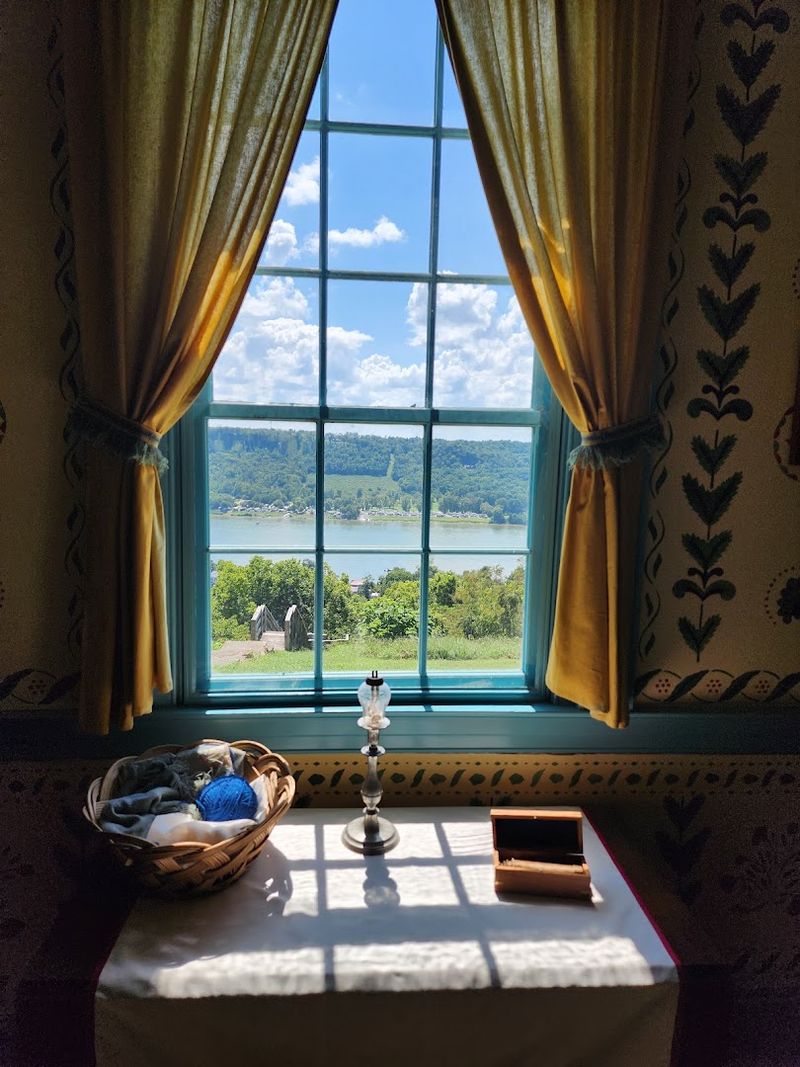
Of all the details that define this place, one stands above everything else. Reverend Rankin placed a light in his window each night as a signal to freedom seekers on the Kentucky shore that it was safe to cross the Ohio River.
That single flame guided an estimated 2,000 people toward freedom over the course of several decades. It was a quiet act, but also an extraordinarily courageous one, given that harboring freedom seekers carried serious legal and personal risks for the Rankin family.
The tour guides at the house explain this detail with remarkable clarity, helping visitors understand just how much meaning one small light could carry. When you hear the full story in that context, standing inside the very rooms where it happened, the image of that lantern becomes something you carry with you long after leaving.
Over 2,000 Freedom Seekers Guided to Safety
The number that stops most visitors cold is 2,000. That is the estimated count of people the Rankin family helped guide toward freedom through their Underground Railroad station.
It is a figure that becomes more staggering the longer you sit with it.
Each person who passed through represented an individual act of courage on both sides. The freedom seekers risked everything to cross that river.
The Rankins risked their home, their safety, and their family by receiving them.
The tours at the house bring individual stories forward, so the number never feels abstract. You hear specific accounts that make you realize each of those 2,000 people had a name, a family, and a life they were fighting to reclaim.
That personal dimension is what separates this site from a simple history lesson and turns it into something far more lasting.
The 100 Steps to Freedom
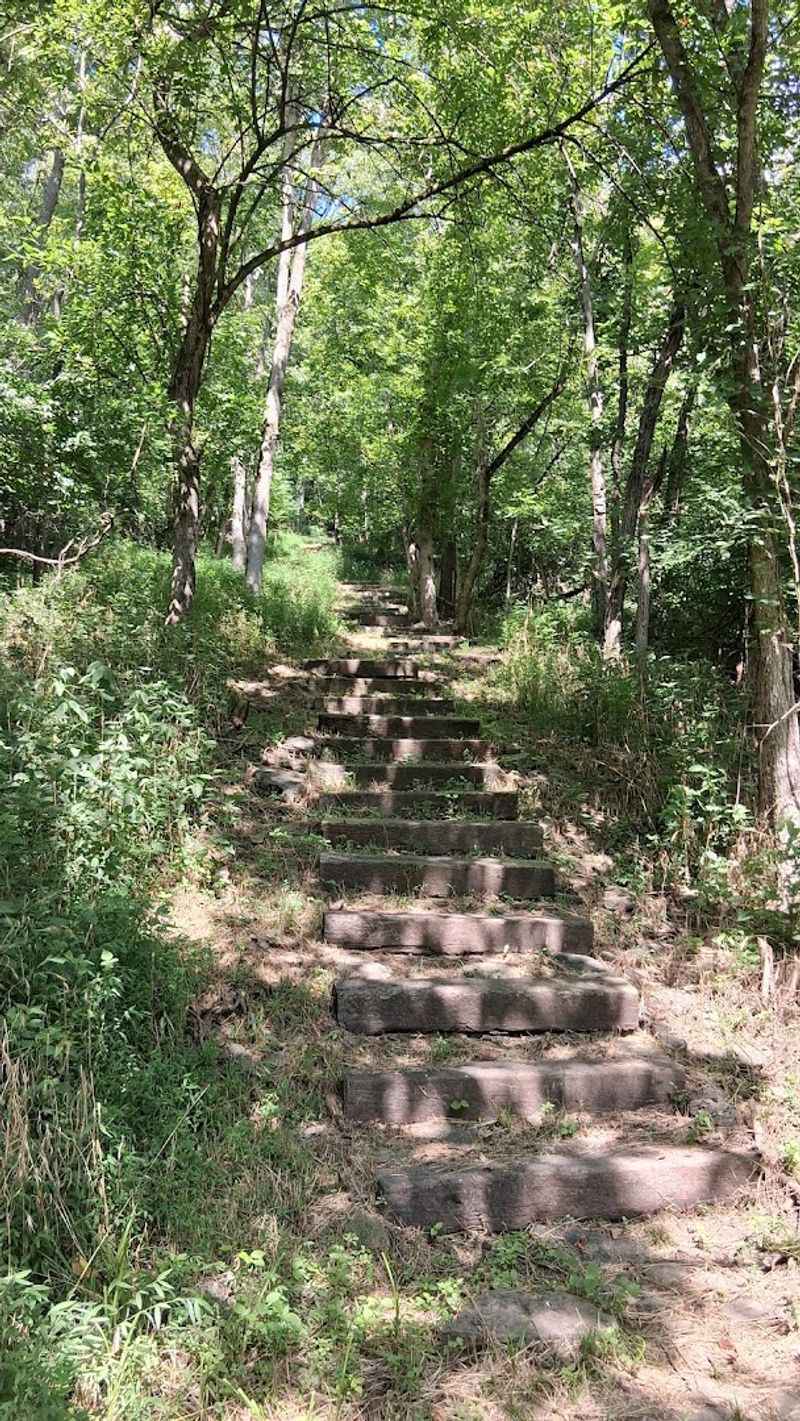
One of the most physically memorable parts of any visit here is the staircase known as the 100 Steps to Freedom. The steps climb the steep hillside from the lower ground near the river up toward the house, retracing the path that freedom seekers once used to reach safety.
Walking those steps today, even in comfortable shoes on a clear afternoon, gives you a real sense of the physical effort involved. Making that same climb in darkness, after crossing a river, with fear driving every step, requires a different kind of imagination entirely.
The steps are accessible even when the house itself is closed, so visitors can walk the trail at various times. Many people describe the experience as humbling in a way that no exhibit or photograph can replicate.
The ground itself becomes the exhibit, and the climb becomes the lesson.
Reverend John Rankin and His Abolitionist Convictions
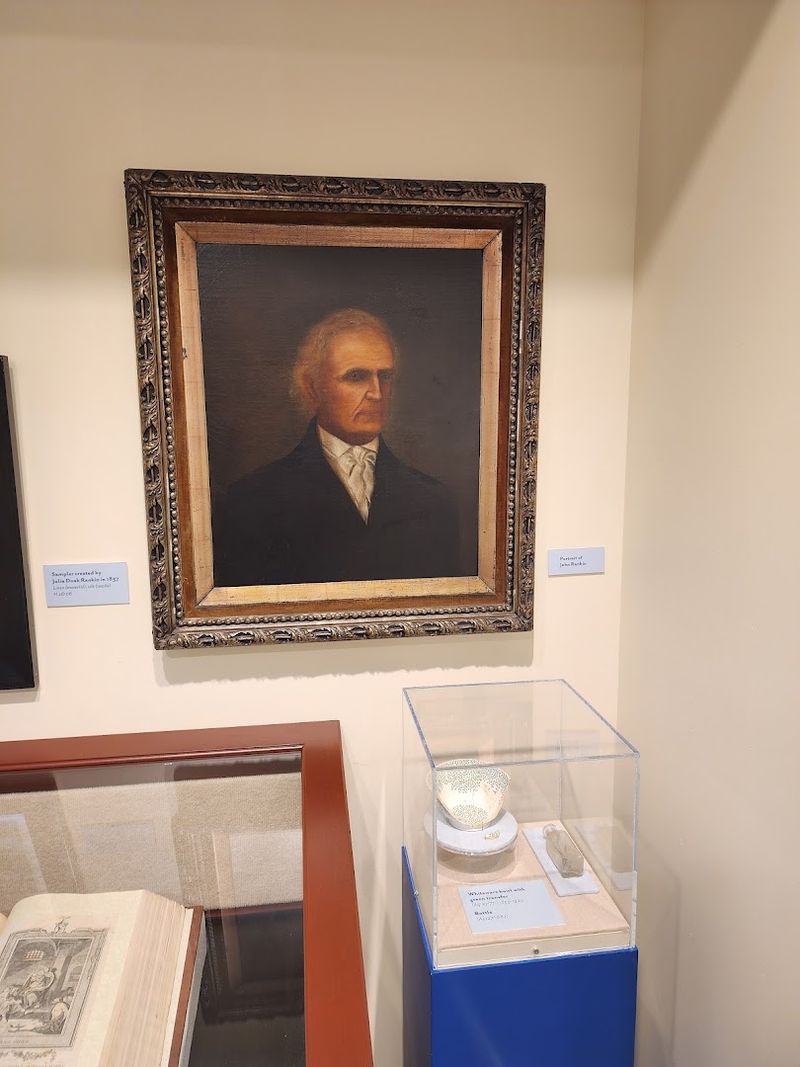
Not every minister in 19th-century America took a public stand against slavery. John Rankin did, loudly and without apology.
His written letters opposing slavery, published in the 1820s, were among the earliest widely circulated abolitionist writings in the country.
Those letters reportedly influenced Harriet Beecher Stowe, whose novel Uncle Tom’s Cabin became one of the most consequential books in American history. That connection alone places Rankin at a remarkable intersection of literature, activism, and social change.
His convictions were not just words. He backed them with action every time someone appeared at his door seeking refuge.
The tour guides at the house trace his beliefs carefully, explaining how his religious faith shaped his opposition to slavery and drove him to take risks that most of his neighbors avoided. Understanding the man makes the house feel entirely different.
The Rankin Family’s Role in Daily Operations
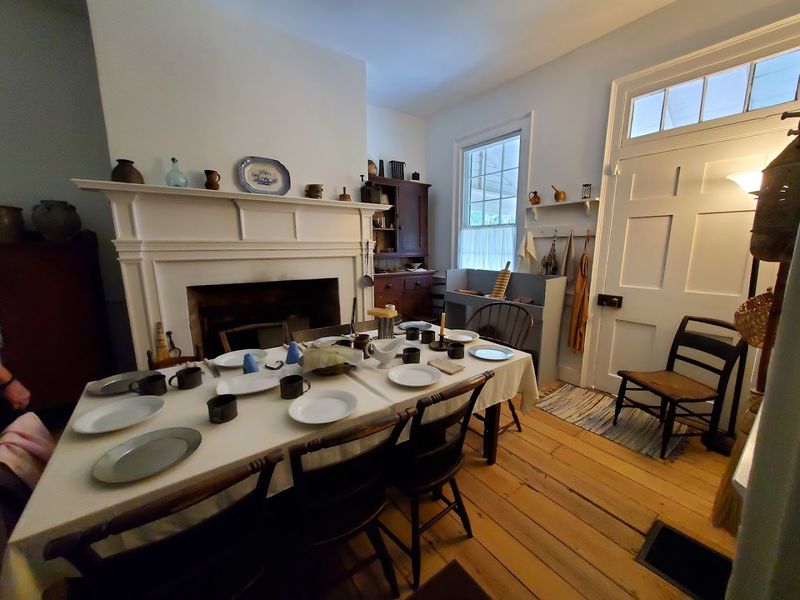
Running an Underground Railroad station was not a solo operation. Jean Rankin and the couple’s thirteen children were all part of what happened in that house on the hill.
The entire family worked together to shelter, feed, and redirect freedom seekers moving northward.
That family dimension is something the tours emphasize in ways that genuinely surprise visitors. It reframes the story from one heroic individual to a household-wide commitment that spanned decades.
Children growing up in that environment understood the stakes from an early age.
The restored interior of the house shows the rooms where people were hidden and where the family lived their daily lives alongside this extraordinary work. Seeing those spaces side by side makes the commitment feel more real than any textbook account could.
The Rankins did not separate their moral beliefs from their everyday existence, and the house reflects that completely.
The Ohio River as a Border Between Two Worlds
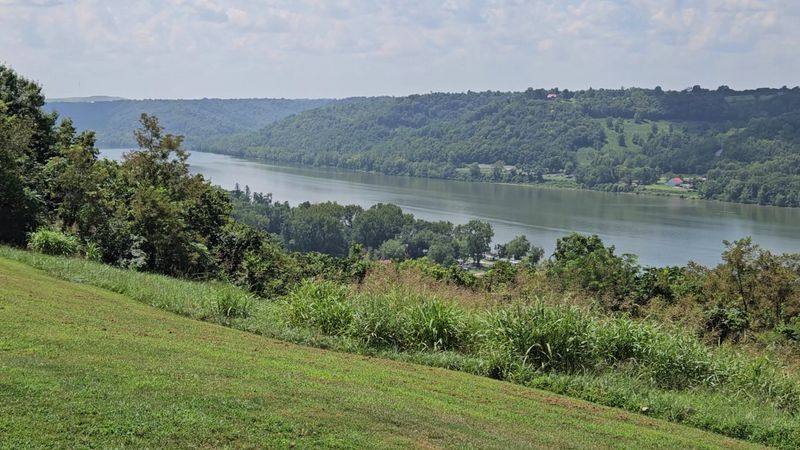
The Ohio River did more than mark a state boundary in the 19th century. It separated two entirely different legal realities.
On the Kentucky side, slavery was legal. Cross to Ohio, and a different set of rules applied, at least in theory.
Standing at the Rankin House and looking south across the river, that geographic fact becomes visceral. The distance is not enormous.
On a clear night, a light burning in an upper window on this hill would have been visible from the opposite bank.
The river also meant danger. Crossing it required either a boat or a frozen surface in winter, both carrying serious risks.
The story of Eliza Harris, who reportedly crossed on ice floes and whose experience may have inspired a scene in Uncle Tom’s Cabin, is directly connected to this stretch of water. The river is still beautiful, but now it carries a different kind of weight.
The Connection to Harriet Beecher Stowe
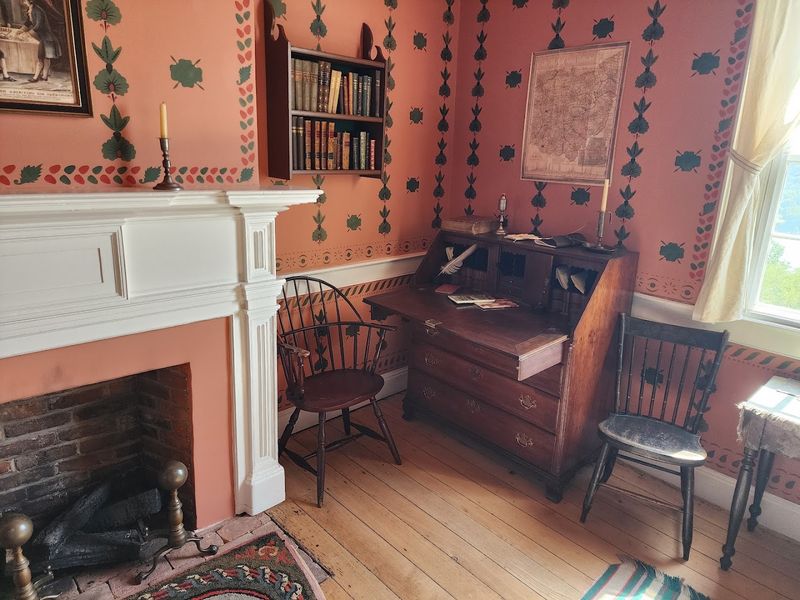
Few literary connections in American history are as direct as this one. Harriet Beecher Stowe, author of Uncle Tom’s Cabin, reportedly read John Rankin’s published letters opposing slavery and was influenced by his work and the stories connected to the Ripley crossing.
The story of Eliza, one of the most dramatic sequences in Stowe’s novel, bears a strong resemblance to accounts of freedom seekers who crossed the frozen Ohio River near Ripley. Whether or not the details align perfectly, the connection between this hilltop and one of the most influential American novels ever written is genuinely remarkable.
Tour guides at the house bring this connection to life without overstating it, letting the historical record speak for itself. For anyone who has read the novel, standing at the Rankin House adds a layer of meaning to the story that no classroom discussion can provide.
Inside the Restored Historic House
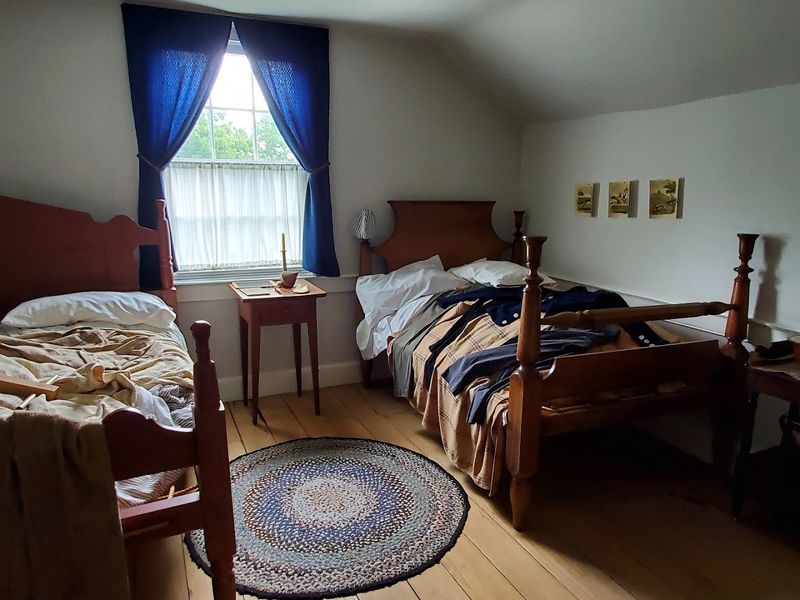
Restoration work at the Rankin House was not a quick coat of paint and some antique furniture. Researchers invested considerable effort to return the interior to something close to its original appearance, using historical records and period documentation to guide decisions.
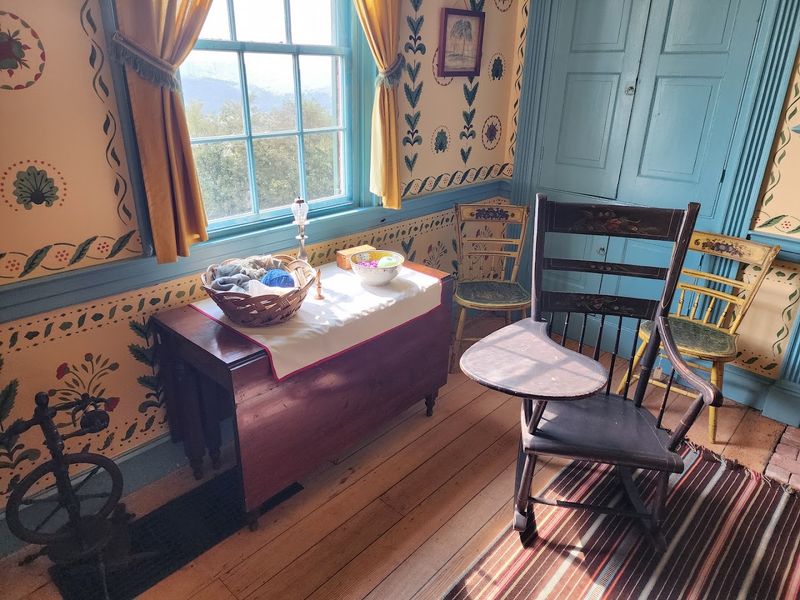
The rooms feel genuinely lived-in rather than staged. Wooden floors, modest furnishings, and small windows create an atmosphere that feels consistent with what a working minister’s household in 1820s Ohio would have looked like.
Touring the interior with a guide adds context that you simply cannot get from reading a plaque. The guides point out details that most visitors would walk right past, explaining what each room was used for and how the layout of the house served both the family’s daily life and their Underground Railroad work.
The building itself becomes a document once you know how to read it.
The Visitor Center and Gift Shop
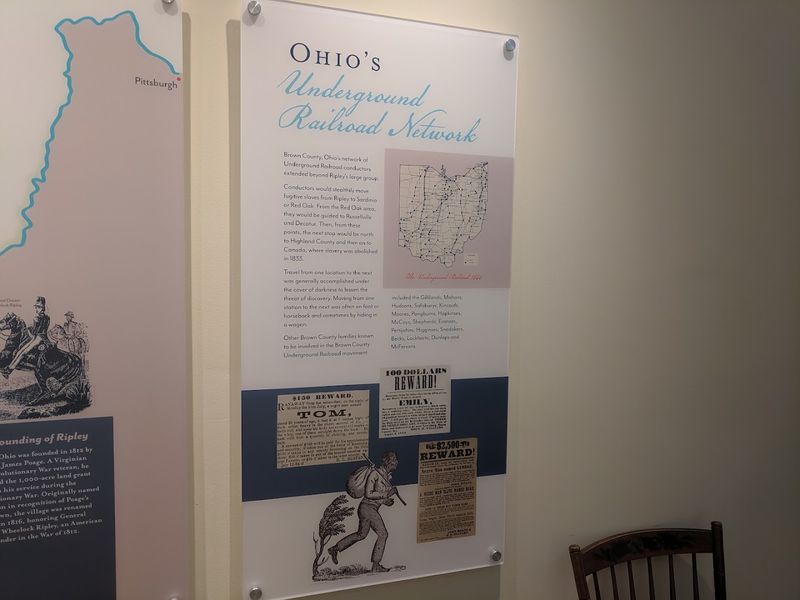
A well-designed visitor center now anchors the site alongside the historic house itself. The center provides context before you step inside the home, with exhibits that introduce the Underground Railroad, the Rankin family, and the broader history of Ripley’s role in the abolitionist movement.
The gift shop carries books, educational materials, and items connected to the history of the site and the Underground Railroad more broadly. It is the kind of shop where you actually want to browse rather than just glance through on your way out.
Clean restrooms and a comfortable space to gather before and after tours make the practical side of a visit easy. For families with children or groups visiting for educational purposes, having that infrastructure in place matters more than it might seem.
The visitor center was a significant upgrade from earlier years and has noticeably improved the overall experience.
Guided Tours That Bring History to Life
Some historic sites give you a brochure and let you wander. The Rankin House takes a different approach, offering guided tours that run roughly 50 minutes and cover the house, the family, and the Underground Railroad in considerable depth.
The guides here have a reputation for turning what could be a dry history lesson into something that feels immediate and personal. They connect the Rankin story to broader themes in American history without losing the specific human details that make the narrative stick.
Tours run on the hour during operating hours, and smaller groups often get an even more focused experience. Visitors consistently note that the guides answer questions thoughtfully and seem genuinely invested in sharing this history.
Going without a guide would mean missing most of what makes this place extraordinary. The tour is not optional; it is the point.
Ripley’s Broader History as an Abolitionist Town
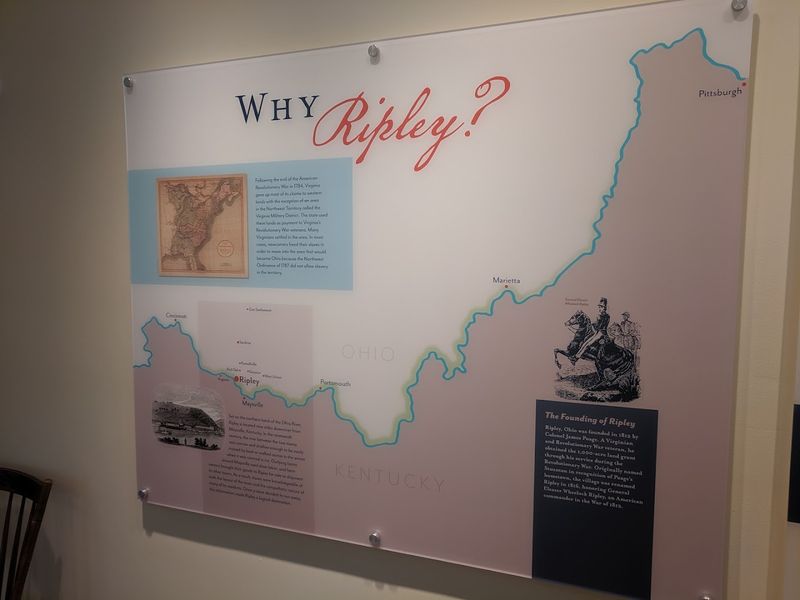
Ripley was not just home to one abolitionist family. The town had a reputation throughout the 19th century as a place where anti-slavery sentiment ran deep, shaped in part by its founding by Revolutionary War veterans who brought complex views about freedom with them.
Several other Ripley residents worked alongside the Rankins to support freedom seekers passing through. The town’s position directly on the Ohio River made it a natural crossing point, and its community of like-minded residents made it a relatively safer destination than other border towns.
Walking through Ripley today, you can feel that layered history in the architecture and the landscape. The tour guides at the Rankin House often point visitors toward other historically significant spots in town, giving the visit a broader geographic context.
The house on the hill is the anchor, but the whole town tells a connected story.
What the View from the Hilltop Feels Like Today
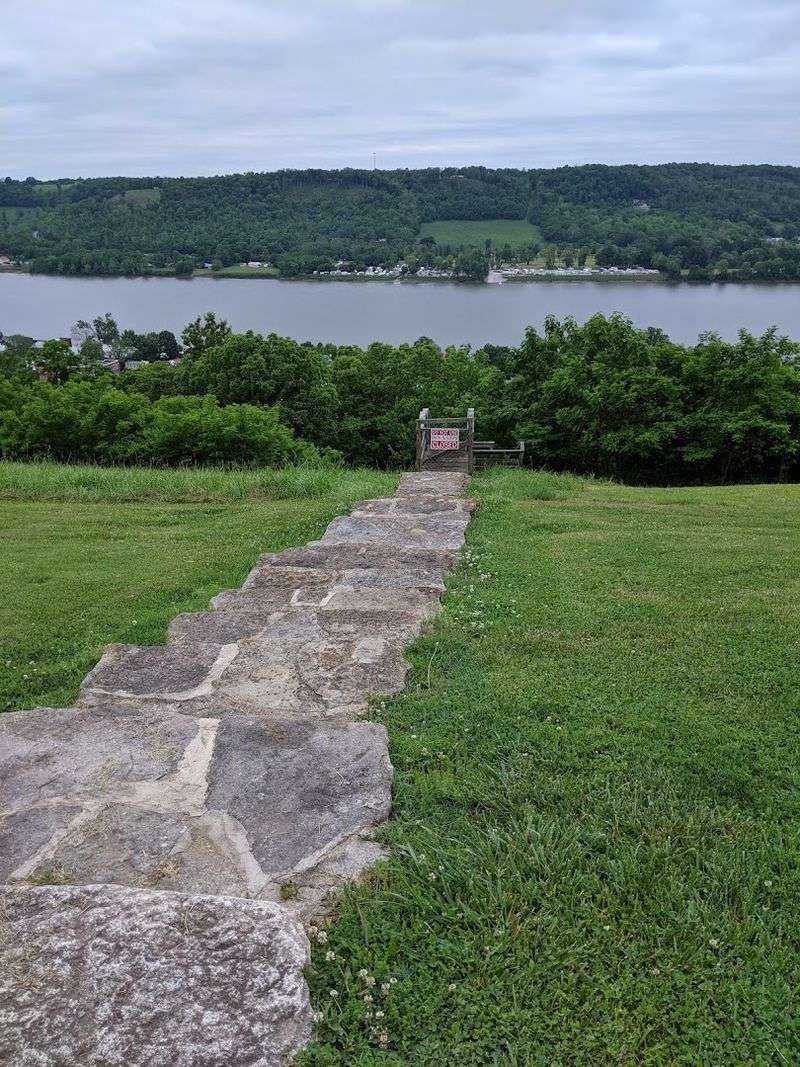
No photograph fully prepares you for the view from the top of the Rankin Hill. The Ohio River spreads wide below, and the Kentucky hills roll away on the far bank in a way that feels both beautiful and historically charged at the same time.
On a clear day, the visibility is remarkable. You can easily trace the path a freedom seeker would have taken, from the Kentucky shore across the water and up the hillside to the house.
The geography makes the story concrete in a way that words alone cannot.
Several visitors have described the experience as unexpectedly emotional, and that reaction makes complete sense once you are standing there. The view has not changed dramatically in two centuries.
The river still runs the same course. What has changed is what it represents, and standing at that spot, the weight of that change settles in quietly but completely.
Planning Your Visit to This Ohio History Connection Site
The Rankin House is open Wednesday through Saturday from 10 AM to 5 PM and Sunday from noon to 5 PM. Monday and Tuesday are closed, so planning around those days is essential.
The site is managed by the Ohio History Connection.
The drive up Rankin Hill Road is a narrow one-lane road with a few sharp turns, so arriving with some patience and careful driving is a good idea. Parking is available at the visitor center, which was added in more recent years and makes arrival considerably smoother.
Admission is modest, and the Ohio History Connection membership provides access to this and other state historic sites. Arriving early on weekdays often means smaller tour groups and a more personal experience.
The site is genuinely worth making a dedicated trip for, and for anyone with an interest in American history, it belongs at the top of the list.
Share this story