In the heart of Pennsylvania’s capital, The State Museum of Pennsylvania showcases the Commonwealth’s natural history, art, and cultural heritage under one roof. From prehistoric fossils and Civil War artifacts to fine art, Native American history, and interactive exhibits, it’s one of Harrisburg’s must-visit attractions – and an especially timely one, as the museum is scheduled to close for a major renovation beginning after August 2, 2026.
Whether you’re interested in history, science, or art, now is an ideal time to visit. Guests can experience the museum’s current exhibits before the multi-year renovation transforms the space, making this a unique opportunity to see one of Pennsylvania’s premier museums in its present form.
The Address, the Architecture, and the First Impression
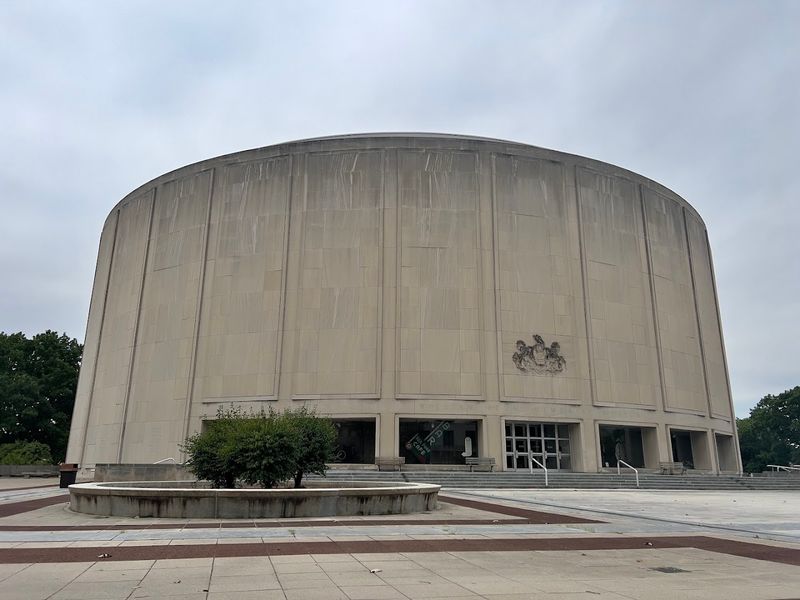
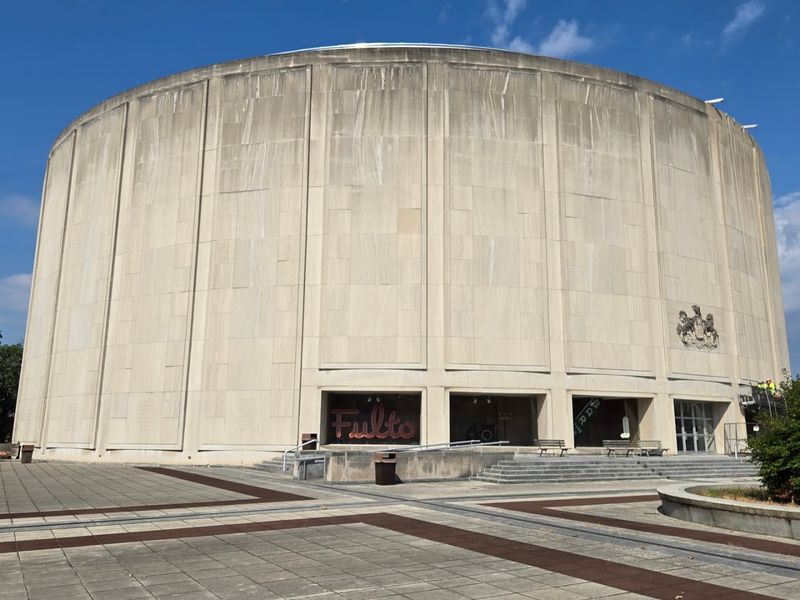
Few buildings announce themselves quite like this one. The State Museum of Pennsylvania sits at 300 North Street, Harrisburg, Pennsylvania 17120, right next to the State Capitol Complex, and its distinctive circular shape immediately sets it apart from everything around it.
Completed in 1964, the building is recognized on the National Register of Historic Places for its Mid-20th Century Modern design. The rounded silhouette feels bold and deliberate, a physical statement that the institution inside takes its mission seriously.
Operated by the Pennsylvania Historical and Museum Commission, the museum covers 80,000 square feet of exhibition space across four floors. That footprint is large enough that three hours of exploring still leaves you feeling like you only scratched the surface.
The surrounding Capitol Complex adds an extra layer of civic gravitas to the visit, reminding you before you even walk through the door that what awaits inside is the official story of an entire commonwealth. First impressions here carry real weight.
Memorial Hall and the Bronze Giant That Greets You
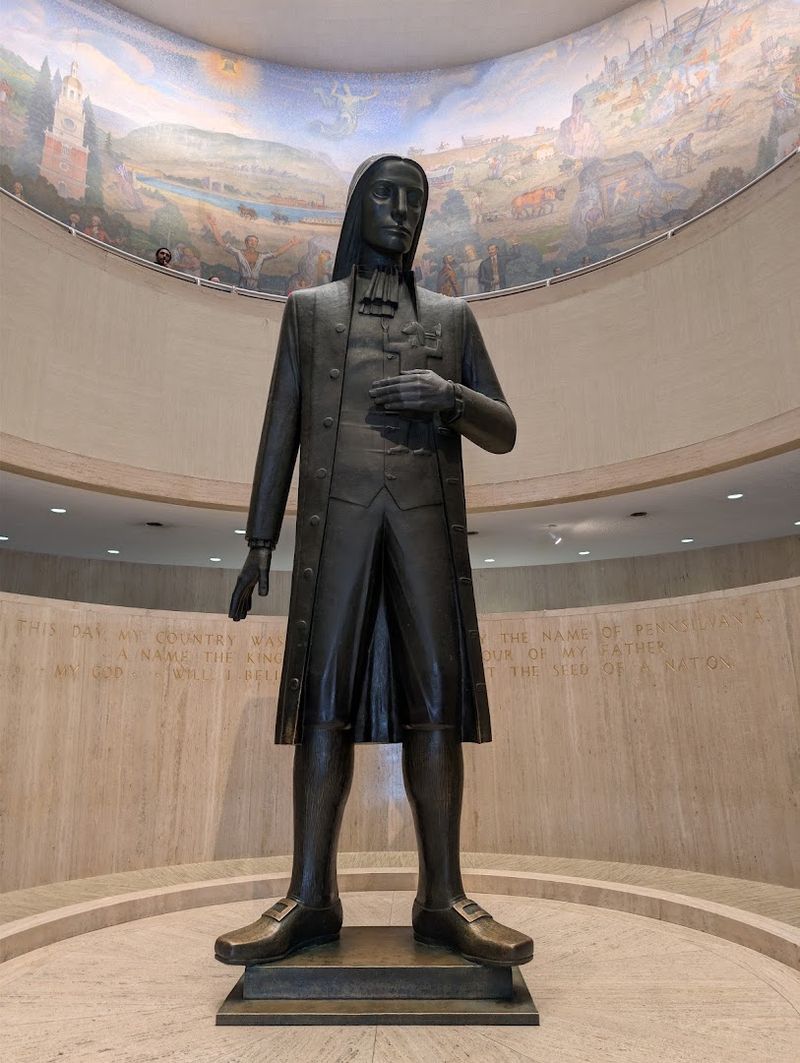
The moment you enter Memorial Hall, a bronze William Penn stops you in your tracks. The statue stands 18 feet tall, weighs 3,200 pounds, and was created by Pennsylvania artist Janet de Coux. It commands the central hall with a quiet authority that is hard to ignore.
Above the statue, Vincent Maragliotti’s sweeping ceiling mural depicts Pennsylvania’s history from its earliest days through 1964, rendered in rich color and careful detail. The combination of the sculpture below and the painted panorama above creates a genuinely theatrical entrance that sets the tone for everything that follows.
This hall also gives visitors a chance to connect with the original charter of Pennsylvania, a document rooted in principles of tolerance and civic responsibility. Spending a few minutes here before moving on to the galleries is not wasted time.
The sheer physical scale of the space encourages you to slow down, look up, and absorb the fact that you are standing at the symbolic center of an entire state’s identity.
Pennsylvania Icons: The Exhibit That Surprises Everyone
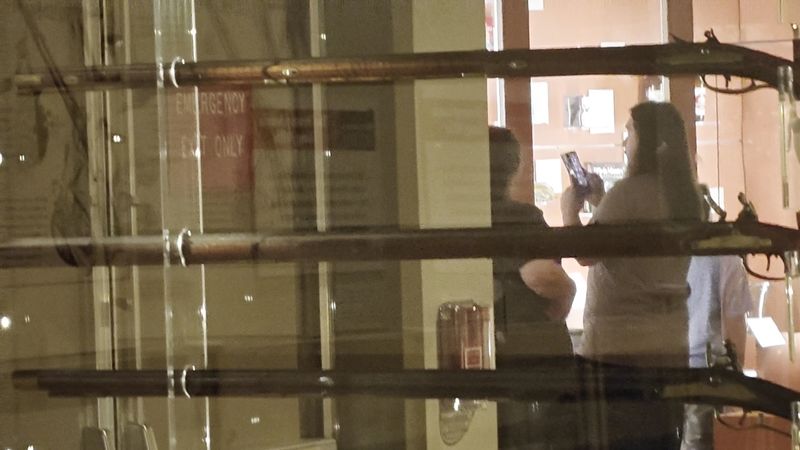
Not every museum can claim a Wilt Chamberlain trophy and Arnold Palmer’s golf clubs in the same room, but the Pennsylvania Icons exhibit pulls it off with confidence. This collection of over 350 objects celebrates the outsized influence Pennsylvania has had on national culture, sports, and daily life.
The range here is genuinely fun to navigate. One moment you are looking at the Pennsylvania Long Rifle, recognized as the state’s official firearm and credited with revolutionizing 18th-century military accuracy. The next moment you are standing near memorabilia tied to athletes and entertainers whose careers shaped American popular culture.
What makes this exhibit work is that it avoids feeling like a random assortment. Each object connects back to a broader argument: Pennsylvania consistently produced people and inventions that changed things at a national scale.
It is the kind of exhibit that sparks spontaneous conversations between strangers reading the same label, which says something about how well the curators assembled the story. The Civil War galleries on the floor above tell an equally gripping chapter.
Village Square: A 19th-Century Street You Can Actually Walk Through
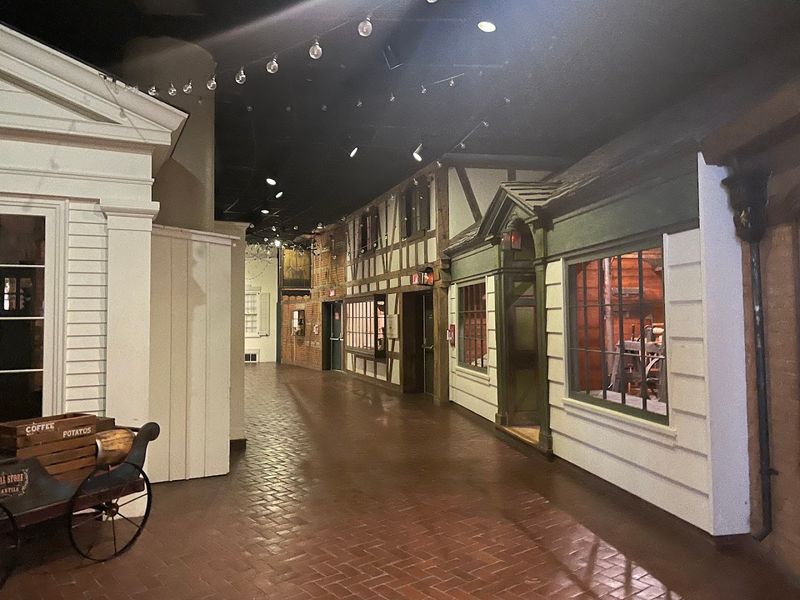
The Village Square exhibit on the first floor is one of those displays that makes you forget you are inside a museum. A life-sized streetscape recreates a 19th-century Pennsylvania town with enough authentic detail to feel genuinely transportive rather than theatrical.
A summer kitchen, a general store, and a tin shop line the recreated street, each one furnished and dressed with period-accurate objects. The craftsmanship on display in the tin shop alone is worth a slow walk through, offering a window into the utilitarian artistry that kept early communities functioning.
What sets this exhibit apart from a simple diorama is the sense of scale. You move through it rather than looking at it from a distance, which changes the relationship between visitor and history in a meaningful way.
Children tend to gravitate toward this section naturally, drawn in by the story-book quality of the setting. Adults usually linger longer than they expected, finding themselves piecing together the rhythms of daily life in a Pennsylvania town from another century entirely.
Objects of Valor: Pickett’s Charge on a 32-Foot Canvas
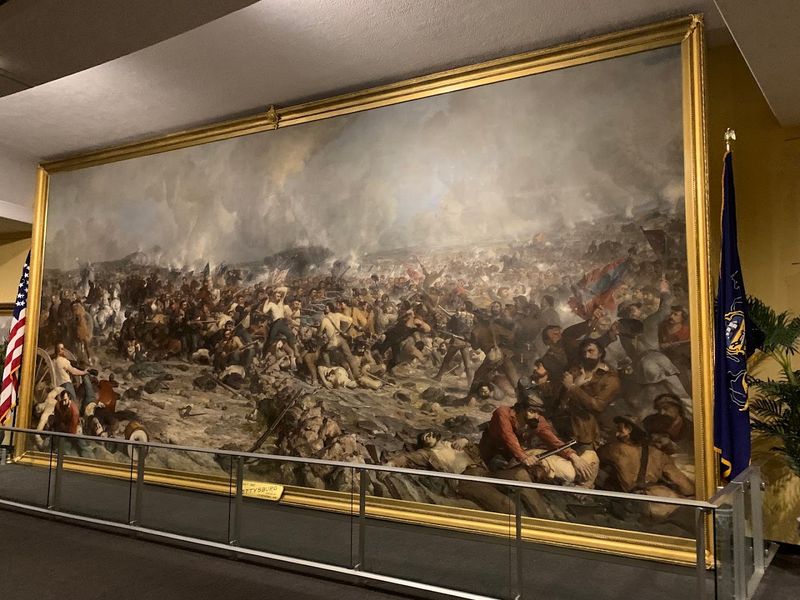
Peter F. Rothermel’s 1870 painting of Pickett’s Charge is not the kind of artwork you glance at and move on. Measuring 16 feet tall and 32 feet wide, it occupies an entire wall of the second-floor gallery with a visual intensity that pulls you toward it before you have even registered what you are looking at.
The painting anchors the Objects of Valor exhibit, which surrounds it with uniforms, weapons, and personal objects belonging to Pennsylvanians who lived through the Civil War. These items shift the focus from the epic scale of the painting to the individual human scale of the conflict.
Reading the labels attached to a soldier’s personal effects creates a different kind of emotional response than standing in front of a grand battle scene. Both registers are present here, and the exhibit benefits from that contrast.
Pennsylvania’s role in the Civil War was enormous, and this gallery gives that contribution the serious, respectful treatment it deserves. The natural history of the state’s ancient past waits just a floor away.
Native American Heritage: Thousands of Years Before Pennsylvania Had a Name
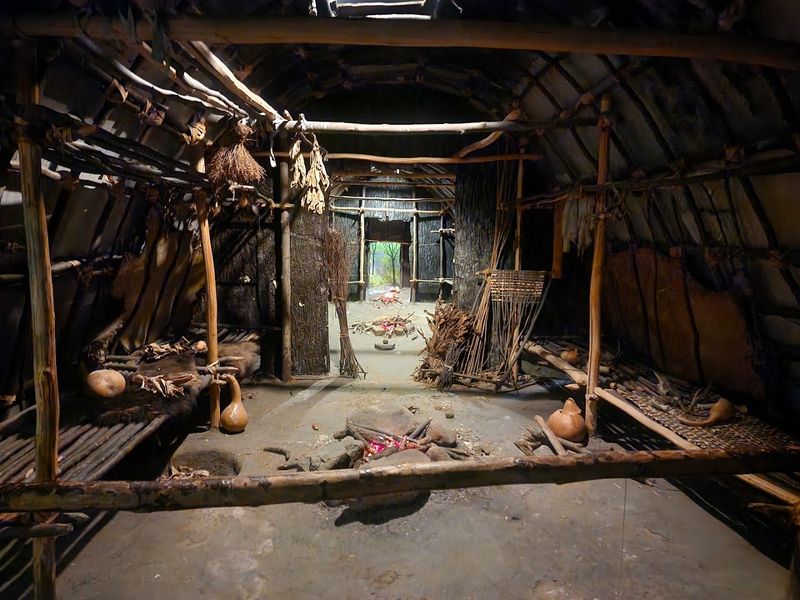
Long before Pennsylvania was a commonwealth or even a colonial territory, Indigenous peoples built complex societies across this land, and the second-floor Native American heritage section takes that history seriously. Authentic artifacts including tools, pottery, and ceremonial objects are presented alongside meticulously crafted dioramas that depict daily life, hunting practices, and spiritual ceremonies.
The dioramas are particularly effective because they do not reduce Indigenous cultures to static snapshots. They show activity, community, and intention, giving visitors a sense of living societies rather than frozen moments.
The interpretive labels throughout this section are careful and respectful, acknowledging the depth and continuity of these cultures rather than treating them as simply a prologue to European settlement. That curatorial choice matters and is noticeable.
Spending time here before moving on to the colonial and revolutionary exhibits creates a more complete picture of Pennsylvania’s human story. It is a reminder that the timeline of this land stretches back thousands of years before any of the more familiar historical chapters even begin.
Transportation and Industry: Where Pennsylvania Built the Nation’s Backbone
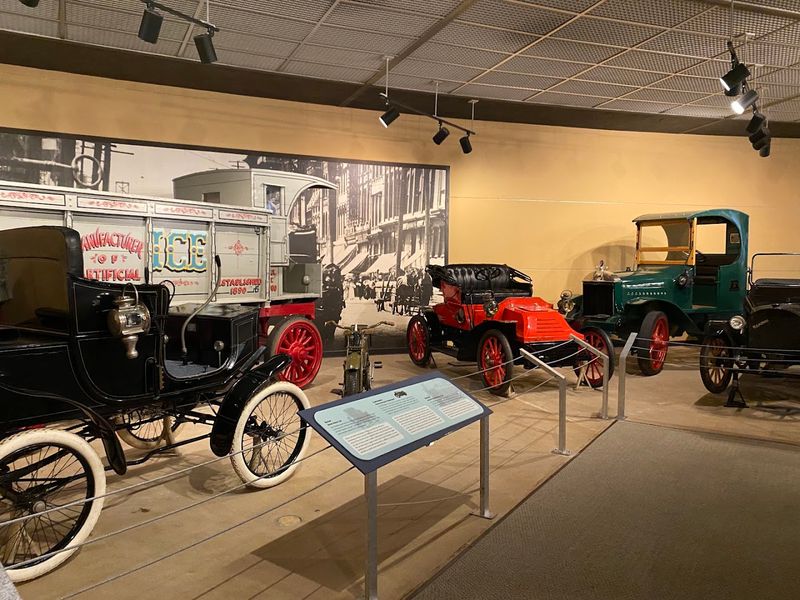
Pennsylvania’s reputation as an industrial powerhouse did not happen by accident, and the Transportation and Industry exhibit on the second floor makes the case for the state’s foundational role in building modern America with clarity and real enthusiasm. Historic vehicles, early industrial machinery, and a compact Scotty camper share floor space in a collection that covers a lot of ground, literally and figuratively.
The Pennsylvania Turnpike section is a highlight, celebrating America’s first superhighway with the pride it deserves. The engineering ambition behind that project was considerable, and the exhibit communicates both the technical achievement and its lasting impact on how Americans move across the country.
A dedicated display about the 1979 Three Mile Island Nuclear Power Plant Accident adds a sobering counterpoint to the celebration of industrial progress, acknowledging that the state’s relationship with technology has not always been uncomplicated.
The variety here keeps the exhibit from feeling like a single-note celebration. It is honest about the complexity of industrial history while still conveying genuine admiration for the ingenuity involved. The art galleries offer a very different kind of creativity just around the corner.
Art of the State: Pennsylvania’s Creative Voice Since 1968
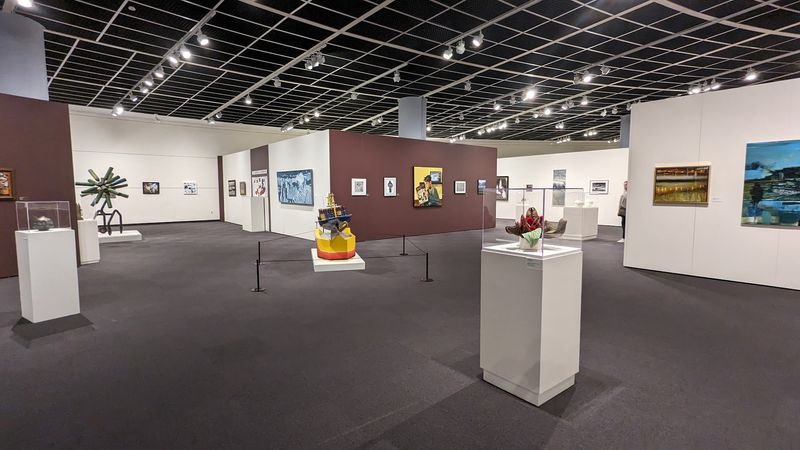
Since 1968, the Art of the State exhibition has given Pennsylvania artists a prestigious annual platform, and the tradition has produced a remarkably varied body of work over more than five decades. Painting, photography, sculpture, craft, and works on paper all find their way into the juried show, reflecting the full range of creative activity happening across the commonwealth in any given year.
What makes this exhibition genuinely engaging is the freshness it brings to a museum that is otherwise focused on historical collections. Contemporary voices and current aesthetic conversations sit alongside centuries-old artifacts, and the contrast is productive rather than jarring.
The annual rotation means that no two visits to this gallery deliver the same experience, which gives regular visitors a reason to return beyond the permanent collections. Local artists get meaningful visibility, and visitors get exposure to work they might never encounter otherwise.
The museum’s commitment to this exhibition signals something important about its identity: it sees itself as a living cultural institution, not just a repository of the past. That distinction shapes the entire visit in subtle but meaningful ways.
The Natural History Floors: Mastodons, Dioramas, and a Planetarium
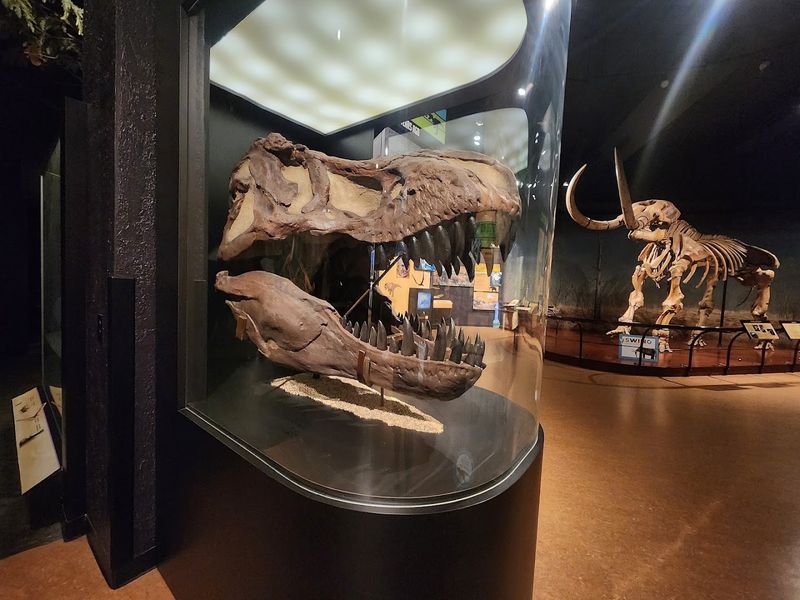
Before the third floor closed in January 2026 for renovations, it housed some of the museum’s most visually arresting exhibits. The Marshalls Creek Mastodon, one of North America’s most complete specimens of its kind, was the undisputed centerpiece, a prehistoric skeleton that made the ancient past feel startlingly immediate.
The Mammal Hall offered detailed dioramas presenting Pennsylvania wildlife in recreated natural habitats, from dense woodland scenes to waterway environments. These displays were crafted with a level of care that held up remarkably well over the decades, earning consistent praise from visitors who remembered them long after leaving.
The Carboniferous Forest exhibit transported visitors into a primeval landscape, while the Dino Lab featured fossil specimens including a T-Rex skull, Dracorex, and Velociraptor. The Planetarium rounded out the floor with astronomy programming suited to a wide age range.
Although these exhibits are temporarily offline, the renovation promises a substantially upgraded natural history experience when the museum reopens in early 2029. The anticipation alone makes future visits worth planning now.
Family-Friendly Features: Kids Learn by Doing Here
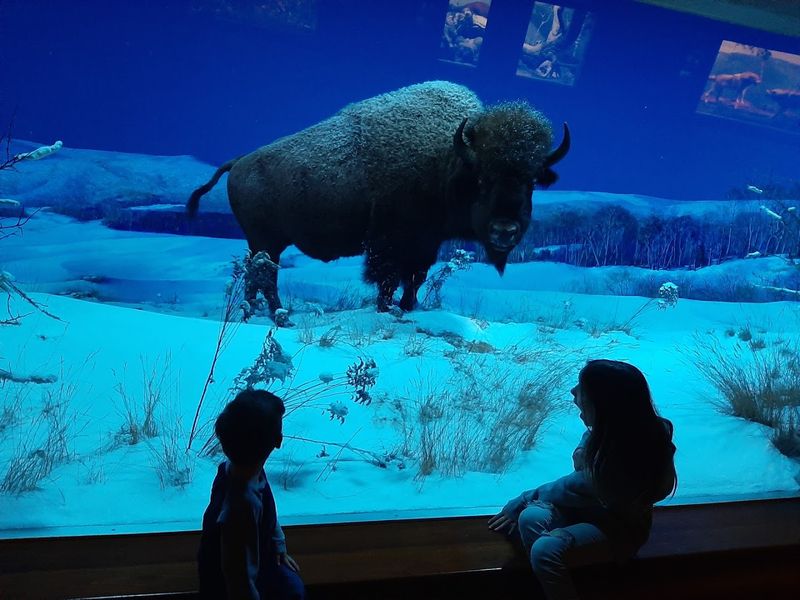
Near the lobby, a hands-on learning area designed for children ages one through six sets the tone for a family visit from the moment you arrive. Gardening props, camping items, musical instruments, and small statued animals fill the space with the kind of tactile engagement that young children respond to naturally.
Throughout the upper floors, additional kid-friendly activity stations break up the exhibit-walking experience in a way that parents genuinely appreciate. These moments of interactivity give younger visitors a chance to process what they are seeing rather than simply moving past it.
The fourth floor hosts a dedicated learning center that extends the educational mission of the museum into a more structured format, offering programming and resources that complement the exhibit content. Families who spend a full afternoon here consistently report that the pacing worked well for children across a range of ages.
The museum does not market itself as a purely interactive experience, but the family-oriented touchpoints are thoughtfully distributed. A visit with kids here feels considered rather than accidental, which makes the whole day run more smoothly.
Planning Your Visit Before the Big Renovation Begins
The timing for a visit right now is genuinely favorable. From July 1 through August 2, 2026, the museum operates under a Pay As You Wish admission policy, replacing the standard rates of seven dollars for adults, six dollars for seniors, and five dollars for children ages one through eleven. After August 2, 2026, the entire museum closes for a major renovation project expected to run through early 2029.
Current hours are Wednesday through Saturday from 9:00 AM to 4:30 PM, and Sunday from 12:00 PM to 4:30 PM. The museum is closed on Mondays and Tuesdays. There is no on-site parking, but city-owned garages sit within a few blocks, and weekend street parking is sometimes available at no charge.
Accessibility is well-considered throughout the building. Elevators reach all open floors, accessible restrooms are available, and sensory kits can be requested at the entrance. The Aira app provides free verbal descriptions for visitors with low vision when connected to the museum’s Wi-Fi network.
Reaching the museum is straightforward: the phone number is 717-787-4980, and the website at statemuseumpa.org carries current exhibit and event information. Going before August 2 means experiencing the museum in its current form before everything changes.
Share this story