Most people drive through the Nevada desert without realizing they are passing over an ancient ocean floor. Buried in the shale beds of a quiet BLM site near Caliente, Nevada, are the remains of creatures that crawled through shallow seas roughly 500 million years ago.
Trilobites, those armor-plated marine animals that vanished long before dinosaurs ever appeared, are still here, waiting to be found. And the most surprising part is that anyone can come out, pick up a rock hammer, and take one home for free.
What the Oak Springs Trilobite Area Actually Is
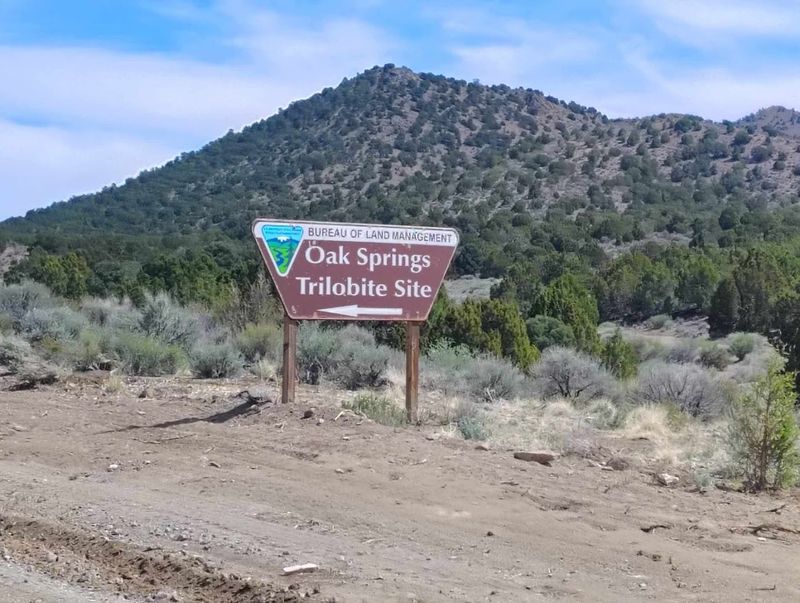
There are not many places in the United States where you can legally collect 500-million-year-old fossils and walk away with them in your pocket. The Oak Springs Trilobite Area, located at 93 U.S.
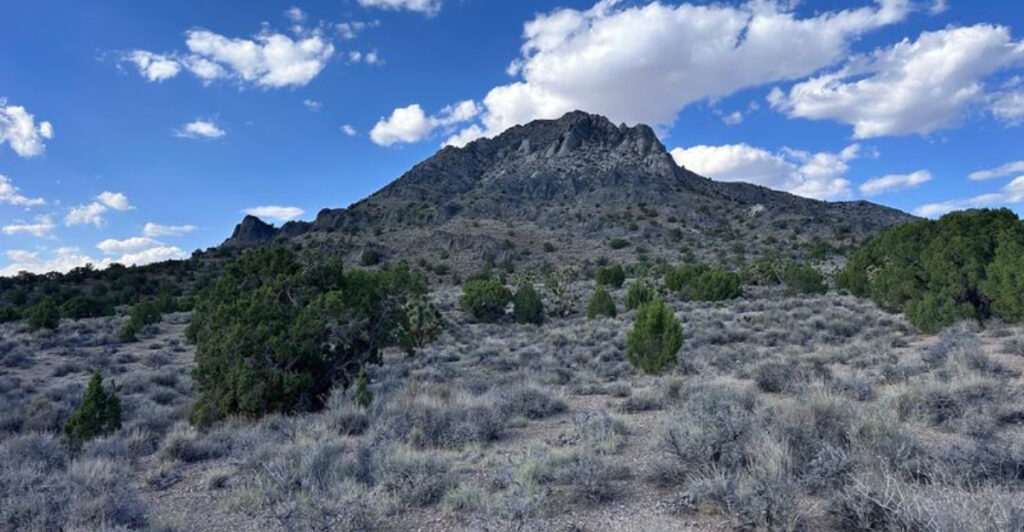
Highway 93 in Caliente, Nevada, is one of those rare exceptions. Managed by the Bureau of Land Management, this free public site sits on open desert terrain dotted with juniper trees and scattered shale beds.
The site is not a museum or a guided tour. It is a hands-on fossil hunting area where visitors do the digging themselves.
A well-marked trail leads from the parking area out to the shale fields where trilobites and plant fossils have been found by visitors of all ages and experience levels.
The whole setup feels refreshingly low-key for a place sitting on top of some seriously ancient history.
The 500-Million-Year-Old Creatures You Are Looking For
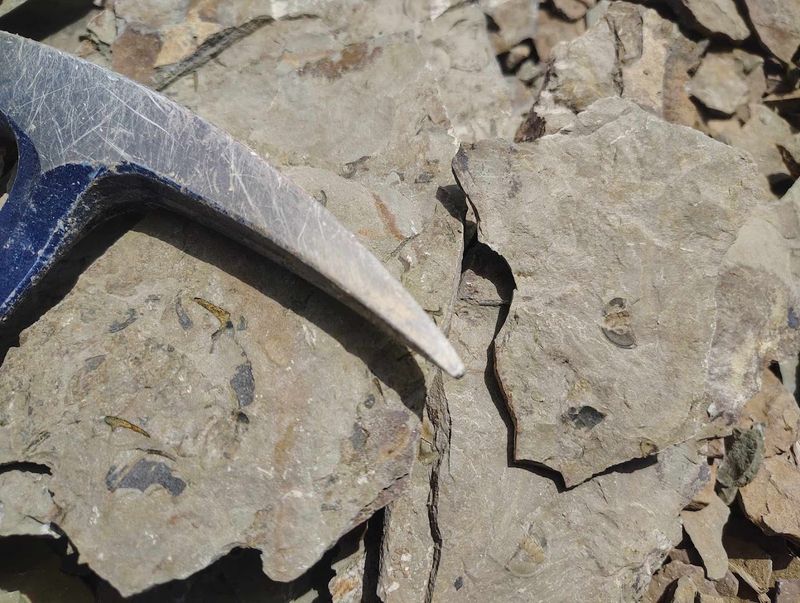
Trilobites were marine arthropods that lived during the Paleozoic Era. They had segmented bodies, hard exoskeletons, and compound eyes, and they thrived in ancient oceans for hundreds of millions of years before going extinct.
What you find at Oak Springs are their preserved remains locked inside layers of shale that were once the floor of a shallow sea.
Most of the trilobite fossils found here are partial, often just the head shield, called the cephalon. A complete trilobite is a lucky find, but even a fragment is genuinely exciting when you realize what you are holding.
Plant fossils, including fern and leaf impressions, also show up regularly in the shale and tend to be a bit easier to spot for first-timers.
The information board at the trailhead includes photos to help you identify exactly which species you may have found.
How the Fossil Hunting Actually Works
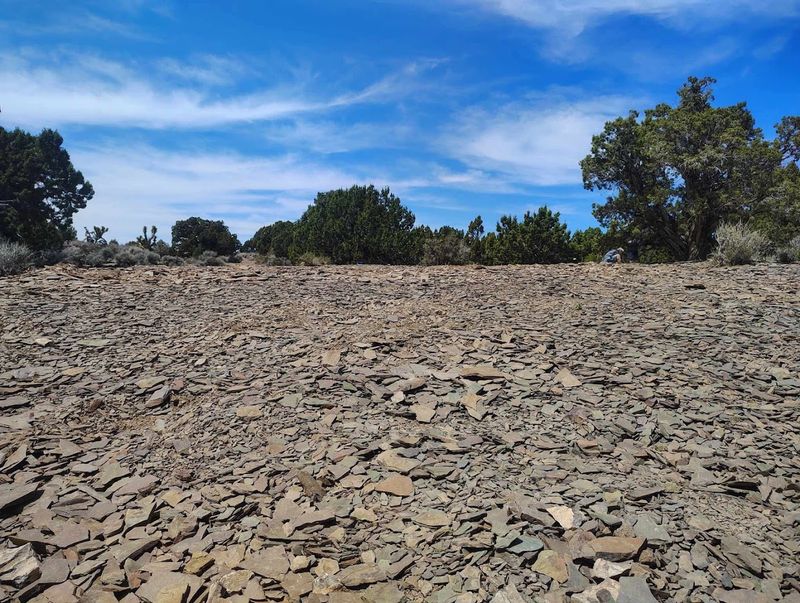
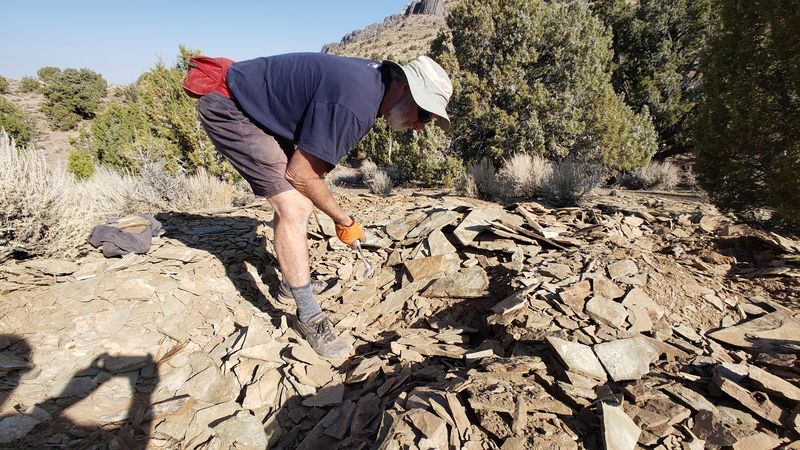
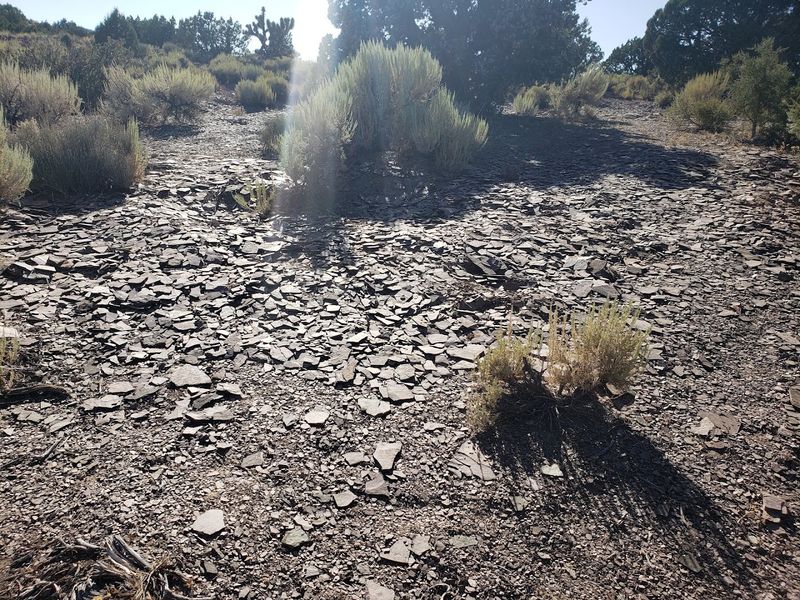
The process is simpler than most people expect. You walk the trail out to the shale field, find a promising pile of flat gray rocks, and start splitting them open.
Shale breaks along natural layers, and trilobite fossils are often revealed right along those splits. Each crack of the hammer brings a small rush of anticipation.
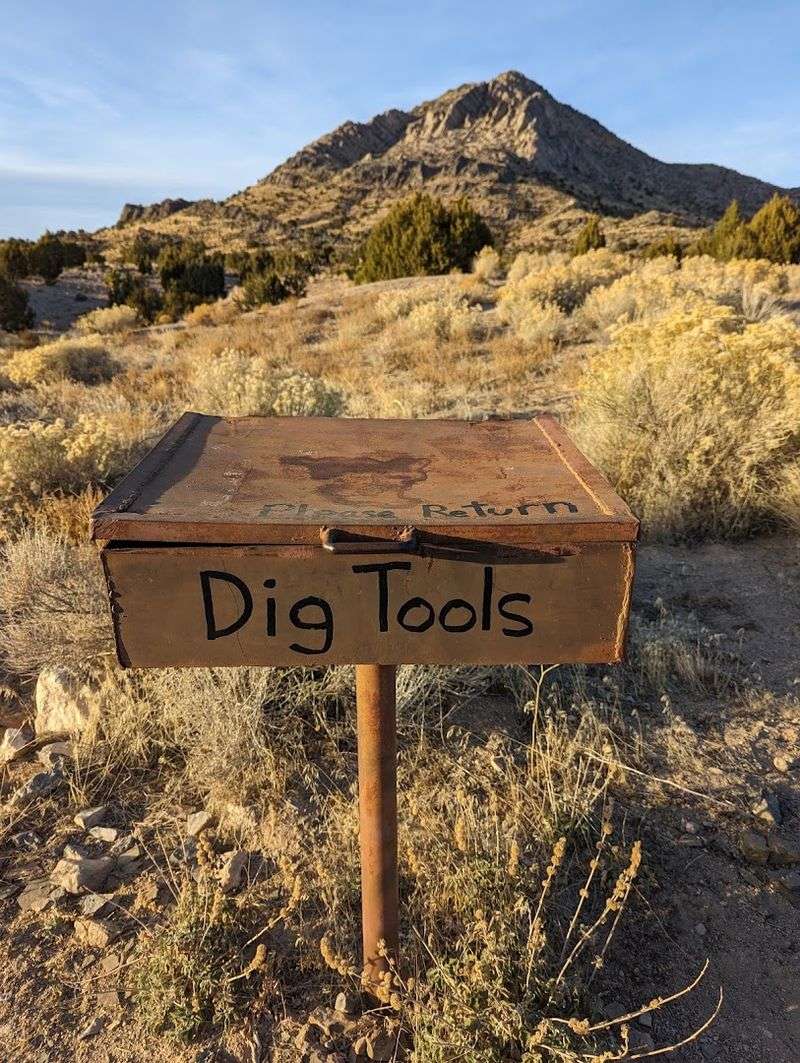
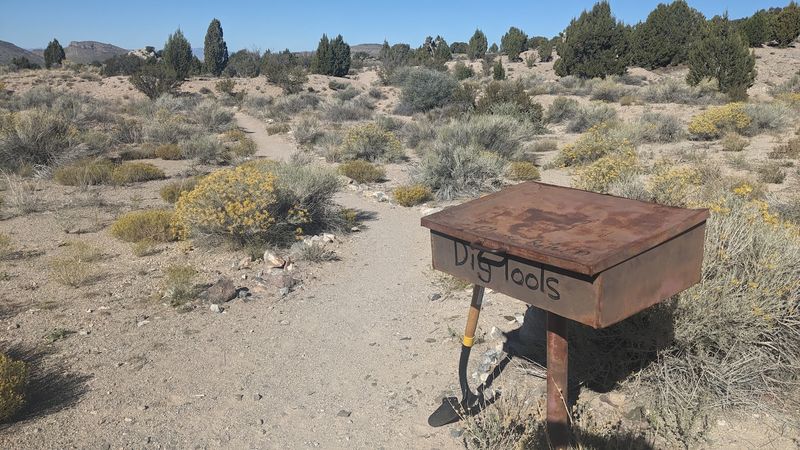
A steel box near the trailhead contains basic rock tools that visitors can borrow and return after their visit. Bringing your own hammer and chisel will give you more control and make the work easier, especially if you plan to spend more than an hour out there.
Gloves are a smart addition since shale edges can be sharp.
The key is patience. Some visitors find fossils within minutes, while others spend a full hour working through the shale before something turns up.
The hunt itself becomes the reward.
Getting to the Site and What to Expect on Arrival
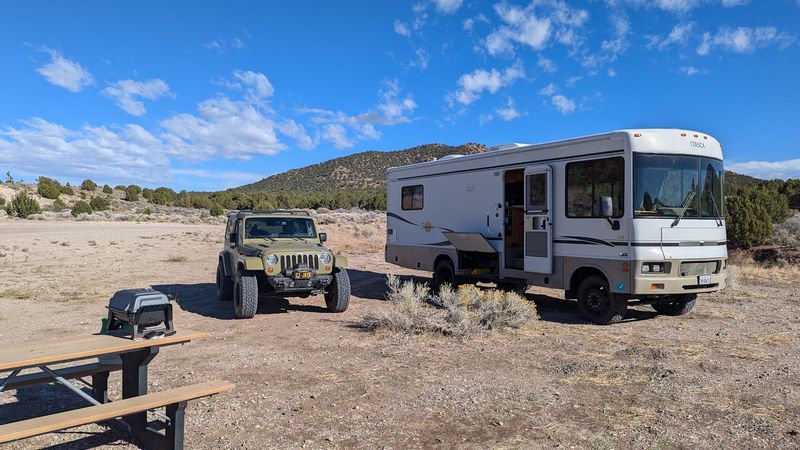
The drive in from the east side of the site is packed dirt and gravel, making for a smooth and easy approach. The parking area is spacious and flat, with clean pit toilets and a few picnic tables spread around the site.
For a remote desert location, the facilities are genuinely well-maintained and appreciated after a long stretch of highway driving.
A large information board at the trailhead explains the geology of the area, shows photos of the fossils you might find, and gives basic guidance on how to search. The trail itself is clearly marked and easy to follow through the desert shrubs and juniper growth out to the shale beds.
One tip worth remembering: once you are out in the open shale field, everything starts to look the same. Marking your entry point before you wander too far will save you some confusion on the way back.
Free Camping Right at the Site
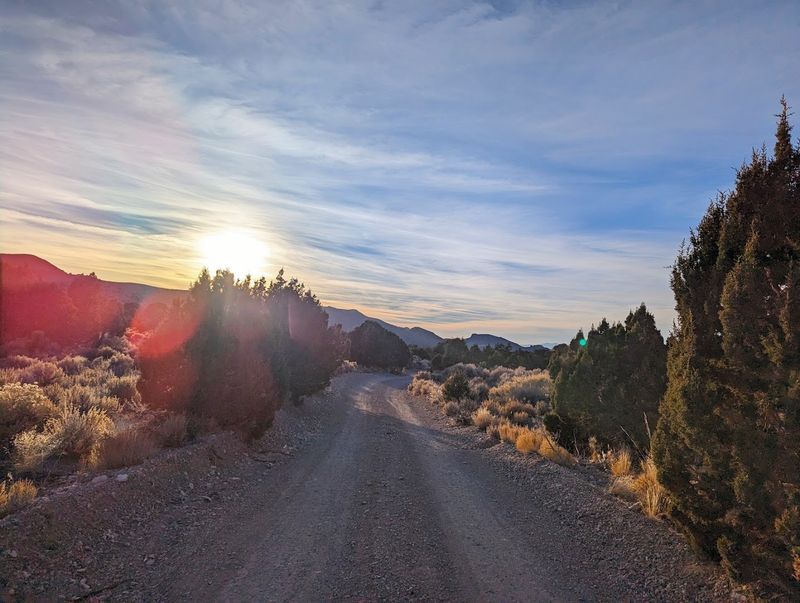
One of the most practical perks of visiting Oak Springs is that you can camp there for free. As BLM land, the site allows dispersed camping, meaning you can pull in, set up, and spend the night without paying a fee.
For road-trippers moving through eastern Nevada, this makes it a genuinely convenient overnight stop.
Most of the nearby boondocking spots are tucked among tall junipers, which provide shade but limit views and solar panel access. The Oak Springs area itself offers more open terrain, making it a better option for campers relying on solar setups or simply wanting a wider view of the sky.
Keep in mind that the road heading west from the parking lot is sandy and loose. Vehicles without high clearance may want to stick to the main access road from the east side.
A clear night here means a sky full of stars far from any city lights.
What You Are Allowed to Take Home
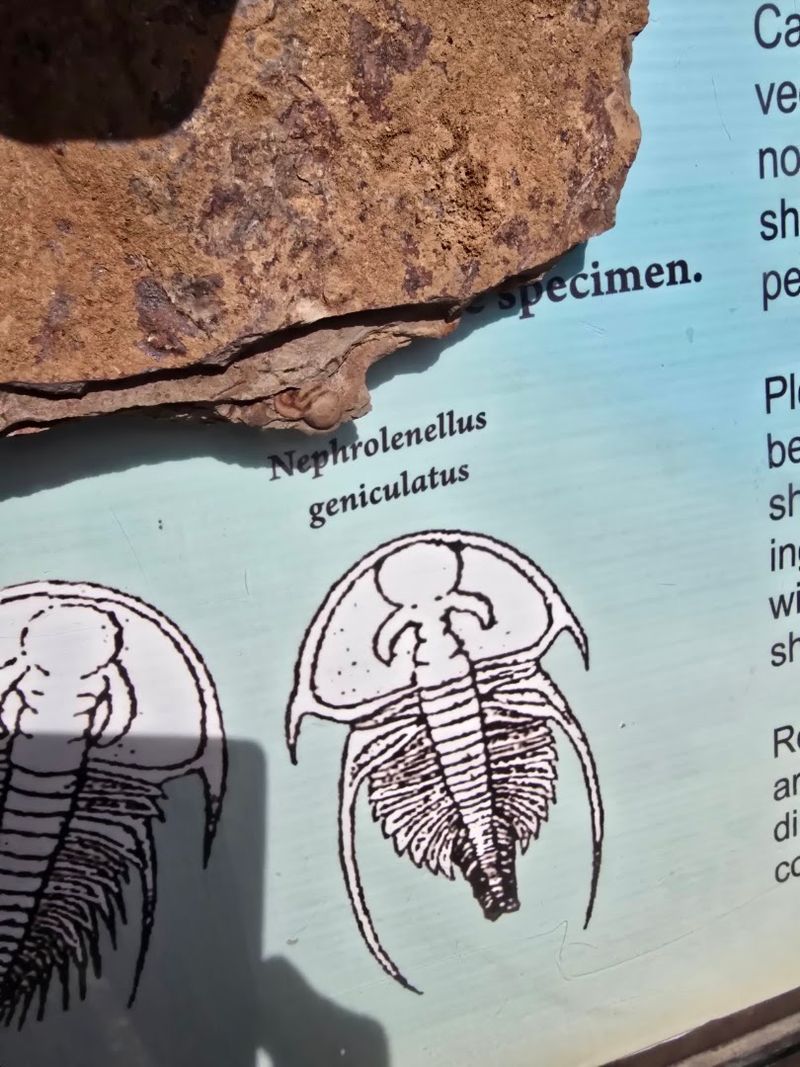
This is the detail that genuinely surprises most people: you are allowed to keep what you find. The BLM permits casual collection of reasonable quantities of common invertebrate fossils, including trilobites, from sites like Oak Springs for personal use.
That means the fossil in your hand can legally travel home with you as a souvenir.
There is an important caveat, though. Commercial collection is not allowed, and taking large quantities would be both against the rules and unfair to future visitors.
The spirit of the site is simple: take what you will personally enjoy and leave plenty behind for others. That ethic keeps the site productive and worthwhile for everyone who makes the trip.
Seeing your find next to the identification photos on the trailhead board before you leave is a satisfying way to close out the visit and confirm exactly what species of trilobite you managed to crack out of the shale.
The Ancient Ocean That Once Covered This Desert
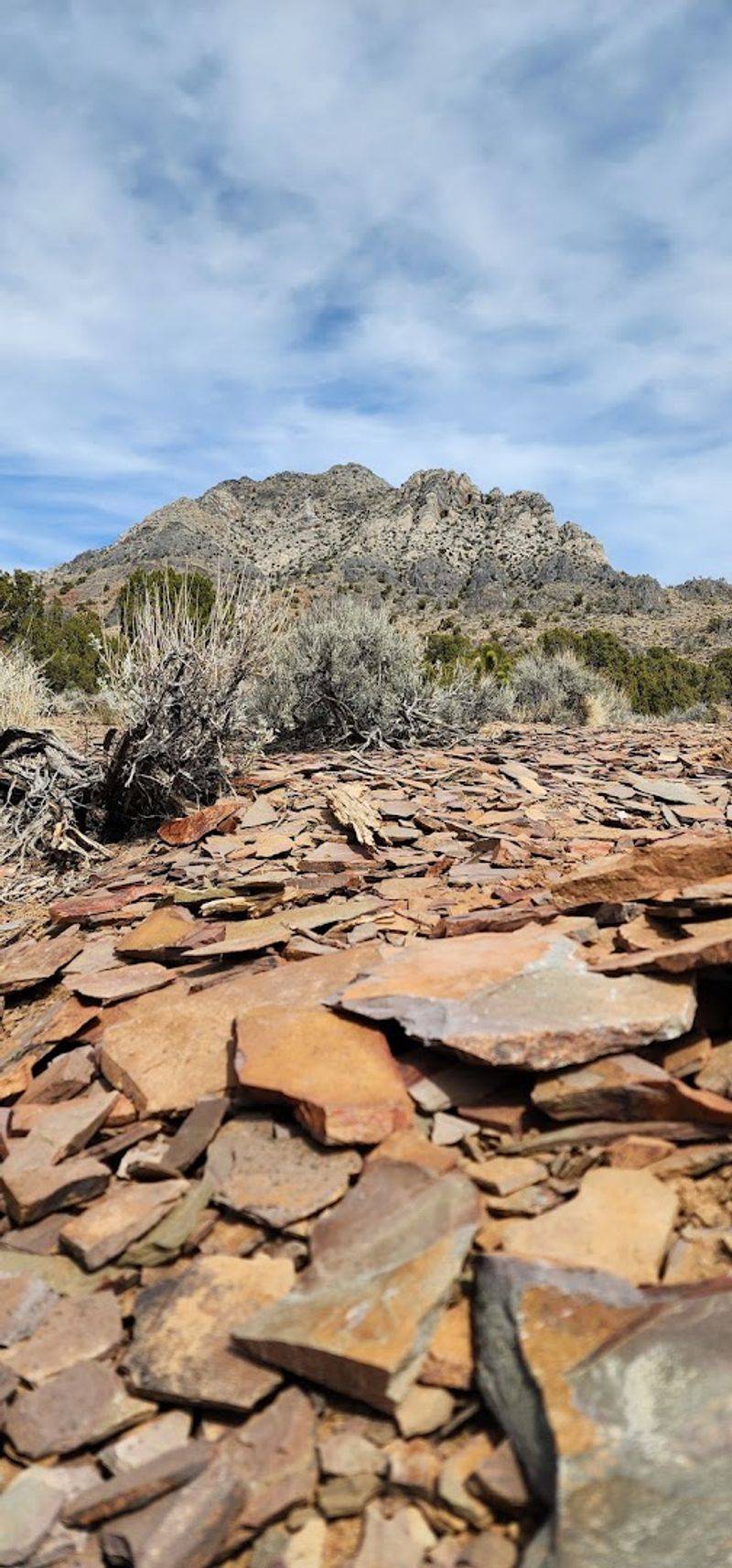
Standing in the middle of a dry Nevada desert and holding a creature that once swam in a warm shallow ocean is a genuinely mind-bending experience. The entire region was submerged beneath a prehistoric sea during the Cambrian and Ordovician periods, roughly 450 to 500 million years ago.
Over vast stretches of time, sediment buried the seafloor creatures, and geological forces eventually pushed that ancient ocean bottom up into the landscape we see today.
The shale beds at Oak Springs are essentially pages of that history, each layer representing a different moment in time. Splitting them open is a bit like turning the pages backward through hundreds of millions of years.
That context makes even a small fossil fragment feel significant in a way that a museum display never quite captures.
This is not just a fun activity. It is a tangible connection to a version of Earth that is almost impossible to picture from modern life.
Tips for First-Time Fossil Hunters
A few simple preparations make the difference between a frustrating afternoon and a genuinely fun one. Water is non-negotiable, especially during summer when the desert sun turns the open shale field into a very warm workspace.
A hat, sunscreen, and sturdy closed-toe shoes round out the basics before you even think about tools.
When you reach the shale field, start by looking through the loose pieces already scattered on the surface. Previous visitors break open rocks and leave behind fragments, and trilobite heads or plant impressions often sit right on top of the pile waiting to be noticed.
Training your eye on those surface pieces first helps you understand what you are looking for before you start swinging a hammer.
Going slowly and splitting rocks along their natural grain lines gives you the cleanest breaks and the best chance of revealing a fossil intact rather than cracking straight through the middle of one.
The Scenery Beyond the Shale Beds
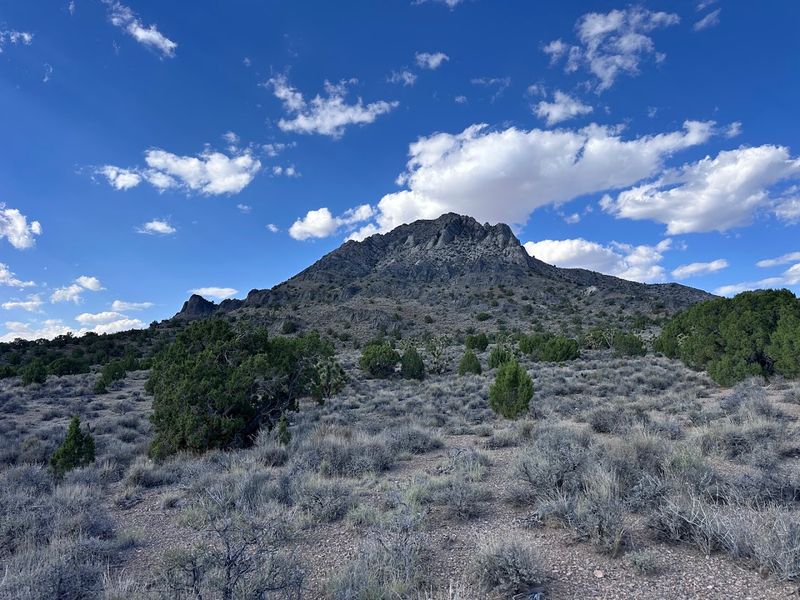
Even if you never crack open a single fossil, the setting at Oak Springs is worth the stop on its own terms. The surrounding terrain is classic Great Basin desert, with juniper trees spreading across rolling hills and rocky ridgelines rising in the distance.
The quiet out here is the kind that feels physical, a complete absence of traffic noise or crowd sounds that is harder to find than people realize.
Wildlife makes regular appearances at the site. Lizards dart across the warm rocks, and jackrabbits occasionally appear along the trail edges.
The desert plants in the area add texture to what might otherwise look like empty terrain, and the open sky above the shale field gives the whole place a sense of scale that photos rarely capture well.
Spending time here without any fossil-finding pressure at all, just hiking and looking around, turns out to be a perfectly satisfying way to pass an hour or two.
How Long You Should Plan to Stay
Most visitors spend between one and three hours at Oak Springs depending on how seriously they get into the hunting. An hour is enough to walk the trail, work through a section of shale, and get a feel for the site.
Two to three hours gives you time to really settle into the process and cover more ground across the shale field.
The activity has a way of stretching time pleasantly. What feels like twenty minutes of splitting rocks often turns out to be closer to an hour once you get absorbed in the search.
Groups with kids tend to stay longer because children take to the hammer-and-shale combination with a lot of enthusiasm and zero self-consciousness about getting dusty.
If you are camping overnight, the extra time in the evening and early morning before the heat builds makes for ideal fossil hunting conditions. The light is softer and the temperature far more comfortable than midday.
Why This Site Feels Different From a Typical Roadside Stop
A lot of roadside attractions in the American West promise something interesting and deliver a parking lot with a placard. Oak Springs is the opposite.
The payoff here is physical and personal, a fossil you found yourself, cracked out of rock with your own hands, from a creature that has not been alive since before complex land animals existed on Earth.
There is no admission fee, no gift shop, no guided experience to purchase. The site runs on a kind of honest simplicity that feels increasingly rare.
A box of borrowed tools, a well-made information board, clean restrooms, and a clearly marked trail are all the infrastructure the place needs.
That stripped-down quality is part of what makes it memorable. The experience belongs entirely to you and whatever the shale decides to reveal that day.
Some days you find trilobites. Some days you find ferns.
Either way, you leave with something genuinely old in your hands.
Making the Most of a Visit to the Caliente Area
Oak Springs sits right along U.S. Highway 93, making it a natural addition to any road trip moving through eastern Nevada.
The town of Caliente is close by and serves as a practical base for anyone looking to explore the surrounding region. The area around Caliente sits within Lincoln County, which holds a surprising amount of geological and historical character for a stretch of Nevada that most travelers pass through without stopping.
Cathedral Gorge State Park is one of the most visually dramatic spots in the region, with tall clay spires and narrow slot-like canyons that reward exploration. Adding it to a trip that already includes Oak Springs creates a full day of outdoor activity with very different textures and scenery at each stop.
The drive between sites along Highway 93 is genuinely beautiful, especially in the late afternoon when the light turns the desert hills a warm reddish-gold that makes the whole landscape feel like it belongs to another era entirely.
Share this story