Tennessee has a city that pulled off one of the most surprising turnarounds in the country. Chattanooga was once so smoky that streetlights flickered on at midday, and it carried a reputation few towns would want. Fast forward a few decades, and the same place now wears the crown as America’s first National Park City, with a clean riverfront, mountain trails, and downtown blocks people actually want to linger in. This is the story of how a struggling mill town scrubbed itself up and became a weekend escape locals brag about.
If you have never given it a real look, the transformation might change your mind. Stick around, because the details are better than the headline lets on.
Where the Comeback Story Lives
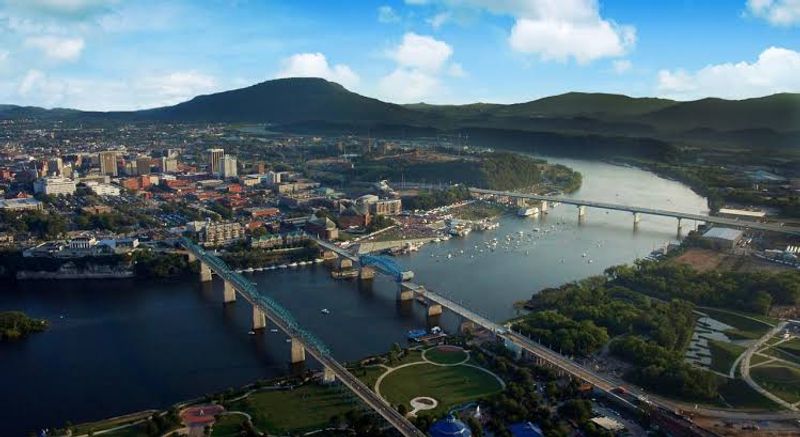
Tucked into the southeastern corner of Tennessee, Chattanooga spreads out along the Tennessee River in the foothills of the Appalachian Mountains. The official address is simply Tennessee, and the city sits close enough to the Georgia line that a weekend drive from Atlanta, Nashville, Knoxville, or Birmingham feels easy rather than exhausting.
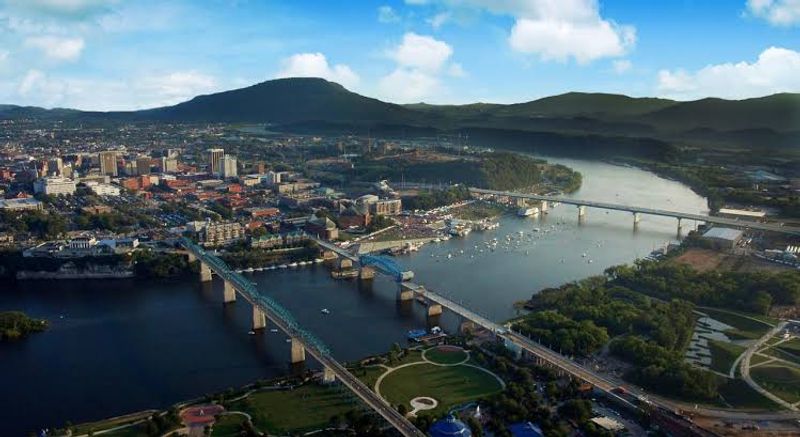
Geography did a lot of the heavy lifting here. Ridges and the wide river cradle the downtown, which is part of why the old industrial haze once had nowhere to go and hung over everything. That same landscape is now the selling point, with Lookout Mountain rising over the skyline and water threading right through the center of town.
What makes the location work for a road trip is how compact it all feels. You can stand on a downtown corner, glance up at the mountain, and know the riverwalk is only minutes away. The city government runs its own hub at chattanooga.gov, and it is worth a look before you go.
Few Tennessee cities pack this much scenery into such a walkable footprint, and that convenience is a big reason people keep coming back.
From Smokestacks to Clean Air
Back in the mid-twentieth century, Chattanooga earned a title nobody wants: one of the dirtiest cities in America. Factory smoke settled so thick in the valley that drivers sometimes needed headlights in the middle of the afternoon, and the mountains that ring the city trapped the pollution instead of letting it drift away.
The turnaround did not happen by accident. Local leaders, businesses, and residents pushed hard on cleaning the air, reviving the riverfront, and rethinking what the city could be once the mills faded. The grit that built the mill town got redirected into rebuilding it.
That effort eventually earned Chattanooga recognition as America’s first National Park City, a nod to how much green space, waterways, and outdoor access it wove back into everyday life. It is the kind of civic pride story Tennesseans tend to hold onto.
Understanding that history changes how the modern skyline reads. What looks like an ordinary river city today is actually the payoff of decades of stubborn, unglamorous work, and locals will happily tell you so.
Lookout Mountain Looms Over It All
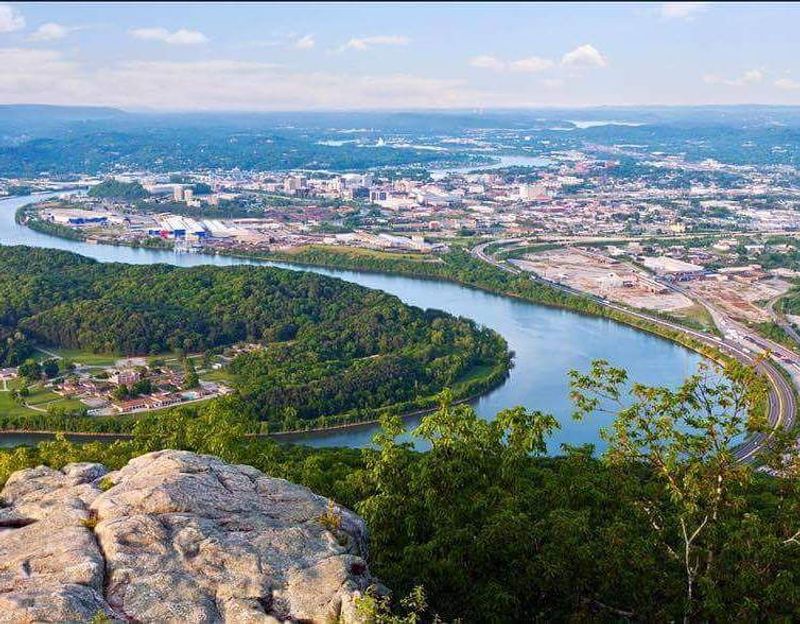
Rising sharply above the southern edge of the city, Lookout Mountain is the landmark that anchors nearly every Chattanooga trip. The slopes carry several of the region’s best-known attractions, and the drive to the top rewards you with sweeping views back across the valley and river below.
People come up here for different reasons. Some chase the panoramas, some are after the caves and rock formations, and others are tracing Civil War history that unfolded on these ridges. The mountain manages to hold all of that without feeling crowded into a single theme.
Because so much sits clustered on and around Lookout, it is easy to build an entire day here without much backtracking. You can pair a viewpoint with a natural attraction and still be back downtown for dinner.
Locals treat the mountain as a kind of shared backyard, and once you have watched the light shift across the valley from up top, it is easy to see why they guard that feeling so closely.
The Incline Railway’s Steep Climb
Climbing Lookout Mountain the old-fashioned way means boarding the Incline Railway, a trolley-style train that scales one of the steepest passenger rail grades around. The cars crawl up the mountainside on tracks that feel almost vertical near the top, and the ride itself becomes half the fun.
Engineering aside, the railway is a piece of living history that has been hauling passengers up the slope for generations. Families who rode it as kids now bring their own children, which is exactly the kind of tradition Chattanoogans love to keep alive.
At the upper station, you step out to broad views and easy access to the mountaintop attractions, so the climb doubles as transportation and sightseeing rolled together. The descent is arguably even more dramatic than the way up.
If you only have time for one uniquely Chattanooga experience, the Incline earns a strong case. It is nostalgic, genuinely impressive, and a smart way to reach the ridge without white-knuckling a mountain road.
Ruby Falls Deep Inside the Mountain
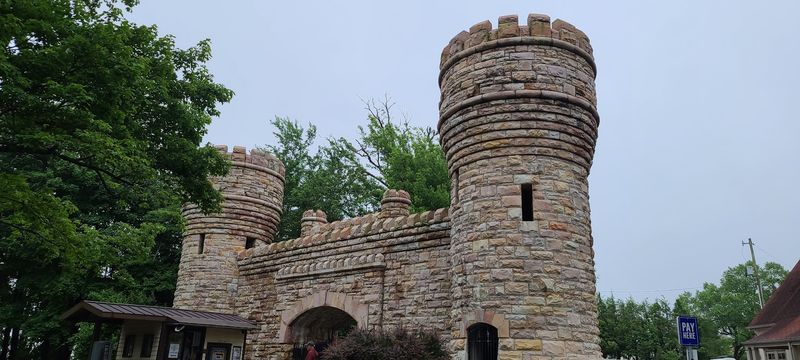
Hidden hundreds of feet beneath Lookout Mountain, Ruby Falls is a waterfall you reach by heading down instead of up. The journey takes you through cave passages before opening into a chamber where the falls tumble in the heart of the mountain, which is not something most people expect to find underground.
Part of the appeal is the sheer novelty. A working waterfall this far below the surface feels like a secret the mountain has been keeping, and it has become one of the city’s signature stops for good reason.
Guided routes lead visitors through the cave, so you are never left guessing where to go, and the whole experience packs neatly into a couple of hours. It pairs naturally with the Incline Railway and the mountaintop gardens nearby.
Kids tend to be wide-eyed the whole way through, and even travelers who think they have seen enough caves come away impressed. For a family looking to fill a mountain afternoon, this one delivers.
Rock City’s Sandstone Maze
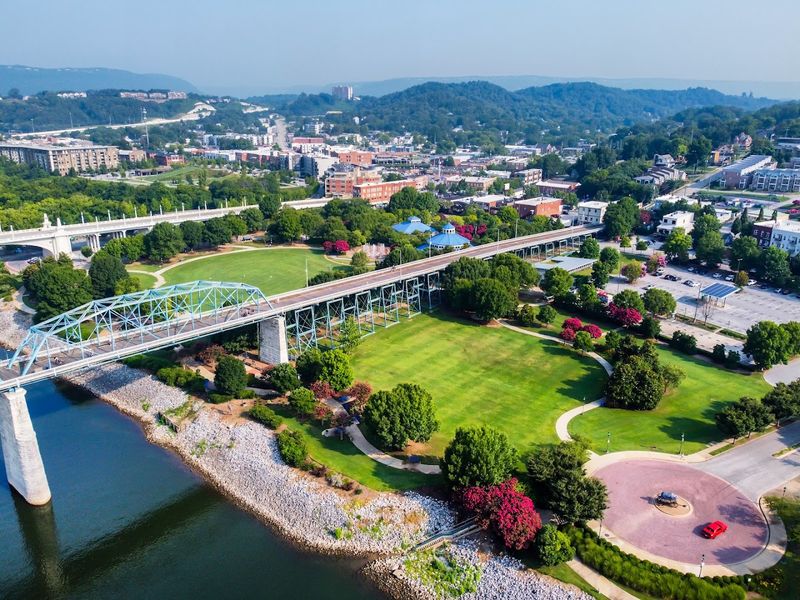
Perched atop Lookout Mountain, Rock City turns ancient sandstone formations into a walkable trail of narrow passages, towering rock walls, and carefully tended gardens. The path winds between massive boulders and across a swinging bridge before delivering the payoff at the overlook.
The big claim here is the view, where on a clear day you can supposedly see several states from a single vantage point. Whether or not you count them all, the perspective across the surrounding ridges is genuinely wide open.
Gardens tucked among the rocks soften the whole place, giving it a storybook quality that appeals to younger visitors as much as the geology appeals to grown-ups. It is a self-guided stroll, so you can move at whatever pace suits your group.
Between the formations, the plantings, and the famous outlook, Rock City rounds out the Lookout Mountain trio nicely. Do all three and you have basically covered the mountain’s greatest hits in one satisfying loop.
Civil War Echoes at Point Park
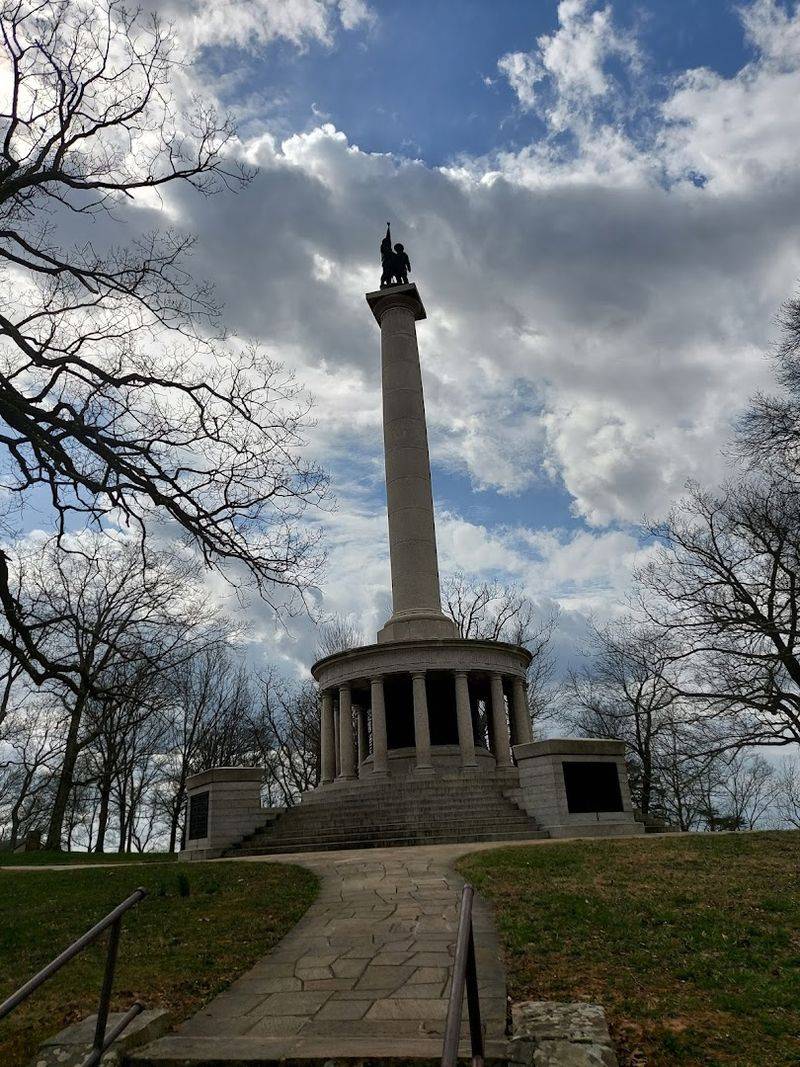
History runs deep on Lookout Mountain, and Point Park marks the site of a pivotal Civil War battle fought on these very heights. The park sits atop the ridge, combining monuments and memorials with the same commanding views that made the position so strategically valuable back then.
Standing where soldiers once fought gives the landscape a weight that pure scenery never could. The overlooks explain why control of this mountain mattered so much, since whoever held the high ground could see for miles in every direction.
Just nearby, the Battles for Chattanooga Museum honors and interprets the fighting, giving context to the ground you are walking on. Together they turn a viewpoint into a genuine lesson.
For travelers who like their scenery paired with a story, this stop hits both notes at once. You leave with a sharper sense of how much this quiet ridge shaped the region’s history.
Learning the Battles for Chattanooga
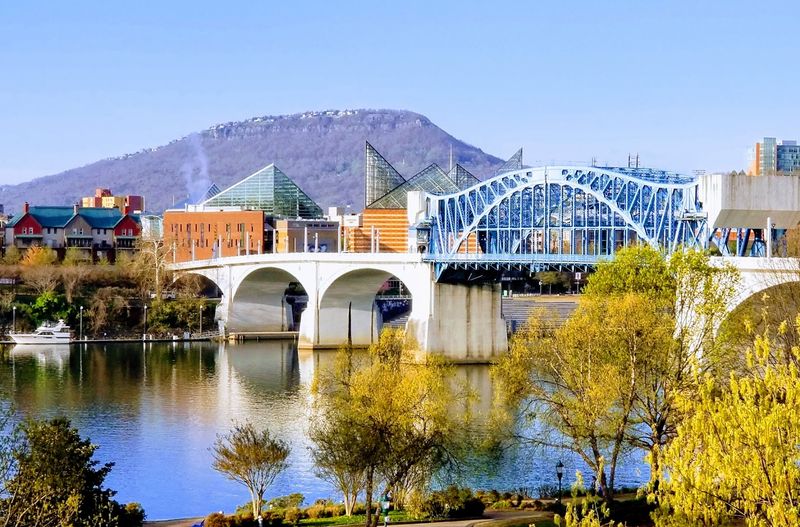
Right on the mountain, the Battles for Chattanooga Museum digs into the Civil War clashes that swept across these ridges and shaped control of the region. It gives visitors the background that a viewpoint alone cannot, tying the landscape to the events that unfolded on it.
The draw here is context. After you have stood at Point Park and looked out over the valley, the museum fills in the who, when, and why behind the fighting, which makes the whole mountain read very differently on the way back down.
It works especially well for families with school-age kids, since the history becomes tangible when the actual battlefield is just outside the door. Rainy-day travelers appreciate having an indoor option that still connects to the mountain.
Pairing the museum with the surrounding sites turns a scenic outing into something you actually remember. That blend of learning and landscape is a big part of what makes this corner of Tennessee stick with people.
Life Along the Tennessee River
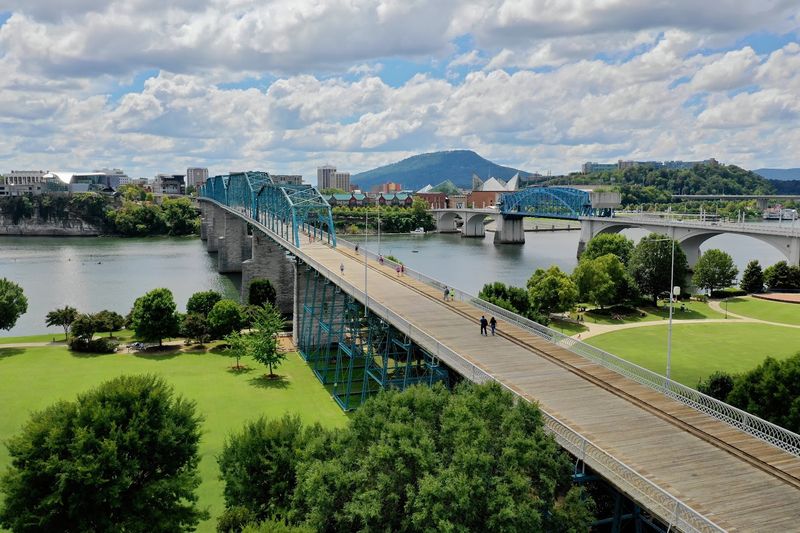
Water runs through the whole Chattanooga identity, and the Tennessee River is the reason. Once treated mostly as an industrial workhorse, the riverfront was reimagined into the beating heart of the city’s revival, with green space and gathering spots replacing the old grime.
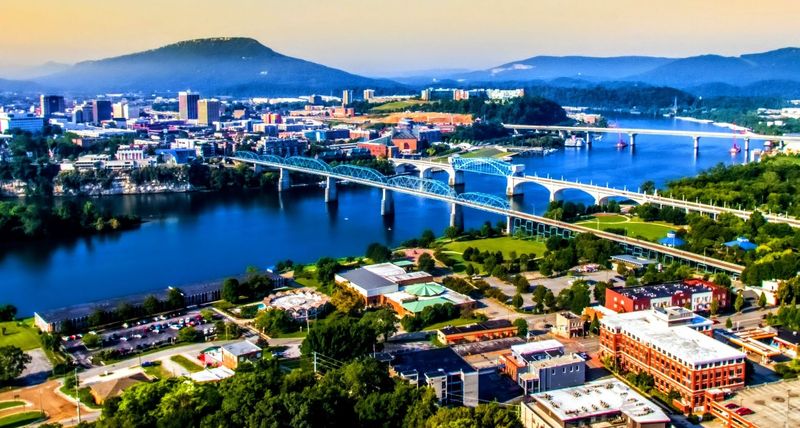
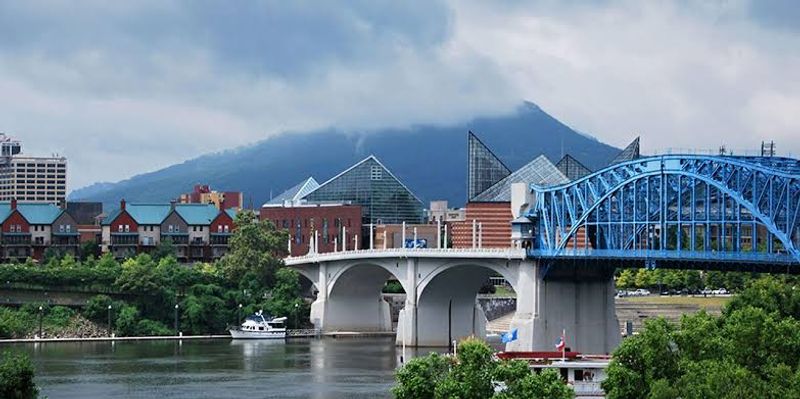
Downtown now leans toward the water rather than turning its back on it. Walking paths trace the banks, bridges connect the neighborhoods on either side, and the river becomes a natural spine that ties the reborn city together.
The shift is a huge part of the National Park City story, since restoring the waterway signaled that Chattanooga was serious about being a place people wanted to live and visit. The change from polluted channel to community centerpiece is stark.
Spend a slow morning by the river and the transformation stops being an abstract claim. It becomes obvious that this city bet big on its water and won.
A Downtown Worth Wandering
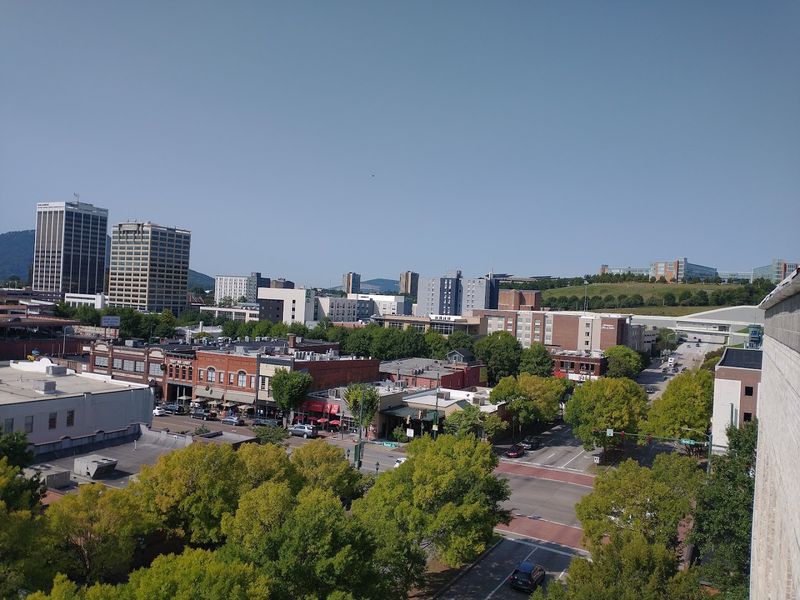
Once you leave the mountain behind, Chattanooga’s downtown proves there is plenty to fill the flat parts of a trip too. The revived core is compact and walkable, the kind of place where you can park once and cover a lot of ground on foot.
Careful redevelopment brought life back to old blocks that industry left behind, and the payoff is a center that feels lived-in rather than staged for tourists. The river, the bridges, and the surrounding ridges keep the whole scene grounded in its setting.
What surprises a lot of first-timers is how easy the city is to navigate. The attractions cluster close enough that you rarely feel like you are wasting a weekend stuck in a car.
That balance of nature and walkable city is exactly the combination that keeps Tennesseans quietly recommending Chattanooga to friends. It is one of those places that overdelivers once you actually show up.
Who This City Is Really For
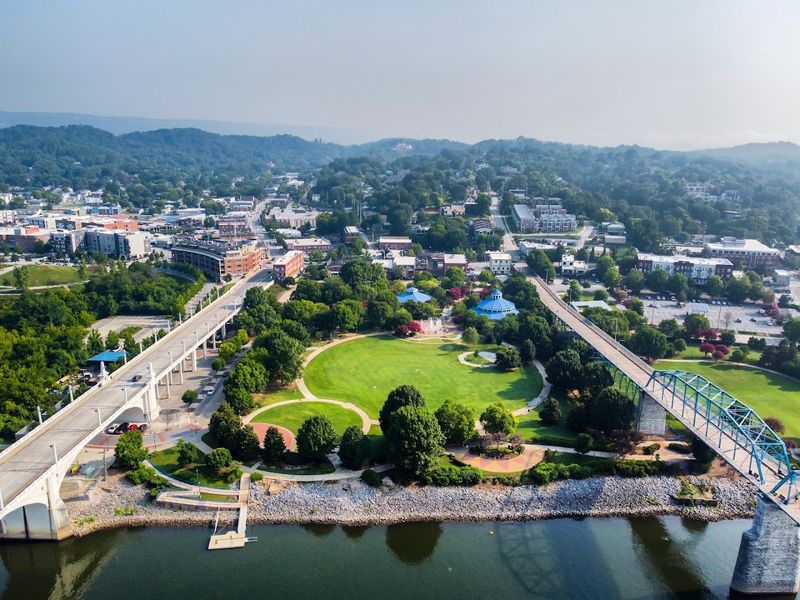
Trying to pin down the ideal Chattanooga traveler is tricky because the city casts such a wide net. Families find caves, railways, and mountaintop trails that keep kids engaged, while history buffs get a genuine Civil War battlefield to explore.
Outdoor lovers gravitate toward the river and the ridges, treating the whole valley as one big playground. Meanwhile, anyone who just wants an easygoing weekend can lean into the walkable downtown and the scenery without overplanning a thing.
The affordability angle matters too. For folks driving in from across Tennessee or nearby states, it delivers a lot of variety without the price tag of a big-name destination, which is a large part of its appeal.
Simply put, this is a rare spot that suits couples, families, and solo road-trippers alike. If your group can never agree on a trip, Chattanooga is the compromise that quietly makes everyone happy.
Getting There Without the Hassle
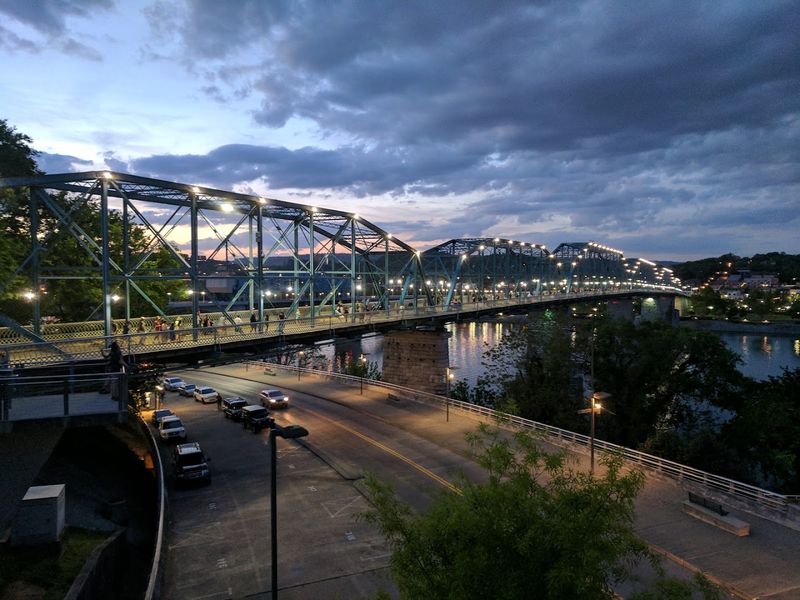
Reaching Chattanooga is refreshingly simple for anyone in the region. The city sits in southeastern Tennessee near the Georgia border, putting it within a comfortable weekend drive of Atlanta, Nashville, Knoxville, Birmingham, and a handful of nearby states.
Once you arrive, the compact layout does you a favor. Downtown and the riverfront cluster tightly together, and Lookout Mountain rises just to the south, so you are never facing long hauls between the big attractions.
The mountain sites do involve a climb, but options like the Incline Railway mean you do not have to tackle the grade behind the wheel if you would rather not. Planning a loop that groups the mountaintop stops together saves the most time.
Because so much sits so close, weekend visitors can see a surprising amount without feeling rushed. That drive-in convenience is a quiet reason the city rewards spur-of-the-moment trips.
Planning Your Visit Smartly

A little planning goes a long way in a city with this much packed into a small area. Checking details ahead of time on the official site at chattanooga.gov helps you line up hours and current information before you set out, especially for the mountain attractions that each keep their own schedules.
Grouping stops by location is the smartest move. Since the Incline Railway, Ruby Falls, Rock City, and Point Park all sit on or around Lookout Mountain, tackling them in one push keeps you from crisscrossing the valley all day.
Seasons shape the experience too. Fall brings the surrounding Appalachian foliage into play, spring and summer suit the riverfront and outdoor time, and cooler months lean toward the caves, museum, and cozy downtown.
Give yourself at least a full weekend if you can. Rushing this city means leaving half its story untold, and the transformation is worth the extra day.
Why the Turnaround Still Matters
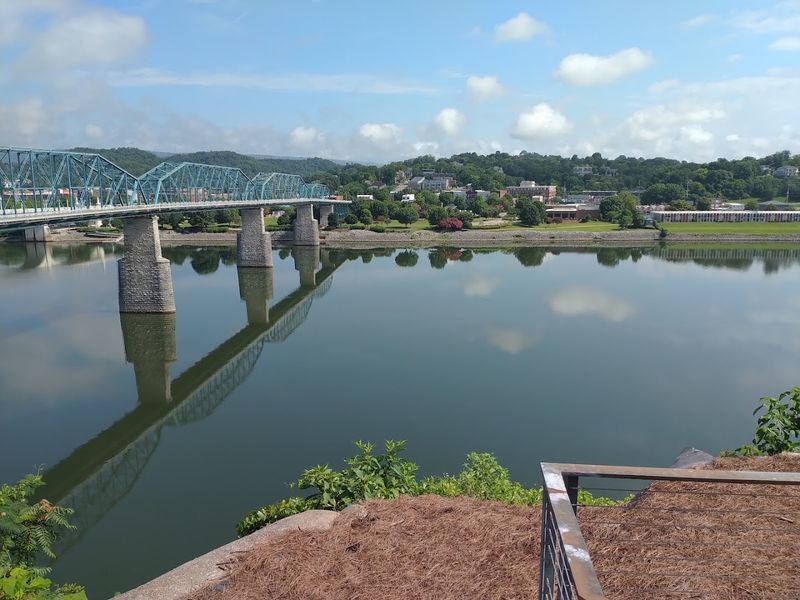
Standing on Lookout Mountain and looking down at the clean river and revived downtown, it is hard to square the view with the smoke-choked city Chattanooga used to be. That gap between then and now is exactly what makes this place special.
The National Park City title is not just a slogan. It reflects real choices to restore the water, protect the ridges, and build a city that people are proud to call home, and Tennesseans have every right to brag about the result.
For a weekend traveler, all of that history translates into a destination that offers mountains, caves, river, and story within a single easy trip. You get scenery and substance without a long haul or a huge bill.
Give Chattanooga a fair shot and it tends to win people over quietly. A town that clawed its way back from the bottom has more than earned the visit, and the comeback is the best part of the whole trip.
Share this story