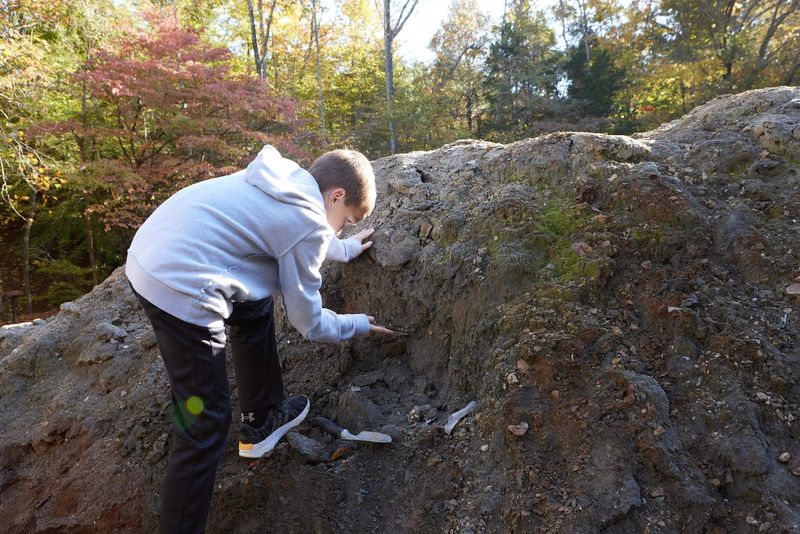
Tucked into the quiet countryside of west Tennessee sits a spot where you can split open a chunk of soft rock and pull out something that lived roughly 70 million years ago. Coon Creek Science Center hands you the tools, points you toward the dirt, and lets you keep whatever ancient shells and bones you dig up. It sounds almost too good to be true, yet this little UT Martin research site has been quietly turning schoolkids, families, and curious adults into first-time paleontologists for decades. If you have ever wanted to hold a piece of the deep past in your own hand, this is a road trip worth planning.
A Backroad Address in Adamsville
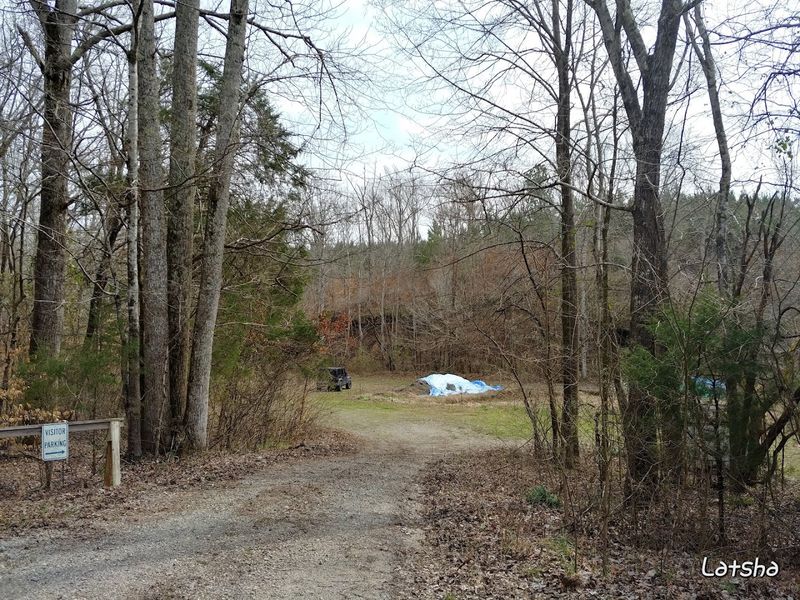
Getting here means winding down country lanes until you reach 2983 Hardin Graveyard Rd in Adamsville, Tennessee, a rural pocket of the state that feels far removed from the usual tourist trail. The address alone hints at how tucked away this place really is.
Coon Creek Science Center operates as a research and education field station tied to the University of Tennessee at Martin, and it functions as a working museum and dig site rather than a polished attraction. The setup keeps things authentic, with real geology under your feet instead of a manufactured experience.
Cell signal out here can be spotty, so a few folks who have visited on longer trips mention their phones struggled to hold a connection. That is worth remembering if you plan to lean on GPS the whole way in.
Once you arrive, though, the remoteness becomes part of the charm. There are no crowds jostling for space, no long lines, just open ground and the promise of what might be buried below. For a corner of Tennessee that most people drive right past, it packs an outsized punch.
Seventy Million Years Beneath Your Boots
Long before Tennessee had highways or hills, this land sat beneath a warm, shallow sea near the edge of an ancient ocean. The mud that settled on that seafloor hardened into the soft, crumbly rock you get to break apart today.
What makes Coon Creek special is how well that mud preserved the creatures that lived and died there. Instead of ordinary stone, the deposit holds an astonishing snapshot of marine life from the Cretaceous period, the same age as the dinosaurs.
Because the sediment stayed so fine and undisturbed, delicate shells and bones survived in remarkable shape. Scientists have long recognized the site as one of the best-preserved fossil beds of its kind, which is exactly why a university runs it.
Standing on that ground gives the whole visit a bit of weight. You are not just poking around in dirt, you are opening a sealed chapter of Earth’s history that has waited millions of years for someone to notice. That realization tends to stick with people long after they leave.
Crack the Rock, Keep the Treasure
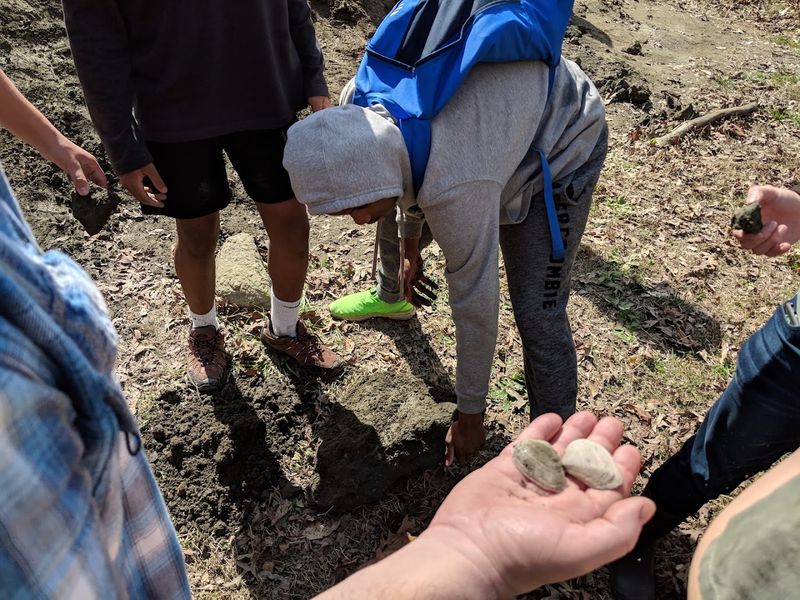
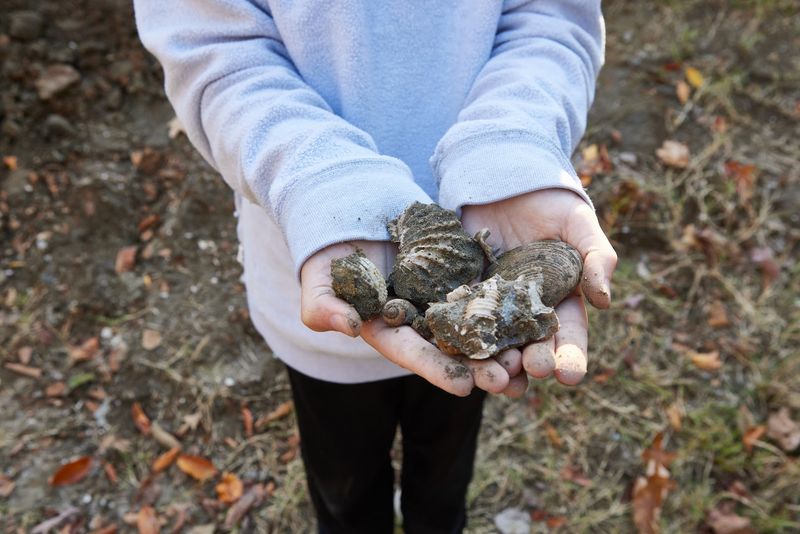
Here is the part that turns heads: whatever you dig up, you get to take home. That simple rule flips the usual museum experience on its head, because instead of looking at fossils behind glass, you walk away with your own.
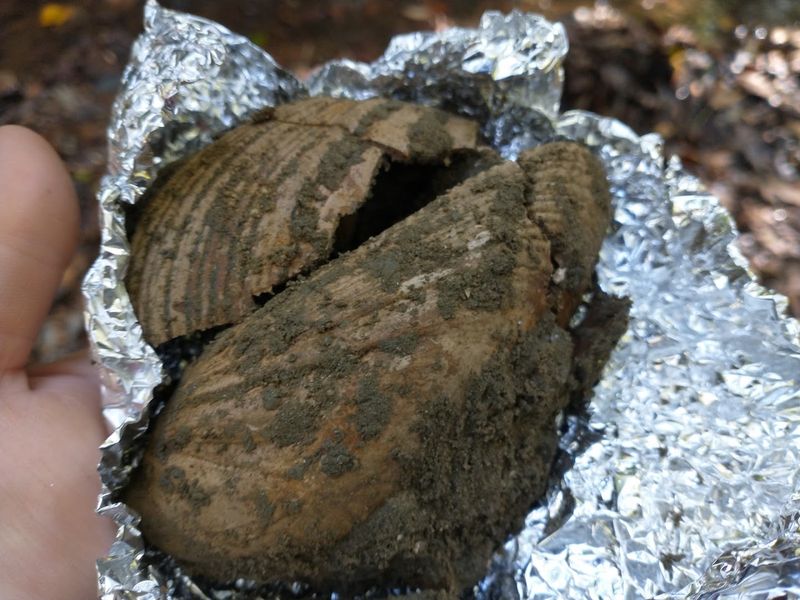
The rock at Coon Creek is soft enough to break apart by hand or with basic tools, and tucked inside are the remains of creatures that swam here ages ago. People regularly find shells, and after a good rain the ground can be scattered with them just sitting in the water.
Folks who came decades ago still hold onto the fossils they collected, treating them like keepsakes from a favorite trip. One person recalled gathering specimens during a college course back in 1998 and keeping every single one.
The take-home policy is a huge part of why the place earns such loyalty. There is something deeply satisfying about pocketing a piece of the ancient world that you found with your own hands. It makes the discovery feel personal in a way a gift shop never could.
The Guides Who Bring the Past to Life
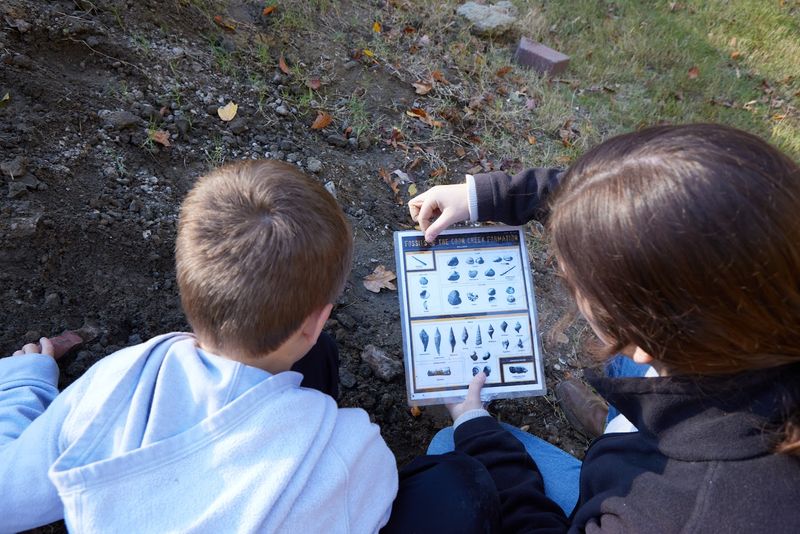
Knowledge here does not come from a plaque, it comes from people who genuinely love this stuff. The site is staffed by folks connected to UT Martin, including students and instructors who lead the digs and answer the endless stream of questions kids throw their way.
Patience seems to be a shared trait among them. Church groups with children ranging from age six to thirteen have noted how the staff handled every curious question without losing their cool, which says a lot about the atmosphere.
A host named Josh gets singled out for being both welcoming and deeply knowledgeable, the kind of guide who can make geology feel like a story rather than a lecture. Dr. Gibson and his students have also earned praise for the way they teach the history of Coon Creek.
That human element is what separates a good field trip from a forgettable one. When the person handing you a fossil can explain exactly what you are holding and why it matters, the whole experience clicks into place. It is teaching at its most hands-on.
Where the Welcome Talk Sets the Stage
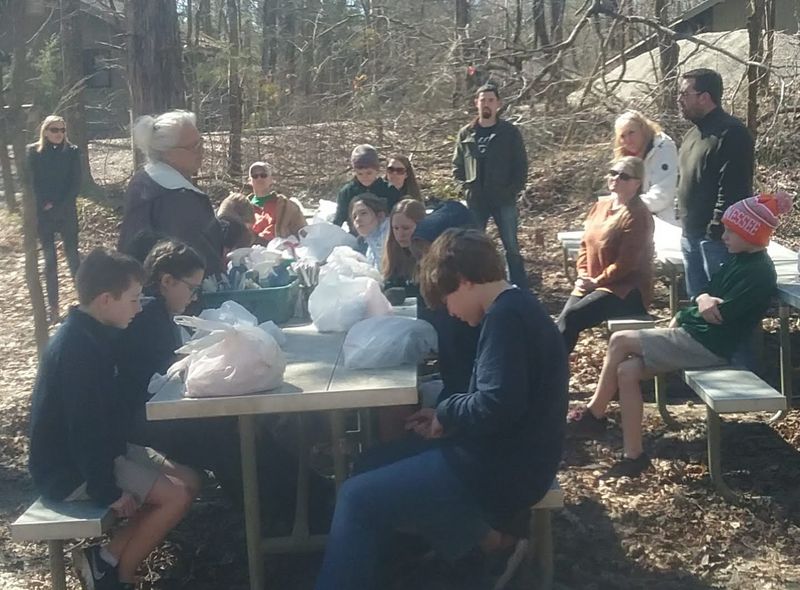
Before anyone touches a shovel, there is a presentation that lays out what you are about to explore. Groups have found this opening session both entertaining and packed with information, the sort of intro that gets kids genuinely excited rather than fidgety.
The talk covers the science behind the site and what visitors can expect to find, giving even total beginners a foothold. By the time it wraps up, families walk out onto the grounds actually knowing what those little shapes in the rock mean.
Practical comforts round things out, too. The grounds include clean restrooms and a pleasant area to spend the day, which matters more than you might think when you have got a group of young diggers along for the ride.
Setting that foundation early pays off once the digging starts. Nobody wants to stare blankly at a rock wondering what to do, and the structure here removes that guesswork. It is the difference between wandering aimlessly and actually understanding the ground you are standing on.
A Field Trip Favorite for Every Age
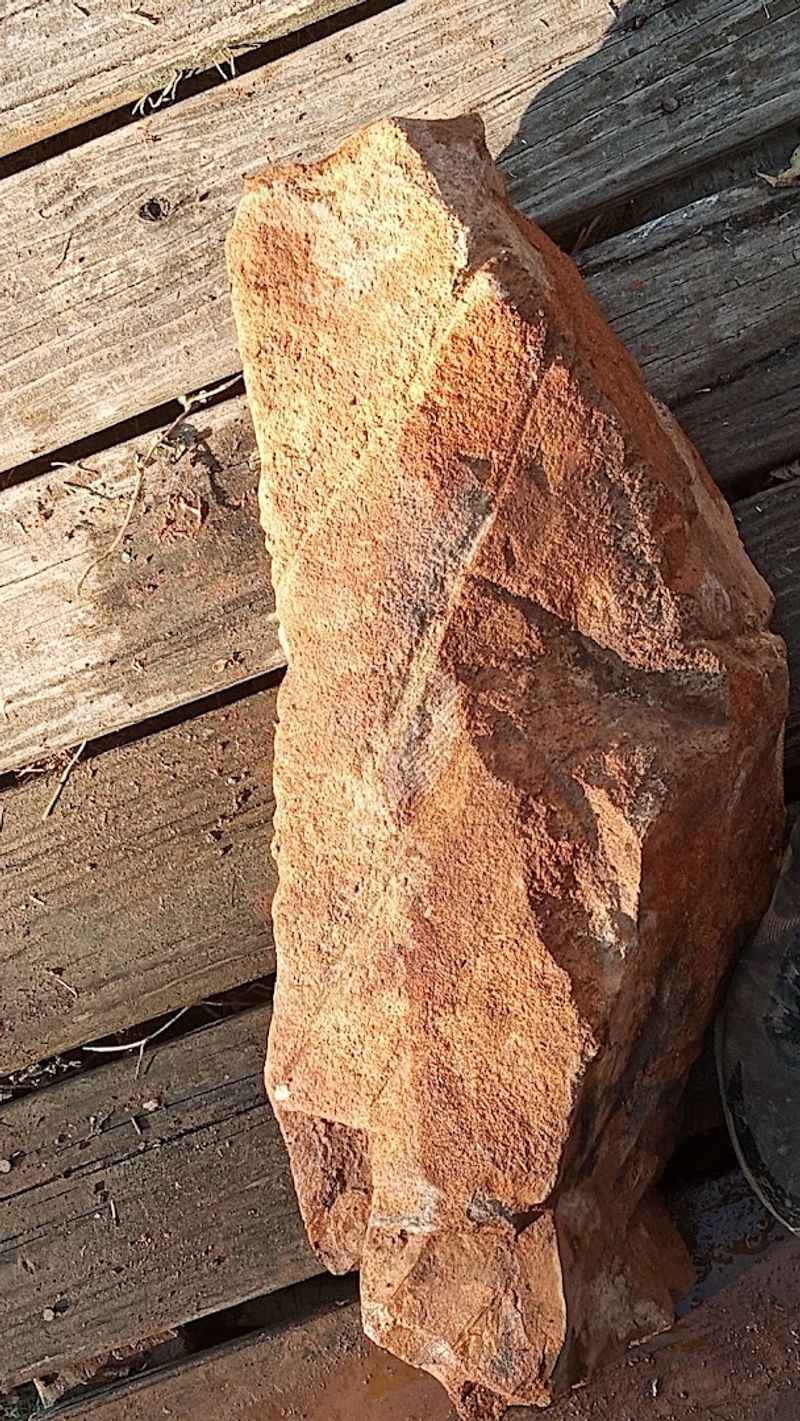
School buses have been rolling up to this place for years, and for good reason. Classes from kindergarten all the way up to college paleontology courses have made the trip, each group leaving with fossils and a fresh appreciation for the deep past.
The range of ages it suits is genuinely wide. A kindergarten class found it fun and full of knowledge, while a college student remembered it as the highlight of a paleontology course, proving the site scales up or down depending on who shows up.
Families and church groups fit right in as well, with mixed-age crowds all finding something to enjoy at once. The activity keeps hands busy and minds engaged, which is a rare combination for a group with a big age spread.
Longtime fans even mention summer sleep-away camps that ran here back in the 1990s, a program some wish still existed for kids today. That kind of nostalgia speaks to how deeply the place has rooted itself in local memory. It is a Tennessee tradition passed quietly between generations.
Dressing for Mud and Weather
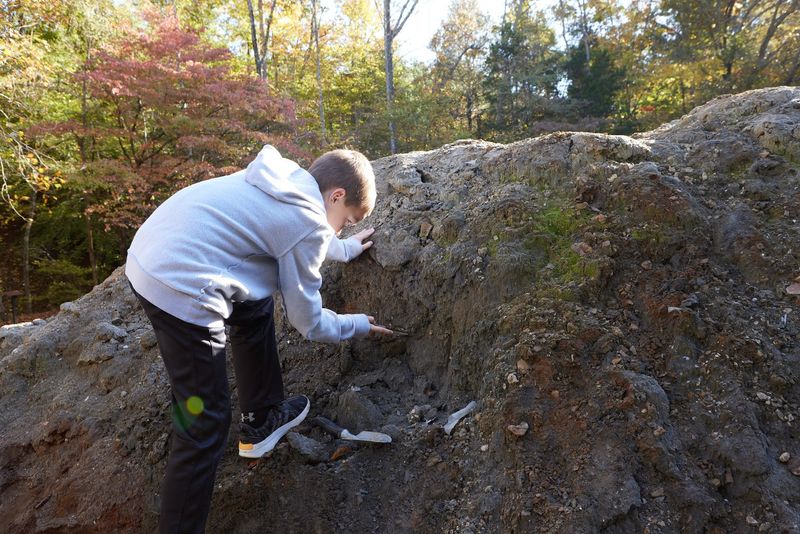
A little preparation goes a long way at an outdoor dig, and the weather here plays a real role in how your day unfolds. Since much of the fun happens on open ground, what you wear can make or break the trip.
Rain actually helps in one sense, because a good downpour can wash fresh shells right to the surface where they sit waiting in the water. The trade-off is that the ground turns cold and wet, so warm clothing and a backup change are smart calls.
People who visited on chilly days still walked away thrilled with their finds, but they were quick to pass along the advice about bundling up. Even in seasons that should be mild, the site has caught folks off guard with unseasonable cold.
Planning your outfit around mud and shifting temperatures means you can focus on the digging instead of your discomfort. Sturdy shoes, layers, and a spare shirt tucked in the car turn a soggy day into a great one. Come dressed for the dirt and you will thank yourself.
Why This Tennessee Secret Is Worth the Drive
Holding a 4.7-star reputation across its visitors, Coon Creek Science Center has quietly earned a devoted following that stretches back generations. People who came as kids in the ’90s still speak of it fondly, and newer guests call it simply amazing.
To plan a visit, the website at utm.edu/ccsc is the place to check on scheduling and details, since this is a university-run field station rather than a walk-in-anytime attraction. Reaching out ahead of time is the surest way to line up your trip.
What keeps it special is the combination of real science, a genuine take-home reward, and staff who clearly care about sharing it. Locals treat it as a hidden gem in their community, the kind of spot worth protecting from over-exposure.
For anyone within weekend range in Tennessee or the neighboring states, few outings deliver this mix of learning and discovery for the effort. You crack open the rock, you keep the past, and you leave with a story most people would never guess started in rural Adamsville. That is a drive that pays you back.
Share this story