
Tucked into the woods near Duke University in Durham sits a place most people drive right past without knowing it exists. The Duke Lemur Center is home to the biggest and most varied group of lemurs anywhere on Earth outside their island home of Madagascar. On its walking tours, you stroll along shaded trails while these wide-eyed primates leap, munch, and groom just a few feet away. It is part science lab, part conservation mission, and part unforgettable morning out for anyone curious about the world’s most endangered animals.
A Hidden Wildlife Haven on Erwin Road

Set at 3705 Erwin Rd in Durham, the Duke Lemur Center feels less like a tourist stop and more like a secret you stumbled onto. It sits on Duke University’s campus, spread across 85 wooded acres where lemurs live, climb, and nap in leafy enclosures.
Officially, it’s a research foundation rather than a zoo, which is part of what makes it so special. Visitors describe it as a lovely little place they wish more people knew about, and that quiet, off-the-radar feeling is exactly its charm.
With a 4.7-star rating across more than 200 reviews, word is clearly getting around. Still, it keeps that sense of personal discovery that makes you feel like you found the real North Carolina before the crowds did.
The Yale Transplant That Started It All

Believe it or not, the whole place began because a researcher didn’t have anywhere to put his lemurs. A scientist from Yale had been collecting these primates, and the search for a proper home eventually landed the collection in Durham.
The Center opened in 1966 and has been focused on research ever since. Over the decades it has bred roughly 3,400 lemurs, carefully keeping the diversity of the population strong and healthy.
Visitors love learning that backstory during their tours, and it reshapes how you see the place. You aren’t just looking at cute animals; you’re standing inside a conservation story that stretches back more than half a century.
The Largest Lemur Collection Outside Madagascar

Here’s the headline fact that draws people in: the Center holds the most diverse group of lemurs found anywhere outside Madagascar. That’s a big claim, and once you’re walking the trails, it sinks in.
Reviewers repeatedly mention the sheer variety, calling it the largest collection of lemur species beyond the animals’ native island. On a single visit you might pass several different species in different enclosures without ever leaving the path.
Because every lemur species comes from Madagascar, guides explain, seeing so many gathered in one North Carolina forest is genuinely rare. It’s the kind of thing that makes you appreciate just how unusual this Durham institution really is.
Meeting the Ring-Tailed Lemurs and Coquerel’s Sifakas

Certain residents become instant favorites, and the ring-tailed lemurs are usually first on that list. With their bold striped tails held high, they’re the ones most people picture when they hear the word lemur.
Then there are the Coquerel’s sifakas, graceful leapers that visitors love watching in their natural habitat enclosures. One guest who spotted both species on a tour called it a fabulous reward, and it’s easy to see why.
Regulars also point to the mongoose lemurs and crowned lemurs, praising their sweet faces and the tender way they groom each other. Seeing that everyday behavior up close turns a quick visit into a small window on lemur life.
The Aye-Aye and the Nocturnal Building
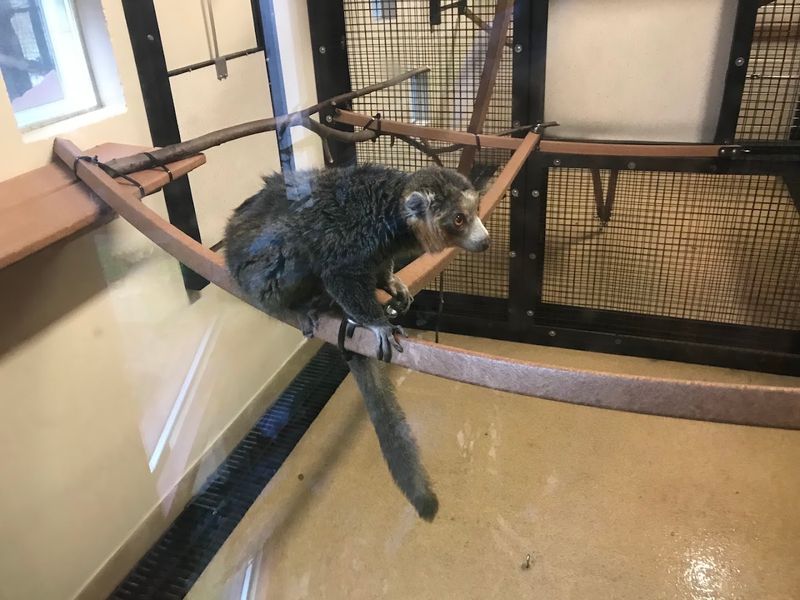
Not every lemur wants the spotlight, and some prefer the dark. Tucked inside a specially designed low-light building live the nocturnal lemurs, including the strange and wonderful aye-aye.
Inside this space you’re asked to stay very quiet, avoid talking, and never shine lights at the animals, all for their health and comfort. It’s a hushed, almost magical corner where you watch creatures most people never get to see.
One visitor whose favorite animal was the aye-aye got to help prepare honey and peanut butter treats, then watched two of them dig in. Moments like that, they said, are impossible to capture on video and something they’ll never forget.
Choosing Between Self-Guided, Walking, and Private Tours

One thing that surprises first-timers is that you can’t just wander in; every visit runs through a booked tour. The good news is there’s a style to fit almost any budget and mood.
The General Tour is self-guided and the cheapest option, letting you stroll the path at your own pace within your time slot. Docents and volunteers are stationed along the way to share facts and answer questions.
For something more personal, the Walking with Lemurs tour takes small groups of about eight people into the forest for closer views. Private tours are available too, and on some tour types you can even tell the team ahead of time which lemurs you most hope to see.
Guides Who Turn a Walk Into a Story

Ask anyone who has been, and they’ll talk about the guides before anything else. Names like Anna, Jillian, Matthew, Zack, Ethan, and Jessica keep popping up in glowing reviews, each praised for energy and deep knowledge.
Many guides are Duke graduates who weave in facts about lemur biology, behavior, and the threats these animals face back home. Guests describe two-hour tours flying by and rank the experience among the best of their lives.
Beyond being informative, they clearly care. Visitors mention guides going out of their way to line up great photo angles while keeping both people and lemurs safe, which says a lot about the whole operation.
A Research Lab First, Attraction Second
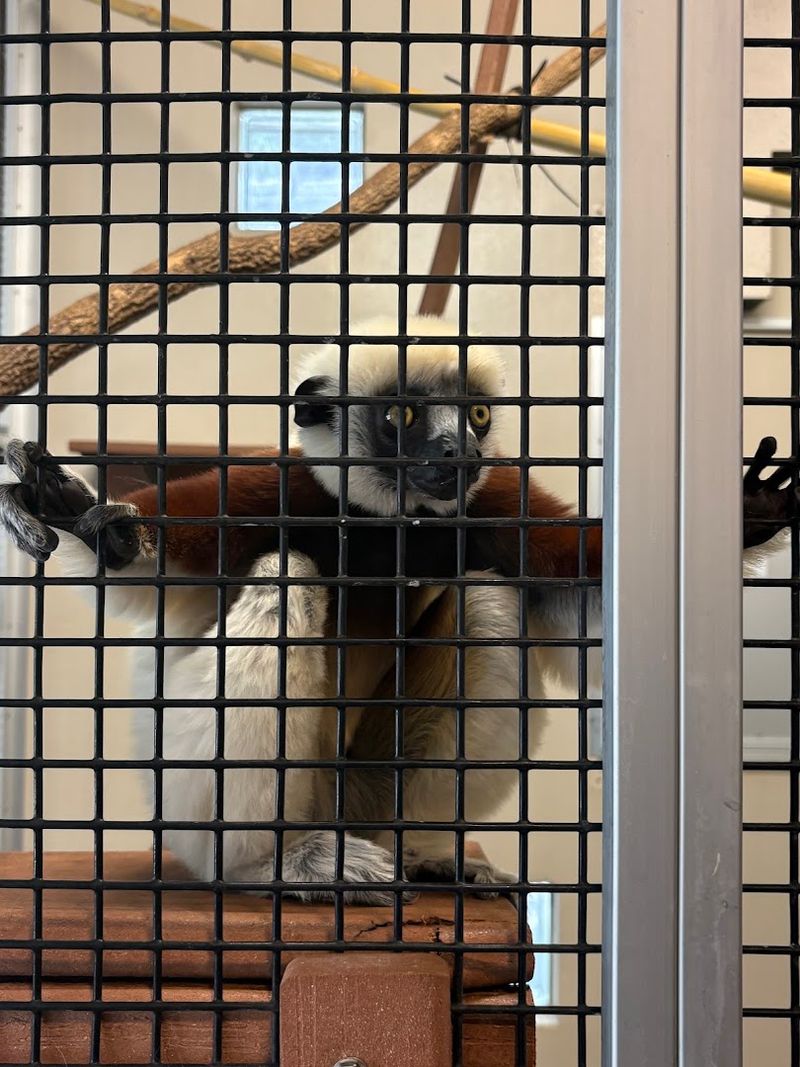
It helps to walk in with the right mindset, because this isn’t a flashy amusement park. The Center is a serious, non-invasive research facility working to understand these fuzzy, endangered primates.
Reviewers are honest about the trade-off: the outdoor enclosures sit behind double mesh and wire fencing, so views can be trickier than at a big open-air zoo. If you expect constant close-up interaction, you might feel let down.
But if you value conservation, education, and science, the payoff is real. Guests repeatedly note that admission fees go straight toward caring for the animals and preserving endangered species, calling the mission itself a solid five stars.
The Gift Shop and Visitor Center Extras
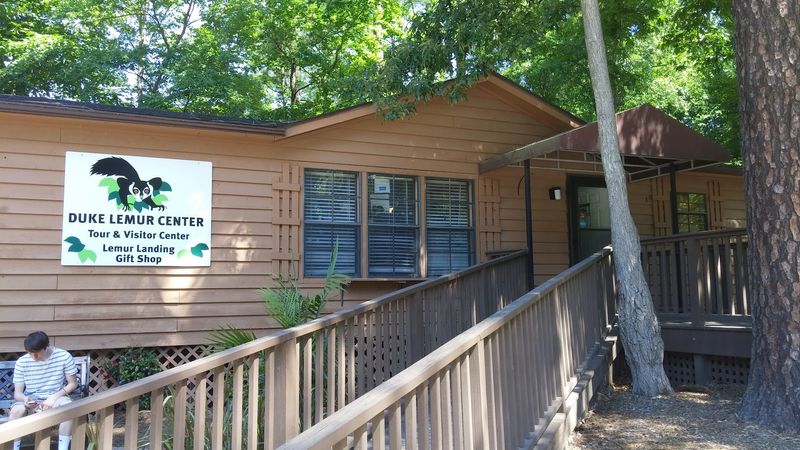
Save a little time for the visitor center, where a tidy gift shop offers a fun way to remember the trip. Shelves hold everything from T-shirts and stuffed lemurs to polished ammonite fossils and Center magazines.
Prices lean a touch high, with one group noting a T-shirt around $32, but shoppers don’t seem to mind. The money supports the lemurs, so buying a souvenir feels like giving back rather than splurging.
There’s also a small room worth pausing in, with lemur skulls on display and short biographies of women in STEM. Guests love the thought that young girls might spot those stories and feel inspired to chase science careers of their own.
Who Will Love It and Who Might Not
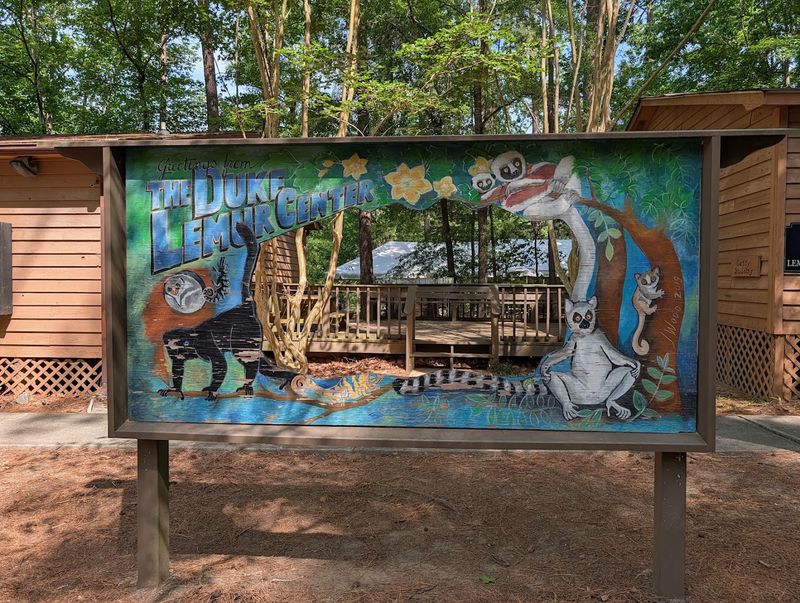
Picture the ideal visitor: someone genuinely curious about wildlife, willing to slow down, ask questions, and soak up what the guides share. For animal lovers and science fans, reviewers say it lands among the top experiences of their lives.
Families do well here too, with several calling the Walking with Lemurs tour an unforgettable outing. That said, very young children expecting a petting-zoo vibe may lose interest quickly.
There’s no touching the lemurs, and you’re asked to stay at least six feet away, since these animals aren’t there to perform. Come ready to observe rather than interact, and the whole thing clicks into place beautifully.
Hours, Reservations, and Getting There

Planning ahead is not optional here, so lock in your details early. The Center opens 10 AM to 4 PM Thursday through Monday, stays open Wednesday, and closes on Tuesday.
Tours require a reservation booked online in advance, and there’s a defined visiting season, so check the website at lemur.duke.edu or call 919-401-7240 before you go. More than one hopeful visitor turned up without a booking and had to leave without seeing a single lemur.
Getting there is easy once you’re set: there’s a free parking lot plus an overflow lot, and staff will point you somewhere else if both fill up. Early morning slots draw praise for lively, easy-to-spot lemurs, so an 8:30 start can be well worth the alarm.
Why This Durham Gem Is Worth the Trip

Few places in North Carolina blend science, heritage, and wonder quite like this one. Visitors keep calling it a world-class asset to the Triangle, and after a morning on the trails, that praise feels earned.
Remember that the animals get to decide how visible they are, so some may nap high in the trees while others come close. Regulars suggest going in summer to catch the outdoor enclosures, and treating napping or snacking lemurs as part of the charm.
Whether you pick the budget-friendly General Tour or splurge on the forest walk, you walk away with a deeper respect for these endangered primates and the people protecting them. It’s a quietly remarkable Durham secret that rewards anyone willing to reserve a spot and show up curious.
Share this story