There is a museum in northern Illinois that keeps a 20-foot juvenile Tyrannosaurus rex on permanent display, and it is not in Chicago. The fossil, nicknamed Jane, was discovered in Montana in 2001 when her bones were literally sticking out of a rocky hillside.
She is considered the most complete juvenile T. rex skeleton ever found, and she ended up right here in Rockford, Illinois, at a museum that punches well above its weight. The Burpee Museum of Natural History has been quietly wowing visitors for years with world-class fossils, live reptiles, hands-on exhibits, and a passion for science education that you can feel the moment you walk through the front door.
Where to Find This Remarkable Museum
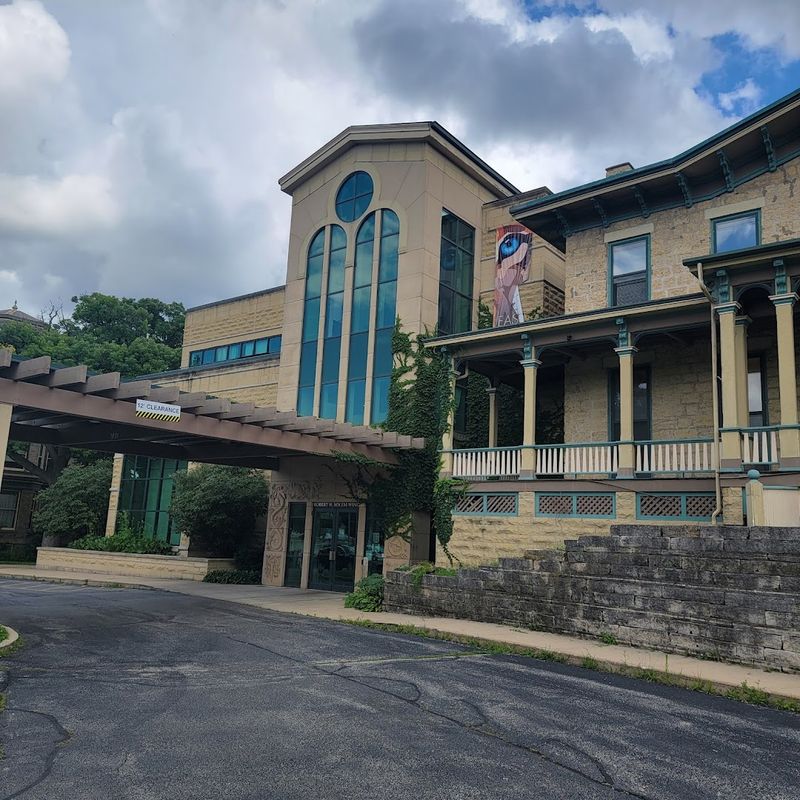
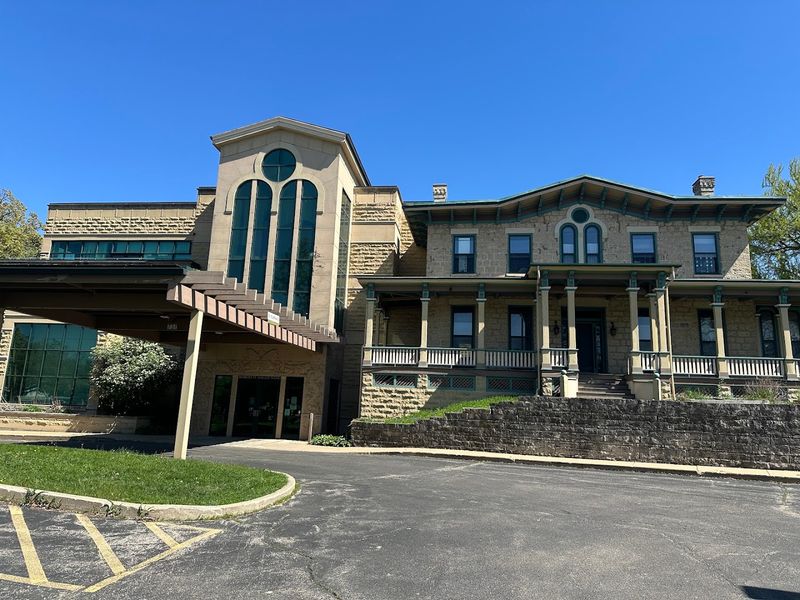
The Burpee Museum of Natural History sits at 737 N Main St, Rockford, IL 61103, right in the heart of northern Illinois. Rockford is the state’s third-largest city, about 90 miles northwest of Chicago, making this museum an easy day trip for families across the region.
The building itself has a classic, welcoming look that hints at the treasures inside. Free parking is available nearby, which is a rare and genuinely appreciated bonus for a museum visit.
The museum is open every day of the week from 10 AM to 5 PM, so planning a visit is straightforward no matter what day works for your schedule.
Admission runs around $15 for adults, with discounts available for Illinois residents and children. You can reach the museum by phone at +1 815-965-3433 or check out their website at burpee.org for the latest events, ticket options, and membership information.
The central location in Rockford makes it a natural anchor for a full day of exploring the city.
Jane the Juvenile T. Rex: The Star of the Show
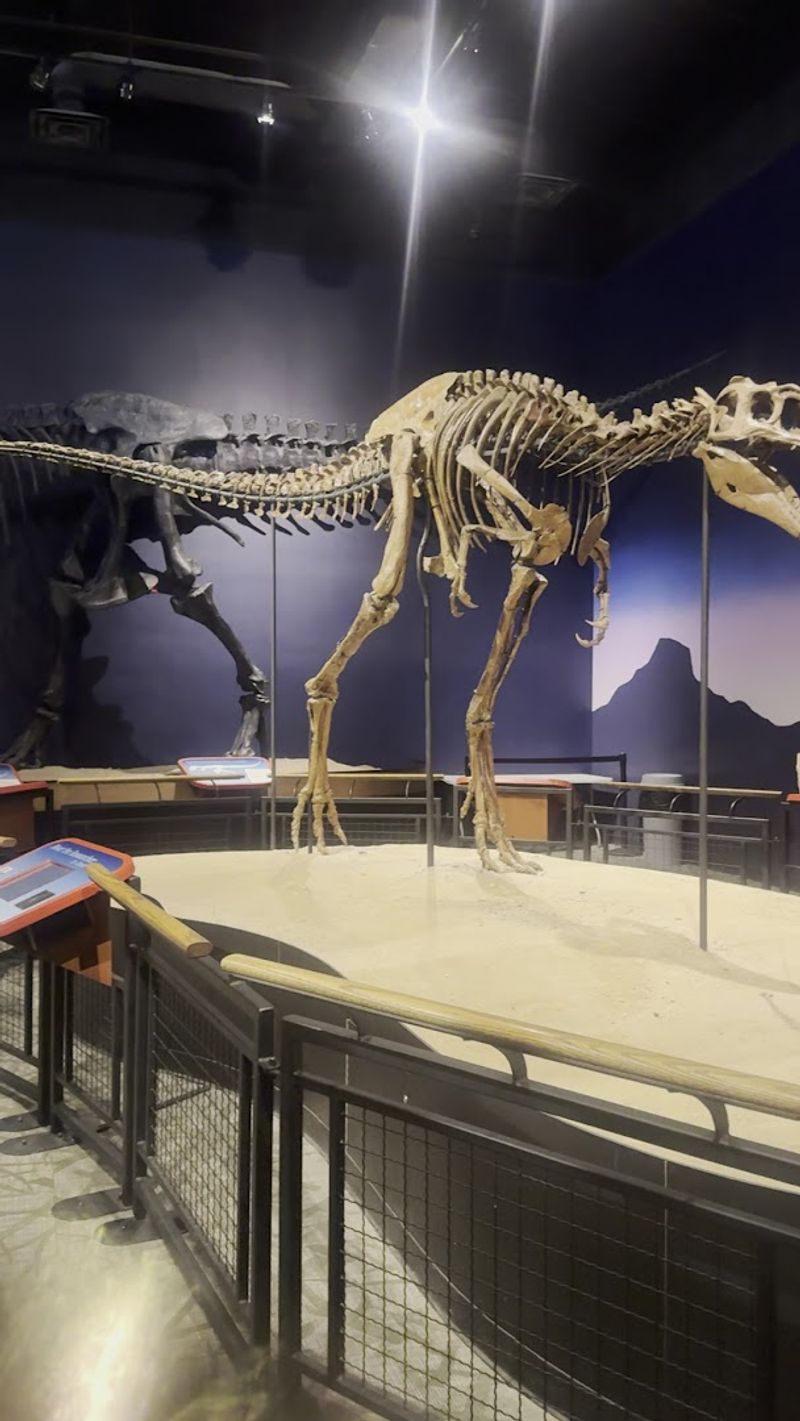
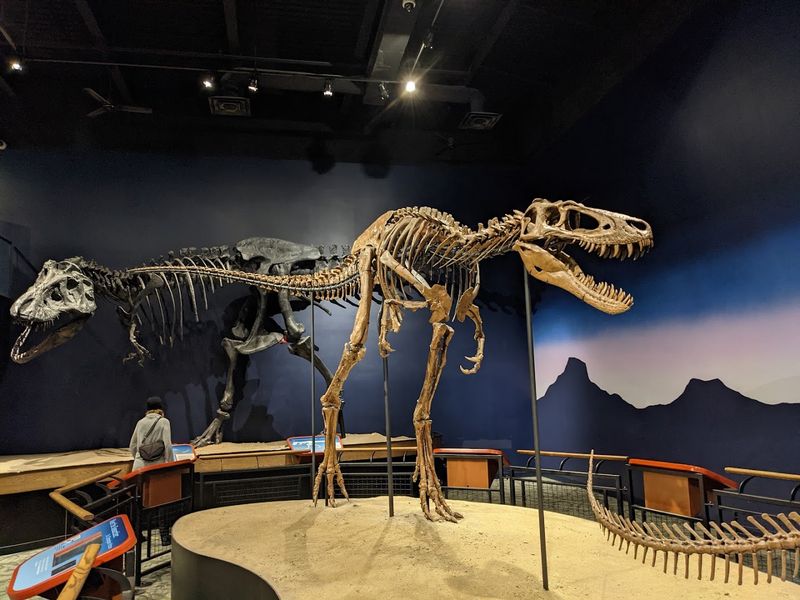
She is 20 feet long, roughly 65 million years old, and she has a name. Jane is the world’s most complete juvenile Tyrannosaurus rex skeleton ever discovered, and she calls the Burpee Museum home.
Her bones were found in 2001 in the Hell Creek Formation of Montana, where they were literally poking out of a rocky hillside, practically waiting to be noticed.
The Burpee team excavated her carefully over several field seasons, and the result is a fossil mount that stops visitors in their tracks. Jane’s proportions are noticeably different from adult T. rex specimens.
Her arms appear slightly longer relative to her body, and her skull is more slender, which once sparked a scientific debate about whether she might represent a separate species entirely.
Most paleontologists now agree she is a young T. rex, making her a priceless window into how these animals grew and changed over time. Standing near Jane and looking up at those teeth is a moment that sticks with you long after you leave the museum floor.
She is, without question, the crown jewel of this collection.
The Montana Discovery That Changed Paleontology
The story of how Jane was found reads like something out of a field adventure novel. In 2001, a Burpee Museum team was surveying the rugged badlands of Montana’s Hell Creek Formation when they spotted fossil bones jutting out of a rocky slope.
That kind of surface exposure is both exciting and urgent, because weathering can destroy fossils quickly once they are exposed to the elements.
The team worked through multiple field seasons to carefully excavate the specimen, cataloging each bone and protecting it for the journey back to Rockford. The Hell Creek Formation is one of the most productive fossil sites in North America, known for producing T. rex material along with Triceratops and many other Late Cretaceous species.
What made Jane exceptional was her completeness. Juvenile dinosaur skeletons are far rarer than adult ones because younger animals had lighter, more fragile bones that did not preserve as well over millions of years.
Finding a juvenile T. rex this complete was a genuine scientific milestone, and the fact that a mid-sized Illinois museum led the expedition makes the story even more compelling. Science, it turns out, does not always come from the biggest institutions.
A Fossil Lab Where Science Happens in Real Time
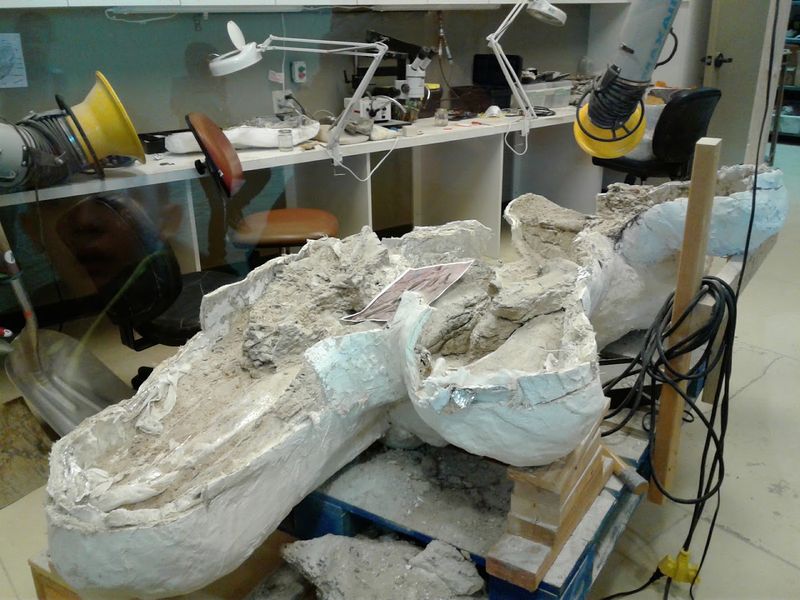
One of the most memorable features at the Burpee Museum is the working fossil preparation lab, where visitors can watch actual scientists clean and prepare real fossil specimens. A glass window separates the lab from the public gallery, giving you a front-row seat to the painstaking work that turns raw rock into museum-ready specimens.
Watching a technician use fine tools to chip matrix away from bone is genuinely fascinating, even for adults who think they are just there to chaperone a field trip. The lab makes the science feel immediate and real rather than distant and textbook-ish.
You start to appreciate just how much skilled, careful labor goes into every fossil you see on display.
The museum’s commitment to active science sets it apart from institutions that simply display finished products. Burpee participates in ongoing field research, and the preparation lab is a direct expression of that mission.
Kids especially seem to light up when they realize the people behind the glass are doing the exact same work that led to Jane’s discovery. It is the kind of detail that transforms a museum visit into something closer to a science lesson you actually want to attend.
Live Animals That Turn the Museum Into Something More
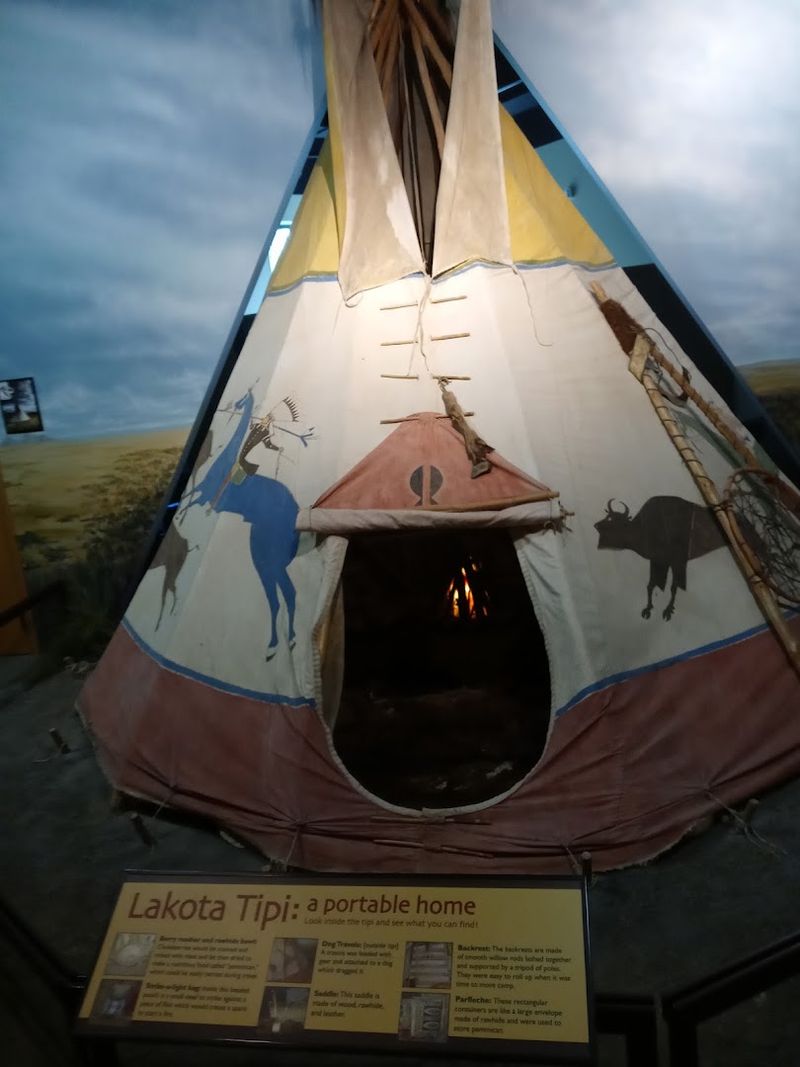
Not many natural history museums also function as a miniature zoo, but the Burpee Museum pulls it off with real charm. The upper floors house a collection of live reptiles and amphibians that includes snakes, lizards, turtles, and a blue-tongued skink named Jolly Rancher who has apparently become something of a staff celebrity.
The Windows to Wilderness room is where the live animals are kept, and the enclosures are well-maintained and thoughtfully designed. Museum staff regularly interact with the animals and have been known to bring them out for closer looks, which turns a standard exhibit into a hands-on wildlife encounter.
Watching a turtle enthusiastically bite into a carrot offered by a keeper is the kind of unexpected moment that kids talk about for weeks afterward.
The live animal collection adds a layer of excitement that purely fossil-focused museums simply cannot match. It also reinforces the museum’s broader message about the natural world, connecting prehistoric life to the living creatures that share the planet today.
Staff members in this section tend to be especially knowledgeable and enthusiastic, happy to answer questions and share facts that do not appear on any of the exhibit labels. Their genuine love for these animals comes through clearly.
Hands-On Exhibits and the Children’s Area
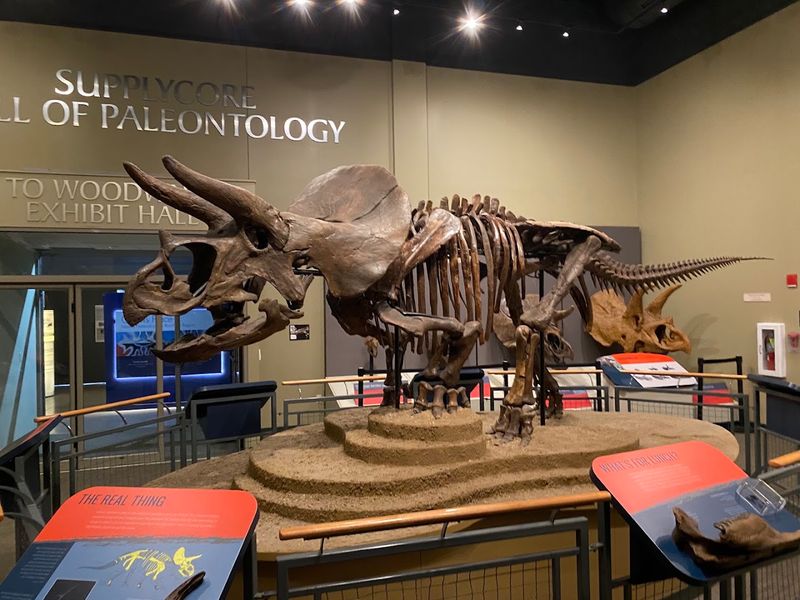
The third floor of the Burpee Museum is dedicated to younger visitors, and it delivers the kind of interactive experience that keeps kids engaged rather than restless. The children’s area features hands-on stations where young visitors can touch fossils, handle rocks and minerals, and explore natural history concepts through play-based activities.
Throughout the rest of the museum, interactive elements are woven into many of the exhibits as well. There are buttons to press, specimens to examine up close, and displays that invite visitors to think like scientists rather than just absorb information passively.
The philosophy behind this approach is clear: learning sticks better when you are doing something, not just reading a label.
A few of the interactive screens in the dinosaur gallery have been reported as not fully operational during some visits, which is a minor frustration. However, the physical, tactile elements throughout the museum more than compensate for any temporary tech issues.
The sturgeon touch tank is another crowd-pleaser that brings a different kind of natural history to life. Between the children’s area, the touch tank, and the live animals, families with young kids will find more than enough to keep everyone genuinely busy and curious for a solid hour and a half or more.
Geology, Minerals, and the Deep History of Illinois
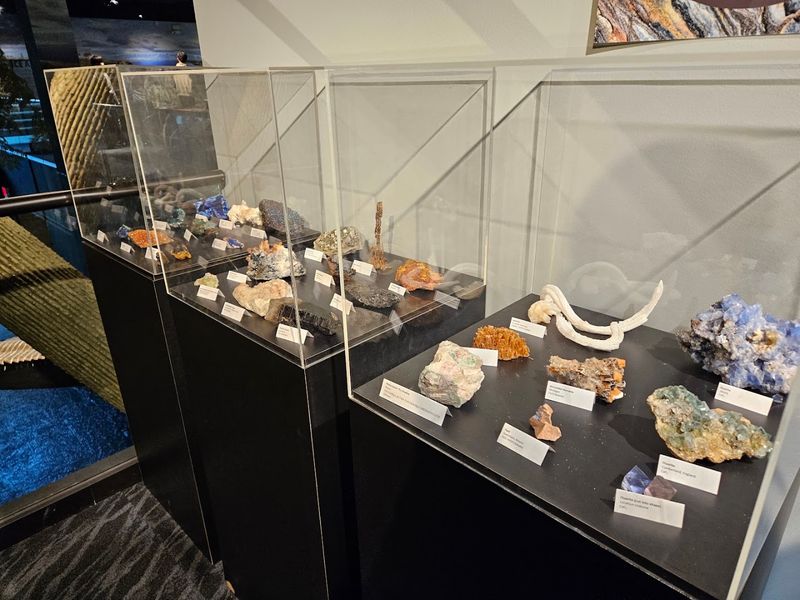
Dinosaurs get most of the headlines, but the geology and minerals section of the Burpee Museum deserves serious attention on its own. The exhibit features an impressive array of gems, crystals, and rock specimens that range from everyday Illinois geology to rare and visually striking mineral formations from around the world.
The museum does a particularly good job of connecting these specimens to the regional story of Illinois and the surrounding Midwest. Visitors learn about the ancient seas that once covered this part of North America, the ice age landscapes that followed, and the fossils that those environments left behind.
The microfossil displays are especially clever, challenging visitors to reconstruct entire ancient ecosystems from tiny, often overlooked specimens.
Staff members in this section have a reputation for sharing detailed, enthusiastic explanations that go well beyond what the exhibit labels say. The geology exhibits also complement the dinosaur collection nicely, giving visitors a broader sense of deep time and how different eras of Earth’s history connect to one another.
For anyone who has ever picked up an interesting rock and wondered what it was, this part of the museum has a way of turning casual curiosity into something that feels a lot like a genuine passion for the natural world.
Native American Artifacts and Cultural History
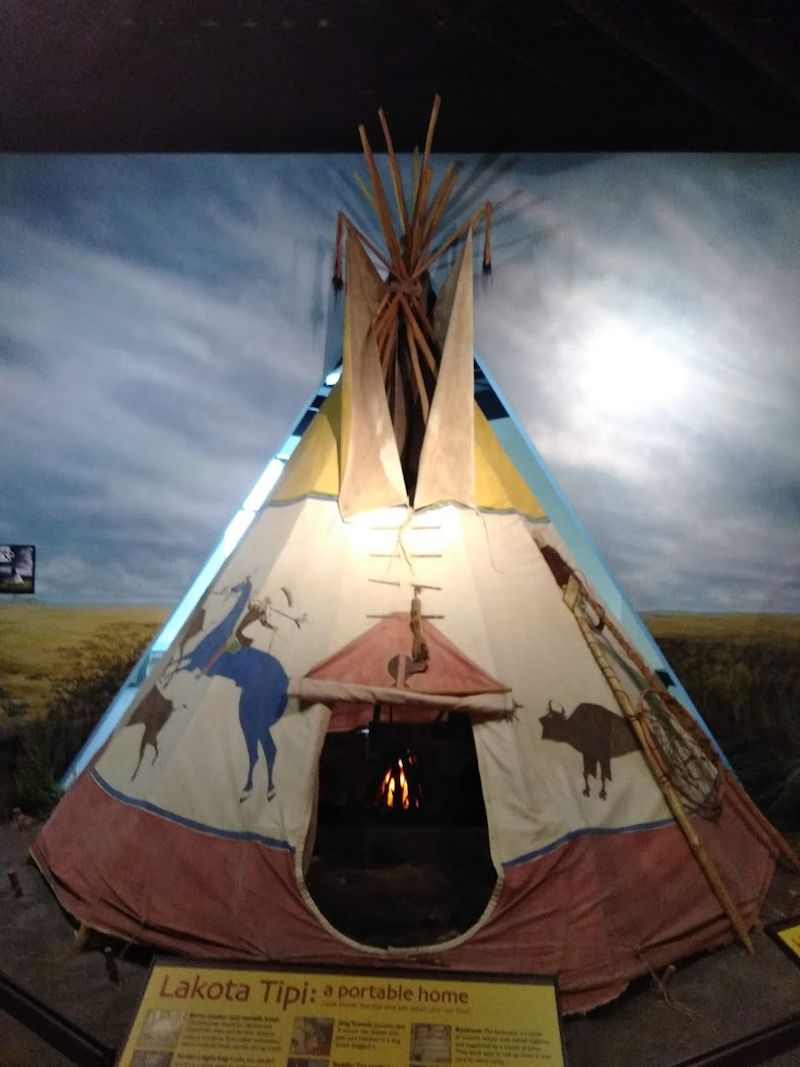
The Burpee Museum does not limit itself to fossils and rocks. The Native American exhibit is one of the more thoughtfully presented cultural history displays you will find in a regional natural history museum, and it adds meaningful depth to the overall experience.
The artifacts and accompanying context are presented with care and respect, giving visitors a sense of the rich human history of the Rockford region and the broader Illinois landscape. The exhibit connects the deep prehistoric past explored in the fossil galleries to the more recent human story of the land, creating a more complete picture of the natural and cultural history of this part of North America.
Visitors who take the time to move through this section slowly tend to come away with a greater appreciation for the full scope of what the museum is trying to communicate. The Burpee Museum is not just a place to see old bones.
It is a place that takes seriously the responsibility of telling the whole story of a region, from the Cretaceous period through the ice age and into the human era. That ambition is evident in the quality and sensitivity of the Native American exhibit, which stands as one of the more memorable sections of the entire museum.
The Staff and the Atmosphere That Make It Special
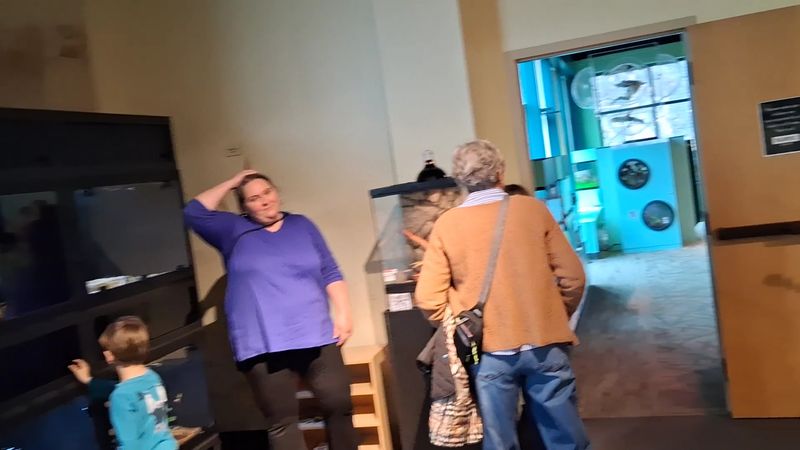
A museum is only as good as the people who work in it, and the Burpee Museum has clearly figured this out. The staff here are consistently described by visitors as knowledgeable, warm, and genuinely enthusiastic about the subjects they represent.
That energy is contagious in the best possible way.
One particularly memorable character is a gardener who has been known to greet visitors outside the building and share surprisingly deep knowledge about both the building’s history and dinosaurs. Inside, staff members in the reptile room regularly go above and beyond, introducing visitors to the live animals by name and sharing facts that make the whole experience feel personal rather than institutional.
The front desk team is equally welcoming, often providing tips on upcoming events and pointing families toward exhibits that match their interests. The overall atmosphere at the Burpee Museum is one of genuine enthusiasm for science and natural history, which is a quality that no amount of renovation budget can manufacture.
It has to come from the people, and here it clearly does. That warmth is part of what makes first-time visitors want to come back, and it is why the museum has built such a loyal local following over the years.
Planning Your Visit: Tips for Getting the Most Out of It
A visit to the Burpee Museum runs about one to two hours for most people, which makes it a manageable and satisfying outing without the exhaustion that sometimes comes with larger institutions. The museum’s four floors are connected by elevators, making it fully accessible for strollers, wheelchairs, and anyone who prefers not to tackle stairs.
Parking near the museum is free and easy to find, which is a small but genuinely appreciated detail. Vending machines are available inside for a quick snack, and a gift shop near the entrance offers a solid selection of science-themed souvenirs, books, and toys that make great take-home reminders of the visit.
The museum offers memberships that are especially worthwhile for families who plan to visit more than once, and they run a variety of educational workshops, classes, and events throughout the year. Illinois residents may qualify for discounted admission, so it is worth asking at the front desk.
Comfortable shoes are a practical suggestion since you will be covering multiple floors. The museum is open seven days a week from 10 AM to 5 PM, so almost any day works.
Arriving on a weekday morning tends to mean quieter galleries and more time with the staff.
Share this story