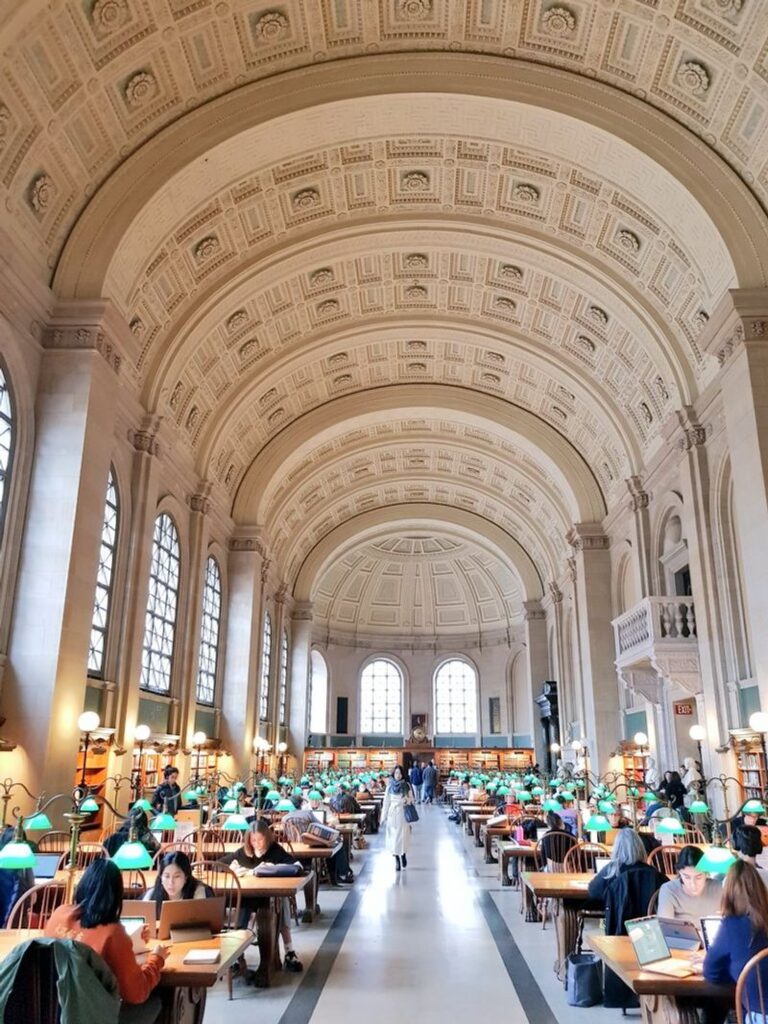
Most people walk past this building thinking it is just a place to borrow books, and they could not be more wrong. Behind the stone facade sits a barrel-vaulted reading hall, a quiet fountain courtyard, and painted murals by one of America’s most famous artists. The best part is that walking in costs absolutely nothing, and you do not need a library card to explore. If you have ever wanted to spend an afternoon inside something that feels closer to a palace than a public building, this Boston landmark deserves a spot on your list.
A Palace for the People in the Heart of Copley Square
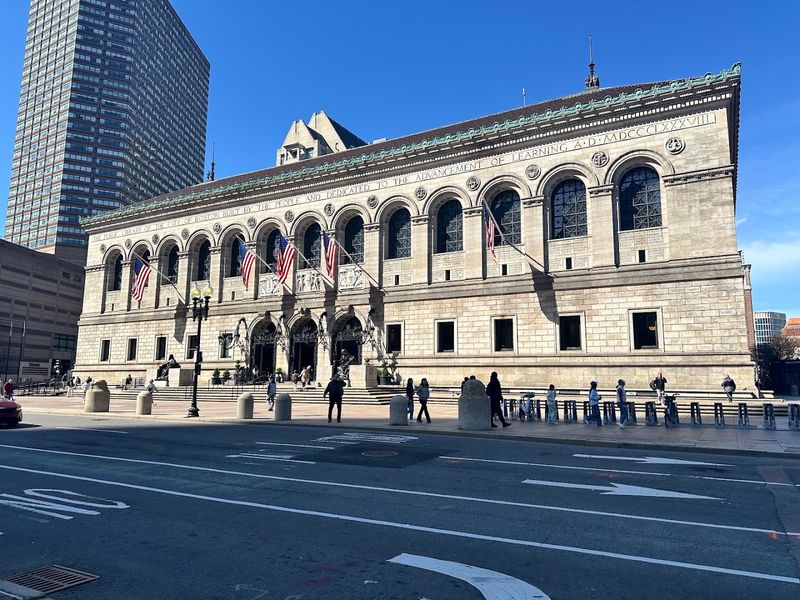
Right at 700 Boylston Street in Boston, Massachusetts, sits a building that locals proudly call a palace for the people. The Boston Public Library anchors Copley Square, and its grand stone facade holds its own even against the modern towers crowding around it.
Completed in 1895, the older McKim Building was designed with a bold idea in mind. Public space, the architects believed, could feel monumental and welcoming at the same time.
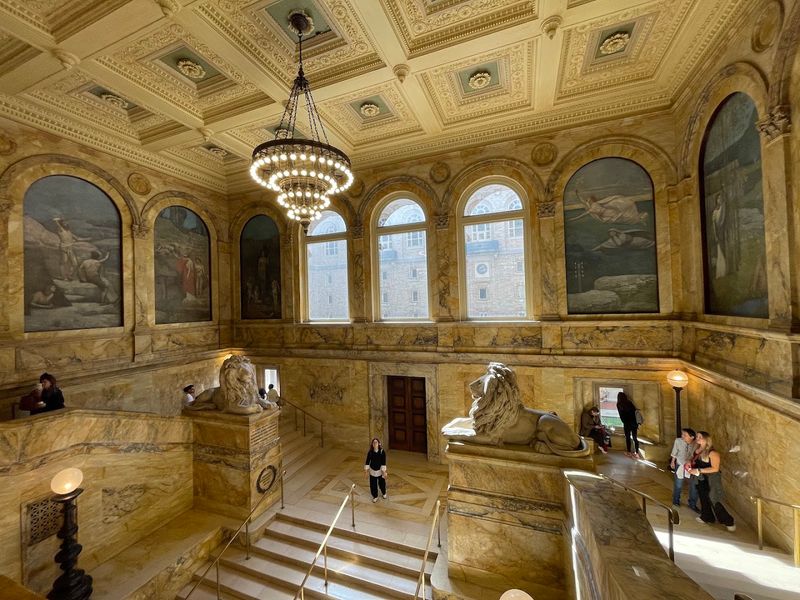
The exterior alone stops people in their tracks, with its carved stone, sweeping arches, and iconic pair of stone lions guarding the marble foyer. Many first-time guests admit the outside is impressive, but the inside is where the building truly reveals itself.
What makes the spot so approachable is how easy it is to reach and how little effort it takes to enjoy. You can wander in off the street, spend an hour or three, and leave without spending a cent. That mix of grandeur and everyday access is exactly what earns it a place on so many Boston bucket lists.
The Story Behind an 1895 Renaissance Masterpiece
Long before it became a magnet for architecture lovers, the library was built around a simple democratic promise. Learning and beauty, the founders decided, should belong to everyone, not just students or researchers.
The McKim Building opened in 1895 and drew heavily on Renaissance-style design, borrowing the calm symmetry and carved detail you might find on a European palace. The result feels dignified without being cold.
Regulars often point out how the space honors its history while still buzzing with everyday life. People study, meet, and read inside one of the most ornate public rooms in the city, and the building never feels frozen in time.
Over the years, a newer, more open building was connected to the historic one, giving the whole complex a blend of old and new. Guests enjoy walking between the two and noticing how the eras play off each other.
What holds it all together is the founding idea that public space can still feel important. Reading here, many say, feels like more than a chore, and that spirit has carried through well over a century of visitors.
Standing Inside the 218-Foot Bates Hall Reading Room
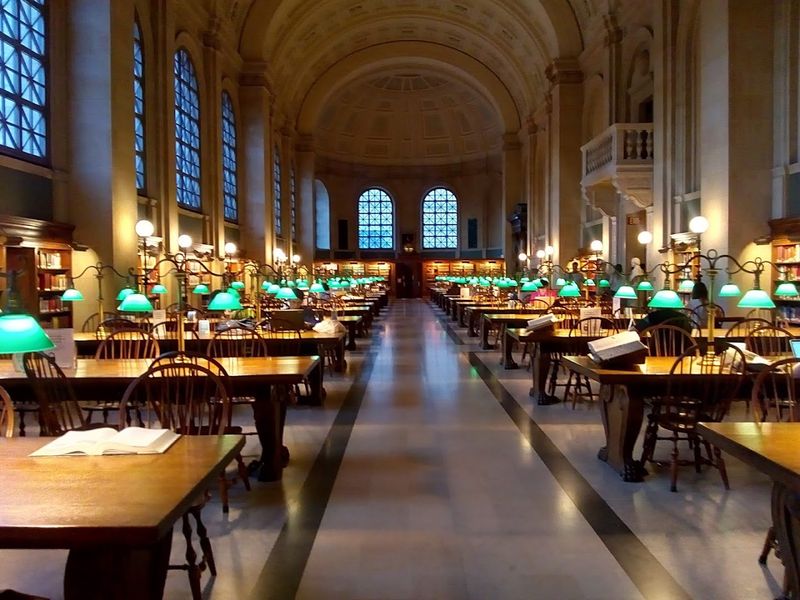
Ask anyone what to see first, and the answer almost always points to Bates Hall. Stretching an impressive length down the second floor, this reading room is the showstopper that draws crowds from around the world.
The barrel-vaulted ceiling soars overhead, while long wooden tables run in tidy rows below. Along each table glow the famous green reading lamps that have become the room’s signature look.
People describe the atmosphere as quiet, grand, and deeply democratic all at once. It is scholarly without feeling stuffy, and the sheer scale of the space makes many guests slow their pace and look up.
Even those who came only to snap a quick photo often find themselves lingering. The tall ceilings, classic lamps, and hushed calm create a setting that feels almost cinematic.
Because it is a working reading room, quiet is the rule, and studious folks still fill the seats. That mix of active study and jaw-dropping design is exactly why it lands at the top of so many must-see lists inside the building.
Original John Singer Sargent Murals You Can See Up Close
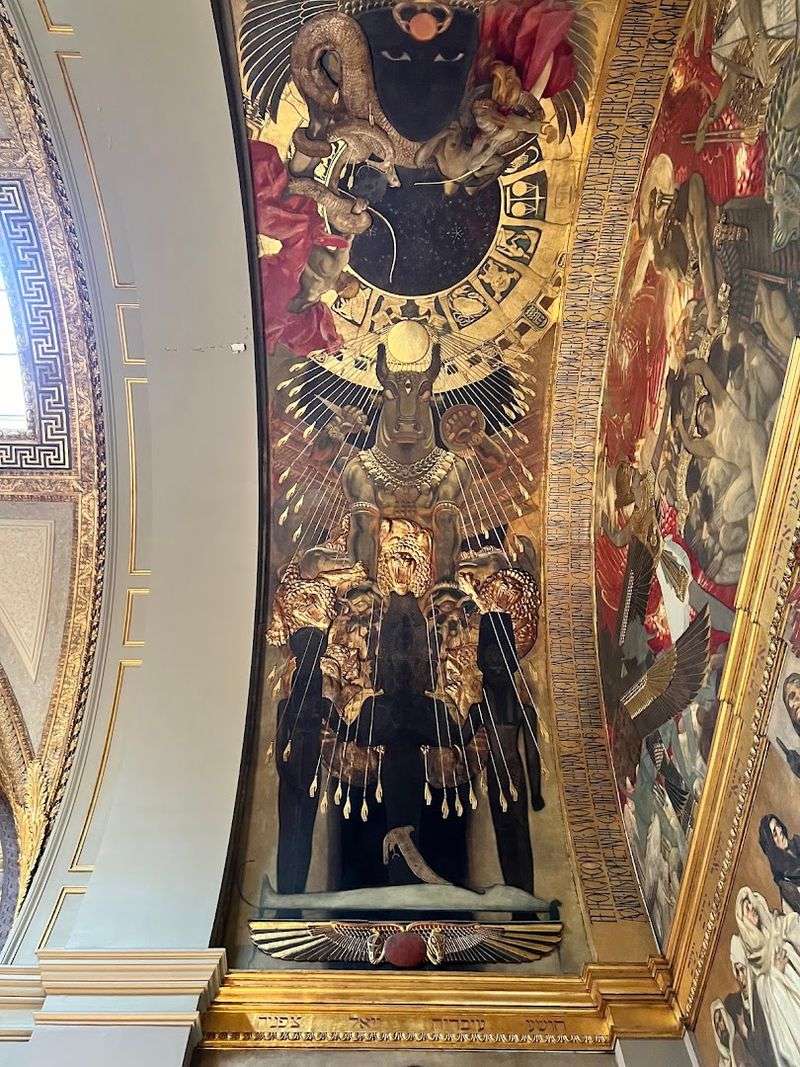
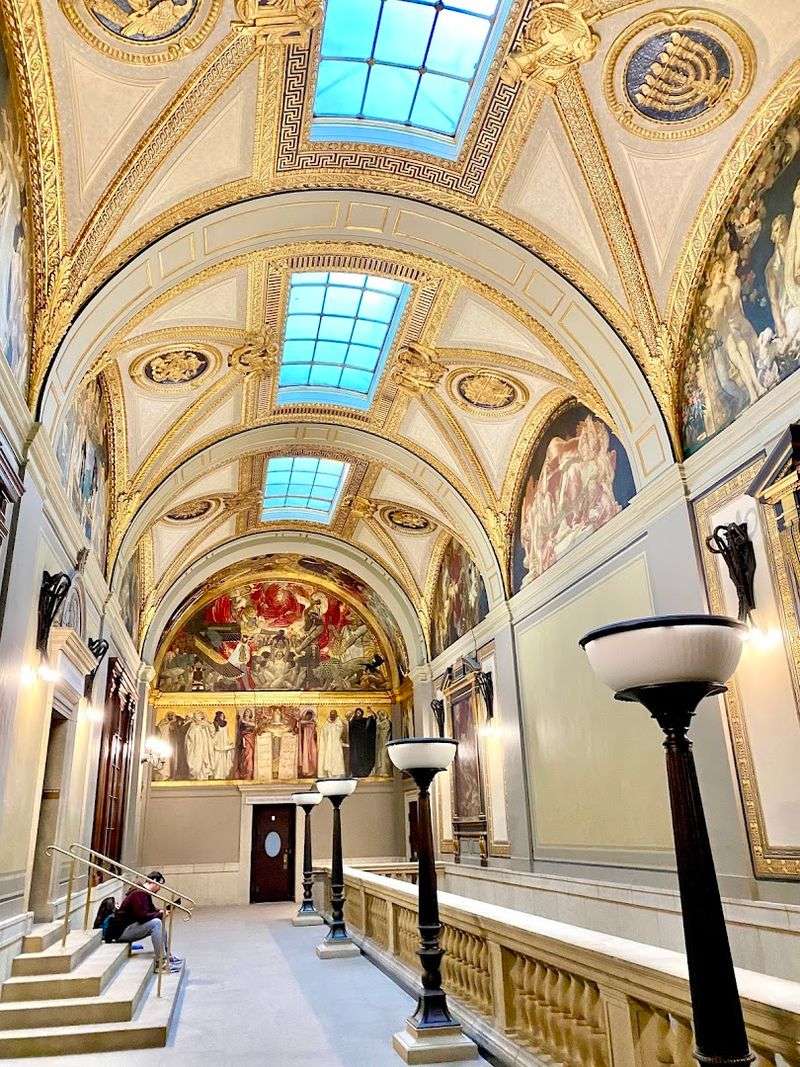
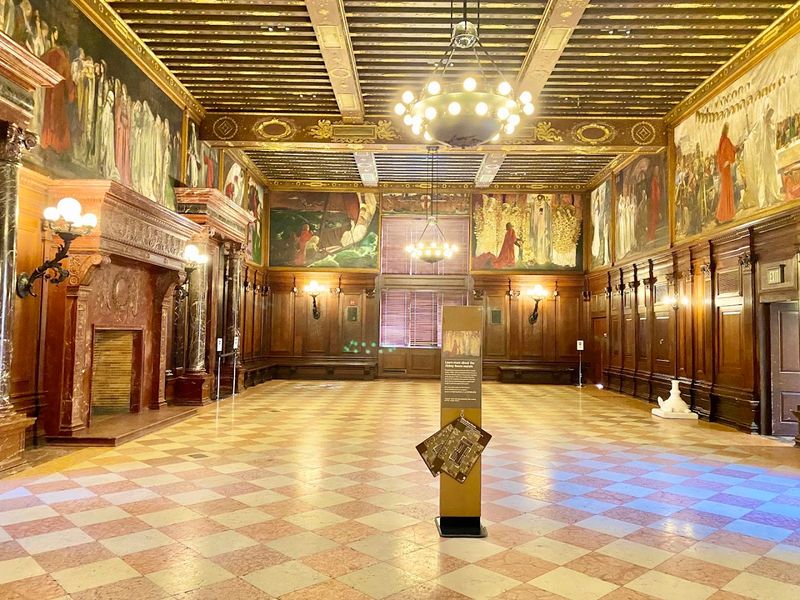
Tucked upstairs waits an art treasure that many people never expect to find inside a library. The Sargent Gallery holds original murals painted by John Singer Sargent, one of America’s most celebrated artists.
The murals stretch along the walls in a dramatic cycle exploring themes of religion and redemption. Guests often say they are far more intense and layered than they anticipated, almost theatrical in the way they fill the space.
A second floor room also features murals telling the story of Galahad, adding another layer of legend to the walls. Throughout the galleries, the artwork covers religious, mythological, and classic themes.
One thoughtful touch keeps the experience approachable. The library provides cards with the history and explanation of each painting series, which guests can borrow while standing in the rooms.
People who appreciate art find themselves stopping every few steps to admire the murals, painted ceilings, and elegant woodwork. For many, this gallery alone turns a quick stop into an hour of slow, rewarding wandering.
The European-Style Courtyard Hidden at the Center
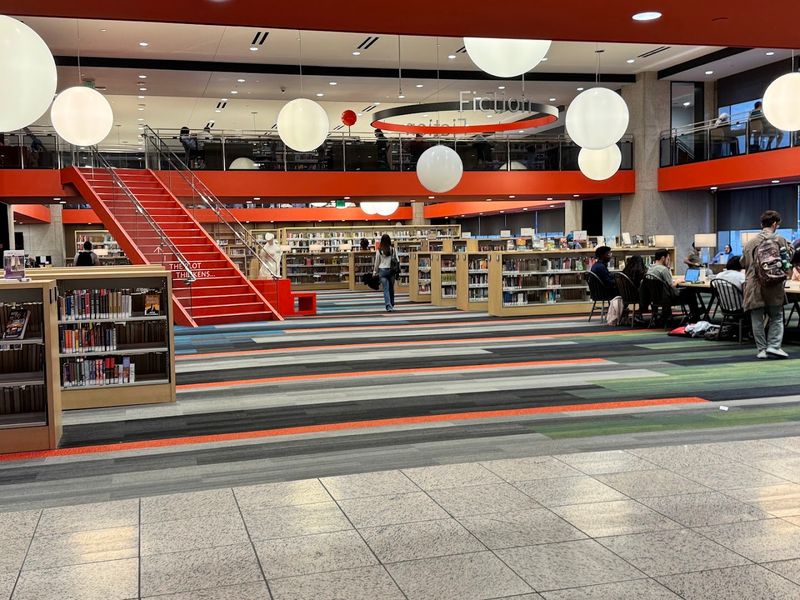
Beyond the marble halls hides a calm surprise that feels a world away from the busy streets. The central courtyard sits at the heart of the building, ringed by graceful arcades and centered on a fountain.
Guests frequently describe it as a peaceful escape right in the middle of the city. Open sky, greenery, and quiet seating make it a favorite spot to pause between exploring the grand rooms.
The design leans European, with symmetrical arches and soft natural light filtering down onto the open space. Many say it could easily belong in a courtyard somewhere in Florence.
It offers a completely different feel from the formal interior, giving the whole visit a nice balance. After browsing the galleries and reading rooms, people love stepping out here to stretch and slow down.
Seating around the fountain invites a few unhurried minutes, whether you are resting your feet or simply taking everything in. For a spot that costs nothing to enjoy, the courtyard delivers a surprising amount of calm.
Grand Staircases, Stone Lions, and Marble Details
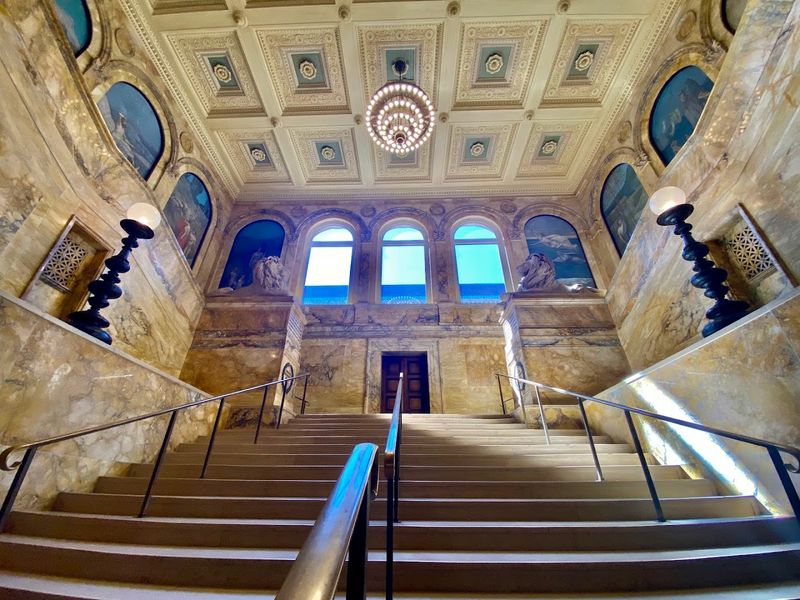
Some buildings save their best for one room, but here the details keep coming around every corner. The grand marble staircase greets guests early, sweeping upward beneath vaulted ceilings and decorative patterns.
Guarding the marble foyer stand the library’s iconic stone lions, a favorite photo stop for many who pass through. Above and around them, carved stone, coffered ceilings, and monumental chandeliers set an elegant tone.
People report roaming for a full hour just taking in architectural details, from painted ceilings to elegant woodwork. Every hallway seems to hold something new worth pausing over.
The craftsmanship earns steady praise, with guests marveling at the intricate artwork and decorative touches throughout. It is the kind of place where looking up rewards you again and again.
Even the surrounding block gets in on the beauty, including the ornate ironwork of the nearby Copley subway entrance. The whole site reads like a tribute to public learning, and the smaller flourishes make it feel complete.
A Cafe, Bookstore, Tea Room, and Modern Amenities
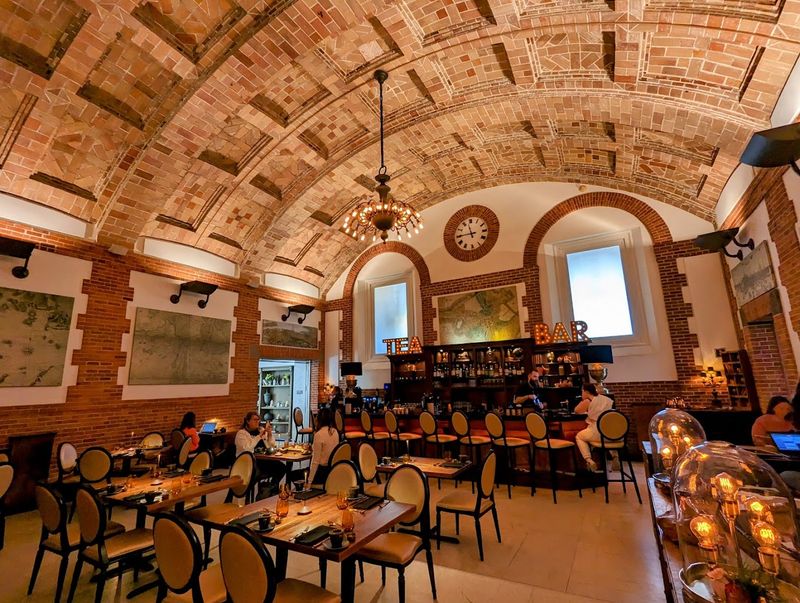
History fills the walls, but the library keeps plenty of everyday comforts on hand too. A cafe inside gives guests an easy place to pause, and a large bookstore rounds out the experience for browsers.
The newer, connected building feels open and spacious, with a very different energy from the historic halls. Inside it, guests find a vast tech center, ample seating, and amenities aimed at library patrons.
There is even a tea room that lands on many people’s return lists, along with a spot to grab something to sip. These touches make it easy to settle in for a longer visit rather than a quick loop.
Families are well cared for as well, with a spacious children’s and teen’s area giving younger guests their own room to explore. Clean restrooms and comfortable seating add to the ease of a longer stay.
The blend of old and new is part of the charm, letting you drift from a grand mural room to a modern reading nook in minutes. That balance is what keeps guests happily wandering for hours.
Free Tours, Hours, and How to Get There
Planning a stop here is refreshingly simple, starting with the price. Admission is free, and the library even offers free guided tours for those who want the stories behind the art and architecture.
You can find it at 700 Boylston Street in Boston, Massachusetts, right on Copley Square. The Copley subway stop sits practically at the door, and the Boston Marathon finish line runs just outside the building.
Hours give you plenty of room to plan around. The library opens at 9 AM on Monday through Saturday, and welcomes guests at 11 AM on Sunday.
Closing times shift by day, with later 8 PM hours from Monday through Thursday and earlier 5 PM closings on Friday, Saturday, and Sunday. Checking the day before you go is a smart move.
Since it remains a working library, guests are asked to stay considerate and keep quiet in the study spaces. It can get busier around the popular rooms during peak times, so an early or midweek visit often means a calmer walk through.
Why This Free Boston Stop Earns Its Place on Your List
Few free outings pack this much into a single afternoon. With a rating that sits near the very top and thousands of glowing reviews behind it, the library has clearly won over both locals and travelers.
People routinely describe it as one of the most beautiful public spaces in Boston, often comparing the feeling to a museum. The steady praise centers on the mix of architecture, artwork, and a calm, welcoming atmosphere.
What makes it special is how accessible it stays. You do not have to be a student or a researcher to enjoy the murals, the reading rooms, and the exhibitions, since anyone can simply walk in.
It suits a wide range of guests, from art and history buffs to anyone hunting for a quiet place to slow down. Families, solo explorers, and curious out-of-towners all find something to linger over.
For a landmark that costs nothing and hides so much, it is an easy recommendation. Boston residents who take pride in showing off their city rarely leave this one off the list.
Share this story