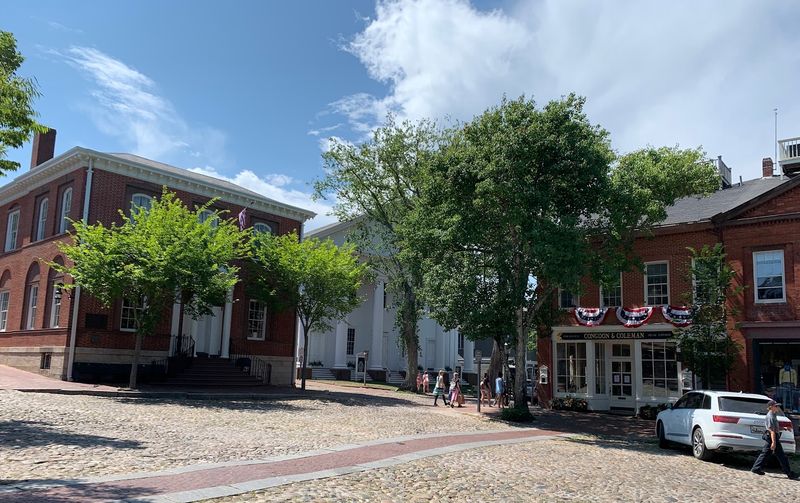
Thirty miles out to sea, past the tip of Cape Cod, sits an island town where the streets are still paved with cobblestones and the storefronts look almost exactly the way they did when whaling ships crowded the harbor. You reach it only by boat or small plane, which is part of why it stays so well preserved. The buildings here follow strict rules that keep the whole downtown looking like something out of the mid-1800s, right down to the window panes. Massachusetts residents love this place because it feels a world away, even though it is technically part of their own state.
Keep reading to learn where it is, what makes it special, and how to plan a visit that fits both your schedule and your budget.
Where Time Slows Down on a Sandy Island
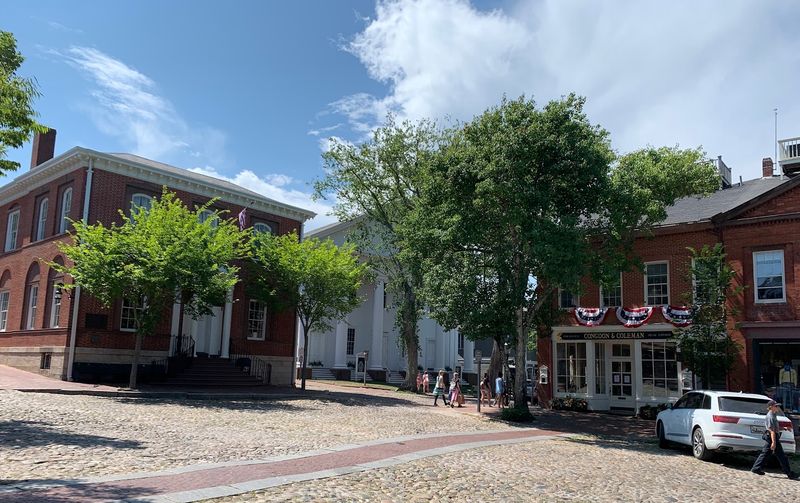
Out in the Atlantic, roughly 30 miles from the shore of Cape Cod, the Nantucket Downtown Historic District spreads across the heart of Nantucket, Massachusetts. The Historic District Commission that manages it keeps offices at 2 Fairgrounds Rd, Nantucket, MA 02554, and the group is responsible for protecting the look and feel of the old downtown zones.
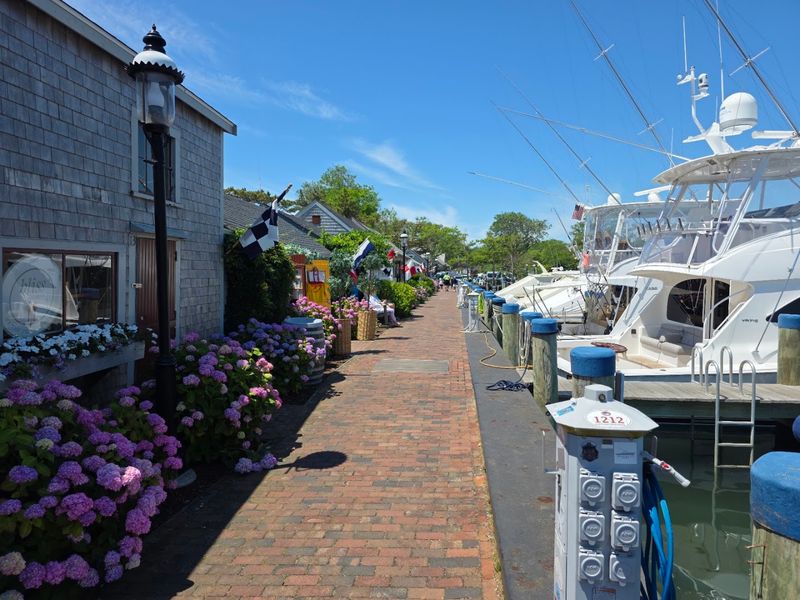
The district earns a 4.7-star average, and it is easy to understand why once you learn what it protects. Cobblestone and brick streets, cedar-shingled buildings, and rows of shops keep the town looking much like it did in its whaling heyday.
Getting here takes a little effort, since you can only arrive by boat or small plane. That distance from the mainland is one big reason the place has stayed so well preserved over the years.
For Massachusetts locals, it counts as a homegrown treasure that still feels like a genuine escape. The island belongs to their own state, yet stepping onto its streets can feel like leaving the modern world behind for a while.
The Rules That Keep the 1840s Alive
Behind the frozen-in-time appearance sits a whole commission dedicated to preserving it. The Historic District Commission sets and enforces standards for what the downtown zones can look like, and those standards are famously strict.
Everything must meet the rules, right down to curb appeal and the type of window pane a building uses. That level of detail explains why the storefronts still carry a whaling-era look instead of the glossy, modern signage you might expect elsewhere.
Much of the island falls under the umbrella of preservation efforts, a decision that residents often describe as a gift left behind by the early island planners. The thoughtfulness of keeping the place a sanctuary shows up in nearly every block of the district.
The commission itself operates as a government office, open on weekdays from 7:30 AM to 4:30 PM and closed Saturday and Sunday. If you have questions about a property or the preservation program, that office and the town website are where you would start.
Rules like these are the quiet reason the whole town holds its historic charm year after year.
Cobblestones Underfoot and Brick at Every Turn
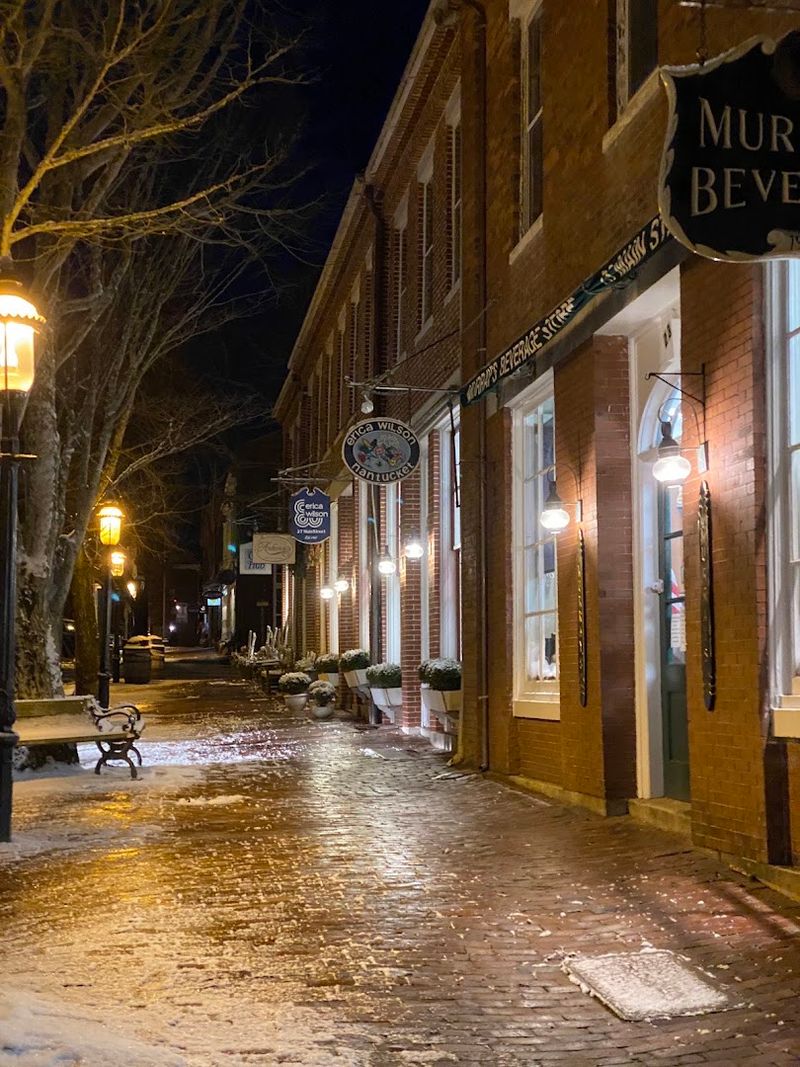
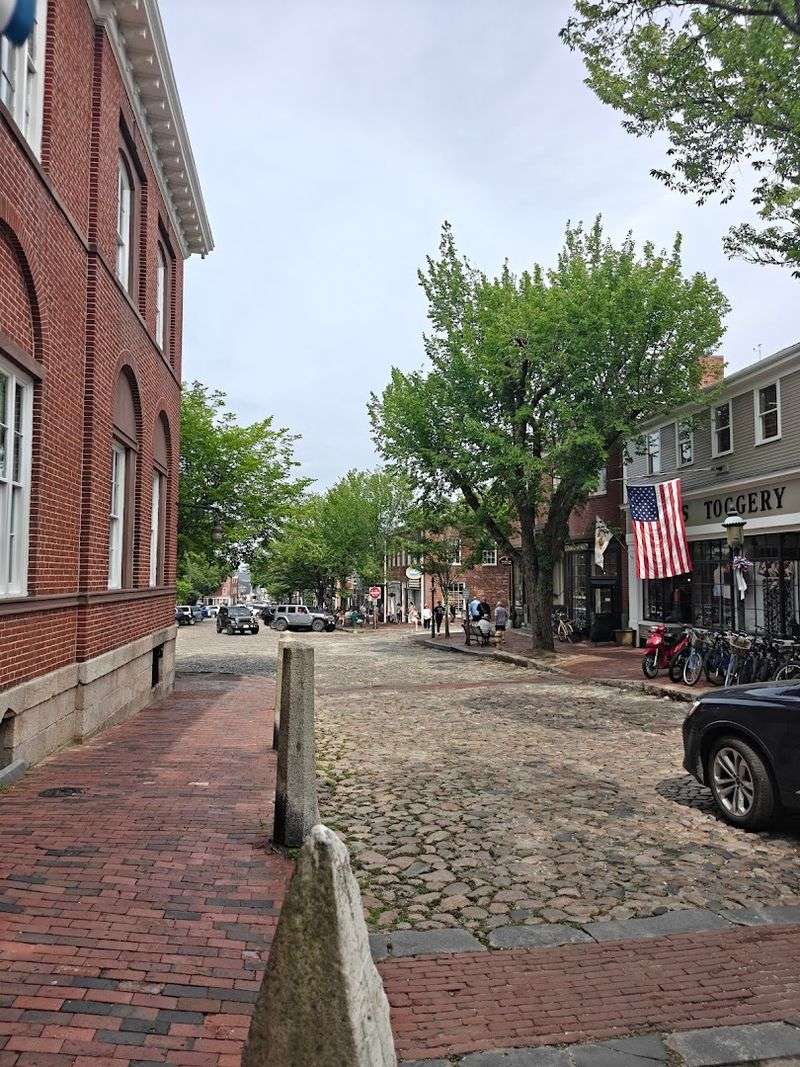
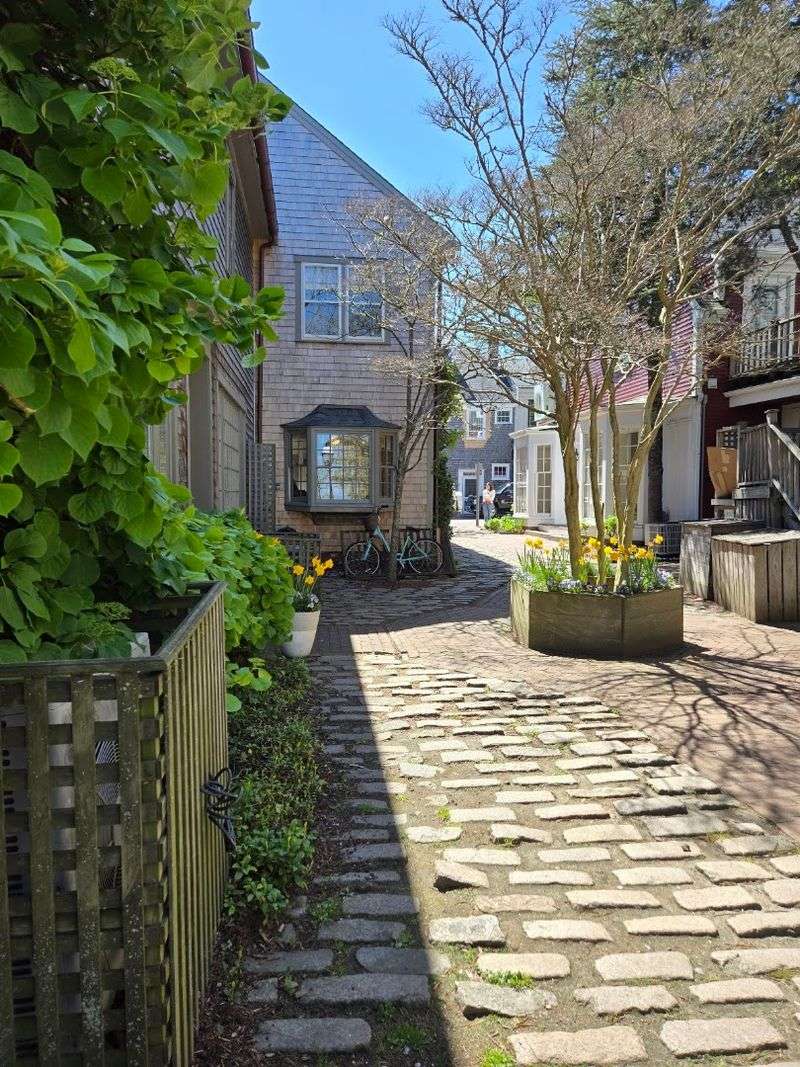
Streets tell the story before any museum does. The downtown is laid out in cobblestone and brick, uneven surfaces that have carried foot traffic for generations and still do today.
Regulars offer one very practical tip about all that old paving: wear comfortable, flat shoes. The cobblestone and brick can be quite uneven, so flats beat heels for a full day of walking.
Tree-lined blocks soften the edges of the historic core, and the streets themselves become part of the attraction. Many people come simply to stroll and take in the details of the buildings that line each lane.
The town is tiny enough that you can walk through the whole thing in an hour or two if you hurry. Most folks slow down instead, letting the small streets and the blend of historic and contemporary buildings pull them along.
Locals often say the appeal never fades, even for people who grew up around big cities. Getting a little lost in the details here is part of the fun rather than a problem to fix.
The Whaling Museum at the Center of It All
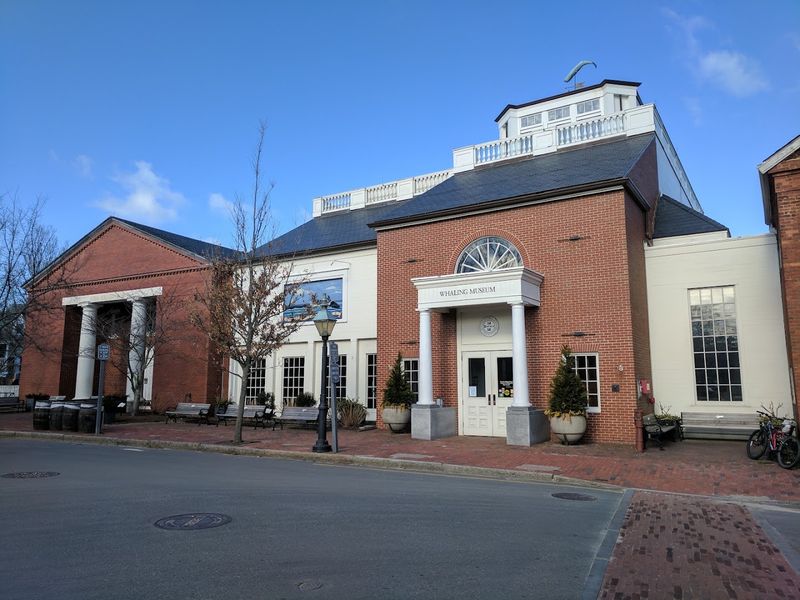
No trip through the district feels complete without a stop at the Whaling Museum, which sits right downtown. Locals and returning guests point to it again and again as a highlight of the whole area.
The spirit of the whaling days is very much alive on Nantucket, and this museum is where that history gets told in full. Families in particular tend to find plenty to hold their attention inside.
One of its best-loved features is a roof deck area that opens up panoramic views over the town. From up there, the layout of the historic core and the harbor beyond come together in a single sweeping look.
The museum pairs nicely with the rest of a downtown day, since so much of the district sits within an easy walk. You can browse the shops, grab a bite, and fold a museum visit right into the same afternoon.
For anyone curious about why this seaport looks the way it does, the museum offers the backstory that ties the whole town together.
Boutiques, Thrift Finds, and Endless Browsing

Shopping ranks near the top of the list of reasons people wander the district for hours. A wide spectrum of stores fills the historic core, from quaint boutiques to specialty shops that are as pretty to spend time in as they are to buy from.
One spot that keeps coming up is the hospital thrift store, described by regulars as a place not to be missed. It offers a different flavor from the polished boutiques and rewards shoppers who like to hunt for something unexpected.
Art galleries also dot the streets, mixing in with the retail so that browsing becomes part window-shopping and part gallery walk. Between shops, banks, and galleries, there is always another doorway worth stepping through.
Longtime visitors like to joke that you can shop until you drop here, and the variety backs up the claim. Whether you want a memorable keepsake or just a leisurely afternoon of looking, the options stretch across the whole downtown.
Bring a little patience and comfortable shoes, and the shopping alone can fill a good chunk of the day.
A People-Watcher’s Front-Row Seat
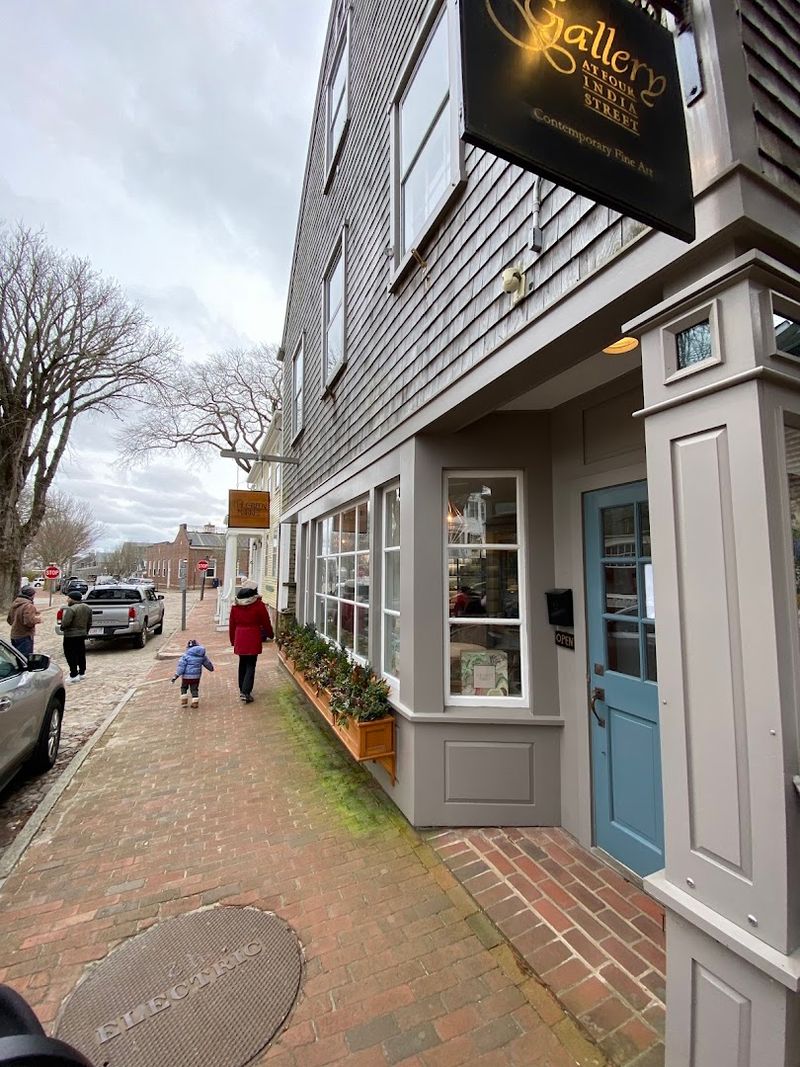
Grab a bench and you have found one of the district’s simplest free pleasures. Public benches line the downtown, and settling onto one turns the passing crowd into the entertainment.
People-watchers rave about the parade of interesting characters who stroll by throughout the day. During the busy summer weeks, that parade grows especially lively as the island fills up.
The contrast can be striking. In the warm months the streets grow congested and energetic, with a whole different pace than the quiet you find the rest of the year.
Nantucket’s year-round population sits around 14,000 people, but the summer count swells toward nearly 80,000 for a few wild weeks. That surge is what makes the benches such a great vantage point in season.
Once the crowds thin, only a small share of businesses stay open through winter, and the whole town settles into a much calmer rhythm. Either way, a bench and a bit of time cost nothing and deliver plenty.
Cafes, Coffee Shops, and Corner Counters
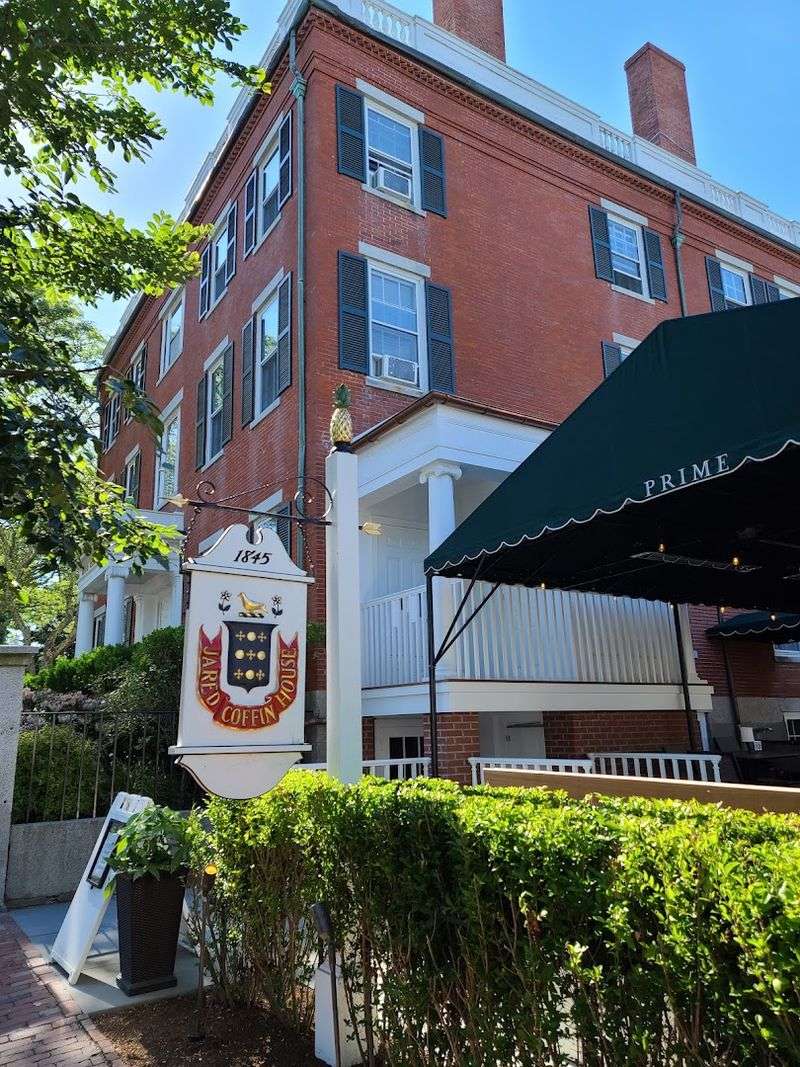
Hunger is never a problem in the historic core, where coffee shops, restaurants, and grocers cluster within easy reach of one another. The food selection downtown runs deep enough that you rarely have to walk far to find something.
Cafes and restaurants earn steady praise for friendly service and quick, satisfying meals. The mood inside many of these spots gets described as easygoing and welcoming, which keeps people lingering a little longer.
Two names that regulars love to point out are The Hub and the food and ice cream counter at Main Street Pharmacy. Both make handy stops between rounds of shopping or gallery hopping.
Grocers in the district also reflect the island’s strong recycling values. The grocery store notably skips single-use plastic water bottles and cups, a small detail that locals genuinely appreciate.
Whether you want a full sit-down meal, a quick coffee, or a scoop from a counter, the downtown keeps its options close together. That makes it simple to refuel without straying from the historic streets you came to see.
The Saturday Farmers Market and Street Vendors
Weekends bring an extra layer of life to the district in the form of a Saturday farmers market. It adds a burst of local color to the already busy downtown and gives shoppers one more reason to stick around.
Street vendors fold into the scene during special events, offering everything from a simple hot dog on up to a full meal. Those quick bites make it easy to keep exploring without hunting for a table.
The market fits right into the district’s habit of turning ordinary errands into part of the experience. Fresh finds, casual food, and the buzz of a crowd all share the same historic streets.
For Massachusetts locals looking for a low-key outing, a market morning is a smart anchor for the day. You can browse the stalls first, then drift into the surrounding shops and cafes.
It is the kind of small tradition that gives the downtown its community feel and keeps regulars coming back week after week.
Holiday Traditions and the Famous Stroll
Come the holidays, the district throws open its streets for one of its most beloved traditions. The Nantucket Holiday Celebration fills the downtown with thousands of people, kids and puppies in tow, all turning out for the annual Stroll.
A visit from Santa Claus rounds out the festivities, giving families a reason to bundle up and join the crowd. Street vendors set up along the way, so there is plenty to snack on between activities.
The event balances fun for every age, with things for kids to do and gathering spots for the grown-ups. It has become the sort of tradition that regulars mark on their calendars.
Timing matters if the Stroll is your goal, since it lands in the holiday window rather than the summer rush. Locals often name Christmas and the Daffodil Festival as standout dates worth planning around.
For a homegrown Massachusetts outing with real community spirit, the holiday season here delivers a memory that sticks long after the decorations come down.
Beaches and the Lighthouse Just Beyond the Streets
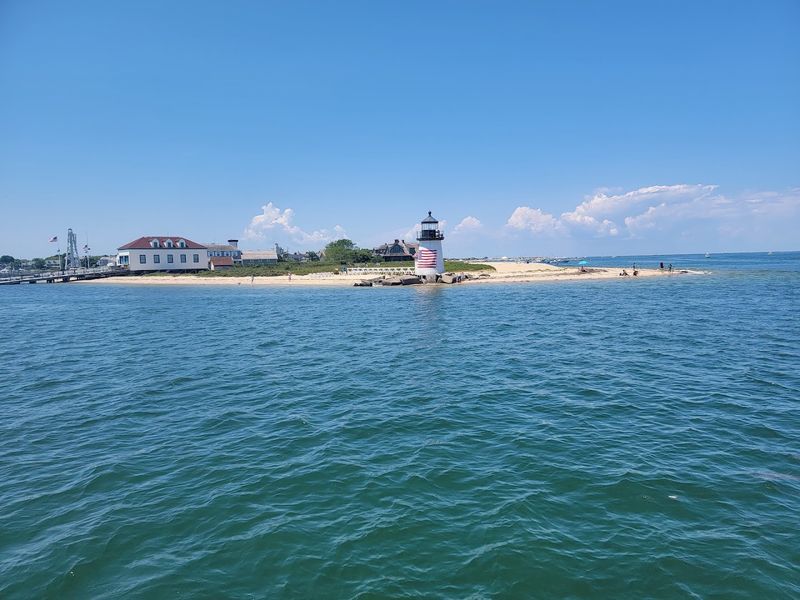
The historic core sits close to the water, and the surrounding shoreline rewards anyone willing to wander a little further. Children’s Beach makes an easy add-on for families spending the day downtown.
Views from the beach and the lighthouse draw steady admiration, giving the trip a scenic payoff beyond the shops and museums. The pairing of old streets and open water is a big part of the island’s appeal.
Renting bikes opens up even more of the island for those who want to explore past the district. Plenty of returning guests mention biking as the way they plan to see more on their next trip.
The town works well as a walking destination first, with the shoreline attractions within reasonable reach. You can spend the morning among the cobblestones and the afternoon closer to the sand.
Between the harbor, the beaches, and the lighthouse, the district serves as a gateway to the rest of Nantucket rather than the whole story. It gives you a base to launch from and a reason to keep going.
Planning Your Visit and Watching the Wallet

A few practical notes go a long way toward a smooth trip. The whole town is small enough to cross in an hour or two on foot, so you do not need to overplan the day.
Parking can get tricky in the busy season, and the common advice is to arrive early if you drive so you can find a spot. Since you reach the island only by boat or small plane, factor the ferry or flight into your schedule from the start.
Budget honesty helps too. Nantucket has a reputation for being pricey, so it pays to plan spending in advance, though the strolling, people-watching, and window-shopping cost nothing at all.
Timing shapes the whole experience. Summer runs busy and lively, while the shoulder seasons and quieter months offer calmer streets and a more relaxed pace for those chasing the historic charm without the crowds.
Aim for spring or fall if you want the classic colonial-town feeling with room to breathe, and you will likely come away happy.
Why This Seaport Stays Worth the Trip
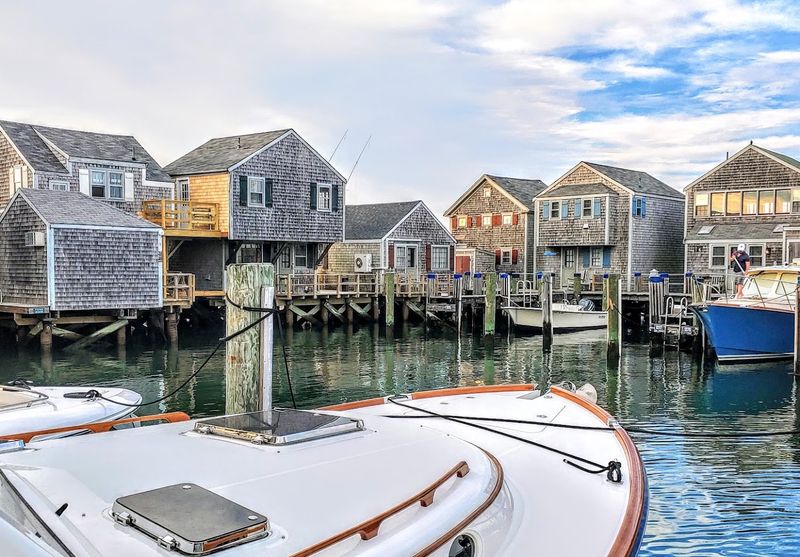
Few places in Massachusetts hold onto their past as completely as this one. The blend of cobblestone streets, whaling-era storefronts, and strict preservation gives the downtown a look that genuinely feels frozen in the 1840s.
People consistently fall for the town’s charm, whether they come for the museums, the shopping, the food, or simply the pleasure of a slow walk. That broad appeal shows up in its glowing 4.7-star standing.
The island’s distance from the mainland has kept it protected, and residents openly hope it stays that way for generations to come. That shared care is a big part of what makes the district feel so special.
For a local Massachusetts outing that trades highway traffic for harbor breezes and history, this seaport is hard to beat. You get a real sense of the whaling era mixed with the comforts of a lively modern town.
Save it for a shoulder-season day, wear your flats, and let the old streets do the rest.
Share this story