Massachusetts has a quiet talent for keeping old-school making alive, and you do not have to drive to Boston to find it. Scattered across small towns and back roads are studios where people still throw pottery, blow glass, weave fiber, and teach anyone who walks in willing to get their hands messy. These are the kind of low-key spots that locals like to keep to themselves, and most of them welcome beginners just as warmly as longtime crafters. Whether you want a one-day class, a slow afternoon of browsing handmade goods, or a new hobby that sticks, this list is a good place to start.
Here are ten places worth knowing about, most of them close to home and easy on the wallet.
1. Snow Farm: The New England Craft Program, Williamsburg
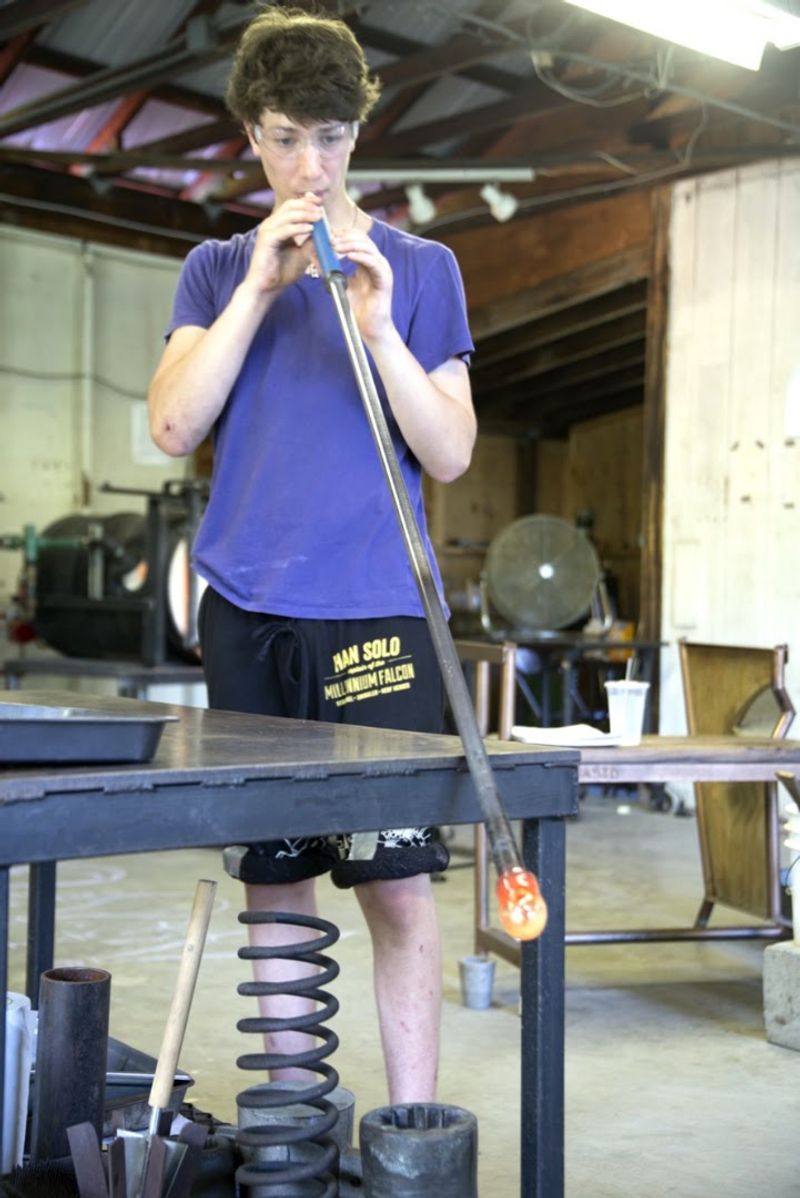
Set on a rural campus in the hills of western Massachusetts, Snow Farm has spent decades teaching craft the hands-on way. It runs weekend and week-long workshops in glassblowing, blacksmithing, ceramics, jewelry, printmaking, and more.
What sets it apart is the sheer range under one roof. You can try flameworking one season and metalsmithing the next, all guided by working artists.
The nonprofit setting keeps things focused on learning rather than selling, which is a nice change of pace. Beginners are genuinely welcome, and many people come with no experience at all.
Williamsburg sits just west of Northampton, making it an easy inland day trip. If you have ever wanted to actually make something instead of just watching a video about it, this is a solid first stop.
2. Salmon Falls Gallery, Shelburne Falls
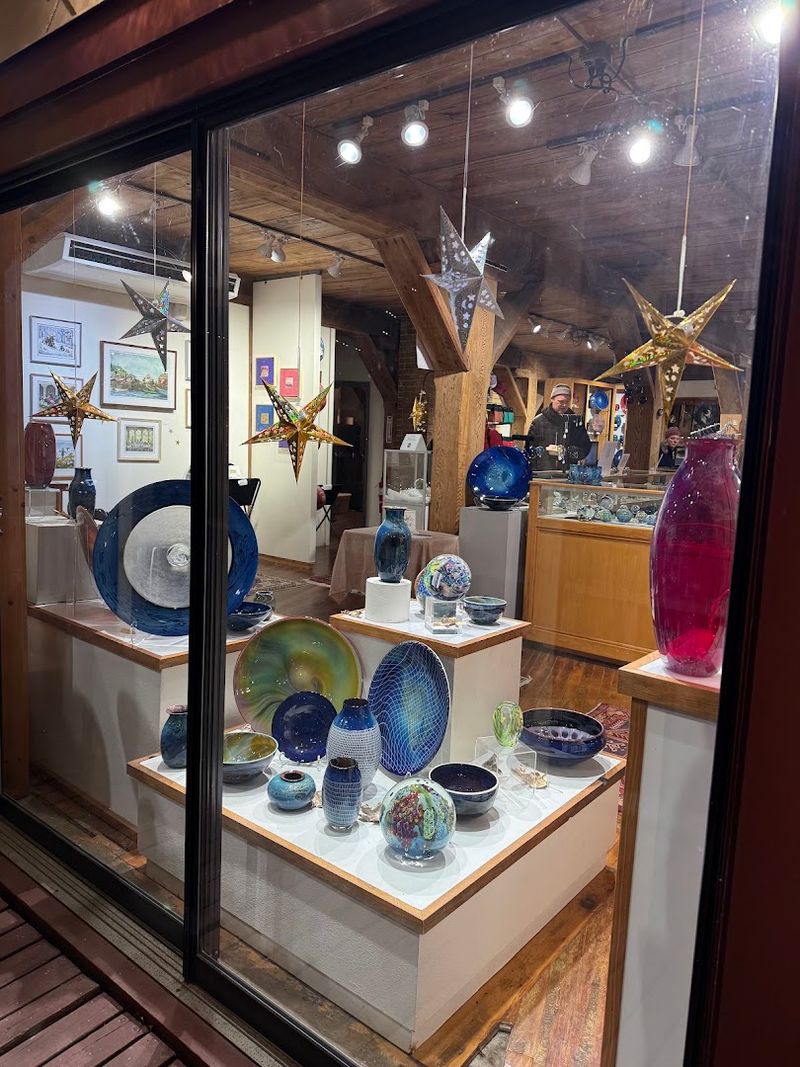
Housed inside a converted granary building near the famous Bridge of Flowers, Salmon Falls Gallery brings together the work of many New England artists in one space. It is part gallery, part window into the region’s craft community.
Glass, pottery, wood, and fine art fill the rooms, and much of it is made by makers based right in the area. Browsing here doubles as a tour of local talent.
Shelburne Falls is one of those small towns people quietly hope stays under the radar. The gallery pairs perfectly with a walk across the flower bridge and a poke around the village shops.
Admission to browse costs nothing, which makes it an easy add-on to a low-cost day in the hilltowns of Franklin County.
3. Asheville… The Clay Room area studios, Northampton
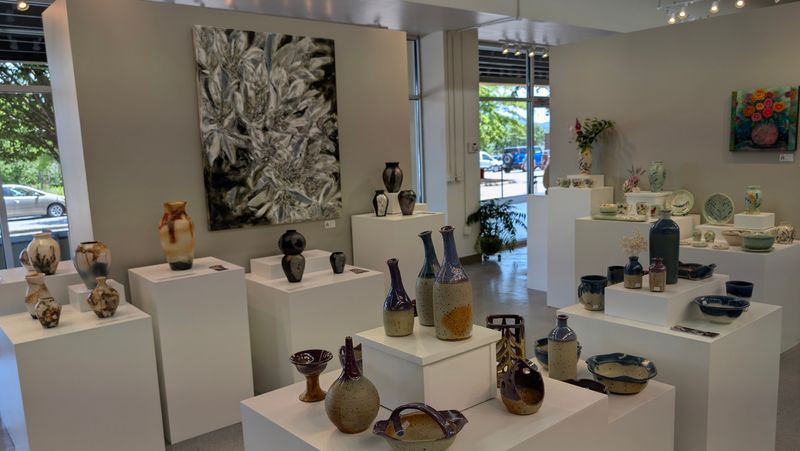
Pottery painting has a low bar to entry and a surprisingly high payoff, which is exactly why paint-your-own ceramic studios keep drawing crowds in college towns like Northampton. You pick a blank piece, decorate it, and the studio fires it for you.
The appeal is that no skill is required. Families with young kids, groups of friends, and solo visitors all end up leaving with something they actually made.
Northampton itself is a walkable small city packed with independent shops and cafes, so a painting session fits naturally into a full afternoon downtown.
For a rainy-day plan that costs about the price of the piece you choose, hand-painted ceramics are hard to beat. It is creativity without the pressure.
4. WEBS – America’s Yarn Store, Northampton
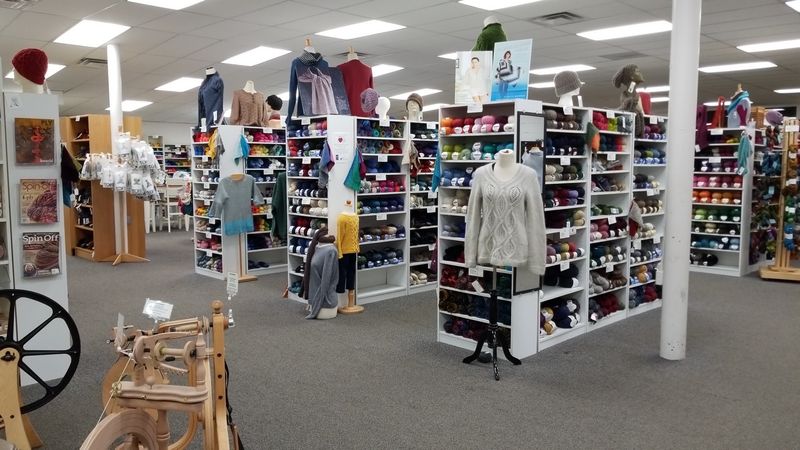
Fiber crafters treat WEBS almost like a pilgrimage site, and for good reason. It is one of the largest yarn stores in the country, with a warehouse of yarn, weaving supplies, spinning tools, and equipment.
Beyond the shelves, WEBS runs classes and workshops in knitting, crochet, weaving, and spinning for every skill level. Newcomers can learn the basics while seasoned makers dig into advanced techniques.
The store has become a hub for the region’s fiber community, hosting events and drawing visitors from across New England.
Even if you arrive not knowing a purl from a knit, the staff and classes make it approachable. Set aside more time than you think you need, because the selection is genuinely enormous.
5. Hawthorne Pottery, Blandford
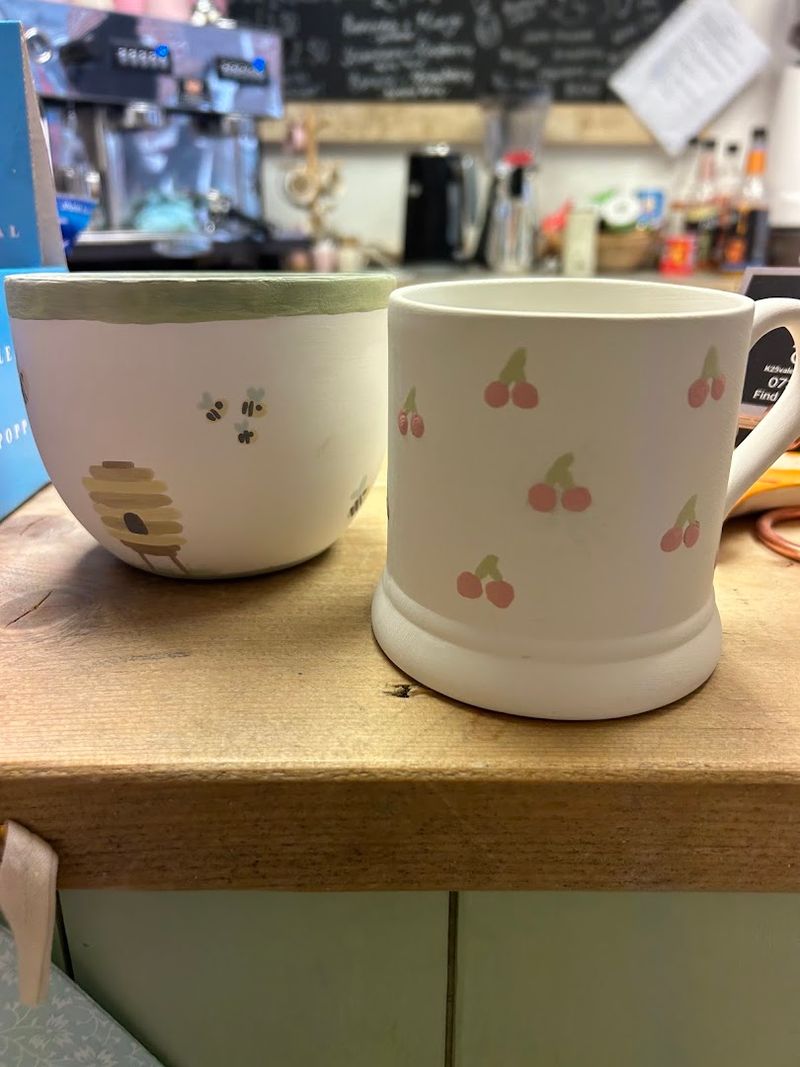
Tucked into the small hilltown of Blandford, Hawthorne Pottery focuses on functional, wheel-thrown stoneware made to actually be used. Mugs, bowls, and serving pieces are the kind of things that end up as everyday favorites.
Working potteries like this one keep a centuries-old craft going in places most people drive right past. Watching pieces take shape on the wheel is part of the draw.
Blandford sits along the western edge of the state, near the Berkshire foothills, making it a peaceful detour off the beaten path.
If you appreciate handmade goods with a clear maker behind them, a small working studio like this offers something a big-box store never can. Call ahead, since rural studios often keep limited hours.
6. Berkshire Botanical Garden craft classes, Stockbridge
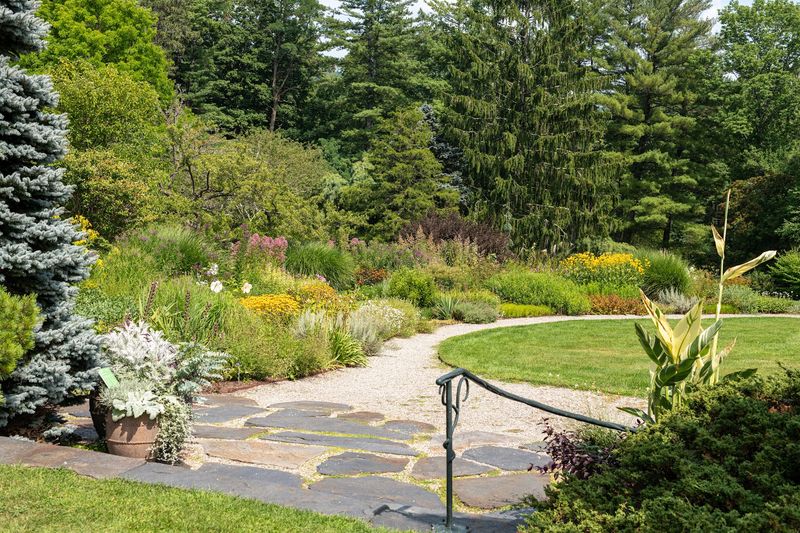
Not every creative workshop happens indoors, and the Berkshire Botanical Garden proves it. Alongside its gardens, this Stockbridge nonprofit runs hands-on classes in things like wreath making, natural crafts, and seasonal projects tied to the plants around them.
The garden angle gives the crafts a different flavor. Fall means dried arrangements and harvest projects, while the holidays bring evergreen and wreath workshops.
Stockbridge is deep in classic Berkshires territory, surrounded by scenery that makes the drive worthwhile on its own.
Pairing a walk through the gardens with a craft class turns a simple outing into a fuller day. Check the seasonal schedule, since offerings shift with what is growing.
7. Sandwich Glass Museum studio demonstrations, Sandwich
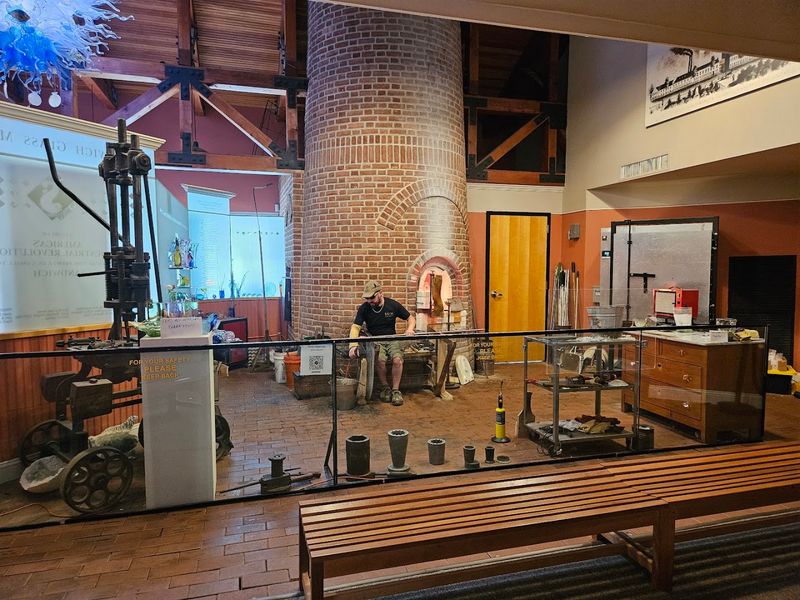
Cape Cod’s oldest town has a glassmaking history most visitors never learn about, and the Sandwich Glass Museum keeps that story alive with live glassblowing demonstrations. Watching molten glass shaped by hand is the highlight for many guests.
The museum traces the region’s 19th-century glass industry through exhibits, but the working demonstrations are what set it apart from a standard history stop.
Sandwich itself is a walkable village with a grist mill and pond nearby, giving you plenty to see beyond the museum doors.
For families making a Cape day trip, the mix of hands-on demonstrations and local history makes this a stop that keeps kids engaged. Admission supports the nonprofit that runs it.
8. IS183 Art School of the Berkshires, Stockbridge
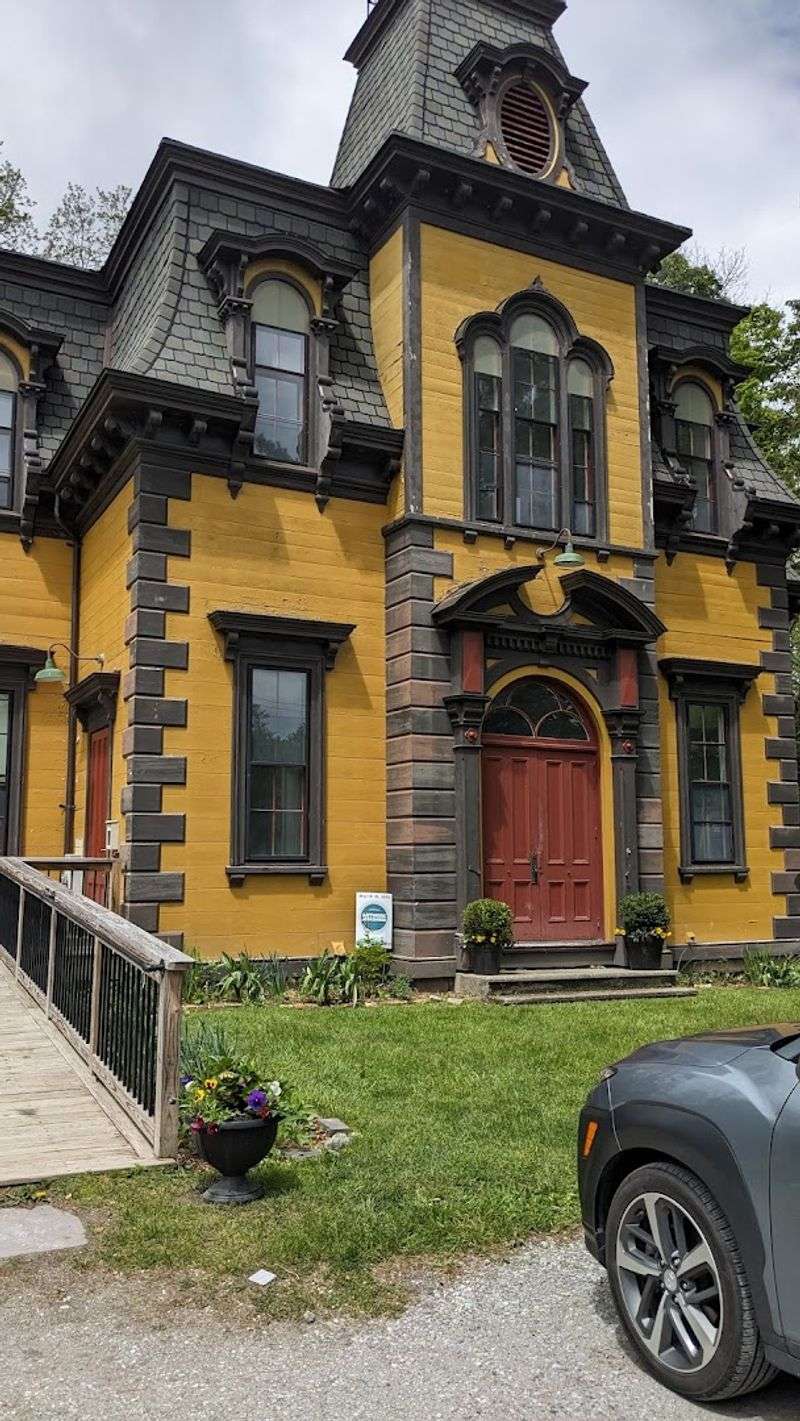
Community art schools do quiet, important work, and IS183 in the Berkshires is a strong example. The nonprofit offers classes and workshops in ceramics, painting, printmaking, jewelry, and more for adults and kids alike.
Its mission leans toward access, so you will find offerings aimed at total beginners right alongside deeper studio courses. That range makes it easy to try something new without a big commitment.
Being rooted in Stockbridge places it in the heart of the culture-rich southern Berkshires, near other creative and historic attractions.
Whether you want a single weekend workshop or a longer course, a community-based school like this keeps art within reach for regular people, not just professionals.
9. Cape Cod Glass Works, East Sandwich
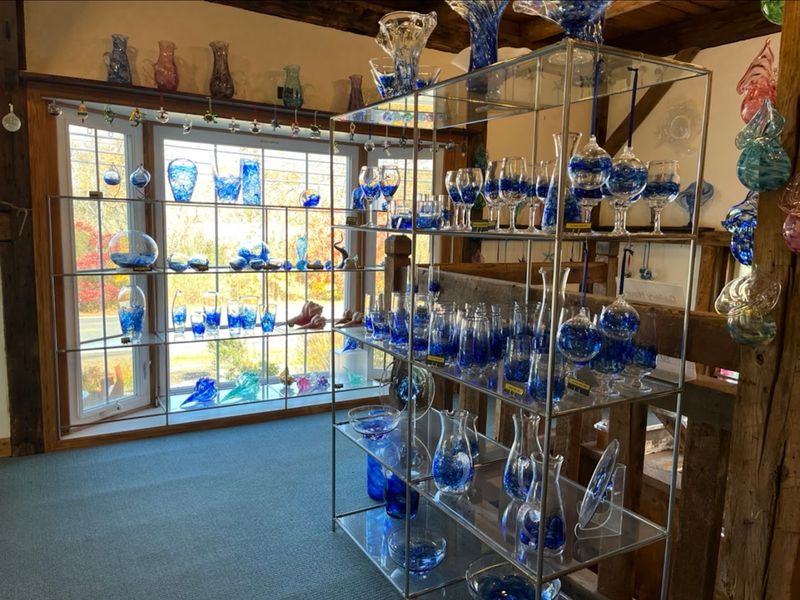
Glassblowing tends to look like magic until you see it up close, and studios on the Cape give visitors that chance. Working glass shops in the Sandwich area let you watch artists gather, shape, and finish pieces by hand.
The draw here is the combination of shopping and spectacle. You can browse finished handmade glass and then see how similar pieces come to life.
Some Cape glass studios also offer make-your-own sessions where visitors help create a small piece under close guidance, a memorable souvenir from a Cape trip.
Sandwich pairs this modern glass scene with its deep glassmaking roots, so the craft here feels like a continuation of local tradition rather than a novelty. Hours vary by season, so it helps to check before you go.
10. Hilltown Farmers and makers markets, Cummington area
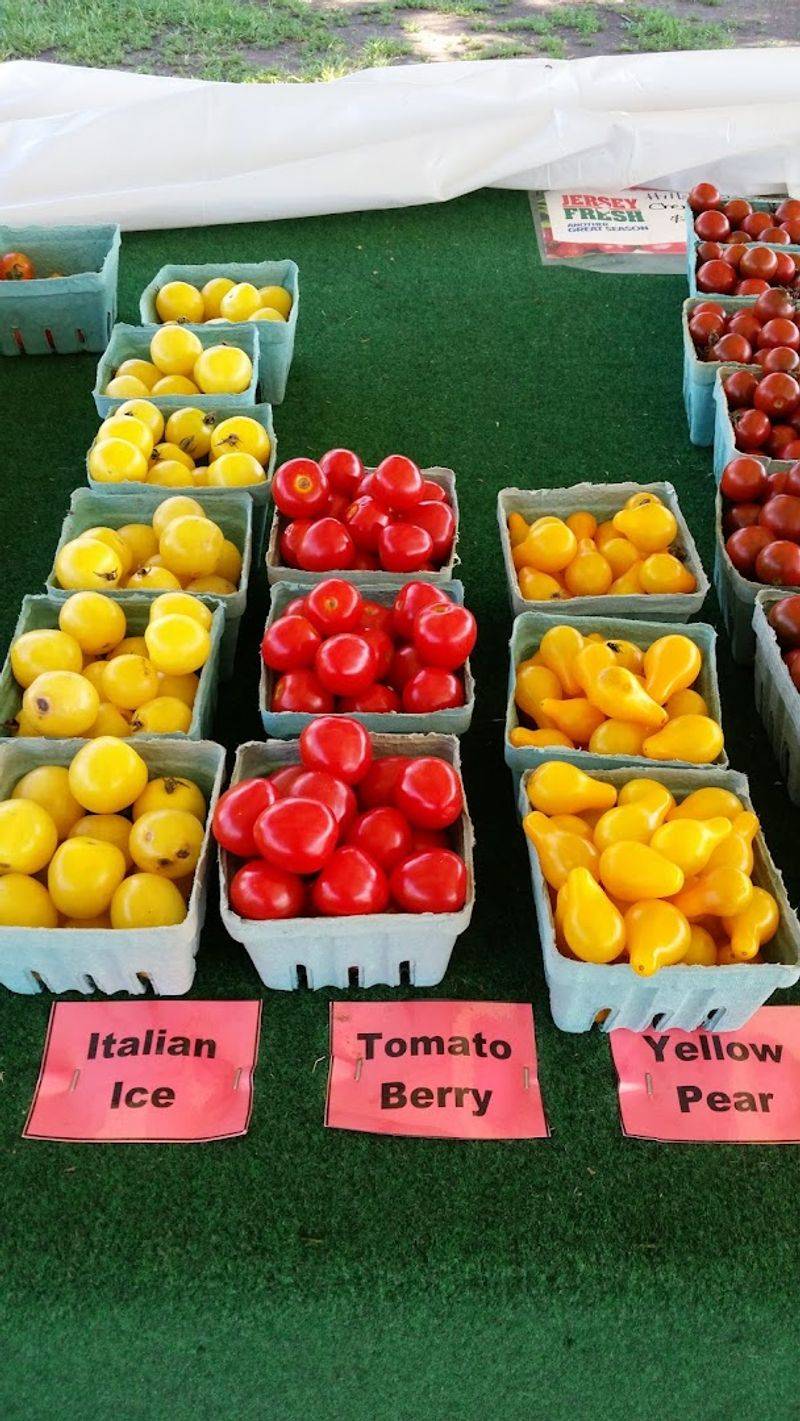
Sometimes the best way to support handmade craft is to buy directly from the person who made it, and the hilltown markets of western Massachusetts make that easy. Small-town markets in the Cummington and Chesterfield area bring together local potters, fiber artists, woodworkers, and food producers.
The charm is in the mix. One table might hold hand-thrown mugs while the next offers hand-dyed yarn or carved spoons, all from makers who live nearby.
These gatherings double as community events, and many run seasonally through the warmer months in rural town centers.
For a low-cost outing that puts your money straight into local hands, a hilltown market is hard to beat. Bring cash and a tote bag, and plan to chat with the folks behind the tables.
Share this story