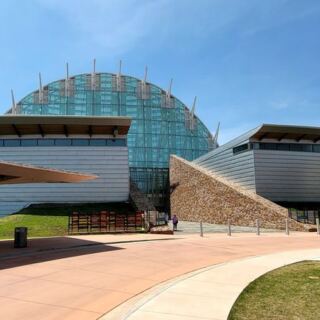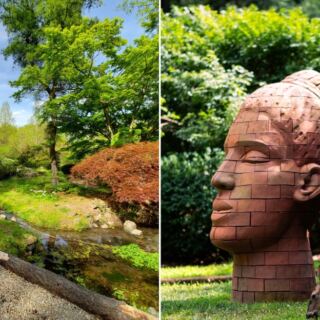
Tucked into a quiet college town in western Massachusetts sits a place that treats children’s book illustrations the way big-city museums treat famous paintings. It is the only museum in the country dedicated entirely to the art inside picture books, and the original artwork on the walls has a way of making grown-ups appreciate stories they thought they had outgrown. Families come for the art studio and the reading library, while longtime fans of a certain very hungry caterpillar come for the man behind the collage. Best of all, it sits about an hour or less from much of the state, making it an easy and affordable outing.
Here is what waits behind those bright doors, and why so many locals quietly return again and again.
Where to Find It in Amherst
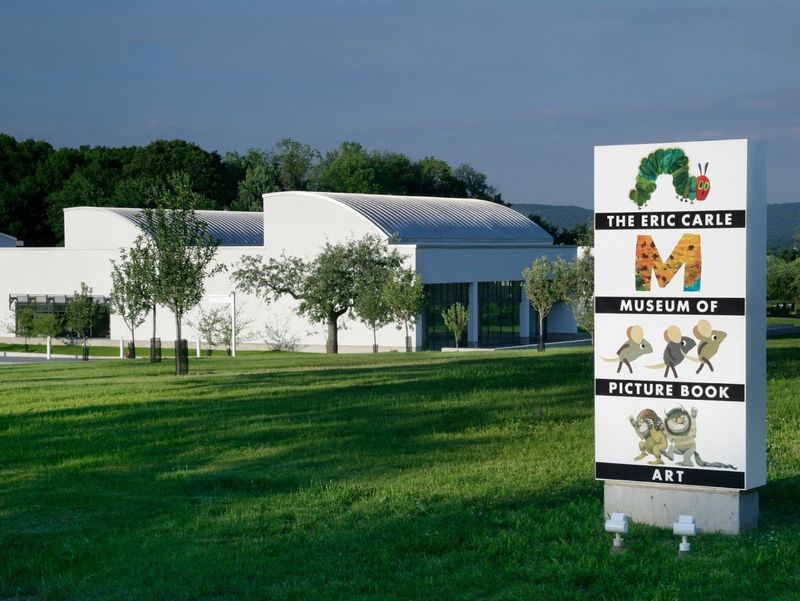
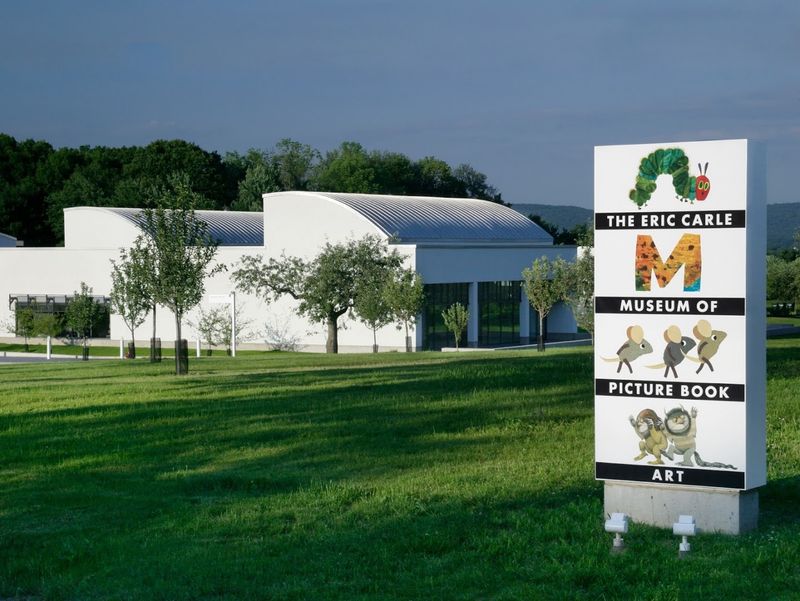
Western Massachusetts holds plenty of surprises, and this one lives at 125 W Bay Road in Amherst, Massachusetts, a small college town better known for its schools than its galleries.
The museum sits on open grounds with a large parking lot, and everything inside spreads across a single accessible floor. That layout makes it welcoming for strollers, wheelchairs, and small legs that tire quickly.
Founded by famed illustrator Eric Carle, the place bills itself as a home for picture books from around the world. Its collection reaches far beyond one artist, pulling in work from illustrators across many countries and styles.
Locals often describe it as smaller than expected yet worth the drive, the kind of spot most people never realize is sitting so close to home. With a 4.6-star standing across more than 800 accounts, it has clearly earned its quiet reputation.
The grounds outside offer room to picnic, and the setting feels calm rather than crowded. For a state full of history-heavy stops, a museum built around the art of storybooks stands out as something genuinely different.
The Man Behind the Caterpillar
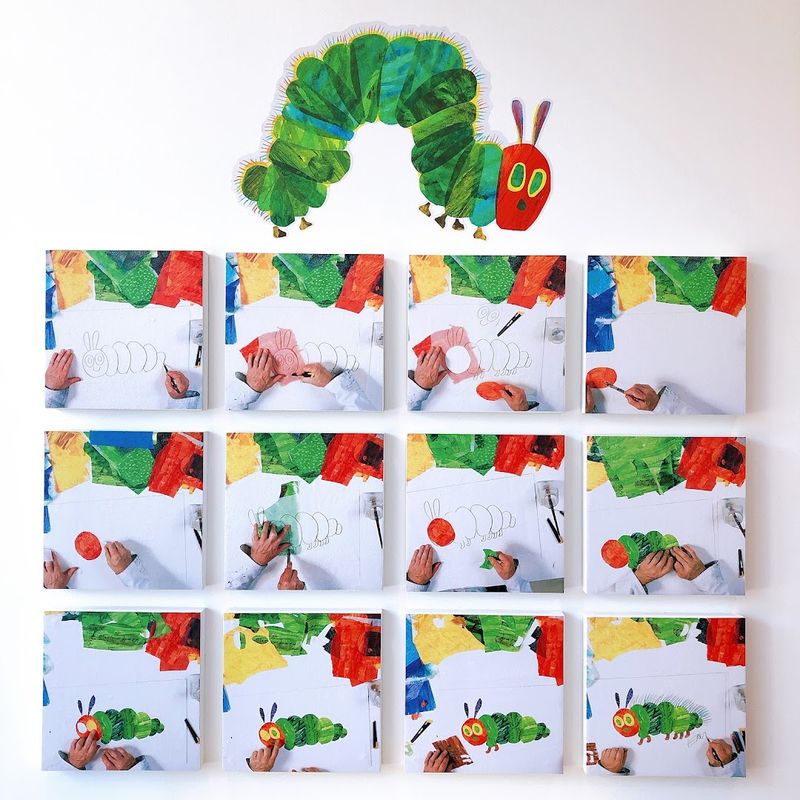
Long before the museum existed, Eric Carle was quietly changing how children met the world through pages of torn tissue paper and bright collage.
A gentle history of his life anchors much of the experience, and staff often suggest starting to the left of the reception desk to learn about the man before touring the rest. That small bit of background tends to frame everything that follows.
The story of how the museum itself came to be is part of the draw, told through video presentations that many find surprisingly moving. His method, layering painted papers into animals and shapes, gets its own spotlight so visitors can understand the technique behind the books.
Fans who grew up with his work describe a real sense of appreciation deepening as they walk through. Seeing the original artwork up close, rather than printed in a book, gives the collage a weight that print never quite captures.
Even people who came only for the children walk away with a fuller picture of the artist, and that gentle education is exactly what sets this stop apart.
Galleries Full of Original Book Art
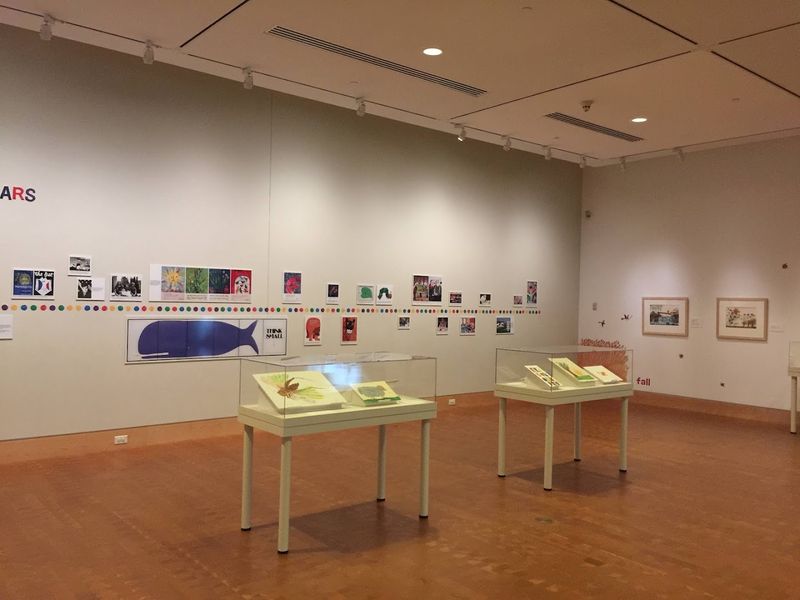
Walls that once might have held oil portraits instead carry the original illustrations that shaped countless childhoods, and that swap is the whole point.
The museum runs multiple galleries, with a main Carle exhibit joined by rotating shows dedicated to other picture book artists. Past exhibitions have covered everything from photography in picture books to graphic novels, owls in books, and art tied to animal welfare.
Two dedicated spaces pay homage to Carle and to fellow collage artists, so the focus never sits on one name alone. Changing exhibits mean repeat trips rarely feel repetitive, which is part of why people return.
Standout displays have included a wall pairing Jerry Pinkney and Eric Carle mermaids, plus features on the process of creating a book from start to finish. Work from Christian Robinson has also filled the space, drawing plenty of interest.
Those who love picture books say seeing the curation in person reshapes how they view the craft. Well organized and thoughtfully arranged, the galleries prove that art meant for young readers can hold an adult’s attention just as firmly.
The Hands-On Art Studio
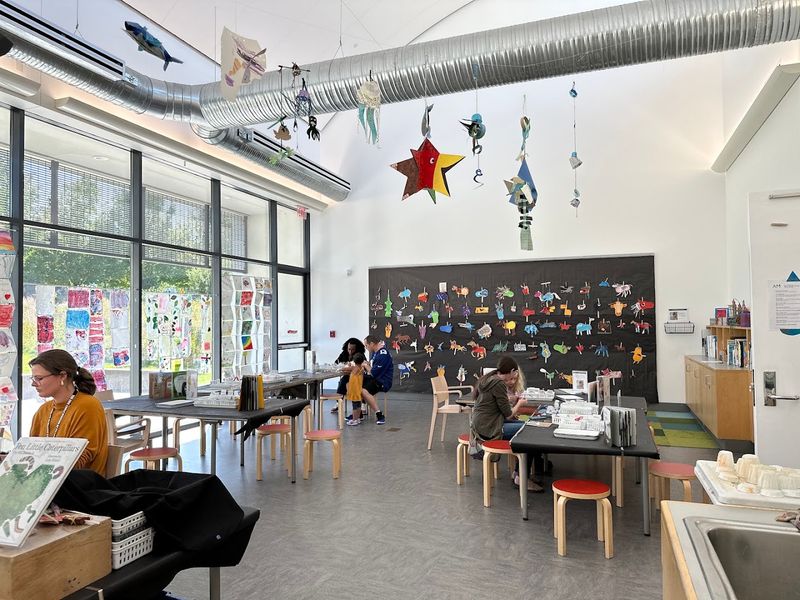
Ask families what their kids remember most, and the answer often circles back to the art studio rather than the galleries.
Set up as a creative space with teachers on hand, the studio invites children to try Carle’s collage style themselves. Educators guide young artists through techniques inspired by the illustrators on display, turning a museum visit into a make-something afternoon.
Grown-ups get in on it too. Siblings and parents report having a genuinely good time building their own pieces, so the studio rarely feels like a kids-only zone.
Regulars mention that the teachers introduce fresh artistic ideas each visit, offering the chance to create based on whichever inspired artist is featured. That rotation keeps the experience new even for families who come often.
For older children who breeze through the galleries, the studio becomes the anchor of the trip, the place where they slow down and dig in. It is the kind of low-cost, high-reward activity that makes the whole outing feel worthwhile, and it explains why so many households drive back for another round.
A Reading Library Like No Other
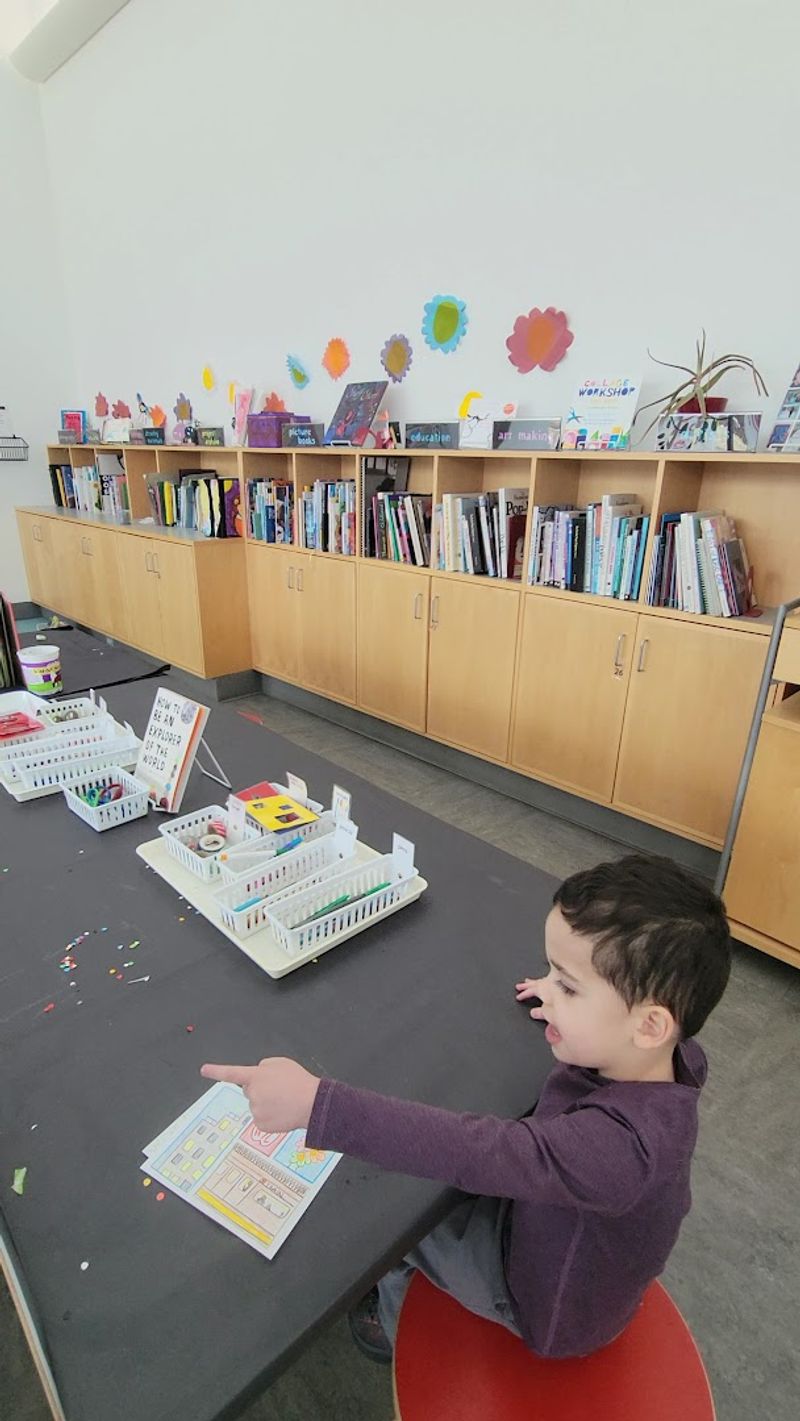
One corner of the building turns into a favorite hideaway for many families, and it is stocked wall to wall with stories.
The reading library holds a huge selection of picture books, including older antique copies on display near a very user-friendly reading room. Comfortable spots to grab a book and settle in fill the space, alongside booklist resources and updated displays.
Imaginative play items sit among the shelves, giving toddlers something to do while older readers browse. Story time often takes place here, adding a scheduled draw for the youngest guests.
Guests have pointed out details like a wall lined with Indigenous books, a reminder that the collection reaches far beyond any single culture. Many call it a one-of-a-kind library, and it earns that description honestly.
Parents traveling with restless little ones find it especially handy, since each space, this one included, offers activities to keep children engaged. Whether a family wants quiet reading or lively play, the library manages to serve both without missing a beat, and that flexibility keeps it near the top of everyone’s list.
The Auditorium and Short Films
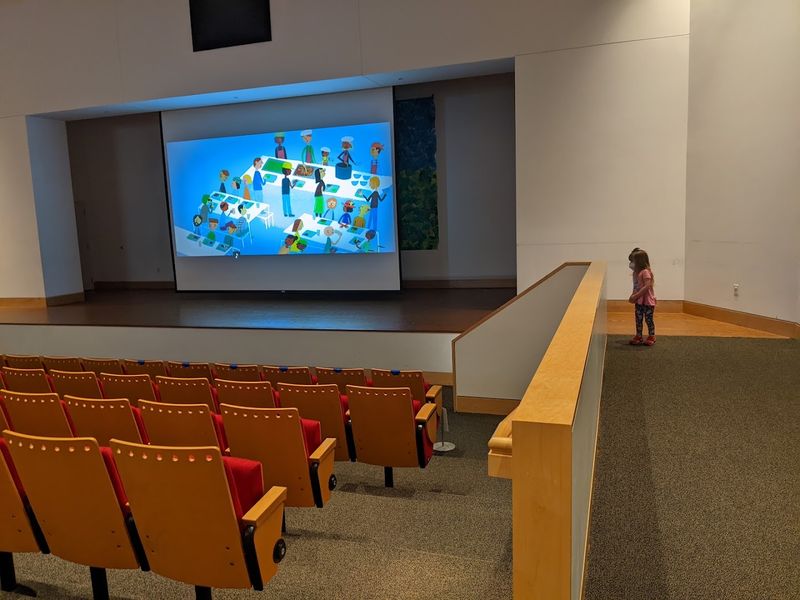
Beyond the galleries waits a small theater that quietly becomes one of the day’s best surprises.
The auditorium screens short films throughout the day, with movies about books and about Eric’s playful painting shown every few hours. Video presentations covering his life and the museum’s origins run here as well, and many find them genuinely engaging.
Timing a visit around a screening adds structure to the trip, giving legs a rest and offering a change of pace between the studio and the galleries. Events sometimes fill the same space, expanding what the auditorium offers on any given day.
Some families have caught live programming, including a puppet show available for a very small fee that delighted a five-year-old in the crowd. Add-ons like that turn a single admission into a fuller experience without a steep extra cost.
People who missed the films on their first trip often list them as the reason to come back. The short runtime keeps young attention spans in mind, so no one has to sit still for long. It rounds out the museum with a dose of motion and story that pairs nicely with everything on the walls.
The Gift Shop and Its Bookish Treasures
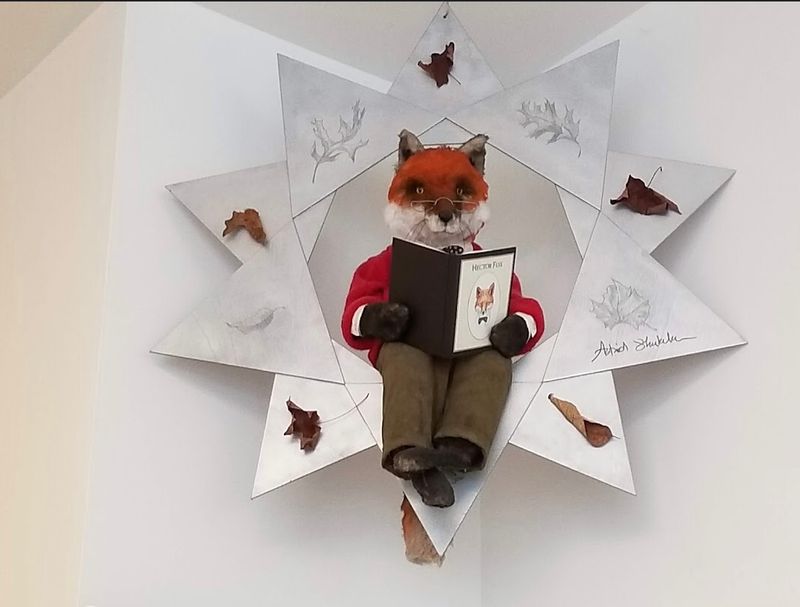
Saving a little time for the store is a smart move, because this is no ordinary rack of postcards.
The gift shop stocks a wonderful selection of picture books and gifts suited to any age, including examples of Carle’s published titles. Families with kids find loads of fun items, and gift hunters often clear their whole list in one stop.
Surprises hide on the shelves too, from unusual finds to shuffled story books that catch buyers off guard in the best way. Fans of the craft describe the store as a delight, one that tempts them into buying something for themselves along with presents for others.
Some note that the shop leans a touch pricey, so it helps to browse with a plan. Even so, the quality and variety earn steady praise, and the bookish focus keeps it feeling special rather than generic.
Tucked near the craft area, the shop makes an easy final stop before heading out. For anyone who loves picture books, leaving without a peek inside would mean missing half the fun of the trip.
Who Fits Best Under These Roofs
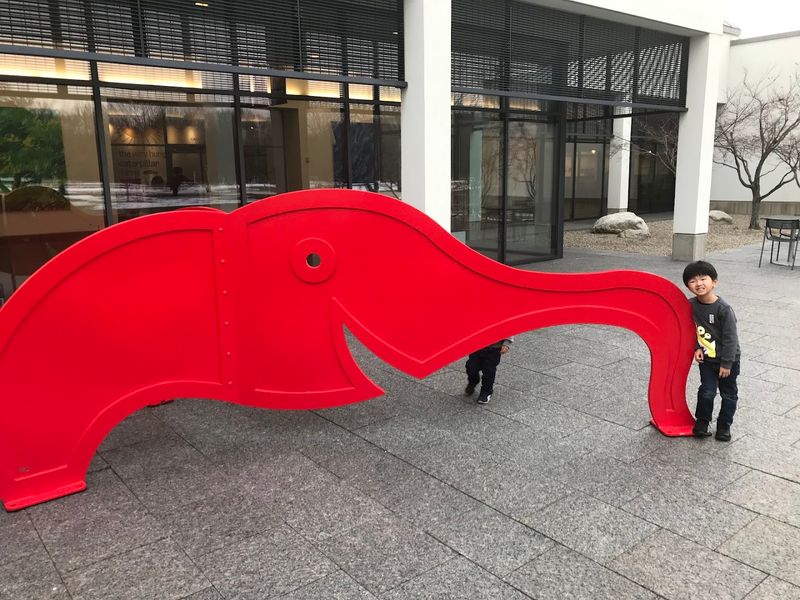
Not every stop suits every traveler, and this one comes with a helpful heads-up worth knowing before the drive.
Described as a museum devoted to picture book art rather than a traditional children’s museum, it leans toward art, storytelling, and literacy-based engagement over wall-to-wall hands-on gadgets. Families expecting a play-everything setup should adjust their expectations, though the studio and library still give kids plenty to do.
The space works beautifully for toddlers and preschoolers, offering a safe area for very small children to roam. Some parents of older grade-schoolers say the galleries may not hold their attention as long, while the art studio tends to win those kids over.
Adults who grew up on these books find real reward here, and one picture book illustrator went so far as to compare it to visiting a major art museum for the genre. Staff earn steady mention for being friendly, patient, and helpful throughout.
Plan for one to two hours to see everything without rushing. Knowing the vibe ahead of time helps families arrive ready to enjoy exactly what the place does best.
Hours, Admission, and Getting There
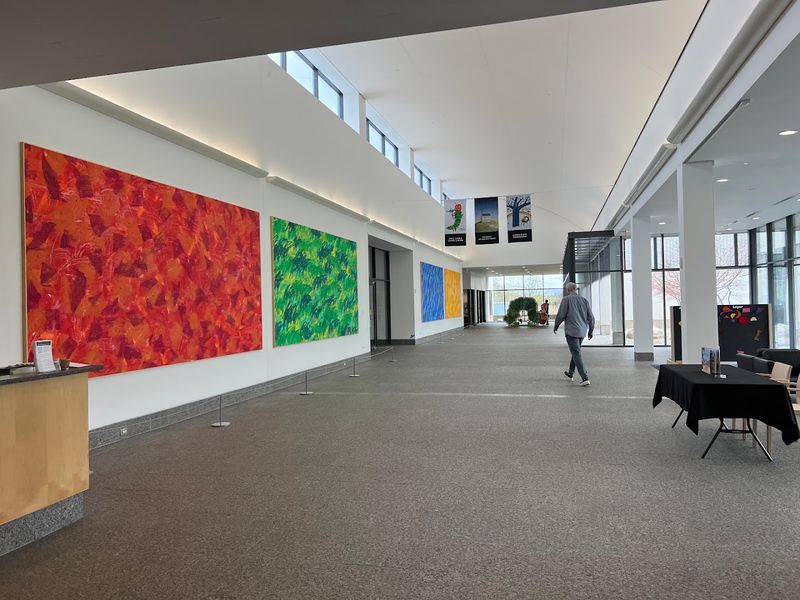
A bit of planning goes a long way, especially since the doors stay shut on Mondays and Tuesdays.
Open hours run Wednesday, Thursday, and Friday from 10 AM to 4 PM, Saturday from 10 AM to 5 PM, and Sunday from noon to 5 PM. Admission has been noted at around fifteen dollars, a price many consider fair for an afternoon well spent.
Money-saving tip worth remembering: some local library systems offer museum passes, and families have used their library’s pass to get in. That small perk keeps the outing squarely in affordable territory.
Getting there is simple, with plenty of free parking in the on-site lot and no need to hunt for a spot. The single-floor design means the whole building stays accessible from the moment you arrive.
A cafe space on site offers a calm place to sit, free coffee, and a reasonably priced vending machine, though there is no full food service, so packing a lunch or using the picnic grounds is a good call. The museum sits at 125 W Bay Road in Amherst, roughly an hour or less from much of the region.
Share this story