Some animals get a bad reputation just because they look strange, move slowly, or seem to serve no purpose. But nature rarely wastes anything, and every creature has a role to play in keeping ecosystems healthy and balanced.
From deep-sea oddities to rainforest misfits, these animals are far more important than most people realize. Get ready to see some of the world’s most underestimated creatures in a completely new light.
1. Koala
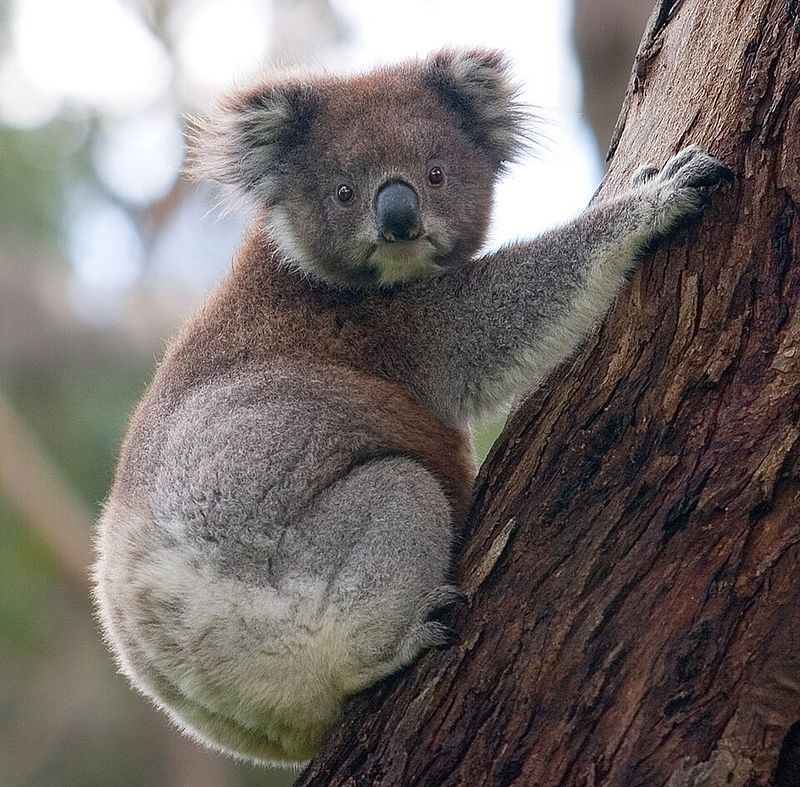
Koalas sleep up to 22 hours a day, which makes them look incredibly lazy. But there is a very good reason for all that rest.
Eucalyptus leaves, their main food source, are so low in nutrition and hard to digest that koalas must conserve energy just to survive.
Beyond their personal survival, koalas play a meaningful role in Australian forest ecosystems. They help recycle nutrients back into the soil through their droppings, which also contain eucalyptus seeds that help new trees grow.
Healthy koala populations signal a healthy eucalyptus forest.
Koalas also attract eco-tourism, which brings millions of dollars into Australian communities each year. Scientists study their unique gut bacteria, which can break down toxic plants, hoping it might lead to medical breakthroughs.
Calling a koala useless is like calling a forest janitor unimportant.
2. Sloth
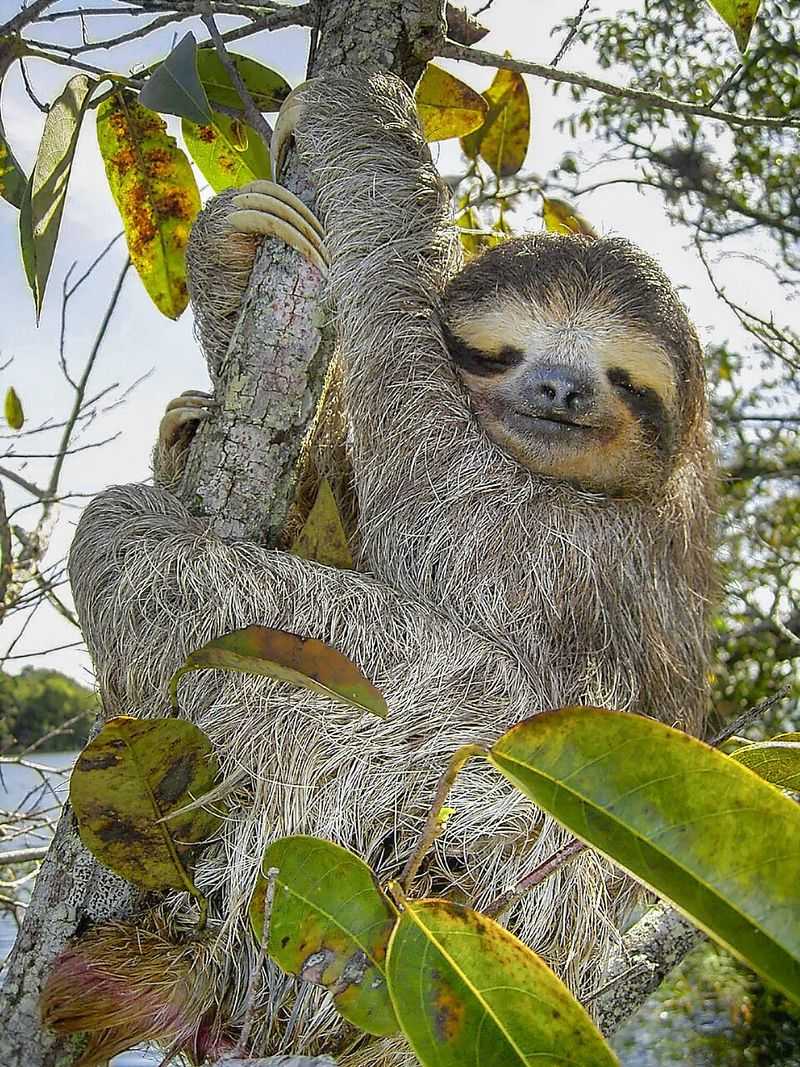
Sloths move so slowly that algae actually grows on their fur. Surprisingly, that is not a problem.
It is part of their survival strategy. The green tint helps them blend into the rainforest canopy, making them nearly invisible to predators like eagles and jaguars.
That algae-covered fur is also home to a tiny but thriving ecosystem. Insects, fungi, and microorganisms all live within sloth fur, creating a miniature world that scientists are actively studying.
Some of the compounds found there show promise in fighting bacteria and even cancer cells.
Sloths also support forest growth by spreading seeds through their droppings when they make their rare trips down to the forest floor. Their slow pace is not a flaw but a finely tuned adaptation.
Sloths are living proof that efficiency does not always look the way we expect it to.
3. Giant Panda
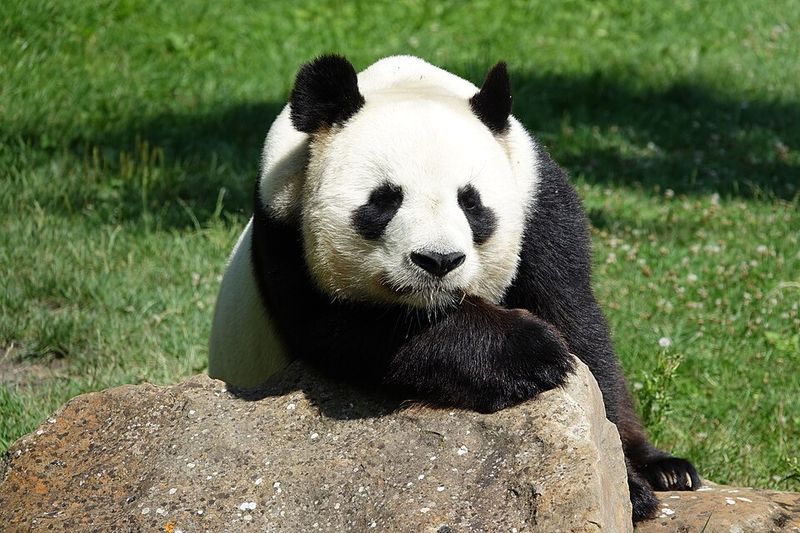
Giant pandas have been called evolutionary failures because they eat almost exclusively bamboo despite being classified as carnivores. Critics argue they reproduce slowly and seem poorly suited for survival.
But this view misses the bigger picture entirely.
Pandas are umbrella species, meaning that protecting them automatically protects the mountain forests of central China. These forests are home to thousands of other plants and animals, many of which are also endangered.
By saving the panda, conservationists save an entire ecosystem at once.
Pandas also spread bamboo seeds through their droppings as they roam large territories, which helps bamboo forests regenerate naturally. Their conservation has inspired global wildlife protection efforts and generated billions in funding for biodiversity programs worldwide.
The giant panda may eat like a picky eater at a buffet, but its impact on conservation science and forest health is enormous and lasting.
4. Blobfish
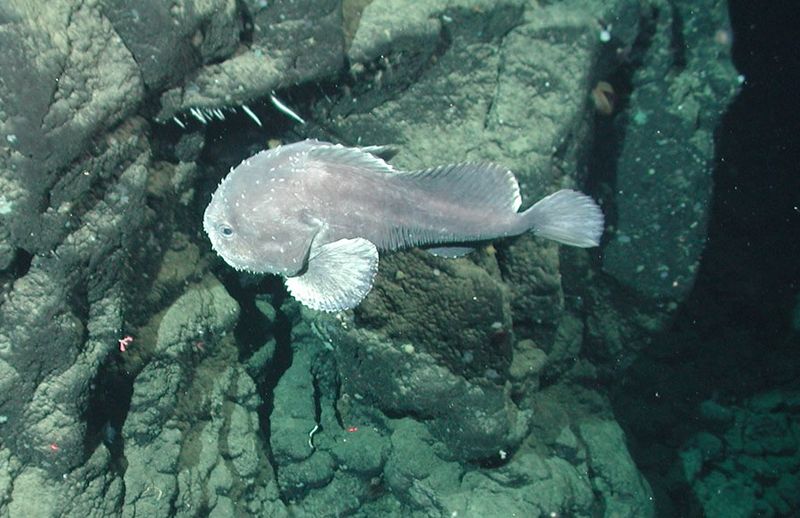
The blobfish became famous for looking like a melting, grumpy face, and it quickly earned the title of the world’s ugliest animal. But here is the thing: that droopy appearance only happens when the fish is brought to the surface.
In its natural deep-sea habitat, it looks like a perfectly normal fish.
Living at depths of up to 1,200 meters, where pressure is crushing, the blobfish has a gelatinous body that helps it stay buoyant without needing a swim bladder. That adaptation is actually quite clever for such an extreme environment.
As a bottom-dweller, the blobfish helps maintain balance in deep-sea food webs by consuming organic matter and small invertebrates that drift to the ocean floor. Very little is known about deep-sea ecosystems, and species like the blobfish remind scientists how much remains unexplored.
Ugly or not, it earns its place.
5. Kakapo
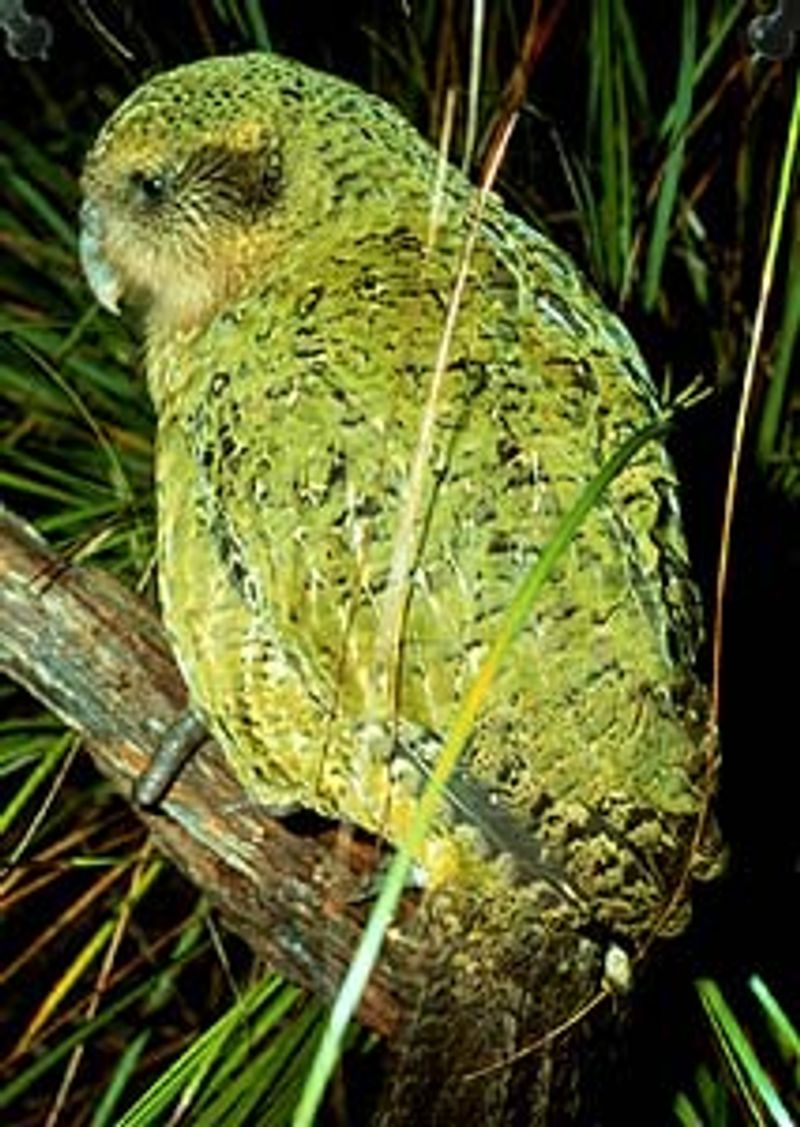
The kakapo is the world’s heaviest parrot and the only one that cannot fly. It is also nocturnal, moves slowly, and has a population of just over 200 individuals.
On the surface, it seems like an animal that evolution forgot to finish.
But the kakapo survived for millions of years in New Zealand before humans arrived with invasive predators. Its strong, musty smell, which actually helps other kakapos find each other, became a liability only when cats and rats arrived on the islands.
The animal itself is remarkably resilient when given the right conditions.
Kakapos are important seed dispersers in New Zealand’s native forests. Their booming mating calls, which can travel several kilometers, are one of nature’s most unique acoustic performances.
Conservation programs have brought the species back from the brink. The kakapo is not a failure.
It is a survivor waiting for the right world.
6. Aye-aye
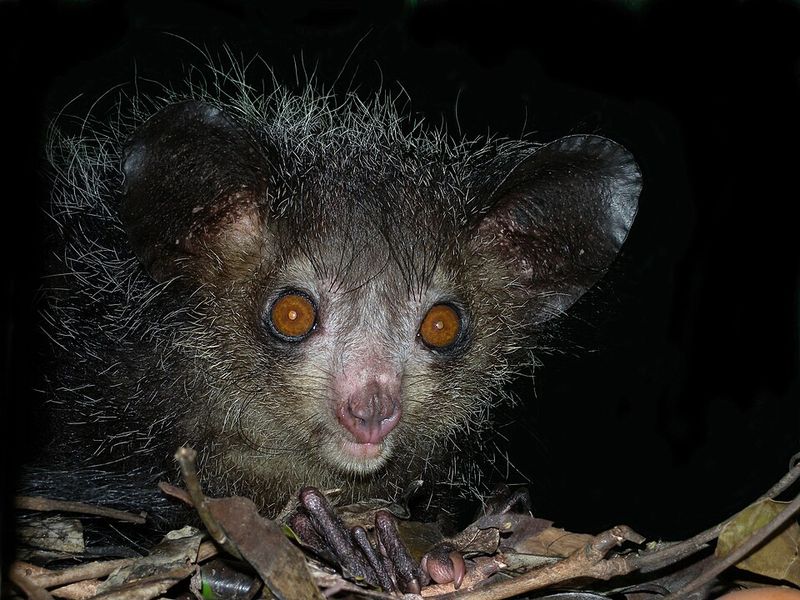
In Madagascar, the aye-aye is considered a bad omen by some local communities. Its long, skeletal middle finger and glowing eyes make it look like something out of a horror movie.
But fear of this animal has led to unnecessary killing that threatens its survival.
That creepy middle finger is actually a highly specialized tool. The aye-aye uses it to tap on tree bark rapidly, listening for hollow spots where grubs are hiding inside.
It then gnaws through the wood and scoops out the insects with that same long finger. It is essentially doing the job of a woodpecker without a beak built for the task.
By controlling insect populations and aerating wood as it forages, the aye-aye contributes to forest health in ways few other animals can. It fills a very specific ecological niche in Madagascar’s forests.
Superstition aside, this strange-looking animal is a forest engineer worth protecting.
7. Shoebill
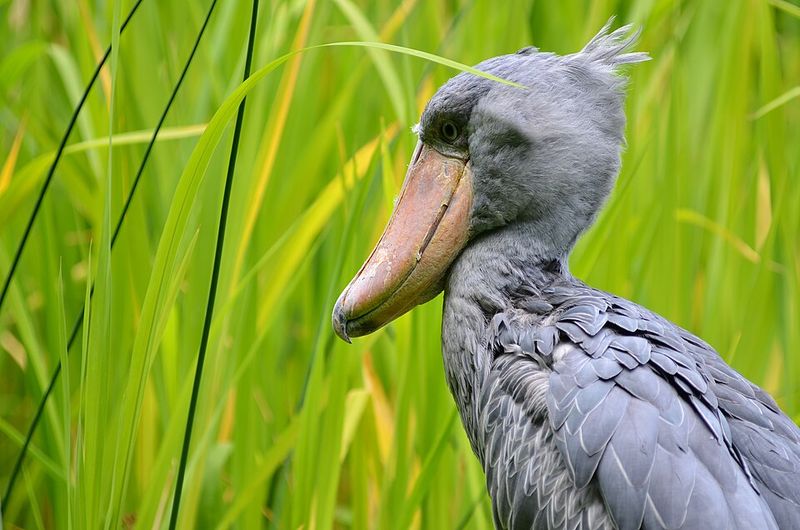
Standing nearly five feet tall and staring with cold, unblinking eyes, the shoebill looks like a prehistoric statue that somehow forgot to stop existing. People often describe it as terrifying, useless, or just plain weird.
But this bird is one of Africa’s most effective wetland predators.
The shoebill’s enormous, hooked bill is perfectly designed for catching large, slippery prey like lungfish, eels, and even baby crocodiles. It can stand motionless for hours before striking with explosive speed and precision.
That patience is not laziness. It is a highly evolved hunting strategy.
By keeping fish and reptile populations in check, shoebills help maintain balance in African wetland ecosystems. They are also considered indicator species, meaning their presence signals a healthy swamp environment.
Birdwatchers travel from around the world just to spot one, making the shoebill a significant driver of eco-tourism in Uganda and South Sudan.
8. Naked Mole-Rat
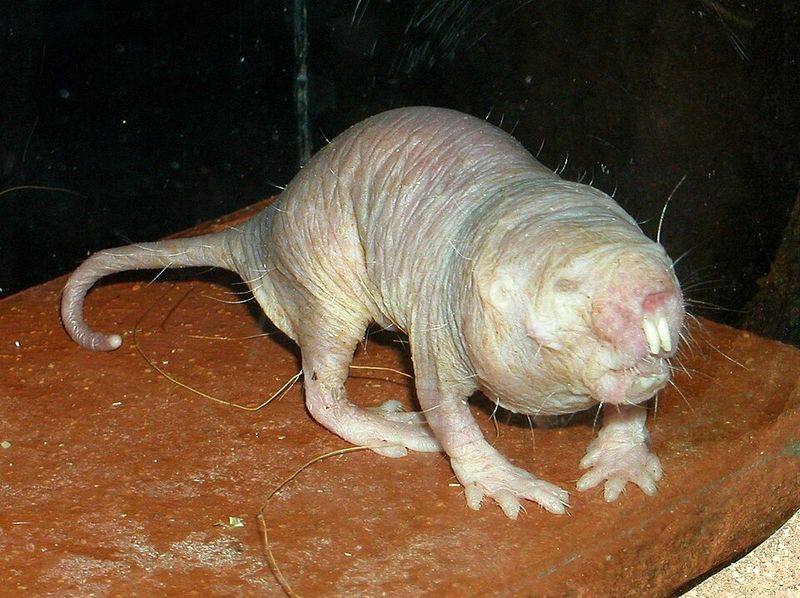
Wrinkled, nearly blind, and honestly not winning any beauty contests, the naked mole-rat is one of the most dismissed animals on the planet. But scientists around the world are genuinely obsessed with this little creature, and for very good reason.
Naked mole-rats are biologically extraordinary. They are almost completely resistant to cancer, can survive up to 18 minutes without oxygen, and feel almost no pain from acid or capsaicin.
They also live for up to 30 years, which is remarkably long for a rodent their size. Researchers are studying their unique biology in hopes of developing treatments for cancer, stroke, and aging in humans.
In their natural habitat, naked mole-rats aerate soil and help cycle nutrients as they dig their complex underground tunnels. Their highly organized, queen-led social structure is one of the most complex found in any mammal.
Ugly? Sure.
Useless? Absolutely not.
9. Goblin Shark
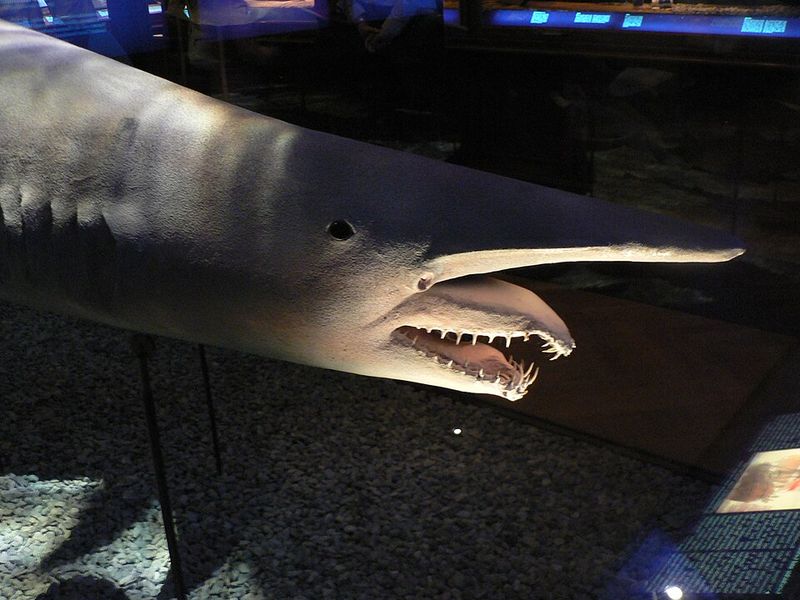
With a long, flat snout and a jaw that shoots forward to catch prey, the goblin shark looks like something designed by a nightmare. It lives in the deep ocean and is rarely seen by humans, which has led many people to dismiss it as a pointless creature lurking in the dark.
But the goblin shark is a masterpiece of deep-sea adaptation. Its unusually soft, gelatinous body helps it move efficiently at extreme depths where pressure would crush most animals.
The elongated snout is packed with electroreceptors that detect the electrical fields of prey in total darkness.
As a predator, the goblin shark helps regulate populations of deep-sea fish and squid, maintaining balance in one of Earth’s least understood ecosystems. Its unique jaw mechanism, called slingshot feeding, is unlike anything else in the animal kingdom.
Scientists study goblin sharks to better understand how life adapts to the most extreme conditions on Earth.
10. Star-Nosed Mole
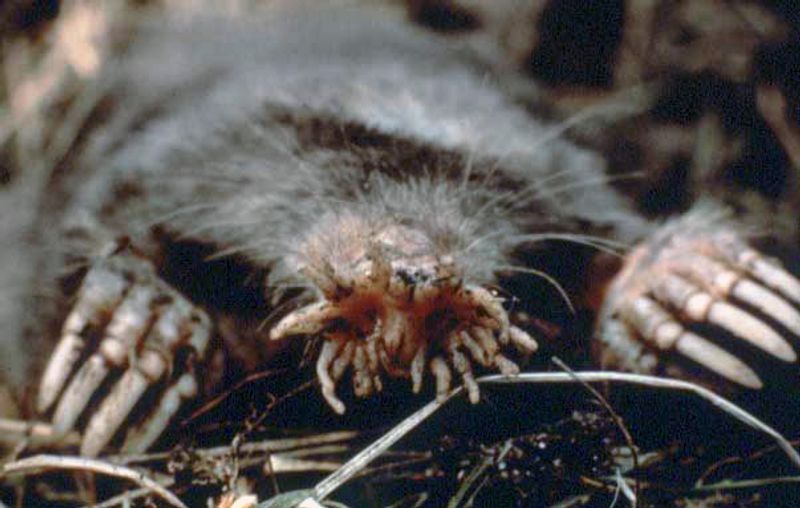
Few animals stop people in their tracks quite like the star-nosed mole. That bizarre, pink, tentacled nose looks almost alien.
With 22 fleshy appendages radiating from the center of its face, many people assume this creature is some kind of evolutionary mistake.
Actually, that star-shaped nose is one of the most sensitive sensory organs of any mammal on Earth. It contains more than 25,000 tiny sensory receptors called Eimer’s organs, allowing the mole to identify and eat food in as little as 120 milliseconds.
That is faster than the human brain can consciously process a single thought.
Star-nosed moles also aerate soil as they tunnel, improving drainage and helping plant roots access oxygen. They consume harmful soil insects and larvae, acting as natural pest controllers in wetland environments.
Neuroscientists study their remarkable brain-to-sensory-organ ratio to better understand how the brain processes touch and sensory information.
11. Hagfish
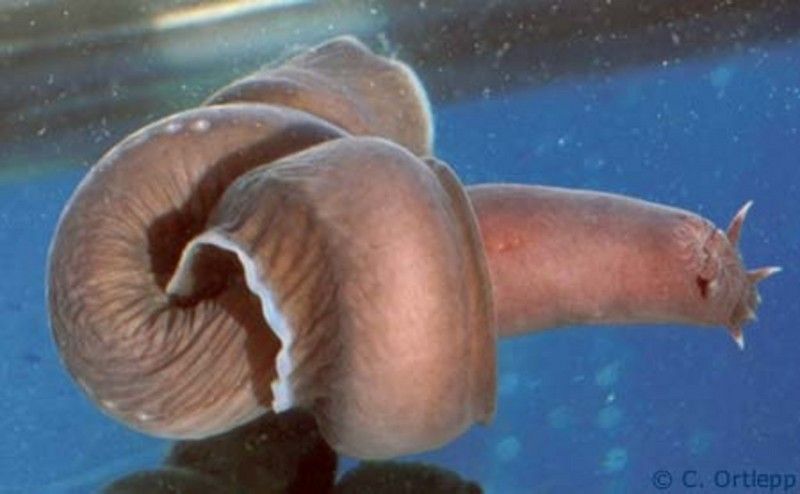
Hagfish are ancient. They have existed for more than 300 million years, outlasting dinosaurs and ice ages alike.
Yet they are regularly mocked for their habit of producing enormous amounts of slime when threatened, and for feeding on dead or dying animals on the ocean floor.
That slime, however, is anything but gross from a scientific standpoint. It is one of the strongest and most unique biological materials ever studied.
Researchers are exploring it as a source for biodegradable fibers that could replace synthetic materials like nylon in clothing and textiles.
As deep-sea scavengers, hagfish perform a critical cleanup role. They consume decaying carcasses that would otherwise rot and deplete oxygen in the water, harming surrounding marine life.
Without hagfish, the ocean floor would be a very different and much less healthy place. They are ancient, slimy, and genuinely essential to ocean ecosystems.
12. Sea Pig
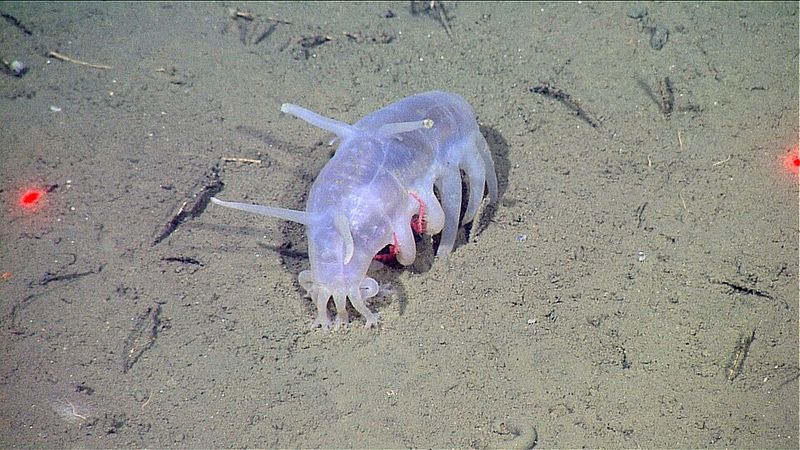
Sea pigs are not actually pigs at all. They are a type of sea cucumber that lives on the deep ocean floor, sometimes thousands of meters below the surface.
Their puffy, pink, tube-like bodies and stubby leg-like appendages have earned them ridicule, but their role in the ocean is anything but laughable.
Sea pigs are deposit feeders, meaning they consume organic particles and bacteria that have settled on the ocean floor. This process recycles nutrients back into the deep-sea ecosystem, making those nutrients available for other organisms.
They are essentially the composters of the ocean floor.
Sea pigs often travel in large groups, which makes them one of the most abundant large animals in the deep sea. Their sheer numbers mean their collective impact on nutrient cycling is significant.
Scientists studying climate change and carbon storage in the ocean pay close attention to creatures like sea pigs, because deep-sea ecosystems play a major role in regulating Earth’s carbon cycle.
13. Manatee
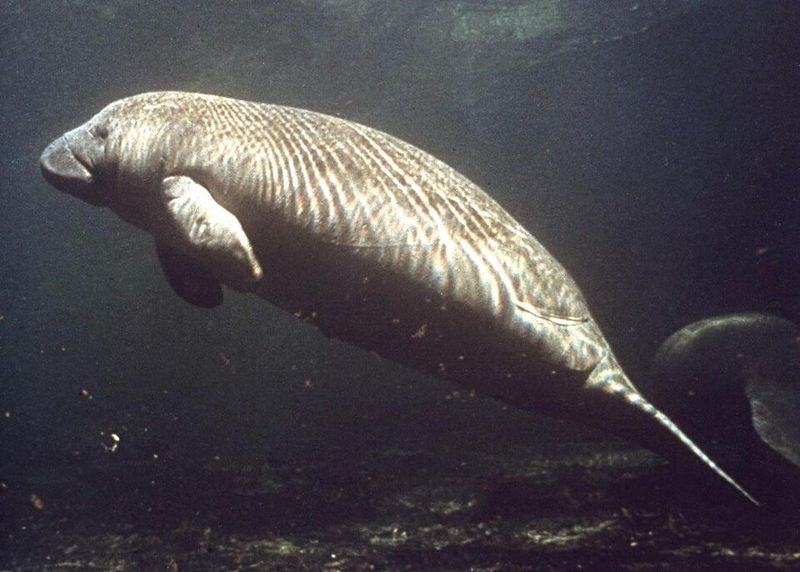
Manatees are sometimes called sea cows, and not always as a compliment. They move slowly, spend most of their time grazing on underwater plants, and seem to lack the drama of more celebrated ocean animals.
But these large, calm mammals are vital to the health of coastal ecosystems.
By grazing on seagrass beds, manatees keep those plants from overgrowing and becoming too dense. This trimming actually promotes healthier, more productive seagrass growth, which in turn supports fish, crabs, and other marine life that depend on those beds for shelter and food.
A thriving seagrass meadow often means manatees are nearby.
Manatees also stir up sediment as they feed, which helps cycle nutrients through shallow coastal waters. They are considered a keystone species in their habitat, meaning the ecosystem changes significantly without them.
Their gentle, curious behavior also makes them one of the most beloved animals in Florida’s nature-based tourism industry.
14. Tarsier
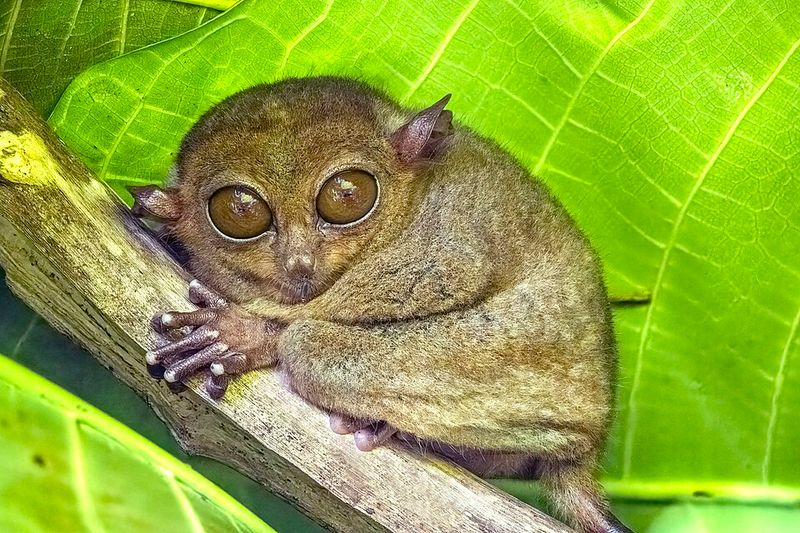
Imagine an animal with eyes so large they cannot move inside their skull. That is the tarsier.
Found in the forests of Southeast Asia, this tiny primate has the largest eyes relative to body size of any mammal. People often find them unsettling, but tarsiers are remarkable little hunters.
Each of those giant eyes is as large as the tarsier’s entire brain. To compensate for the inability to move its eyes, the tarsier can rotate its head nearly 180 degrees in each direction, like a tiny biological periscope.
This gives it an almost complete field of vision in the dark forest.
Tarsiers are the only entirely carnivorous primates, feeding on insects, small lizards, and even birds. By controlling insect populations in Philippine and Indonesian forests, they play a real role in maintaining ecological balance.
Their unique biology also gives scientists valuable insight into primate evolution and the development of vision in mammals.
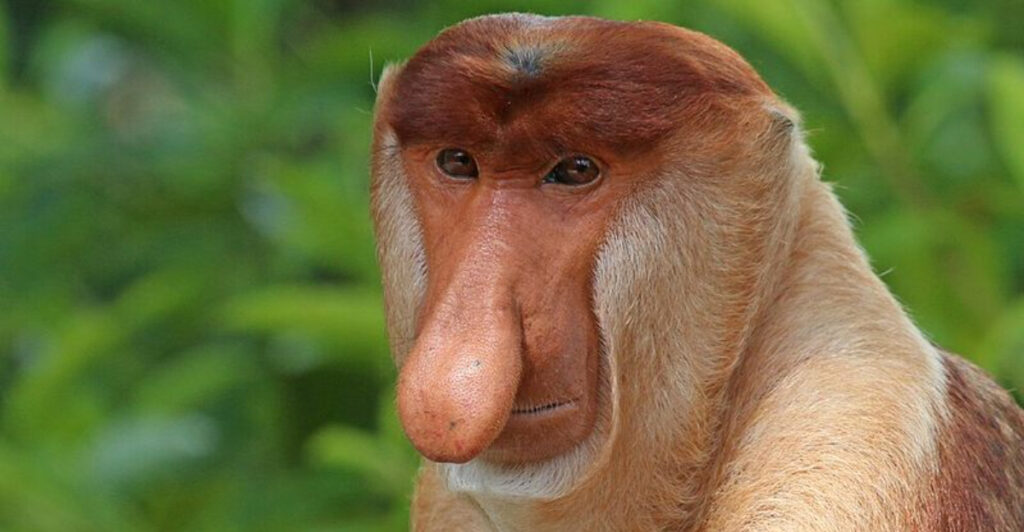
15. Proboscis Monkey
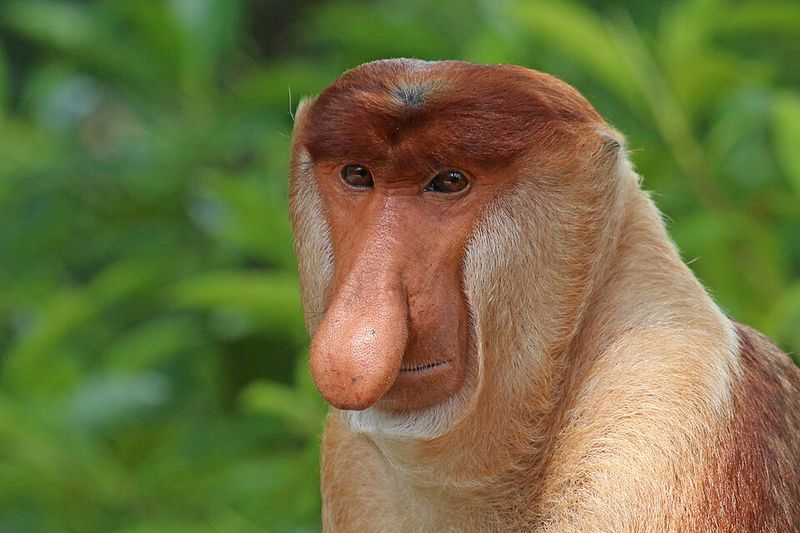
The proboscis monkey’s nose is so large and floppy that it sometimes hangs down over the animal’s mouth. Males have the biggest noses of all, and for a long time people assumed the feature was just a funny evolutionary quirk with no real function.
As it turns out, that nose is a serious tool.
The large nose amplifies the male’s calls, making them louder and more resonant. Females actually prefer males with bigger noses, so the feature plays a direct role in reproduction and the continuation of the species.
It is also thought to help regulate body temperature in the hot, humid forests of Borneo.
Proboscis monkeys are skilled swimmers, often crossing rivers to find food or escape predators. They are important seed dispersers in Borneo’s mangrove and riverine forests, helping maintain plant diversity.
Their presence indicates a healthy coastal forest ecosystem. Funny-looking?
Yes. Pointless?
Far from it.
Share this story