A giant wooden hall near the Jersey Shore should not still feel like a surprise after more than a century, but Ocean Grove keeps proving otherwise. Built fast, preserved carefully, and still used for major gatherings, this landmark carries the kind of local story New Jersey does better than outsiders expect. It has hosted presidents, performers, worship services, graduations, concerts, and summer programs, all inside a structure that began as an ambitious 1890s project. The best part is that it is not locked away as a museum piece.
It remains part of a real shore town, close to beach paths, historic homes, tents, and the steady rhythm of Ocean Grove life.
A Shore Landmark At 21 Pilgrim Pathway
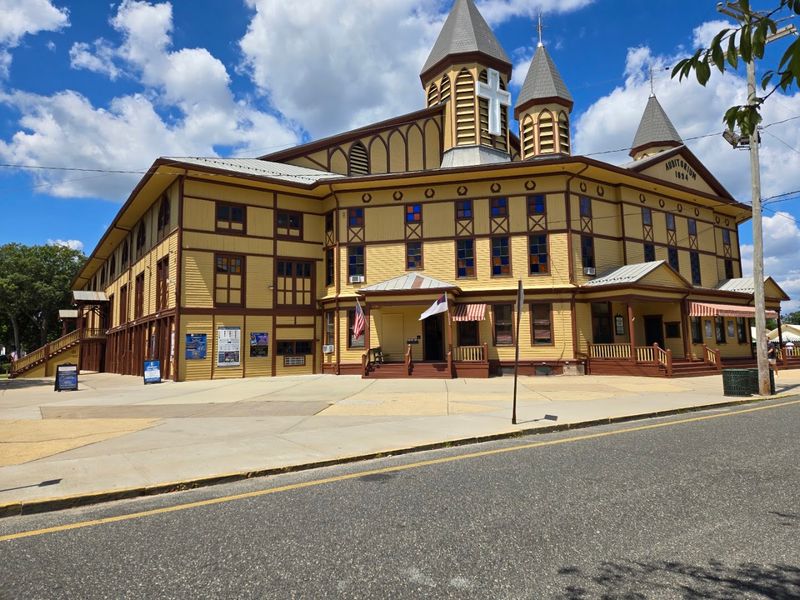
Here is the address that starts the whole story: The Great Auditorium stands at 21 Pilgrim Pathway, Ocean Grove, NJ 07756, in Monmouth County along the New Jersey Shore.
The building is an auditorium, but that plain label barely covers its role in town. It serves as a worship space, concert venue, gathering hall, historic landmark, and one of Ocean Grove’s most recognizable structures.
Ocean Grove itself adds an important layer to the visit. The auditorium sits within a community known for its distinctive seasonal tents, historic houses, beach access, and long tradition of summer religious and cultural programming.
A stop here works well as part of a shore day that does not have to revolve only around the beach. People can see the outside even when the interior is not open, and informational signage around the area helps explain why the building matters.
That makes the first impression unusually practical. A person can treat it as a planned event destination, a historic architecture stop, or a short detour while exploring Ocean Grove on foot.
Ninety Days Of Wooden Ambition
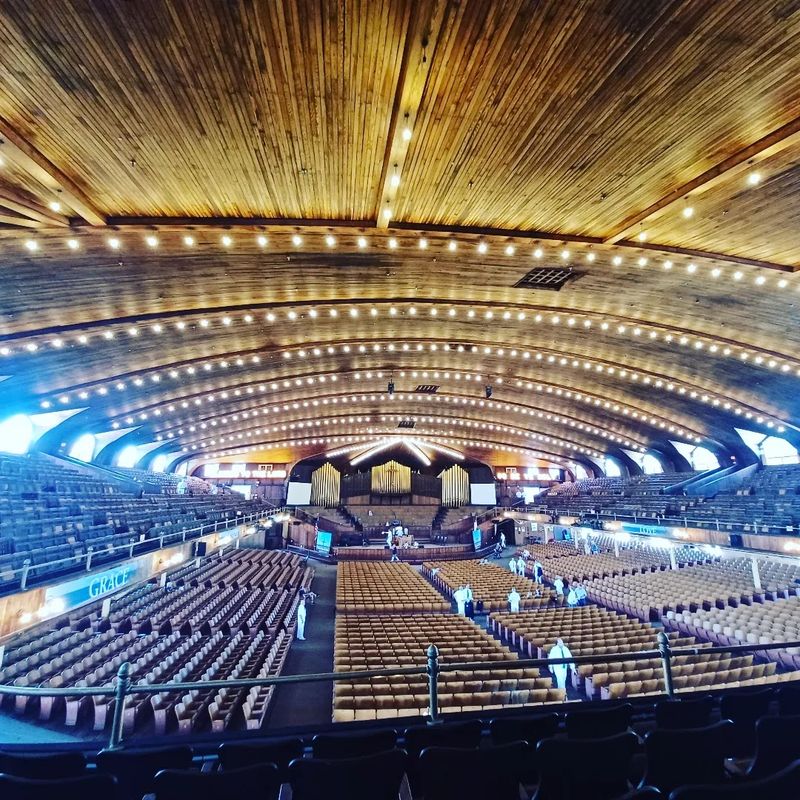
Ninety days sounds like a modern renovation timeline, not the birth story of a massive 19th-century landmark. Yet The Great Auditorium was built in 1894, and its rapid construction remains one of the details that gives the building its legend.
The speed makes more sense when the craft behind it comes into focus. Shipbuilders raised the structure, bringing practical knowledge of large wooden forms to a shore community that needed a big gathering place.
That background gives the auditorium a character unlike a typical inland hall. Its scale, materials, and open-air qualities connect the building to coastal construction traditions as much as to religious and cultural history.
Nearly 150 years later, the structure is still well preserved enough to draw attention for more than age alone. The achievement is not simply that it was built quickly, but that it continues to function as a major venue.
New Jersey has plenty of old buildings, but few come with a construction tale this direct and memorable. The auditorium’s 90-day origin is the kind of fact that makes a casual stop turn into a longer look.
Ocean Grove’s Historic Setting

Few buildings get a better supporting cast than the streets around this one. Ocean Grove’s historic layout, homes, and seasonal tents give The Great Auditorium a setting that feels tied to the town rather than dropped into it.
The tents are often mentioned because they form one of the community’s most distinctive sights. They surround the broader Ocean Grove experience and help explain why the auditorium feels connected to a long-running summer tradition.
Nearby residential streets include private homes and inns, which keeps the area from feeling like a single-purpose attraction zone. The result is a townscape where the landmark shares space with daily life, lodging, worship, beach trips, and seasonal events.
A person passing through can pause at the auditorium, read available signage, and continue toward other Ocean Grove features without needing a complicated plan. That easy movement is part of the appeal for New Jersey day-trippers.
The setting also helps the building avoid the frozen-in-time problem some landmarks face. It is historic, yes, but it remains surrounded by an active community that still gives it context.
A Stage With Presidential Footprints
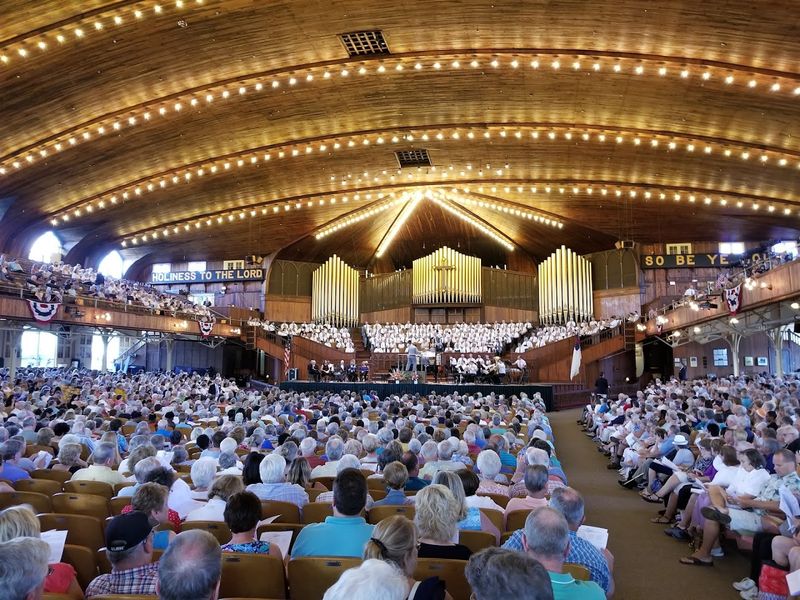
Political history has passed through this wooden hall in a way that still raises eyebrows. Seven United States presidents have spoken at The Great Auditorium, including Ulysses S. Grant, Theodore Roosevelt, and Richard Nixon.
That list matters because it places Ocean Grove inside a broader national story. The auditorium was not just a local meeting room with a big roof, but a destination important enough to draw major public figures.
The building’s stage has also welcomed notable performers. Enrico Caruso performed here in 1910, adding another line to a cultural record that reaches beyond New Jersey’s shoreline.
Its screen connection is part of the record too. The auditorium appears prominently in Woody Allen’s 1980 film Stardust Memories, giving the structure a place in movie history as well as civic and musical history.
Names alone do not carry a landmark forever, but here they reinforce what the building already proves. The Great Auditorium has long been large enough, important enough, and flexible enough to hold moments that people kept talking about.
An Organ That Commands Attention
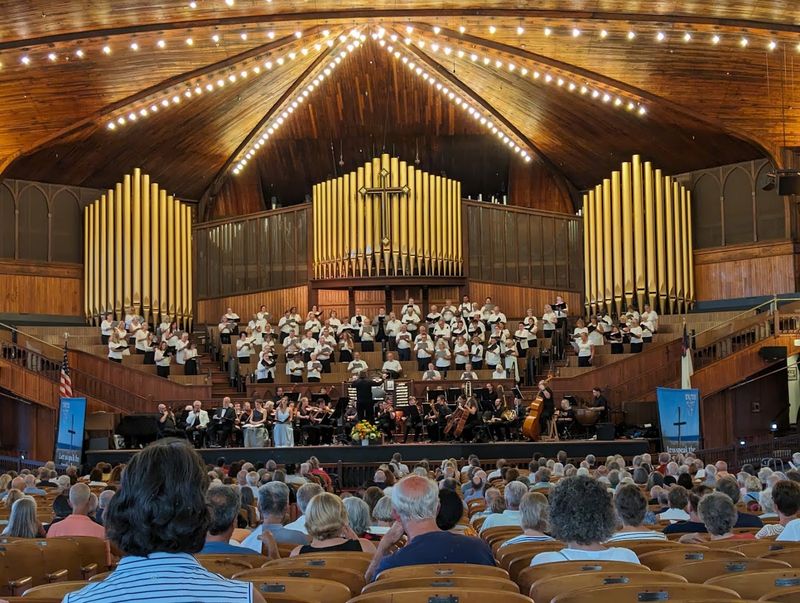
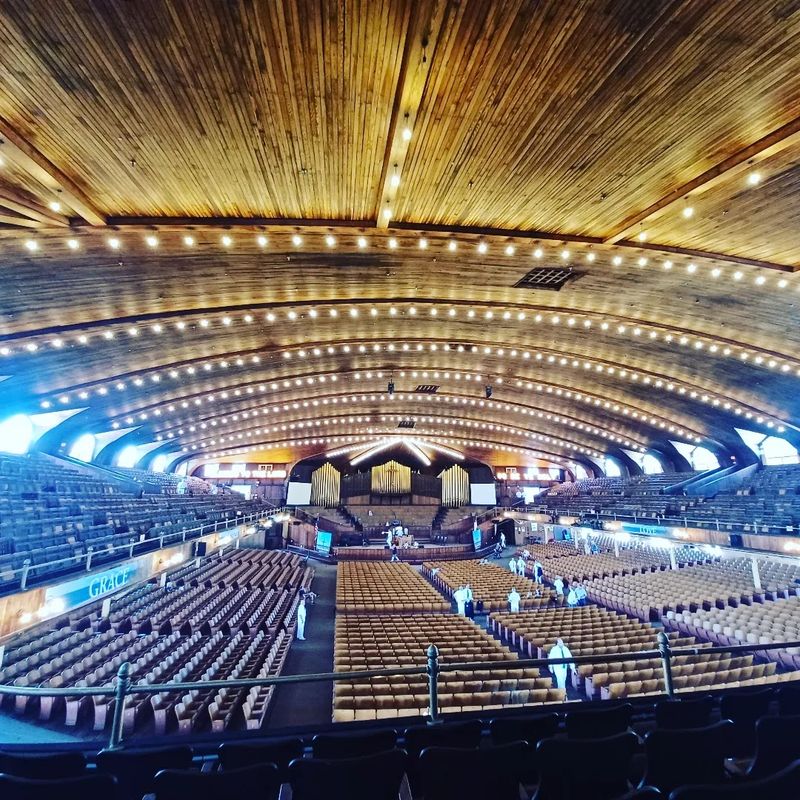
A building this big needs a feature that can match its scale, and the Hope-Jones organ does exactly that. The instrument is often singled out as one of the auditorium’s major marvels.
Organ recitals are part of the summer programming associated with the venue. Alongside concerts and worship gatherings, they give the auditorium a use that highlights both its history and its ongoing cultural purpose.
The organ’s reputation also helps explain why music lovers make time for the space even beyond a single event. It is not treated as background equipment, but as a central part of what makes the hall worth knowing.
Performances featuring organ, violin, and vocal music have been part of the building’s event life. The range of programming shows how the auditorium can support both formal and community-centered gatherings.
For a New Jersey landmark, that is a strong claim to local pride. The Great Auditorium is not only old and large, it contains a musical centerpiece that continues to shape how the place is used.
Open Doors And Ocean Air
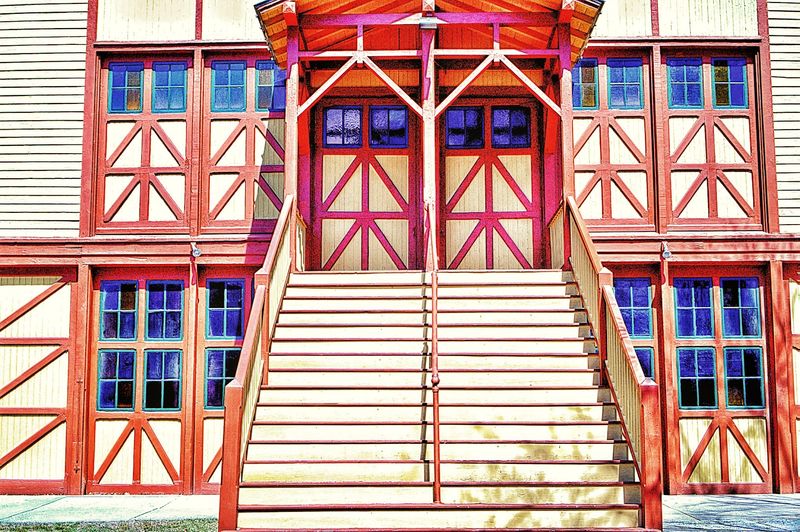
Not every famous venue relies on sealed walls and complicated modern systems. At The Great Auditorium, open doors are part of the experience during events, giving the building its notable open-air quality.
The hall is cooled by cross ocean breezes rather than air conditioning. That detail matters for planning because it explains both the building’s historic character and the conditions people should expect during warm-weather programs.
The door system also helps visitors understand how the auditorium’s design fits its shore setting. It was built for a coastal community, and its operation still reflects that relationship with the surrounding environment.
Several accounts of events mention that the doors are opened during performances and gatherings. That practical choice gives the large wooden structure a different feel from many enclosed performance halls.
Anyone attending should keep the season and weather in mind, especially for summer events. The building’s charm comes partly from the fact that it does not pretend to be a modern black-box theater.
Summer Programs With Real Range
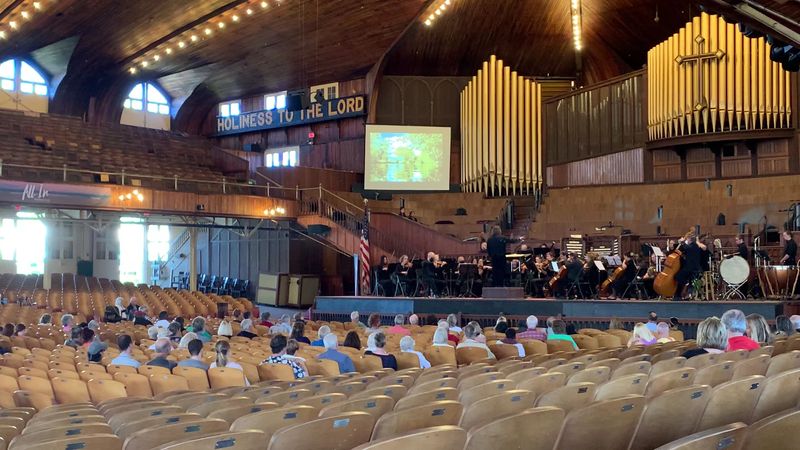
Summer is when the auditorium’s calendar shows its widest personality. Worship services, prominent guest speakers, concerts, organ recitals, and other events are all part of the season’s rhythm.
The venue is strongly associated with a summer worship series, and different speakers appear across the season. That variety keeps the building connected to its founding traditions while still giving the schedule a changing shape.
Concerts add another layer. The hall has hosted contemporary faith-based performers, large music events, and formal recitals, so the audience can look very different depending on the date.
Some events may call for advance ticket purchases, especially when seating demand is higher. Other programs have been described as free events with an optional free will offering, so checking the official schedule before going is the sensible move.
This range is one reason the landmark keeps attracting people beyond history buffs. The Great Auditorium is not merely admired from the outside, it still earns its keep by giving Ocean Grove a working stage.
Weekday Tours In Season
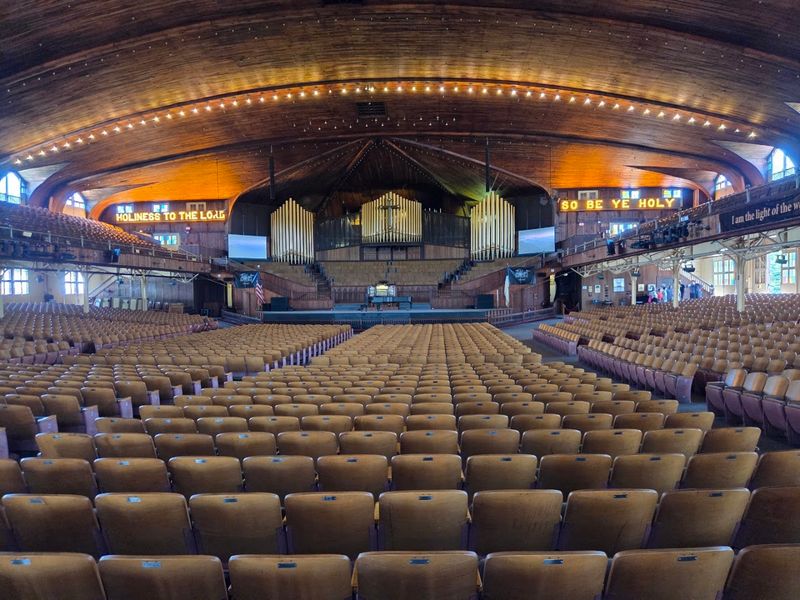
History lands differently when someone explains it inside the room where it happened. During summer weekdays, tours offer a way to learn about The Great Auditorium and its place in Ocean Grove’s past.
The tour format has been described as seated near the front while a guide shares town and auditorium history. That makes it approachable for people who want context without turning the stop into a strenuous outing.
Because the building has so many layers, a guided explanation can be especially useful. The rapid 1894 construction, the shipbuilder connection, the presidential appearances, the organ, and the religious heritage all fit together better with a clear narrative.
Tour availability is tied to the summer weekday schedule, so it is best not to assume access on every casual pass-by. The official Ocean Grove site is the proper place to confirm current timing.
Even when the inside is not open, the exterior and signs still provide a worthwhile look. The tour simply adds the kind of background that turns a big wooden building into a New Jersey story with chapters.
A Venue For Concerts And Gatherings
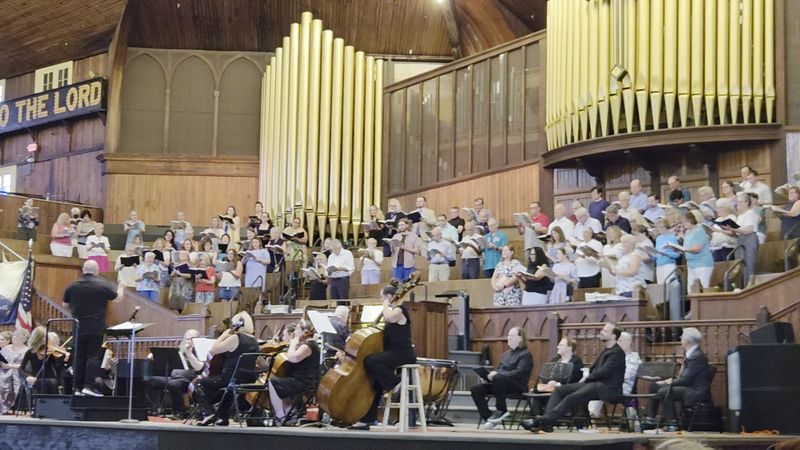
Big rooms can feel impersonal, but this auditorium has kept a community role that makes its size useful rather than distant. Concerts, worship services, plays, graduations, and large ceremonies have all been part of its recent life.
The space is repeatedly recognized for handling performances well. Its acoustics are often noted, which is especially important in a building that hosts music, speakers, and large programs.
The variety of events also makes the auditorium relevant to different groups. A person may know it through Sunday worship, another through an organ concert, another through a Christmas Nativity play, and another through a graduation ceremony.
That range gives the place a broad local footprint. It belongs not only to architecture fans or church history followers, but also to families and eventgoers who have their own reasons for showing up.
There is a practical side as well. The building has plenty of seating, though advance tickets are recommended for some events, which is a polite way of saying the popular dates deserve planning.
Architecture With Shore-Town Confidence
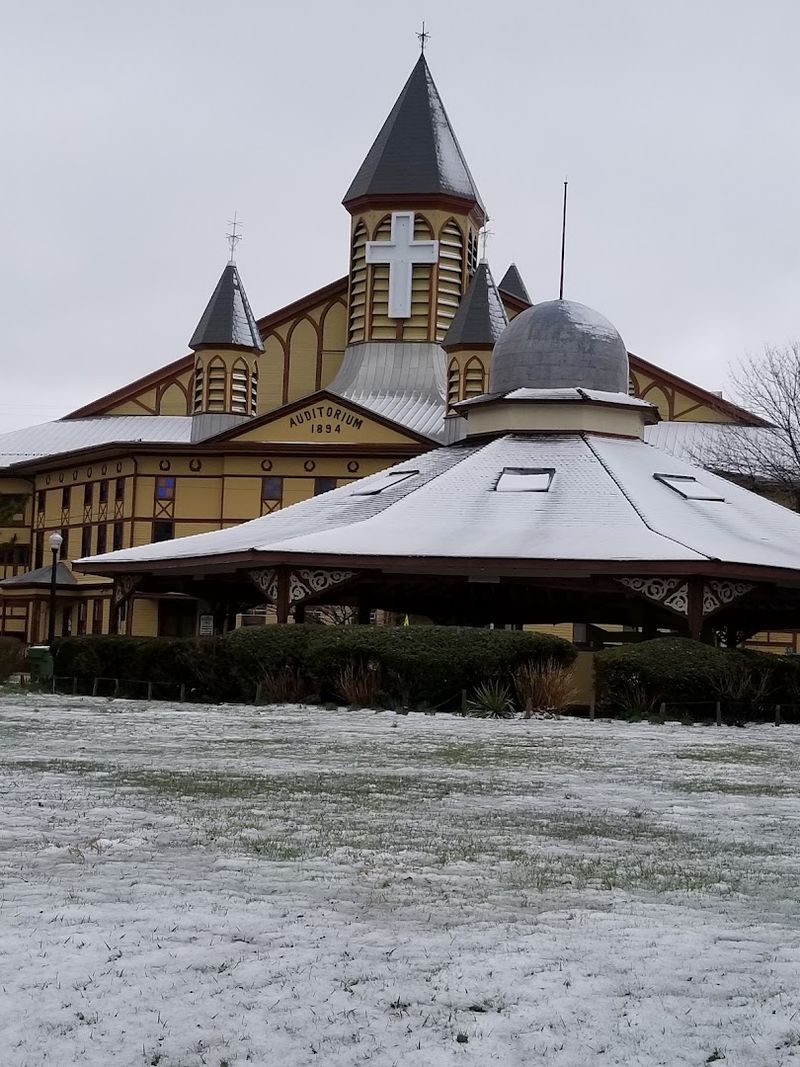
Scale is the first architectural fact here, but restraint is the second. The Great Auditorium is huge without feeling like it was built to show off for no reason.
Its wooden construction gives it a distinct place among New Jersey landmarks. Many historic buildings impress through stone, brick, or ornament, while this one earns attention through timber, proportion, and the engineering confidence of its 1894 builders.
The structure has even been compared in spirit to Richard Wagner’s Festspielhaus in Bayreuth. That comparison points to the seriousness of the auditorium as a performance and assembly space, not just a local curiosity.
Preservation is part of the architectural story too. A building raised almost 150 years ago and still actively used has to be maintained with unusual care, especially in a shore environment.
The design rewards more than a quick snapshot. Spend a little time with the roofline, the doors, the stage relationship, and the way the building sits in town, and the old shipbuilder logic starts to feel less like trivia and more like the whole point.
A Spiritual Center Without A Narrow Door
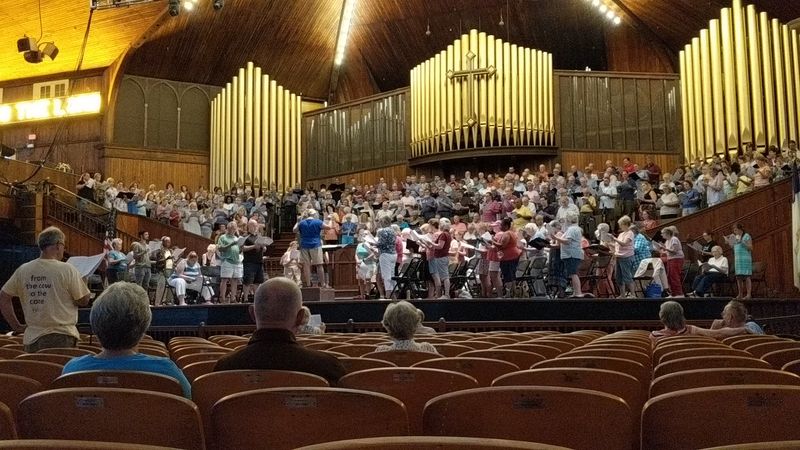
Religious history is central to the auditorium, but the building is not only meaningful to people who share one background. Ocean Grove’s tradition is visible here, while the landmark can still be appreciated for architecture, music, history, and town character.
Sunday services remain an important part of the schedule. The summer worship series brings speakers and large gatherings, continuing a practice that has shaped the community for generations.
The march of the ushers during worship is one tradition associated with the building. It reflects how ceremony, memory, and routine all help keep the auditorium connected to people who return year after year.
At the same time, the venue supports concerts and other public events. That blend allows the building to be both a place of worship and a broader cultural destination within Ocean Grove.
New Jersey readers who enjoy old churches, cathedrals, meeting halls, and historic gathering places will understand the appeal. The Great Auditorium offers a local example where spiritual heritage and public landmark status share the same wooden roof.
Beach Paths And Nearby Stops

A visit here does not have to be a single-stop mission. The auditorium sits close enough to Ocean Grove’s beach and boardwalk area that it can fit naturally into a wider shore day.
Ashley Park is nearby, and the building is often linked with the surrounding beach-town layout. That makes it convenient for people who want history before or after time along the Ocean Grove waterfront.
The route through town adds its own interest. Historic homes, inns, and the seasonal tents help turn the approach into part of the outing rather than just the path to a door.
Shops in Ocean Grove also make the area more than a landmark visit. The exact mix can change, but the town is known for giving day-trippers enough nearby activity to build a relaxed plan.
That is useful for families or groups with different interests. One person may care most about the organ, another about the architecture, and another about the shore setting, yet the same Ocean Grove stop can cover all three without much fuss.
Access Notes Before You Go
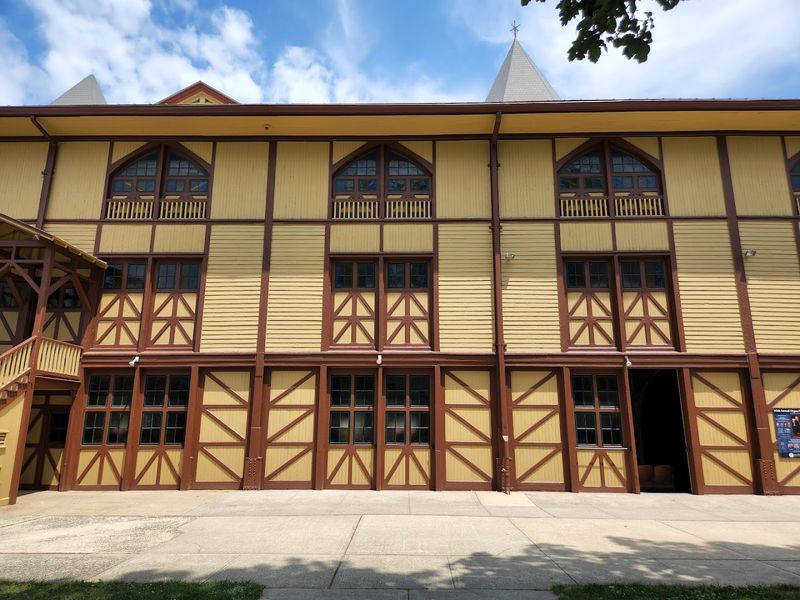
Planning around The Great Auditorium is mostly about checking what is open and what is scheduled. The exterior and grounds can be viewed even when the building itself is not open.
Interior access depends on events, services, tours, and seasonal programming. Summer weekday tours are available, and the official Ocean Grove website is the right source for current times and event details.
Ticket needs vary by program. Some events may require or benefit from advance ticket purchases, while many free events have been associated with an optional free will offering.
Restrooms are not inside the main auditorium space in the way some modern venues might expect. They are located in an adjacent facility across the street, which is a helpful note before settling in for a longer program.
There is no need to overcomplicate the outing, but a quick schedule check can prevent a locked-door surprise. The best plan is simple: confirm the event or tour, allow time to see the surroundings, and treat Ocean Grove as part of the visit.
A Jersey Verdict With Staying Power
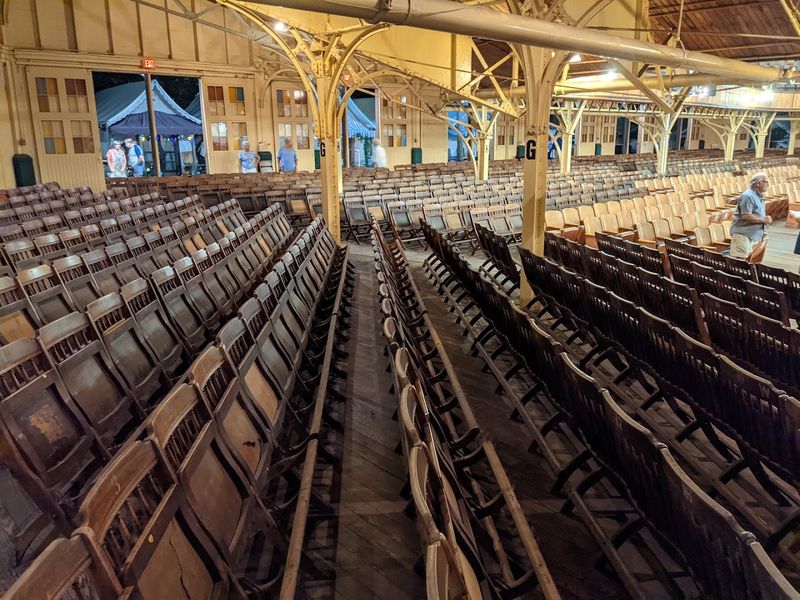
Some New Jersey landmarks need a long explanation before their appeal clicks. The Great Auditorium usually needs only the basics: built in 1894, raised by shipbuilders in 90 days, still active, still massive, still central to Ocean Grove.
Its strongest quality is balance. It is historic without being sealed off, religious without being one-note, large without being anonymous, and practical enough to include in a normal shore-town outing.
The building suits several kinds of travelers. Architecture fans get the wooden design, music followers get the organ and concerts, local history fans get presidents and performers, and day-trippers get an easy Ocean Grove stop near the beach area.
Limitations are straightforward. Access depends on the schedule, warm-weather comfort reflects the lack of air conditioning, and some major events deserve advance planning.
Those details do not weaken the case for going. They simply make the visit feel honest, which is often what separates a real New Jersey find from a travel brochure promise.
For anyone building a shore day with more depth than sand and storefronts, The Great Auditorium earns its place. Ninety days built it, but nearly 150 years of use made it matter.
Share this story