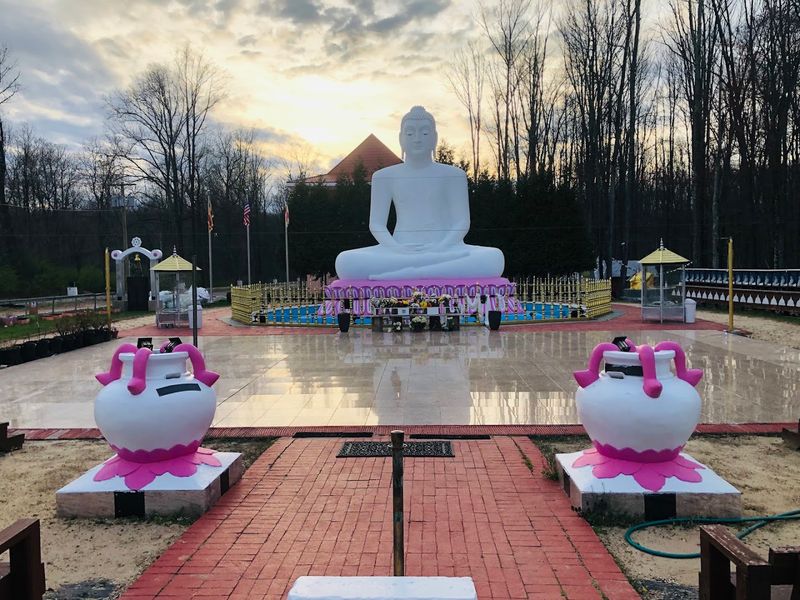
Route 27 is not where most people expect to meet a 52-foot Buddha, which is exactly why this Princeton-area stop catches so many New Jersey drivers off guard. One minute the road feels everyday, and the next, a Buddhist temple appears with a giant statue, a garden, a trail, and a quieter rhythm than the traffic beyond its entrance. New Jersey Buddhist Vihara is not a theme-park stop or a polished attraction, and that is part of what makes it interesting. Keep reading for the story, the setting, the respectful rules, and the practical details that make this Garden State place feel far removed from the usual day-trip script.
A Route 27 Temple With A Princeton Address
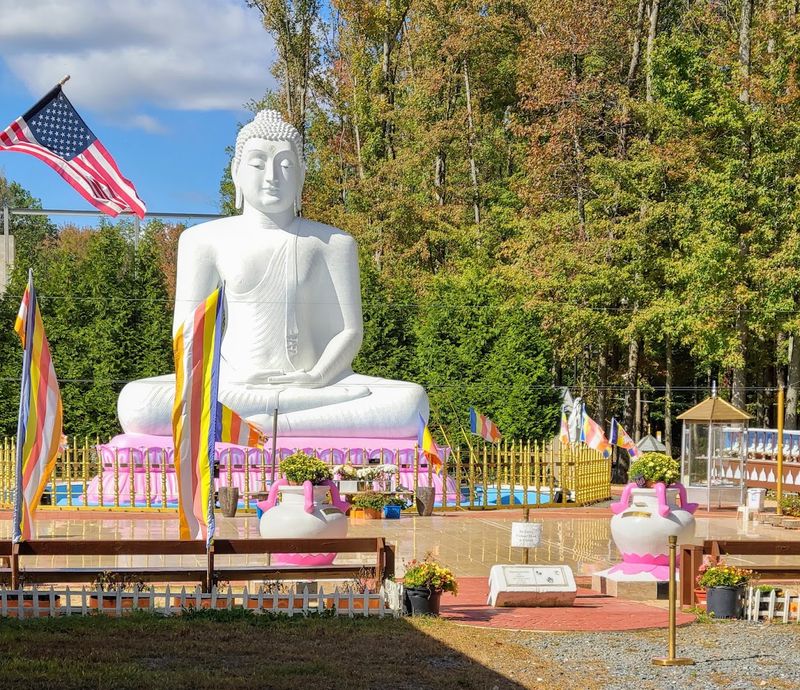
A giant Buddha beside a busy New Jersey road is the kind of detail that makes a driver slow down, then wonder what exactly just appeared along the route.
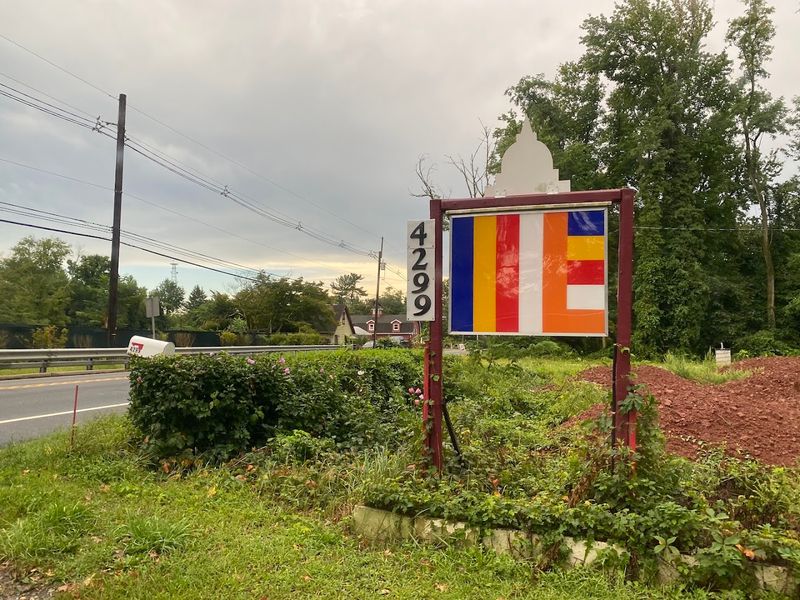
New Jersey Buddhist Vihara is a Buddhist temple at 4299 NJ-27, Princeton, NJ 08540, in the United States. The address places it along Route 27, a familiar corridor for many Central Jersey residents, yet the site itself has a very different purpose from the usual stops found along a state highway.
The temple is known for its large Buddha statue, meditation setting, worship space, garden area, and a trail with marked features. It is a religious place first, so the best approach is simple: arrive calmly, move respectfully, and treat the grounds as a place of practice rather than a roadside curiosity.
On-site parking is available, which makes the Vihara practical for a short local visit or a quiet pause during a Princeton-area day. It is the sort of place that reminds New Jersey residents that the state can still surprise them on roads they thought they already understood.
A Small Temple With A Growing Story
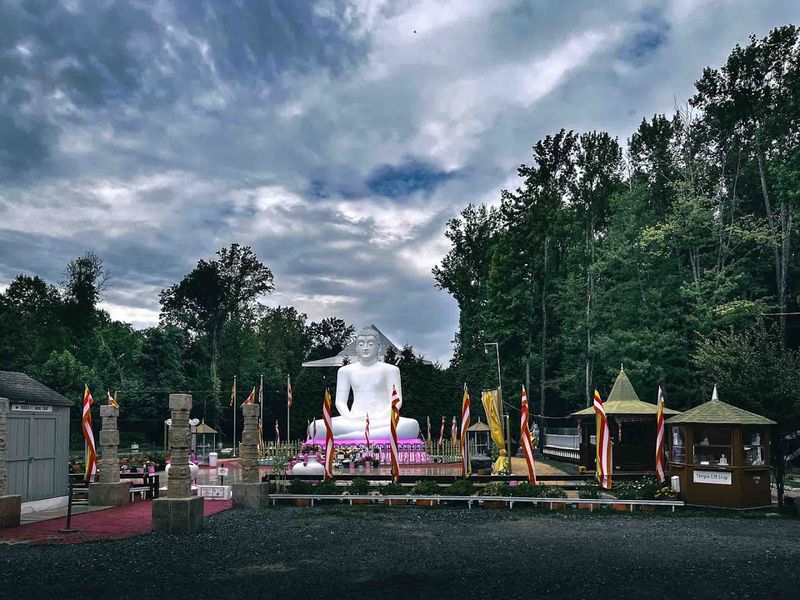
Not every meaningful place arrives fully finished, and New Jersey Buddhist Vihara has the look of a site still being shaped with care.
People familiar with the grounds often describe it as under development, with ongoing projects and renovations connected to the temple property. That matters because the Vihara should not be judged only as a polished tourist stop; it is also a working religious community with spaces that continue to evolve over time.
The temple has been described as small in scale compared with the size of its Buddha statue, which creates an interesting contrast. The main draw feels large and unmistakable, while the broader property remains modest, practical, and still in progress.
That unfinished quality has produced mixed reactions. Some guests appreciate the gradual growth and the care shown by the monks, while others have wished the outer areas and garden edges received more attention during development.
A fair visit comes with realistic expectations. New Jersey Buddhist Vihara is not trying to be a manicured commercial garden; it is a sacred site that is still building toward its next chapter, one project at a time.
The 52-Foot Buddha That Stops The Scroll
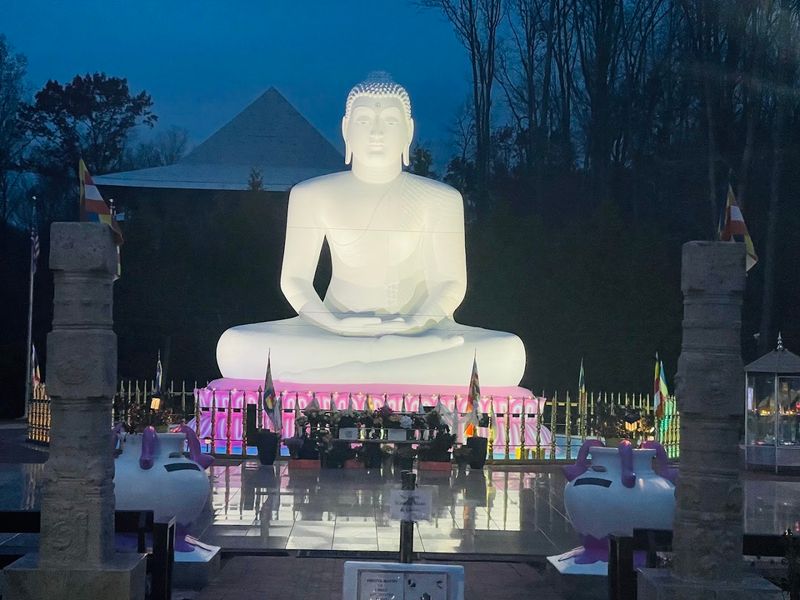
The headline act here needs no drumroll, because a Buddha of this size already does the announcing.
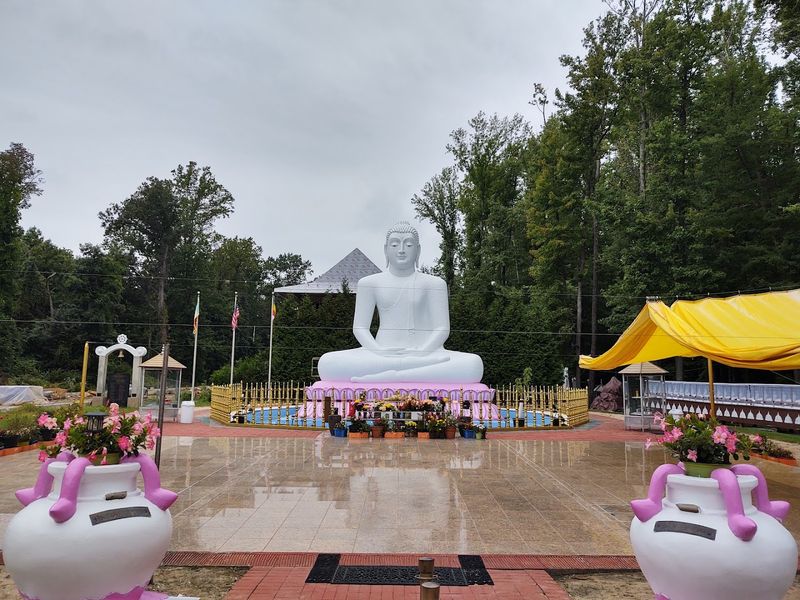
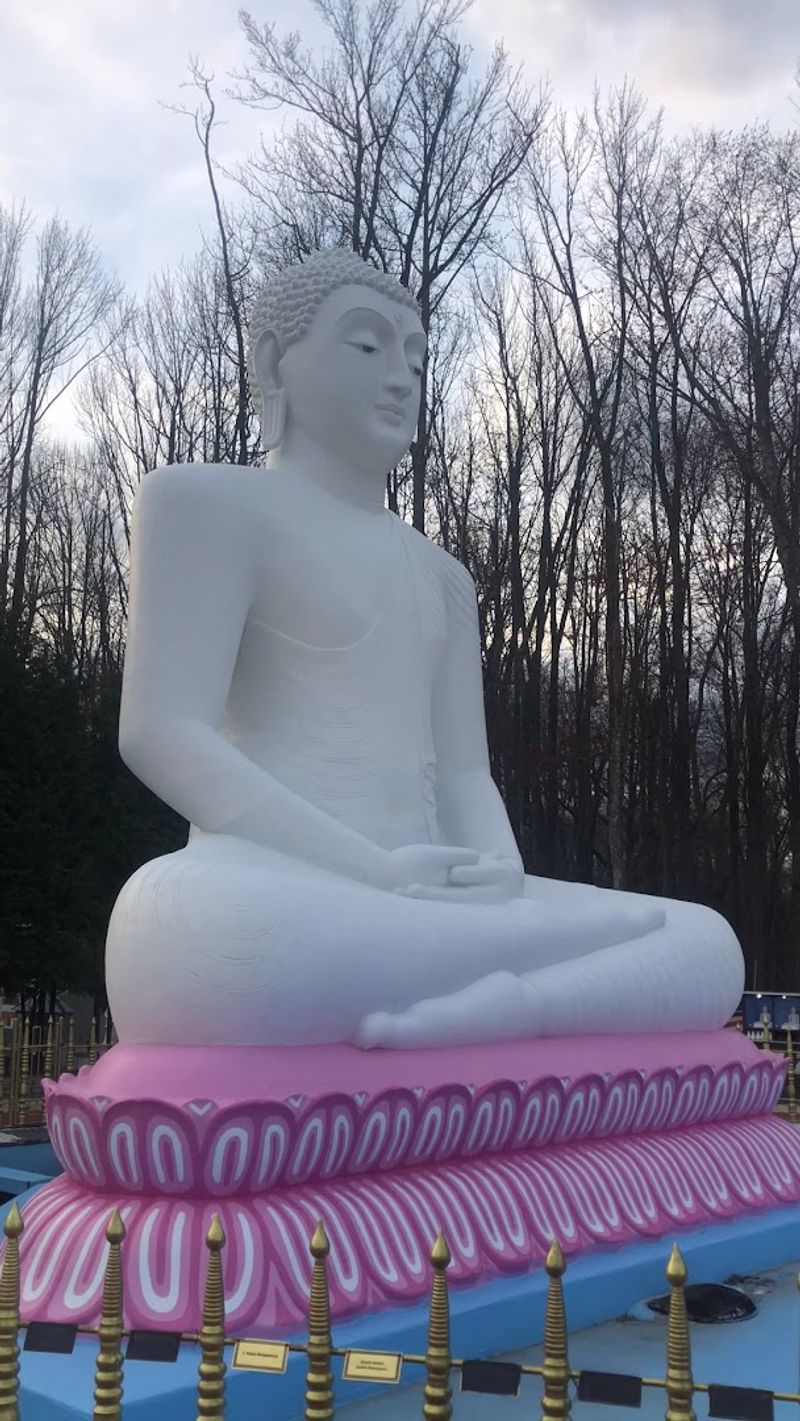
The Vihara is best known for its huge Buddha statue, a figure that people repeatedly identify as the reason they noticed the temple in the first place. The title detail, a 52-foot Buddha, explains why the statue feels so unexpected along Route 27 and why it has become the site’s defining feature.
The statue is not treated as a background decoration. It anchors the worship area and gives the temple a clear center of attention, especially for people who come for prayer, meditation, or a short period of reflection.
Several accounts of the site mention the statue’s size before almost anything else, which makes sense. In a state where landmarks often compete with highways, shopping centers, campuses, and commuter routes, a towering Buddha changes the mood of the conversation immediately.
The key is remembering that admiration should stay respectful. Photos may be allowed in some areas when permitted, but signs and temple rules should guide behavior, especially around worship spaces where quiet conduct matters more than the perfect shot.
A Worship Area With Clear Expectations
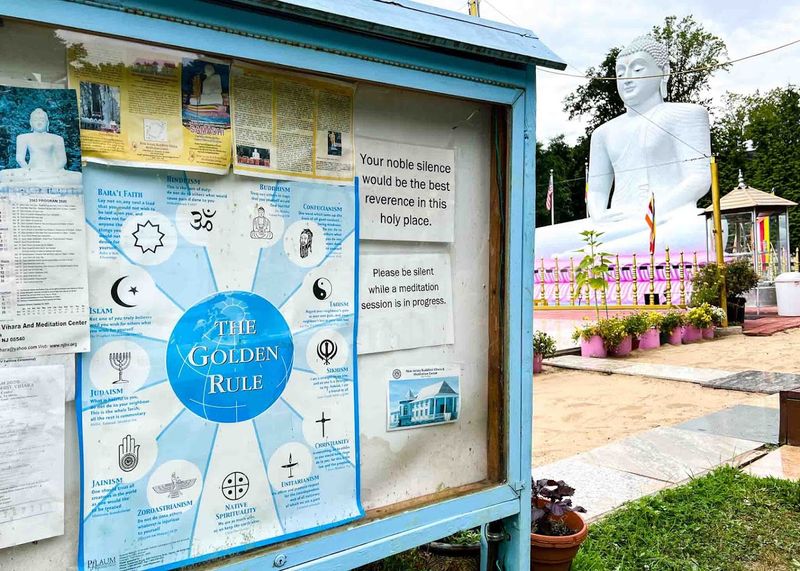
Sacred spaces tend to work best when guests know the rules before accidentally becoming the problem.
At New Jersey Buddhist Vihara, posted guidance near the walkway helps explain how to behave on the grounds. A key rule is to remove shoes before entering the worship area by the statue, a common sign of respect in many temple settings.
The temple also asks people not to use phones or take photos within the worship area. That request keeps the space focused on prayer and meditation rather than turning it into a quick camera stop.
Those guidelines are not complicated, but they do ask for awareness. A visit here is not the same as popping into a public park, because the central spaces are connected to religious practice and should be approached with care.
People who are uncertain can simply slow down, read the posted signs, and follow the lead of the setting. The rules are part of what protects the purpose of the place, and honoring them makes the visit smoother for everyone who comes for reflection rather than a roadside checklist.
The Native Rain Garden Of Interfaith Peace
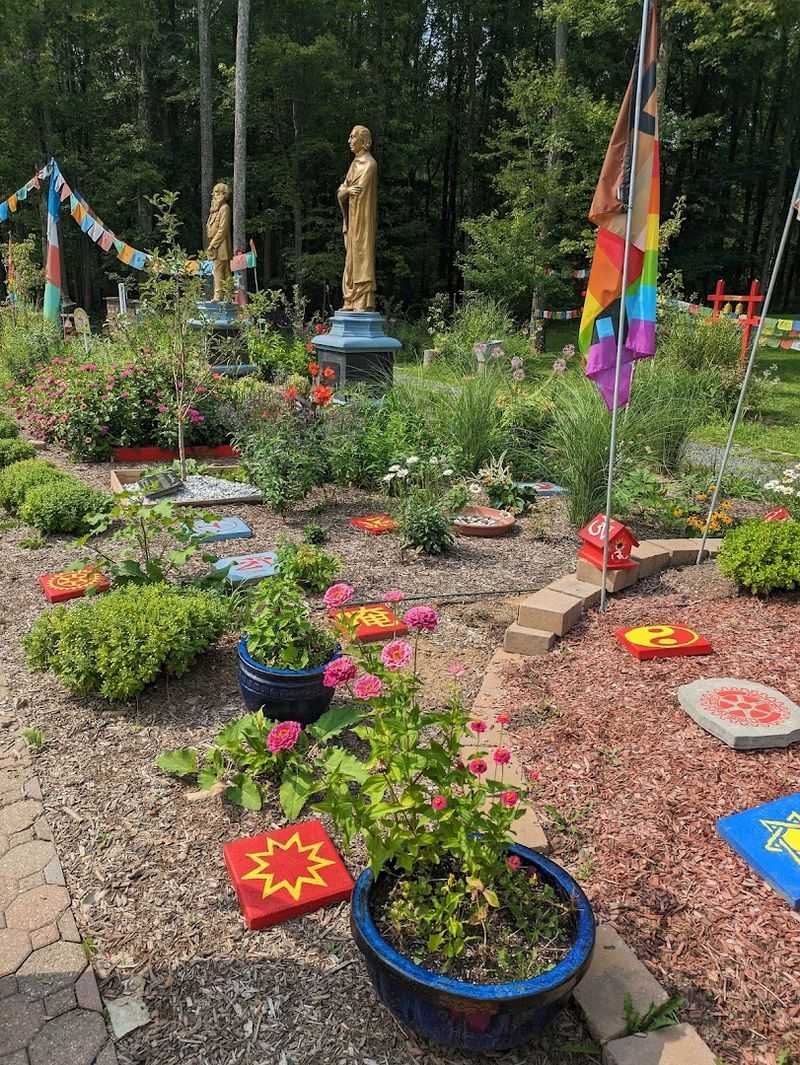
A garden with a name like Native Rain Garden of Interfaith Peace carries a bigger job than simply filling space on a property map.
The garden has been associated with the Vihara as part of its broader meditation and community setting. Its name points toward a meeting place of nature, reflection, and interfaith respect, which fits the temple’s role as a welcoming stop for people seeking quiet time.
Descriptions of the garden area vary, and that is useful to know before going. Some people have found it meaningful and pleasant, while others have mentioned overgrowth or areas that could use additional care, especially along parts of the property.
That mixed reality does not erase the garden’s value. It simply means the site feels like a living project rather than a showroom, with parts that may appear more finished than others depending on timing and upkeep.
For New Jersey day-trippers, the garden adds another layer beyond the giant Buddha. It gives the Vihara a broader identity as a place of pause, learning, and ongoing work, not just a single statue beside a highway.
A Marked Trail With Leaf Paintings
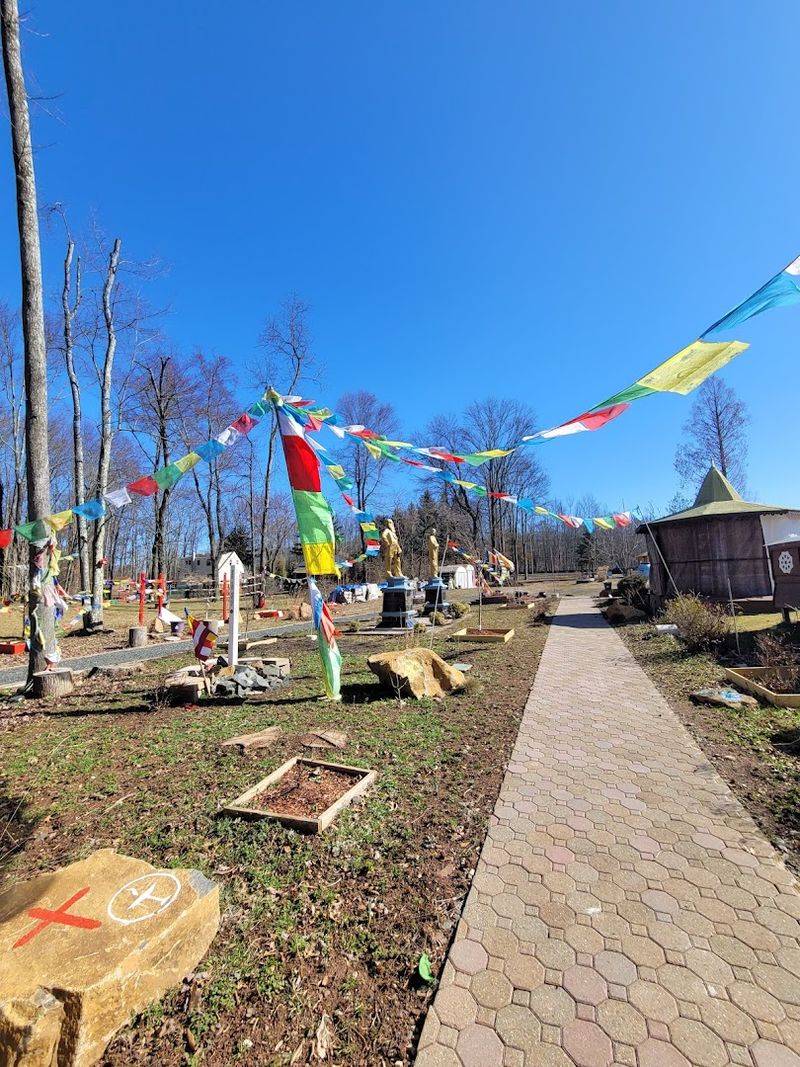
Small details can make a short walk feel more intentional, and the trail at the Vihara has a few that people remember.
The property includes a trail described as well marked, with leaf paintings along the route and inspirational quotes placed along the way. That gives the grounds a gentle structure for people who want to do more than stand near the statue and leave.
The trail is not presented as a rugged hike, and it should not be treated like one. Its role is closer to a reflective walk connected to the temple grounds, with signs and markers that help guide the experience.
After rain, mosquitos have been mentioned near the back of the trail, so basic preparation can make the visit easier. The temple setting may feel separate from daily routines, but it is still New Jersey outdoors, and New Jersey outdoors has opinions about bug spray.
The trail adds a practical reason to linger. It turns the Vihara into a short, layered stop where the statue, garden, and walking path all contribute something different.
A Quiet Pause For Meditation And Prayer
Central Jersey is not short on errands, traffic lights, and calendar clutter, which makes a place built around stillness stand out even more.
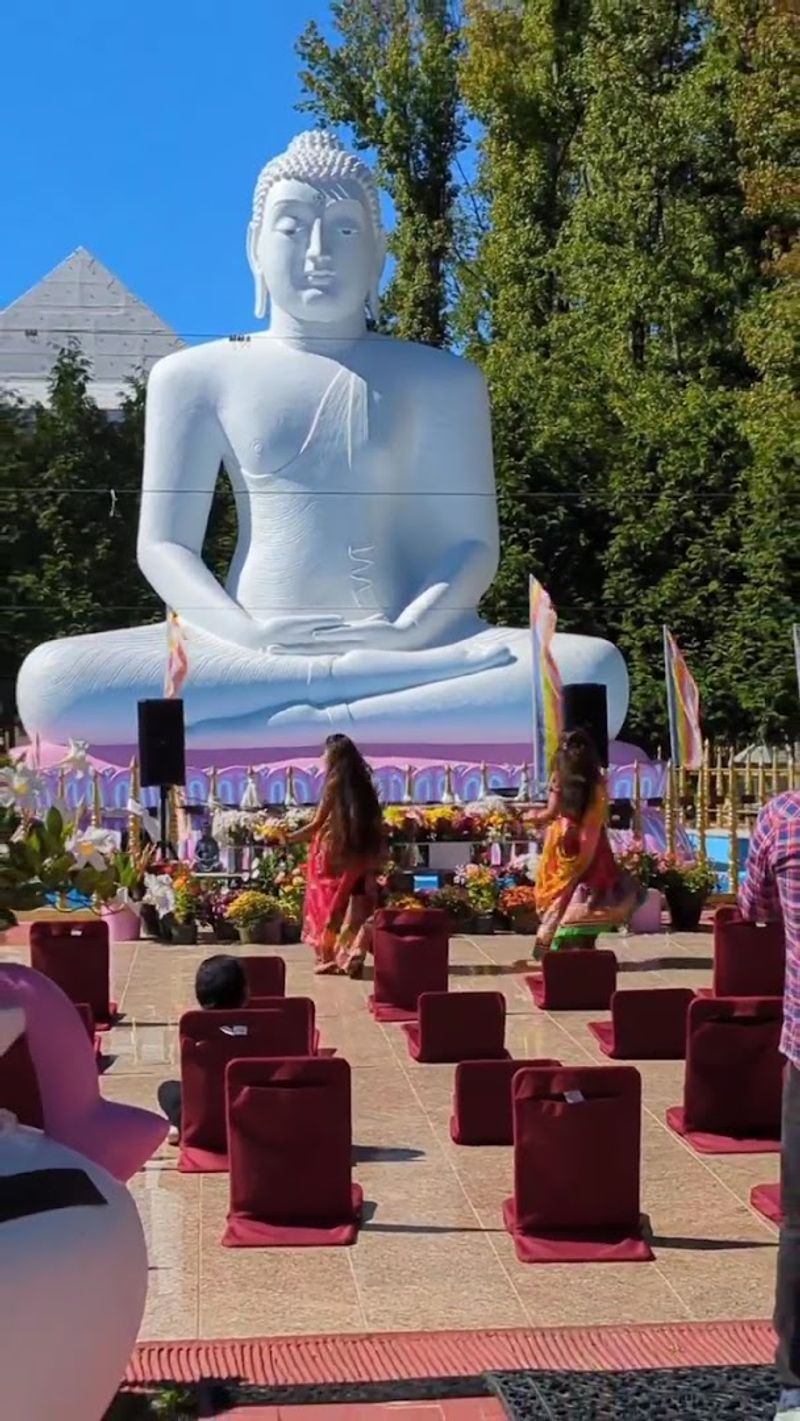
New Jersey Buddhist Vihara is frequently described as a place suited to meditation and prayer. People come for a short reset, a respectful moment near the Buddha statue, or a quiet period away from the busier parts of the day.
The worship area has been used by adults and children alike, including families who bring younger visitors for prayer or personal reflection. The setting is open to people who approach it respectfully, and that broad welcome is part of its appeal.
Free access has also been mentioned, though donations are encouraged for ongoing projects and renovations. That makes the Vihara accessible while still giving guests a simple way to support the place if the visit feels meaningful.
Anyone coming for meditation should treat the experience with patience rather than expecting a scheduled attraction. The best moments here are not complicated; they come from giving the temple the kind of attention that everyday New Jersey life rarely slows down to offer.
Monks, Welcome, And Respectful Distance
A place can feel more approachable when someone kindly lets newcomers know they are allowed to be there.
Accounts of New Jersey Buddhist Vihara mention monks caring for the property and offering a welcoming presence to people who arrive uncertain about where to go. Some guests have described being greeted or gently informed that everyone is welcome, which helps reduce the awkwardness that can come with visiting a religious site for the first time.
That welcome does not mean the temple should be treated casually. The best approach is to keep a respectful distance, avoid interrupting anyone engaged in religious duties, and ask politely if guidance is needed.
The Vihara’s hospitality seems tied to its identity as a religious and meditation center, not as a staffed attraction. There may not always be someone ready to explain every detail, so signs and common courtesy do a lot of the heavy lifting.
Newcomers should think of the visit as being invited into someone else’s meaningful space. A small amount of consideration goes a long way, and it keeps the welcome feeling like a two-way street.
An Unpolished Setting With Honest Edges
Not every worthwhile New Jersey stop looks ready for a brochure, and this one is better understood with that in mind.
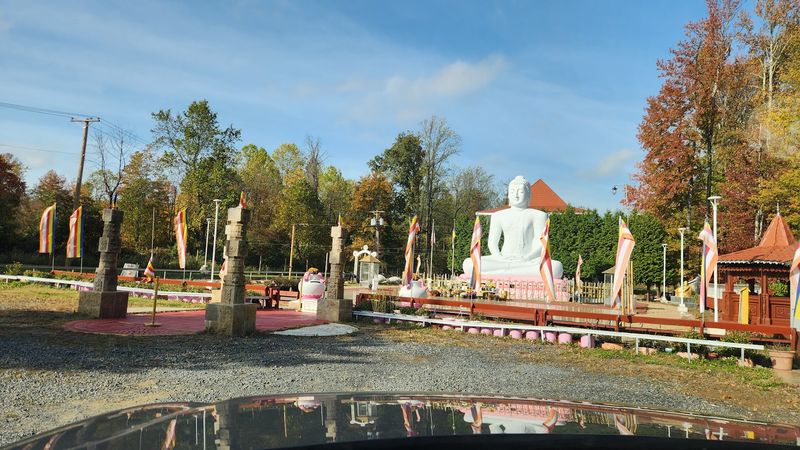
Some people have noted areas around the Vihara that appear unfinished or in need of more upkeep, including outer grounds, garden sections, or materials near the property line. Those comments match the broader picture of a temple property that has been under development and renovation.
That honesty is important because expectations shape the visit. Anyone arriving for a flawless formal garden may focus on the rougher edges, while someone arriving for the statue, worship area, and quiet purpose may see the site differently.
The Vihara appears to be a place where spiritual use and physical improvements are happening at the same time. That combination can make the grounds feel uneven, but it also explains why donations have been encouraged for ongoing projects.
A balanced view serves readers best. New Jersey Buddhist Vihara is memorable, open, and meaningful to many, but it is not a polished resort-style attraction, and that distinction helps visitors arrive with the right mindset.
Why New Jersey Locals Keep Noticing It
Every now and then, New Jersey delivers a roadside surprise that makes the usual jokes about the state feel lazy.
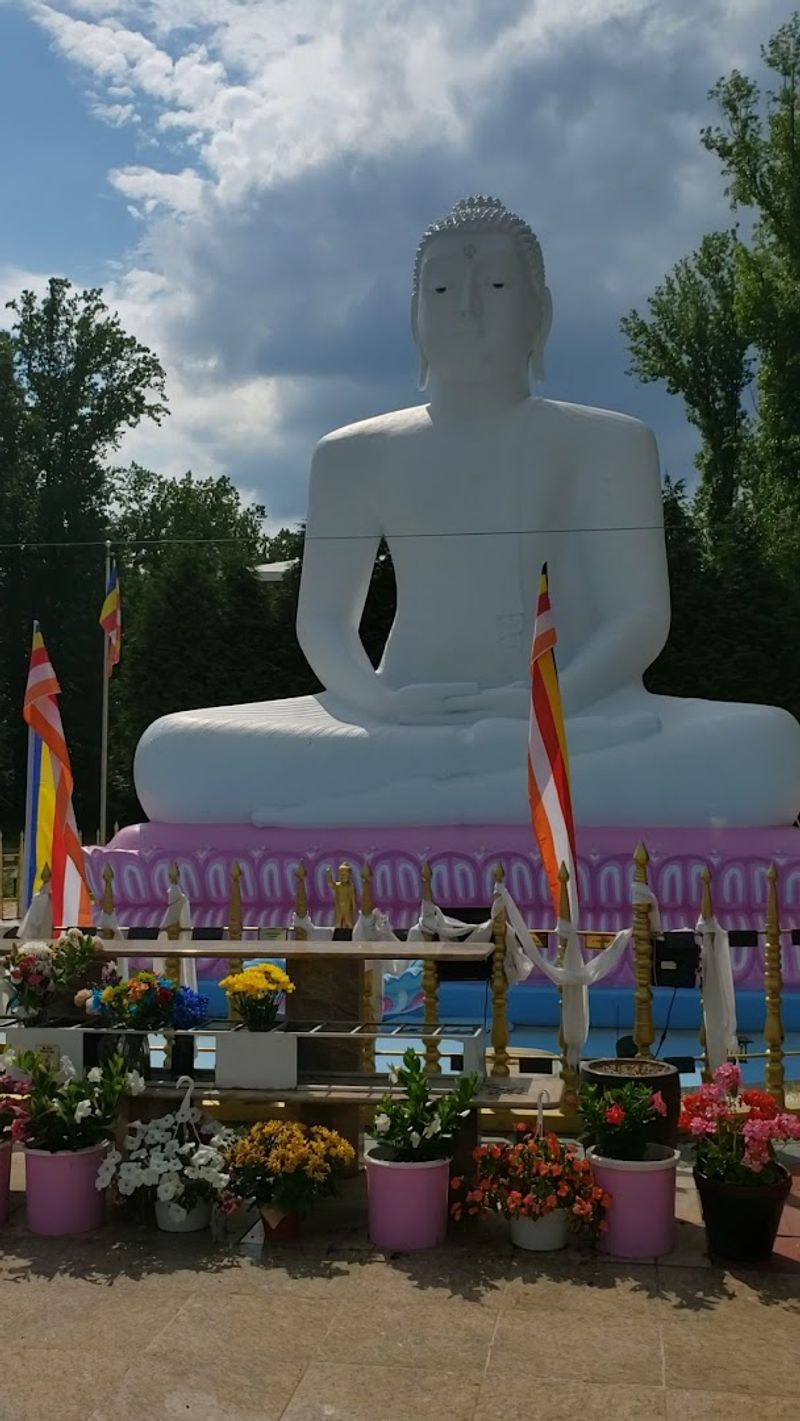
New Jersey Buddhist Vihara works so well as a local discovery because it sits along a normal travel corridor, not in a remote destination zone. Route 27 is familiar ground for many drivers, which makes the presence of a giant Buddha and temple grounds feel even more unexpected.
The Vihara also fits a very New Jersey kind of day trip. It is specific, visitable, and different from the boardwalks, malls, and downtown strolls that often dominate quick outing plans.
For Princeton-area residents and Central Jersey drivers, the temple can be a short stop rather than a complicated journey. For people coming from farther away, it can be paired with other nearby plans, though the Vihara itself should remain the focus while on the grounds.
The appeal is not about pretending New Jersey is somewhere else. It is about recognizing that the state contains layers most people miss when they only look at highways and headlines.
Hours, Access, And Small Practical Details
Practical details may not sound glamorous, but they are the difference between a smooth visit and a confused loop around the driveway.
Google Maps lists New Jersey Buddhist Vihara as open daily from 9 AM to 9:30 PM. Since temple activities, renovations, or special circumstances can affect access, checking the official website before going is a smart move.
The temple has on-site parking, which is helpful because the property sits along Route 27 rather than inside a walkable downtown block. Free access has been mentioned by people who have stopped by, and donations are welcomed to support ongoing work.
Guests should bring the right kind of patience. The grounds may include active development, and some outdoor areas may not look perfectly maintained at all times.
Respectful clothing, quiet behavior, and attention to posted rules are more important than any special gear. Shoes should be removed before entering the worship area by the statue, and phones or photos should not be used inside that space when the signs ask for it.
The visit works best when planned as a calm stop, not a rushed errand with a camera attached.
A Soft Verdict For A Thoughtful Stop
Some places earn attention by being grand, and others earn it by being quietly useful to the people who need them.
New Jersey Buddhist Vihara manages to be both in its own modest way. The 52-foot Buddha gives the property its unforgettable landmark, while the worship area, Native Rain Garden of Interfaith Peace, marked trail, and meditation focus give the visit more depth than a quick roadside glance.
The temple is best for respectful travelers, local residents looking for a different kind of Central Jersey stop, and anyone interested in Buddhist spaces that are open to the public. It also suits people who do not mind a setting that is still developing and may have uneven areas around the grounds.
It is not the right stop for people seeking a polished attraction with a fully curated visitor experience. That expectation would miss what the Vihara actually is: a living religious site with a striking statue, practical access, and a calmer purpose than the road outside.
For New Jersey, that feels like a worthy reminder. The Garden State still has places that ask people to slow down, read the signs, and leave with a little more respect than they brought in.
Share this story