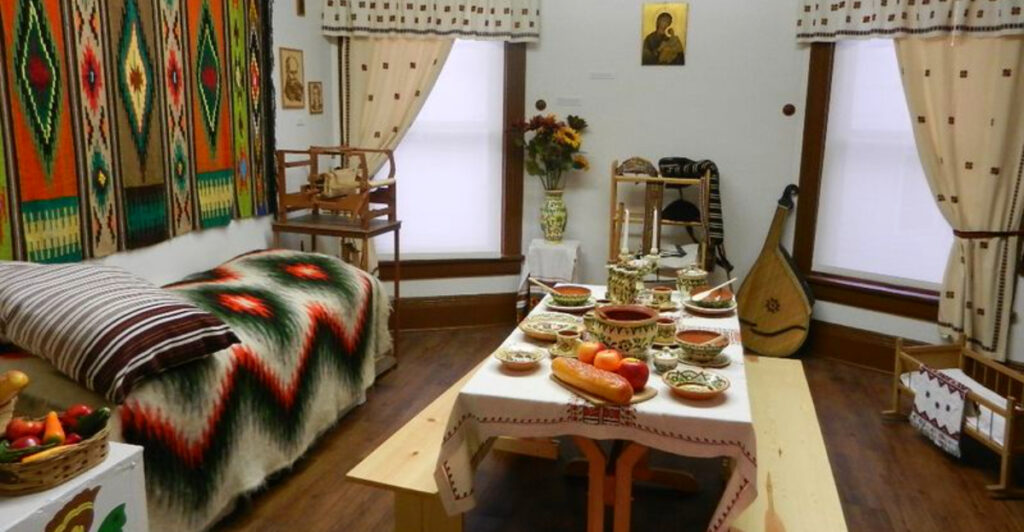
Somewhere in Cleveland, Ohio, there is an old house with creaking wooden floors that holds one of the most remarkable collections of Ukrainian cultural heritage in the entire United States. Most people drive right past it without a second glance, completely unaware that inside those walls are handcrafted Easter eggs, folk tale dioramas, rare archival documents, and artifacts that tell the story of a people who refused to let their identity disappear.
This is not a grand marble institution with a famous name above the door. It is something far more personal, far more powerful, and honestly, far more worth your time.
A Building That Holds More Than You Expect
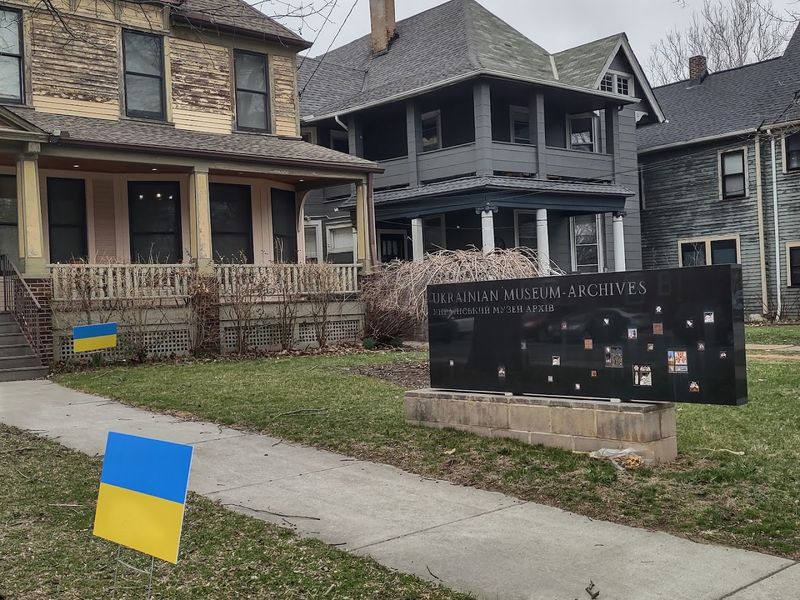
You would never guess from the outside what this building contains. Tucked along Kenilworth Avenue in Cleveland’s historic Tremont neighborhood, the Ukrainian Museum-Archives sits inside a modest older home that has been carefully transformed into a cultural institution unlike anything most visitors have encountered before.
The wooden floors creak underfoot as you move from room to room, and that sound alone adds something genuine to the experience. Nothing here feels sterile or overly curated.
Every corner of this place has been filled with purpose. The Ukrainian Museum-Archives is located at 1202 Kenilworth Ave, Cleveland, OH 44113, and it operates Tuesday through Saturday from 10 AM to 3 PM.
Admission is donation-based, which means anyone curious enough to show up can walk through the door without worrying about the cost. That kind of accessibility says a lot about the spirit of this place.
The Archive That Started It All
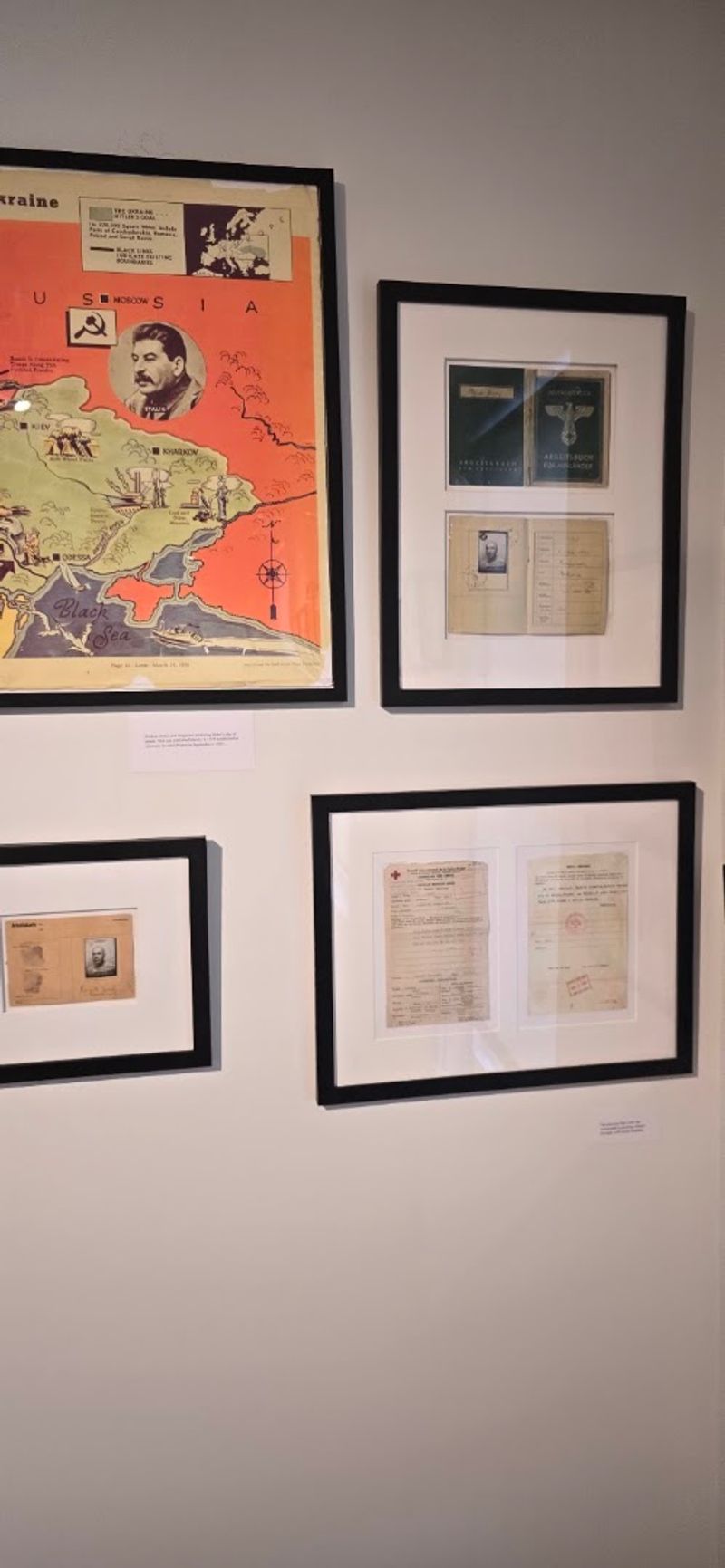
Long before the exhibits were arranged and the display cases were filled, there was an archive. The collection built largely through the efforts of Andrew Fedinsky became one of the most significant repositories of Ukrainian-language materials in North America.
Inside these holdings are newspapers, photographs, letters, and records that document Ukrainian life in America going back generations. For researchers tracing family history or scholars studying the Ukrainian diaspora, this archive is genuinely irreplaceable.
What makes it especially meaningful is that so much of this material would have been lost entirely without deliberate preservation efforts. Ordinary community documents, local branch records, and personal photographs from Ukrainian National Association chapters are part of what lives here.
Seeing physical proof of how deeply Ukrainian immigrants built their lives into American communities gives the archive an emotional weight that no digital database could replicate.
Pysanky: The Art Form That Stops Visitors Cold
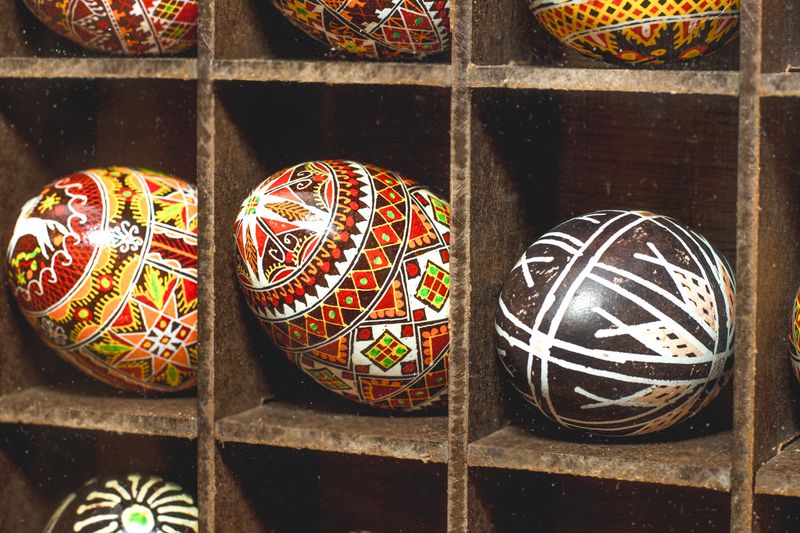
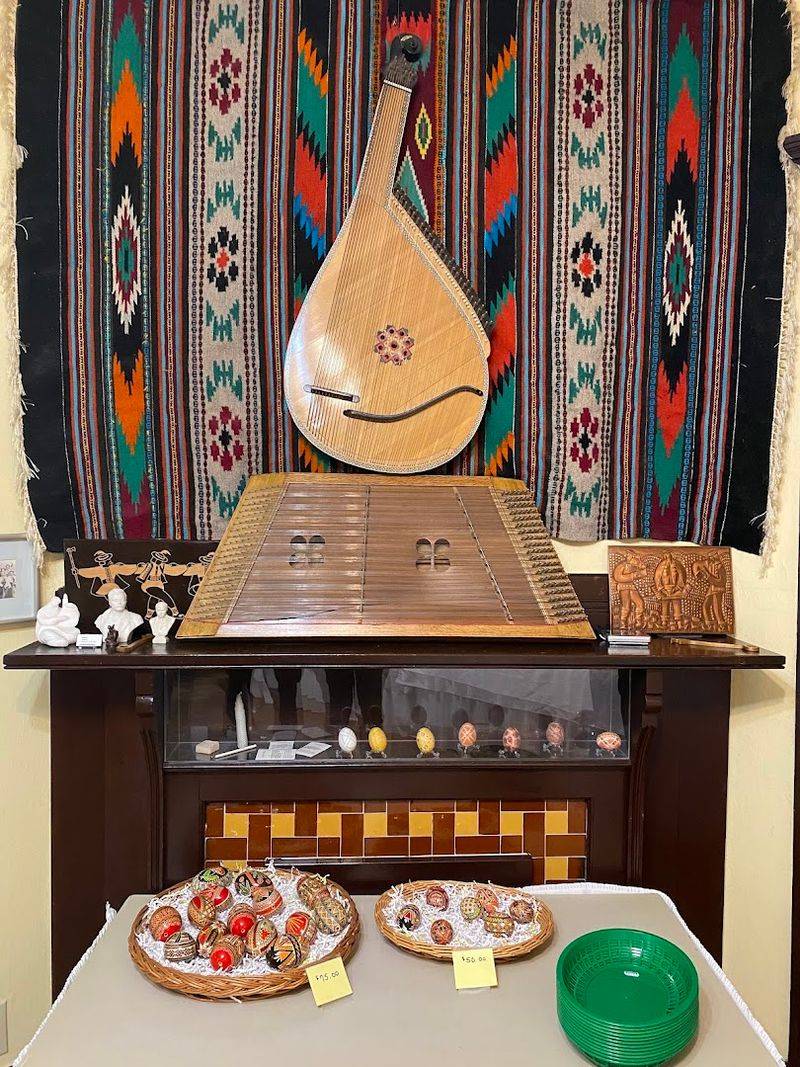
Few things in this museum produce the same reaction as the Pysanky collection. These are traditional Ukrainian Easter eggs decorated using a wax-resist method, and the level of detail packed onto a single egg is genuinely hard to process at first glance.
Every line, every symbol, every color combination carries cultural meaning passed down through generations. Some of the eggs on display feature patterns so fine they look like they were drawn with a machine rather than a human hand.
The craft of Pysanky is centuries old, and the museum holds examples that range from classic regional styles to more contemporary interpretations. Seeing them arranged together in a case, each one different from the next, makes you stop and actually look.
This is the kind of exhibit that turns a casual visitor into someone who wants to know everything about Ukrainian folk art tradition.
The Chornodolsky Folk Tale Dioramas
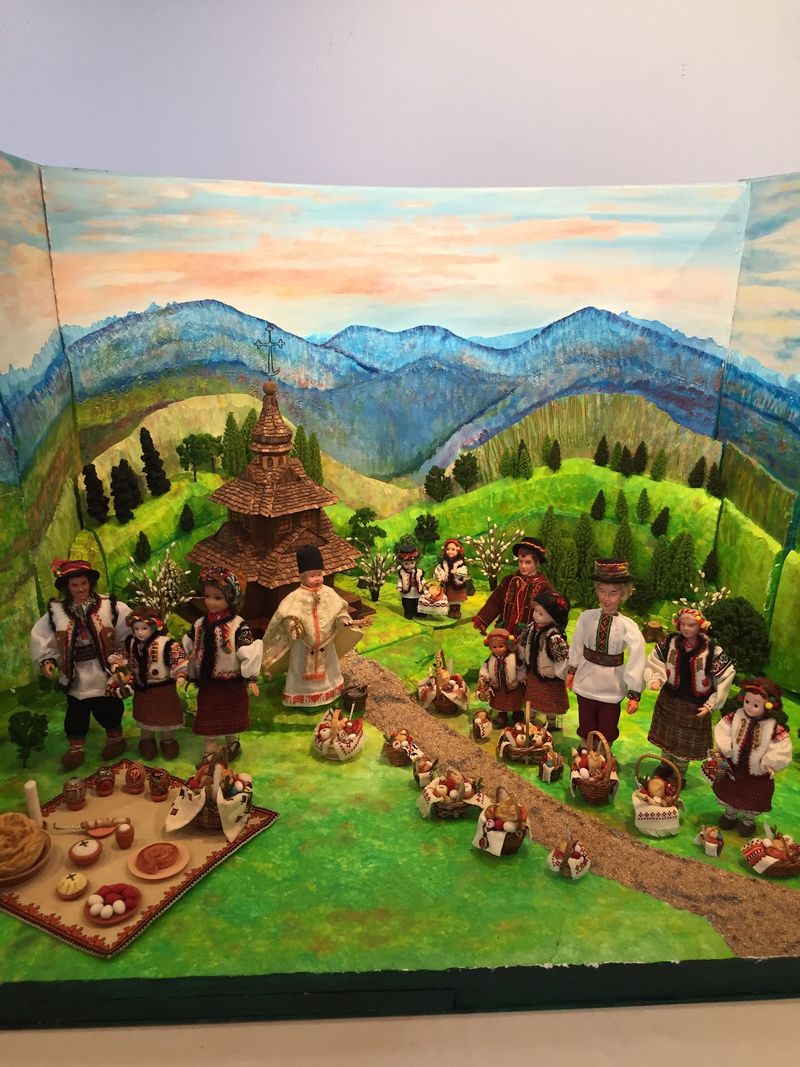
One exhibit that visitors consistently mention is the Chornodolsky Folk Tale Dioramas. These are hand-built miniature scenes depicting traditional Ukrainian folk stories, and they carry the kind of craftsmanship that makes you lean in close to study every tiny detail.
Each diorama tells a piece of a larger cultural narrative, connecting viewers to a storytelling tradition that stretches back long before modern media existed. The figures, the settings, and the colors all feel deliberate and deeply considered.
What is striking about this exhibit is how it makes Ukrainian folklore tangible for people who may have no prior connection to it. You do not need to know the stories beforehand to feel the care that went into each scene.
Children find them fascinating for entirely different reasons than adults do, which makes this one of the more universally engaging displays the museum offers.
Traditional Clothing and the Heritage Room
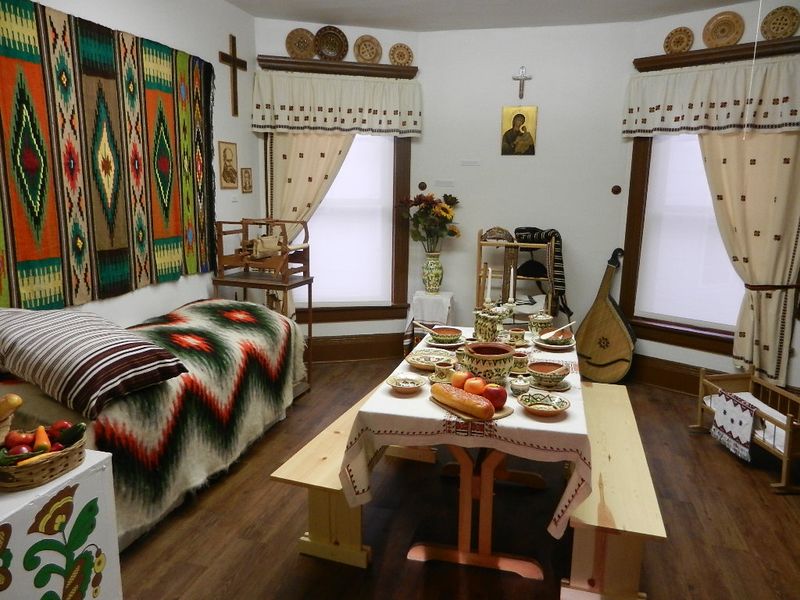
One of the most immersive spaces in the entire building is the heritage room, arranged to resemble a traditional Ukrainian household. Embroidered garments hang alongside woven textiles, and the overall effect is surprisingly transportive given the modest scale of the space.
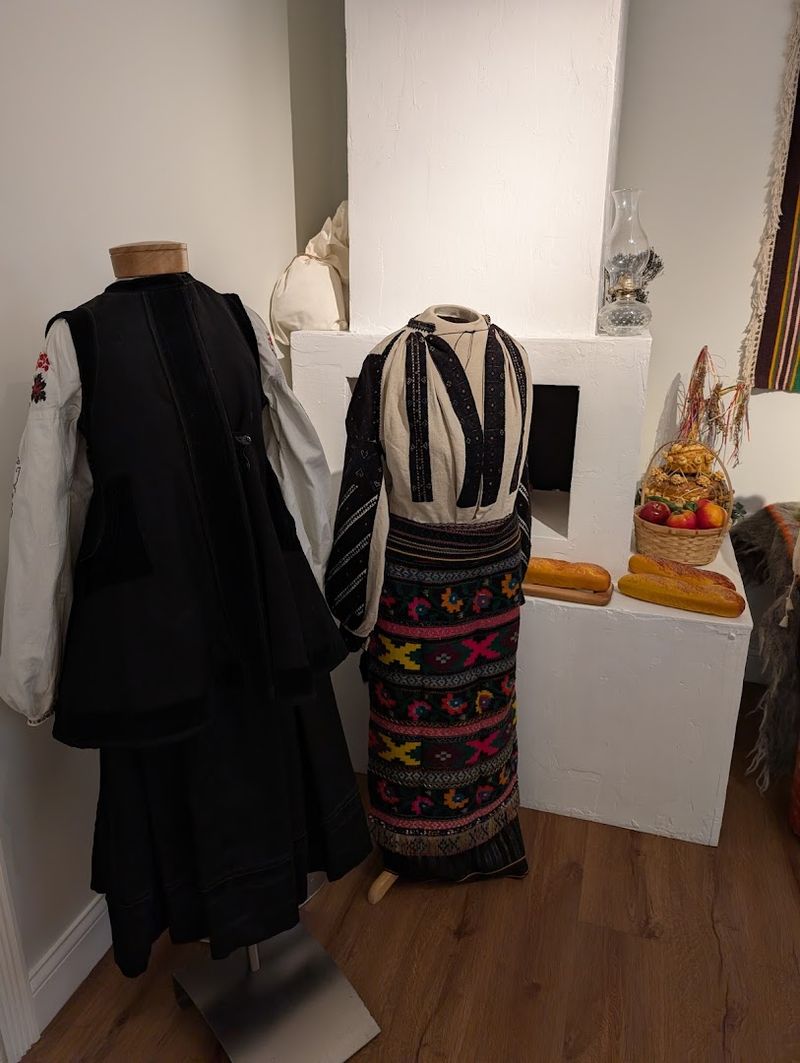
The traditional clothing on display reflects regional variations from across Ukraine, showing how different areas developed their own distinct embroidery patterns and color palettes. These are not reproductions.
Many of the garments are authentic pieces brought over by Ukrainian immigrants who carried them across the Atlantic as some of their most valued possessions.
Standing in that room and looking at clothing that once belonged to real people who made the journey to America adds a layer of meaning that is hard to put into words. The heritage room manages to make history feel personal rather than distant, which is exactly what the best museum exhibits are supposed to do.
Ukrainian Immigration and the Story of Cleveland’s Community
Cleveland has one of the oldest and most established Ukrainian communities in the United States, and this museum tells that story with care and specificity. The exhibits trace how Ukrainian immigrants arrived, where they settled, how they organized, and how they maintained their cultural identity across generations.
Documents from local Ukrainian National Association branches give the history a granular quality that broader immigration narratives often miss. You see individual names, individual faces, individual contributions rather than a generalized wave of arrivals.
What comes through most clearly is how intentional this community was about preserving who they were. They built churches, cultural organizations, and institutions specifically so that future generations would not have to piece together their heritage from fragments.
The museum itself is a direct result of that same instinct. Knowing that context changes how you experience every object and document on display throughout the building.
The Art Gallery That Changes the Conversation
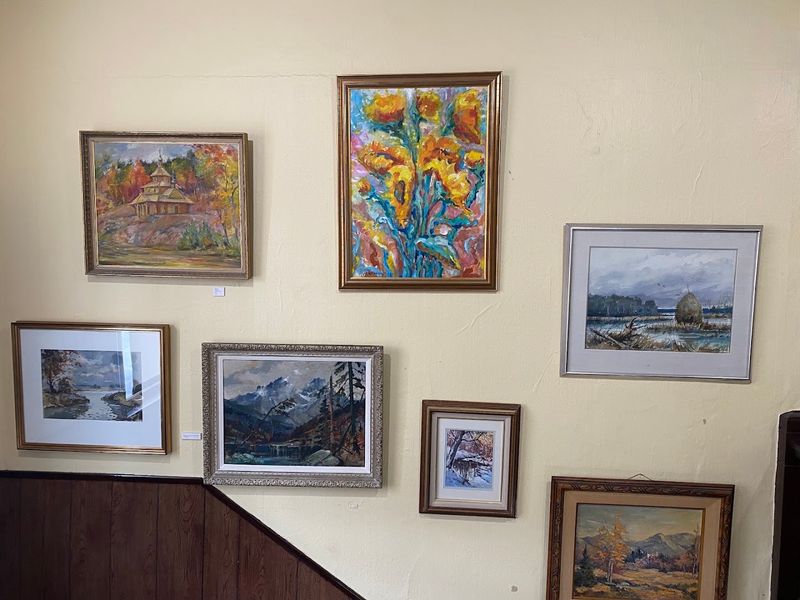
Beyond the historical artifacts and archival materials, the museum also maintains an active art gallery space that features work by Ukrainian and Ukrainian-American artists. This is not a static display.
The gallery rotates exhibitions and has hosted artists working in a wide range of styles and media.
One notable past exhibition featured mandala-inspired works by an artist who also performed as a violinist with the Lviv National Orchestra. That combination of visual and musical identity in a single person’s story captures something essential about the layered lives of artists who carry more than one cultural home.
The gallery space adds a living dimension to the museum that keeps it from feeling like a place frozen in the past. Ukrainian culture is presented here as something ongoing, evolving, and actively created rather than simply preserved behind glass.
That distinction matters enormously for how the museum connects with younger visitors.
Political History and the Weight of Resilience
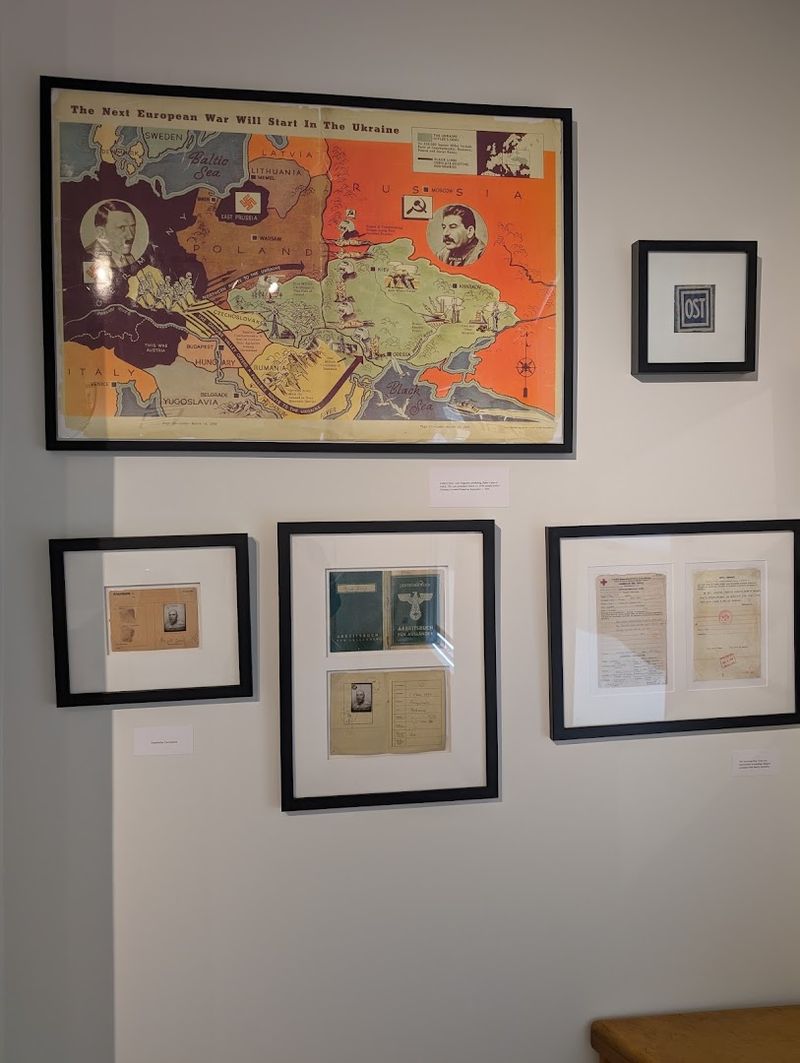
Ukrainian history is not a simple story, and this museum does not pretend otherwise. The exhibits address the political struggles Ukraine has faced across centuries, including periods of occupation, cultural suppression, and the ongoing fight for sovereignty that continues to shape the country today.
For visitors with Ukrainian ancestry, moving through these displays can be genuinely emotional. Seeing the arc of what their families survived and what they carried with them into new lives in America puts the entire collection in a different light.
For visitors with no personal connection to Ukraine, the political history exhibits provide essential context. Understanding what Ukrainian people have endured makes the survival of their cultural traditions feel like an act of collective defiance rather than simple custom.
The museum presents this history without sensationalism but with complete honesty, which makes it far more affecting than a more cautious approach would allow.
Cross-Stitch and Textile Arts That Demand a Second Look
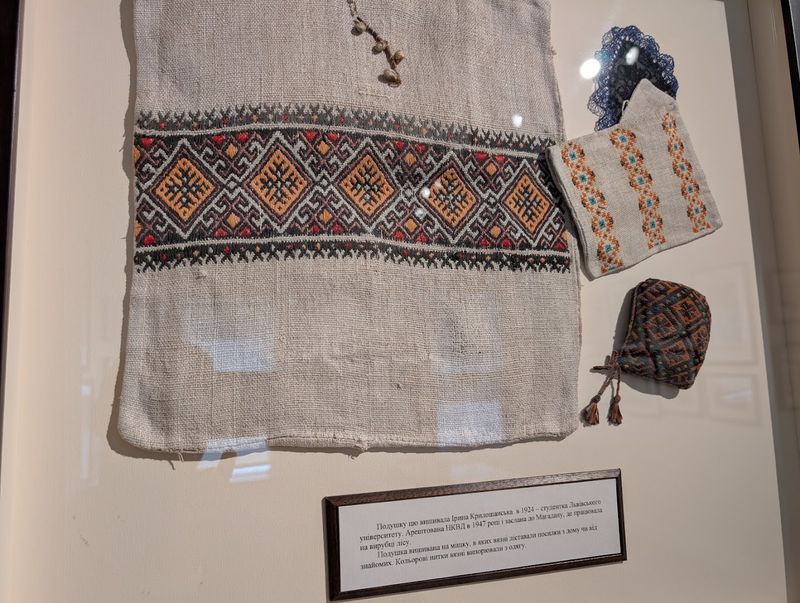
The cross-stitch and embroidery pieces in this collection are extraordinary in a way that photographs simply cannot capture. These are works that require sustained attention because the closer you look, the more complexity you find.
Ukrainian embroidery traditions vary significantly by region, and the museum’s collection reflects that diversity. Patterns that originated in one part of the country look entirely different from those developed just a few hundred kilometers away, and those regional distinctions are part of what makes the textile holdings so valuable.
Each piece was completed entirely by hand, often over months of careful work. Knowing that changes how long you stand in front of each display.
What might initially read as decoration reveals itself as a sophisticated visual language carrying information about identity, region, and occasion. The textile arts on display here deserve at least as much attention as the museum’s more widely discussed Pysanky collection.
The Gift Shop Worth Browsing Slowly
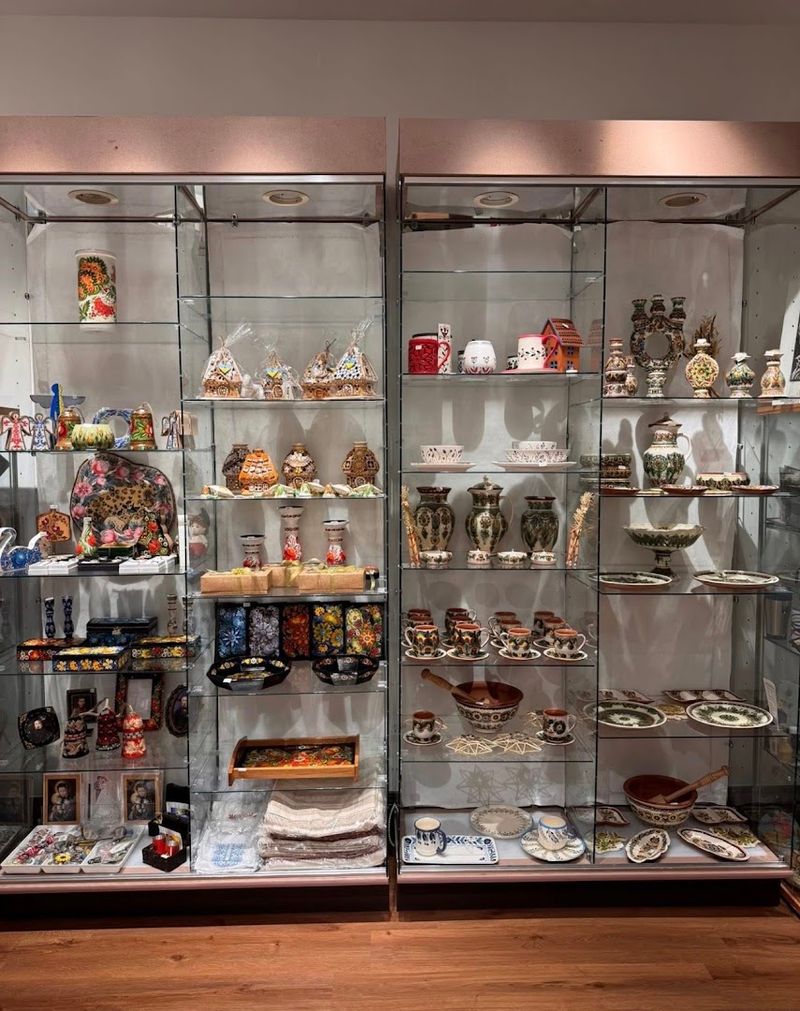
Museum gift shops often feel like afterthoughts, but this one is genuinely worth your time. The selection focuses on Ukrainian-style handcrafted items and culturally meaningful objects rather than generic souvenirs, and the quality reflects the same attention to craft that runs through the museum itself.
Visitors have found embroidered goods, decorative Pysanky, folk art prints, and other items that connect directly to what they just saw inside the exhibits. That continuity makes the shopping experience feel like an extension of the visit rather than a commercial detour.
Past visitors have also mentioned pierogies being available for purchase, which adds a warm and unexpected dimension to the experience. Whether you are looking for a meaningful gift or simply want something to take home that carries a real story behind it, the gift shop offers options that are harder to find anywhere else in the region.
What a Personal Tour Reveals That You Would Otherwise Miss
Walking through the museum on your own gives you one experience. Taking a personal guided tour gives you something considerably richer.
The staff at the Ukrainian Museum-Archives are knowledgeable about the collection in a way that goes well beyond reading the labels on display cases.
A guide can point out details that are easy to overlook, explain the cultural significance behind objects that might otherwise seem purely decorative, and connect individual artifacts to broader historical moments. That kind of contextual layering transforms the visit from an hour of looking into an hour of genuinely understanding.
For first-time visitors especially, requesting a tour is worth the extra time. The museum’s scale is manageable enough that a guided walkthrough does not feel overwhelming, and the added depth it provides makes everything you see afterward land with more weight.
Most visitors who take the tour say afterward that they wish they had more time to stay.
Why This Place Deserves a Much Wider Audience
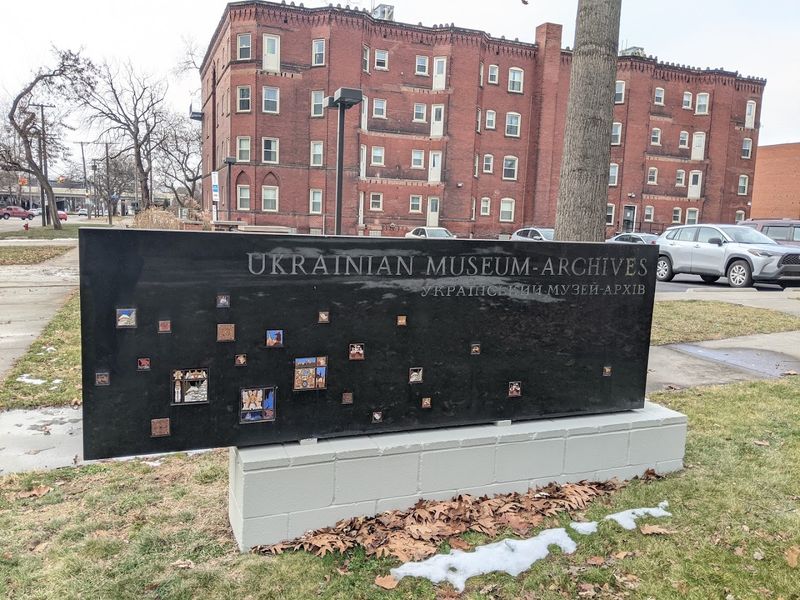
There is a particular kind of cultural institution that punches well above its weight, and the Ukrainian Museum-Archives is exactly that. The collection it holds, the archive it maintains, and the community it serves all represent something far larger than the building’s modest footprint suggests.
For anyone interested in immigration history, folk art, Eastern European culture, or simply the ways communities preserve identity across generations, this museum offers a depth of material that larger institutions rarely match. The fact that it operates on a donation basis and keeps its doors open to anyone who shows up reflects a genuine commitment to accessibility over prestige.
Cleveland’s Ukrainian heritage is one of the city’s quieter stories, but it is also one of its most enduring. This museum makes that story visible, tangible, and worth knowing.
If you find yourself in northeastern Ohio, making time for this stop is one of those decisions you will not second-guess afterward.
Share this story