Most people visit the Minnesota State Fair for the food on a stick and the midway rides, but there is one building that keeps drawing people back for a completely different reason. Inside a large exhibit hall, you can wander through a lush indoor garden, taste flights of water, play an eco-themed bingo game, and walk away with real ideas for living greener.
It is one of the most surprising and genuinely educational stops at the entire fair. Whether you are a curious kid or a seasoned fair-goer, this spot offers something you probably did not expect to find among the corn dogs and carnival games.
What the Eco Experience Actually Is
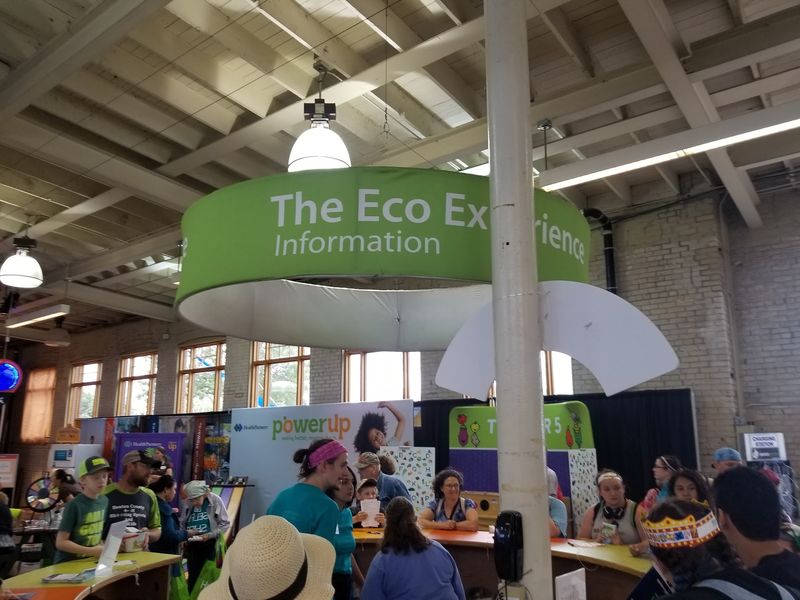
Not every state fair building can claim to double as a garden and a classroom at the same time. The Eco Experience at the Minnesota State Fair, located at 1615 Randall Ave, Falcon Heights, MN 55108, is a free indoor exhibit that runs every year during the fair’s 12-day run.
The building brings together exhibits from the Minnesota Pollution Control Agency, local businesses, and nonprofits, all focused on environmental topics that affect everyday life. Topics have included solid waste, renewable energy, water conservation, healthy food, and public transportation.
What makes it stand out from other fair buildings is the hands-on, interactive approach. You are not just reading signs on a wall.
You are tasting water, playing games, and picking up tips you can actually use at home the very next day.
The Indoor Garden That Stops You in Your Tracks
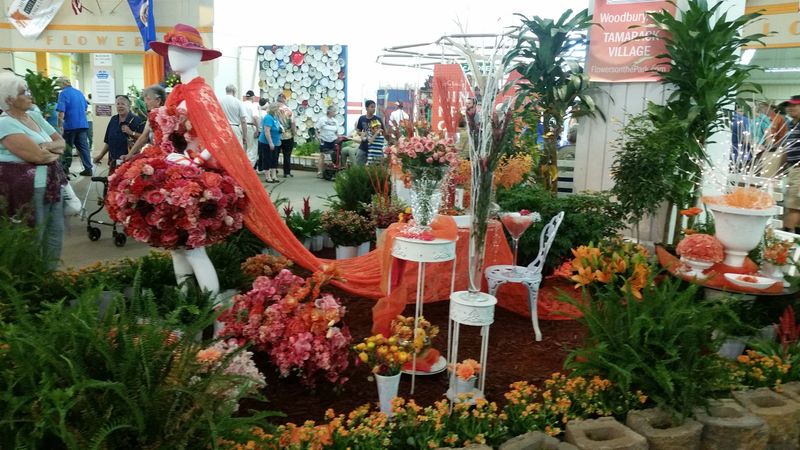
Walking into a building and suddenly finding yourself surrounded by growing plants is not something most fair-goers expect. The Eco Experience features a garden-style interior that creates a calm, refreshing break from the noise and heat outside.
The greenery is not just decorative. It connects directly to exhibits about healthy food systems, urban gardening, and sustainable agriculture.
Visitors can see how plants grow and why that matters for the food on their plates.
For families with young children, the garden area is especially popular because kids can get up close to real plants in a setting that feels more like a nature center than a fair building. The combination of visual beauty and practical learning is exactly what makes this corner of the fairgrounds feel so different from everything else around it.
The Water Taste Test That Surprises Everyone
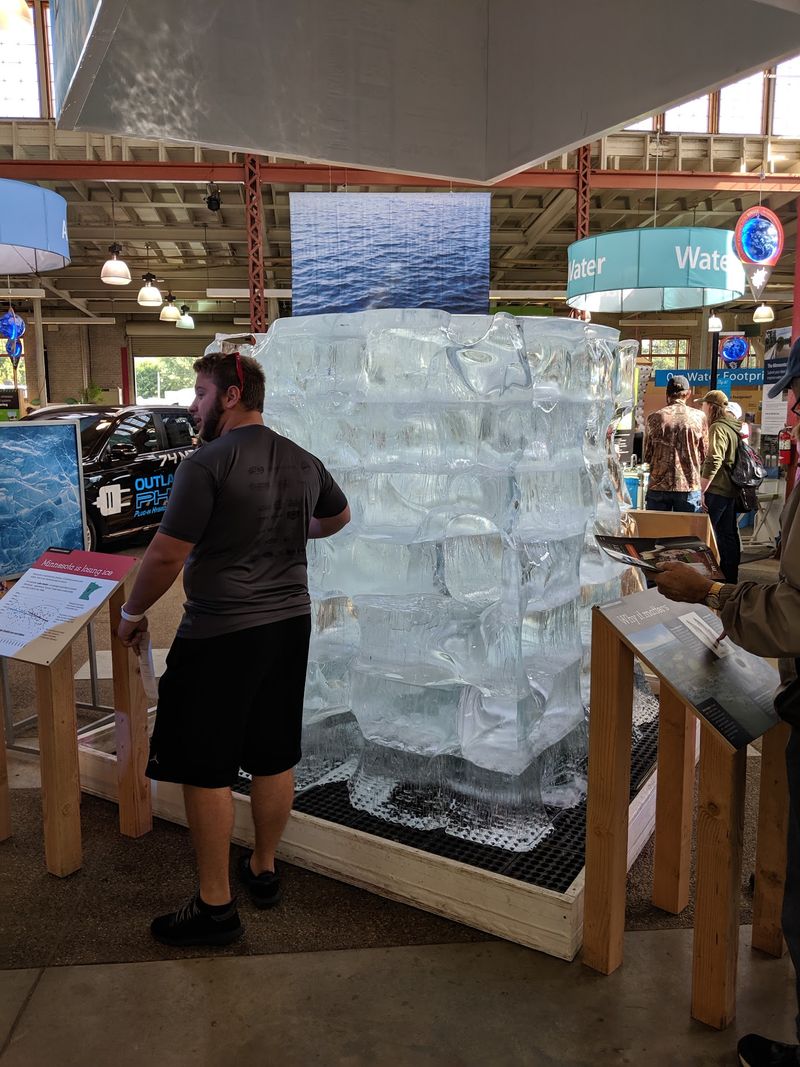
One of the most talked-about activities inside the Eco Experience is the water taste test, and it is exactly what it sounds like. Visitors are invited to sample small flights of water from different sources and guess which one tastes best.
It sounds simple, but the results genuinely catch people off guard. Many visitors discover they cannot reliably tell the difference between tap water and filtered water, which sparks real conversations about water quality and conservation in Minnesota.
The exhibit ties directly into broader themes about how communities use and protect freshwater resources. Minnesota sits atop an enormous amount of fresh water, so the topic carries real local relevance.
By the time you finish your last sip, you will likely think about water in a way you never did before walking through those doors.
Free Samples and Sustainable Food Education
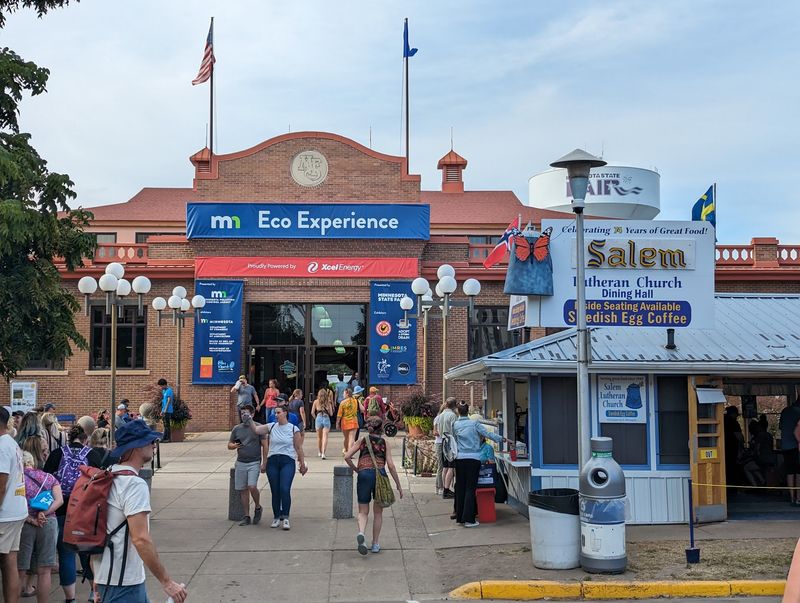
Free food at the state fair is not exactly a rare concept, but free organic food samples inside an eco exhibit is a different story entirely. The Eco Experience has featured local organic chef food samples and free coffee from Peace Coffee, a Minneapolis-based fair trade roaster.
These samples are not just tasty giveaways. They connect to a larger conversation about where food comes from, how it is grown, and what sustainable eating actually looks like in a practical sense.
Visitors can ask questions directly to the people serving the food.
The experience bridges the gap between abstract environmental concepts and the very real choices people make three times a day at the dinner table. Tasting locally sourced food in that context makes the message land in a way that a poster or pamphlet simply cannot replicate.
Renewable Energy Exhibits That Make the Future Feel Real
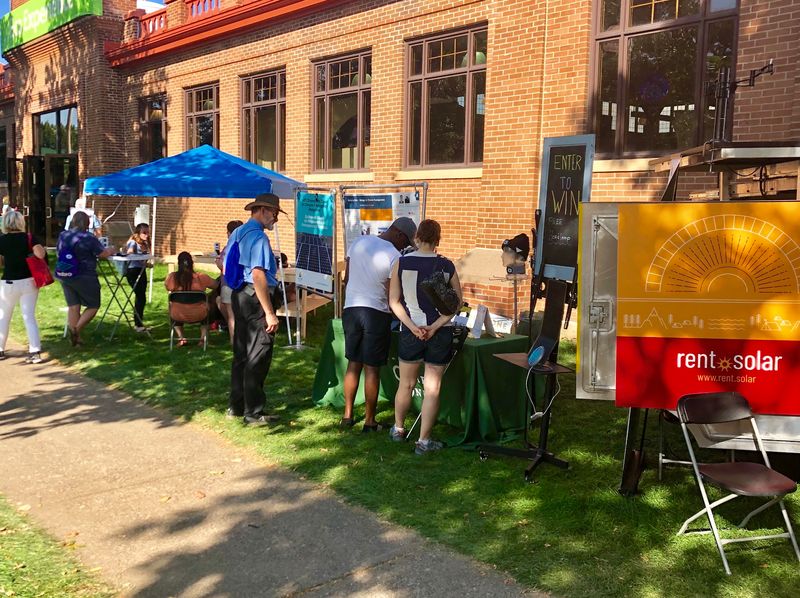
The energy section of the Eco Experience is one of the most visually engaging parts of the building. Exhibits have covered solar power, wind energy, and other carbon-free electricity sources in ways that go well beyond the typical poster-on-a-wall approach.
Visitors can interact with models and displays that explain how different energy technologies work and why they matter for Minnesota’s future. The exhibits are designed to be accessible to people who have never thought much about kilowatts or carbon footprints before.
What stands out is how the exhibits connect global energy topics to local Minnesota life. The state has invested significantly in wind energy, and seeing that reflected in the fair exhibits makes the information feel grounded and relevant.
By the time you leave this section, clean energy stops feeling like a distant concept and starts feeling like something your own community is already part of.
Water Conservation Displays With Real Local Impact
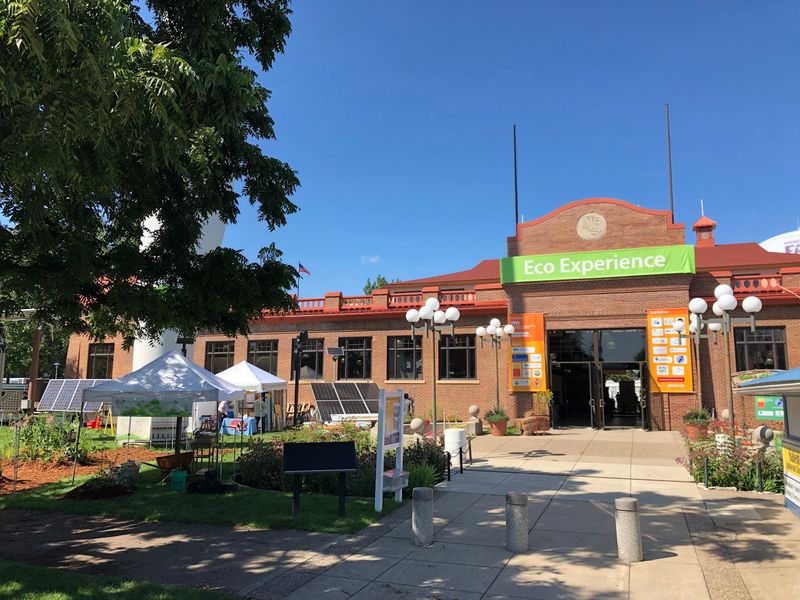
Minnesota is known as the Land of 10,000 Lakes, so it makes sense that water conservation holds a special place inside the Eco Experience. The water-related exhibits go deep into topics like quality, usage, and the health of local watersheds.
Past exhibits have explored how everyday household choices affect the water supply, from the products people pour down the drain to how lawns are watered during dry summers. The information is specific enough to feel actionable rather than overwhelming.
One particularly memorable exhibit taught visitors how to protect white pine trees from blister rust using sulfur, a detail that stuck with fairgoers long after they left the building. That kind of hyper-local, practical knowledge is exactly what separates this exhibit from a generic environmental awareness campaign.
The water content here feels personal because it is about Minnesota’s own backyard.
Solid Waste and Recycling Exhibits That Change Habits
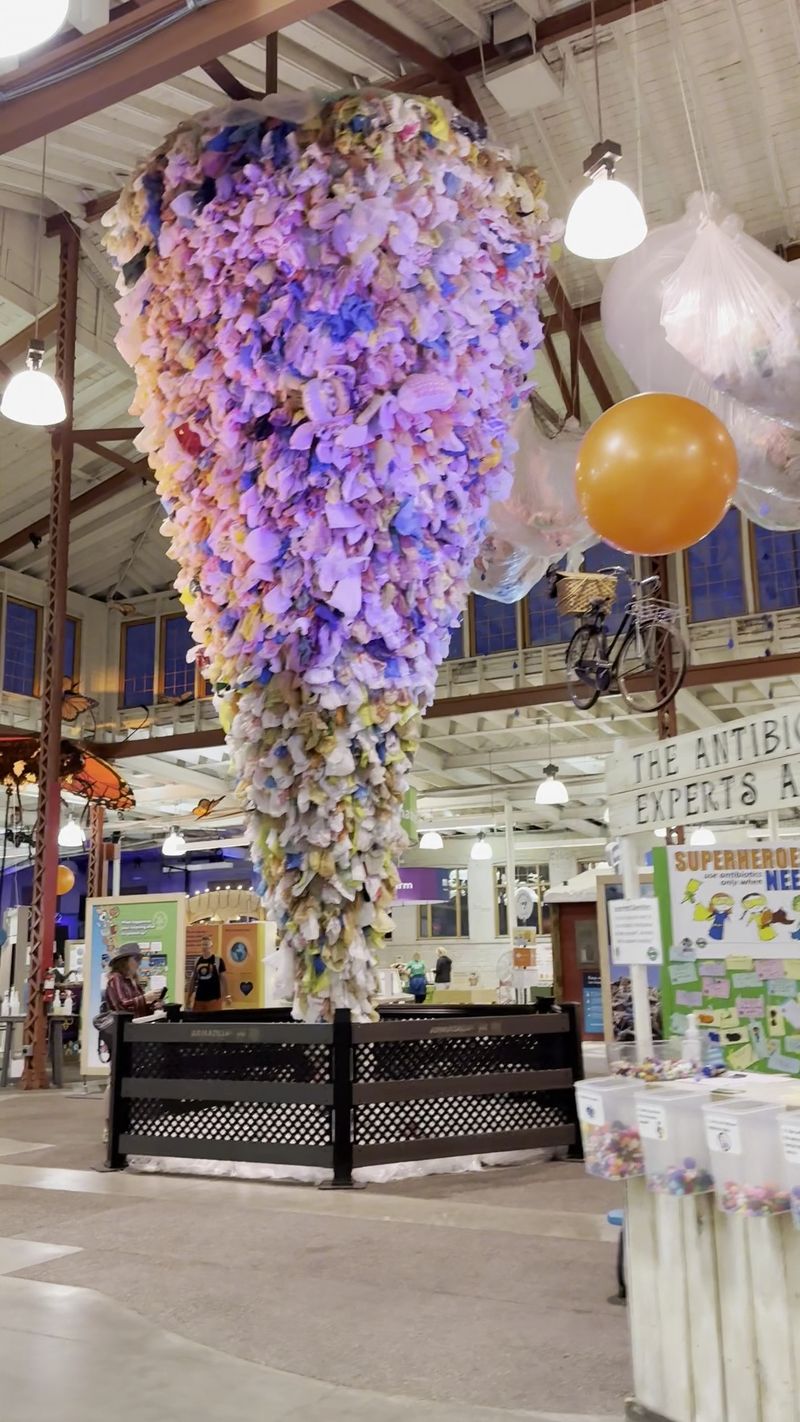
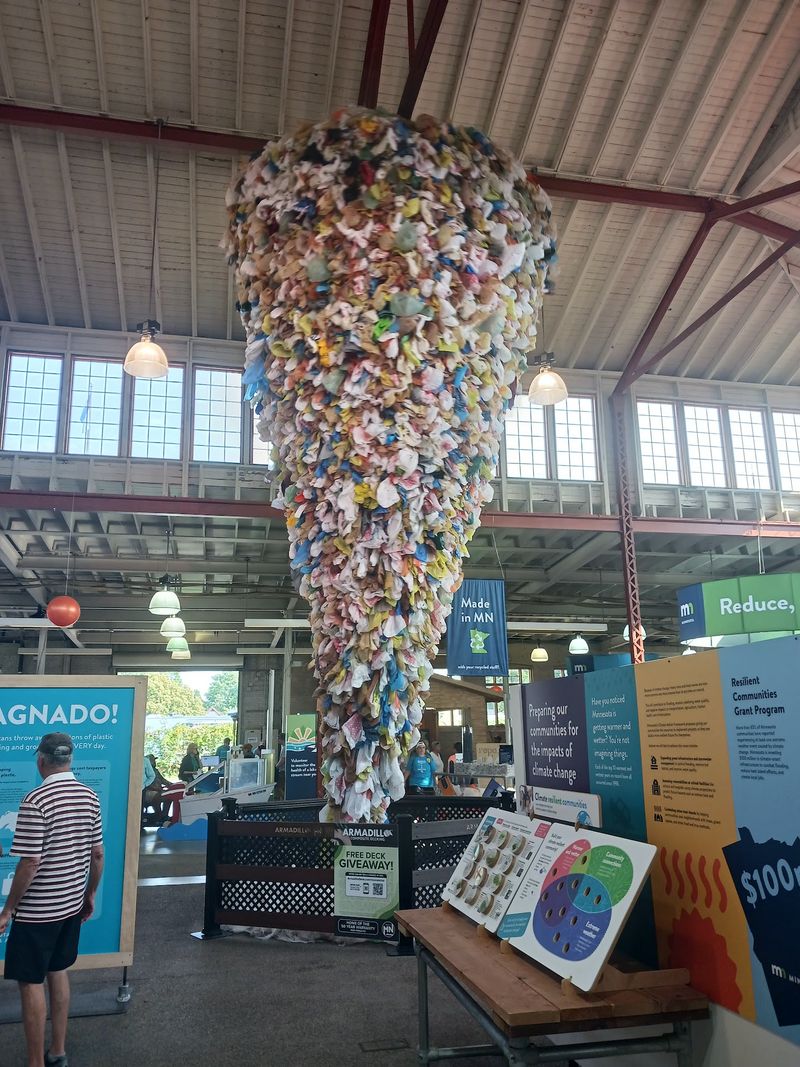
Recycling is one of those topics most people think they already understand, until they walk through the solid waste section of the Eco Experience and realize how much they did not know. Exhibits in this area have covered everything from organics recycling to the lifecycle of everyday products.
In some fair years, the building has offered organics recycling stations so fair visitors can actually compost their food waste on the spot rather than sending it to a landfill. That hands-on participation makes the exhibit feel like more than just a display.
The clothing and food waste sections are especially eye-opening. Most people have no idea how much textile waste is generated annually or how far a single meal travels before reaching a plate.
Walking through this part of the building tends to leave visitors rethinking their shopping habits in a genuinely meaningful way.
A Cool Retreat on the Hottest Fair Days
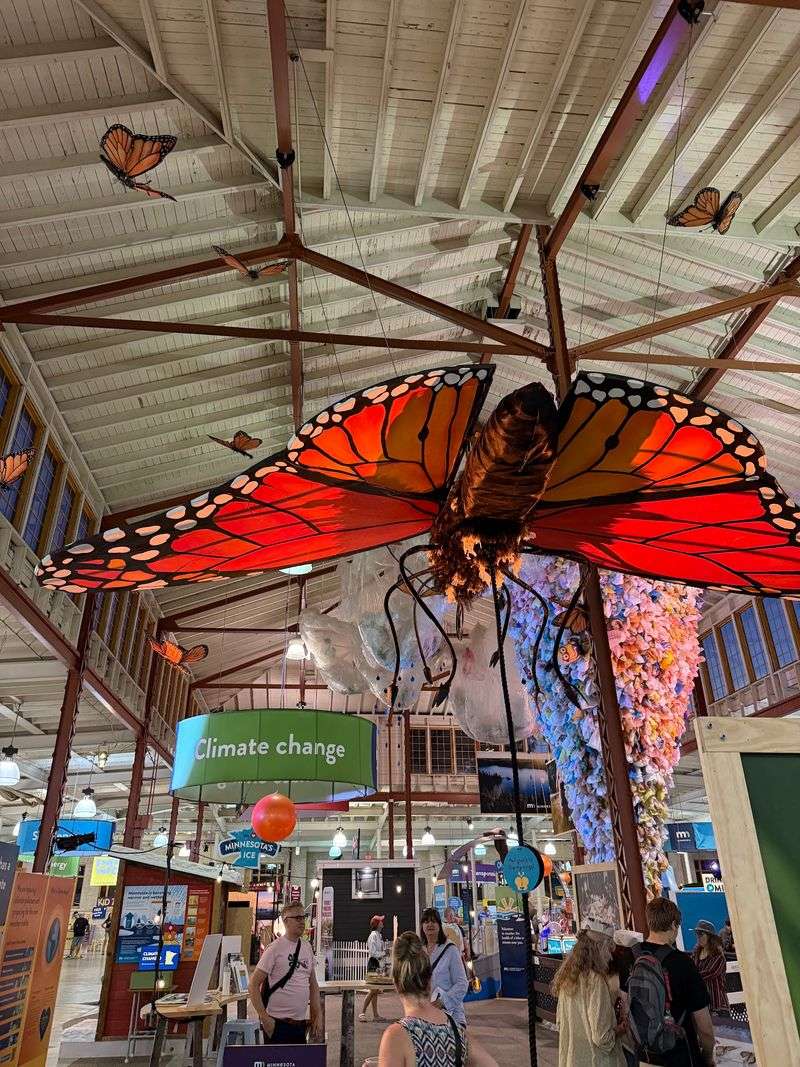
August in Minnesota can get genuinely hot, and the Minnesota State Fair runs right through the peak of summer heat. The Eco Experience has earned a loyal following partly because the building is air-conditioned and equipped with large fans that make it one of the most comfortable spots on the fairgrounds.
There are also water bottle refill stations inside, which fairgoers who want to avoid buying single-use plastic bottles appreciate enormously. On a sweltering afternoon, having a clean, cool place to sit, refill your water, and slow down for a few minutes is a genuine gift.
The building’s restrooms are also a draw since the lines tend to be much shorter than elsewhere on the grounds. It may sound like a small thing, but on a busy fair day with a family in tow, a quick restroom stop without a 20-minute wait feels like a luxury.
Minnesota Pollution Control Agency Exhibits Up Close
One of the anchor presences inside the Eco Experience is the Minnesota Pollution Control Agency, which staffs multiple exhibits each year. Having an actual state agency on the fair floor is unusual, and it gives the building a level of credibility that generic environmental displays often lack.
Agency staff and volunteers are on hand to answer questions, explain data, and talk through the science behind topics like air quality, water testing, and chemical safety. The conversations that happen at these booths tend to go deeper than what visitors might expect from a fair exhibit.
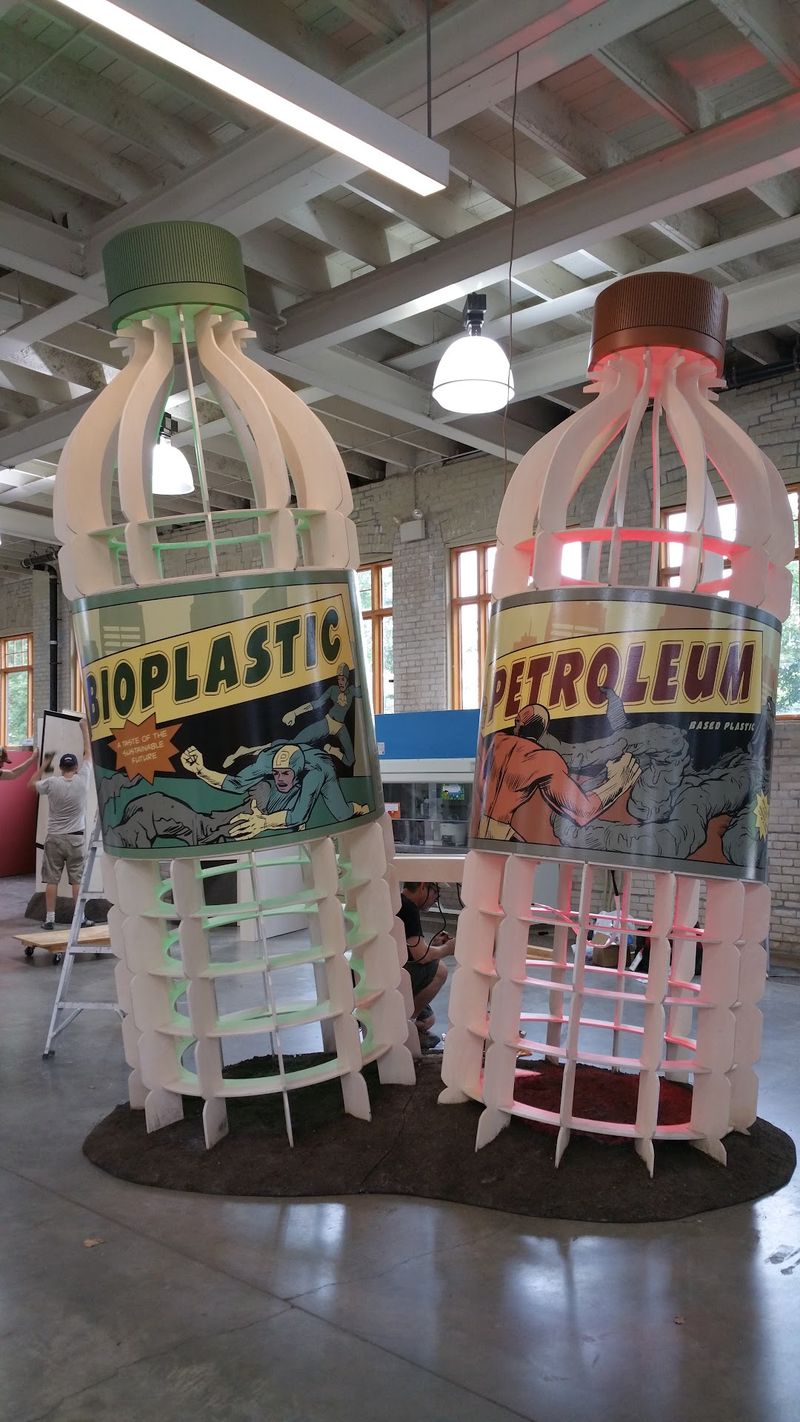
Past exhibits have included information on new chemistry approaches to changing how plastics are manufactured, a topic that sounds technical but becomes surprisingly fascinating when explained by someone who works on it professionally. The agency’s presence turns the Eco Experience into a genuine public education resource rather than just an interesting building to walk through.
Why Locals Keep Coming Back Every Single Year
The Minnesota State Fair runs for 12 days every year, and plenty of Twin Cities families visit more than once. The Eco Experience is one of the buildings that regulars specifically plan to revisit because the exhibits change from year to year.
Each season brings updated information, new interactive displays, and fresh topics tied to current environmental conversations. Visitors who came for the water taste test one year might return the next to find a completely new exhibit on urban tree canopy or soil health.
That rotating content keeps the building from feeling stale even for people who have visited a dozen times. Long-time fair attendees often describe the Eco Experience as one of those places that consistently delivers something worth thinking about, which is a high bar to clear when you are competing with fried cheese curds and giant slides for people’s attention.
Planning Your Visit to the Eco Experience
The Eco Experience is free to enter with your Minnesota State Fair admission, so there is no extra cost to explore everything inside. The building is open daily during the fair’s run each August and early September.
The exhibit tends to be most manageable in the morning before the fairgrounds reach peak crowd levels. Bringing a reusable water bottle is a smart move since the refill stations inside are convenient and free.
Comfortable shoes help too, since the building is large enough that you will cover real ground moving from booth to booth.
Families with children of all ages will find the space welcoming and easy to navigate. The bingo cards are available near the entrance and are a great way to structure your visit.
Even if you only have 30 minutes to spare, the Eco Experience is worth making room for in your fair day plans.
Share this story