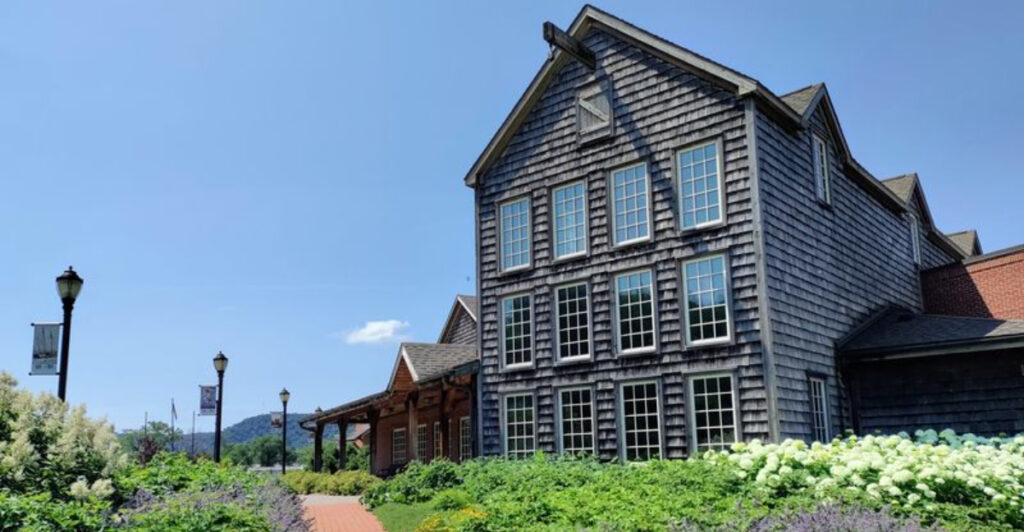
Most people don’t expect to find original paintings by Claude Monet, Pablo Picasso, and Vincent van Gogh in a small river town in Minnesota. Yet tucked along the banks of the Mississippi River, one remarkable museum quietly holds a collection that rivals galleries in major American cities.
The Minnesota Marine Art Museum in Winona, Minnesota has been quietly stunning visitors for years, and word is finally getting out. Here is a closer look at what makes this place so extraordinary and why it deserves a spot on every art lover’s travel list.
A World-Class Collection Nobody Expects to Find Here
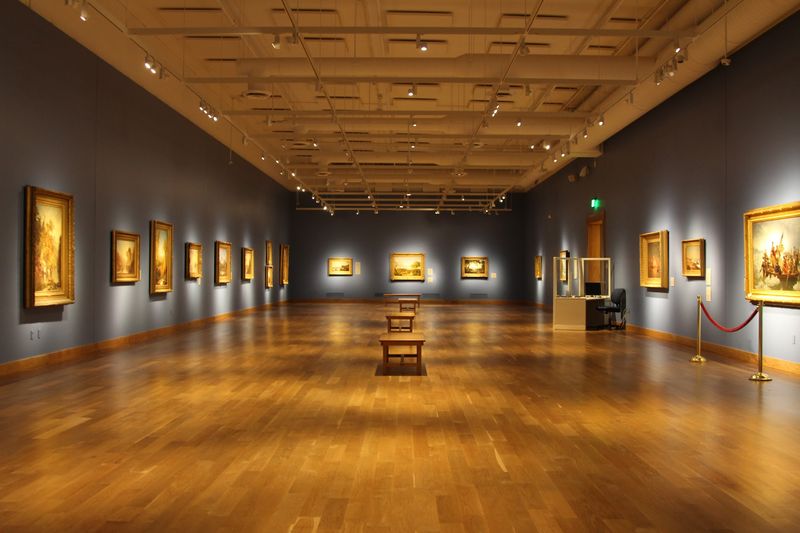
There is something almost surreal about standing in front of an original Claude Monet in a town of roughly 25,000 people. The Minnesota Marine Art Museum, located at 800 Riverview Dr, Winona, MN 55987, holds verified original works by Monet, Pablo Picasso, and Vincent van Gogh, among other internationally recognized masters.
For most visitors, the collection comes as a genuine shock. These are not prints or reproductions.
These are authenticated originals, displayed in spacious, well-lit galleries that let each piece breathe.
The museum’s focus ties every artwork to the theme of water, which gives the collection a surprisingly cohesive feel despite the range of artists and time periods represented. Seeing a Van Gogh in this context, connected to rivers, seas, and the natural world, adds a layer of meaning that larger encyclopedic museums often miss.
The Mississippi River Setting That Frames Everything
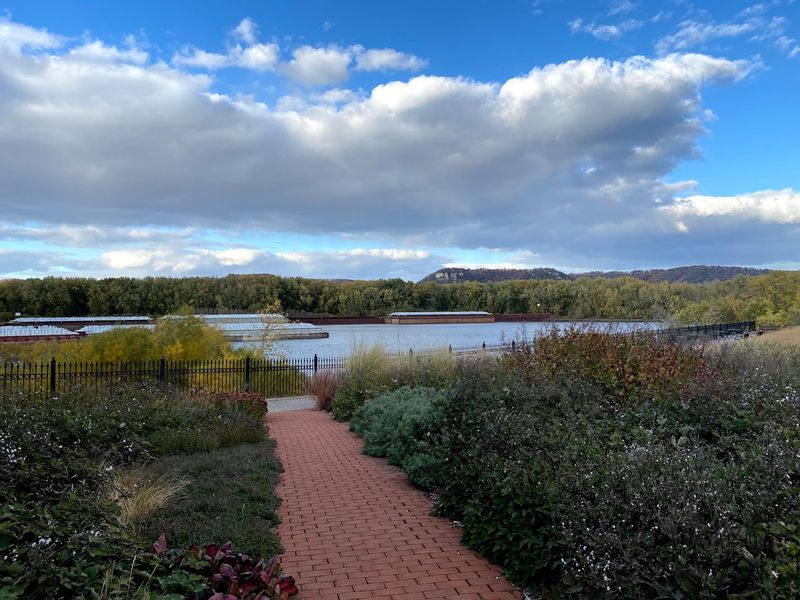
The museum’s location on the banks of the Mississippi River is not just a pleasant backdrop. It actively shapes the entire experience.
From certain vantage points on the grounds, you can watch working barges move along the river while limestone bluffs rise dramatically on the opposite shore.
Outdoor seating areas let visitors pause between galleries and take in the scenery. The Driftless Region landscape surrounding Winona is genuinely striking, and the museum uses its position along the water to reinforce its core theme of art inspired by water.
That connection between what you see inside the galleries and what you see outside the windows creates a rare kind of continuity. The river is not just scenery here.
It is context. Every painting, sculpture, and photograph inside feels more grounded because the water that inspired so much of this art is literally right outside.
The Panorama That Stops Visitors Cold
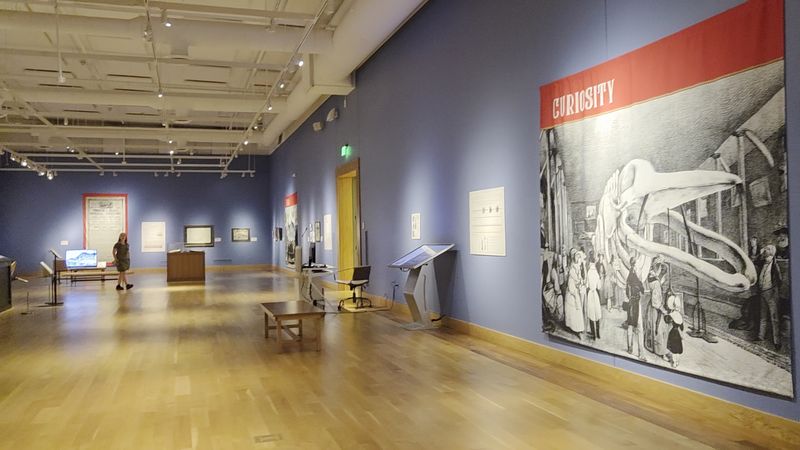
One piece in the collection consistently leaves first-time visitors speechless. The museum is home to a monumental panorama, a style of painting that was enormously popular in the 19th century and is now extraordinarily rare to see in person.
The sheer physical scale of the work is difficult to process at first glance.
Panoramas were designed to wrap the viewer in a scene, creating an early form of immersive visual experience long before modern technology made that concept commonplace. Seeing one in person makes it clear why these paintings once drew enormous crowds.
The museum’s panorama is one of the longest surviving examples of this format in the world, and experiencing it inside a gallery along the Mississippi River feels entirely appropriate. This is the kind of artwork that photographs simply cannot capture.
You need to stand in front of it to understand why people traveled great distances to see works like this.
How the Impressionists Ended Up in Winona
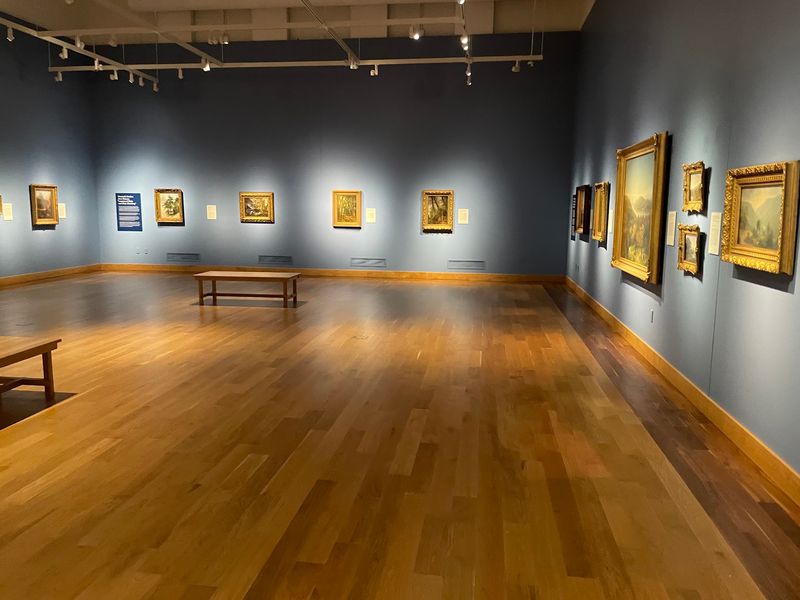
The story of how a river town in southeastern Minnesota came to hold original Impressionist masterworks is genuinely fascinating. The museum was founded through the vision of passionate local collectors and supporters who believed that world-class art did not have to live exclusively in coastal cities.
The collection grew through careful acquisition and strong relationships with major institutions and private collectors. The water-themed curatorial focus gave the museum a clear identity that helped attract specific works aligned with that vision, including pieces by artists who found rivers, lakes, and coastlines endlessly compelling.
Monet, famously, was obsessed with water and light. Van Gogh painted rivers and starlit waterways with intense emotional energy.
Picasso’s relationship with Mediterranean coastal life ran throughout decades of his work. The museum’s thematic focus turned out to be a perfect framework for assembling a collection that is both coherent and breathtaking in its range.
Six Galleries That Cover a Surprising Range
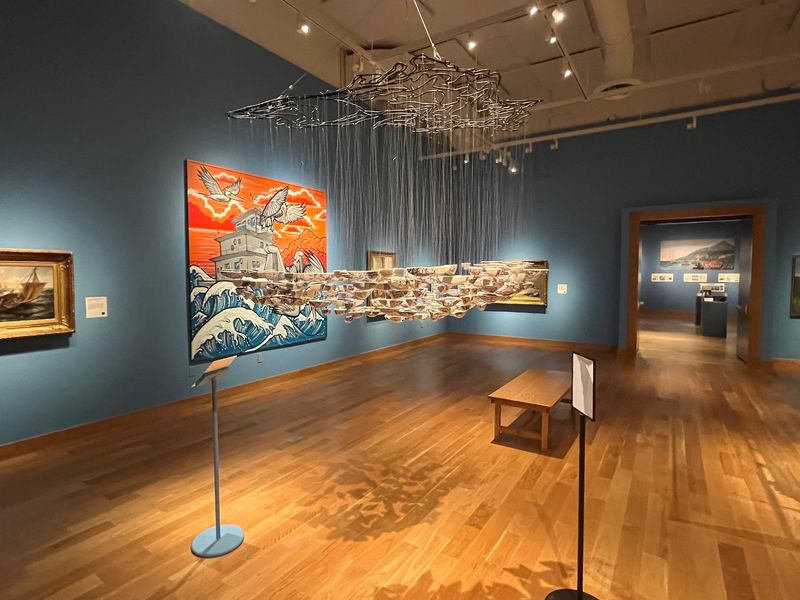
The museum is organized into six distinct galleries, each with its own personality and curatorial focus. Moving through them feels like a series of discoveries rather than a single continuous experience.
One room might feature classical oil paintings while the next presents contemporary sculpture or photography.
The mix of local and indigenous artists alongside internationally recognized names is one of the museum’s most thoughtful decisions. It prevents the collection from feeling like a distant, untouchable thing and instead roots it in the broader story of how people across cultures and centuries have related to water.
Rotating exhibitions mean the experience changes regularly. Visitors who return after several months often find entirely new work on display, which explains why so many people make repeat trips.
The core permanent collection anchors each visit, but the rotating shows keep the museum feeling alive and consistently worth returning to throughout the year.
An Environmental Message Woven Through the Art
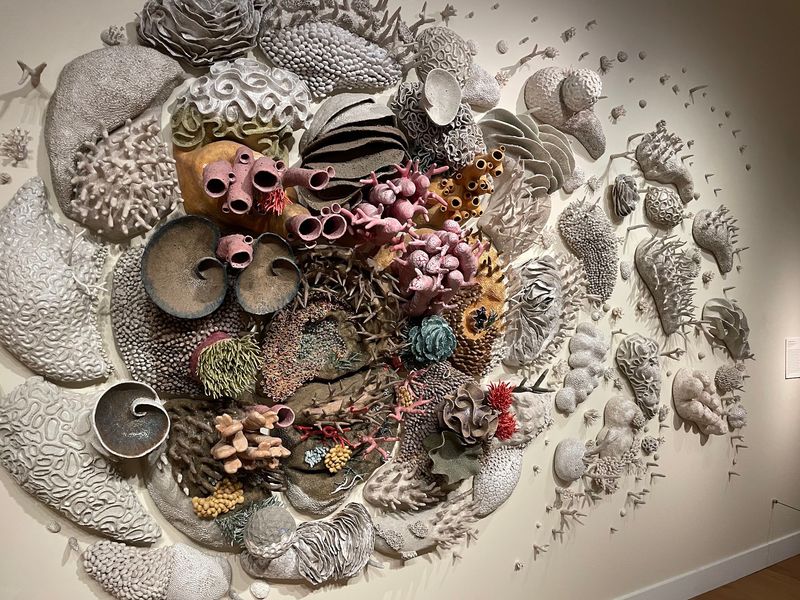
Beyond the famous names and historical pieces, the museum carries a quiet but persistent message about humanity’s relationship with water and the natural world. Several exhibits address conservation themes directly, using art as a lens for thinking about rivers, oceans, and ecosystems under pressure.
Past exhibitions have featured sculptors whose work draws attention to coral reef health and the fragility of marine environments. The emotional power of that kind of art, made physical and beautiful rather than presented as data or statistics, tends to land differently than a documentary or a news article ever could.
That environmentalist thread is not preachy or heavy-handed. It is woven into the curatorial choices in a way that feels organic.
By the time you finish walking through the galleries, you have absorbed something about water’s importance without feeling lectured to. That balance is harder to achieve than it sounds, and the museum pulls it off consistently.
Family-Friendly Features That Actually Work
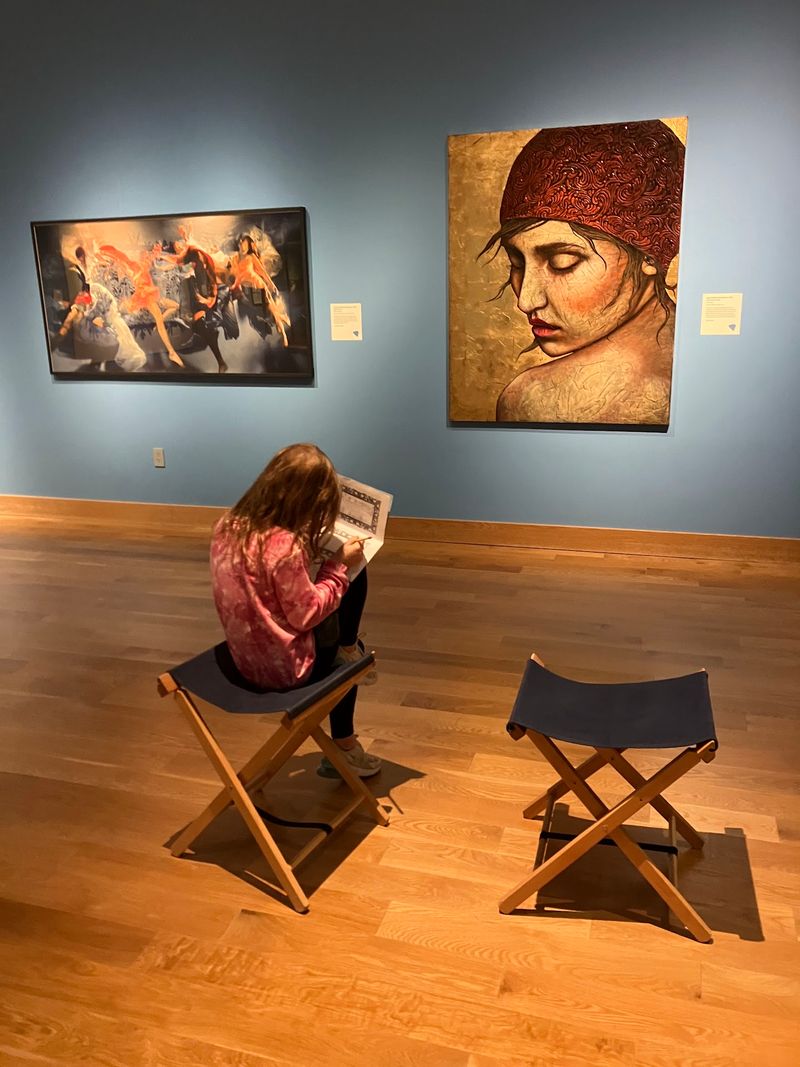
Many art museums claim to be family-friendly, but the Minnesota Marine Art Museum genuinely delivers on that promise in creative ways. The museum offers bingo sheets in multiple difficulty levels, designed to keep visitors of all ages actively looking at the art rather than drifting through rooms passively.
A drawing station provides pencils, paper, and boards so younger visitors can sketch their own responses to what they see. Tactile elements in several rooms let visitors engage with artistic techniques hands-on.
There is even a small sitting room designed specifically with younger children in mind, along with a lactation room for nursing mothers.
A stroller is available to borrow for tired little legs, which is a practical detail that makes a real difference for families with toddlers. These features reflect genuine thought about who walks through the door, not just the art enthusiast crowd, but whole families making a day of it.
The Water Bar Cafe and Driftless Chowder
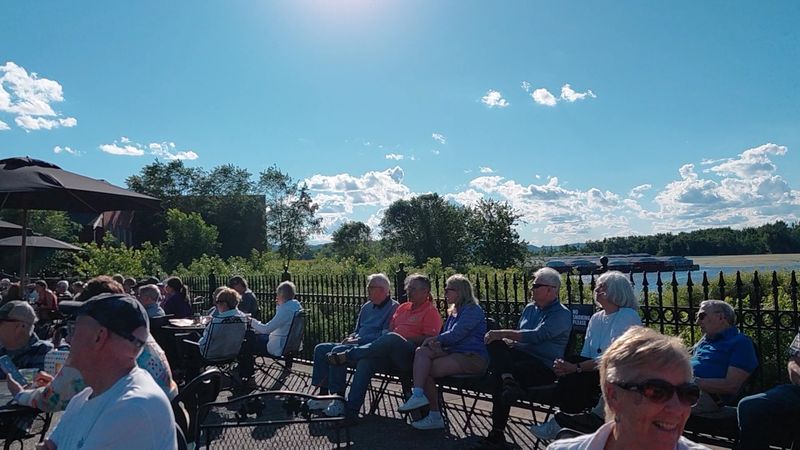
The museum recently added a cafe called the Water Bar, and it has quickly become a highlight of the visit for many guests. The space serves coffee alongside a small food menu, and one item in particular has developed a devoted following: the Driftless chowder.
Having a quality cafe inside a museum of this caliber changes the rhythm of a visit. You can take a break mid-tour, sit near the windows with a warm bowl, and look out at the river before heading back to the galleries.
That kind of pacing makes the whole experience feel more relaxed and less rushed.
Outdoor tables near the water are available when weather permits, which turns a museum stop into something closer to a full afternoon outing. The cafe addition reflects the museum’s broader understanding that a great visit is about more than just what hangs on the walls.
Accessibility, Parking, and Practical Visiting Details
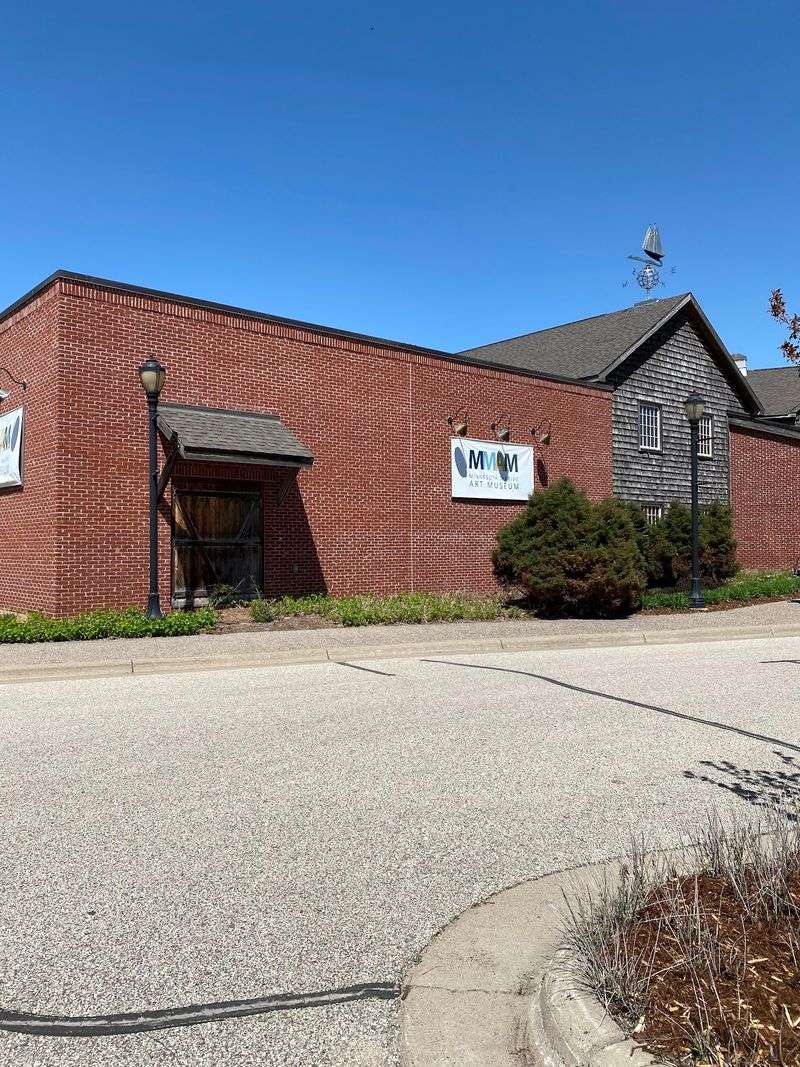
Getting to and around the museum is genuinely straightforward. The building sits right along Riverview Drive with ample parking available on site, which removes one of the usual friction points of visiting urban art museums.
Wheelchair-accessible parking, a first-floor entrance, and ADA-compliant restrooms make the space welcoming for visitors with mobility needs.
The museum is open Tuesday through Sunday from 10 AM to 5 PM and is closed on Mondays. Admission is reasonably priced, with discounts available for various groups including students and seniors.
That pricing makes it accessible to a wider range of visitors than many comparable institutions.
The building itself is clean, well-maintained, and spacious enough to move through comfortably without feeling crowded. Charging stations are available for visitors who need to recharge devices mid-visit.
The practical details here have clearly been thought through with the same care that went into the curatorial choices.
Why Winona Makes the Perfect Day Trip Destination
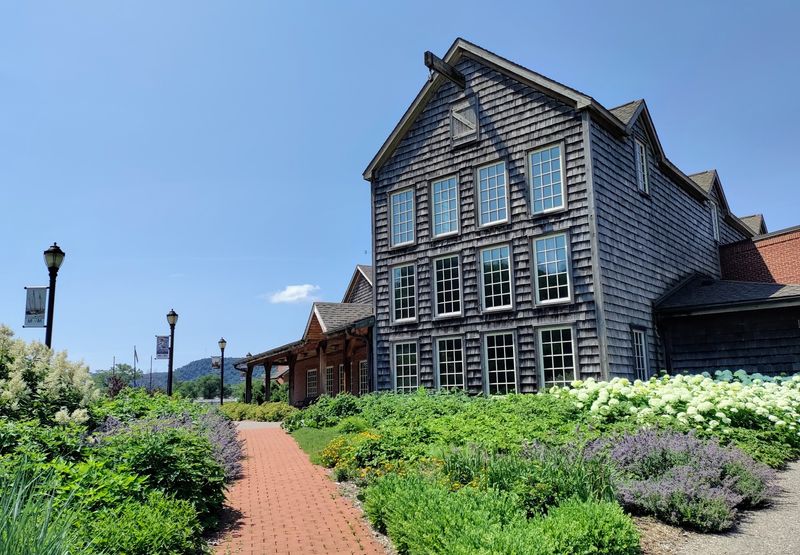
Winona itself is worth building a trip around, and the museum is the kind of anchor attraction that makes the drive feel completely justified. The city sits in the Driftless Area, a region of unglaciated terrain that gives the landscape an unusually rugged, bluff-heavy character that sets it apart from most of the Midwest.
The drive along the Mississippi River approaching Winona offers some genuinely dramatic scenery, particularly in autumn when the bluffs turn color. The town has a compact historic downtown with architecture that reflects its 19th-century prosperity as a major river port.
After a few hours at the museum, the surrounding area offers additional reasons to linger. The combination of natural scenery, river access, and a world-class art collection in a relaxed small-town setting creates something that is difficult to replicate anywhere else in the region.
The Twin Cities are roughly a two-hour drive away, making this a very manageable day trip or weekend getaway.
Share this story