There is a place in Rock Island, Illinois, where the land still carries the memory of the people who called it home for centuries. The Sauk people lived, hunted, and built their lives along the banks of the Rock River, and somehow, that story never left.
Today, more than six miles of wooded trails wind through the same bluffs and riverbanks where that ancient village once stood. A small but packed museum, dramatic rock formations, river views, and a landscape that shifts beautifully with every season make this one of those rare spots that rewards you no matter how many times you return.
Whether you are a history lover, a casual hiker, or just someone who needs a quiet afternoon in the woods, this place has a way of pulling you in and not letting go.
Where History Meets the Rock River: The Site Address and Setting
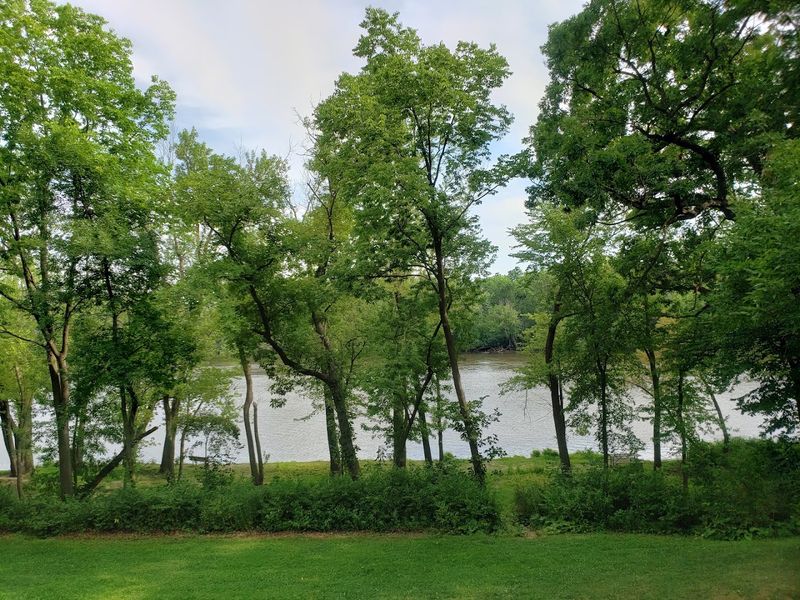
Right in the heart of Rock Island, Illinois, sits one of the most historically layered parks in the entire Midwest. Black Hawk State Historic Site is located at 1510 46th Ave, Rock Island, IL 61201, and it hugs the western bank of the Rock River in a way that feels almost intentional, as if the landscape itself wanted to hold onto its past.
The Sauk people, one of the most prominent Native American nations in the upper Midwest, used this land as the site of Saukenuk, their principal village. Saukenuk was one of the largest Native American settlements in North America at its peak, with thousands of residents and a deeply organized community life.
The park now covers roughly 208 acres of rolling, wooded terrain. Bluffs rise above the river, trails dip through forest floors, and the Rock River glides along the eastern edge of the property.
The whole setting carries a quiet weight that you notice the moment you step out of your car and look around at the trees.
The Sauk Nation and Saukenuk: A Village That Shaped a Region
Long before European settlers arrived in the upper Midwest, the Sauk people built one of the most impressive Native American villages on the continent right here along the Rock River. Saukenuk was a thriving, well-organized community with longhouses, garden plots, ceremonial spaces, and a deep connection to the land and the river.
At its height, Saukenuk was home to thousands of Sauk people who farmed, fished, hunted, and traded. The village stretched along the riverbank and up into the bluffs, using the natural landscape as both shelter and resource.
Corn, beans, and squash grew in the fertile floodplain soil below the bluffs, while the forest provided game and materials for building.
The Sauk were eventually forced from their homeland in the early 19th century following land treaties that many tribal members disputed, leading to the Black Hawk War of 1832. That painful chapter of history is part of what the site preserves and interprets today.
Walking these trails, you are quite literally retracing the footsteps of a civilization that left a permanent mark on this region.
Chief Black Hawk: The Man Behind the Name
The park takes its name from Ma-ka-tai-me-she-kia-kiak, known in English as Black Hawk, a Sauk war leader born in Saukenuk around 1767. His story is one of resistance, pride, and heartbreak, and it remains one of the most significant Native American narratives in American history.
Black Hawk refused to accept the 1804 treaty that ceded Sauk lands to the United States, arguing that the agreement was made without proper tribal authority. His efforts to return to Saukenuk in 1832 with a group of followers sparked the Black Hawk War, a brief but devastating conflict that ended with the Sauk being pushed west of the Mississippi River for good.
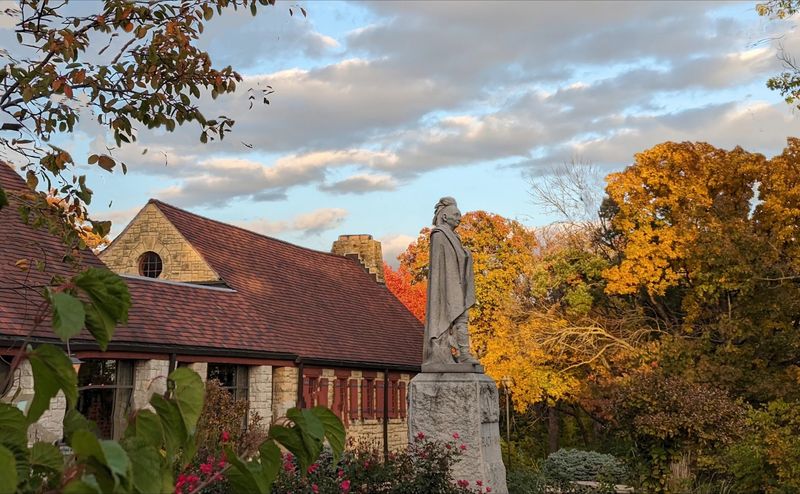
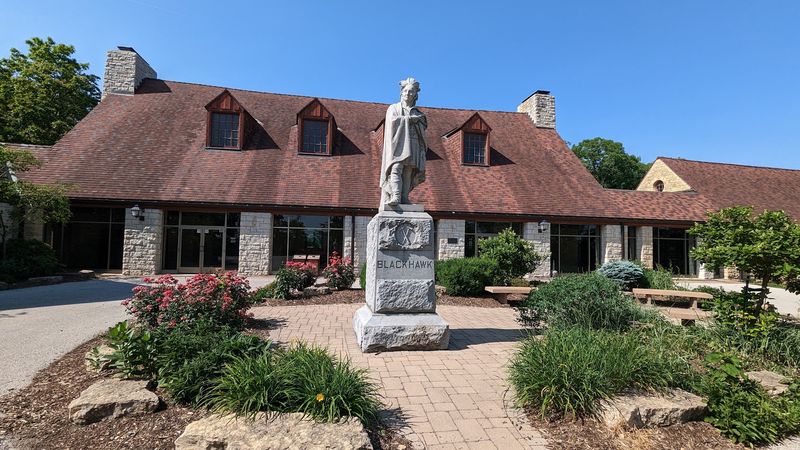
Outside the museum building, a striking statue of Chief Black Hawk stands as a tribute to his legacy. The statue is a popular stop for visitors, and it anchors the outdoor grounds with a sense of dignity and remembrance.
His autobiography, dictated in 1833, remains one of the earliest Native American autobiographies ever published, and it gives a powerful voice to a story that the park works hard to keep alive.
The John Hauberg Museum: Small Space, Big Story
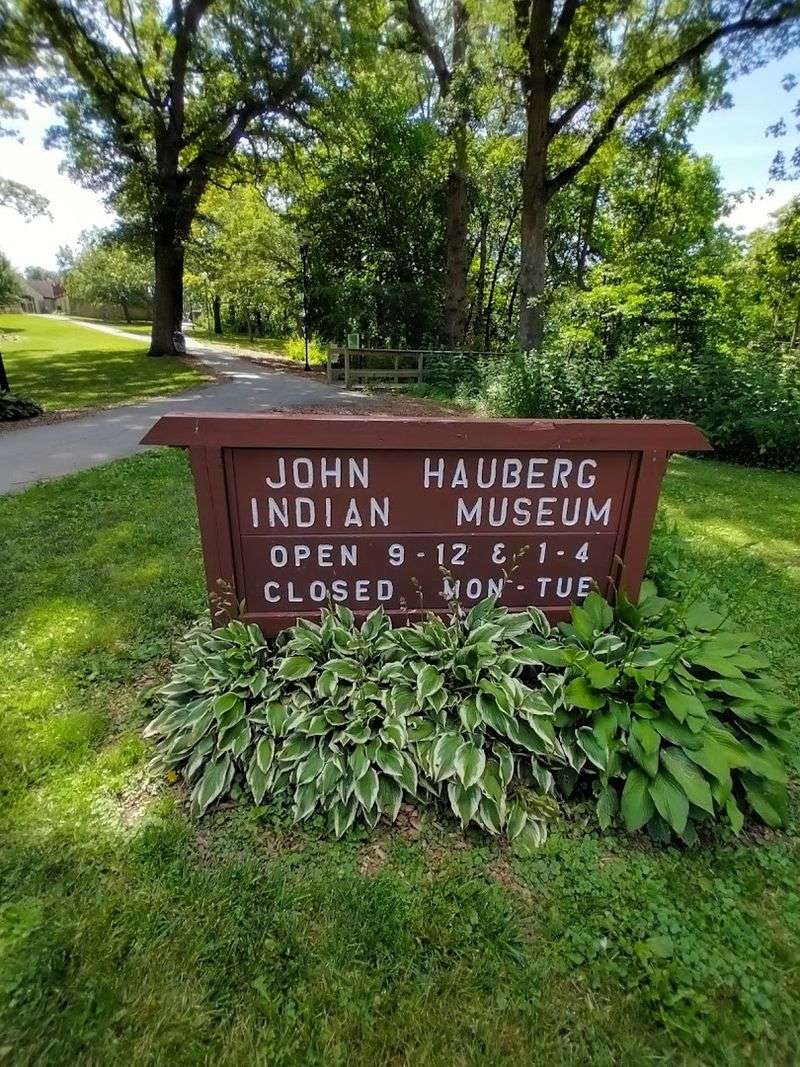
The museum tucked inside the main building at Black Hawk State Historic Site is one of those places where you walk in expecting to spend twenty minutes and end up staying for nearly an hour. Named after John Hauberg, the philanthropist who donated the land to the state of Illinois, the museum is compact but genuinely packed with information.
Inside, you will find detailed exhibits on Sauk and Meskwaki culture, including full-scale models of traditional wikiups and longhouses that make the history feel tangible rather than distant. Artifacts, maps, and interpretive panels walk visitors through the seasonal rhythms of Sauk life, from spring planting along the river to winter hunting camps further inland.
The suggested donation to enter is just two dollars, which makes it one of the most accessible cultural experiences in the Quad Cities area. The staff are consistently described as friendly and knowledgeable, and they clearly care about representing the history accurately and respectfully.
A 45-minute visit to the museum before hitting the trails turns a pleasant hike into something with real depth and context behind every step you take.
Six Miles of Wooded Trails: What to Expect on the Ground
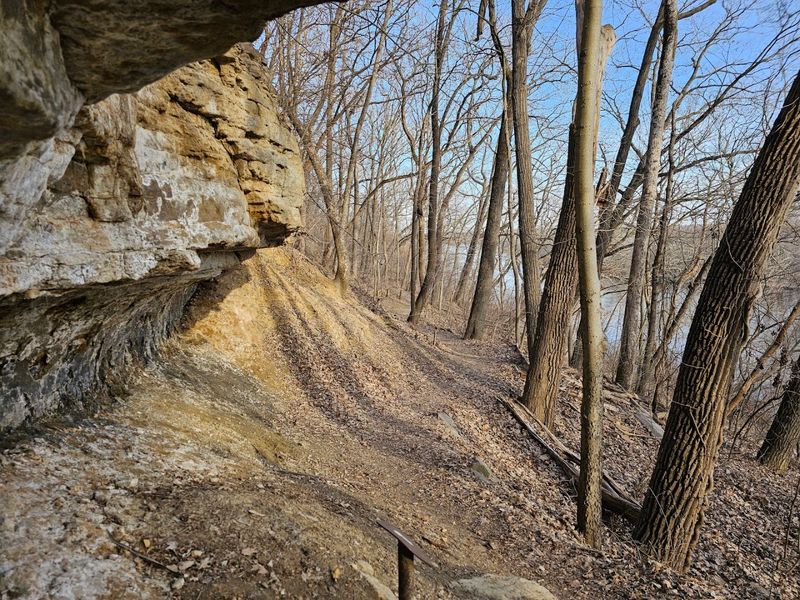
The trail network at Black Hawk State Historic Site stretches across more than six miles of varied terrain, and no two stretches feel exactly the same. Some paths are wide and easy, suitable for a casual family walk, while others dip down toward the river bluffs and become noticeably more rugged and challenging.
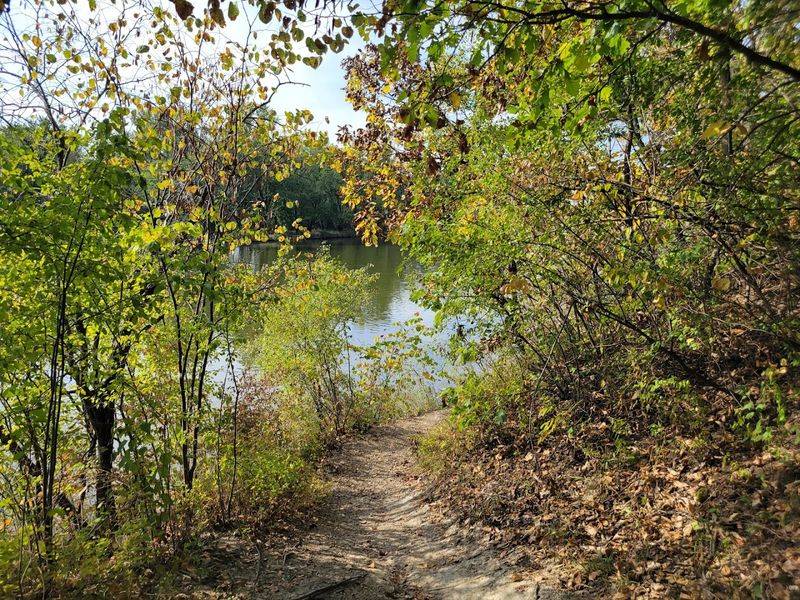
Trail maps are available at the park entrance, and the smart move is to photograph the map on your phone before heading out, because the network is extensive enough that a wrong turn can add quite a bit of distance to your outing. The trails closest to the Rock River feature the most dramatic scenery, with exposed rock formations, steep bluff edges, and filtered views of the water through the trees.
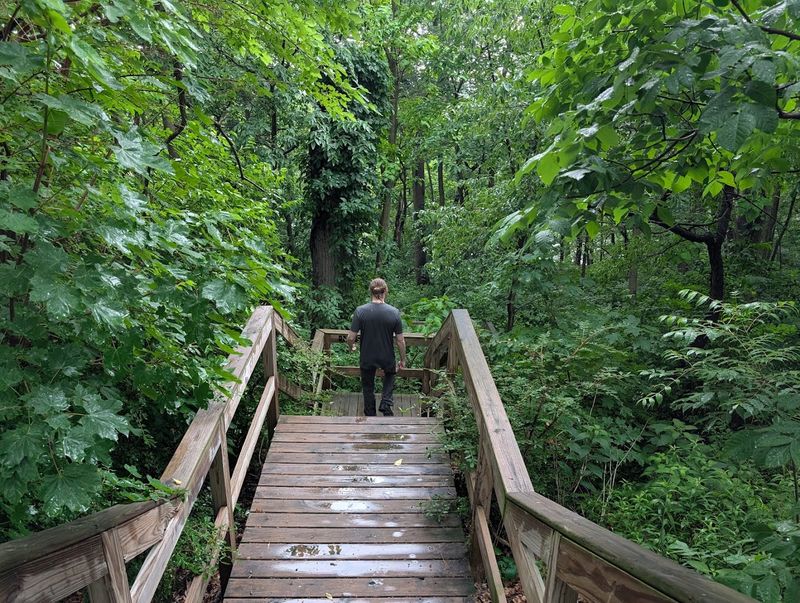
Footing can get slippery after rain, so shoes with good traction are a genuine necessity rather than just a suggestion. In the fall, the tree canopy puts on a brilliant color show that makes every trail feel like a different world.
Spring brings wildflowers to the forest floor, and summer fills the woods with birdsong and a thick, green canopy that keeps the trails surprisingly cool even on warm days.
Rock Formations, Cliffs, and River Views Along the Bluffs
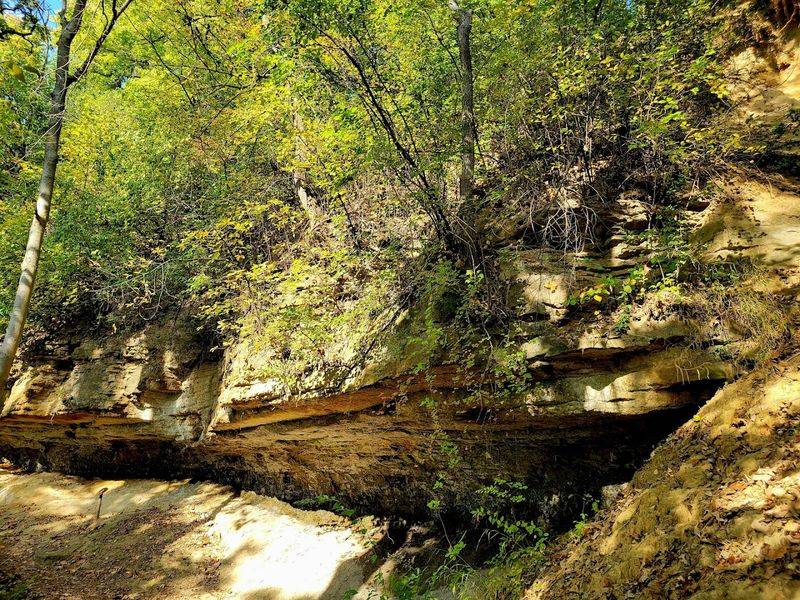
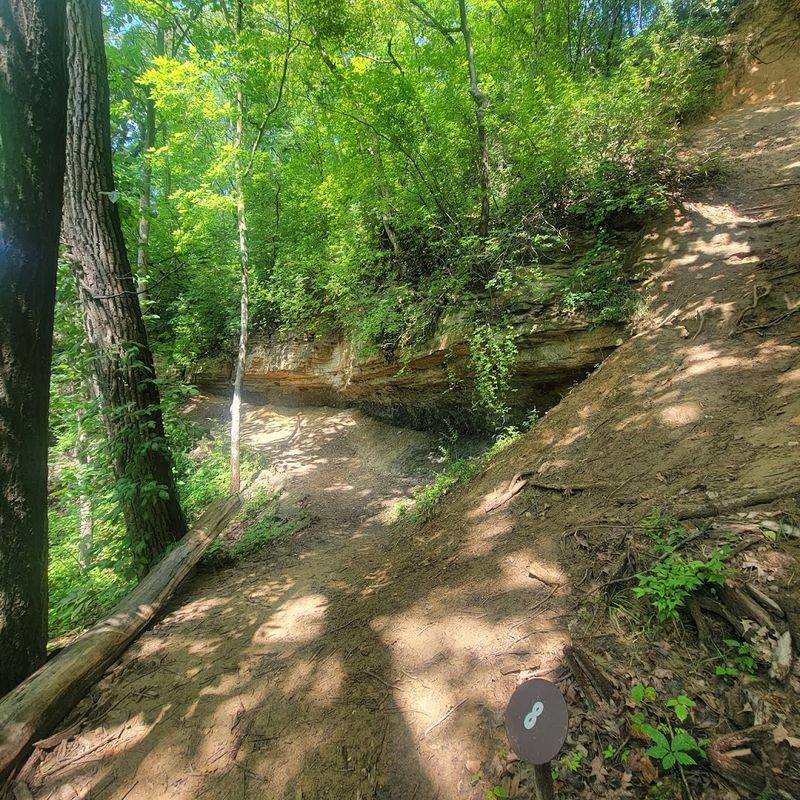
The lower trails that run along the Rock River bluffs are the most visually dramatic part of the entire park. Down here, the landscape shifts from gentle woodland to something that feels genuinely wild, with exposed limestone formations, natural overhangs, and sections of trail that hug the edge of the bluff closely enough to make you pay attention to where you are stepping.
The rock formations along this stretch have been shaped by thousands of years of erosion, and they give the trail a rugged, textured quality that stands out from typical Midwest park hiking. Some visitors have reportedly spotted arrowheads in the area, though the park naturally asks that any artifacts be left undisturbed and reported rather than collected.
The river views from the bluff trail are genuinely rewarding, especially in the early morning when mist sometimes hangs over the water. Wildlife is active along this corridor too, with deer, wild turkeys, and various bird species making regular appearances.
The combination of geological interest, historical weight, and natural beauty along this lower trail loop makes it the section most worth planning your visit around if you only have time for one hike.
The CCC Legacy: How the Park Was Built in the 1930s
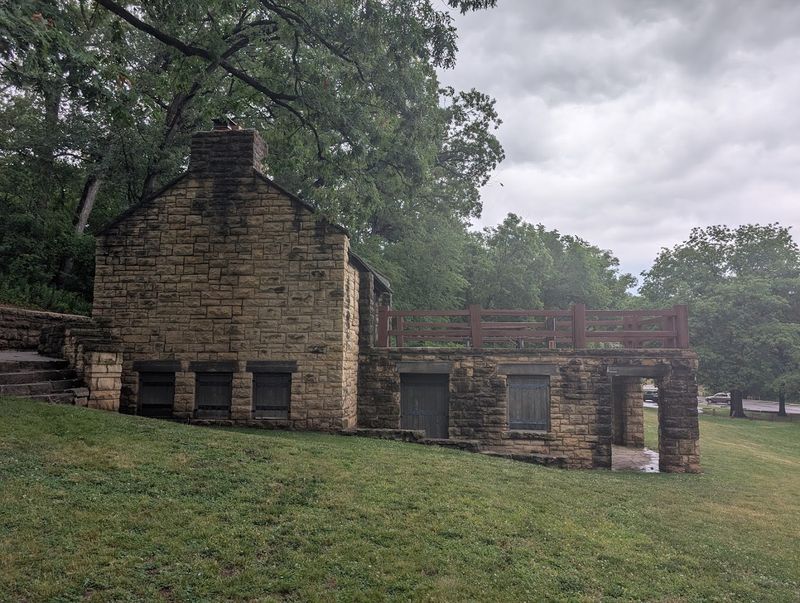
One of the more surprising layers of history at this site is not ancient at all. During the 1930s, the Civilian Conservation Corps, a federal New Deal program that put unemployed young men to work on public land projects, played a major role in shaping the physical infrastructure of the park as it exists today.
The CCC built lodges, shelters, trails, and stone structures throughout the property during that era, and many of those structures are still standing and in use. A small exhibit on the museum’s lower level covers the CCC’s work at the site in detail, including historic photographs of the lodges and buildings that once stood on the property before later changes were made.
Learning about the CCC’s contribution adds a whole second historical thread to the visit. You come to the park thinking about the Sauk people and Black Hawk, and then you discover this entirely separate chapter about Depression-era conservation work that shaped the trails you are walking on.
The park is essentially a layered archive of American history, with each era leaving its own marks on the land in ways that are still visible if you know where to look.
Singing Bird Lodge and Event Spaces on the Grounds
Named after Black Hawk’s wife, Singing Bird Lodge is one of the more charming structures on the grounds and serves as a rental space for small events, gatherings, and community programs. The name itself is a quiet act of recognition, honoring a woman who is rarely mentioned in the broader historical narrative surrounding her husband’s story.
The lodge has hosted everything from girl scout meetings to drum circles, and its connection to Native American cultural programming makes it more than just a pretty building on a park map. The grounds around the lodge are neatly landscaped, and the surrounding trees give the area a sheltered, peaceful quality that makes it popular for outdoor photography and family gatherings.
The main lodge building, which has a beautiful historic exterior, has been used for weddings and private events as well. Event staff at the park are consistently praised for their attentiveness and helpfulness in coordinating rentals.
Having a dedicated event space within a state historic site is a thoughtful way to keep the grounds active and financially supported, and it means the park stays connected to the community in a living, ongoing way rather than existing purely as a preserved relic.
The Pedestrian Sky Bridge and Park Layout
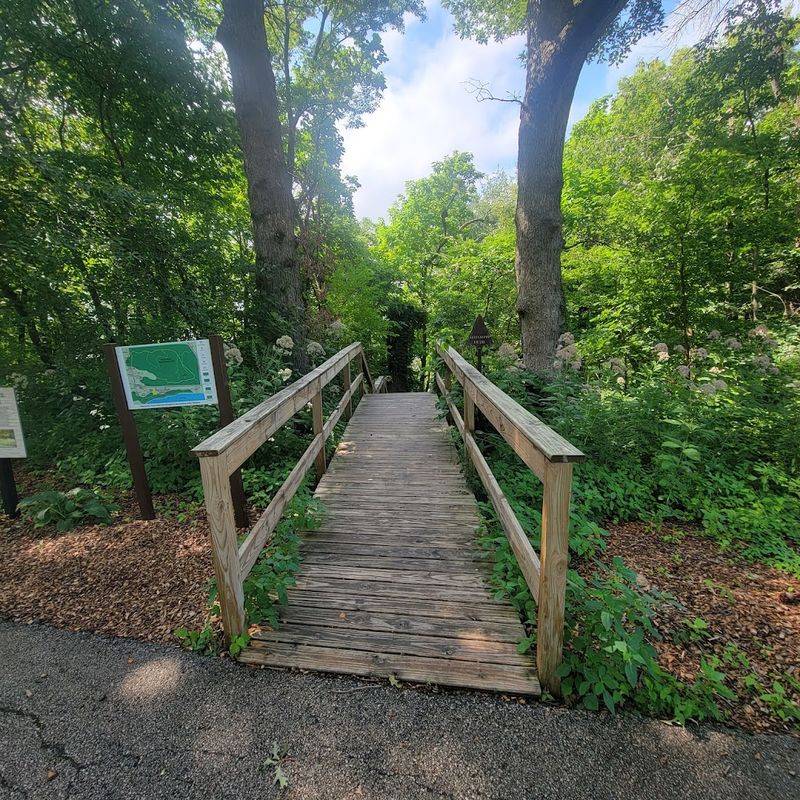
One of the more unexpected features of the park is the pedestrian sky bridge that spans Black Hawk Road, connecting the two main sections of the property. The bridge is a practical piece of infrastructure that turns into a genuinely fun part of the visit, especially for younger visitors who get a kick out of watching cars pass below while they stand above the road on foot.
The bridge connects the main museum and lodge area on one side with a separate section of the park that has its own trail network and historical points of interest. On the far side of the bridge, the history of a former coal mine in the area comes into the story, with trail signage and a historic photograph of the mine itself marking where that industrial chapter of the site’s past once played out.
Having the park split across a road could have felt disjointed, but the bridge makes the crossing feel like a deliberate transition between two different chapters of the same story. The layout rewards visitors who take the time to explore both sides rather than sticking to just one section, and the bridge itself has become a minor landmark that regulars tend to look forward to crossing.
Playground, Picnic Areas, and Family-Friendly Features
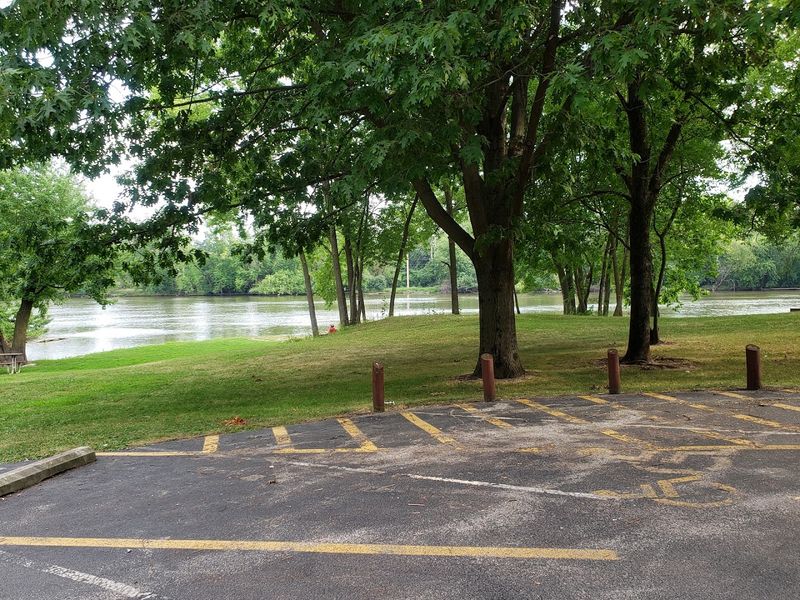
Black Hawk State Historic Site is genuinely set up to work for families with children of all ages, not just history enthusiasts or serious hikers. The park includes a playground area that kids find engaging, along with picnic tables scattered along the walking paths and sheltered picnic structures with fireplaces that make the space usable in cooler weather too.
A small prairie area near the lodge is a popular spot for family photos, with its open meadow quality and the historic building providing a scenic backdrop. The park has multiple parking lots positioned around the property, which makes accessibility straightforward and means you can park close to whatever section you plan to visit first without a long walk before you even start exploring.
Benches are placed along the river-level paths below the main shelter, giving visitors a place to sit and watch the Rock River move past at a quiet pace. The combination of easy walking paths for younger children, more challenging bluff trails for older kids and adults, and dedicated picnic and play areas means the park genuinely accommodates a full family outing without anyone feeling like they are missing out on the parts that interest them most.
Best Times to Visit and Practical Tips for Your Trip
The park is open Wednesday through Sunday from 9 AM to 12 PM for the museum and office, though the trails and outdoor grounds are accessible during park hours which extend to 4 PM. The site is closed on Mondays and Tuesdays, so planning your visit on a weekday Monday or Tuesday will mean the museum is locked up, something worth knowing before you make the drive.
Fall is widely considered the most visually rewarding season to visit, when the tree canopy turns gold, red, and orange and the trails feel like they belong in a painting. Spring is a close second, with wildflowers emerging on the forest floor and the river running high and lively after the winter melt.
Summer visits are pleasant in the morning hours before the humidity builds, and the dense canopy keeps the trails shaded.
Trail footwear with real grip is strongly recommended after any recent rainfall, as the bluff trails in particular can become slippery and muddy quickly. The park phone number is 309-788-0177 if you need to confirm hours or ask about current trail conditions before heading out.
Admission to the grounds is free, with the suggested two-dollar museum donation being entirely optional but very much appreciated by the staff.
Why This Place Stays With You Long After You Leave
There are parks you visit once and check off your list, and then there are places that quietly become part of your regular rotation. Black Hawk State Historic Site, with its 4.7-star rating across nearly 600 reviews, has clearly earned its place in the second category for a lot of people in the Quad Cities area and beyond.
The combination of genuine historical depth, varied and beautiful trails, wildlife sightings, and a museum that actually teaches you something meaningful creates a layered experience that holds up to repeat visits. People come back in different seasons to see how the landscape changes, or return with different friends and family members to share a place they have come to care about.
The land here has been continuously significant for hundreds of years, first to the Sauk people who built their lives on it, then to the CCC workers who shaped it in the 1930s, and now to the hikers, families, and history lovers who walk its trails every week. That unbroken thread of human connection to a specific piece of ground is what makes this site feel different from an ordinary park, and it is exactly why a visit here tends to linger in your memory long after the drive home.
Share this story