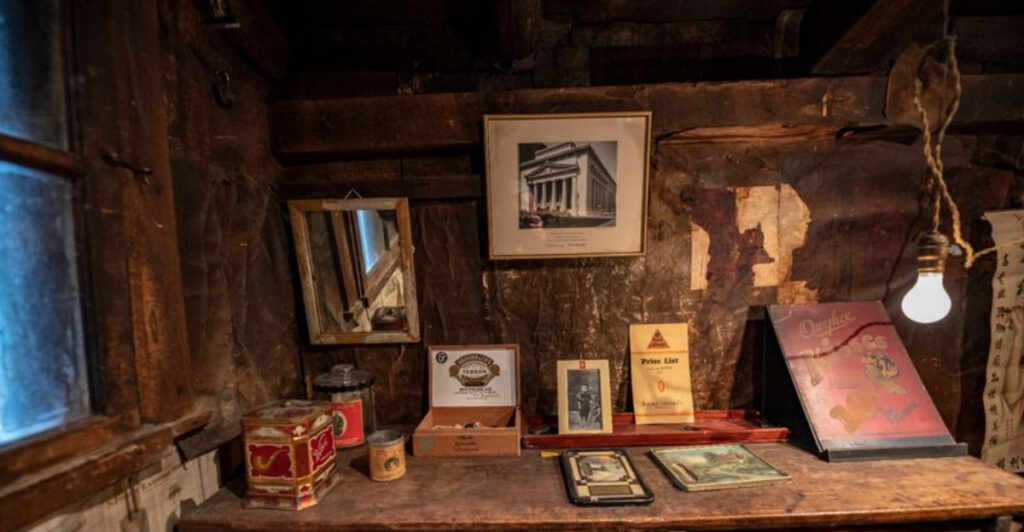
There is a small stone building in eastern Oregon that sat locked and untouched for roughly two decades, and when it was finally reopened, everything inside was exactly where it had been left. Shelves full of herbal medicine, handwritten ledgers, cooking tools, and personal belongings were all waiting as if time had simply paused.
That building is now one of the most remarkable preserved sites in the entire Pacific Northwest. The story behind it involves two Chinese immigrants who built a life, a business, and a community in a place where the odds were stacked against them, and the result is a place that genuinely stops you in your tracks.
The Address and Setting That Make This Place Hard to Find
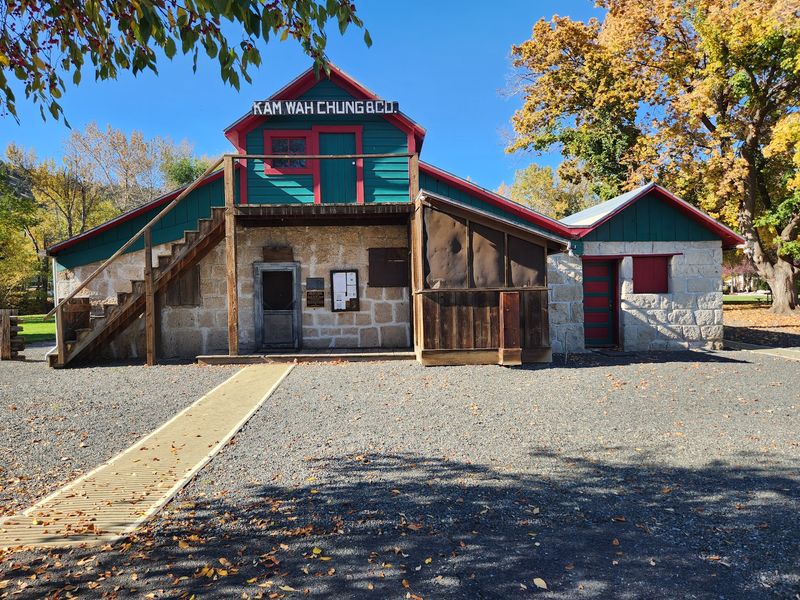
Most people driving through John Day, Oregon, are not expecting to stumble across a National Historic Landmark tucked beside the John Day River. The Kam Wah Chung State Heritage Site sits at the edge of this small eastern Oregon town, with a full address of John Day, OR 97845, and a phone number of (541) 575-2800 for those who want to call ahead.
The town itself has a population of around 2,000 people, which makes the significance of this site even more surprising to first-time visitors. John Day is not a major tourist hub, but it holds a piece of American history that very few places can match.
The drive into town through Grant County offers wide open high desert views, rimrock ridges, and a quietness that city travelers rarely experience. After all that open road, finding this compact, thick-walled stone building feels almost like a reward for making the trip.
The surrounding area is rugged and beautiful, and the site fits right into the landscape as if it grew there naturally.
A Building Born From the Gold Rush Era
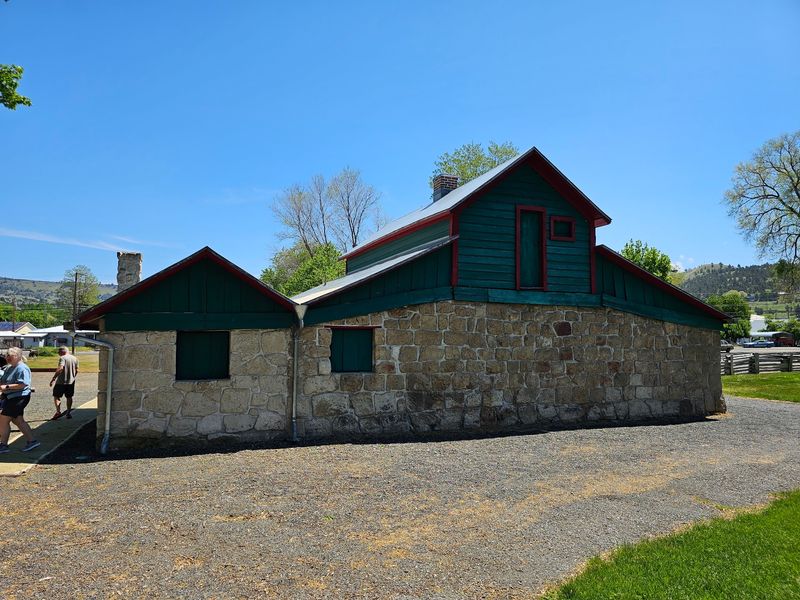
The structure that houses this heritage site was originally built in 1866 or 1867 as a trading post along what would later be called The Dalles Military Road. Gold had been discovered in the region, and eastern Oregon was pulling in miners from all directions after the California gold rush began to slow down.
The building itself was constructed from Rattlesnake Tuff, a local volcanic rock that was shaped using cold chisels to create flat exterior surfaces. The tooling marks are still visible on the stones today, and rangers on site will point them out during tours.
That kind of detail makes the whole experience feel more grounded in real craftsmanship rather than just history-book facts.
The thick stone walls were built to last, and they did exactly that. Over 150 years later, the structure stands firm without major restoration to the walls themselves.
Few buildings from this era in the American West have survived so completely intact, which is part of what makes this site genuinely rare rather than just historically significant on paper.
The Two Men Who Made It All Possible
The real heart of this story belongs to two men: Ing Hay, widely known as Doc Hay, and Lung On. Both were Chinese immigrants from Guangdong province in China, and together they took over the building and transformed it into the central hub of the Chinese community in John Day.
Doc Hay was a practitioner of Pulse Harmony, a traditional Chinese medicine method that involved reading a patient’s pulse to diagnose illness. He became well known across the region, and people traveled long distances to see him.
Lung On handled the business side of things, managing trade, correspondence, and community affairs with a sharp and practical mind.
Their partnership lasted for decades, and the trust the local community placed in both men was remarkable given the widespread anti-Chinese sentiment of the era. They provided services and goods to miners, ranchers, and settlers of all backgrounds.
The way they built something lasting and respected in the face of real hardship is the thread that runs through every room of this site and every word the tour guides share with visitors.
Sealed for Two Decades and Perfectly Preserved
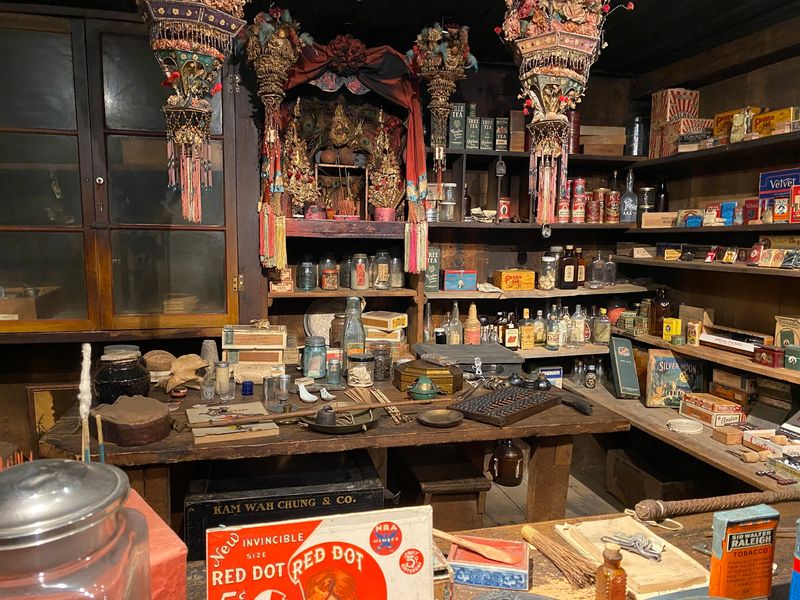
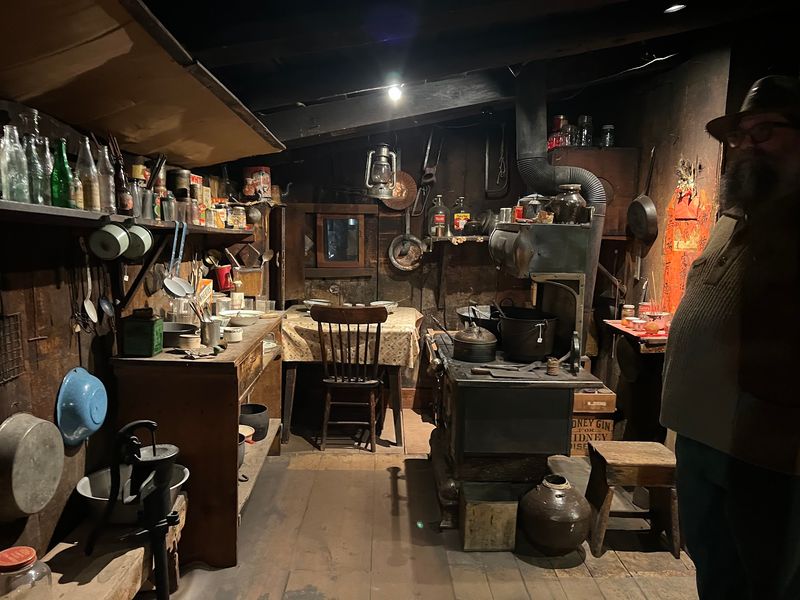
When Doc Hay passed away in 1952, the building was locked up and left essentially untouched for close to twenty years. No one cleared the shelves, reorganized the rooms, or removed the personal belongings.
Everything stayed right where it had been placed during the years the store was active.
That period of quiet preservation turned out to be one of the most fortunate accidents in Oregon’s cultural history. When the state eventually took ownership of the property and began working to open it to the public, historians and curators found an interior that was almost completely intact.
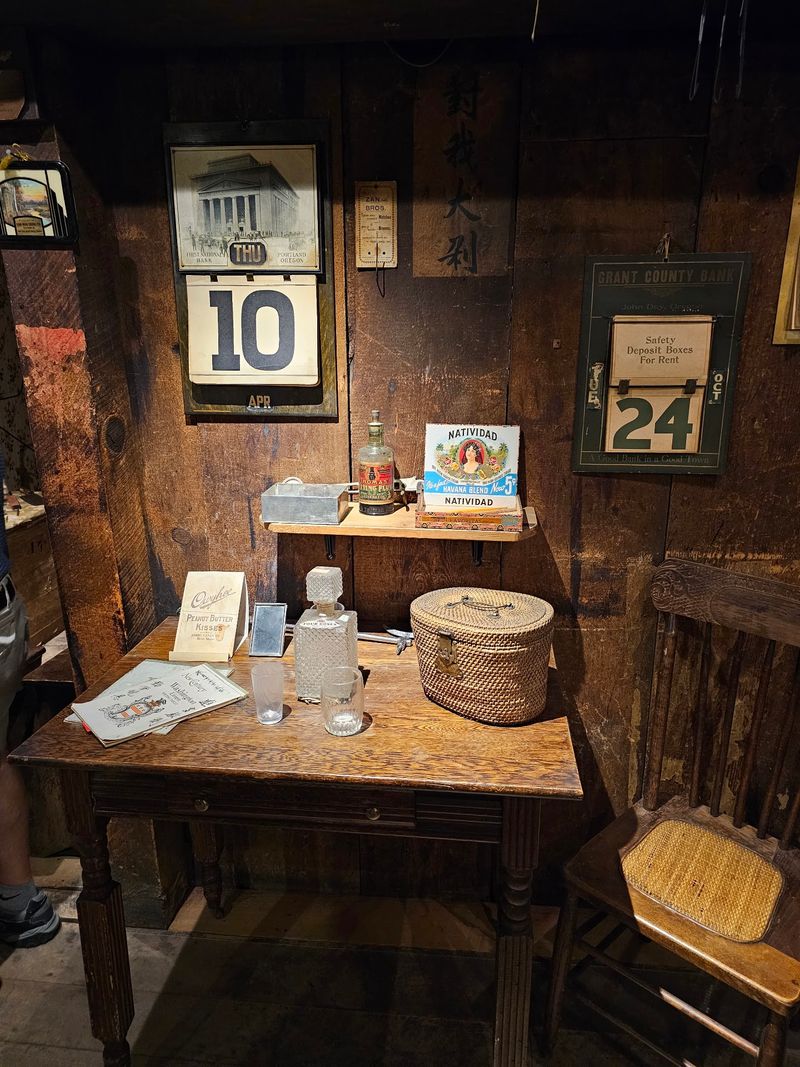
Herbal medicines still sat in their original containers, receipts and letters remained in stacks, and everyday objects were right where they had been left.
The result is something that almost no museum can replicate with even the most careful reconstruction efforts. You are not looking at a recreated version of the past; you are looking at the actual past, preserved by a combination of stone walls, dry eastern Oregon air, and the simple fact that nobody moved anything for roughly two decades after the doors were closed.
What the Tour Actually Looks Like
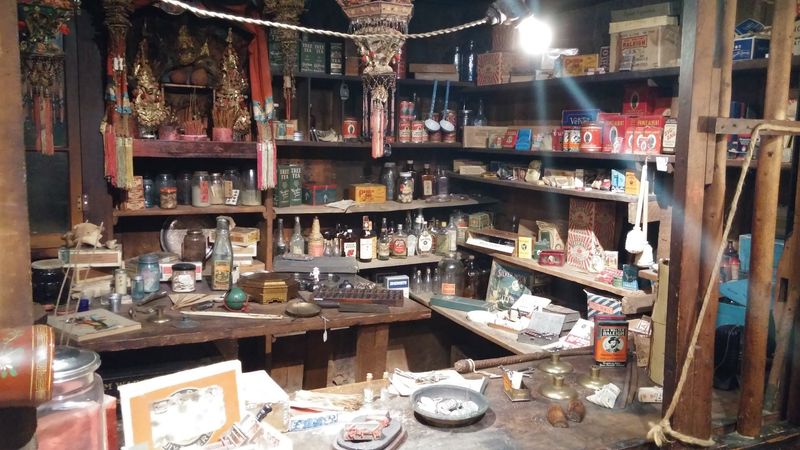
Tours at Kam Wah Chung are free, which is one of the first things that surprises visitors. There is no ticket booth, no admission fee, and no pressure to spend money before you walk in.
That said, tours fill up quickly and are capped at eight people per group, so calling ahead to reserve a time slot is strongly recommended.
The tour itself runs about an hour and is led by a ranger or knowledgeable volunteer from the interpretive center. The guide walks the group through the various rooms of the building, pointing out specific objects, explaining the history behind them, and sharing stories about Doc Hay, Lung On, and the broader Chinese community in eastern Oregon.
Teenagers who visit with their families tend to be more engaged than their parents expect, partly because the guides are genuinely enthusiastic and partly because the sheer quantity of original objects on display is visually striking. No water or food is allowed inside the building, so leave those behind at the interpretive center before the group heads over.
The tour covers a lot of ground in a compact space, and the hour goes by quickly.
The Interpretive Center Down the Street
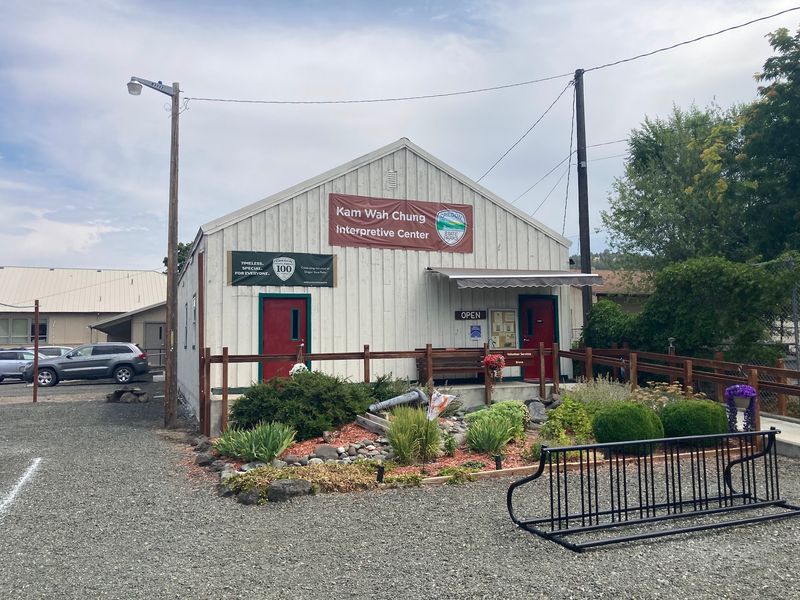
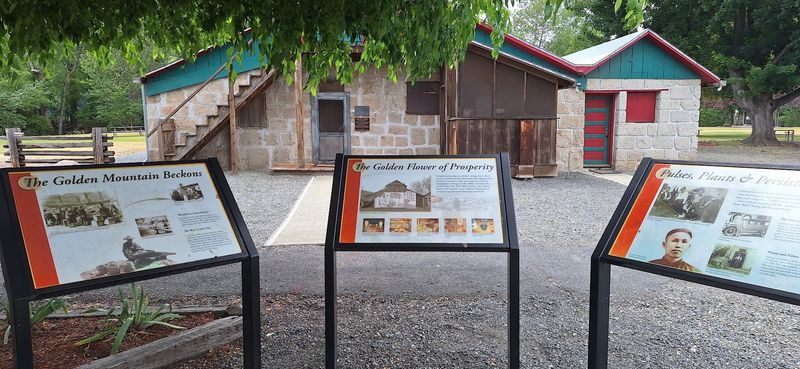
Before or after the tour of the main building, most visitors spend time at the interpretive center, which is located about two blocks away from the heritage site itself. The center functions as the meeting point for tour groups and also contains exhibits that provide context for everything you will see inside the old store.
The exhibits cover the history of Chinese immigration to Oregon, the gold rush period, the specific contributions of Doc Hay and Lung On, and the broader story of how Chinese communities shaped the Pacific Northwest in ways that are often left out of mainstream history books. The displays are well put together and accessible for visitors of all ages.
Rangers at the center are happy to answer questions before the tour begins, and the combination of the interpretive exhibits plus the actual building creates a layered experience that feels complete rather than rushed. Spending time in the center first tends to make the tour itself richer, since you arrive at the building already knowing who these men were and why their story matters.
The center keeps the same hours as the main site, open daily from 9 AM to 4 PM.
The Herbal Medicine Practice That Reached Across the Region
Doc Hay’s practice of Pulse Harmony drew patients from hundreds of miles away. The method involves placing fingers on the patient’s wrist and reading subtle variations in the pulse to identify imbalances and health concerns.
It requires years of training and a deep familiarity with traditional Chinese medical texts.
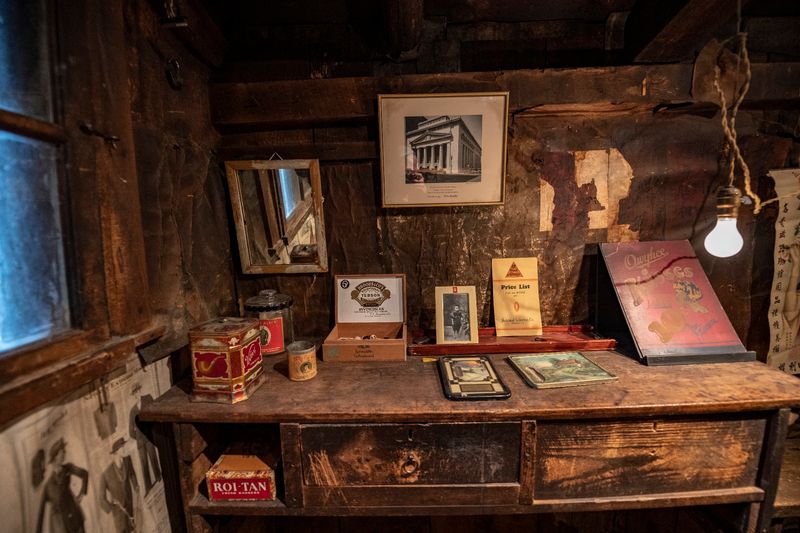
Inside the building, the apothecary section still holds hundreds of herbal medicine containers, many of them labeled in Chinese characters and still containing their original contents. The sheer variety of remedies on display reflects how comprehensive Doc Hay’s practice was, covering conditions that ranged from everyday ailments to more serious chronic health issues.
What makes this especially interesting is that Doc Hay’s patients were not only Chinese. Miners, ranchers, farmers, and settlers of all backgrounds came to him for treatment, often after conventional medicine had failed to help them.
His reputation extended well beyond the Chinese community and into the broader fabric of Grant County life. The ledgers and correspondence preserved in the building include records of patients from across Oregon and beyond, which gives a sense of just how far his influence actually reached during his decades of practice.
A Snapshot of Anti-Chinese Sentiment in the American West
The story of Kam Wah Chung cannot be told honestly without acknowledging the environment in which Doc Hay and Lung On built their lives. The late 1800s and early 1900s were a period of intense and often violent anti-Chinese sentiment across the American West, driven by economic competition, racial prejudice, and laws specifically designed to push Chinese immigrants out of public life.
The Chinese Exclusion Act of 1882 made it illegal for Chinese laborers to enter the United States and denied citizenship to those already here. In towns across Oregon, Chinese residents faced harassment, legal restrictions, and in some cases outright physical danger.
John Day was not immune to these pressures.
What Doc Hay and Lung On managed to build within this hostile climate is all the more meaningful because of it. Their ability to maintain the trust and business of a mixed community, to keep their doors open for decades, and to become genuinely respected figures in a region that was not always welcoming speaks to both their skill and their persistence.
The site does not shy away from this history, and the tour guides address it directly and thoughtfully during the hour-long presentation.
The National Historic Landmark Status and What It Means
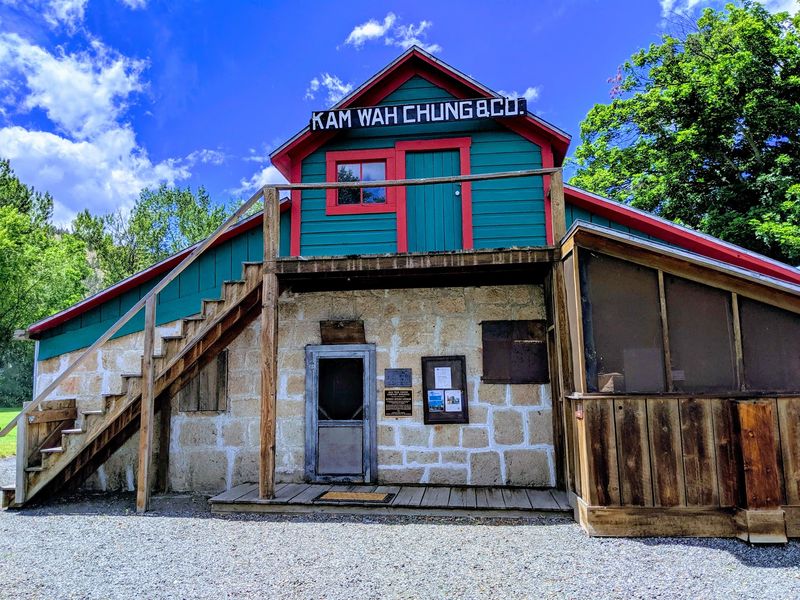
Kam Wah Chung holds both state and federal recognition. Oregon State Parks manages the property, and the building also carries the designation of National Historic Landmark, which is one of the highest levels of recognition the federal government grants to historically significant places in the United States.
That designation is not handed out casually. A site must demonstrate exceptional value in illustrating or interpreting the heritage of the country, and the review process is thorough.
The Kam Wah Chung building qualified on the strength of its intact interior, its connection to Chinese American history, and its role as a documented center of community life during a formative period in Oregon’s past.
The practical effect of this status is that the building receives a level of protection and care that goes beyond what a typical historic building might get. Preservation decisions are made carefully, and any changes to the structure or its contents require review.
That is part of why the interior remains so remarkably close to its original condition. The combination of state management and federal landmark status has created a preservation framework that keeps this place from being slowly changed or commercialized over time.
Lung On’s Role as Businessman and Community Connector
While Doc Hay handled the medical practice, Lung On was the engine that kept the commercial side of Kam Wah Chung running. He managed trade, maintained correspondence with suppliers and customers, and served as a connector between the Chinese community and the wider world of eastern Oregon commerce.
Lung On was known for his sharp business instincts and his wide social network. He communicated in English fluently and maintained relationships with ranchers, miners, and merchants across the region.
His letters, many of which are still preserved in the building, reveal a man who was constantly negotiating, problem-solving, and keeping the operation moving forward even when external pressures made that difficult.
The store carried an impressive range of goods, from food staples and dry goods to tools and clothing. It served as a general store, a social gathering place, and an informal community center for Chinese residents who had limited access to other institutions.
Lung On’s ability to straddle two worlds, operating comfortably in both Chinese and American commercial culture, was a key reason the business survived as long as it did. His story deserves as much attention as Doc Hay’s, and the tour gives both men equal consideration.
Practical Tips for Planning Your Visit
The site is open daily from 9 AM to 4 PM, and tours are free. The phone number for reservations is (541) 575-2800, and calling ahead is genuinely important since tour groups are capped at eight people and slots can fill up faster than you might expect, especially during summer months.
John Day is roughly a three-hour drive from Bend and about four hours from Portland, so this is a destination that works best as part of a longer road trip through eastern Oregon. The Painted Hills, part of John Day Fossil Beds National Monument, are nearby and pair well with a stop at Kam Wah Chung for a full day of exploration in the region.
No food or water is allowed inside the heritage building itself, so plan accordingly and leave those items at the interpretive center before the tour begins. Donations are welcome but not solicited, and the volunteers who run many of the tours are passionate and well-informed.
Comfortable walking shoes are fine since the tour covers a short distance between the interpretive center and the building. Arrive a few minutes early to get oriented before your group heads out.
Why This Place Stays With You Long After You Leave
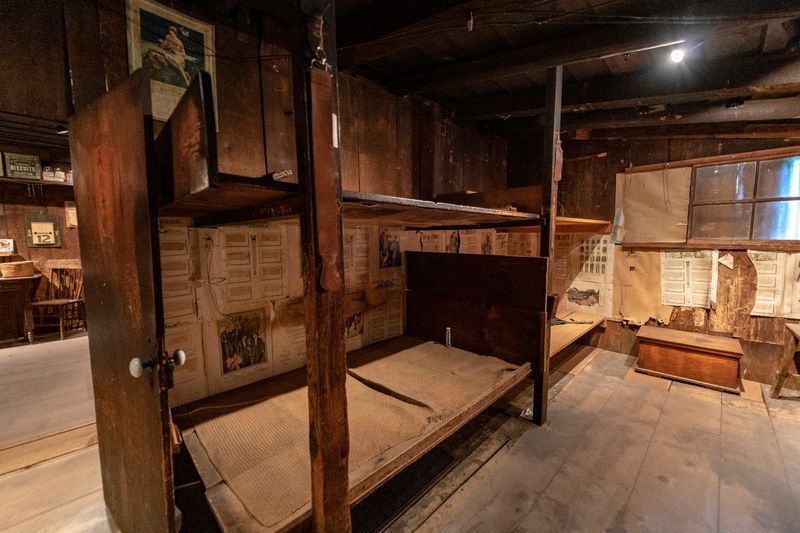
There are plenty of museums that do a fine job of telling history, but most of them do it through reconstructions, replicas, and carefully arranged displays. Kam Wah Chung operates on a completely different level because almost nothing inside it was put there by a curator.
The objects in that building are where they are because Doc Hay and Lung On put them there.
That distinction sounds small until you are actually standing inside the space. The worn surfaces, the handwritten labels, the personal items mixed in with the commercial goods, all of it carries a weight that carefully staged museum exhibits rarely achieve.
You get a genuine sense of two real people who lived and worked in this exact spot for decades.
Visitors who come in expecting a standard museum experience tend to leave having felt something more. The combination of the intact interior, the thoughtful tour guides, the free admission, and the remote eastern Oregon setting creates an experience that feels both rare and unhurried.
It is the kind of place that stays in your memory not because it overwhelmed you with spectacle, but because it quietly showed you something true about people who deserved to be remembered.
Share this story