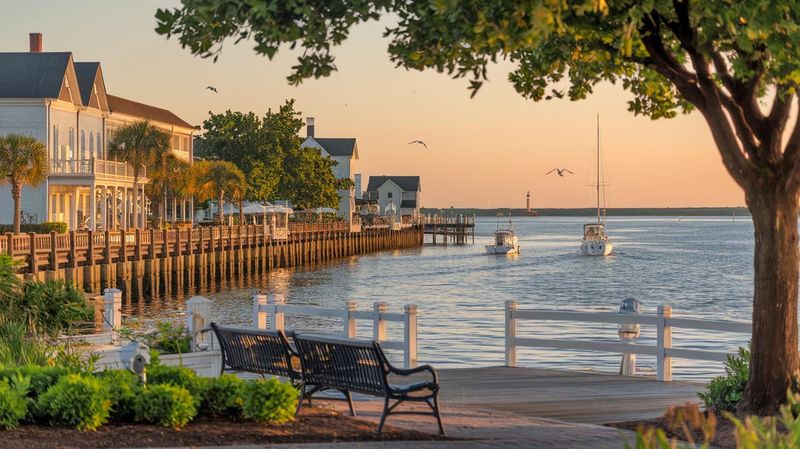
Tucked at the mouth of the Cape Fear River in Brunswick County, Southport, North Carolina has been quietly drawing visitors who want a coastal fix without the shoulder-to-shoulder crowds of bigger beach destinations. The town of roughly 4,000 people earned national attention in 2015 when Coastal Living named it America’s Happiest Seaside Town, and travel writers have kept returning to it ever since. What makes the place worth the trip is less about any contest title and more about what you actually find there: a walkable waterfront, a preserved historic district, and a ferry that opens up a whole separate beach-and-history day across the water.
The verified story behind Southport’s “happiest” label
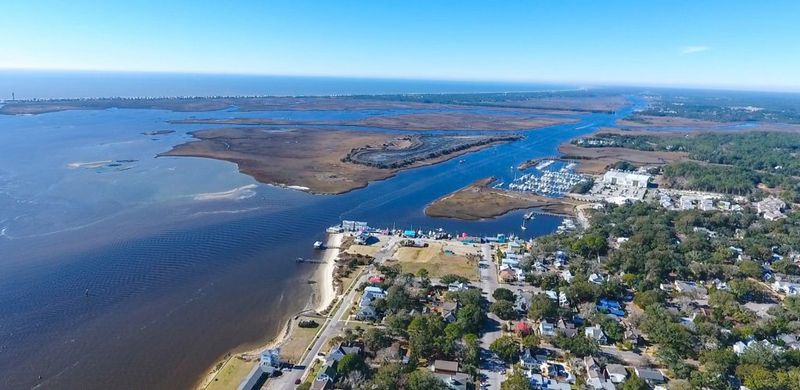
Magazine contest titles travel fast and lose context even faster, so it helps to know exactly what Southport actually won. In June 2015, Coastal Living named Southport its Happiest Seaside Town in America, beating out nine other finalists that the magazine’s editors had pre-selected. The final decision came from online public voting, not from a team of researchers with clipboards measuring resident mood.
That distinction matters. Coastal Living’s reported selection criteria included coastal character, sunny days, air quality, commute times, crime rates, standard of living, beach health, and Gallup-Healthways well-being data. Those are real factors, and they make the award more substantive than a pure popularity vote. Still, combining editorial judgment with an open public poll does not produce a clinical ranking of which town’s residents are objectively the most content in America today.
Think of it as a well-regarded travel magazine spotlighting a genuinely appealing place, which is still worth something. Southport has continued to attract travel coverage in the years since, including a 2021 nomination as one of USA Today’s 10 Best Coastal Small Towns. That nomination is not the same as winning or finishing high in a ranked list, so it is best read as evidence that the town keeps catching editors’ eyes rather than proof of repeated happiness victories.
The honest version of the headline is narrower and more interesting: a small Cape Fear town won one prominent national contest a decade ago, and the travel world has not forgotten about it. That track record is reason enough to take a closer look at what Southport actually offers a visitor.
A small riverfront town with a precise sense of place
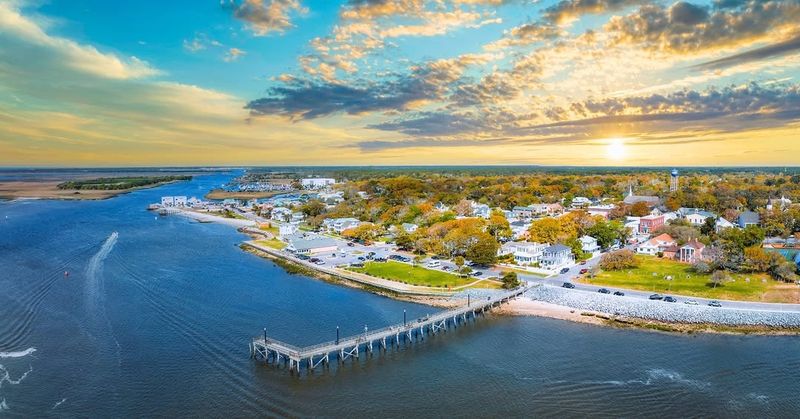
Geography does a lot of work in Southport. The town sits at the point where the Cape Fear River meets the Atlantic Ocean and the Intracoastal Waterway, giving it a layered coastal identity that feels different from a standard barrier-island beach town. The 2020 Census counted 3,971 residents, making “about 4,000 people” an accurate shorthand for that benchmark year, though the current figure may differ.
That small population means the town core is genuinely compact. You can cover most of what matters on foot, moving between the waterfront, the downtown commercial blocks, and the residential streets without needing to move the car. The water is always close, and the river views shift depending on which corner you turn.
What Southport is not, and this catches some visitors off guard, is a direct oceanfront community. The town’s tourism office anchors its appeal in the waterfront, historic downtown, preserved architecture, shops, galleries, seafood, and maritime heritage rather than surf and sand. Ocean beaches are nearby, but reaching them requires a ferry ride or a drive to a separate destination. Visitors who arrive expecting to walk from their parking spot to breaking waves will need to adjust their mental map.
Compared with the Outer Banks, Southport draws less traffic on most days, but that comparison has limits. The town is actively marketed by Brunswick County and promoted by state tourism channels, so “overlooked” is a relative term. The city’s own visitor resources position Southport as a destination in its own right, not a hidden local tip. The right frame is a smaller-scale coastal town with genuine character, not a secret that crowds have somehow missed.
Let the riverfront organize the visit
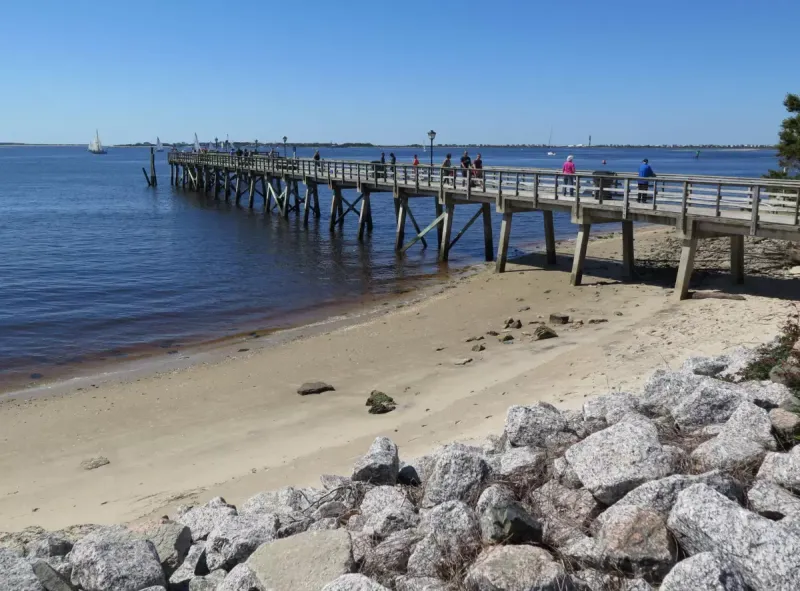
Waterfront Park is the natural anchor for a first visit. Positioned along the Cape Fear River, the park offers open river views, a public fishing pier, picnic tables, walkways, benches, and swings, all without an admission charge. It is an easy place to slow down, watch the water traffic, and get a feel for the town before wandering further.
A practical note from the city’s own park information: Waterfront Park has no restrooms. Plan accordingly before you settle in for a long stretch at the pier. It is a small detail, but the kind that matters when you have kids or an afternoon ahead of you.
From the park, the rest of the town fans out in walkable fashion. The downtown commercial area includes shops, galleries, and seafood restaurants woven into the same historic streetscape. The maritime character is not a theme-park overlay; it reflects the town’s working waterfront history and its continued connection to the river and nearby ocean. Browsing a gallery or picking up local seafood feels like a natural extension of the waterfront walk rather than a detour to a separate tourist zone.
The riverfront also sets honest expectations about cost. Sitting at the park, fishing from the pier, and walking the streets carry no entry fee. Meals, shops, and paid attractions add up the way they do anywhere. A low-cost outing is genuinely possible here, especially if you pack lunch and treat the waterfront as the main event rather than a warm-up act.
Just remember that “low-cost” is not the same as “always uncrowded,” particularly during the warmer months when visitor numbers climb.
The historic district makes walking the attraction
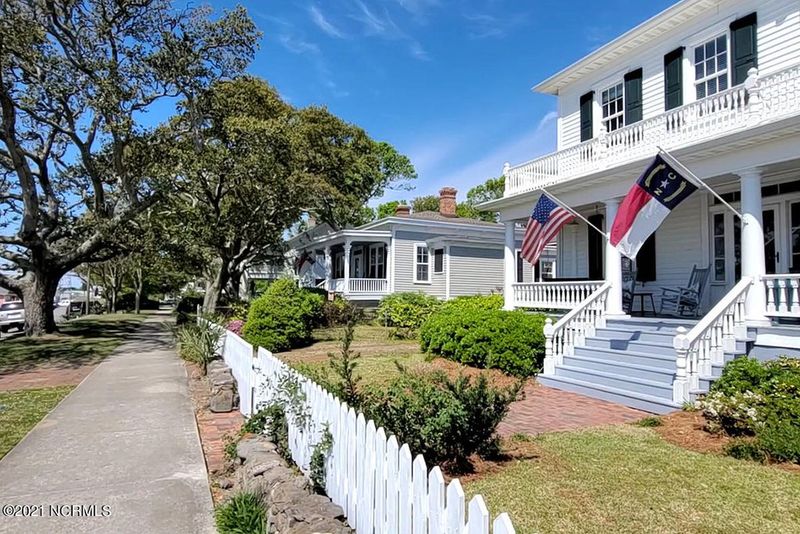
A lot of coastal towns promise charm and deliver strip malls. Southport’s built environment is different enough to be worth understanding before you arrive. The Southport Historic District is listed on the National Register of Historic Places, which means the federal government has recognized it as having significant historical and architectural value. That designation is not handed out for cosmetic reasons.
The district takes in a genuine cross-section of the town’s built fabric: commercial buildings, government structures, religious buildings, parks, a cemetery, and private residences. Walking through it, you move between different scales and eras of construction without the streetscape feeling curated or sanitized. The National Register listing provides the formal documentation for anyone who wants to read deeper into the architectural and historical record.
For a visitor, the practical payoff is straightforward. The streets themselves are the activity. You are not waiting for a tour to start or paying to enter a house museum; you are moving through a place that has held onto its physical history in a way that many coastal towns have not. The variety within the district, homes next to civic buildings next to churches, keeps the walk from feeling repetitive.
One reasonable expectation to set: the historic district is not a living-history attraction with costumed interpreters or scripted programming. The experience is quieter and more self-directed than that. Visitors who prefer guided context may want to check whether the city or local organizations offer walking tours during the season they plan to visit, rather than assuming interpretive resources will be available at every corner.
Use the ferry for a separate beach-and-history day
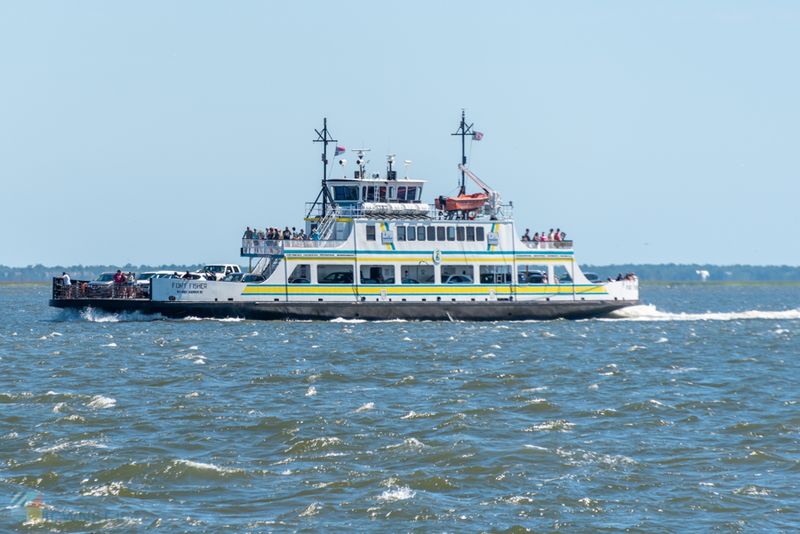
One of the more common misconceptions about Southport is that staying in town gives you automatic beach access. The riverfront is beautiful, but the Cape Fear River is not a swimming beach, and the Atlantic Ocean is on the other side of a barrier island. Getting to actual ocean sand requires either a road trip or the ferry.
The Southport-Fort Fisher ferry connects the mainland town with the Fort Fisher area on Pleasure Island, and the crossing itself is part of the experience. Once across, visitors have access to three distinct destinations within a short distance of each other. Fort Fisher State Recreation Area offers ocean beach access managed by North Carolina State Parks. The North Carolina Aquarium at Fort Fisher provides indoor exhibits focused on coastal and marine life.
Fort Fisher State Historic Site marks the location of a Civil War earthwork fortification and includes a museum covering the fort’s role in the conflict.
Combining those three stops with a morning in Southport makes for a genuinely full day without feeling rushed. The key is preparation. NCDOT manages the ferry schedule, and routes, departure times, fares, and vehicle-space availability can change with the season or on short notice. Checking current NCDOT information before you leave home is not optional caution; it is basic planning.
Vehicle space fills up on busy days, and showing up at the dock without confirmed availability can mean a long wait or a missed crossing.
Travelers who would rather skip the ferry can reach the Fort Fisher area by road, though the drive is longer than the water crossing suggests. Either way, treat the ferry and the Fort Fisher destinations as a distinct day-trip layer rather than an automatic extension of the Southport visit.
Choose timing carefully: parking, weather, and festival crowds

Parking in downtown Southport is free and available on public streets throughout the area, which removes one of the usual coastal-town headaches. The city’s visitor FAQ confirms this, and also identifies April through September as the most popular period for visitors, with summer bringing warm, humid conditions and average temperatures reaching the high 80s. Free parking does not mean easy parking when the town is at its busiest.
The single biggest crowd event on the calendar is the North Carolina Fourth of July Festival. Visit North Carolina describes it as one of the state’s signature Independence Day celebrations, and Travel and Leisure has reported attendance exceeding 40,000 people. That number is roughly ten times the town’s full-time population. The city publishes specific road-closure and trolley information for the festival period, which gives you a sense of how significantly the event reshapes normal access to the town.
If your goal is a relaxed riverfront walk and easy browsing through the historic district, the shoulder seasons, meaning late October through early March, offer a noticeably calmer experience. Spring weekdays before Memorial Day and fall weekdays after Labor Day are also reasonable windows for avoiding the worst of the summer visitor surge.
Weather deserves its own line of planning. Southport sits in a coastal zone that is vulnerable to flash flooding, storm surge, heavy rain, and tropical weather systems. The city has issued formal warnings about flooding events and publishes guidance for residents and visitors on how to respond. Before any trip, check current forecasts and local notices.
If you encounter standing water on a road, do not drive through it; the city’s own emergency guidance is explicit on this point. Follow any closure or evacuation instructions from local authorities without waiting to see whether conditions improve on their own. The city’s flash flooding guidance is worth reading before you go, especially if you plan a visit during hurricane season, which runs June through November.
The real appeal is layered, not scientifically ranked
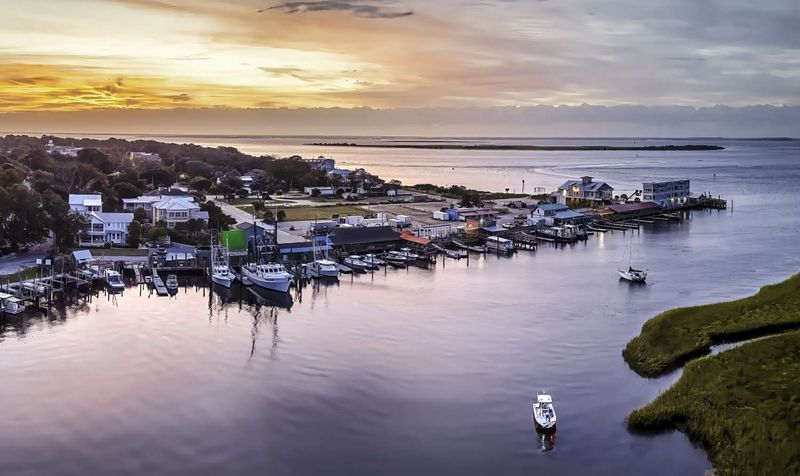
Southport is not America’s objectively happiest town. No peer-reviewed study has measured that, and a 2015 magazine contest, however thoughtfully assembled, does not settle the question. What that Coastal Living win actually signals is that a well-regarded publication looked at a list of coastal towns and its readers chose this one. That is worth something, even if it is worth less than the headline implies.
The stronger case for visiting rests on specifics. The waterfront, the walkable downtown, and the maritime setting combine into an experience that is genuinely easy to enjoy without a packed itinerary. The National Register historic district gives the streets real texture. The Fort Fisher ferry turns a riverfront day trip into a two-part coastal outing that covers beach time and a Civil War historic site without driving a long highway stretch.
Compared with the Outer Banks, Southport receives less traffic on most days and carries fewer of the commercial trappings that follow heavy tourism. That comparison holds on an average weekend; it does not hold during the Fourth of July festival. Choose your timing with that in mind, and the town delivers what the travel coverage has been promising for a decade: a small-scale, historically grounded coastal outing that rewards a slower pace.
Share this story