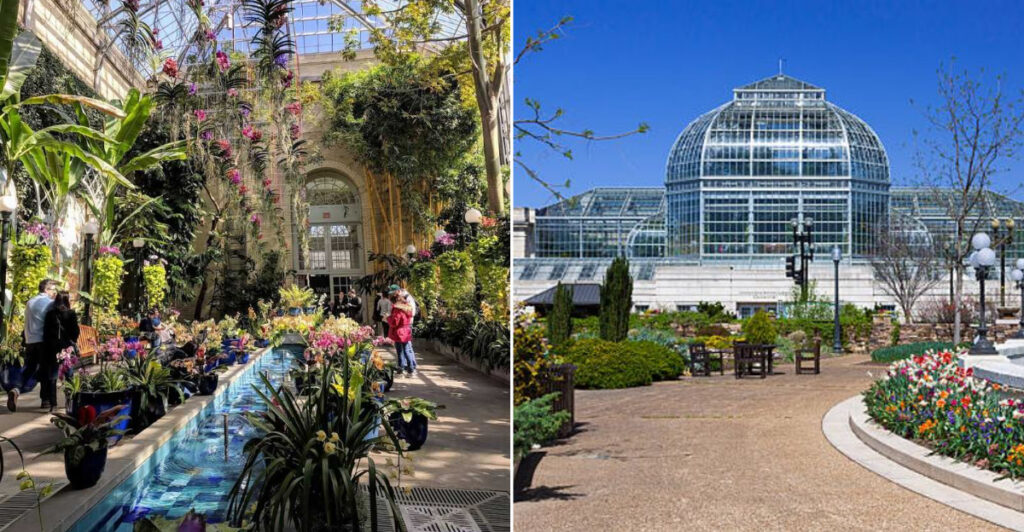
Right on the edge of the National Mall, tucked between the Capitol building and the bustle of D.C. foot traffic, there is a glass structure that most tourists walk past without a second glance. That is a mistake worth correcting.
This place packs tropical rainforests, desert landscapes, orchid collections, and carnivorous plants all under one roof, and it costs absolutely nothing to get in. Whether you have two hours or just thirty minutes to spare, this place delivers the kind of variety that most paid attractions cannot match.
This article walks through everything worth knowing before your visit, from the layout of the conservatory to the rare plants that only bloom once every few years.
A Living Museum With Deep American Roots
The United States Botanic Garden holds the distinction of being one of the oldest botanical gardens in North America. Congress established it in 1820, making it a federally funded institution that has served the public for over two centuries.
Its founding mission was rooted in science and education. Early plant collections helped researchers and lawmakers alike understand the agricultural and medicinal potential of plants from around the world.
That educational thread still runs through every exhibit today.
The garden operates under the Architect of the Capitol, which means it is maintained with the same level of institutional care as the Capitol building itself. That government backing is part of why the facility stays free and well-maintained year after year.
Few botanical gardens in the country can claim this kind of historical continuity, and that long track record gives the whole place a sense of purpose that newer attractions simply cannot replicate.
The Conservatory: A Glass World of Biomes
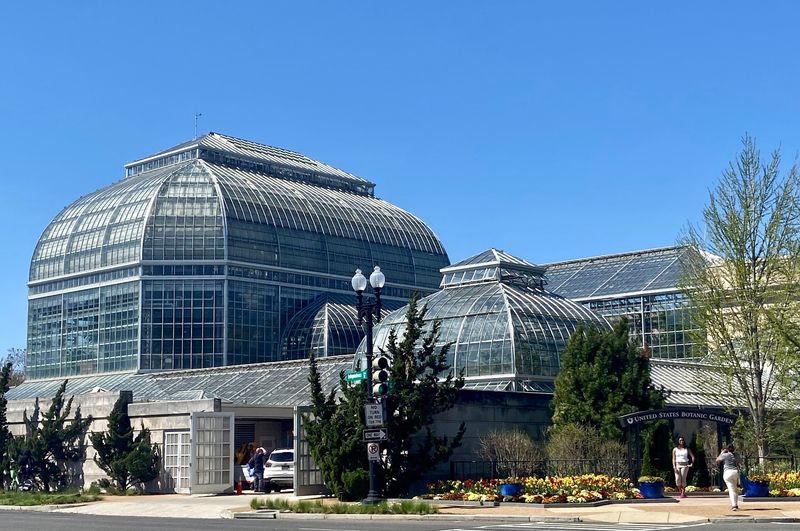
The centerpiece of the entire property is the conservatory, a massive glass and steel structure that houses dozens of distinct plant environments. From the outside, it looks impressive.
From the inside, it feels like a different planet.
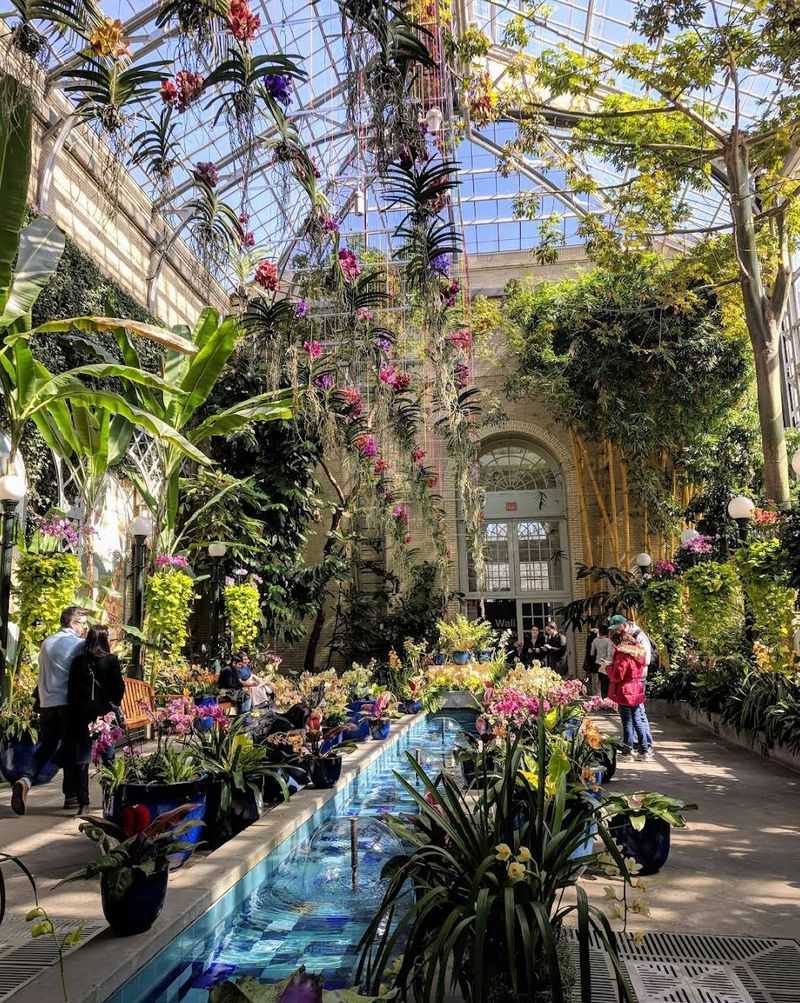
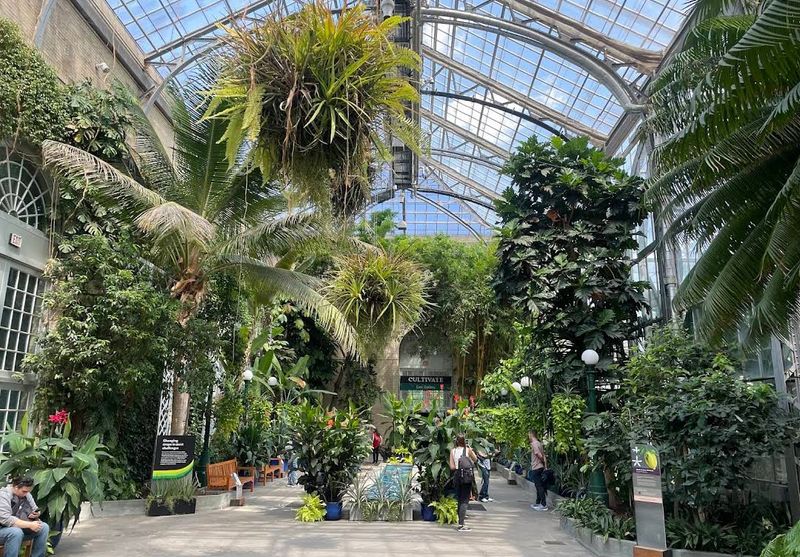
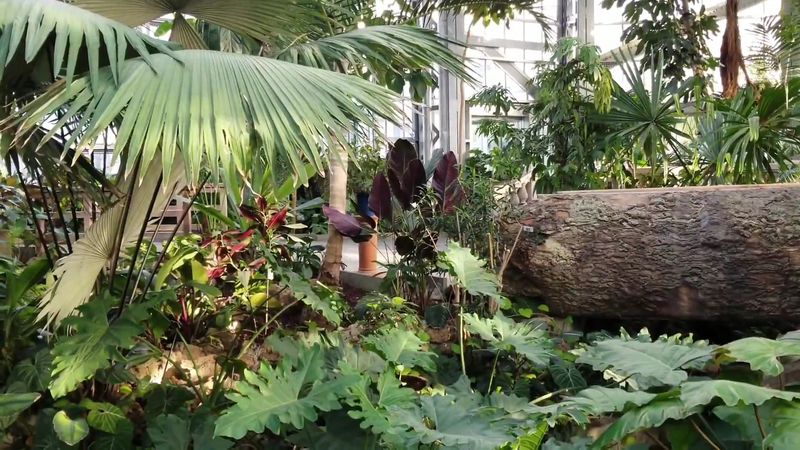
Each room represents a different climate zone. The tropical section features towering palms and dense canopy coverage.
The desert room shifts the entire atmosphere with cacti, succulents, and arid-adapted plants arranged in carefully designed landscapes. Moving between rooms gives the experience a rhythm that keeps curiosity alive from one doorway to the next.
The conservatory stays warm and humid in the tropical areas, which means dressing in layers is a smart move. The second-floor walkway gives a completely different perspective, letting you look down into the canopy from above.
That elevated view of the tropical section is one of those details that turns a pleasant visit into something genuinely memorable, and it is not something most people expect to find here.
The Canopy Walk That Changes Your Perspective
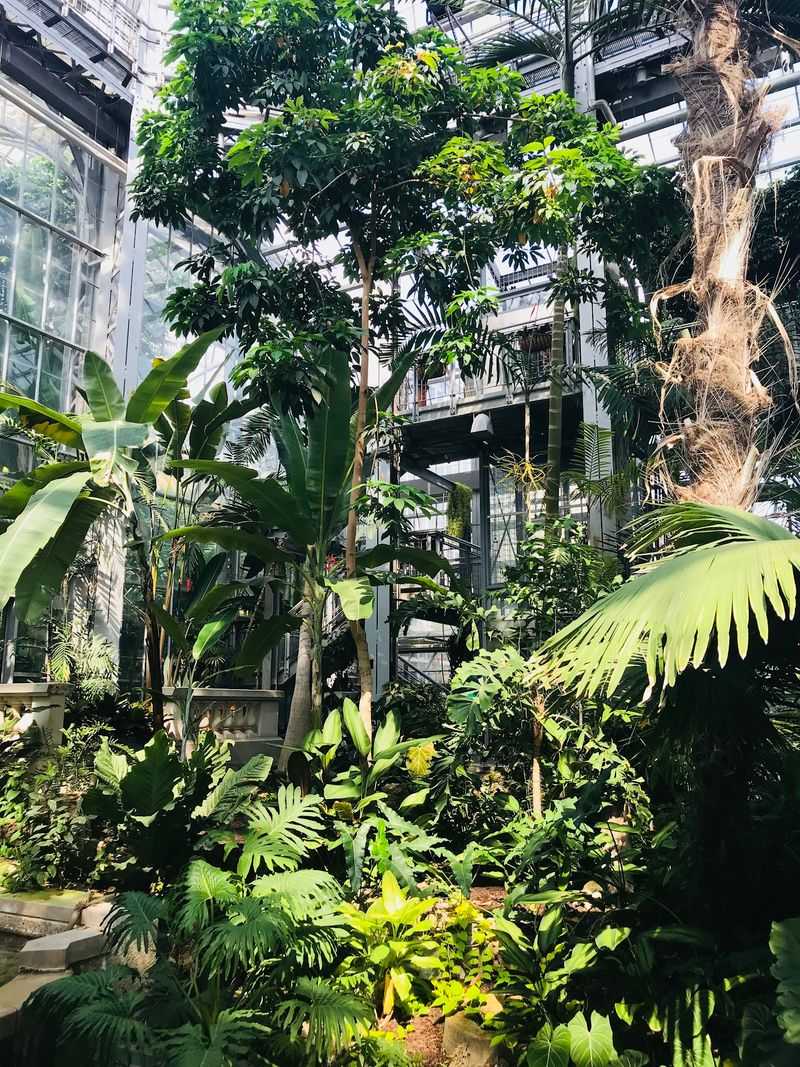
Not every botanical garden offers the chance to walk above the trees. The second-floor canopy walkway inside the tropical section is one of the most talked-about features of the entire conservatory, and for good reason.
Accessible by both stairs and elevator, the upper walkway puts you at eye level with the tops of the palms and large-leafed tropical plants that crowd the floor below. The view downward is layered and complex, showing how the different plant species stack and compete for space just like they would in an actual rainforest setting.
The walkway also gives photographers a unique angle that ground-level shots simply cannot replicate. Natural light pours through the glass panels overhead, creating bright conditions that work well for plant photography without needing extra equipment.
Plan to spend a few extra minutes up there, because most people linger longer than they expect. Coming down feels a little like returning from a quick expedition.
Desert to Rainforest: The Variety Is Real
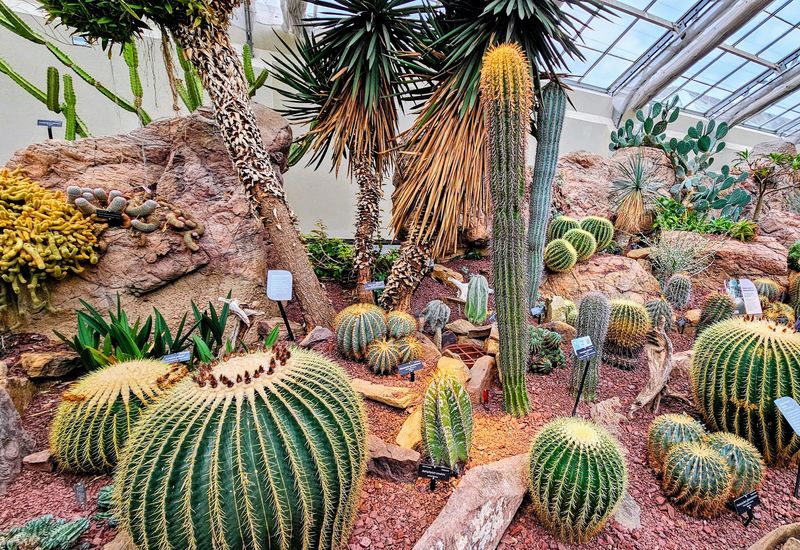
Few indoor spaces manage the transition between climate zones as smoothly as the conservatory does here. Walking from the dry, open desert room into the dense, leafy tropical section within the span of a few steps is a genuinely striking shift in environment.
The desert room features an impressive collection of cacti, agaves, and succulents arranged to mimic natural arid landscapes. The plants here are shaped by survival, and their textures and forms reflect that.
Some specimens are massive, with root systems that have been developing for decades.
The tropical zone operates at the opposite extreme. Broad-leafed plants, hanging vines, and towering palms fill every vertical inch of the space.
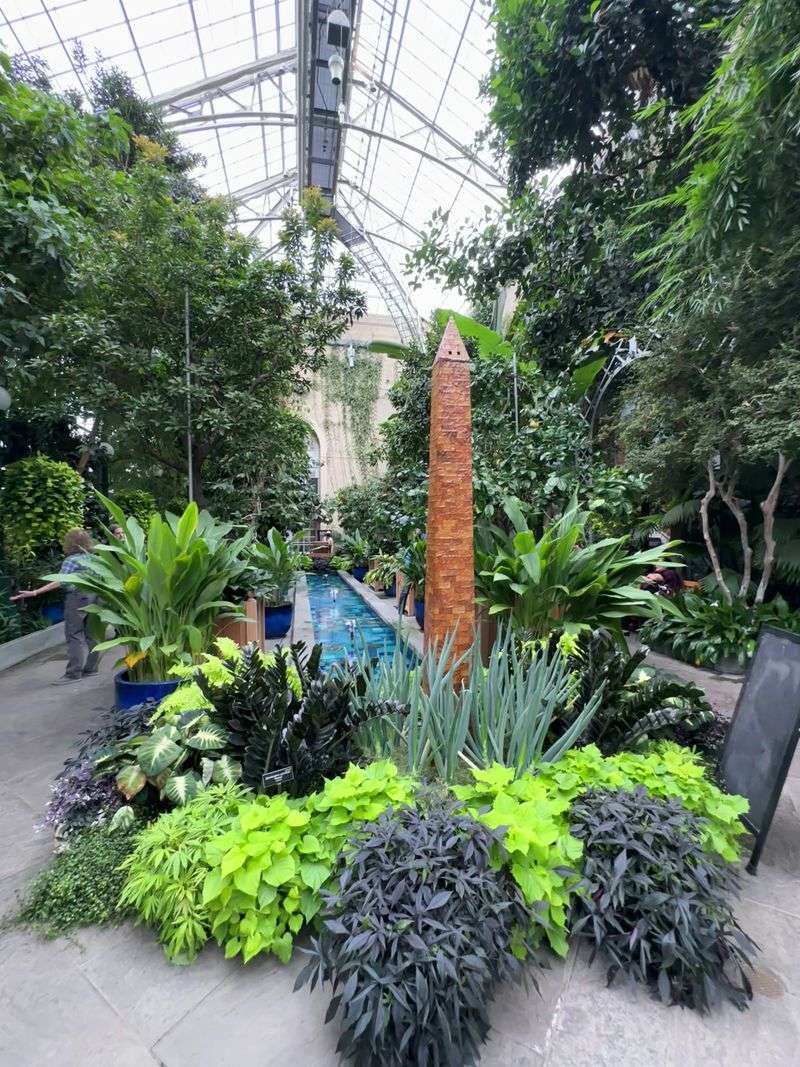
Aquatic plants add another layer to the mix, with water features woven into the layout. The World Deserts and Tropics sections alone justify the visit, and seeing them back to back makes the contrast between Earth’s ecosystems land in a way that no textbook diagram can quite match.
The Corpse Flower: A Rare and Remarkable Event
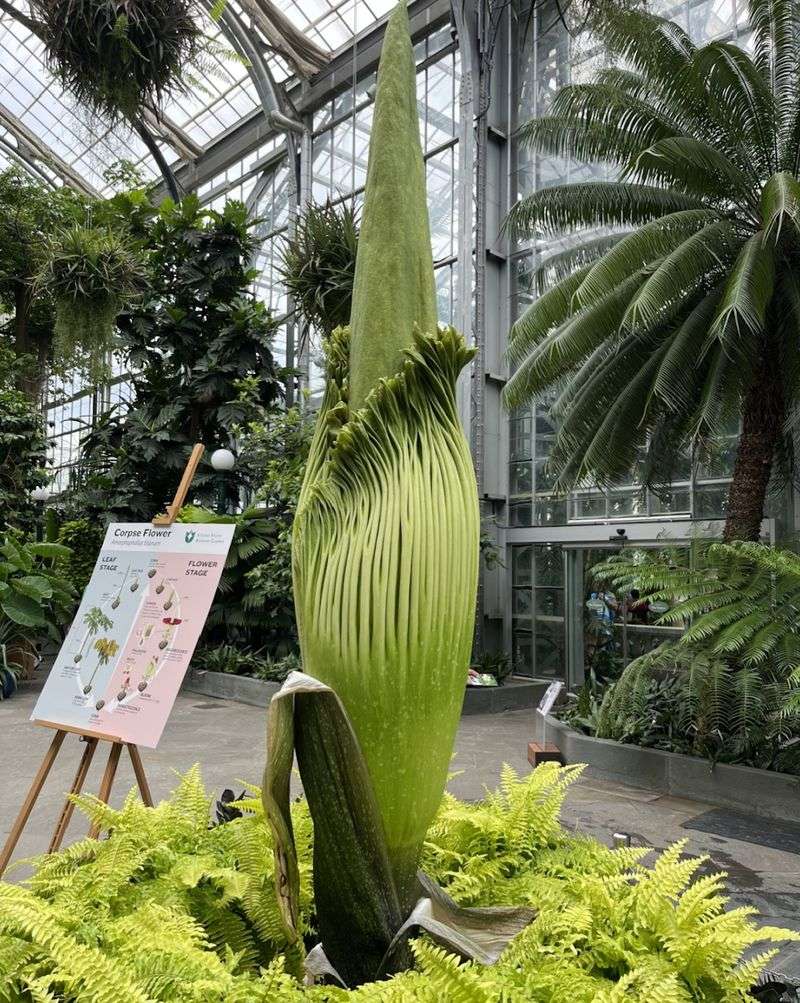
Every few years, the United States Botanic Garden becomes the center of attention for plant enthusiasts across the country. The reason is the corpse flower, scientifically known as Amorphophallus titanum, one of the most unusual blooming plants in the world.
The corpse flower takes years to build up enough energy to bloom, and when it finally does, the event lasts only a day or two. The bloom itself is visually dramatic, with a tall central spike and a large petal-like structure that opens briefly before wilting.
Crowds line up to catch a glimpse during these rare events.
The garden has successfully cultivated multiple corpse flower plants, making it one of the few institutions in the U.S. where these blooms occur with some regularity. If one happens to be blooming during your visit, count that as a genuine piece of luck.
The next bloom after one event typically takes another two to three years to arrive.
Orchids, State Flowers, and Rotating Exhibits
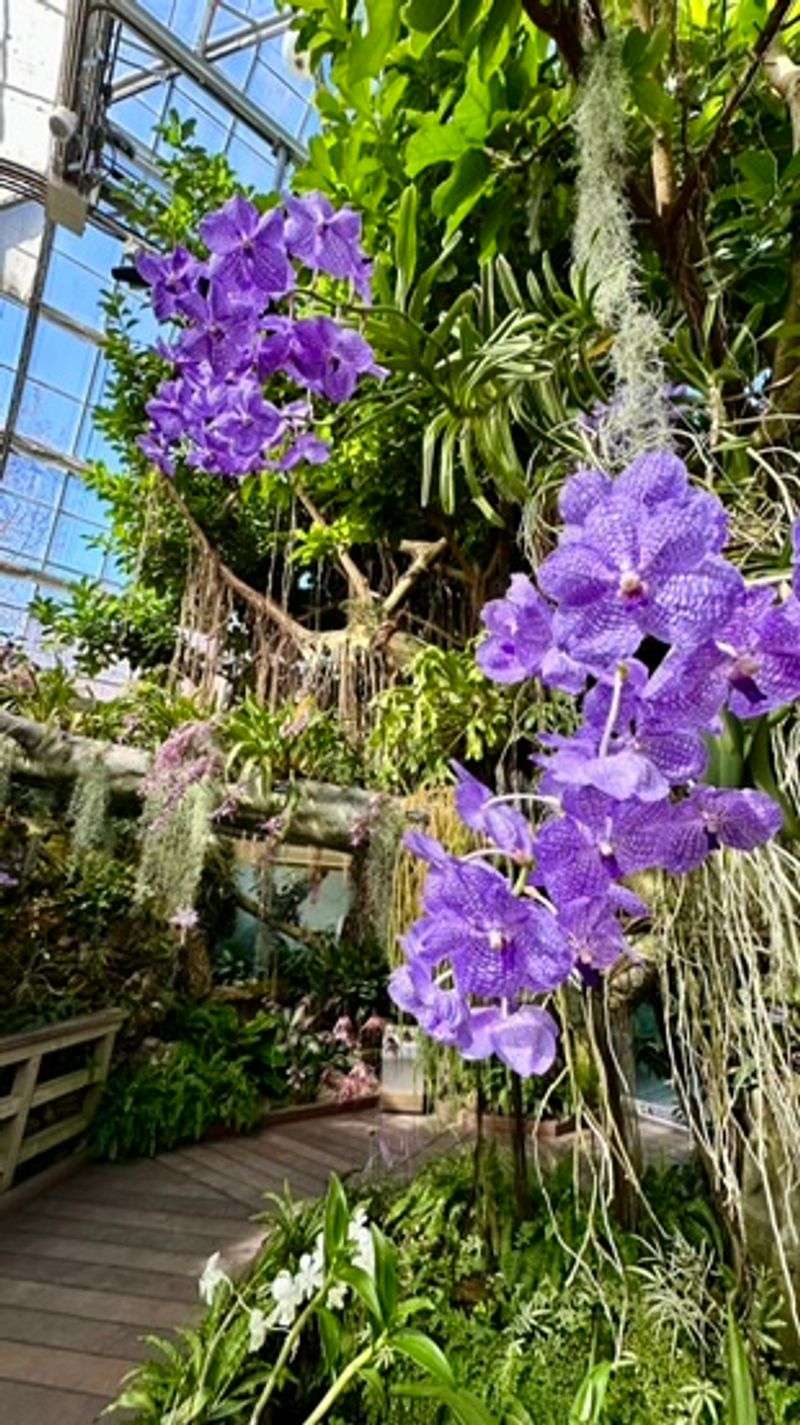
The orchid collection at the United States Botanic Garden is one of the highlights that plant lovers consistently point to after their visit. The variety on display spans colors, sizes, and growth habits that cover a wide range of the orchid family’s diversity.
Beyond the permanent orchid room, the garden regularly rotates special exhibits throughout the year. The upcoming America’s State Flowers exhibit for 2026 is already generating interest, with the garden planning to display representative blooms from all fifty states in a coordinated showcase.
Rotating exhibits keep the experience fresh for repeat visitors. Someone who comes in spring may encounter a completely different featured display than someone visiting in fall.
That built-in variety is part of what makes the garden worth returning to rather than treating as a single-visit destination. Checking the official website at usbg.gov before your trip helps you time the visit around whichever current or upcoming exhibit lines up with your interests.
Outdoor Gardens and the Bartholdi Fountain
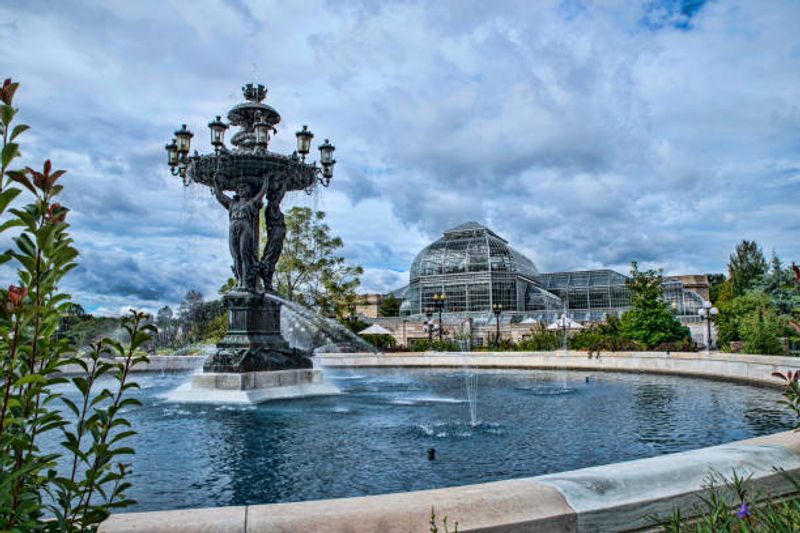
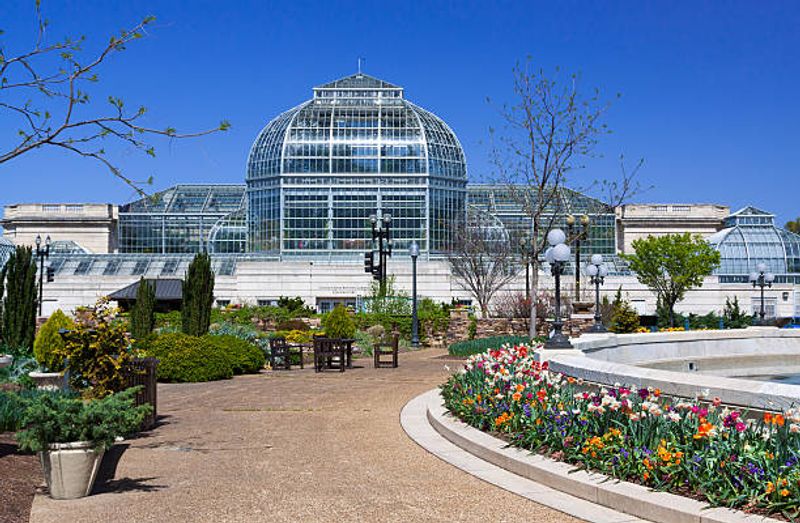
The indoor conservatory gets most of the attention, but the outdoor grounds of the United States Botanic Garden are worth exploring on their own terms. The National Garden, located just behind the conservatory, covers about three acres and features several distinct planting areas.
The Bartholdi Fountain anchors the outdoor space with a presence that is hard to ignore. Designed by Frederic Auguste Bartholdi, the same sculptor behind the Statue of Liberty, the fountain was created for the 1876 Philadelphia Centennial Exposition and eventually found its permanent home here.
It operates seasonally and draws consistent attention from visitors exploring the grounds.
The rose garden and regional native plant collections round out the outdoor experience. Timing matters for the outdoor sections, since winter visits may find the beds dormant or sparse.
Spring and summer bring the outdoor areas to their peak, with blooms and greenery filling the paths and garden beds that surround the conservatory on all sides.
Kid-Friendly Features That Make It a Family Stop
Families with kids have plenty of reasons to put the United States Botanic Garden on the itinerary. The garden includes a dedicated children’s garden with interactive elements designed to get younger visitors actively engaged rather than just walking past displays.
The children’s area features a small playground and hands-on planting stations where kids can interact directly with soil and plants. Educational displays throughout the conservatory are written at accessible levels, with visuals that hold younger attention spans better than dense text panels.
The corn exhibit is a consistent crowd-pleaser for school-age kids. It breaks down the many industrial and agricultural uses of corn in a way that makes the familiar crop feel surprisingly complex and interesting.
The interactive learning zones scattered through the facility give families natural stopping points to discuss what they are seeing. The whole setup works well for field trips, which is exactly why school groups are a common sight on weekday mornings throughout the year.
Accessibility and Practical Visitor Information
The United States Botanic Garden takes accessibility seriously, and the infrastructure reflects that commitment. The conservatory is fully wheelchair accessible, with paved paths throughout and elevator access to the second-floor canopy walkway.
Manual wheelchairs are available to borrow at no cost at the entrance.
The garden is free every day of the week, open from 10 AM to 5 PM. No reservations are needed for general admission.
Groups and school programs may have separate booking requirements, but individual and family visits are completely walk-in friendly.
There is no on-site parking available to the general public without a permit, so building in extra time for parking or using the Metro is the smarter move. The gift shop near the exit offers plant-themed merchandise and books, though it runs on the smaller side.
Arriving closer to opening time on weekdays tends to mean thinner crowds, which makes the conservatory feel more open and easier to navigate at your own pace.
Why This Garden Deserves More Than a Passing Glance
A lot of D.C. attractions require planning, ticket purchases, and timed entries. The United States Botanic Garden asks for none of that.
It sits right on the National Mall, free to enter, open daily, and packed with more genuine variety than most visitors expect going in.
The combination of rotating exhibits, rare plant events like the corpse flower bloom, a canopy walkway, carnivorous plants, desert landscapes, and outdoor fountain gardens gives the property a range that most single-theme attractions cannot touch. Each section of the conservatory introduces something new, which keeps the visit moving without ever feeling rushed.
The garden works for solo visitors, couples, school groups, and families with young kids. It fits into a full day on the Mall or stands on its own as a destination worth a dedicated trip.
For a city full of impressive institutions, this one earns its place at the top of the underrated list with very little effort and zero cost at the door.
Where It All Begins: Address and Location
The United States Botanic Garden sits at 100 Maryland Ave SW, Washington, DC 20001, just steps from the U.S. Capitol building on the southwest corner of the National Mall.
The location alone makes it one of the most conveniently placed natural attractions in the entire city.
Getting there is straightforward. The Federal Center SW Metro station on the Blue, Orange, and Silver lines puts you within easy walking distance.
Street parking and nearby garages exist within a 10 to 15 minute walk, so planning ahead is worth the effort.
The garden is open daily from 10 AM to 5 PM, which fits neatly into a typical D.C. sightseeing day. There is no admission fee, no ticket booth, and no reservation required for general entry.
Pair it with a visit to the Capitol or the National Mall, and you have a full afternoon without spending a dollar on entry fees.
Share this story