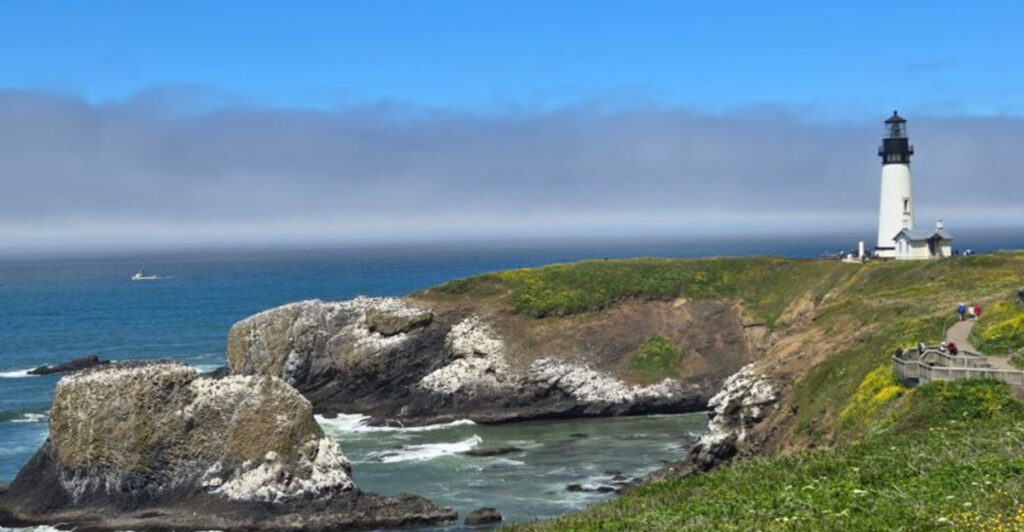
There is a stretch of Oregon coastline where a 93-foot lighthouse stands watch over crashing Pacific waves, harbor seals lounge on basalt rocks, and tide pools teem with sea stars and anemones. I had seen photos of this place for years before finally making the drive, and honestly, the real thing puts every photo to shame.
The headland juts boldly into the ocean, offering views that stop you mid-step, and the variety of things to do here surprised me at every turn. From the moment I paid the modest $7 entry fee and rolled through the gate, I knew this was going to be one of those visits I would be talking about for a long time.
Where You Are: The Headland at Newport, Oregon
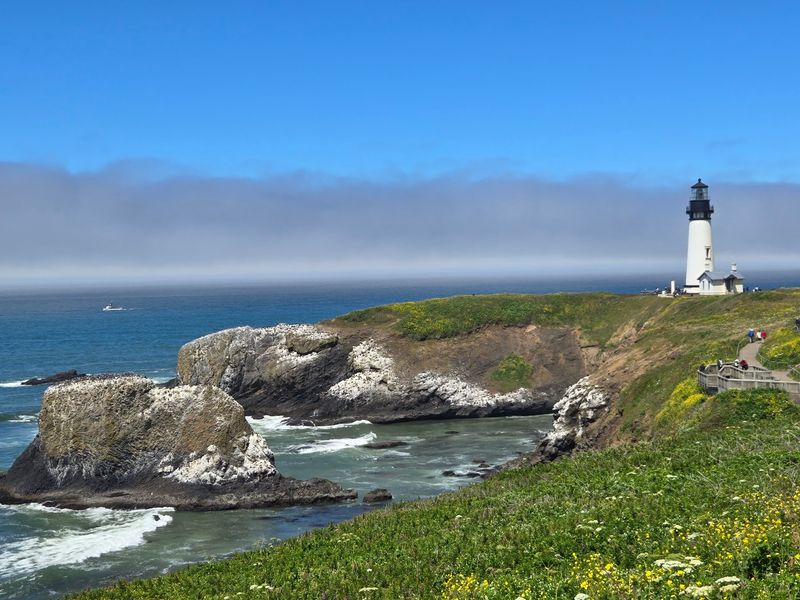
The full address is 750 NW Lighthouse Dr, Newport, OR 97365, and the moment you turn off Highway 101 and follow that winding road toward the ocean, the landscape shifts in a way that feels almost theatrical. Yaquina Head Outstanding Natural Area is managed by the Bureau of Land Management, and it sits just north of Newport on the central Oregon coast.
The headland extends about a mile into the Pacific, giving visitors sweeping 360-degree ocean views that are genuinely hard to find anywhere else along this coastline. On clear days, you can see wave sets rolling in from miles away.
The area is open daily from 8 AM to 5 PM, and the $7 vehicle pass covers three days, which is a solid deal given how much there is to explore. If you carry a National Parks pass, the entrance fee is waived entirely.
Parking is plentiful, restrooms are clean and well-maintained, and the paved paths connecting each main area make getting around straightforward for most visitors.
The Tallest Lighthouse in Oregon and Its 153-Year History
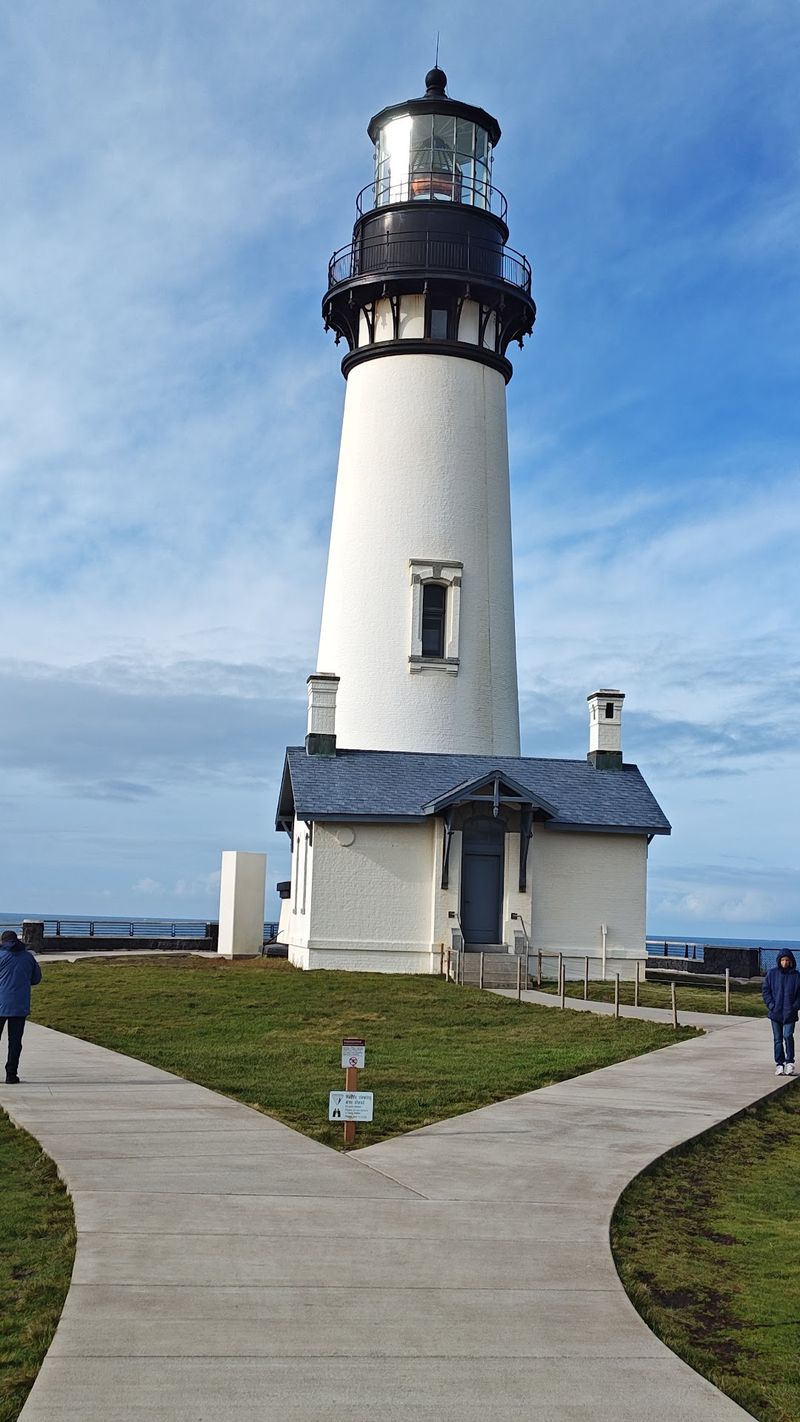
At 93 feet tall, the Yaquina Head Lighthouse holds the title of Oregon’s tallest lighthouse, and it has been guiding ships along this rugged coastline since 1873. That is over 150 years of service, and standing at its base, you can feel the weight of that history in the thick masonry walls.
On days when the lighthouse is open for tours, visitors can climb the spiral staircase inside, which is a genuinely beautiful piece of 19th-century craftsmanship. The interior ironwork and the view from the top are worth every step of the climb.
Check ahead before visiting, though, because staffing constraints sometimes mean the lighthouse is closed to interior tours on certain days.
Even when tours are not available, the exterior offers excellent photo opportunities from multiple angles. The contrast of the white tower against the dark basalt cliffs and blue-green ocean is striking in almost any light.
The nearby interpretive center provides detailed historical context about the lighthouse keepers, the Fresnel lens system, and the construction challenges workers faced building on this exposed headland back in the 1870s.
Cobble Beach: A Shoreline Unlike Any Other
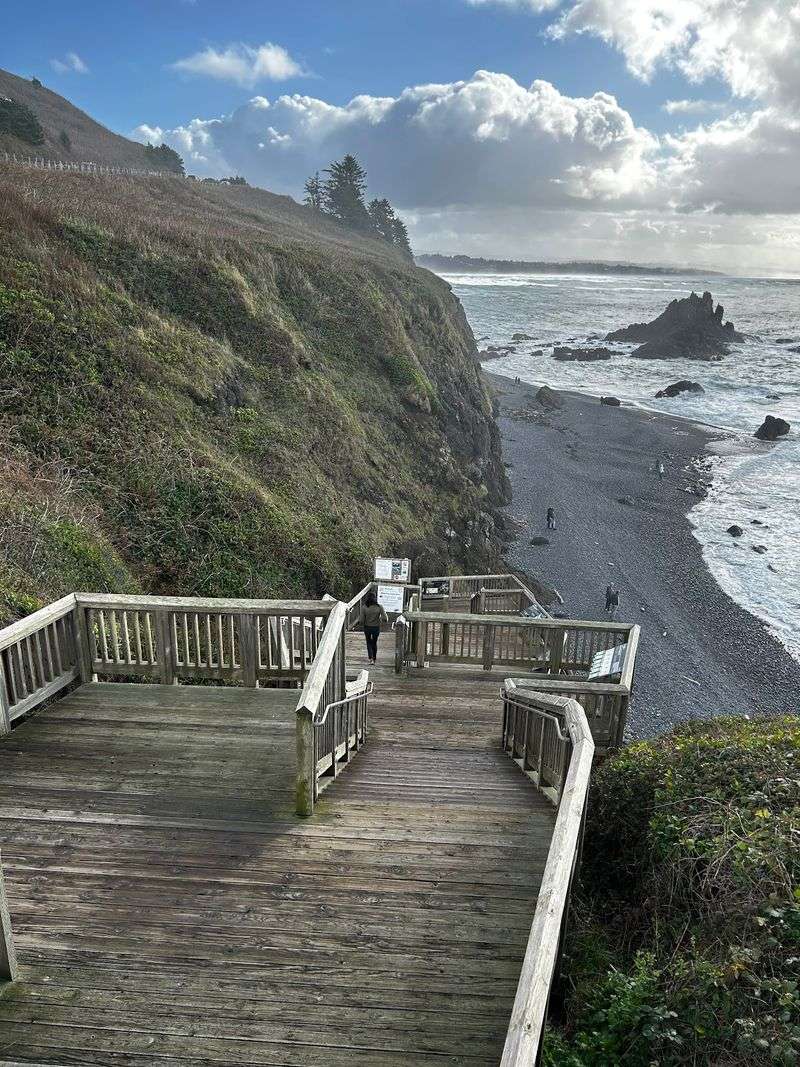
Cobble Beach is one of those places that earns its reputation the second your feet hit the rocks. The entire beach is carpeted in smooth, jet-black basalt cobblestones worn round by centuries of wave action, and the sound they make as each wave pulls back through them is genuinely unforgettable, a deep, rolling clatter that feels almost musical.
Getting down there requires descending a steep wooden staircase with more than 300 steps, so wear sturdy shoes and take your time. The rocks shift underfoot and can be slippery near the waterline, so careful footing matters more than speed.
Once you are at the bottom, the scale of the headland above you is impressive, and the raw energy of the waves hitting the shore feels close and immediate. This is not a sandy beach for sunbathing.
It is a wild, elemental shoreline that rewards patience and curiosity. Leashed dogs are welcome in some areas of the park, but not on the direct path to the lighthouse, so plan accordingly if you are bringing a four-legged companion along.
Tide Pools Packed With Intertidal Life
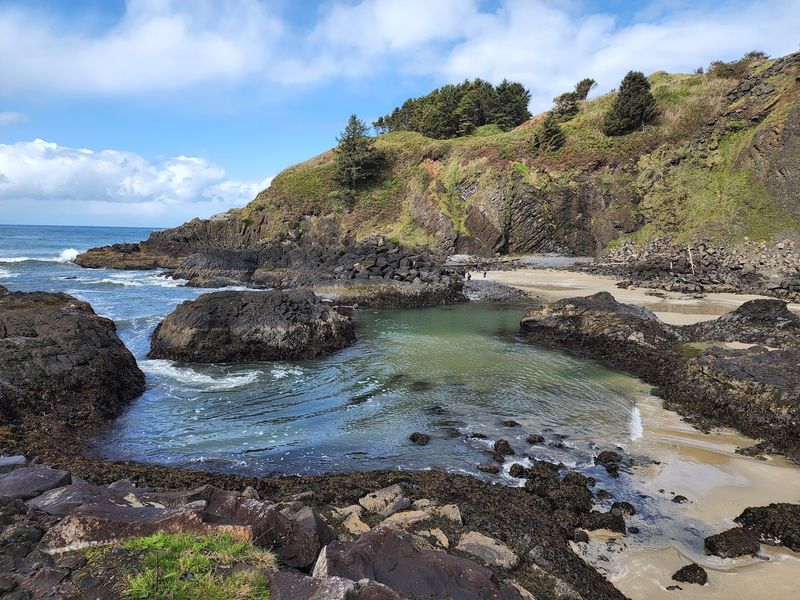
Few experiences along the Oregon coast match crouching over a tide pool at Yaquina Head and watching an entire miniature world go about its business. Sea stars, purple sea urchins, hermit crabs, chitons, and giant green anemones all share these shallow basalt pockets, and the variety packed into a single pool can keep you busy for a surprisingly long time.
The pools are best explored at low tide, and checking a tide chart before your visit is genuinely worth the two minutes it takes. The park provides accessible tide pool viewing areas that are paved and reachable without navigating the cobblestone beach, which makes this experience available to visitors with mobility considerations as well.
The protected status of the area means you look but do not touch, and the rangers are friendly about reminding visitors of that rule. One ranger gave our group a quick rundown of what we were seeing as we headed toward the waterline, pointing out creatures we would have walked right past otherwise.
The anemones alone, with their waving tentacles and vivid green color, are worth the trip down the stairs on their own.
Harbor Seals and Their Pups on the Rocks
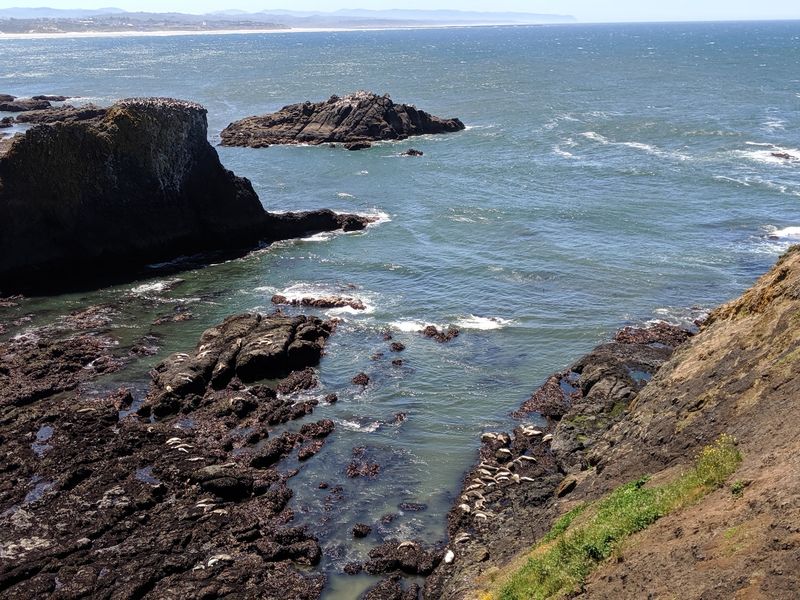
The harbor seals at Yaquina Head have clearly figured out that this place is a good deal. They haul out on the basalt rocks near Cobble Beach with the relaxed confidence of creatures that know they are protected, and watching them is one of the most entertaining free shows on the Oregon coast.
During my visit, seals were visible both on the rocks and in the water just offshore, bobbing and watching visitors with what I can only describe as mutual curiosity. The park rangers do a careful job of marking off buffer zones around the seal resting areas, keeping animals comfortable while still allowing visitors a genuinely close view.
If you can time your visit around Mother’s Day in May, rangers have noted that seal pups are often present, which takes the experience to a completely different level. Seeing a pup tucked against its mother on those dark rocks while waves roll in around them is the kind of moment that makes you glad you made the drive.
Binoculars are helpful but not required, since the seals often position themselves surprisingly close to the viewing areas.
Whale Watching from the Headland
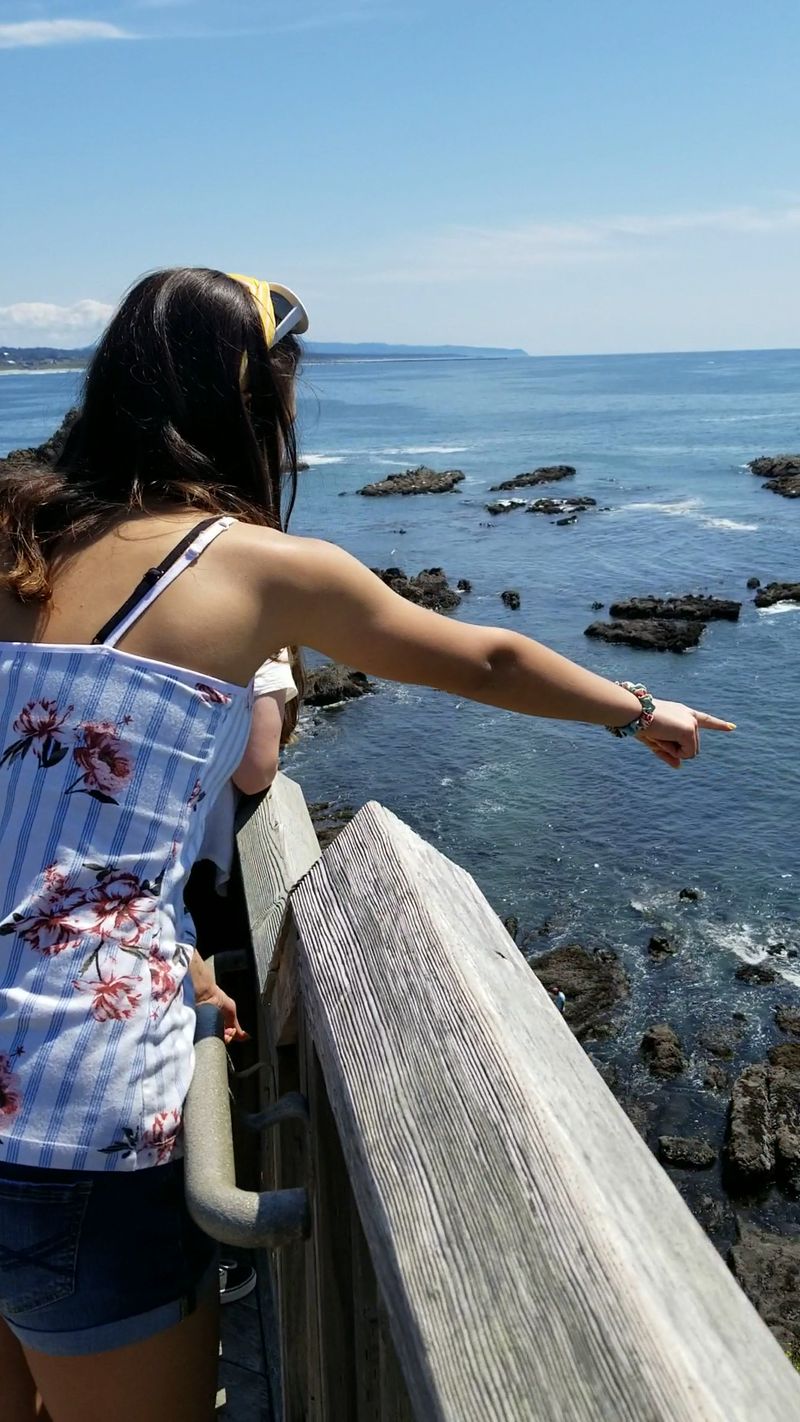
The elevated vantage point at Yaquina Head makes it one of the better spots on the Oregon coast for watching gray whales during their annual migrations. The whales pass close to shore here because the headland juts far enough into the ocean to put observers right along the migration corridor.
Gray whales migrate southward toward Baja California from December through January, and they make the return trip north from March through June. Seeing a spout appear on the horizon and then watching the slow, rolling surfacing of a gray whale is the kind of sight that tends to stop conversations mid-sentence.
The cliff overlook near the lighthouse offers an unobstructed sightline in multiple directions, and on busy whale-watching days, rangers are often present with spotting scopes to help visitors locate animals in the water. Even outside peak migration windows, the ocean view from up there is spectacular on its own terms.
The combination of wave action against the headland cliffs, the wide horizon, and the constant sea breeze makes this one of those spots where time passes faster than you expect.
The Interpretive Center and Its Surprisingly Good Exhibits
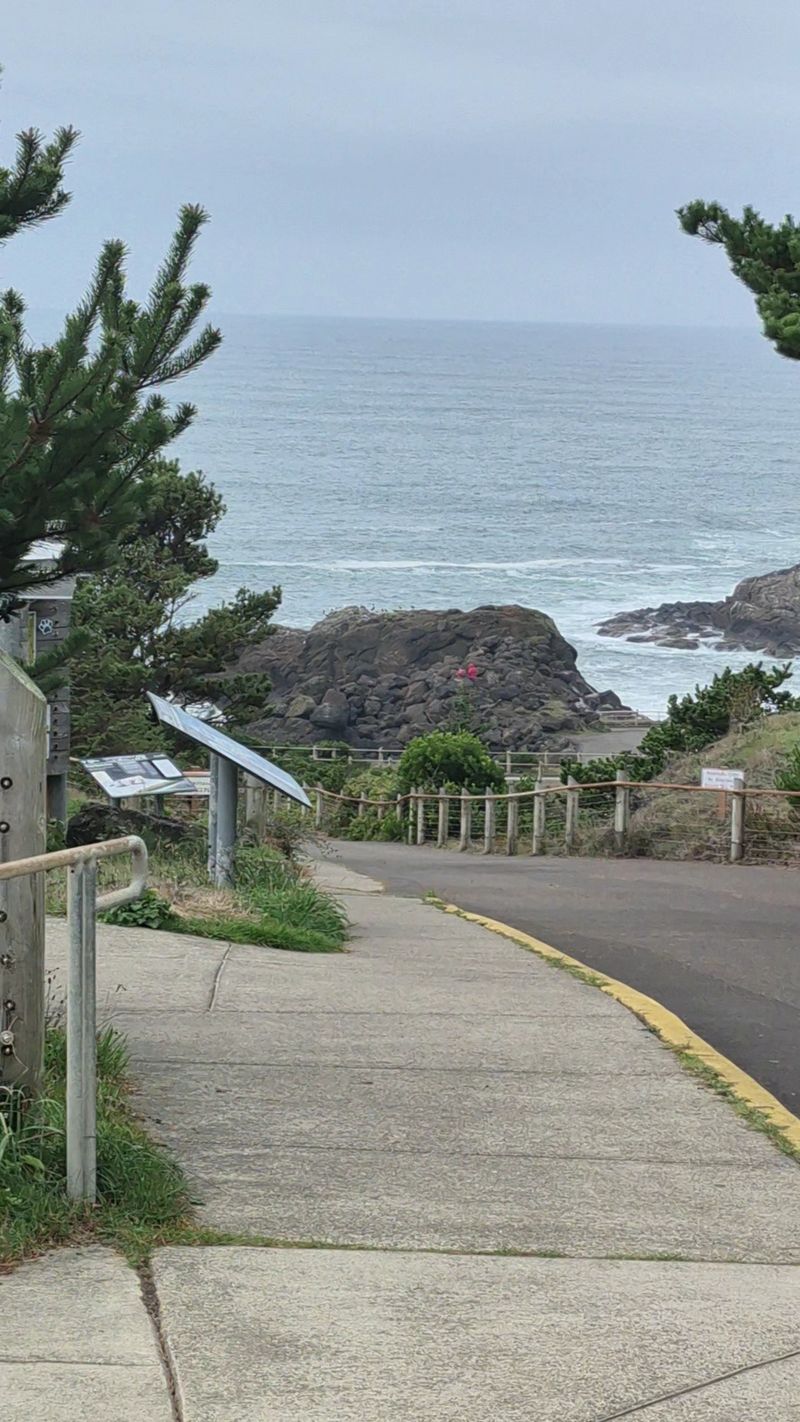
The interpretive center at Yaquina Head is one of those visitor centers that actually earns its square footage. Rather than a few laminated signs and a postcard rack, this one has thoughtfully designed exhibits covering the geology of the headland, the history of the lighthouse, the marine mammals and seabirds that use the area, and the intertidal ecology of the tide pools.
The staff and rangers working inside are knowledgeable and clearly enthusiastic about the place, which makes stopping in feel more like a conversation than a formality. On my visit, a ranger explained the basalt geology of the headland in a way that made the black rocks outside suddenly make a lot more sense.
The center is also the place to ask about current lighthouse tour availability, tide schedules, and seal activity near the beach. For visitors with mobility limitations, rangers can arrange driving access down to the Quarry Beach area, which is otherwise a steep walk.
The building itself is clean, well-maintained, and a good place to warm up if the coastal wind has been doing its thing outside. Plan to spend at least 20 to 30 minutes here before heading out to the headland.
Quarry Beach: The Quieter, Sandy Alternative
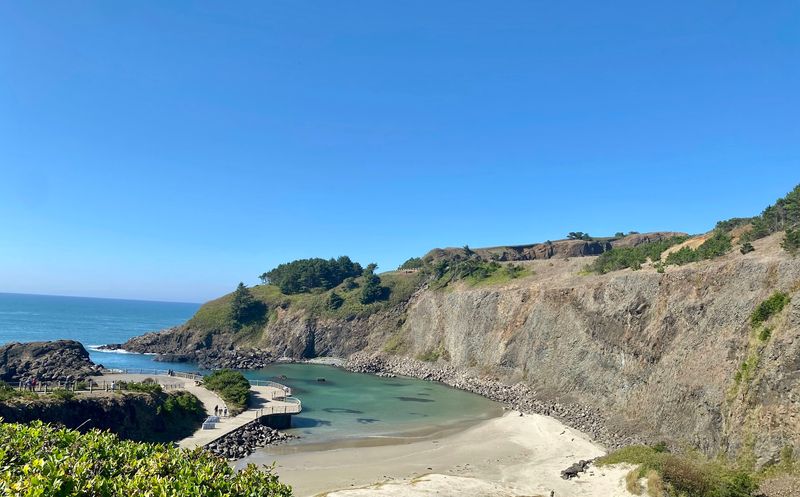
Most visitors head straight for the lighthouse and Cobble Beach, which means Quarry Beach tends to be a quieter corner of the park. This small, sheltered cove sits in a former rock quarry, and its character is noticeably different from the dramatic cobblestone shoreline on the other side of the headland.
The beach here has a sandy section and more exposed rock at low tide, with plenty of small crabs tucked under and around the stones. Seals occasionally appear in this area too, particularly around high tide, making it worth a look even if the wildlife sighting is never guaranteed.
Getting there involves a steep walk down a hill from the main road, though the visitor center can arrange driving access for those with mobility limitations. The geology of the old quarry walls is fascinating up close, showing the layers and structure of the basalt that makes up the entire headland.
A few hours at Quarry Beach, especially during a low tide, can feel like a completely separate visit from the lighthouse and tide pool experience. The relative solitude makes it a good spot for anyone who wants to linger without company.
Practical Tips for Getting the Most Out of Your Visit
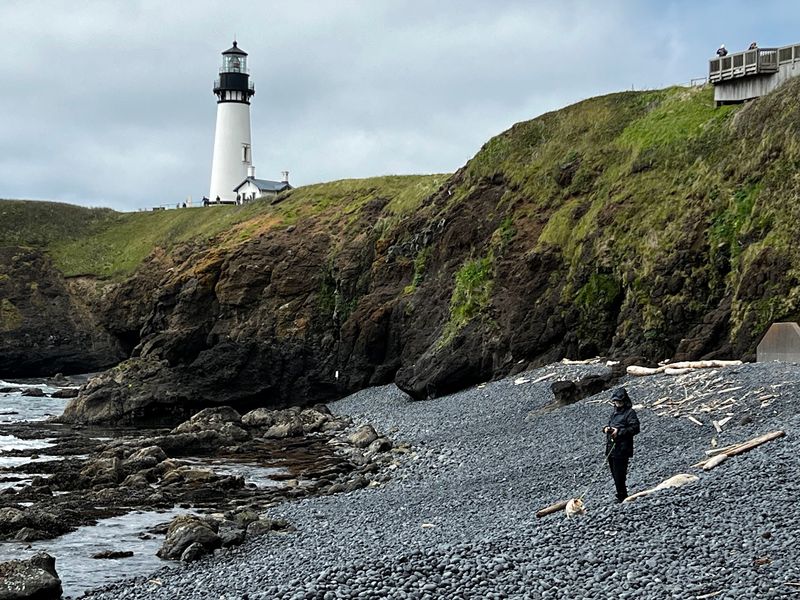
A few small decisions can make a big difference in how much you get out of a visit to Yaquina Head. First, check the tide chart before you go.
Low tide opens up the best tide pool access and gives you the most room to explore Cobble Beach without waves crowding the shoreline.
Wear shoes with real grip and ankle support. The cobblestones on the beach are round, smooth, and shift with your weight, and the stairs down to the beach are steep enough that footing matters on the way back up.
A light windproof layer is also worth packing, since the exposed headland can be breezy even on otherwise calm days.
The park is open daily from 8 AM to 5 PM, and arriving early gives you the best chance of catching rangers available for tours and questions. The $7 three-day vehicle pass is a fair price for everything the area offers, and a National Parks pass covers entry entirely.
Dogs on leashes are welcome in most areas, just not on the path directly to the lighthouse. Cell service is available near the visitor center, and the restrooms throughout the park are consistently clean and easy to find.
Share this story