Tennessee gets a lot of attention for its music scene, and rightfully so. But the state has museums that cover everything from atomic history to Appalachian farm life, and they are just as worth your time as any honky-tonk on Broadway.
Whether you are planning a road trip across the state or just looking for something new to do on a weekend, this list covers museums that go well beyond the usual Nashville spotlight. Each one tells a story you probably did not know you needed to hear, and several of them are genuinely unlike anything else in the country.
National Civil Rights Museum, Memphis
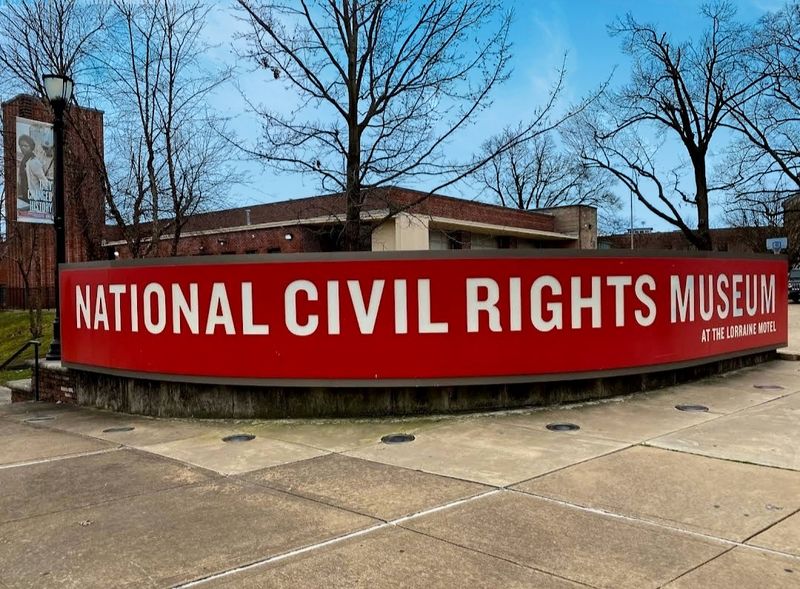
Few places in the United States carry the historical weight that the Lorraine Motel does. Built around the site where Dr. Martin Luther King Jr. was shot on April 4, 1968, the National Civil Rights Museum in Memphis does not shy away from the full scope of what happened there or why it mattered.
The exhibitions follow a chronological path that begins with slavery and moves through segregation, the Montgomery bus boycott, student sit-ins, Freedom Rides, and voting rights campaigns. Room 306, where King stayed during his visit to support striking sanitation workers, has been carefully preserved.
Multimedia displays, artifacts, photographs, and recreated environments help visitors understand both the major events and the everyday people who made the movement possible. This is the kind of museum that stays with you long after you leave the parking lot.
Admission and current hours are listed through the official museum website.
Tennessee State Museum, Nashville

Most state museums cover the highlights and call it a day. The Tennessee State Museum in Nashville takes a different approach, tracing the state’s full story from its earliest Indigenous communities all the way through statehood, war, social movements, and modern life.
The Civil War and Reconstruction gallery is a standout, examining how the conflict touched soldiers, enslaved people, families, and towns across Tennessee in very different ways. You can also find historical clothing, furniture, paintings, weapons, and documents that fill in the details most textbooks skip.
A dedicated children’s gallery introduces younger visitors to state history through hands-on activities, which makes this a practical stop for families. The museum sits right beside Bicentennial Capitol Mall State Park, and general admission is free.
It also hosts rotating temporary exhibitions and public programs throughout the year, so repeat visits are worth considering.
American Museum of Science and Energy, Oak Ridge
Oak Ridge is one of those American cities with a genuinely classified past. During World War II, thousands of workers moved there to help produce enriched uranium for the first atomic weapons, and many of them had no idea what they were actually building.
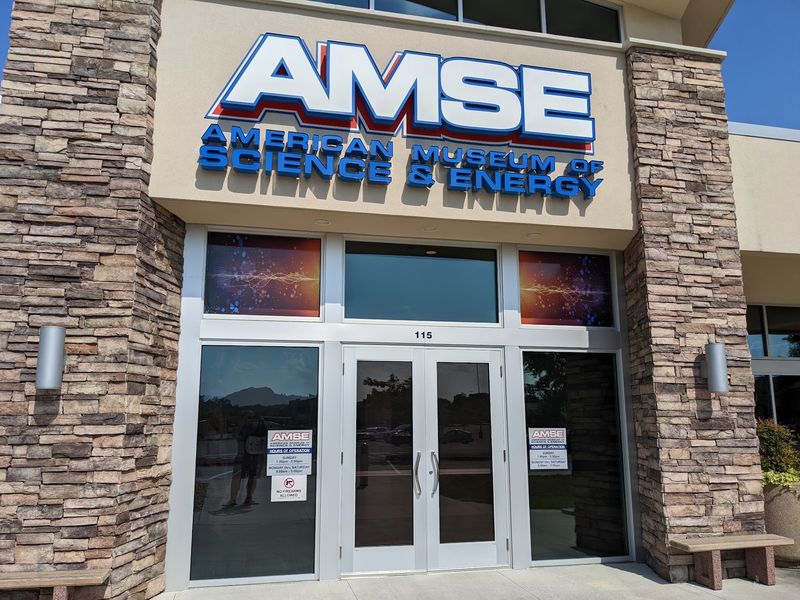
The American Museum of Science and Energy unpacks that strange and complicated history through exhibitions on atomic structure, nuclear energy, national security, robotics, electricity, and the ongoing scientific work still happening in Oak Ridge today. Interactive displays make subjects like radiation, light, and energy more accessible without dumbing them down.
Founded in 1949 and now a Smithsonian Affiliate, the museum connects the city’s secretive wartime origins with current research and technological innovation. It is one of the few places in the country where you can understand how a single government project transformed an entire region.
Regular visiting hours are maintained, and the museum remains open to the public.
Museum of Appalachia, Clinton
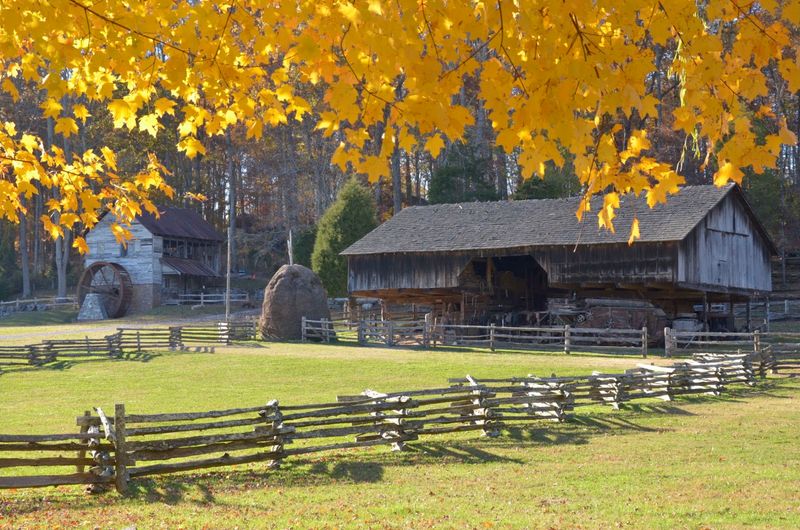
Spread across roughly 65 acres in Clinton, the Museum of Appalachia is not the kind of place you breeze through in an hour. Dozens of historic log structures, including homes, schools, churches, and workshops, are furnished with tools, quilts, baskets, folk art, and handmade furniture that once belonged to real mountain families.
Farm animals and working gardens add a layer of authenticity that most museums simply cannot replicate. The collections include more than 250,000 artifacts, and many are connected to specific craftspeople, musicians, and community traditions, which means you hear individual stories rather than a flattened version of Appalachian culture.
Founded by John Rice Irwin in 1969, the nonprofit museum is a Smithsonian Affiliate and operates as a living-history experience. Self-guided tours let visitors move at their own pace, and special events bring additional programming throughout the year.
This is genuinely one of the most distinctive cultural sites in the entire Southeast.
Discovery Park of America, Union City

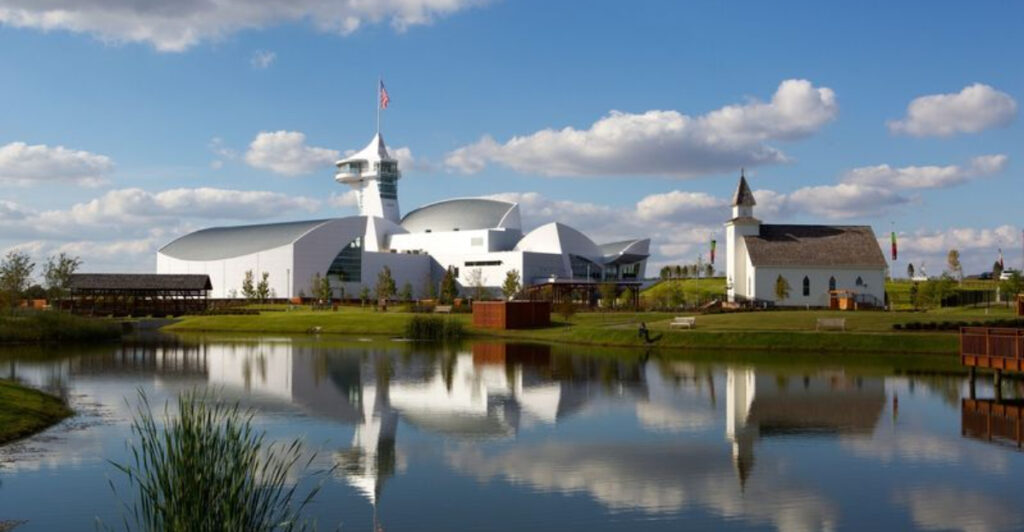
Union City is a small town in West Tennessee, but Discovery Park of America gives it a cultural footprint that punches well above its weight. The museum covers natural history, science, space, transportation, regional culture, military history, and the human body across approximately 100,000 square feet of interior gallery space.
Highlights include dinosaur displays, an aquarium, historical vehicles, an earthquake simulator, and interactive scientific exhibits that work for all ages. Outside, a heritage park features historic and reconstructed buildings, gardens, and transportation displays that interpret earlier life in West Tennessee communities.
The range of subjects here is unusual. You can move from examining geological specimens to sitting inside a vintage vehicle to walking through a reconstructed historic structure, all within the same visit.
Discovery Park places particular emphasis on West Tennessee’s culture and accomplishments while also connecting local history to broader national and global stories. Current hours and programs are available through the official website.
Tennessee Valley Railroad Museum, Chattanooga
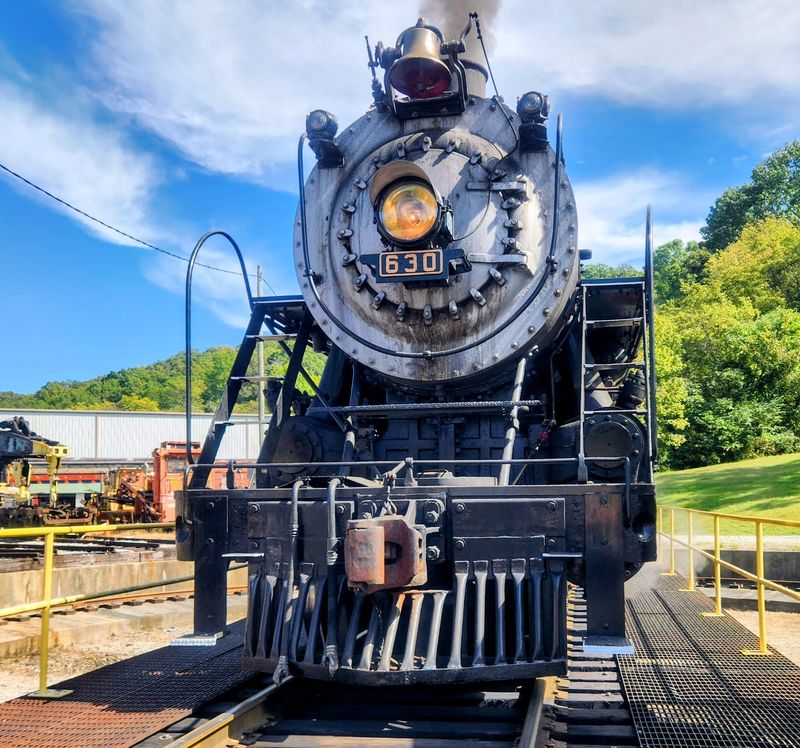
Railroad museums that only let you look tend to get old fast. The Tennessee Valley Railroad Museum in Chattanooga takes a more engaging approach by actually putting visitors on historic trains and sending them out on the tracks.
The popular Missionary Ridge route travels through a pre-Civil War tunnel and crosses historic bridges along former Southern Railway tracks. Longer seasonal excursions run through the Tennessee countryside, and some experiences include demonstrations at a working turntable and visits to restoration facilities where equipment is actively being repaired.
Special trips may feature holiday themes, steam locomotives, or extended routes through the scenic Hiwassee River Gorge. The museum also preserves locomotives, passenger cars, and historic station buildings connected to Chattanooga’s long transportation history.
Schedules vary by season and some excursions fill up quickly, so checking ahead and booking in advance is a practical move. The museum continues to operate public excursions year-round.
Memphis Museum of Science and History, Memphis
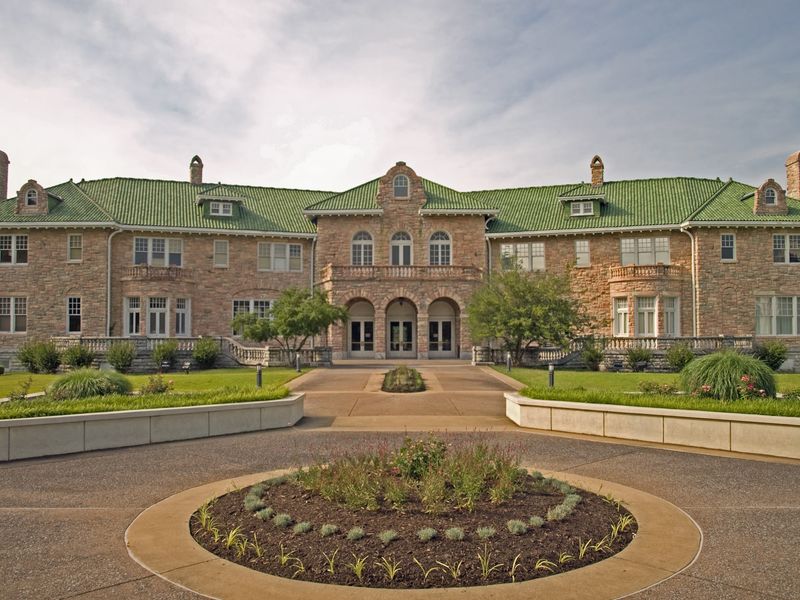
The building alone is worth a detour. The Pink Palace, a grand mansion built from pink Georgia marble, was originally constructed for Clarence Saunders, the founder of the Piggly Wiggly grocery chain, before it became a public museum.
Inside, the Memphis Museum of Science and History, commonly known as MoSH, brings together fossils, archaeology, wildlife displays, geology, chemistry, and the broader history of Memphis. The complex also includes a planetarium and a giant-screen theater, with films and programs running throughout the year.
MoSH operates several additional properties, including the Lichterman Nature Center and historic Memphis houses, making it part of a larger network of cultural sites across the city. The Pink Palace Museum and Mansion is open Tuesday through Sunday, while hours at affiliated locations vary.
For a city so often associated with music, MoSH makes a strong case that Memphis has layers well worth exploring.
Lane Motor Museum, Nashville

If your mental image of a car museum involves rows of American muscle cars and chrome bumpers, Lane Motor Museum in Nashville will pleasantly rearrange your expectations. The collection specializes in European vehicles, with an emphasis on microcars, three-wheeled designs, amphibious automobiles, racing machines, military vehicles, and experimental models that never quite caught on.
Many of the vehicles here represent genuine engineering attempts to solve real problems, including fuel economy, urban transportation, limited road space, and manufacturing costs. Some of those solutions worked.
Others became fascinating dead ends that are now impossible to find anywhere else.
The museum occupies a former commercial bakery and has expanded its gallery space over more than two decades of operation. Weekend vehicle demonstrations let guests see selected machines actually move, which is a welcome change from purely static displays.
Lane Motor Museum is open Mondays and Thursdays through Sundays, with Tuesdays and Wednesdays as regular closing days.
Museum of East Tennessee History, Knoxville
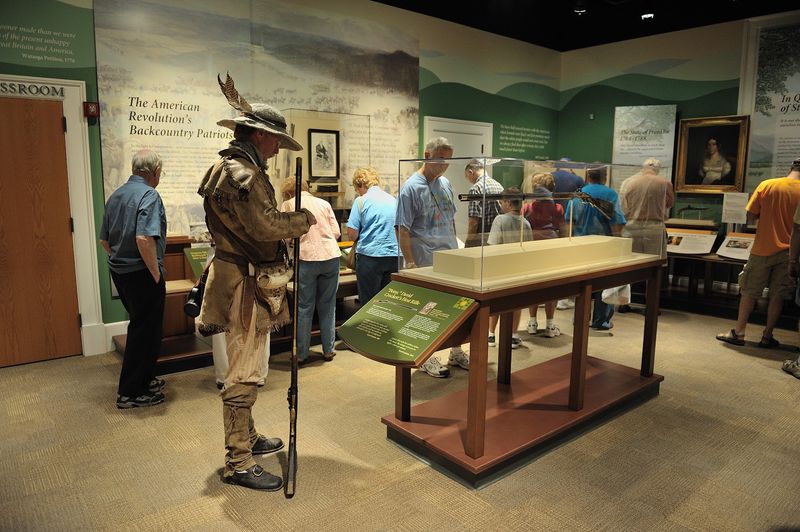
East Tennessee has always done things a little differently, and the Museum of East Tennessee History makes a point of telling that regional story on its own terms. Located inside the East Tennessee History Center in downtown Knoxville, the museum uses artifacts, photographs, documents, recordings, and interactive displays to trace the area’s development across centuries.
Subjects covered include Indigenous cultures, frontier settlement, the Civil War’s complicated impact on a region that was deeply divided, industrial growth, Appalachian identity, and the everyday rhythms of family life across generations. The museum pays attention to the ways East Tennessee diverged from the rest of the state, particularly during periods of national conflict.
Operated by the East Tennessee Historical Society, an organization founded in 1834, the museum carries genuine institutional depth. It is open seven days a week and offers rotating exhibitions alongside its permanent regional history displays, which means return visits can turn up something new.
Customs House Museum and Cultural Center, Clarksville
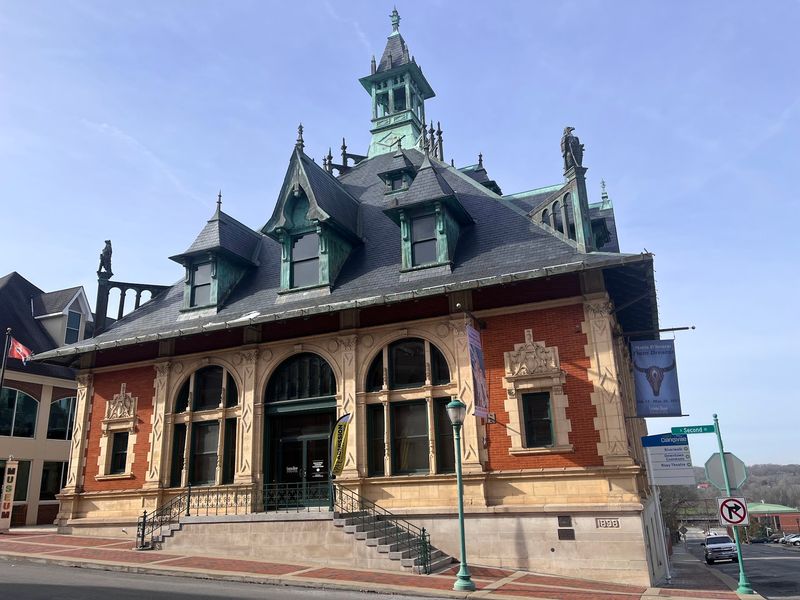
Completed in 1898, the Customs House building in Clarksville started life as a federal post office and customs facility during a period when the city’s tobacco trade was at its peak. Today, the same building serves as one of the region’s most versatile cultural destinations.
The Customs House Museum and Cultural Center combines regional history, fine art, rotating exhibitions, and family-friendly programming under one roof. Permanent displays examine Clarksville’s development, local industries, and community life, while a large model railroad layout draws visitors of all ages.
The contrast between the ornate historic sections of the building and later additions tells its own quiet story about how public institutions grow and change over time. The museum is open Tuesday through Sunday, with shorter afternoon hours on Sundays.
Because the exhibition calendar rotates regularly, visitors who return after a few months may find an entirely different set of art or history displays waiting for them.
Beechcraft Heritage Museum, Tullahoma
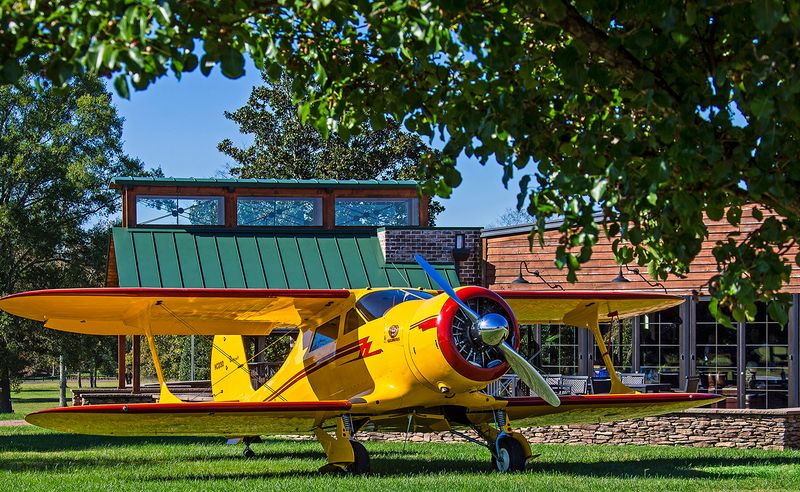
Tullahoma is not the first city that comes to mind when people think about aviation history, but the Beechcraft Heritage Museum makes a compelling case for the town’s place in that story. Situated beside Tullahoma Regional Airport, the museum traces the development of one of America’s most recognized aircraft manufacturers through planes, engines, company records, photographs, and personal materials.
The collection follows the Beechcraft story from early 1930s aircraft through later civilian and military models, showing how the company influenced business aviation and private flying over several decades. Displaying aircraft in spacious hangars rather than cramped gallery rooms allows visitors to actually walk around the planes and appreciate their scale.
Annual gatherings attract pilots and owners who fly in with Beechcraft aircraft from different eras, which adds a living dimension to the museum experience. The museum operates Tuesday through Saturday on its regular schedule, though access may shift during major events like the annual Beech Party.
Tennessee Museum of Aviation, Sevierville

Tucked near the Gatlinburg Pigeon Forge Airport, the Tennessee Museum of Aviation serves as the state’s official repository and archive of aviation history. That is not a ceremonial title.
The museum actively collects and preserves aircraft, uniforms, photographs, models, personal accounts, and military artifacts connected to Tennessee’s aviation story.
Exhibits trace flight history from the era before the Wright brothers through modern aviation, with particular attention to Tennessee pilots and military personnel who served during major conflicts. A notable section honors military chaplains who served from World War II to the present, which is a perspective rarely highlighted in aviation collections.
The large aircraft hangar contains vintage warbirds, and some aircraft associated with the museum have been maintained in flying condition rather than simply placed on static display. That commitment to keeping history operational sets it apart from many similar institutions.
Public visiting hours are available on selected days of the week through the museum’s current schedule.
Titanic Museum Attraction, Pigeon Forge
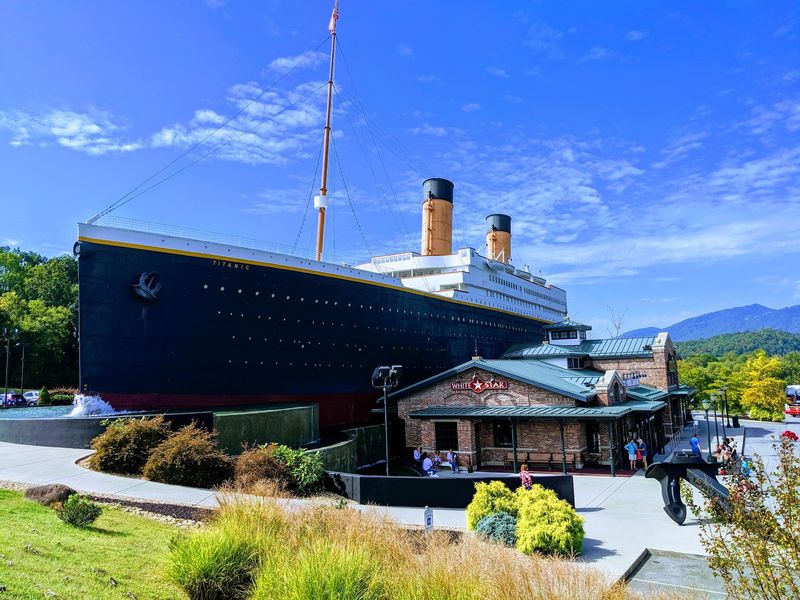
The building itself is hard to miss. Designed to look like the bow of the RMS Titanic rising from the ground, the Titanic Museum Attraction in Pigeon Forge signals its subject matter before you even reach the front door.
Each visitor receives a boarding pass representing a real passenger or crew member from the original voyage. As you move through the exhibits, you learn about that person’s background, their reason for sailing, and ultimately whether they survived the disaster.
It is a simple concept that makes the history feel personal in a way that traditional exhibits sometimes miss.
Inside, you will find authentic artifacts, a recreation of the Grand Staircase, passenger rooms, and displays covering navigation, construction, immigration, and shipboard life. Interactive elements include touching water chilled to approximately 28 degrees Fahrenheit and standing on a recreated deck tilted to the angle the ship reached as it sank.
Timed tickets and current programs are available through the museum’s visitor calendar.
Share this story