There is a park in Oregon where you can stand below the surface of a river and watch wild salmon swim past you through a glass window. No scuba gear, no waders, no special skills required.
Just walk down a few steps and suddenly you are eye-level with one of nature’s most remarkable journeys. Wildwood Recreation Site, tucked along US-26 near Welches, Oregon, is the kind of place that makes you feel like you stumbled onto a nature documentary set, except you are the one standing in it.
Where Exactly You Will Find This Place
The address is 65670 US-26, Welches, OR 97067, and the drive there is half the fun. The park sits roughly 40 minutes east of Portland, right off Highway 26, which winds through some of the most beautiful forested stretches in the Mount Hood corridor.
You will see the turnoff before you expect it, so keep your eyes open. A small fee booth greets you at the entrance, where a $5 day-use fee per vehicle is collected.
The fee is card only, so leave the cash in your pocket.
If you carry an America the Beautiful pass, that works here too, since Wildwood is managed by the Bureau of Land Management. The park is open every day of the week from 8 AM to 7:30 PM, giving you a solid window to explore without feeling rushed.
The phone number is +1 503-622-3696, and you can find more details at blm.gov/visit/wildwood-recreation-site. First-timers are usually surprised by how much space there is once they park and start walking.
The Underwater Viewing Chamber That Started It All
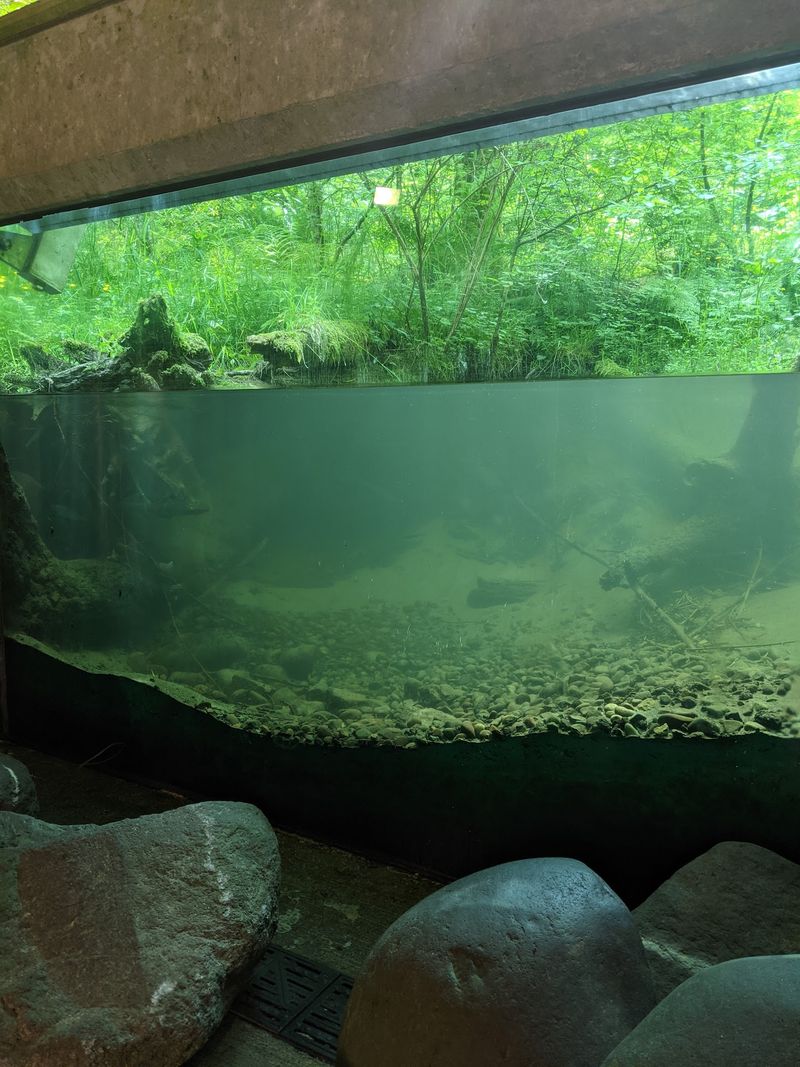
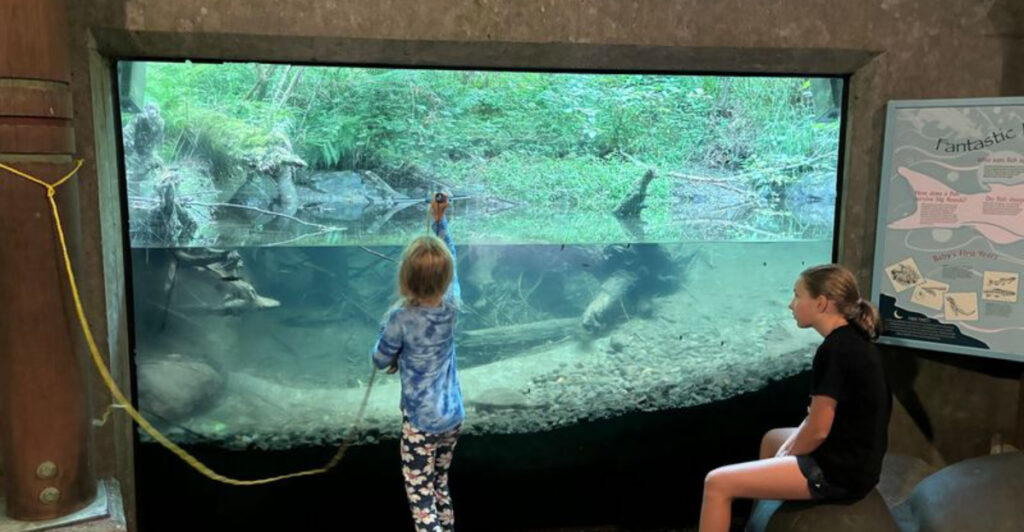
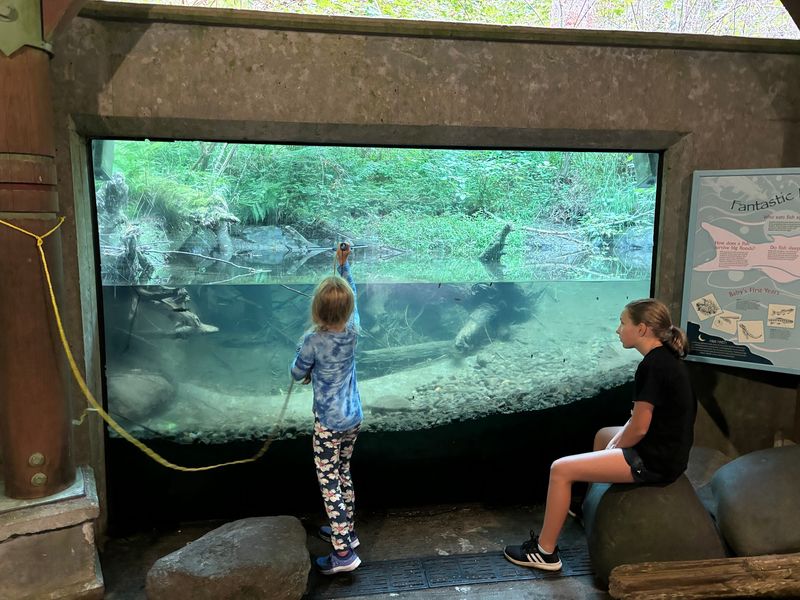
The underwater viewing chamber is the main reason most people make the trip, and it absolutely delivers. You walk down a short set of steps into a partially submerged structure built right next to the Salmon River, and through thick glass panels, you can watch fish moving through the water in real time.
The experience is surprisingly quiet and calm. The water above the glass catches the light in shifting patterns, and depending on the season, you might see juvenile salmon, adult fish on their spawning run, or other stream life going about their day completely unbothered by your presence.
During October, the spawning salmon are especially active, and the chamber fills with a kind of electric energy as fish push upstream with total focus. Educational signs around the chamber explain the salmon life cycle, so kids and adults alike walk away knowing something real about what they just witnessed.
The structure is well-maintained and accessible, making it a highlight for visitors of all ages and mobility levels. Seeing fish from below the waterline is one of those experiences that genuinely sticks with you long after you drive home.
The Salmon River and Its Surrounding Trails
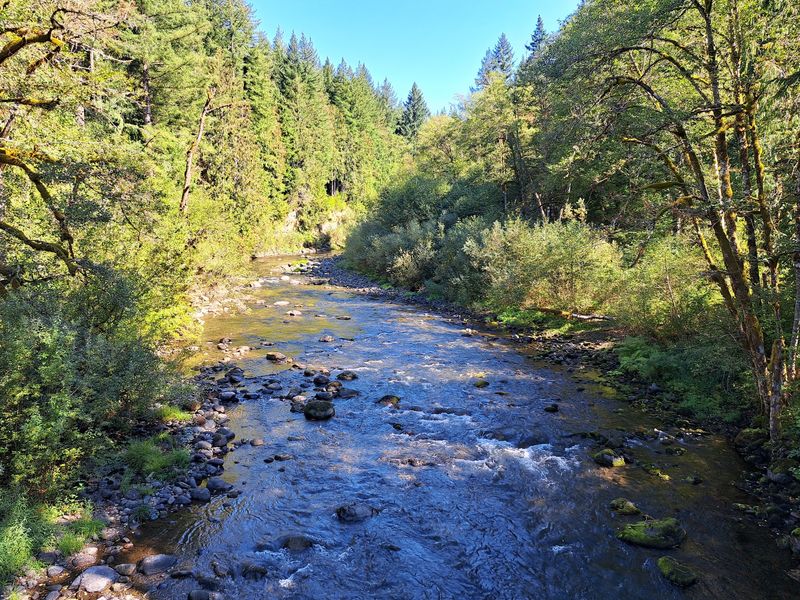
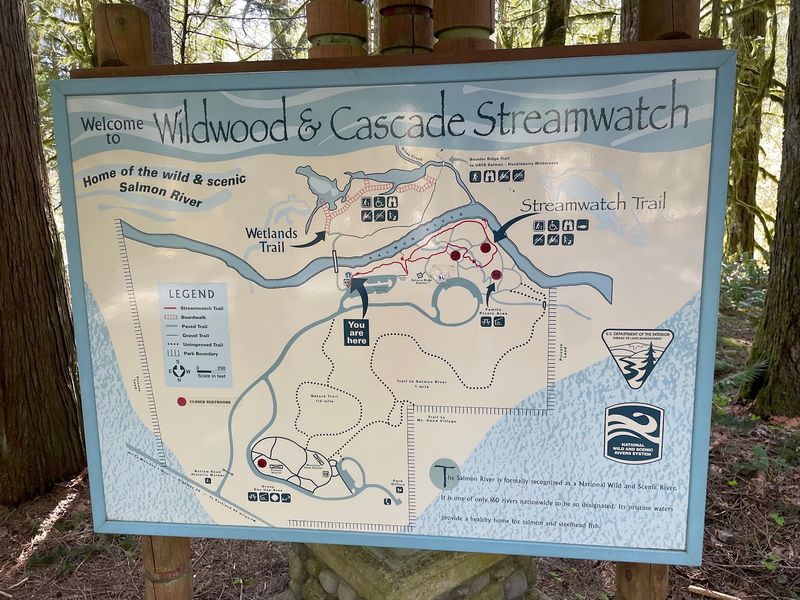
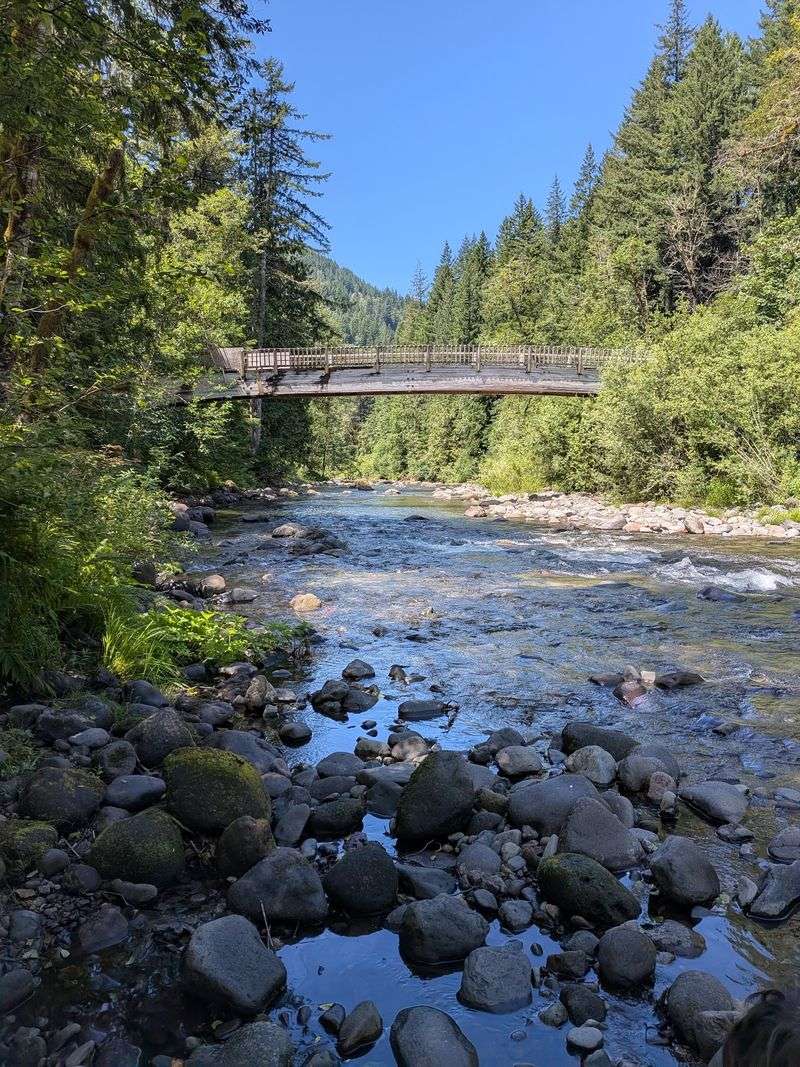
The Salmon River runs through the heart of Wildwood, and most of the main trails follow its banks closely enough that you can hear the water the entire time you are walking. The stream trail is paved and well-maintained, making it one of the more accessible riverside walks in the Mount Hood region.
Benches are placed at regular intervals along the route, and each one seems positioned to catch a particularly good view of the water or the surrounding forest. The tree canopy overhead keeps things shaded even on warm summer days, with just enough breaks in the cover to let sunlight filter through in dramatic, shifting patterns.
Some sections of the trail lead down to the riverbank itself, where the gravel bars make a natural spot to sit and listen to the current move past. The trail is rated easy to moderate overall, so beginners and families with young children handle it comfortably.
Dogs are welcome on leash throughout the park, and the riverside sections are especially popular with pups who want to get their paws wet. The trail system connects to other parts of the park, so you can mix and match routes depending on how much time you have.
The Wetlands Trail and Its Boardwalk
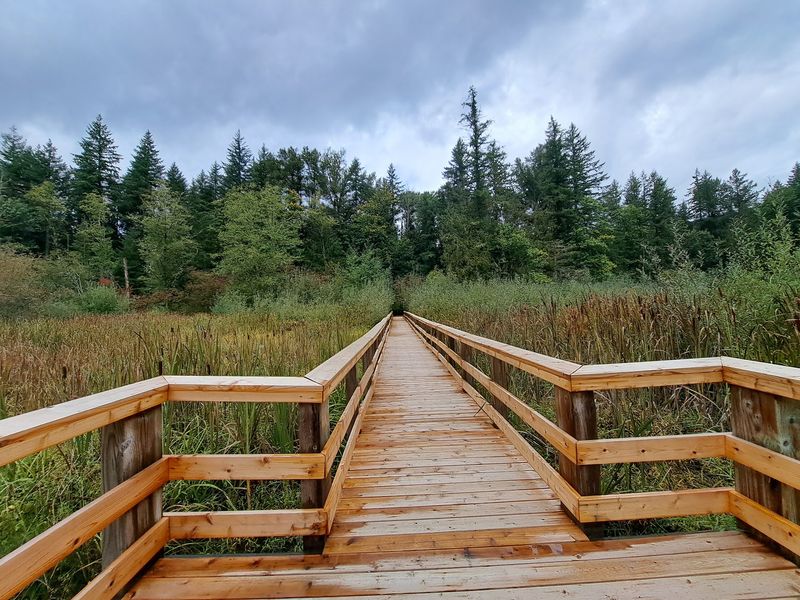
A short distance from the river trail, the Wetlands Trail offers a completely different kind of walk. The path transitions from pavement to a wooden boardwalk that floats above a marshy, fern-covered landscape that feels remarkably quiet and tucked away from the rest of the park.
The boardwalk sections include interpretive signs that explain the ecology of Pacific Northwest wetlands, covering topics like water filtration, native plant species, and the role wetlands play in supporting local wildlife. It is the kind of educational content that does not feel like homework because the scenery around you makes every sign feel relevant.
Mosquitoes can be active near the boardwalk, especially in warmer months, so bringing some bug spray is a practical move. The wooden surface also creates noticeable vibration for anyone using a mobility device, so checking your equipment before the walk is worth doing.
Early morning visits to the Wetlands Trail tend to be especially rewarding. The light is softer, the bird activity is higher, and the whole area has a stillness that feels almost meditative.
The trail eventually loops back and connects with the main park area, making it easy to combine with other routes.
Picnic Areas, Grills, and Gathering Spaces
Wildwood has picnic infrastructure that goes well beyond the usual handful of tables in a clearing. The family picnic side of the park has dozens of individual picnic spots, each equipped with a charcoal grill and a bench, spread out through the trees in a way that gives each group a sense of their own space.
The group picnic area on the other side of the park is a different scale entirely. A covered structure with fireplaces at its center can comfortably seat more than 20 people in just a fraction of its total floor area, making it a practical venue for gatherings, parties, and even weddings.
The salmon shelter, as some visitors call it, has space heaters and a wood stove, which means rainy Pacific Northwest days do not have to ruin your plans. Several groups have held formal events here and found the setting both flexible and memorable.
Trash bins are positioned throughout the park to make cleanup easy, and the staff actively encourages visitors to leave the space cleaner than they found it. The overall maintenance level across the picnic areas is noticeably high, which makes a real difference when you are trying to enjoy a meal outdoors.
Accessibility Features That Actually Work
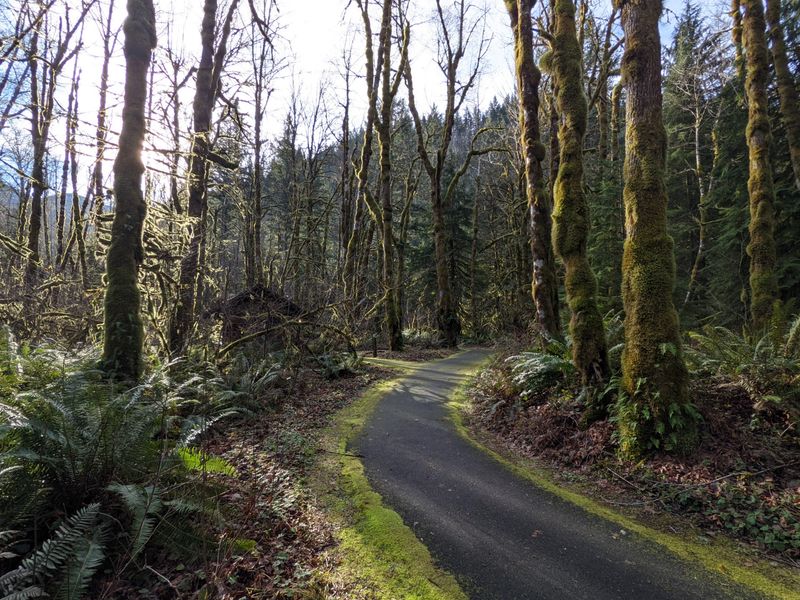
Accessibility at Wildwood is not an afterthought. The main stream trail is fully paved, wide enough for wheelchairs and strollers, and graded gently enough that most of the loop is manageable without assistance.
Benches appear frequently along the route, so anyone who needs a rest can take one without backtracking.
The underwater viewing chamber is also accessible, which means the park’s signature feature is available to visitors regardless of mobility level. That matters more than it might seem, because accessible nature experiences that include something truly extraordinary are not as common as they should be.
Families who have visited with elderly relatives using wheelchairs report that the main paths handle the load without any significant issues. The restrooms throughout the park are clean and well-placed, with the main bathroom located near the parking lot for convenience at the start and end of visits.
The America the Beautiful Access Pass, which is available to U.S. residents with permanent disabilities, covers the entry fee at Wildwood since it is BLM-managed land. That makes the park genuinely free for qualifying visitors, which is a detail worth knowing before you head out.
The combination of terrain, facilities, and fee structure makes Wildwood one of the more thoughtfully designed outdoor spaces in the region.
Wildlife and Nature You Can Actually See
Beyond the viewing chamber, Wildwood offers plenty of chances to observe wildlife in its natural setting. The Salmon River corridor supports a healthy ecosystem, and a slow, quiet walk along the trail will often reward you with bird sightings, butterflies, and the occasional glimpse of something moving in the undergrowth.
Wild berries grow along sections of the trail, and the diversity of plant life shifts noticeably as you move between the riverside path and the wetlands area. The ferns are particularly lush, draping over the trail edges in the way that makes Oregon forests feel almost impossibly green.
Salmon are the undeniable stars of the show, and October is the prime month to see them spawning in the river. The viewing chamber gives you the clearest look, but even from the bank, you can sometimes spot fish holding in the current or pushing through shallow riffles.
One visitor who regularly collects water samples from the river for microscope observation noted that the water quality and biodiversity at Wildwood are consistently impressive. The park’s protected status under BLM management helps maintain the kind of ecological health that keeps wildlife visible and active throughout the year.
The Boulder Ridge Trail for More Serious Hikers
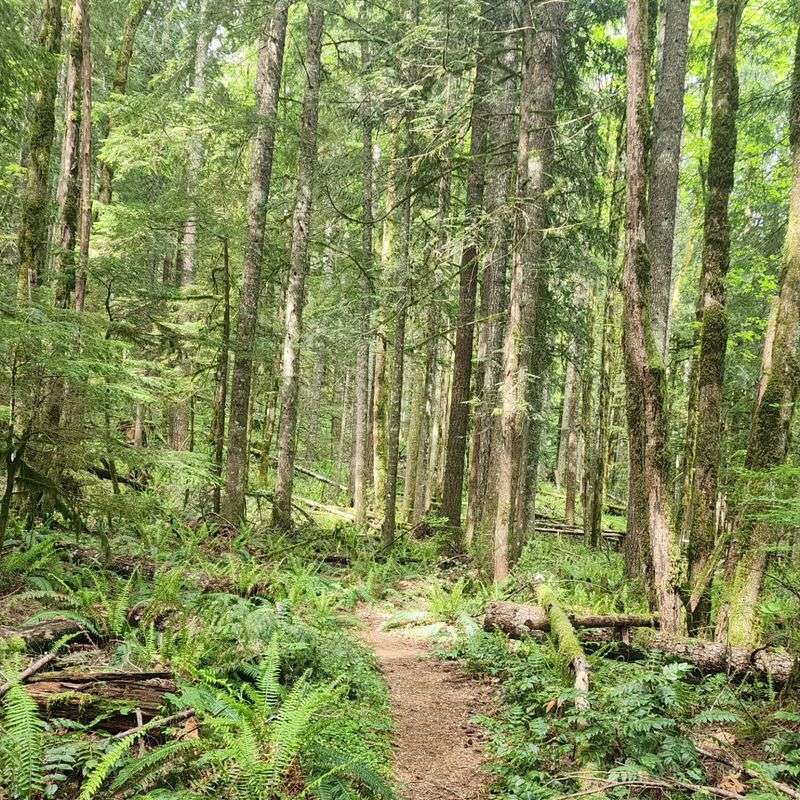
Not every trail at Wildwood is a gentle riverside stroll. The Boulder Ridge Trail climbs steadily uphill after the wetlands section, gaining significant elevation and offering a workout that more experienced hikers will appreciate.
The trail is roughly four miles to the top, and the upper sections see far fewer visitors than the main loop below.
The forest along the climb is dense and quiet, with the kind of old-growth character that reminds you how different Pacific Northwest ecosystems feel from forests in other parts of the country. Light filters through the canopy in long, diffused shafts, and the sound of the river fades as you gain height.
Trail conditions on the upper sections can be more variable than the paved paths below, so wearing proper footwear is a straightforward way to make the hike more enjoyable. The reward at the top is a sense of genuine accomplishment, along with views that justify the effort.
Most visitors who tackle Boulder Ridge tend to have the upper trail almost entirely to themselves, even on weekends when the picnic areas and river trail are busier. The contrast between the two experiences within the same park is one of the more interesting things about Wildwood’s overall design.
Entry Fees, Passes, and Practical Logistics
The $5 day-use fee per vehicle is one of the better deals in outdoor recreation, especially given how much is packed into the park. Payment is card only at the entrance booth, so plan accordingly before you arrive.
After paying, you display the receipt on your windshield and that covers your vehicle for the full day.
The America the Beautiful annual pass is accepted here, which makes entry free for pass holders. The Access Pass for qualifying individuals with permanent disabilities also works, as does the Senior Pass for visitors 62 and older.
Since Wildwood is BLM-managed rather than a national park, some people are surprised to find these passes honored here.
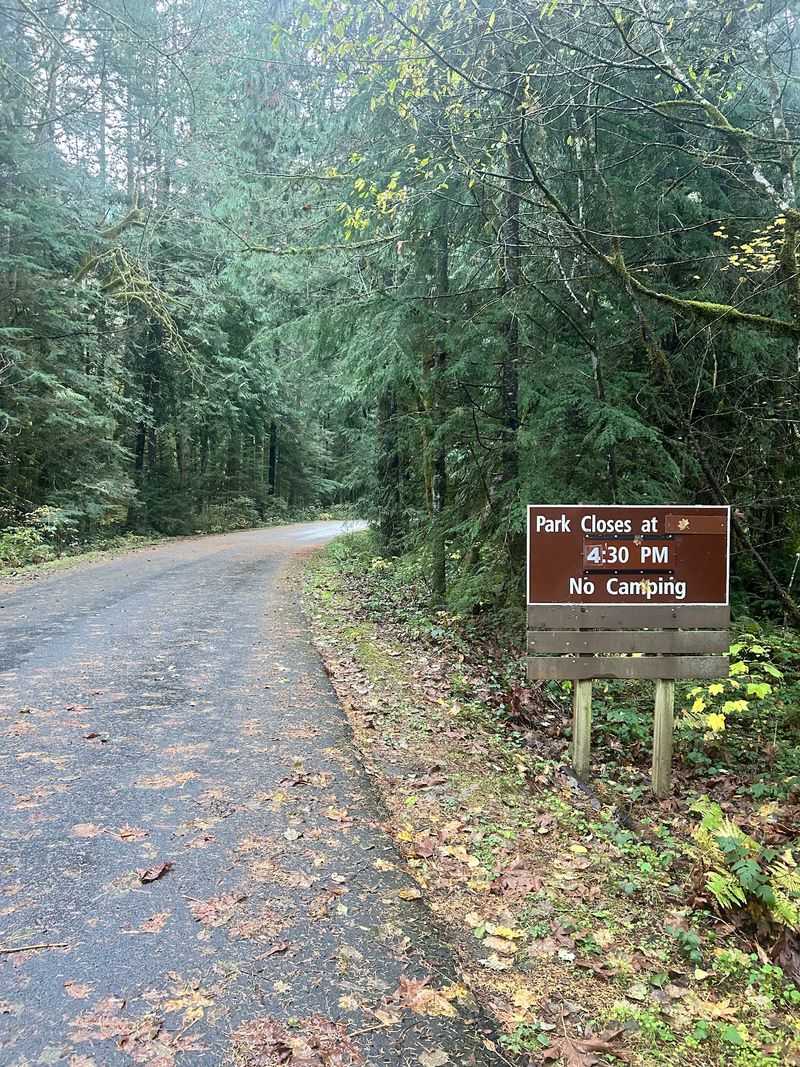
The park is open every day from 8 AM to 7:30 PM, which gives you nearly 12 hours of access during peak season. Day use only means no overnight camping, so plan your visit with enough time to explore without rushing the end.
Parking is ample, with a large lot near the main entrance and additional spaces throughout the family picnic area. On summer weekends, the park can get busy during peak hours, but the size of the grounds means it rarely feels overwhelmingly crowded once you are on the trails.
A Setting That Works for Every Season
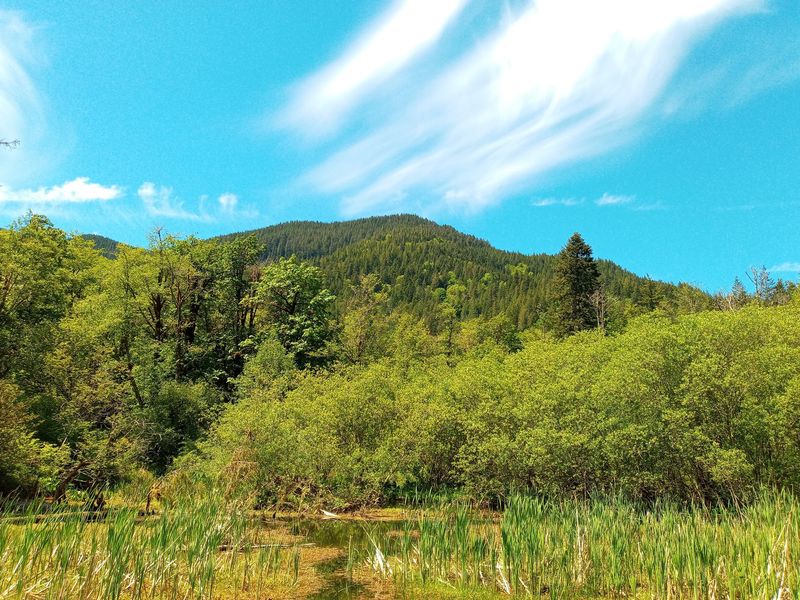
Wildwood has a different personality depending on when you visit, and that is one of its more underrated qualities. Spring brings bright green ferns pushing up through the undergrowth and the river running high and fast with snowmelt from the Mount Hood slopes above.
The wetlands trail is especially vivid during this period.
Summer turns the park into a shaded refuge from city heat, and the spots along the riverbank where kids can splash around become genuinely popular. The canopy overhead keeps trail temperatures noticeably cooler than the surrounding area, which makes a midday hike far more comfortable than it sounds.
Fall is arguably the most dramatic season, with salmon actively spawning in the river and the forest shifting into amber and gold tones. The viewing chamber earns its reputation most during October, when fish are moving through in numbers that make every few minutes in the chamber feel eventful.
Winter visits are quieter and more solitary, with the park seeing fewer visitors but retaining all of its structural beauty. The river is high, the ferns stay green, and the forest has a moody, atmospheric quality that rewards anyone willing to dress for the weather and make the drive.
Every season offers something distinct.
Kid-Friendly Features That Go Beyond the Basics
Wildwood is one of those rare parks where kids are not just tolerated but genuinely catered to. The underwater viewing chamber alone is enough to make most children’s eyes go wide, but the park layers on additional features that keep younger visitors engaged throughout the visit.
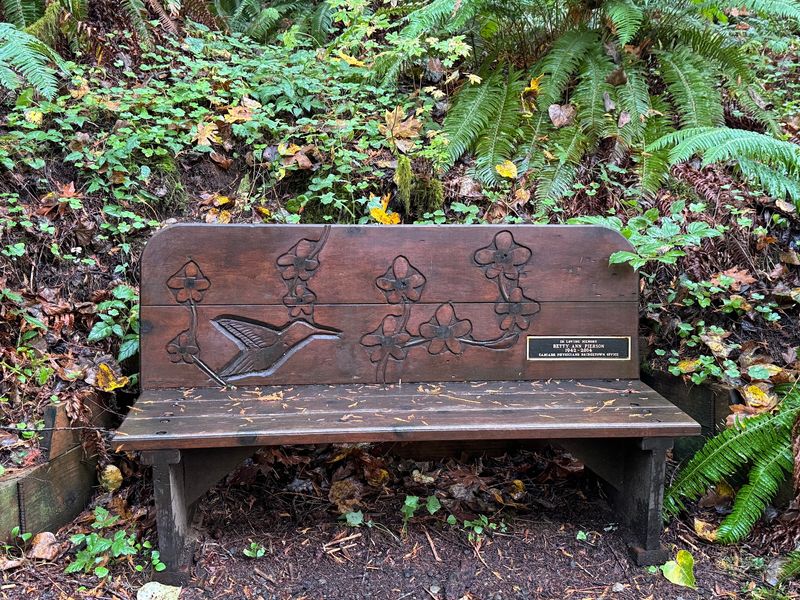
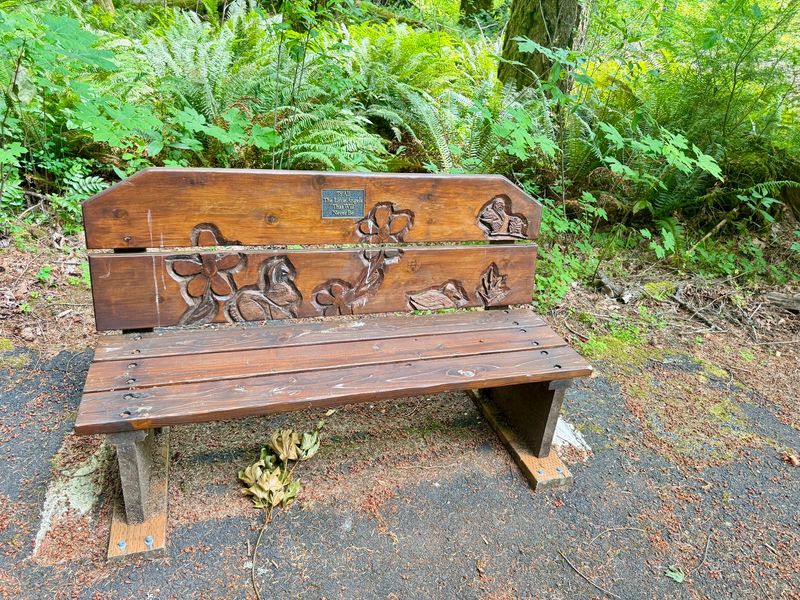
The group picnic area includes a playground, and the sport fields nearby give older kids room to run around between trail sections. The benches along the main trail have hand-carved designs, which turn a simple rest stop into a small discovery for curious eyes.
Spotting each carved bench becomes an unofficial game for many families.
The paved trail surfaces make it easy to bring strollers for toddlers, and the gentle grade on the main loop means parents are not wrestling uphill with a loaded stroller. Educational signs along the trails cover topics from salmon biology to wetland ecology in language that is accessible to younger readers.
The combination of the river, the fish, the wildlife, the trails, and the picnic setup means that a single visit can pack in multiple distinct experiences for a family group. Kids who come once tend to ask to come back, which is probably the most honest review the park could receive.
What Makes Wildwood Worth the Drive From Portland
About 40 minutes from Portland along Highway 26, Wildwood sits at that sweet spot of distance where it feels like a real escape without requiring a full day of travel. The drive itself follows a route through increasingly dense forest, and by the time you reach the park, the city feels genuinely far away.
The park consistently earns near-perfect ratings from visitors, and the reasons are not complicated. The combination of a unique attraction like the underwater chamber, well-maintained trails, accessible facilities, and a very reasonable entry fee creates an experience that overdelivers relative to what most people expect from a $5 day-use area.
Regulars who have been visiting for decades describe it as a reliable reset from urban life. The phrase “green bath” came up in more than one conversation about what the park provides, and that captures something real about how the dense, mossy, river-threaded environment affects a person after an hour or two of walking through it.
Whether you are making the trip specifically for the salmon viewing, a family picnic, a serious hike up Boulder Ridge, or simply a quiet walk by the river, Wildwood delivers on each of those fronts without compromise. Few places within an hour of a major city can make the same honest claim.
Share this story