South Jersey has plenty of shore traffic, boardwalk snacks, and beach-town buzz, but just outside Cape May sits a quieter kind of time trip. Historic Cold Spring Village is a 30-acre open-air museum where visitors can walk among restored historic buildings and see what daily life looked like in the 1800s.
It matters because places like this keep local history from feeling flat, turning old trades, homes, school lessons, and community spaces into something you can actually picture. If you like New Jersey history that feels hands-on instead of homework-heavy, this Cape May County stop gives you a lot to explore without needing to be a history expert.
1. Historic Cold Spring Village, Cape May, New Jersey
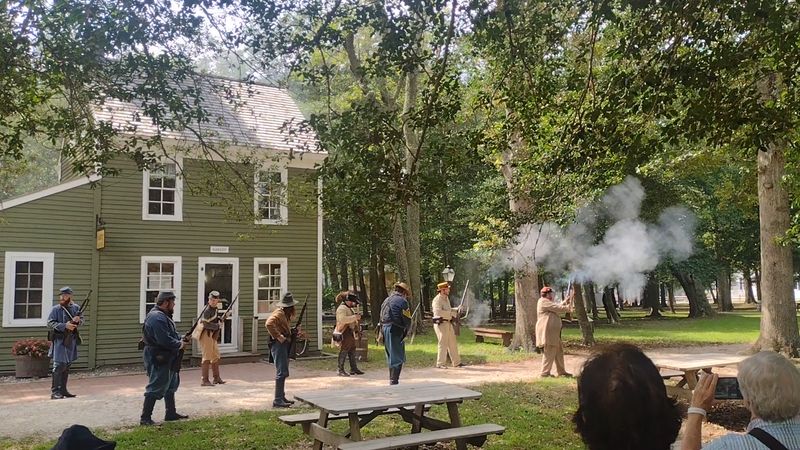
A whole village hiding near the shore is not the kind of Cape May surprise most people expect between beach plans and lighthouse photos. Historic Cold Spring Village is a 30-acre living history museum in Cape May County that focuses on South Jersey life during the early American period, especially the 1800s.
The museum is not a single building with glass cases. Visitors move through a collection of restored and relocated historic structures, each helping tell part of the story of work, school, family life, faith, and local trades in the region.
That open-air setup is what makes the place memorable. Instead of reading one long timeline, you can wander from building to building and build the picture piece by piece.
For New Jersey residents, the appeal is local pride with actual texture. It shows that the state’s history is not only Revolutionary War battlefields or shore resorts, but also blacksmith shops, barns, gardens, schools, and village roads that shaped everyday South Jersey life.
2. The Restored Historic Buildings
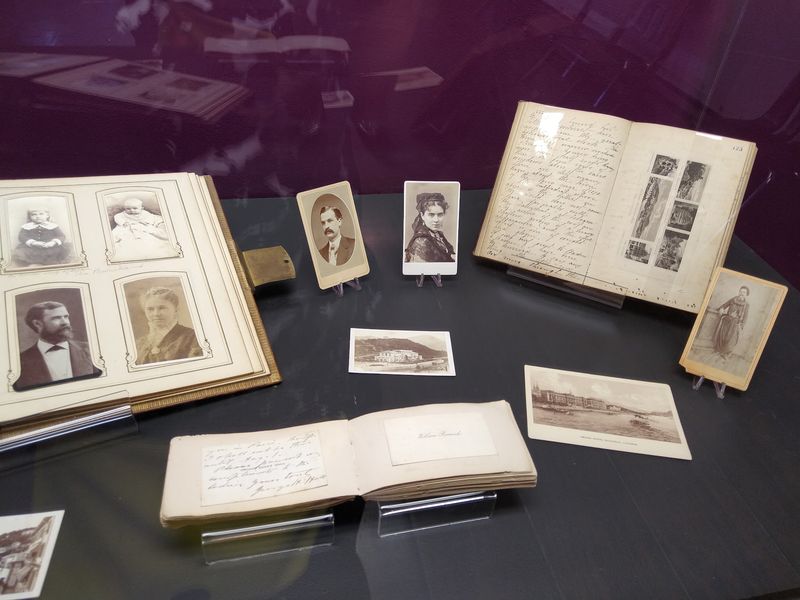
Old buildings do a lot more than sit there looking charming when they are placed in the right setting. At Historic Cold Spring Village, the restored structures are the backbone of the museum, giving visitors a street-level view of what a rural South Jersey community could have looked like in the 1800s.
The village includes buildings tied to daily needs, community life, and skilled work. Rather than grouping everything inside one modern exhibit hall, the museum lets each structure keep its own purpose and personality.
That matters because architecture can explain history in a very direct way. Small rooms, simple workspaces, wood construction, porches, and practical layouts show how much life centered on function before modern conveniences changed everything.
It is a good stop for anyone who likes historic homes, old churches, barns, or small-town streetscapes. You do not have to memorize dates to enjoy it, since the buildings themselves help tell the story.
3. Hands-On 1800s Trades and Demonstrations
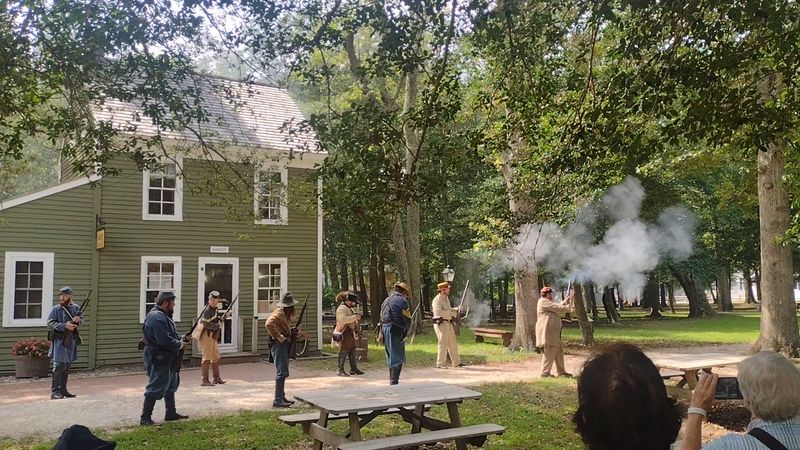
Watching someone make or mend something by hand can stop a fast-moving day in its tracks. One of the strongest reasons to visit Historic Cold Spring Village is the way the museum highlights traditional trades through demonstrations and interpretation.
Depending on the day and schedule, visitors may encounter costumed interpreters connected to historic crafts, shop work, or domestic tasks. The point is not to turn history into a performance for its own sake, but to show the amount of skill and labor behind ordinary objects and services.
That makes the museum especially useful for families. A student who might tune out a textbook paragraph about the 19th century can often understand the past faster after seeing tools, materials, and workspaces up close.
The trade-focused areas also separate this museum from a simple house tour. Historic Cold Spring Village is built around activity, not just preservation, and that gives each stop a clearer reason to exist.
4. The Country Store and Village Shops
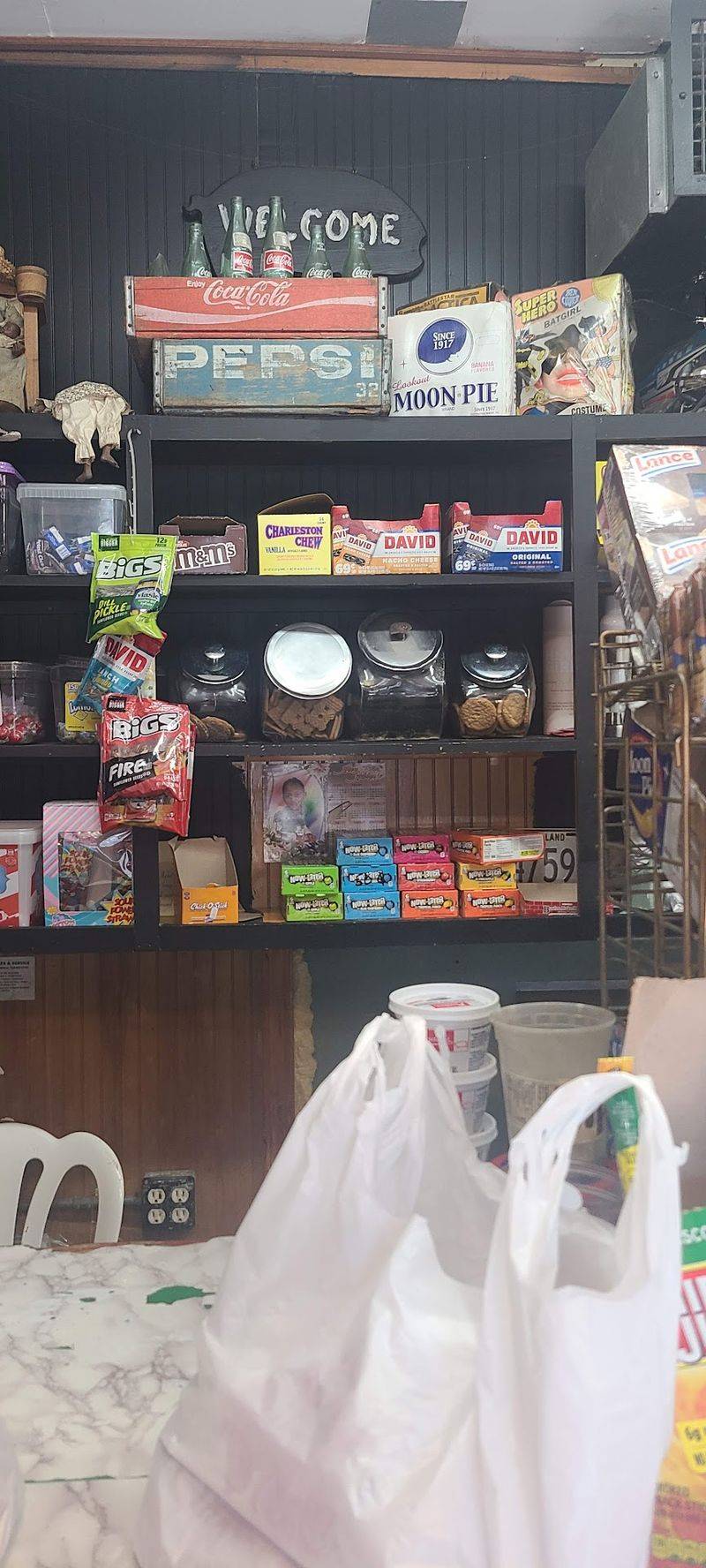
Before big-box errands and one-click shopping, a village store was part supply stop, part meeting place, and part local bulletin board. Historic Cold Spring Village uses shop spaces to help visitors understand how buying, trading, and community life worked in an earlier South Jersey setting.
The country-store idea is easy to connect with because it feels familiar and different at the same time. Shelves, counters, practical goods, and modest rooms remind visitors that daily life once depended on fewer choices, slower travel, and much more face-to-face exchange.
For readers who enjoy old general stores, antique details, or small museums with lots of little things to notice, this part of the village carries a nostalgic pull. It is not flashy, and that is the point.
The shops help round out the museum beyond homes and workplaces. They show how a village functioned as a network, where food, tools, clothing, services, and conversation all had their place.
5. The Historic Schoolhouse Experience
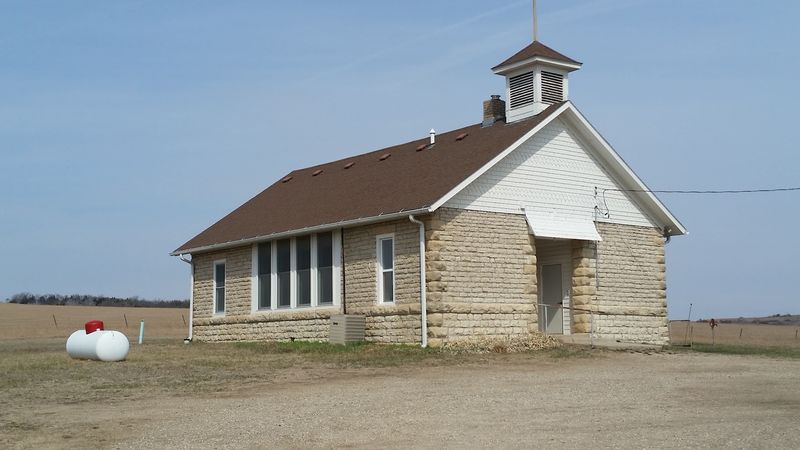
A one-room schoolhouse has a funny way of making modern classrooms look huge. At Historic Cold Spring Village, the schoolhouse setting gives visitors a clear look at how education worked when students of different ages could share the same room and supplies were simple.
This stop stands out because almost everyone has some connection to school. Kids can compare it with their own classrooms, while adults can quickly spot how much has changed in lessons, discipline, furniture, and expectations.
The schoolhouse also makes local history feel personal. Instead of focusing on famous names, it points to the ordinary children who grew up in South Jersey communities and learned reading, writing, arithmetic, and manners in a much different environment.
It is a quieter section of the village, but it tends to stick with people. A plain desk, a board, and a small room can say a lot about how families prepared children for adult life in the 1800s.
6. Agriculture, Gardens, and Rural South Jersey Life
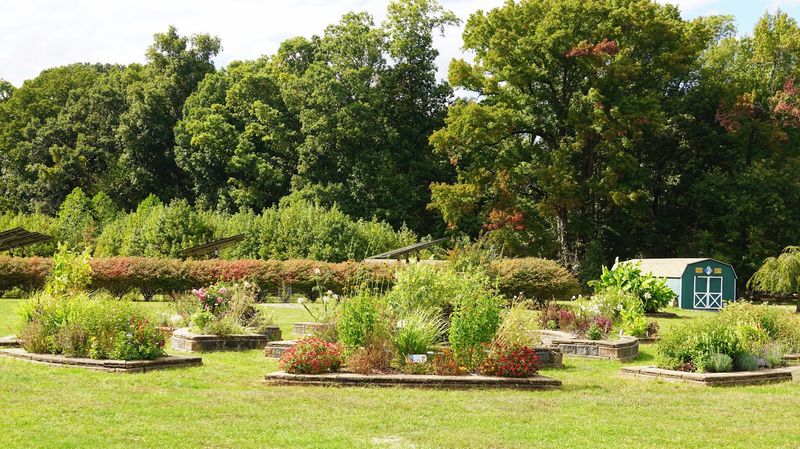
Not every important piece of history fits inside a building. Historic Cold Spring Village also reflects the rural side of South Jersey, where farming, gardens, animals, tools, and seasonal work shaped the rhythm of daily life.
The 30-acre setting helps make that point. Visitors are not just looking at individual structures, but at a landscape that suggests how homes, barns, gardens, and work areas connected to one another.
That outdoor space gives the museum breathing room and makes it a good choice for people who prefer wandering over standing in one exhibit gallery. It also helps explain why land mattered so much in 19th-century communities, especially in a region where agriculture and local trade were central to family survival.
For Cape May day-trippers, this is a useful change of pace from crowded shore stops. The grounds add context, and they make the village feel less like a display and more like a place people once would have moved through with purpose.
7. Family-Friendly History Without the Museum Fatigue

Parents know the look: the slow shuffle, the glazed eyes, the museum bench becoming the main attraction. Historic Cold Spring Village has an advantage because it spreads the experience outdoors, giving families room to move while still learning something real.
The village format makes the visit easier to pace. You can stop at a building, take in a demonstration if one is happening, walk to the next area, and let kids reset between exhibits.
That rhythm is helpful for mixed-age groups. Younger visitors get space and visual details, while older kids and adults can spend more time with the historical context.
It is also a smart option for grandparents and relatives looking for a Cape May outing that is not centered only on the beach. The museum gives families a shared topic to talk about, from old tools to school rules to how much work went into daily chores.
8. Seasonal Events and Community Programs

The calendar gives Historic Cold Spring Village more than one personality. In addition to regular museum visits during its operating season, the village is known for hosting events and programs that bring extra activity to the grounds.
Event schedules can change, so checking the official calendar before going is the practical move. The museum has featured themed weekends, educational programming, and community-oriented happenings that use the village setting as more than a backdrop.
That is a big reason repeat visits make sense. A quiet walk through the grounds and a busier event day can feel like two different versions of the same place.
For local readers, seasonal programming is also where the museum feels especially connected to Cape May County. It is not just preserving old buildings behind a rope, but using them as a gathering place for learning, demonstrations, and regional traditions.
9. Planning a Visit to Historic Cold Spring Village
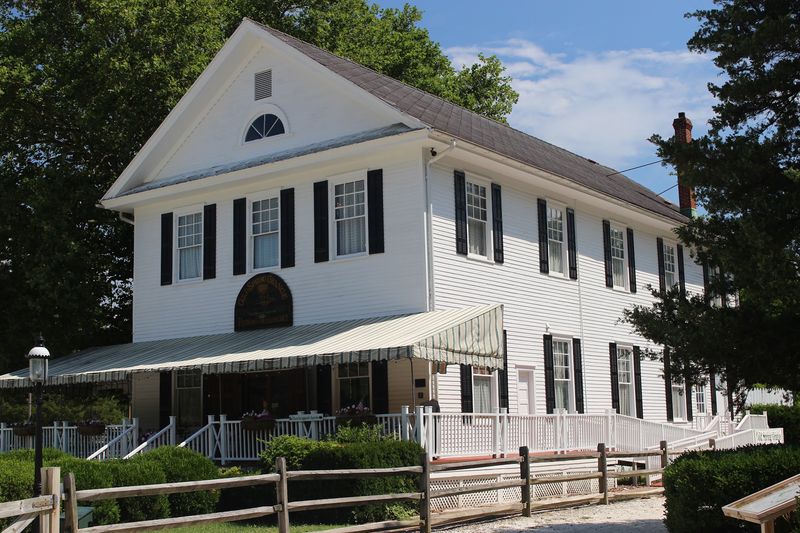
A little planning makes this kind of open-air museum much easier to enjoy. Historic Cold Spring Village is located in Cape May County, close enough to Cape May’s beaches and Victorian district that it can fit into a shore-area day trip without taking over the whole itinerary.
Because the museum is seasonal and programming can vary, visitors should confirm current hours, admission, events, and any special notices through the official Historic Cold Spring Village website before heading out. That is especially important if you are hoping to see demonstrations or attend a specific themed day.
Comfortable shoes are a good idea since the experience involves walking between buildings across the grounds. Weather also matters more here than it would at a fully indoor museum, so a mild day can make the visit smoother.
The best reason to plan for it is simple: Historic Cold Spring Village gives New Jersey history room to breathe. For residents and short-hop travelers, it is a grounded, visitable reminder that South Jersey’s past is more layered than many people realize.
Share this story