New Jersey has plenty of animal places, but rescues feel different because every resident has a story behind those eyes, feathers, hooves, or paws. Some care for injured wildlife, some protect farm animals, and others help cats, dogs, horses, wolves, birds, and marine life get the support they need.
The best visits are not just about looking at animals, they are about understanding why they ended up there and how people can help responsibly. If you want a local outing that feels meaningful without turning into a long road trip, these New Jersey rescues are the kind of places worth learning about before you go.
1. Popcorn Park Animal Refuge, Forked River, NJ
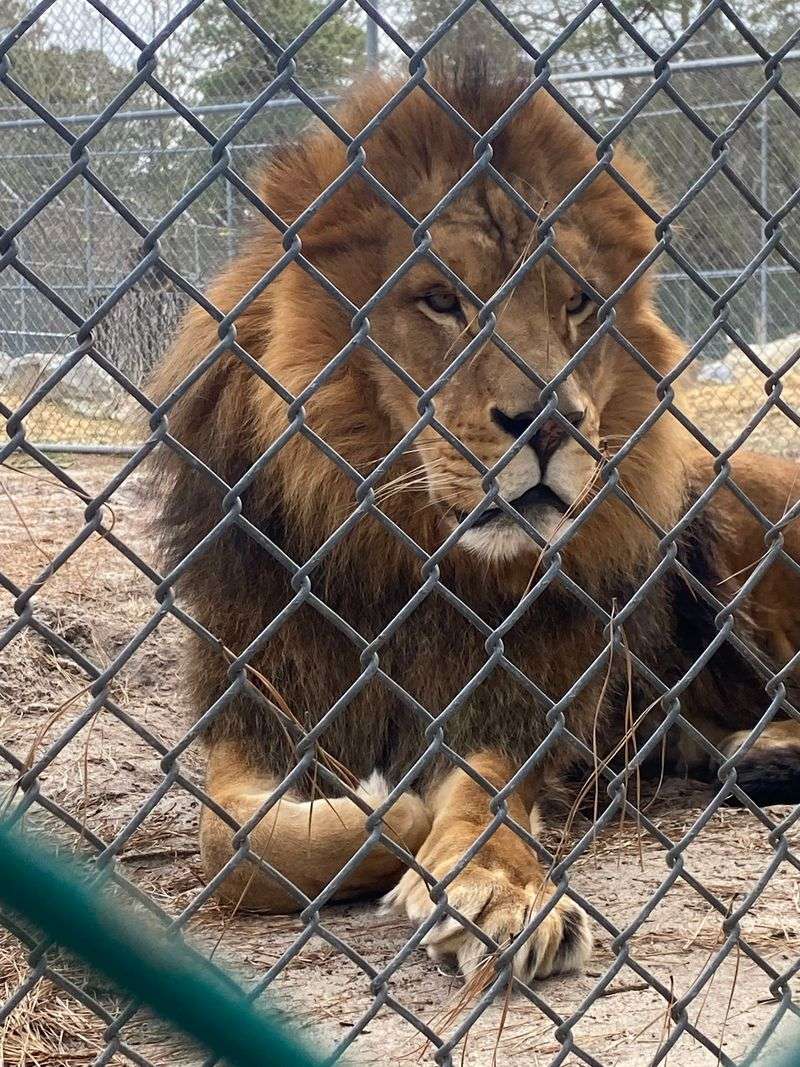
A lion, a camel, a parrot, and a potbellied pig sound like the start of a very odd New Jersey joke, but Popcorn Park Animal Refuge has cared for an unusually wide range of animals over the years.
Operated by Associated Humane Societies, the Forked River refuge is one of the state’s best-known animal rescue stops because it is not a traditional zoo. Many residents arrived after neglect, abandonment, injury, or situations where they could no longer be kept safely by previous caretakers.
Visitors walk the refuge paths and can read about individual animals, which is where the place really earns its spot on this list. The experience is close enough to notice personalities, but structured enough to keep the animals’ needs first.
Popcorn Park is also connected to broader animal welfare work, including adoption services through Associated Humane Societies. Before going, check the organization’s current visitor information, admission details, and rules, since animal care needs can affect access.
2. The Raptor Trust, Millington, NJ
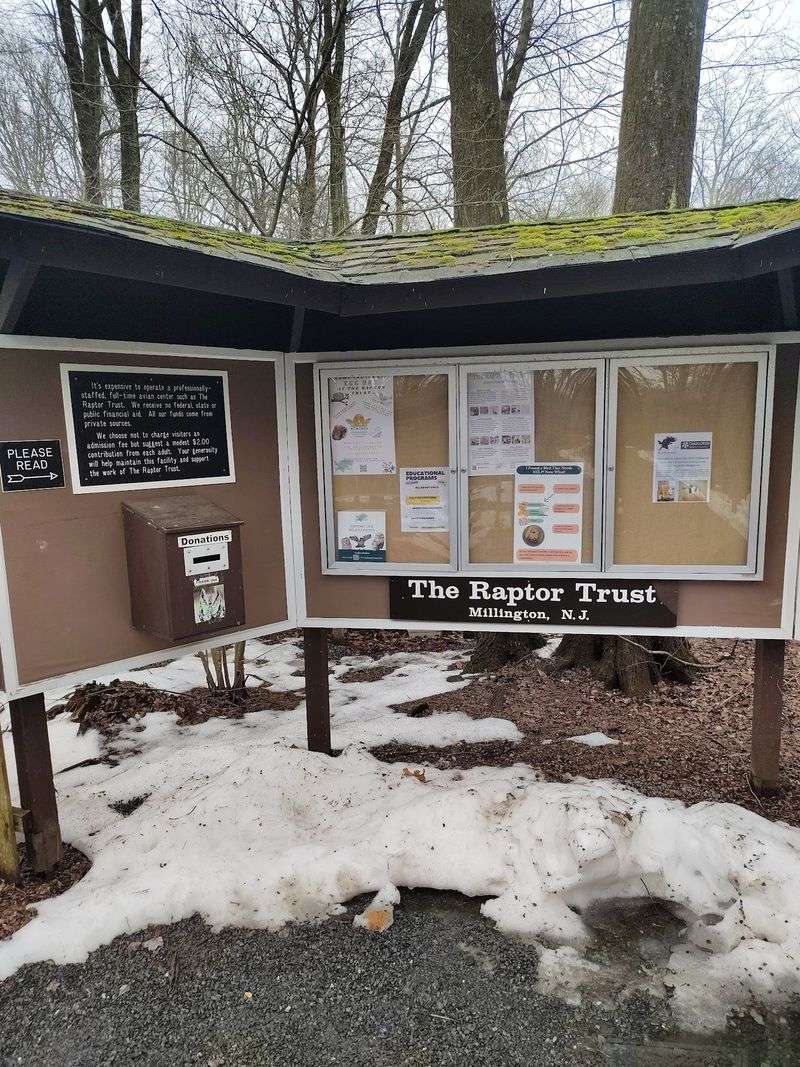
One of New Jersey’s most quietly powerful animal stops sits in the Great Swamp area, where hawks, owls, eagles, and other wild birds receive specialized care.
The Raptor Trust is a nonprofit wild bird rehabilitation center in Millington that treats thousands of injured or orphaned birds each year. Its public education area includes outdoor aviaries where non-releasable birds can be viewed, giving visitors a rare chance to see native raptors up close without disrupting wild nesting areas.
What makes this place different is the focus. It is not trying to entertain with a huge variety of species.
It is about birds, especially raptors, and about the hard work that happens when wildlife and human-built spaces overlap.
Because the hospital side is focused on care, visitors should not expect a behind-the-scenes medical tour. The public area is still meaningful, especially if you take time to read the signs and notice how each bird’s story connects to larger conservation issues.
3. Woodford Cedar Run Wildlife Refuge, Medford, NJ
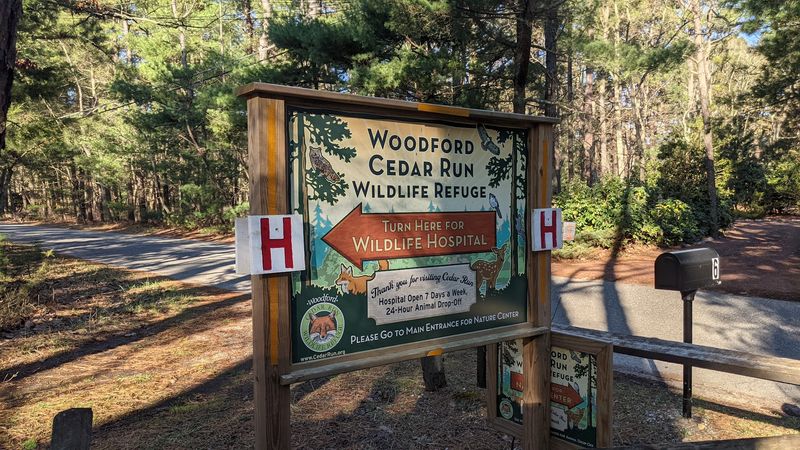
South Jersey gets its own kind of wildlife classroom at Woodford Cedar Run Wildlife Refuge, where the woods are part of the lesson.
Located in Medford, Cedar Run combines a wildlife rehabilitation hospital, education programs, and nature trails. Visitors can explore the refuge’s outdoor habitat area, where non-releasable native animals help teach the public about New Jersey wildlife and the challenges animals face near roads, homes, and developed land.
The setting is a big part of the appeal. Rather than feeling like a quick stop in a parking-lot complex, the refuge connects rescued animals with the natural landscape around them.
Trails give families a reason to slow down, and the animal viewing areas make the conservation message easier for kids to understand.
Cedar Run is especially useful for anyone who wants a visit that blends animal rescue with a gentle outdoor outing. Check current hours, admission information, and program schedules before heading out, since educational events and seasonal conditions can change the experience.
4. Funny Farm Rescue and Sanctuary, Mays Landing, NJ
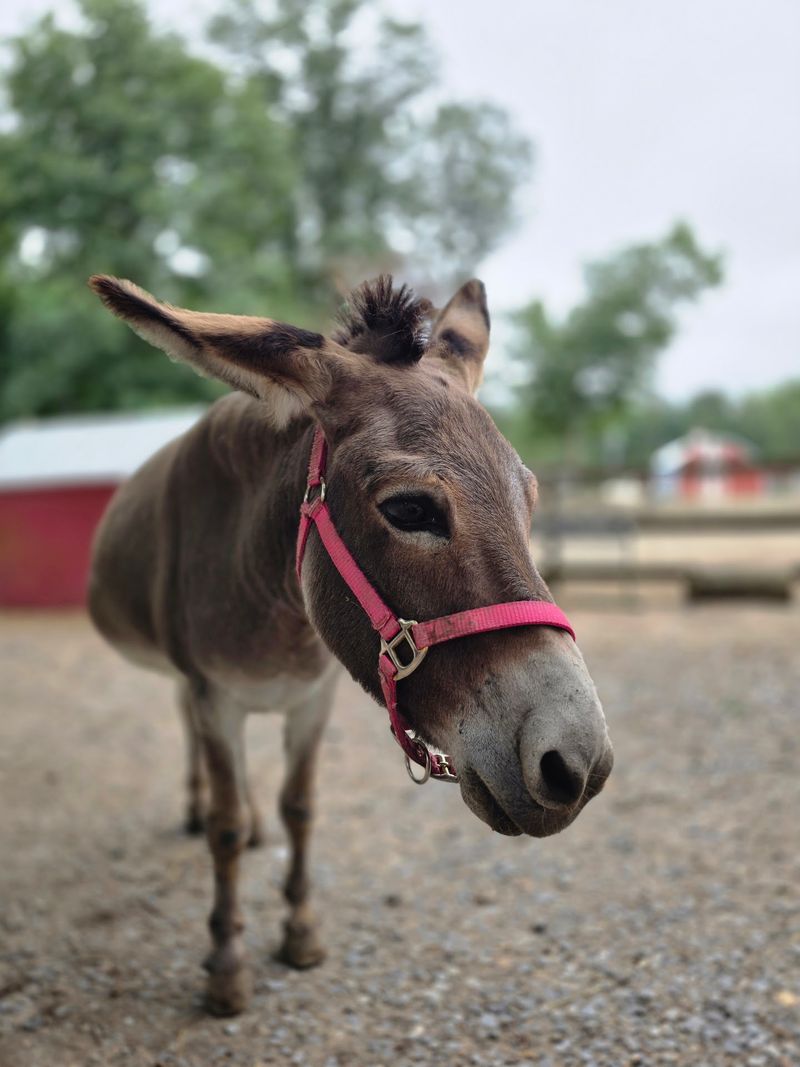
If your ideal animal outing includes a little organized chaos, Funny Farm Rescue and Sanctuary in Mays Landing lives up to its name in the best possible way.
The sanctuary is home to rescued farm animals, domesticated animals, and animals with special needs. Its public visiting days have made it a familiar Atlantic County stop for families who want a more personal look at animal rescue than a typical petting farm can provide.
Funny Farm stands out because it leans into storytelling. The animals are not presented as attractions first.
They are residents with backgrounds, quirks, and needs, and the sanctuary’s public presence often focuses on compassion, second chances, and responsible care.
Visitors should check current open days and guidelines before driving over, since sanctuary access can depend on staffing, weather, and animal care priorities. When open to the public, it is the kind of place where younger visitors can connect the word rescue with real faces, hooves, feathers, and wagging tails.
5. Barnyard Sanctuary, Columbia, NJ
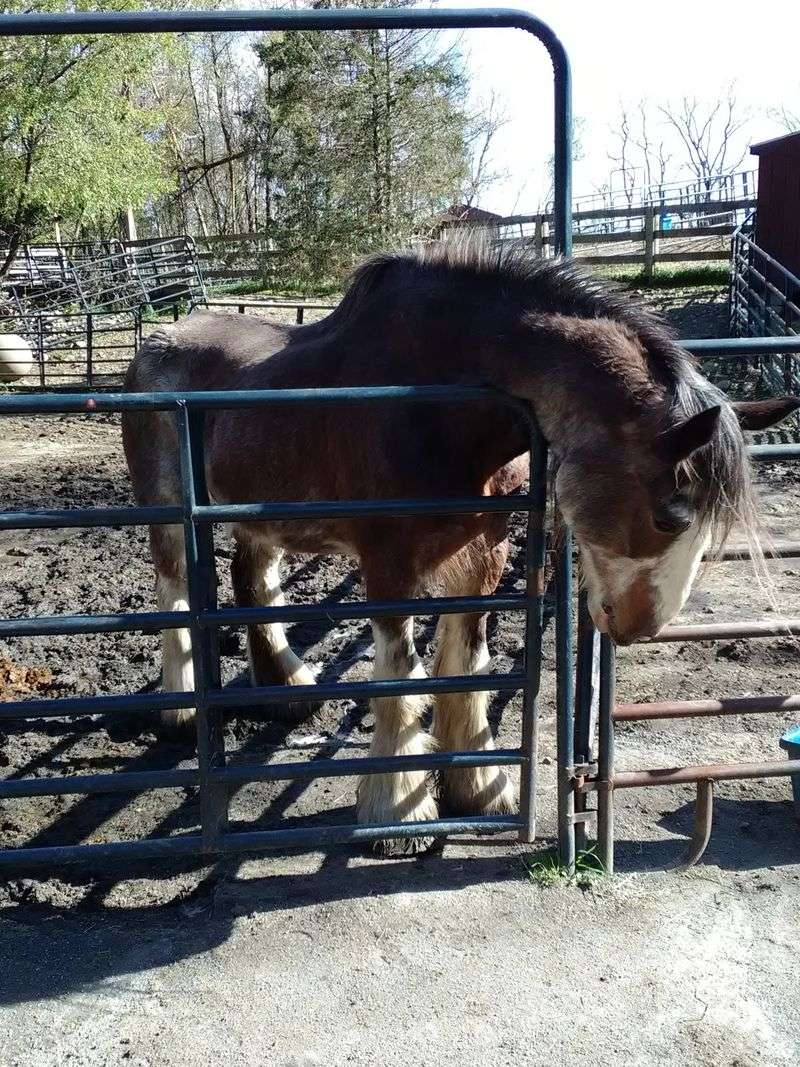
Not every rescue story fits inside a cat carrier or dog kennel, and Barnyard Sanctuary in Columbia makes that point quickly.
This Warren County sanctuary focuses on farm animals, including species that many people rarely get to meet as individuals. Instead of treating cows, pigs, goats, sheep, chickens, and other residents as background farm scenery, the sanctuary’s mission centers on care, placement when possible, and long-term refuge.
The reason it belongs here is simple: farm animal rescue changes the conversation. Standing near a rescued pig or goat while learning why sanctuaries exist can make visitors think differently about animals they may have only seen from a roadside or in a children’s book.
Public access can vary, so planning ahead matters. Check Barnyard Sanctuary’s current visiting options, volunteer information, and any event-based access before making the trip to Columbia.
For North Jersey readers, it is a strong reminder that animal welfare in the Garden State includes barns, pastures, and plenty of personality.
6. Lakota Wolf Preserve, Columbia, NJ
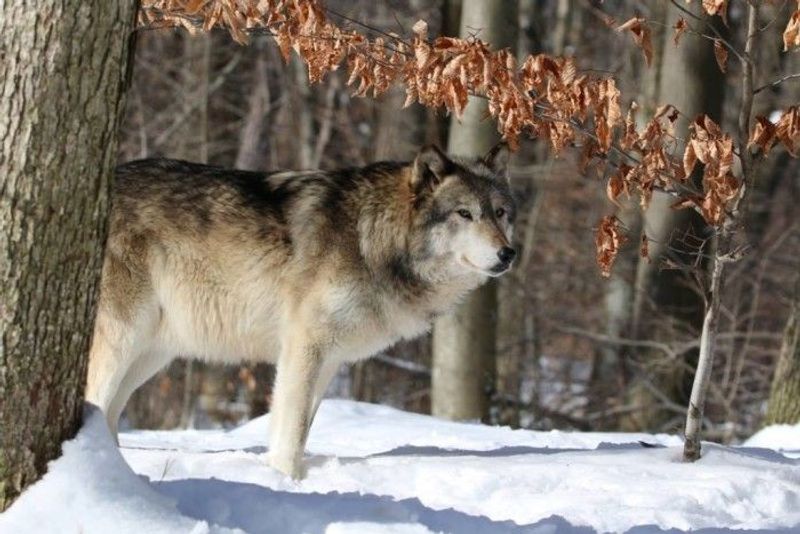
Hearing about wolves is one thing; seeing them in a quiet Warren County preserve is a completely different lesson.
Lakota Wolf Preserve in Columbia is an educational preserve that cares for wolves, wolfdogs, and other animals in a controlled sanctuary setting. Visits are typically guided, which helps keep the experience focused on accurate information rather than casual wandering.
This stop is different from the others because the animals are not common household pets or typical farm residents. Wolves carry a lot of myth, fear, and misunderstanding, and a guided visit can replace some of that with practical knowledge about behavior, habitat, and why private ownership creates serious concerns.
Because access is structured, do not treat Lakota as a drop-in roadside attraction. Check current tour schedules, reservation requirements, and seasonal notes before going.
For animal lovers who want a more focused educational outing, it offers a rare New Jersey chance to learn about canids from close but respectful viewing areas.
7. Marty’s Place Senior Dog Sanctuary, Allentown, NJ
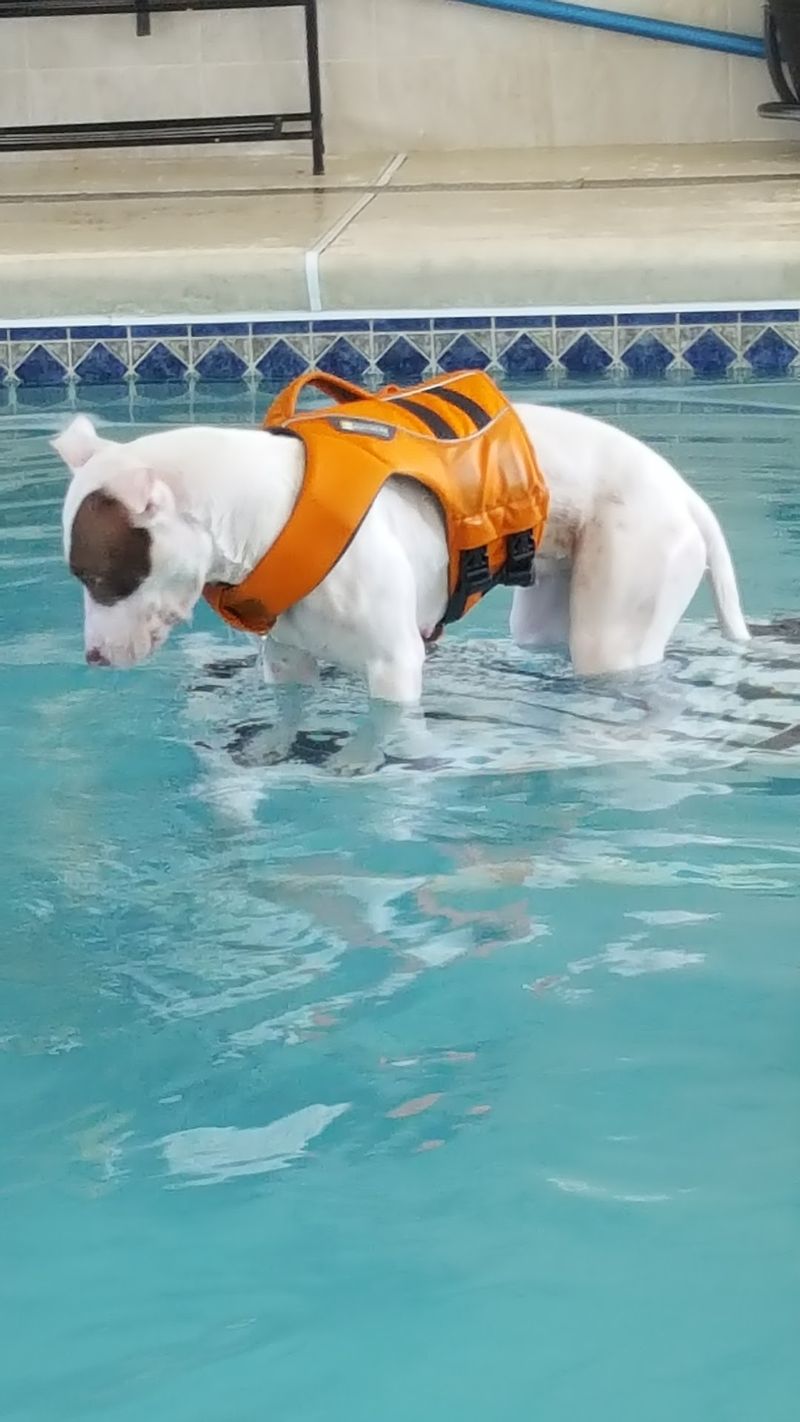
Senior dogs have a way of slowing a room down, and Marty’s Place Senior Dog Sanctuary in Allentown is built around giving older pups comfort, care, and attention.
The sanctuary focuses on senior dogs, especially those who need a safe place when traditional adoption options may be more limited. Some dogs may be available for adoption, while others live at the sanctuary with ongoing support suited to their age and medical needs.
Marty’s Place earns its place on this list because it highlights a part of rescue work that can be easy to overlook. Puppies often get attention quickly, but older dogs have histories, habits, and quieter needs.
Learning their stories can be a good reminder that rescue is not always fast or flashy.
The organization also hosts programs and community events, so visitors should check its current calendar and policies before stopping by. If you are drawn to animal welfare but prefer a calmer, dog-centered setting, this Allentown sanctuary is one to know.
8. Tabby’s Place, Ringoes, NJ
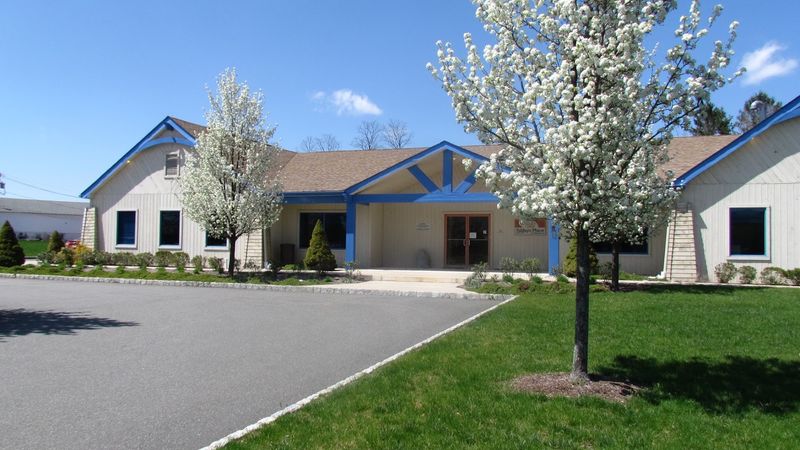
Cats who need extra help often do better in a place designed around their comfort, and Tabby’s Place in Ringoes is one of New Jersey’s most recognizable examples.
Tabby’s Place is a cage-free cat sanctuary that cares for cats from difficult circumstances, including cats with special medical needs. The sanctuary is known for its thoughtful indoor spaces, individualized care, and adoption work.
What makes Tabby’s Place stand apart is how specific its mission feels. Instead of being a general animal stop with cats included, the entire environment is centered on feline welfare.
Visitors can learn how medical care, socialization, and patient adoption efforts all fit together.
Public visiting, tours, and volunteer opportunities may have specific rules, so checking the current process before arriving is smart. For readers who already speak fluent cat, this is an especially meaningful New Jersey stop.
For everyone else, it may explain why rescue work often takes far more planning than simply finding an animal a new home.
9. Marine Mammal Stranding Center, Brigantine, NJ
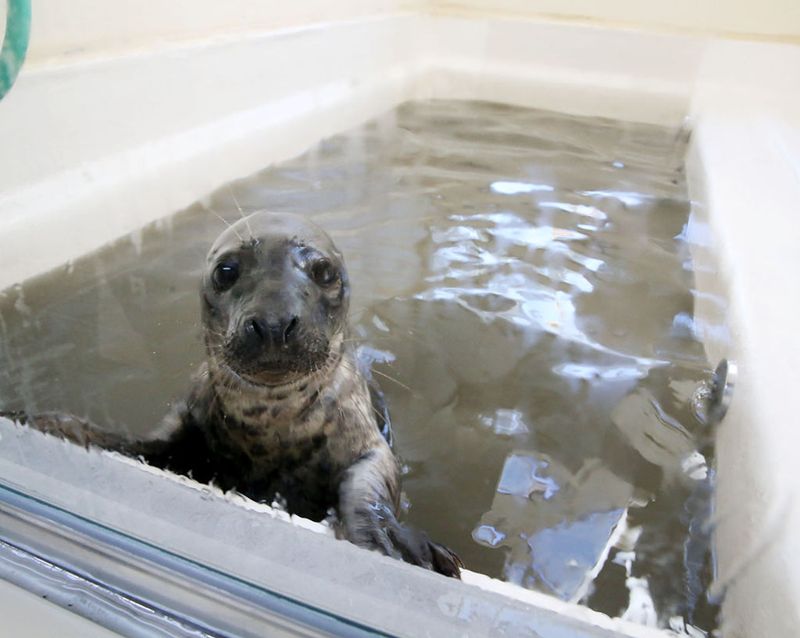
At the Jersey Shore, animal rescue sometimes starts with a phone call about a seal resting on the sand or a sea turtle in trouble.
The Marine Mammal Stranding Center in Brigantine responds to stranded marine mammals and sea turtles along New Jersey’s coast. Its work includes rescue, rehabilitation, release when possible, and public education about what beachgoers should do when they encounter marine wildlife.
This entry brings a coastal angle that the inland rescues cannot. It connects everyday shore life with a specialized rescue network, which is useful for anyone who spends time on New Jersey beaches.
Knowing not to crowd, touch, feed, or move a stranded animal is part of being a better local beach visitor.
The center has an educational component, but rescue operations and animal care needs guide public access. Check current visitor information before planning a stop in Brigantine.
Even if you never see an animal up close, learning how the response system works makes the shoreline feel more connected and less like just a summer backdrop.
Share this story