Most historic houses get a fresh coat of paint, new furniture, and a complete makeover before opening their doors to visitors. This one deliberately chose a different path.
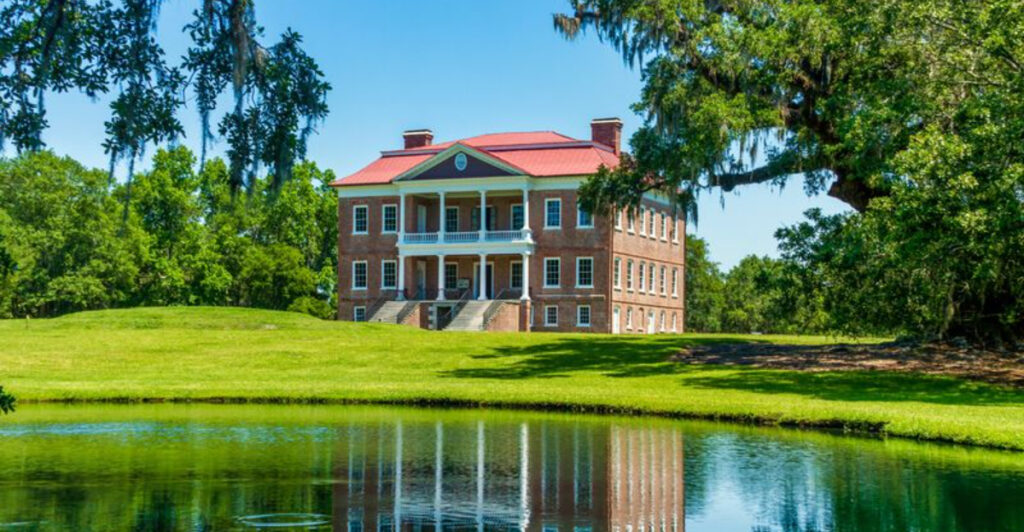
Along the Ashley River outside Charleston, South Carolina, stands a mansion that has never been restored, and that choice is exactly what makes it one of the most fascinating places in the entire country. The peeling plaster, the bare rooms, and the centuries-old woodwork are all part of the story, and once you understand why, you will never look at historic preservation the same way again.
A House Frozen in Time on the Ashley River
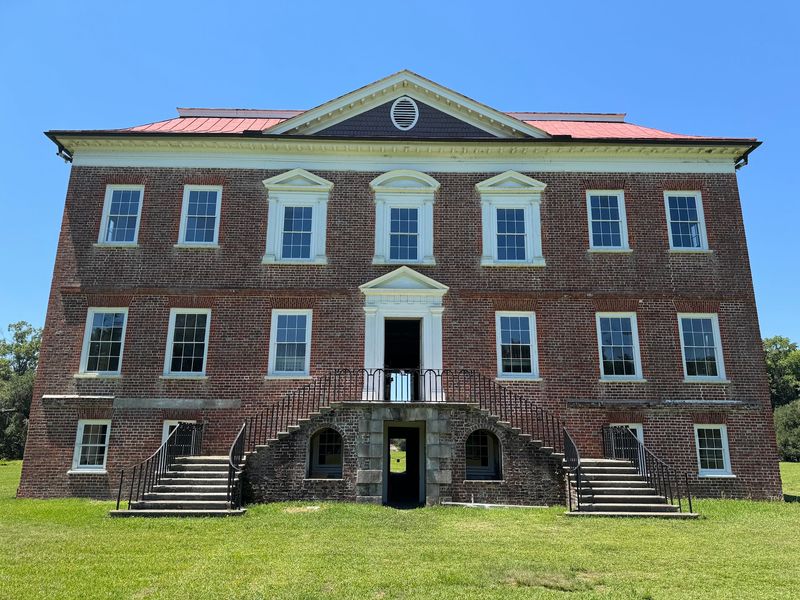
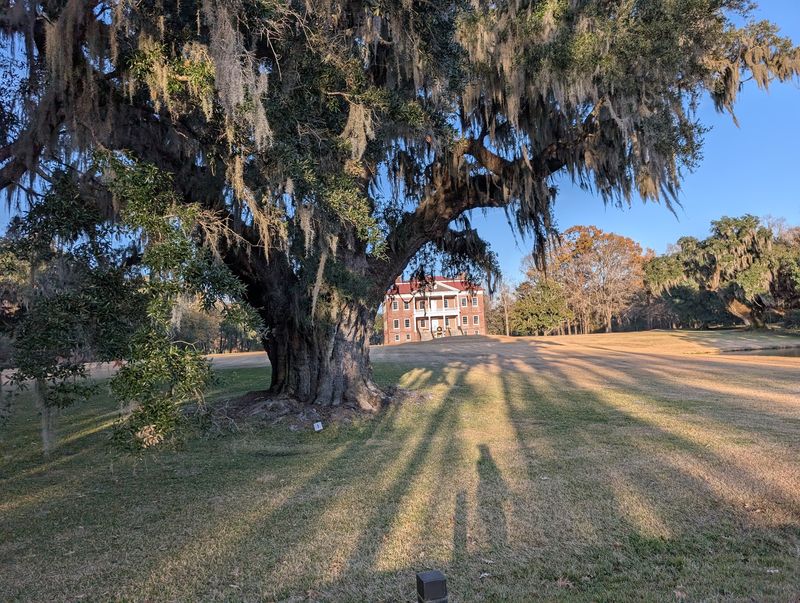
There is something quietly powerful about walking up to a building that has not been touched by a restoration crew. The exterior of Drayton Hall rises from the South Carolina landscape with a kind of calm authority, its brick facade aged by nearly three centuries of sun, rain, and river air.
Most visitors expect to see a polished showpiece. What they find instead is something rarer: a structure that tells the truth about time.
The paint has faded, the plaster shows its age, and the empty rooms echo with a history that no decorator could improve upon.
This is not neglect. Every crack and worn surface is monitored, stabilized, and documented by a team committed to preservation rather than recreation.
The result is a building that feels genuinely alive with the past in a way that fully restored houses rarely achieve.
What Drayton Hall Actually Is and Where to Find It
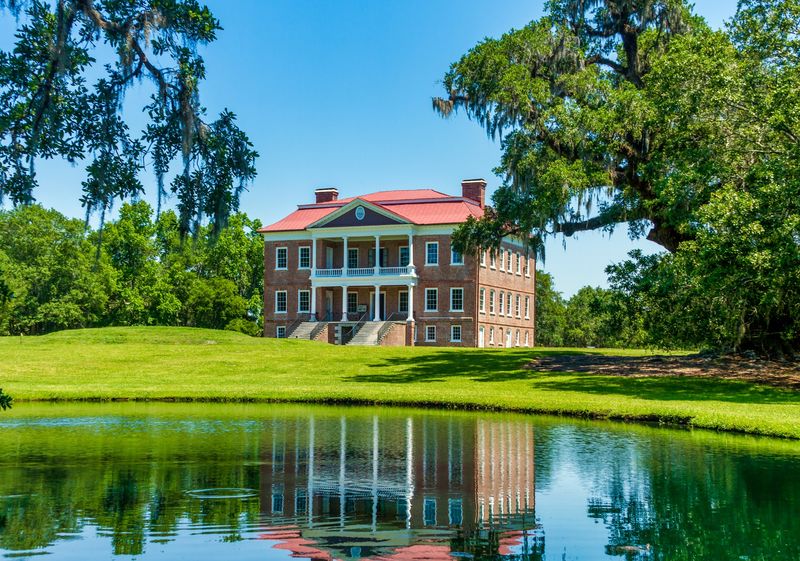
Drayton Hall sits at 3380 Ashley River Road, Charleston, South Carolina. Founded in 1738 by John Drayton, the property is widely recognized as the oldest preserved plantation house in America that remains open to the public.
Scholars and architects also point to it as the nation’s earliest fully executed example of Palladian architecture, a formal design style rooted in the work of Italian Renaissance architect Andrea Palladio. That distinction alone would make it worth a visit, but the story behind its survival is what truly sets it apart from every other historic site in the region.
The property is now managed as a historic site and museum, welcoming visitors most days of the week. Getting there from downtown Charleston takes roughly twenty minutes, and the drive along Ashley River Road builds anticipation with every passing mile of lowcountry scenery.
The Palladian Architecture That Still Stuns Architects Today
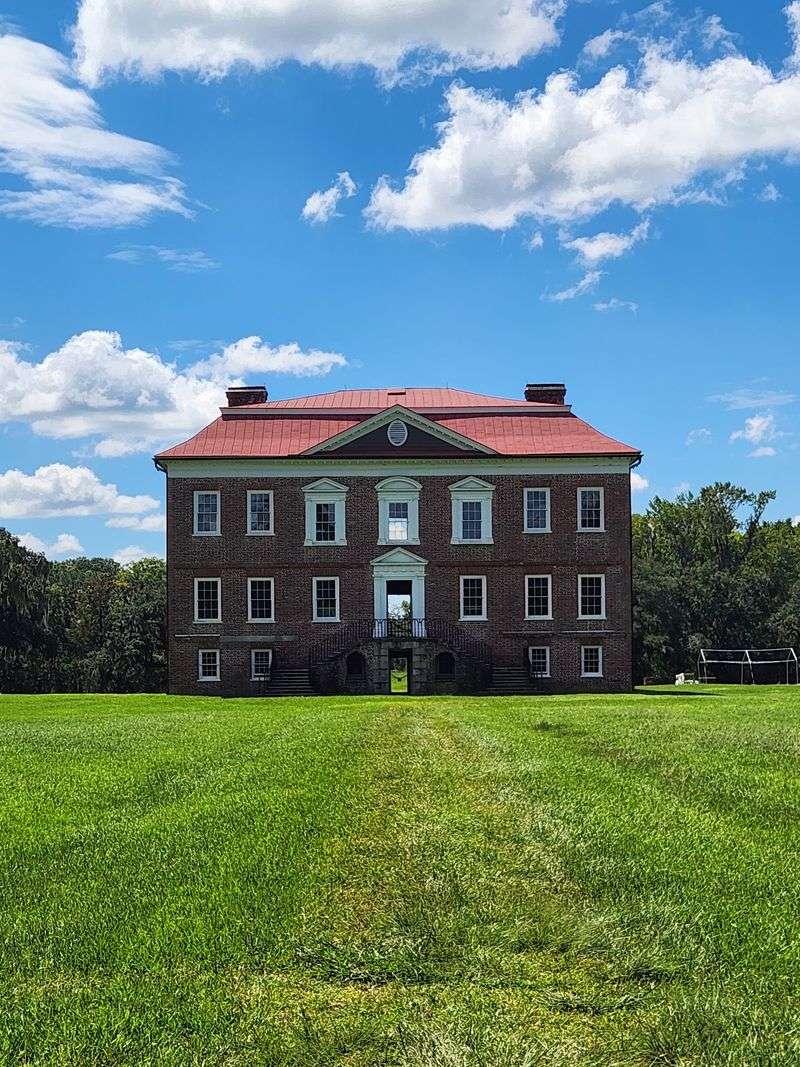
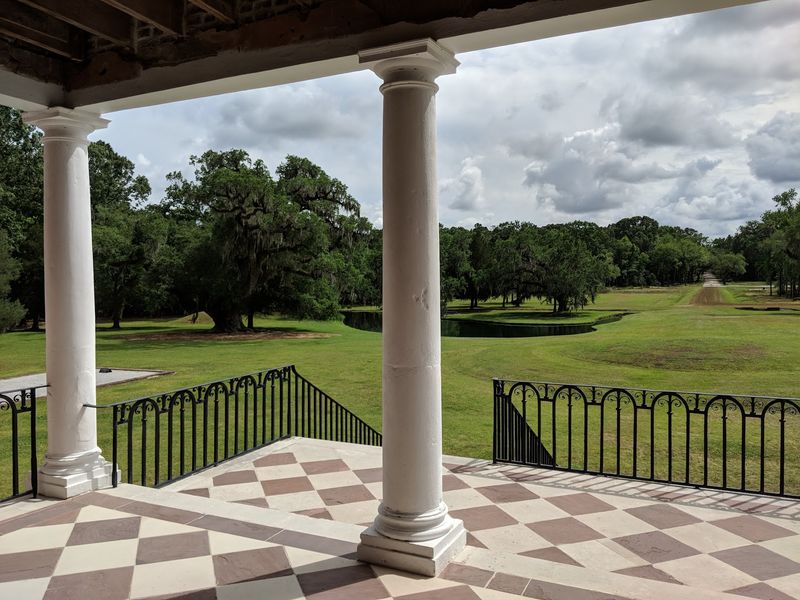
John Drayton built this house to impress, and nearly three hundred years later, it still works. The double-staircase portico, the symmetrical facade, and the carefully proportioned columns reflect a command of classical design that was extraordinarily rare in colonial America during the 1730s.
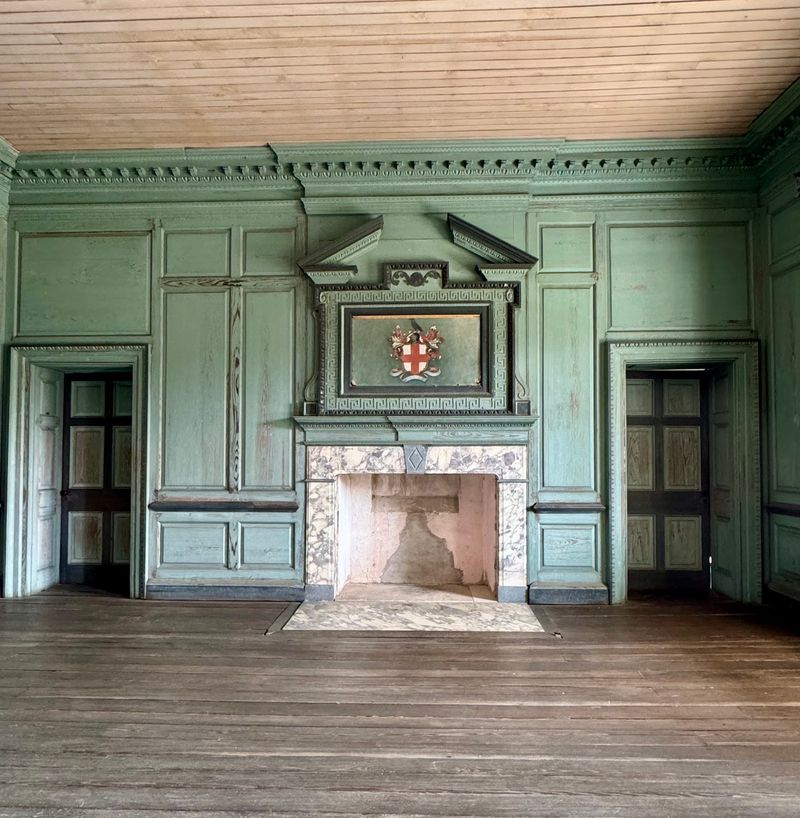
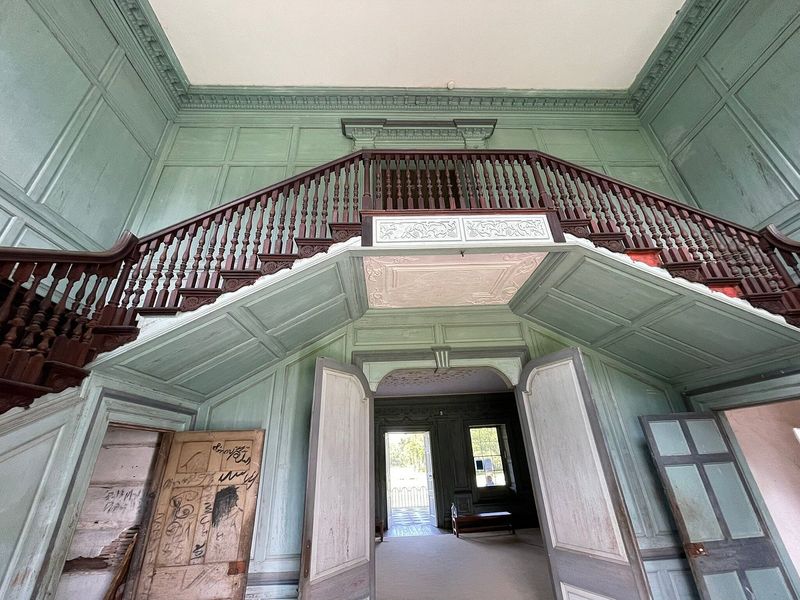
The interior carries that sophistication even further. Elaborate plasterwork ceilings, hand-carved wooden moldings, and finely detailed chimneypieces fill rooms that have never been altered to suit a later owner’s taste.
What visitors see today is genuinely close to what John Drayton himself would have walked through.
Architects and design historians travel specifically to study Drayton Hall because so few colonial-era interiors survive in this kind of unaltered condition. The craftsmanship on display required skilled artisans whose techniques were already becoming rare by the time the house was completed, making every carved surface a document as much as a decoration.
Why the Decision Not to Restore It Changed Everything
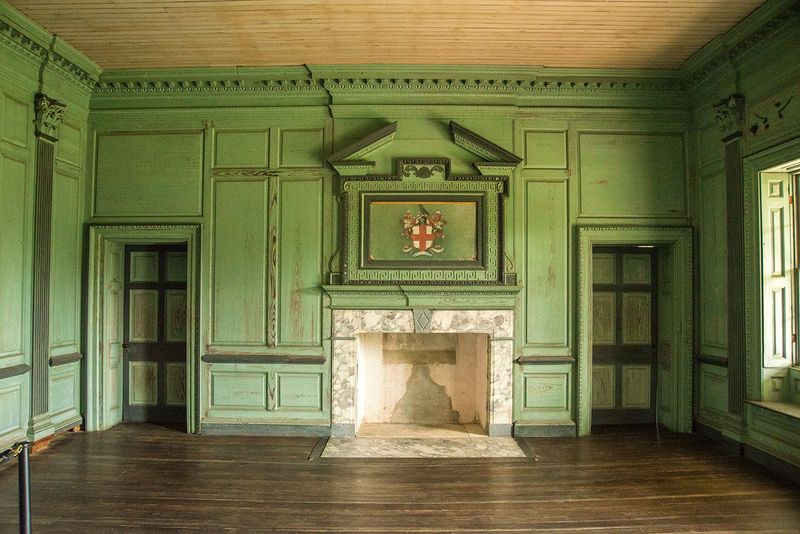
After the Drayton family’s ownership ended, the house sat largely unused for roughly a century. By the time preservationists took serious interest, the building had aged considerably but had also avoided the waves of well-meaning renovation that stripped the authenticity from so many other historic properties.
The National Trust for Historic Preservation, which took ownership in 1974, made a deliberate and at the time controversial choice: preserve the structure exactly as found rather than attempt to recreate what it once looked like. No reproduction furniture was brought in.
No walls were repainted to match historical records. No attempt was made to turn it back into a lived-in home.
That decision made Drayton Hall genuinely unique among American historic sites. Visitors are not seeing a recreation.
They are standing inside the actual fabric of the eighteenth century, which is a fundamentally different and far more honest experience than any restored house can offer.
The Guided Tour That Goes Beyond Surface-Level History
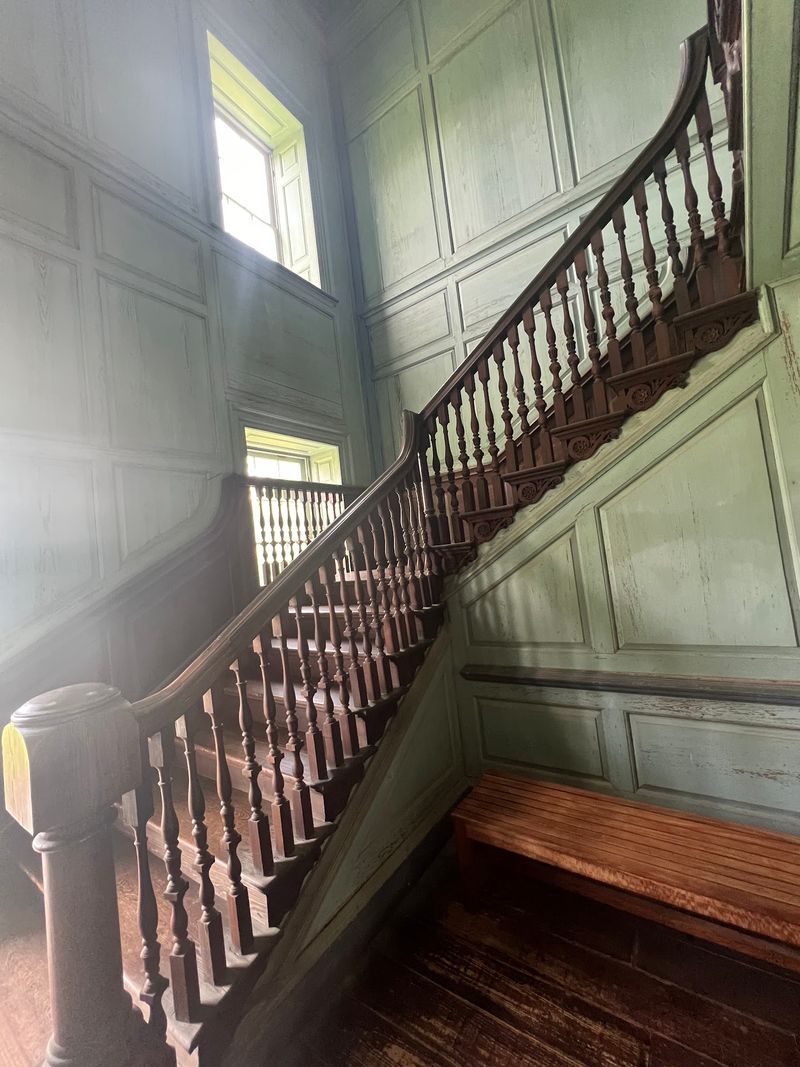
Touring Drayton Hall without a guide is a bit like reading a book with half the pages missing. The guided tour, which runs approximately one to one and a half hours, fills in the story behind every room, every architectural detail, and every layer of history embedded in the walls.
Guides move through three floors of the house, connecting the physical space to the people who built it, lived in it, and worked within it under conditions that ranged from extraordinary privilege to brutal hardship. The depth of interpretation here goes well beyond dates and names.
One particularly memorable element is a binder inside the house containing typed excerpts from John Drayton’s personal diary entries. Reading his matter-of-fact accounts of daily plantation life, including references to the enslaved people around him, creates a kind of historical closeness that no exhibit panel alone could replicate.
The African American Cemetery and the Harder Truths of the Site
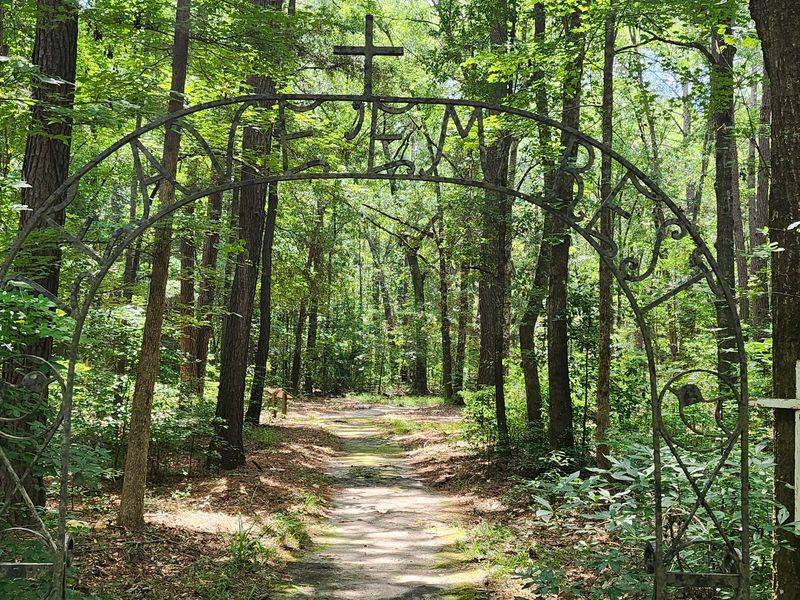
Drayton Hall does not shy away from the full weight of its history. The site openly acknowledges that the wealth behind this magnificent house was built on the labor of enslaved people who grew indigo and rice on the surrounding plantation lands.
An African American cemetery on the grounds serves as one of the most moving parts of any visit. The cemetery connects the site to the descendants of enslaved people who lived and worked here, some of whom have maintained ties to the property across generations.
The interpretive approach at Drayton Hall has been praised for incorporating historical contributions and perspectives from those descendants rather than treating their stories as a footnote. Visitors consistently leave with a more complete and honest understanding of what plantation life actually meant for the many people whose labor made places like this possible.
That honesty is part of what makes the site so valuable.
The Archaeological Excavations Happening Right Now
One of the most unexpected things about a visit to Drayton Hall is realizing that active research is still happening on the property. Two archaeologists are on staff, and ongoing excavations continue to uncover artifacts that add new dimensions to the site’s long history.
Visitors during my trip could actually observe the excavation area, where careful work near the house has turned up objects that connect to both the Drayton family and the enslaved community that lived on the property. Seeing archaeology in progress rather than just reading about past discoveries makes the experience feel genuinely alive.
Some visitors have noted that the excavation zone draws attention from wasps, so it is worth being aware of that if you plan to linger near the dig site. The small on-site museum displays recovered artifacts, giving context to the objects being pulled from the ground just a short walk away.
The Grounds, the Live Oaks, and the Ashley River View
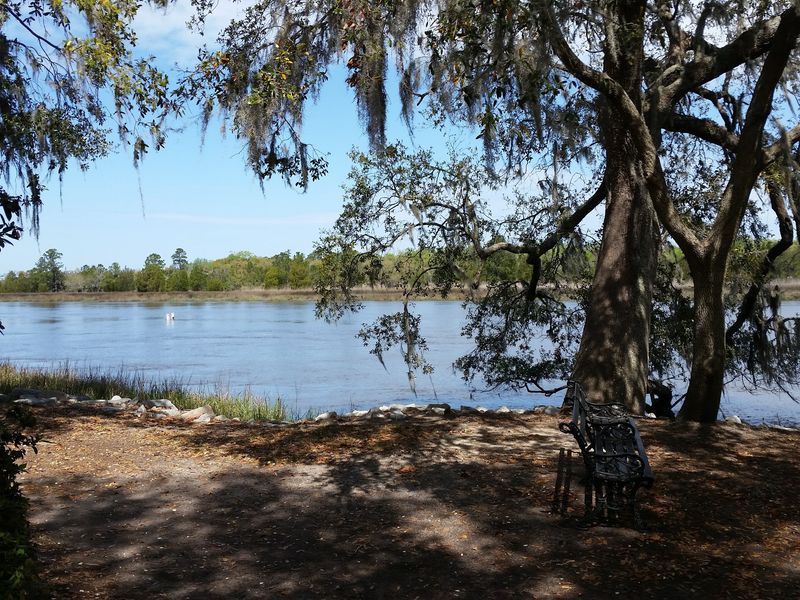
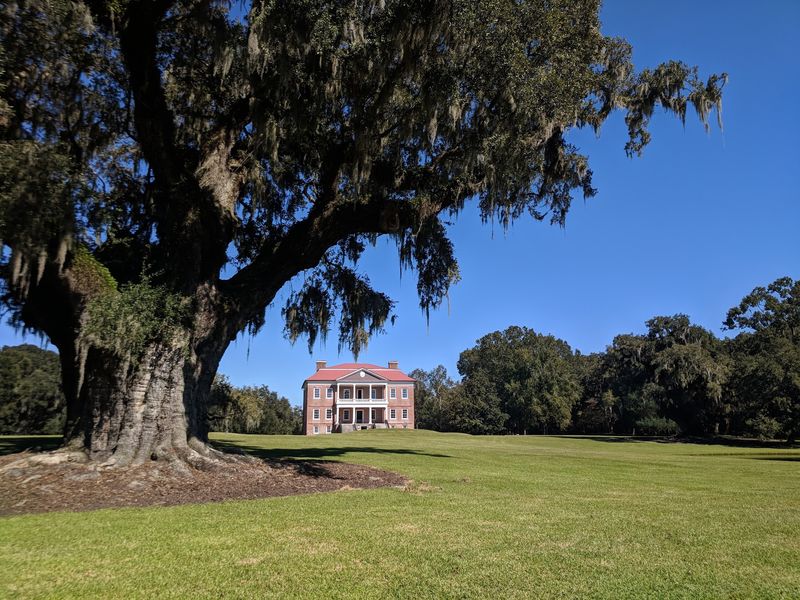
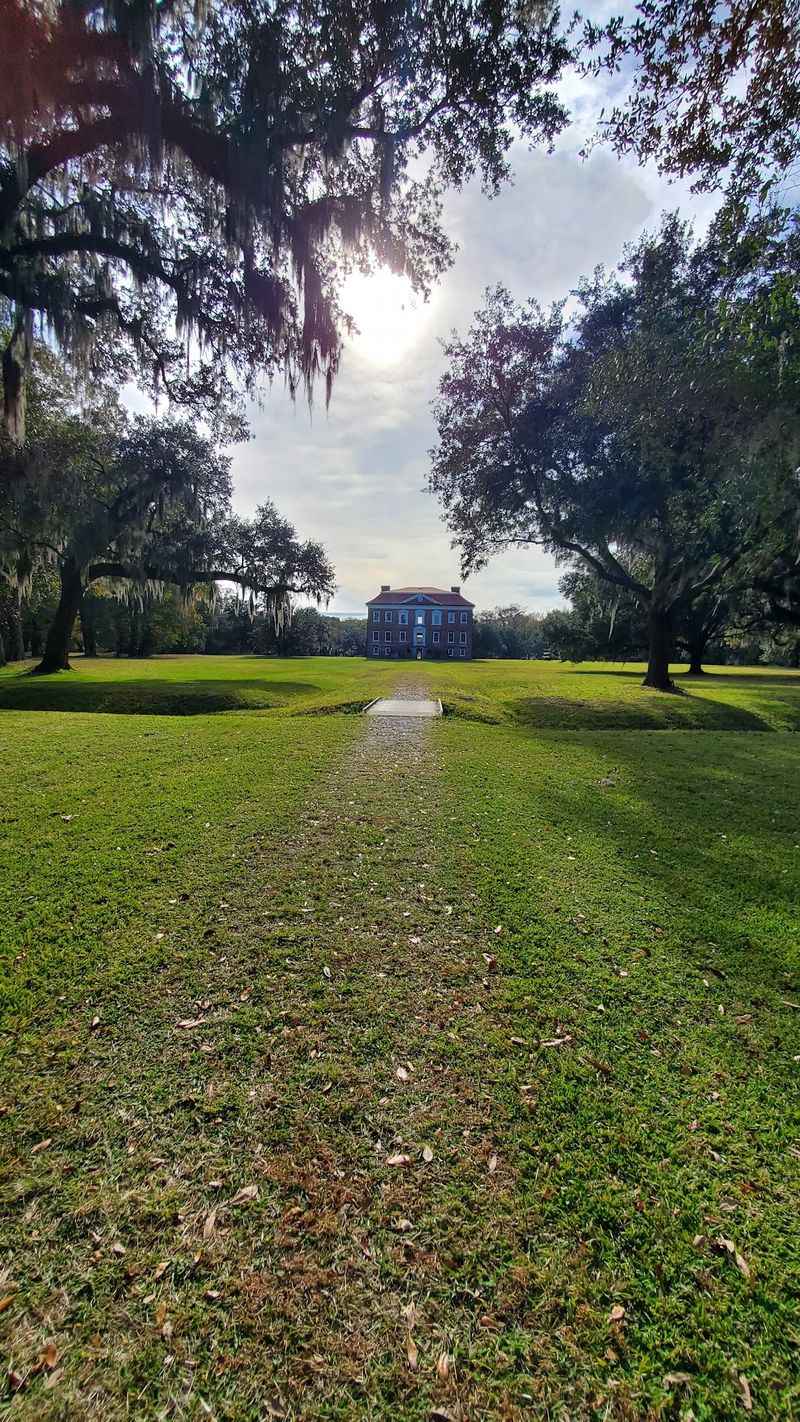
The house is the centerpiece, but the grounds surrounding it deserve just as much time and attention. Massive live oak trees spread their branches across the property in that distinctly lowcountry way, creating deep pools of shade and framing views of the Ashley River that feel almost theatrical in their beauty.
An audio tour guides visitors through the landscape, pointing out features that are easy to miss on a self-guided walk. The path eventually leads to the river’s edge, where the breeze off the water provides genuine relief on warm days and the view stretches out in a way that makes the modern world feel very far away.
Visitors have also spotted alligators on the property, which adds an unexpected layer of wildlife interest to what might otherwise be a straightforward historic walk. Spring visits tend to offer the most comfortable conditions for exploring the grounds at a relaxed pace.
The Small Museum and Its Artifacts Worth Slowing Down For
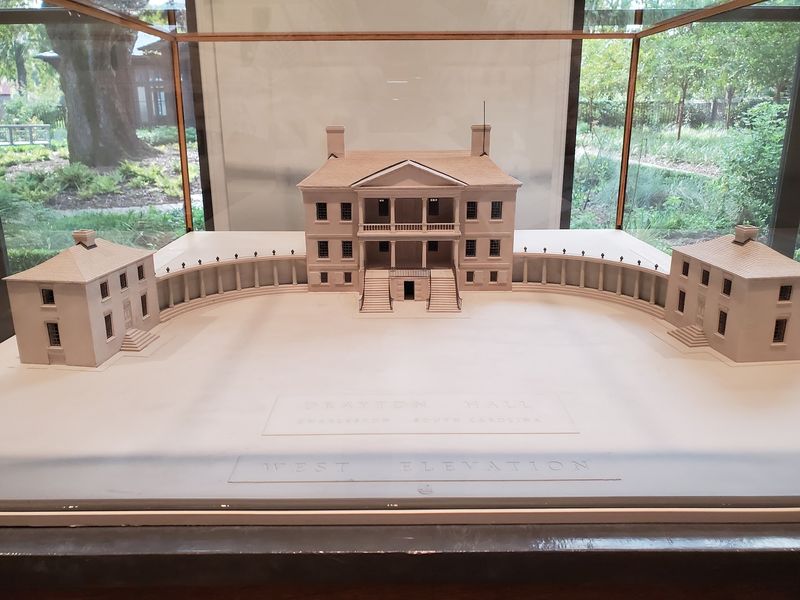
Before or after the main house tour, a small museum building on the property offers a quieter but surprisingly rich stop. The space houses furniture and objects connected to the Drayton family, along with archaeological finds recovered from the grounds over years of excavation.
A short video introduction to the site’s history plays in the visitor area and provides useful context before the house tour begins. At roughly seven minutes long, it covers enough ground to orient first-time visitors without turning into a lecture.
The artifacts on display range from household objects to items that speak directly to the lives of enslaved people who worked the plantation. Some visitors feel the collection could be expanded, but what is there is genuinely interesting and carefully presented.
Taking time with each case rather than rushing through pays off, especially for anyone with a serious interest in colonial material culture or American history.
The Phillip Simmons Gate and Its Artistic Significance
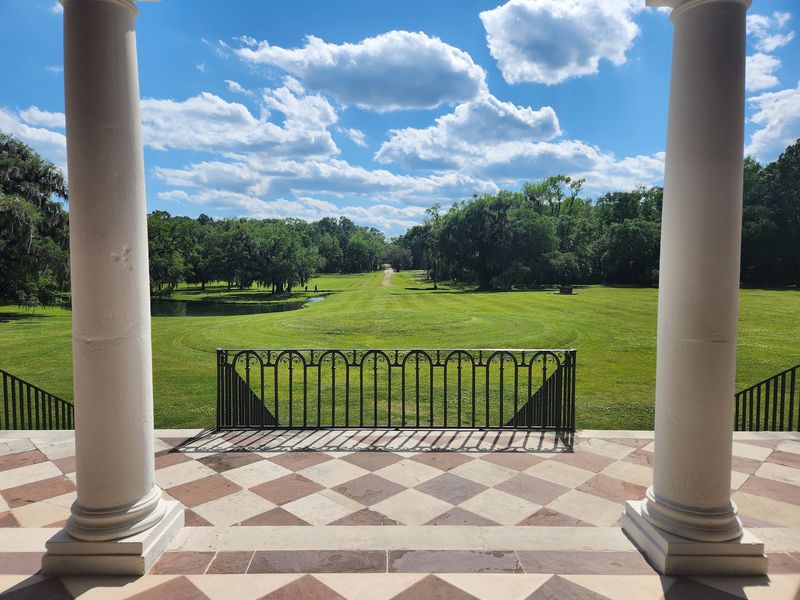
Among the details that reward attentive visitors, the Phillip Simmons gate on the property stands out as a remarkable piece of American craft history. Phillip Simmons was a Charleston blacksmith whose intricate ironwork became recognized as a significant artistic tradition rooted in African American craftsmanship.
His gates and fences are found across Charleston, and they represent a living connection between the city’s past and its cultural identity. Finding one of his pieces at Drayton Hall feels particularly meaningful given the site’s broader commitment to telling the full story of who built and sustained this place.
Simmons was celebrated during his lifetime as a master of his craft, and his work is now part of the permanent collection of the Smithsonian Institution. Seeing his gate at Drayton Hall adds an artistic dimension to the visit that goes beyond architecture and history, reminding visitors that skilled hands shaped this place in more ways than one.
What the Diary Entries Reveal About Plantation Daily Life
Not many historic sites hand you a binder and invite you to read the original words of the man who built the house. Inside Drayton Hall, typed transcripts of John Drayton’s personal diary entries sit available for visitors to browse, and the experience is unlike anything a standard exhibit can provide.
The entries cover daily plantation operations with the kind of casual detail that reveals exactly how Drayton saw the world around him. References to enslaved workers, household events, seasonal agricultural tasks, and personal observations create a portrait of eighteenth-century plantation life that feels uncomfortably immediate.
Reading those words while standing in the actual rooms where they were lived out adds a layer of historical weight that is hard to shake. Tour guides often reference specific entries during the walk-through, connecting the written record to physical spaces in a way that makes the history feel far less abstract than most museum presentations manage to achieve.
How the House Survived the Civil War and Beyond
Survival stories do not get much more unlikely than Drayton Hall’s. While most of the great plantation houses along the Ashley River were burned during the Civil War, Drayton Hall came through largely intact.
Various accounts have been offered over the years for why it was spared, though none have been definitively confirmed.
What followed was roughly a century of sparse occupation and minimal maintenance. Rather than destroying the house, that long period of quiet neglect actually preserved many original features that would otherwise have been updated, replaced, or covered over by well-intentioned owners following the tastes of their own era.
By the time the National Trust for Historic Preservation stepped in during the 1970s, the house had aged in ways that turned out to be historically priceless. The peeling plaster and worn surfaces that might have seemed like damage were actually an unbroken record of the building’s original construction and materials.
Practical Tips for Planning Your Visit
Drayton Hall is open Wednesday through Monday from 9 AM to 4:30 PM and is closed on Tuesdays. Tickets for the guided house tour are required to access the interior, and booking ahead is a smart move, especially on weekends when tour groups can fill up quickly.
The unpaved driveway and parking area can be rough, particularly after wet weather, so arriving with patience and flat shoes is genuinely useful advice. Comfortable walking shoes matter even more once you get onto the grounds, where the path to the river covers a fair amount of uneven terrain.
Sunscreen and water are worth bringing for the outdoor portion of the visit, especially from late spring through early fall when South Carolina heat is not subtle. The gift shop carries books from local authors and pieces from local artists, making it one of the better plantation gift shops in the Charleston area for quality and relevance.
How Drayton Hall Compares to Other Plantation Sites Nearby
The Ashley River corridor outside Charleston is sometimes called the Ashley River Road National Scenic Highway, and it runs past several plantation properties that are open to visitors. Each one offers a different kind of experience, and Drayton Hall stands apart from all of them in one fundamental way.
Other nearby plantation sites have been furnished, restored, and presented as recreations of their period interiors. They are visually impressive and popular with visitors who want to see what these houses looked like when they were active.
Drayton Hall asks a different question: what does a house look like when history is allowed to stay exactly where it landed?
Some visitors prefer the furnished grandeur of neighboring sites. Others find Drayton Hall’s bare rooms and honest surfaces far more affecting.
Doing a combination tour that includes more than one property in a single day gives a clear sense of how different preservation philosophies shape the way history is experienced.
Why Preservation Scholars and Students Make Special Trips Here
Drayton Hall has a reputation within the historic preservation field that extends well beyond South Carolina. Students studying architectural conservation, material culture, and American history regularly make the trip to Charleston specifically because of what this house represents as a case study in preservation philosophy.
The building demonstrates in physical, touchable terms what is lost when a structure is restored rather than preserved. Original paint layers, construction techniques, tool marks, and material choices are all still present and readable by trained eyes.
That kind of evidence disappears the moment restoration begins.
One visitor who described her daughter’s study of historic preservation captured the feeling well: this place is a perfect example of something preserved but not restored, and that distinction is increasingly rare in a world where most historic sites lean toward presenting a polished, reconstructed version of the past. Drayton Hall trusts its visitors to find meaning in the real thing, which turns out to be more than enough.
Share this story