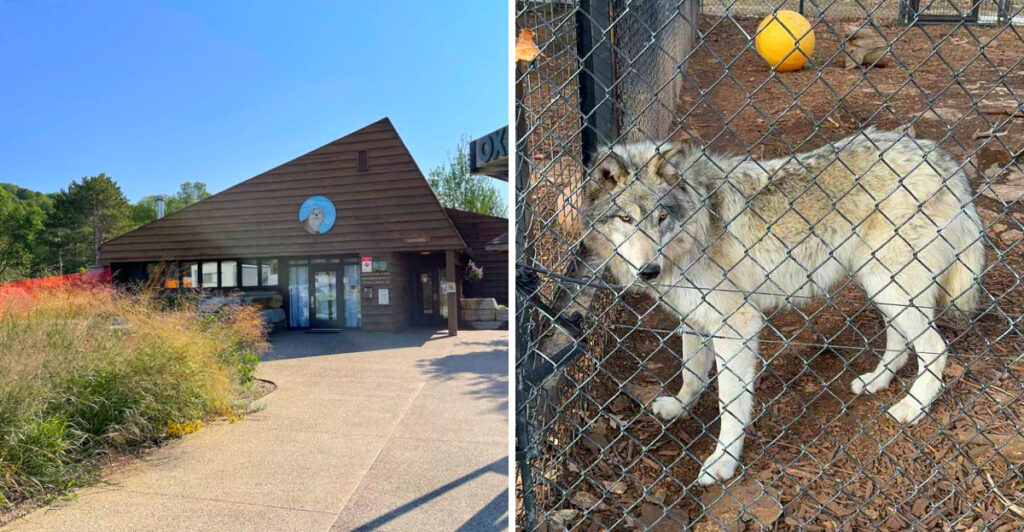
Most people drive past Byron, Minnesota without a second thought. But tucked just off County Road 105, there is a county-run zoo where you can stand just feet away from a black bear, watch gray wolves pace through the trees, and spot a bald eagle perched overhead, all without paying a single dollar at the gate.
The animals here are all native to Minnesota, and every single one has a story. Once you know this place exists, you will wonder how it stayed off your radar for so long.
What Is Oxbow Park and Zollman Zoo
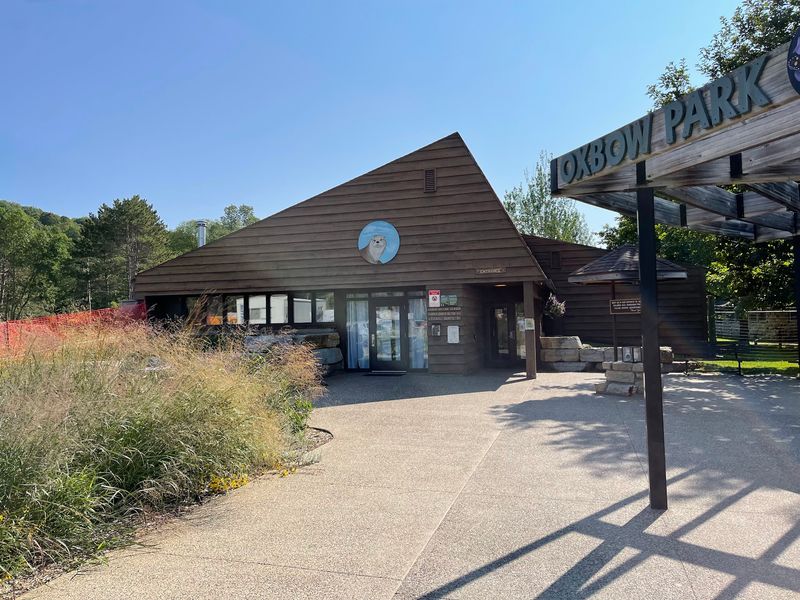
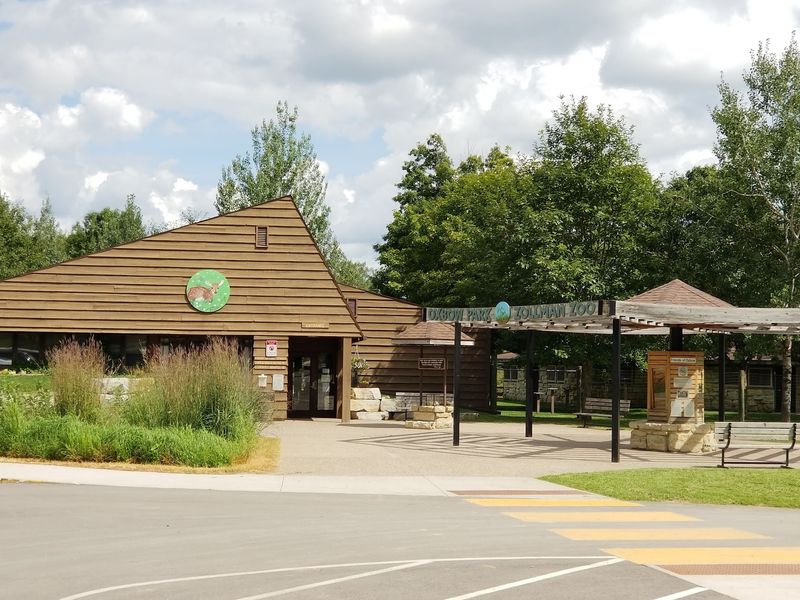
The full name is Oxbow Park and Zollman Zoo, located at 5731 County Rd 105 NW, Byron, Minnesota. It is managed by Olmsted County and sits along the South Branch Middle Fork of the Zumbro River, surrounded by bluffs, hardwood forest, and open meadows.
The park combines a nature center, a zoo featuring animals native to Minnesota, hiking trails, picnic areas, playgrounds, and a campground all in one place. That combination is rare for a county park of this size.
Admission is completely free. A donation box sits inside the nature center, but there is zero pressure.
For families looking to spend a full day outdoors without worrying about the cost, this park delivers more than most paid attractions in the region.
The Free Admission That Actually Surprises People
Free admission at a zoo sounds like a marketing trick, but at Zollman Zoo, it is simply how things work. The county maintains the park, and donations from visitors help keep it running.
There are no hidden fees, no parking charges, and no upsells at the gate.
Plenty of parking sits close to the main facilities, so you are not hiking half a mile before you even see your first animal. The whole setup feels relaxed and low-pressure in a way that larger paid attractions rarely manage to pull off.
What makes the free admission even more impressive is the sheer amount available to do. Most visitors spend between one and two hours walking through the zoo alone, and that does not count the trails, nature center, or playground time.
The value here is genuinely hard to match anywhere nearby.
Getting Face to Face with a Black Bear
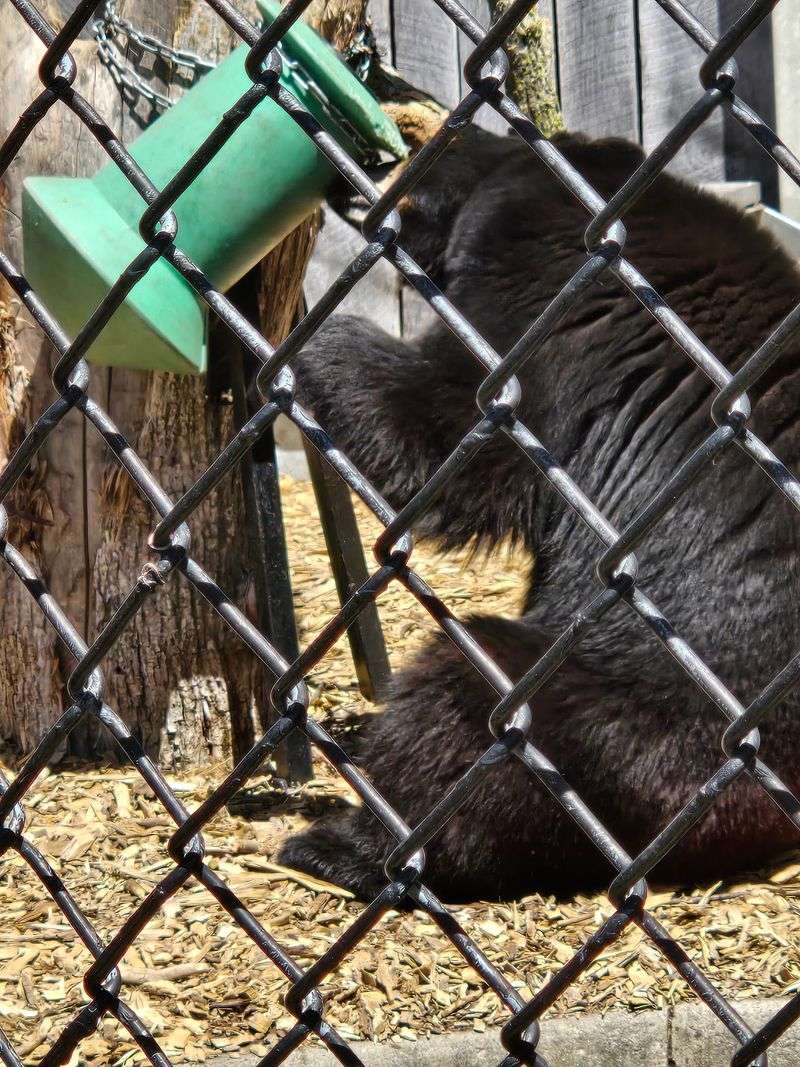
One of the most talked-about moments at Zollman Zoo is the black bear exhibit. Visitors consistently mention it as the closest they have ever been to a bear outside of a wilderness encounter, and that proximity is genuinely striking the first time you experience it.
The bear living here is non-releasable, meaning it cannot survive on its own in the wild. Green placards near each enclosure explain how each animal arrived at the zoo and why it lives there permanently.
Reading those signs adds a layer of understanding that turns a simple animal viewing into something more meaningful.
Watching a black bear move, sniff the air, and investigate its surroundings from a short distance is a different experience entirely than spotting one in a photograph. For kids especially, it tends to be the moment they talk about on the drive home.
Gray Wolves You Can Actually See Clearly
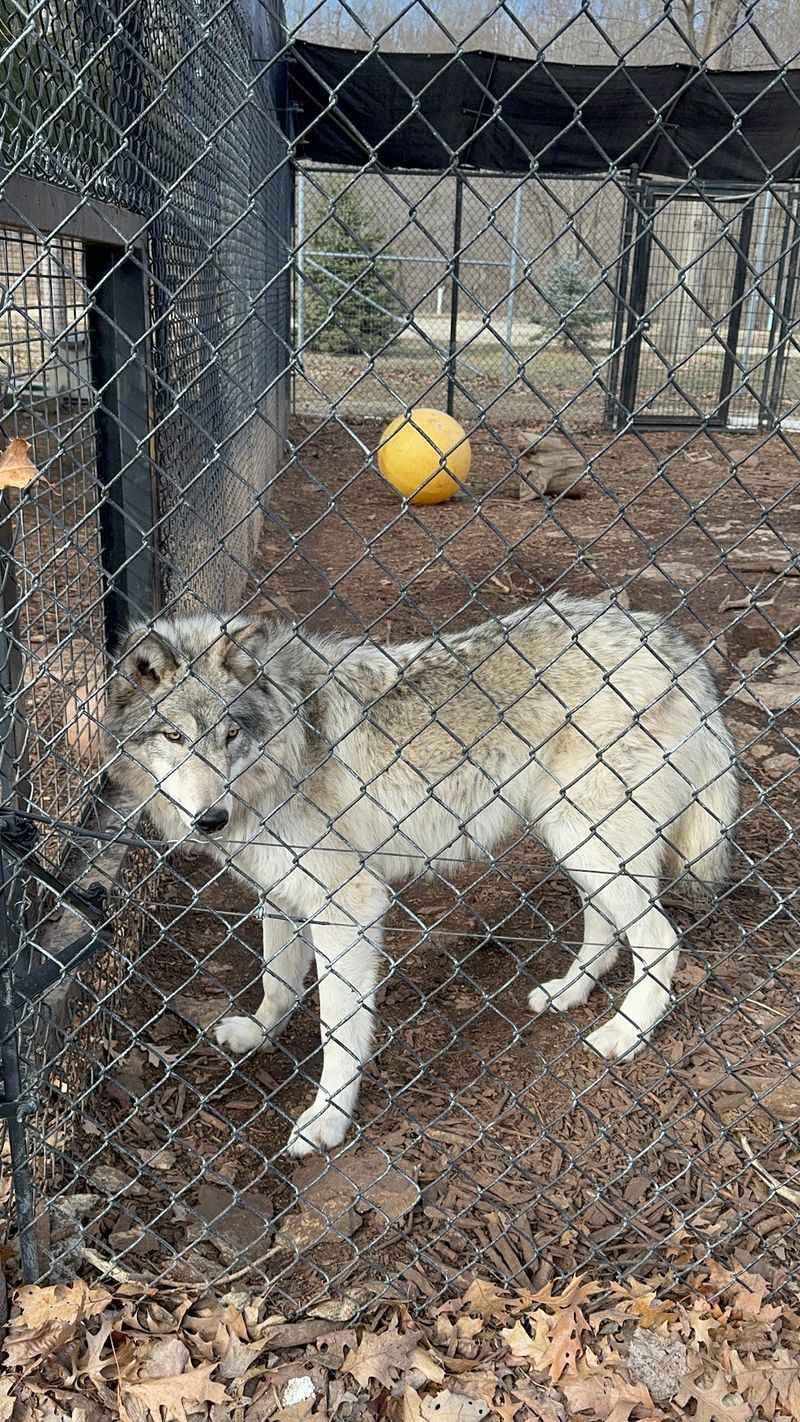
Gray wolves hold a powerful place in Minnesota’s wildlife history, and Zollman Zoo gives visitors a rare chance to observe them at close range. The wolves here are non-releasable animals that have been placed in the zoo’s care, and their enclosure sits within the larger zoo loop.
Seeing a wolf in person changes how you think about the animal. Their size, the way they carry themselves, and the quiet intensity in their movements are details that no documentary quite captures.
Visitors who grew up learning about wolves in school often describe the encounter as unexpectedly moving.
The zoo’s educational signage near the wolf exhibit explains the role gray wolves play in Minnesota’s ecosystem. That context makes the viewing experience feel less like entertainment and more like a genuine introduction to a species that still roams wild across parts of the state.
Eagles, Cougars, Bobcats, and More Native Wildlife
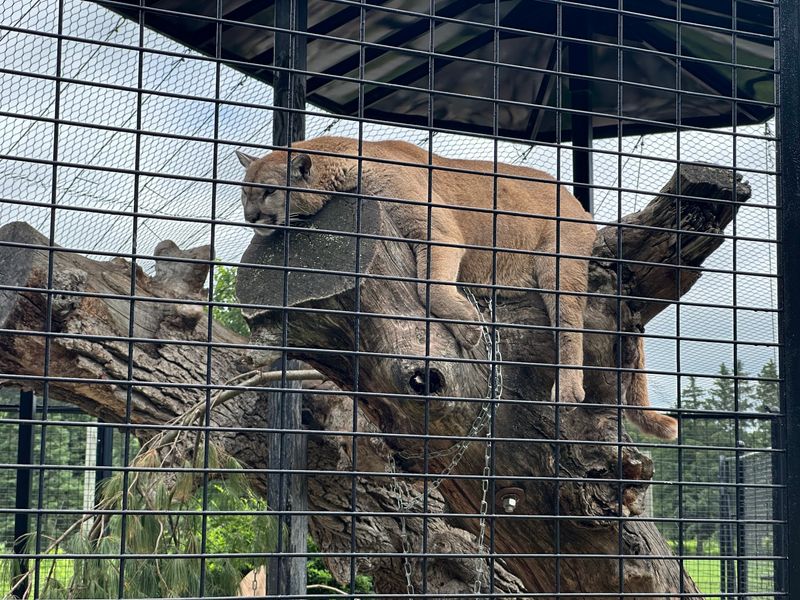
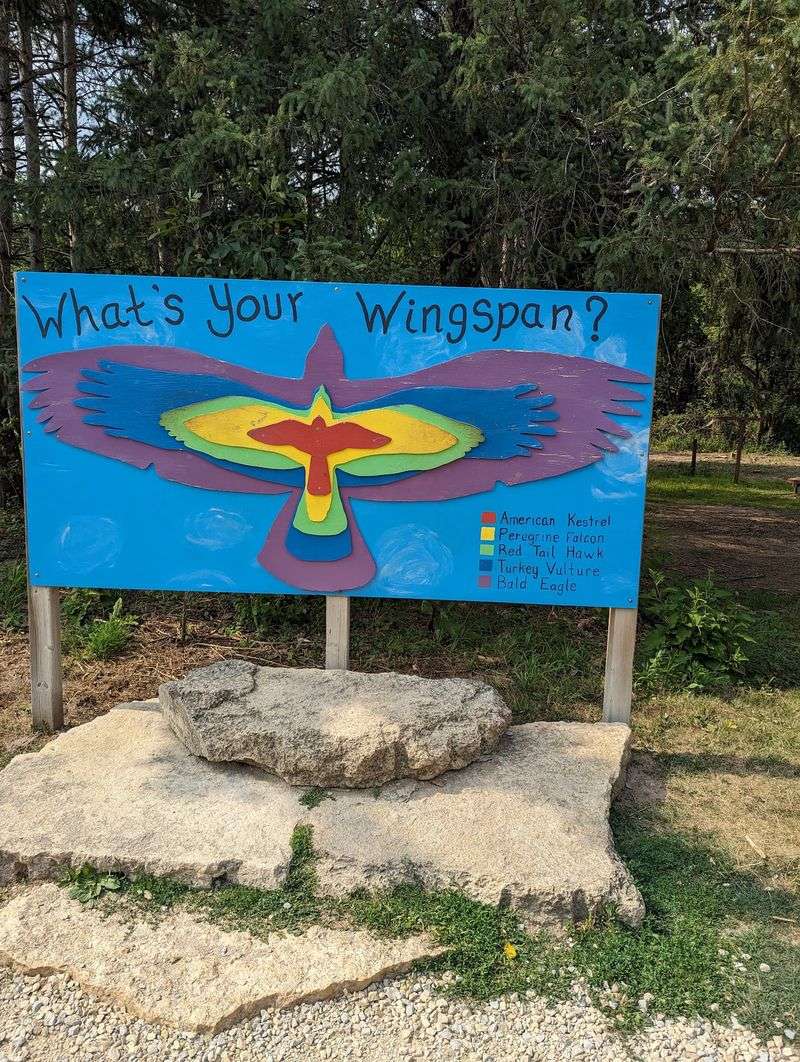
The animal lineup at Zollman Zoo goes well beyond bears and wolves. Bald eagles and golden eagles live in large flight enclosures where you can study the sheer scale of their wingspans up close.
Cougars, bobcats, and lynx round out the big predator collection.
One visitor mentioned being lucky enough to arrive during feeding time for the bobcat, lynx, and cougar, which falls roughly between 11 a.m. and noon. Watching these animals during feeding is a completely different level of engagement compared to a quiet midday visit.
River otters are another crowd favorite. They are naturally playful animals, and their exhibit tends to draw small clusters of visitors who linger far longer than they planned.
The variety of species on display, all of them native to Minnesota, gives the zoo a focused identity that feels intentional rather than random.
Elk and Bison Across the Road
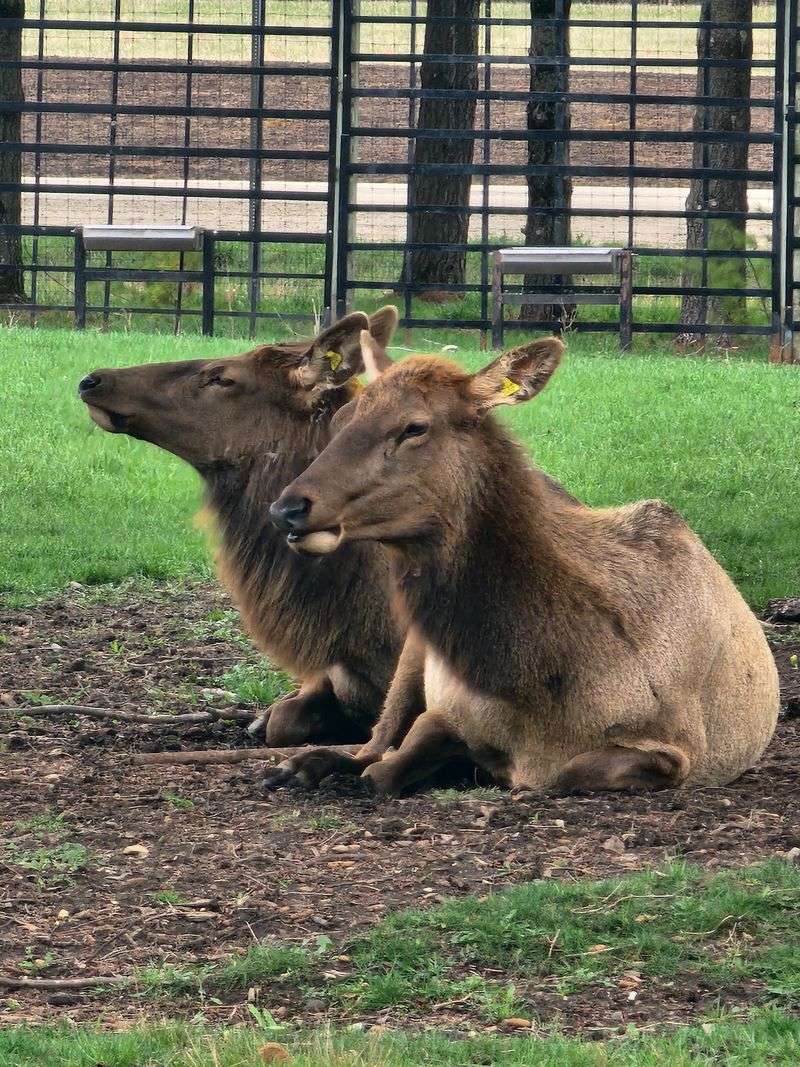
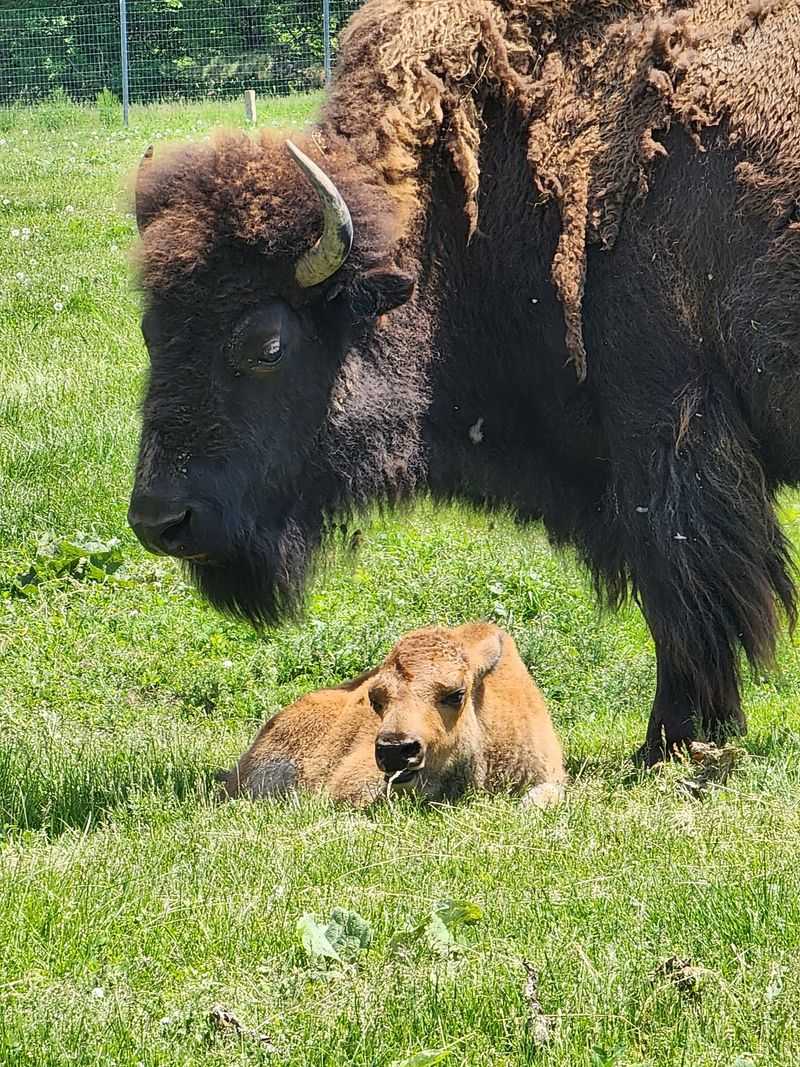
One detail that catches first-time visitors off guard is that the elk and bison enclosure sits across the road from the main zoo loop. You cross County Road 105 to reach it, which makes it feel like discovering a bonus section of the park most people almost miss.
Both elk and bison are massive animals, and seeing them in person resets your sense of scale. Photographs simply do not prepare you for how large a mature bison actually is when it is standing thirty feet away from you.
The open pasture setting for these animals gives the exhibit a different atmosphere than the wooded enclosures in the main zoo area. On a clear day with the bluffs in the background, it is one of the more scenic spots in the entire park.
Many visitors say it is worth the short walk across the road every single time.
The Nature Center and Its Indoor Exhibits
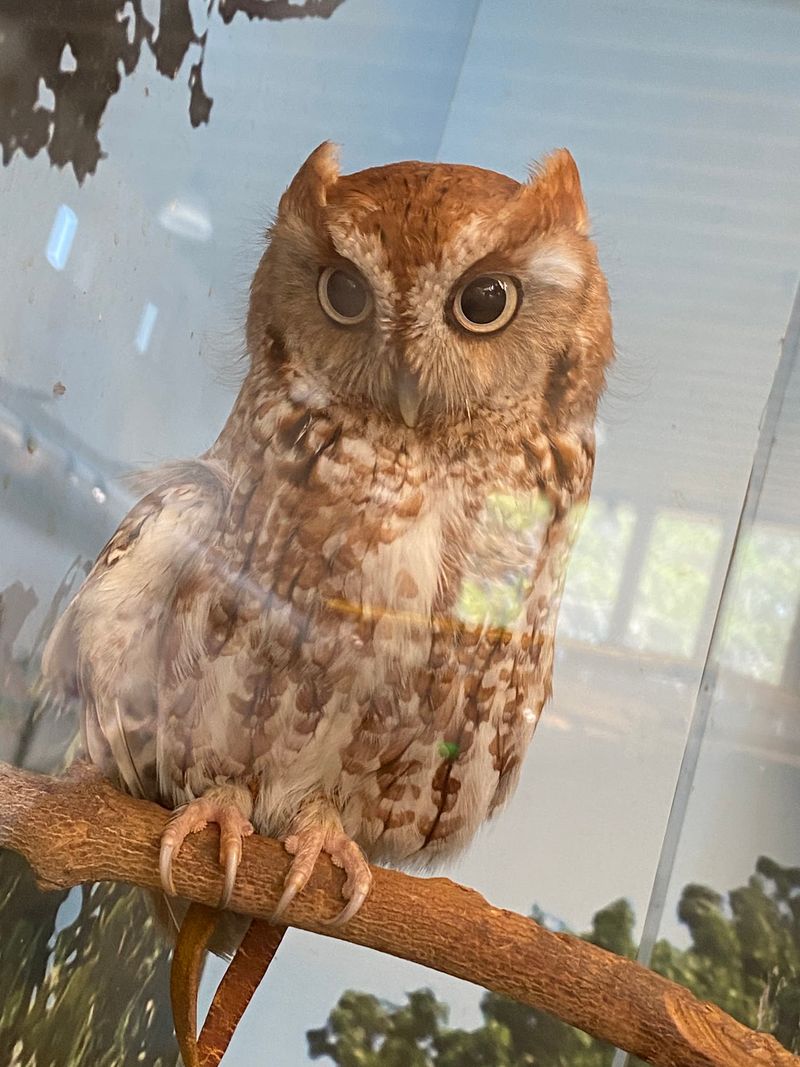
The indoor nature center at Oxbow Park adds a whole dimension to the visit that some families do not expect. Inside, you will find reptiles, fish, and interactive displays designed to teach visitors about Minnesota’s native plants and animals in an engaging, hands-on way.
There is also a small pond near the nature center stocked with tadpoles and crayfish where children can fish using small hand nets. That detail alone tends to generate a lot of excitement among younger visitors who may never have caught anything with a net before.
During winter visits, the nature center serves as a warm retreat between outdoor exhibits. The restrooms inside are clean and well-maintained, which might sound like a small thing but matters enormously when you are spending several hours at a park with young children.
An address book near the entrance invites visitors to sign in and leave their hometowns.
Educational Placards That Tell Each Animal’s Story
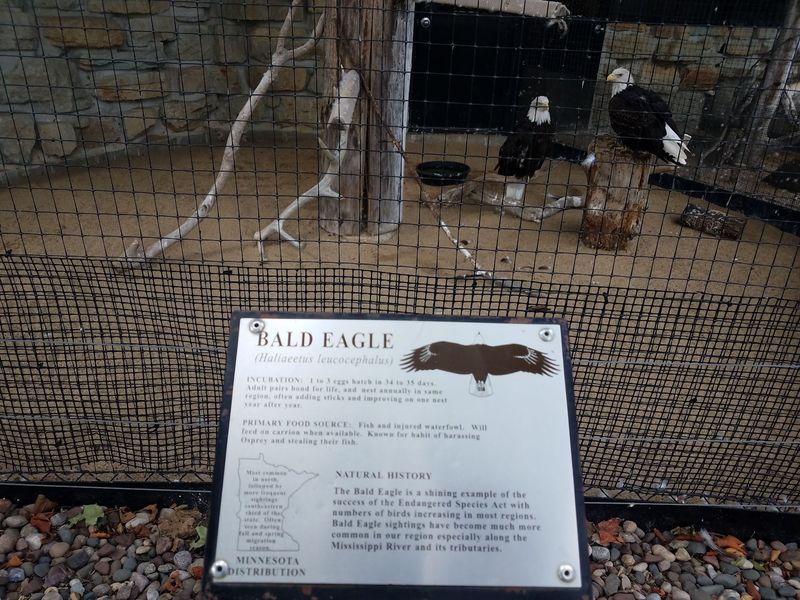
Every animal at Zollman Zoo comes with a green placard explaining how it arrived at the park. Some were injured in the wild and could not be rehabilitated for release.
Others were born in captivity. Reading these signs turns a casual walk through the zoo into something that feels genuinely worthwhile.
Conservation status signs sit alongside the animal information, giving visitors a clear picture of how each species is doing across its natural range. For kids learning about wildlife in school, seeing those status labels next to a real living animal makes the information stick in a way a textbook simply cannot.
The storytelling approach the zoo uses for its animals is one of the most thoughtful details about the place. Rather than just labeling an animal by species, the zoo treats each resident as an individual with a history.
That small choice makes a big difference in how visitors connect with what they are seeing.
Prairie Dogs and Other Fan Favorites
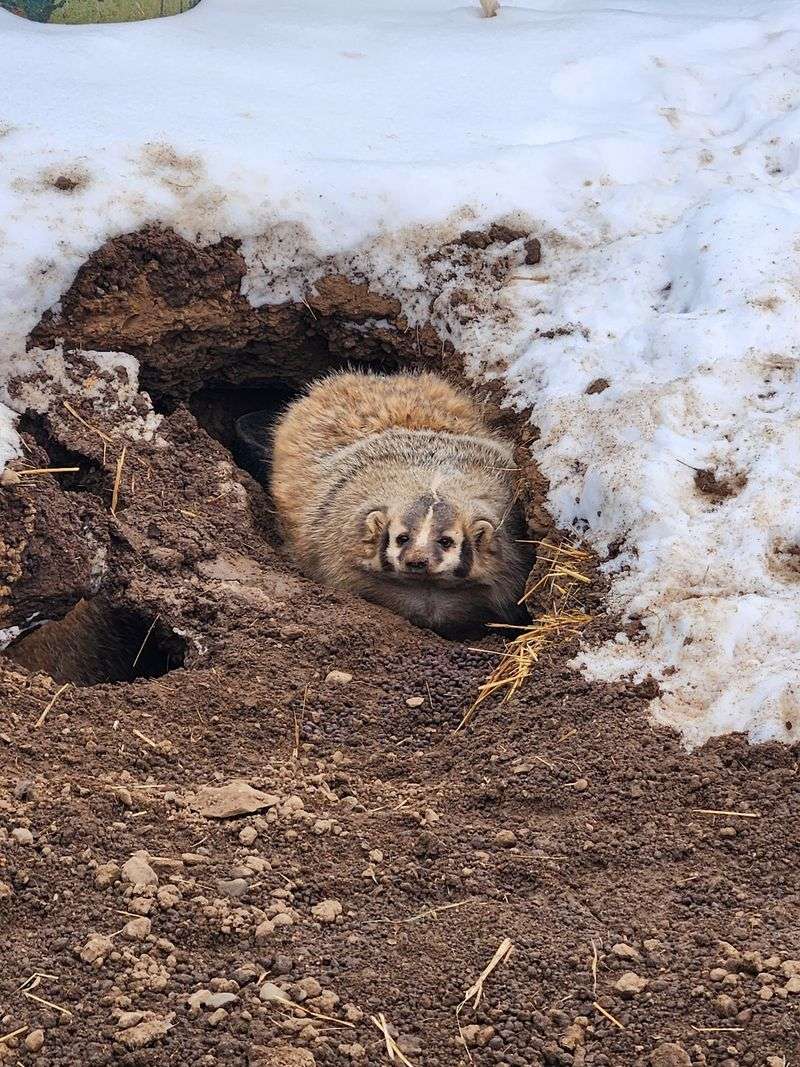
Prairie dogs have a way of stealing the show at any zoo they appear in, and Zollman Zoo is no exception. Their social behavior, constant movement, and habit of popping up from burrows and standing at attention make them one of the most entertaining exhibits in the park.
Visitors who come expecting the big predators to dominate their attention often find themselves spending a surprising amount of time at the prairie dog exhibit instead. There is something genuinely funny about watching a group of small animals that seem completely unbothered by the crowd of humans watching them.
The mix of larger animals like wolves and bears alongside smaller, more animated species like prairie dogs and otters gives the zoo a natural variety in pacing. You move from something awe-inspiring to something playful and back again, which keeps the energy of the visit high throughout the whole loop.
Hiking Trails Through Bluffs and Forest
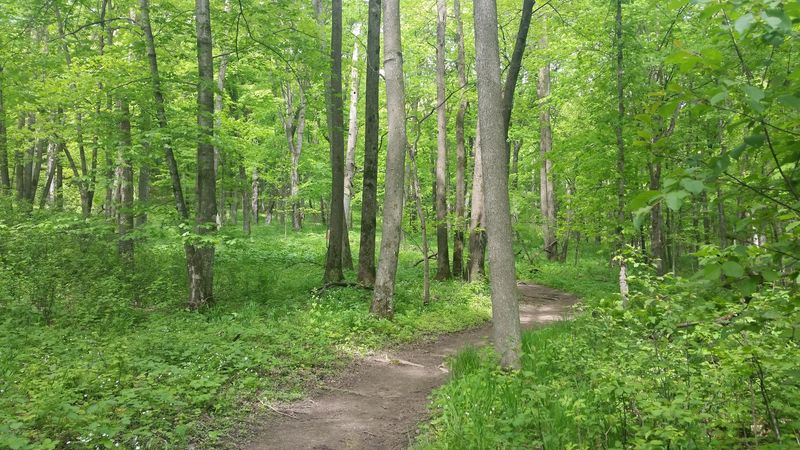
Beyond the zoo, Oxbow Park offers hiking trails that wind through hardwood forest and up into the bluffs above the river valley. The Meadows Trail is one of the more popular routes, giving hikers views of the surrounding landscape that feel a world away from the parking lot below.
The trails are accessible to most fitness levels, and families with younger children regularly complete them without difficulty. Wildflowers appear along the paths during spring and summer, and the tree canopy provides shade that makes warm-weather hiking genuinely comfortable.
One visitor mentioned spotting a pileated woodpecker during their hike, which is one of the largest and most dramatic-looking woodpeckers in North America. The park’s natural setting attracts a wide variety of bird species beyond the ones in the zoo, making it a worthwhile destination for anyone who enjoys casual birdwatching alongside their walk.
The Playgrounds and Family Areas
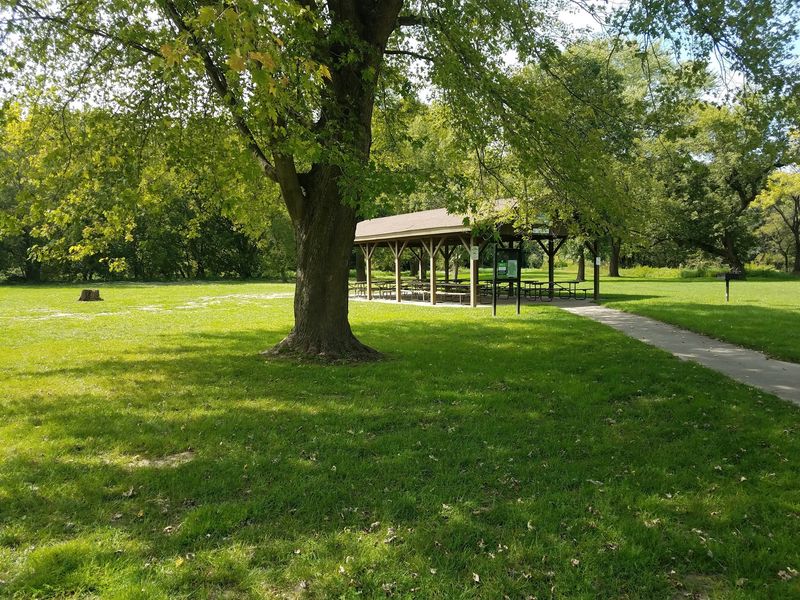
Oxbow Park has two playgrounds, and the solar-powered nature-based play area draws particular attention from families with younger children. The equipment is designed around natural shapes and textures, which fits the overall feel of the park much better than a standard metal playground would.
Shaded picnic benches sit near the play areas, giving parents a comfortable spot to relax while kids burn off energy. The combination of a playground, zoo, and hiking trails in one place means that children of different ages and energy levels can all find something that holds their interest.
The park layout keeps everything reasonably close together, so you are not constantly shuttling children across a massive property. That compact, well-organized design makes it easy to move from the playground to the zoo to the nature center without losing momentum or enthusiasm partway through the visit.
Native Plants, Wildflowers, and the Natural Setting
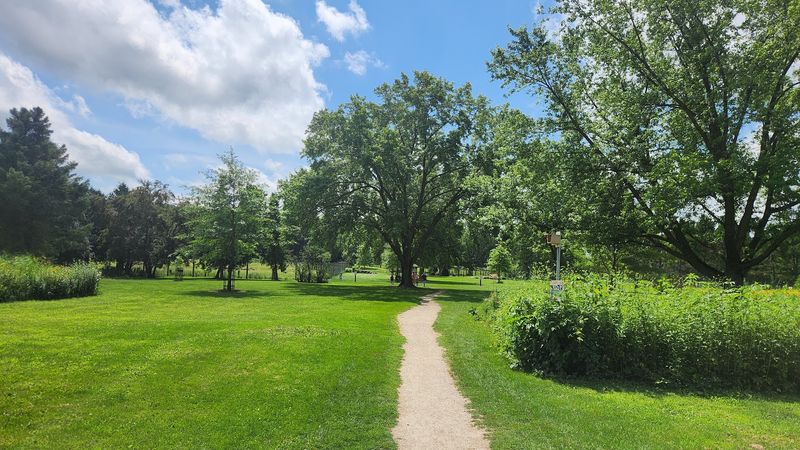
The park’s commitment to native Minnesota flora is visible throughout the grounds. Native plants, wildflowers, and trees are labeled and displayed alongside the wildlife exhibits, creating a setting that feels educational without being heavy-handed about it.
Butterflies move through the meadow areas during summer months, and the natural plantings attract a variety of insects and birds that are not part of any formal exhibit. The park essentially blurs the line between curated zoo and living natural landscape, which gives the whole visit a more organic feeling than a traditional zoo usually provides.
Walking through the grounds in late spring or early summer, when the wildflowers are at their peak, adds a visual richness to the experience that photographs struggle to fully capture. The park feels genuinely alive in a way that goes beyond the animals in enclosures, and that quality is part of what keeps people coming back.
The Campground Right Inside the Park
Staying overnight at Oxbow Park is a genuine option, and the campground sits right within the park boundaries. Campsites include picnic tables and fire rings with cooking grates, and the setting is well-shaded by mature trees that make summer nights comfortable.
Electric hookups are available for RV campers. There is no on-site septic or water connection at individual sites, but a water station and dump station are available on the grounds.
Clean bathrooms and showers round out the facilities in a way that makes multi-night stays practical rather than just technically possible.
Firewood is available for purchase on-site, and visitors have noted that the amount provided for the price is unusually generous. Spending a full day at the zoo and trails and then settling into a campsite for the evening is a genuinely satisfying way to experience everything the park has to offer at a slow, unhurried pace.
A Short Drive from Rochester That Most Locals Overlook
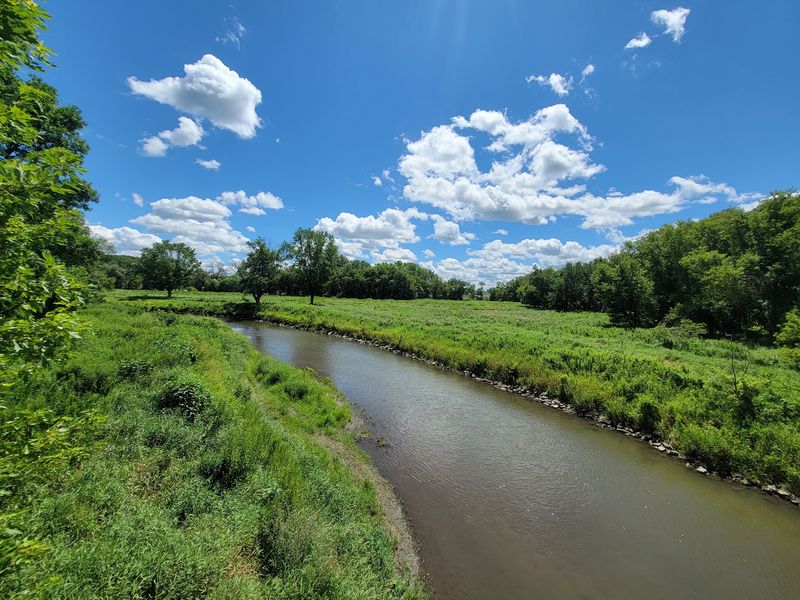
Byron sits just a few miles west of Rochester, Minnesota, and the drive to the park along County Road 105 has its own appeal. One visitor described passing small frozen waterfalls and natural springs along the road during a winter trip, which turned the journey into part of the experience rather than just a means of getting there.
Many Rochester families visit the park on the same day as medical appointments or errands in the city, using it as a way to turn an otherwise ordinary day into something memorable. The proximity to Rochester makes it an easy stop rather than a dedicated road trip.
Despite being so close to a mid-sized city, the park feels genuinely removed from urban surroundings once you are inside. The bluffs, river, and tree cover create a sense of quiet that makes the short drive feel much longer than it actually is, in the best possible way.
Why This Place Keeps Drawing People Back
Repeat visitors to Oxbow Park and Zollman Zoo mention a few consistent reasons for returning. The combination of free admission, a well-maintained natural setting, and animals that are genuinely native to the region creates a visit that feels meaningful rather than just entertaining.
The bluebird house kits sold at the nature center for ten dollars, complete with wood pieces, nails, and instructions, are a small but telling detail about the park’s character. It is the kind of thing a place offers when it genuinely wants visitors to stay connected to nature after they leave.
For families who live within an hour of Byron, this park fills a role that is hard to replace. It is the kind of place that becomes a quiet tradition, a spot you return to across seasons and years, watching kids grow up alongside animals that have their own quietly remarkable stories to tell.
Share this story