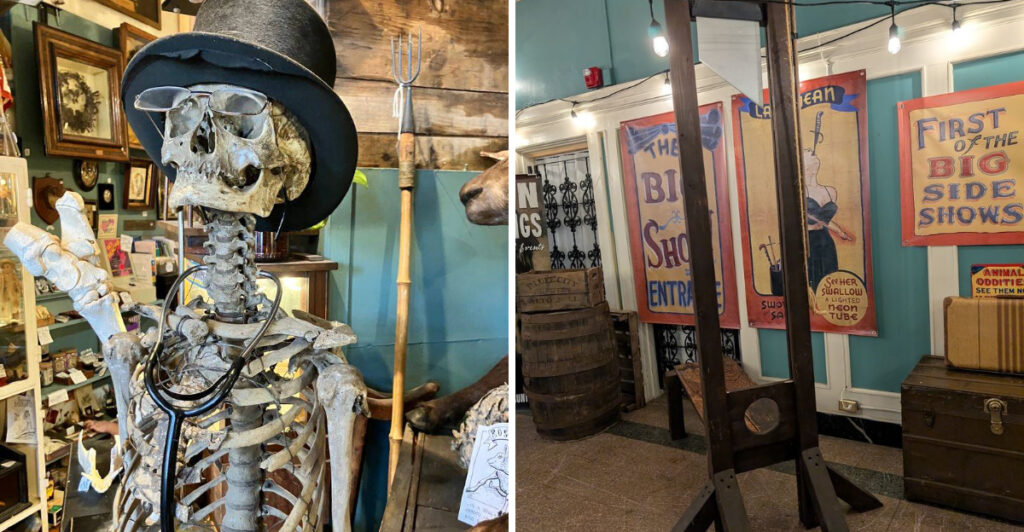
There is a small museum tucked along the riverfront of a historic Illinois town that packs more strangeness into 1,500 square feet than most places manage in ten times the space. We are talking about quack medical devices that once claimed to cure everything, robotic figures whose eyes seem to follow you across the room, and torture instruments that make you grateful to live in the present day.
The collection covers haunted dolls, true crime relics, Ouija boards, autopsy tables, and a guillotine, all displayed with careful research and detailed context. If you have ever been curious about the darker and stranger corners of human history, this place delivers exactly that kind of educational thrill.
Where to Find This Strange Little Treasure
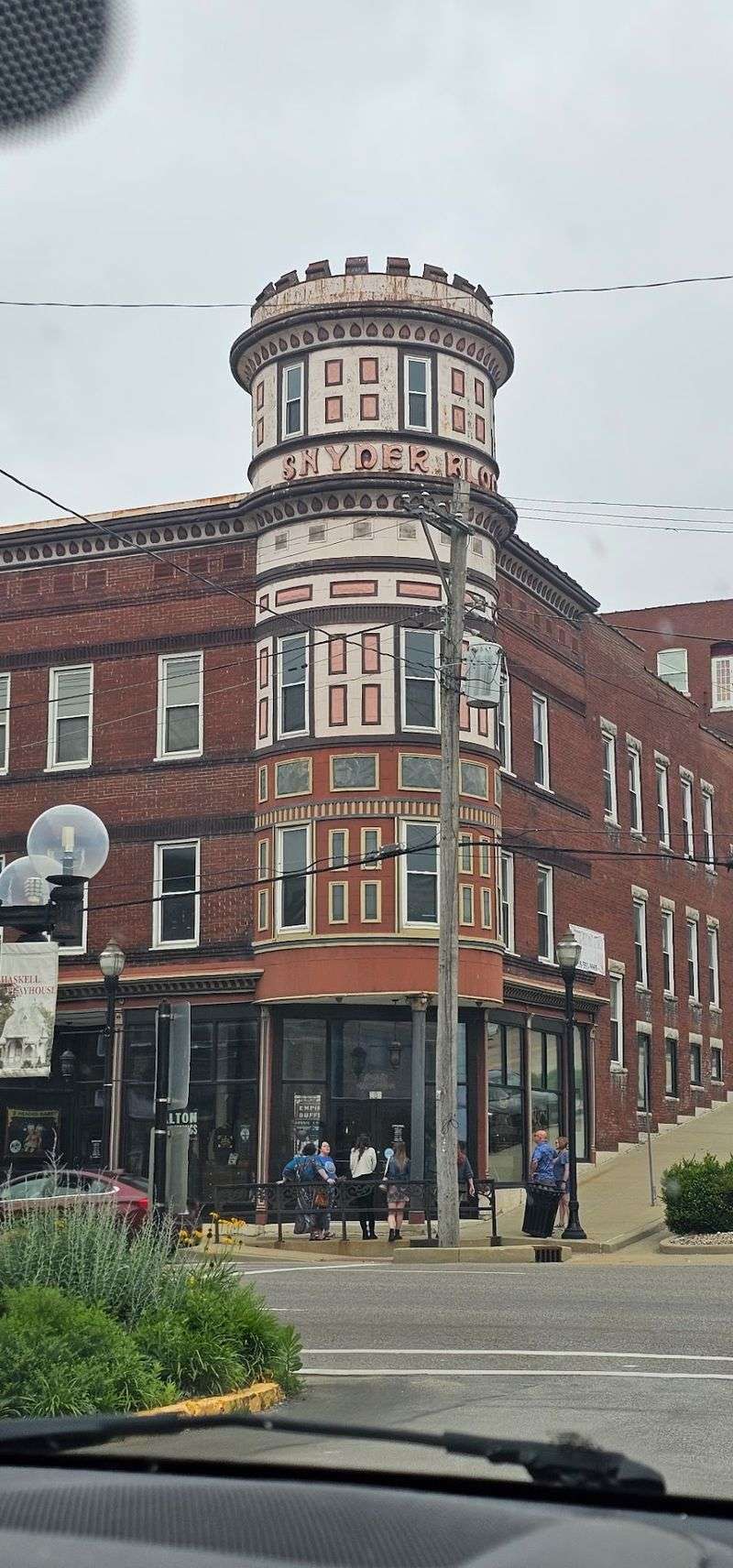
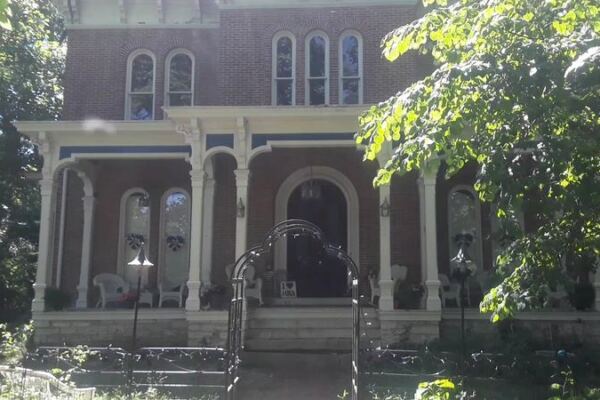
Right on the riverfront of Alton, Illinois, the American Oddities Museum sits at 301 Piasa St, Alton, IL 62002, a spot that already has centuries of history baked into its walls. Alton itself is one of the most historically layered small cities in the Midwest, and this building fits right into that character.
The museum reopened at this new Piasa Street location on January 17, 2026, after a period of transition that left some visitors briefly confused.
The phone number on file is +1 217-791-7859, and the website is americanodditiesmuseum.com, where you can check the latest hours and upcoming events. The museum is open Thursday through Sunday from 12 PM to 5 PM, and it is closed Monday through Wednesday.
Admission is famously affordable, with some visitors reporting a price as low as five dollars, which makes the experience one of the better deals in the region. The building itself flows easily from room to room, so navigation never feels confusing or cramped.
Parking along the riverfront area is generally manageable, and the surrounding neighborhood offers plenty of other Alton attractions to fill out a full afternoon of exploring.
The Story Behind the Collection
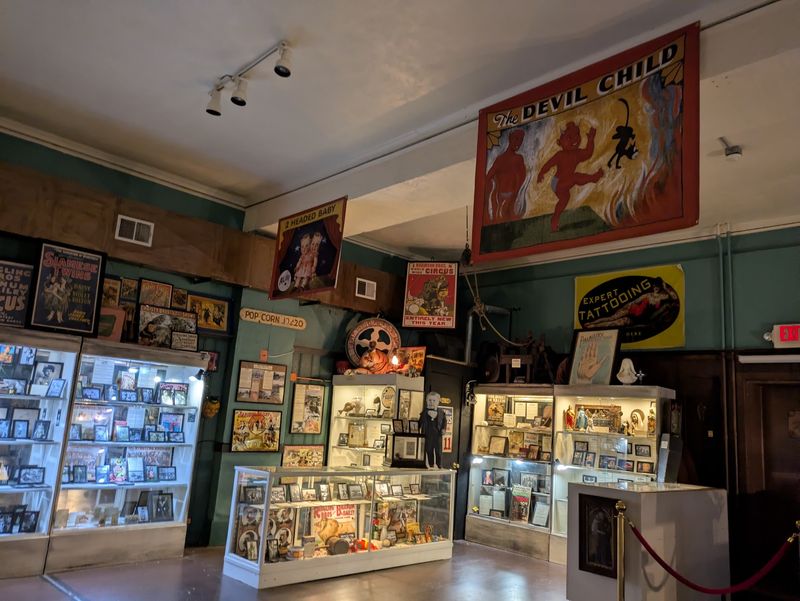
The American Oddities Museum was built around the passion and research of Troy Taylor, a well-known figure in the paranormal and true history community. Taylor has written extensively about the strange, the macabre, and the forgotten corners of American history, and the museum reflects that deep knowledge.
His enthusiasm for the subject is not just decorative; it shapes how every single exhibit is presented and explained.
Rather than simply placing odd objects behind glass, the museum treats each item as a chapter in a larger story. Detailed cards and written explanations accompany most displays, giving visitors real context for what they are looking at.
Some guests have noted that this means there is quite a bit of reading involved, which actually adds to the depth of the experience rather than taking away from it.
The collection has grown over time to include artifacts from multiple categories of American strangeness, from medical history to the paranormal. Troy Taylor also hosts events at the venue, and his involvement in the broader Haunted America community brings a consistent stream of knowledgeable visitors and speakers through the doors.
The whole project feels like a labor of genuine curiosity rather than a commercial novelty.
Quack Medicine That Once Fooled a Nation
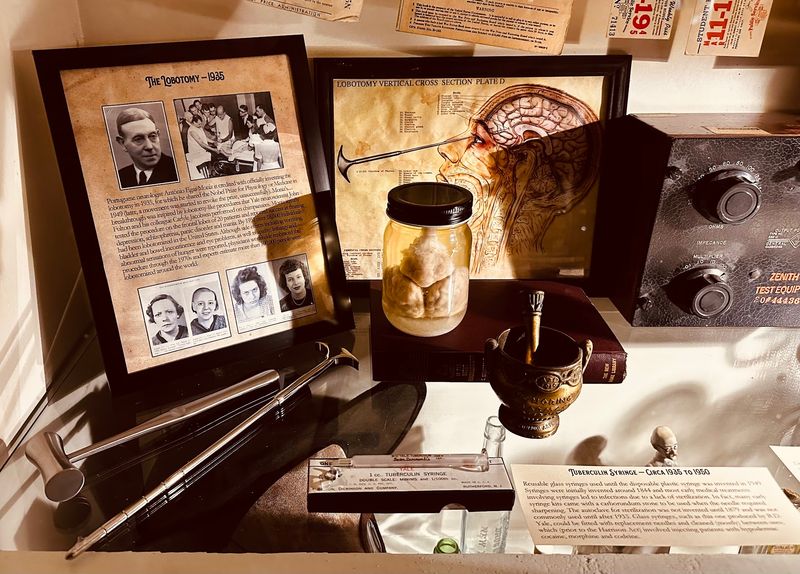
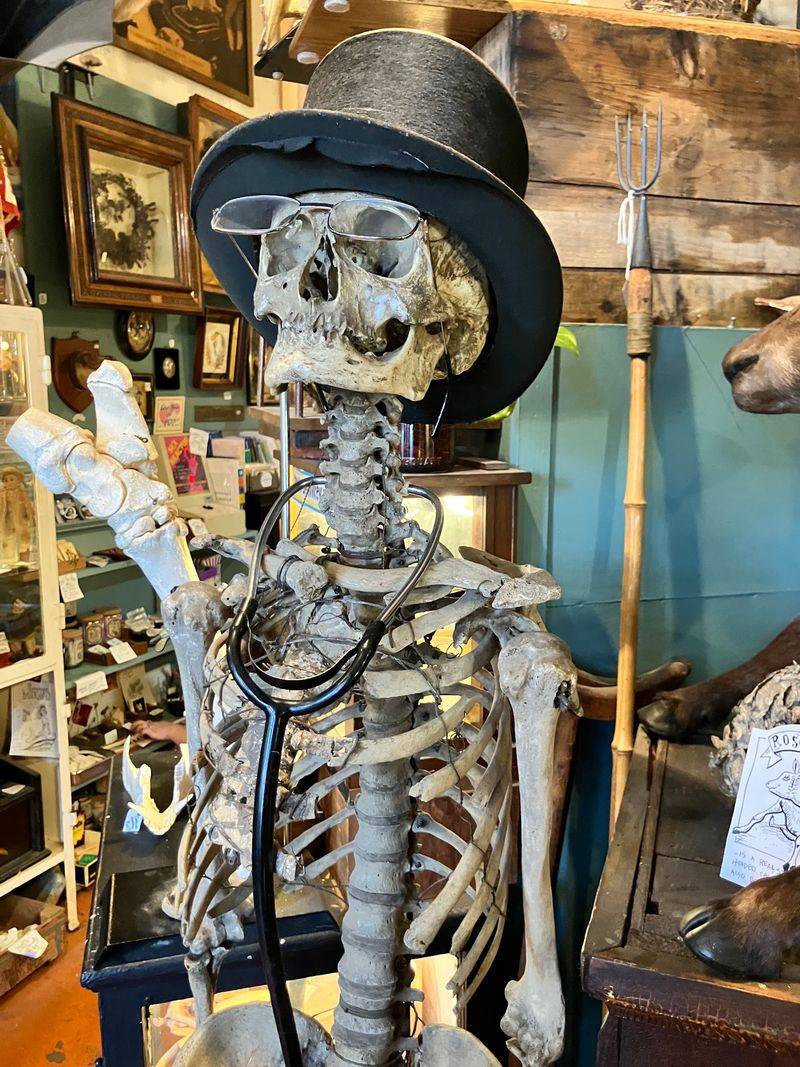
One of the most fascinating sections of the museum covers the wild world of quack medicine, a chapter of American history that is equal parts funny and alarming. Before modern medical regulations existed, inventors and salespeople peddled devices and tonics that claimed to cure everything from baldness to serious illness.
The museum displays examples of these gadgets alongside detailed explanations of how they were marketed and why people believed in them.
Electric belts, vibrating machines, and mysterious cure-all tonics all had their moment in the spotlight, and the museum captures that era with impressive specificity. Reading about how these products were sold to desperate and trusting people puts a very human face on what might otherwise seem like simple foolishness.
The context provided makes you realize how effective the marketing was for its time.
This section also works as a quiet reminder of how important it is to question medical claims, even today. The displays are organized clearly enough that you can follow the progression from early snake oil salesmen to slightly more sophisticated but equally dubious contraptions.
It is one of those rare museum experiences where you leave genuinely more informed than when you arrived, and maybe a little more skeptical too.
The Robots That Watch You Back
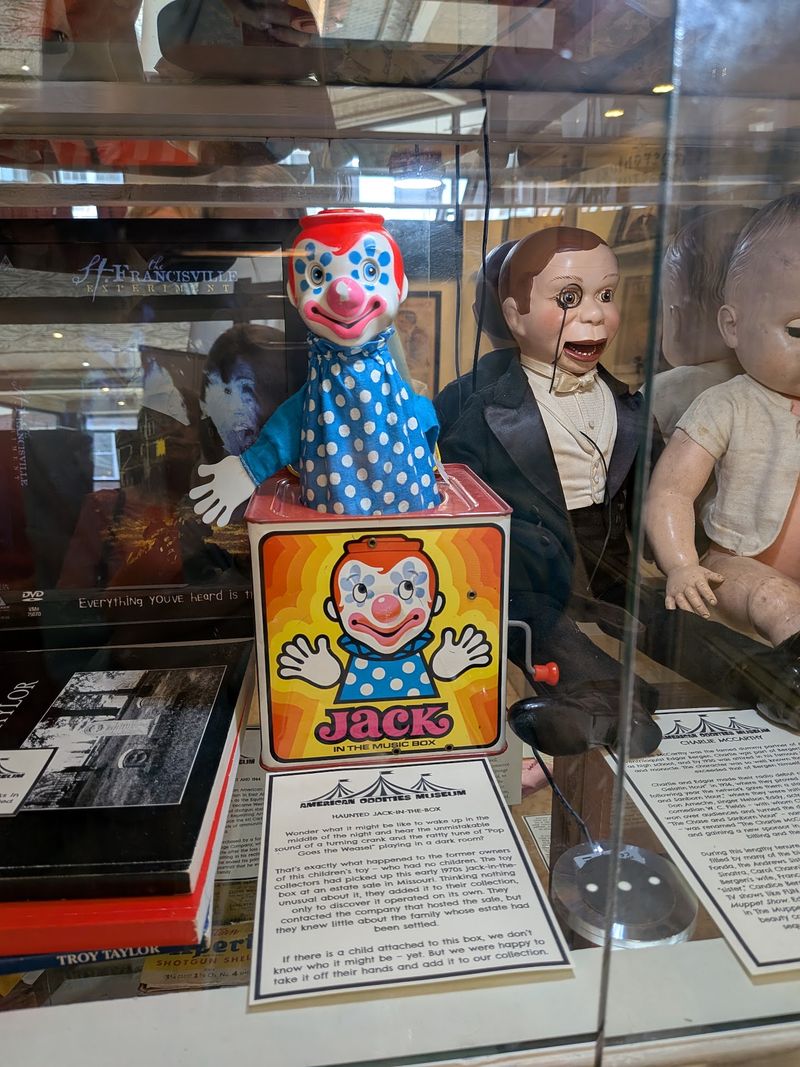
Few things in the museum create as immediate a reaction as the robotic or mechanical figures whose eyes seem to track you as you move around the room. These automaton-style pieces have a long history in American entertainment and carnival culture, and the museum presents them with the kind of detail that makes their backstory just as compelling as their appearance.
There is something deeply unsettling about a mechanical face that seems to notice you.
Automatons and mechanical figures were once the cutting edge of public spectacle, drawing crowds at fairs and exhibitions across the country. The craftsmanship involved in building them was remarkable for the era, and seeing them up close gives you a genuine appreciation for the ingenuity that went into their construction.
They also have a theatrical quality that fits perfectly with the museum’s overall atmosphere.
Visitors who are sensitive to being watched, even by inanimate objects, should prepare themselves before rounding the corner to this part of the collection. The effect is deliberate and well-executed, and it tends to stick with people long after they leave.
More than one person has mentioned glancing back over their shoulder on the way out, just to make sure nothing has moved.
Torture Devices Through the Ages
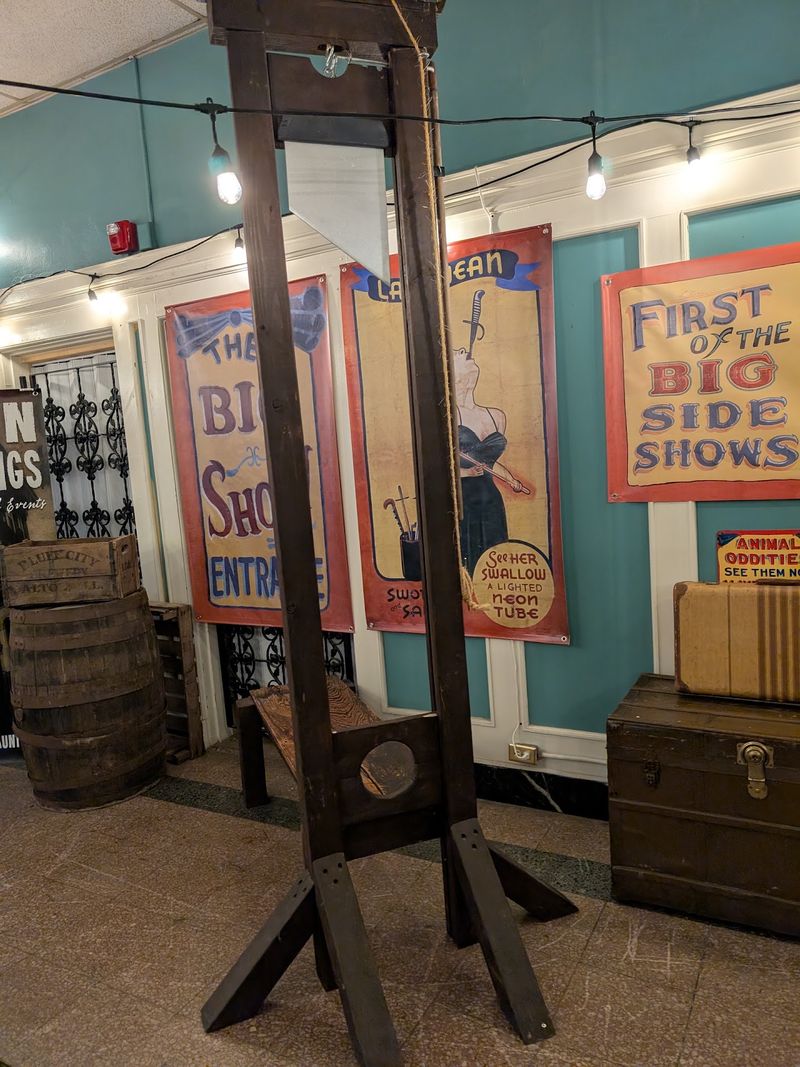
The museum does not shy away from the harder edges of human history, and the section on historic torture and restraint devices is proof of that commitment. A guillotine stands as one of the more dramatic centerpieces in the collection, and its presence is handled with the kind of seriousness the subject deserves.
Visitors have also noted an operating table and an autopsy table among the medical and forensic displays nearby.
These items are not presented for shock value alone. Each piece comes with historical context that explains when it was used, what purpose it served, and what it tells us about the societies that produced it.
That framing transforms what could be a grim spectacle into something genuinely educational and thought-provoking.
The restraint devices and surgical tools from earlier centuries are particularly striking because they highlight how much medical and legal practice has changed. Seeing a piece of equipment that was once considered standard and acceptable can shift your perspective on progress in a way that a textbook never quite manages.
The museum walks a careful line between informing and disturbing, and for the most part, it lands on the right side of that balance. The staff are also on hand to answer questions if anything leaves you wanting more context.
Haunted Dolls and Spooky Clowns
For many visitors, the haunted doll collection is the section that stays with them longest after leaving. These are not cheap carnival prizes or plastic novelties; they are aged, handmade, or antique figures that carry genuinely strange histories.
Some have been donated by families who felt uncomfortable keeping them, while others were collected by the museum through research into documented cases of unusual activity.
The clown figures in the collection add their own layer of discomfort, tapping into a very widespread and well-documented human reaction to exaggerated painted faces. Grouped together on shelves, these pieces create an atmosphere that is hard to describe without sounding dramatic, but the effect is real and immediate.
Even visitors who consider themselves completely unsuperstitious tend to walk a little faster through this section.
What makes this part of the collection so effective is the accompanying information. Each doll or figure comes with a card that explains its origin, its history, and any documented accounts related to it.
The museum treats these stories with a straight face rather than playing them up for laughs, which actually makes them more effective. Whether you believe in the paranormal or not, the histories attached to these objects are genuinely fascinating pieces of American folk culture.
Ouija Boards From Across History
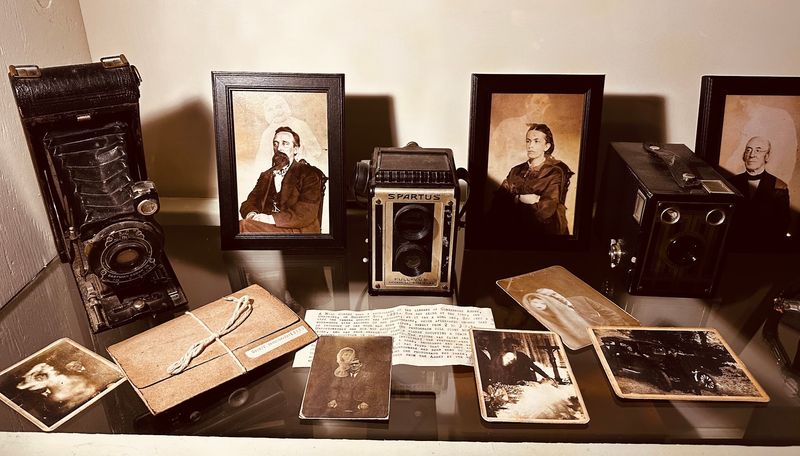
The Ouija board display at the American Oddities Museum is more comprehensive than most visitors expect. Rather than showing a single board as a curiosity, the museum has assembled examples from different periods and regions, illustrating how the design and cultural significance of these boards evolved over time.
It is a surprisingly rich slice of American commercial and spiritual history.
Ouija boards were first patented and sold as a parlor game in the late 1800s, and their popularity has surged and faded repeatedly ever since. The museum’s collection captures several distinct eras of that history, from early wooden boards with hand-lettered designs to mass-produced versions from the mid-twentieth century.
Seeing them lined up together makes you realize how much the aesthetic changed even as the basic concept stayed the same.
The written context provided for this section is particularly strong, tracing the board’s journey from novelty toy to cultural flashpoint and back again. Visitors with an interest in American folklore or the history of spiritualism will find this section especially rewarding.
The collection also raises interesting questions about why humans across so many different eras have been drawn to the idea of communicating with something beyond the ordinary world. That thread of curiosity connects the Ouija boards to nearly everything else in the museum.
True Crime Relics and Dark American History
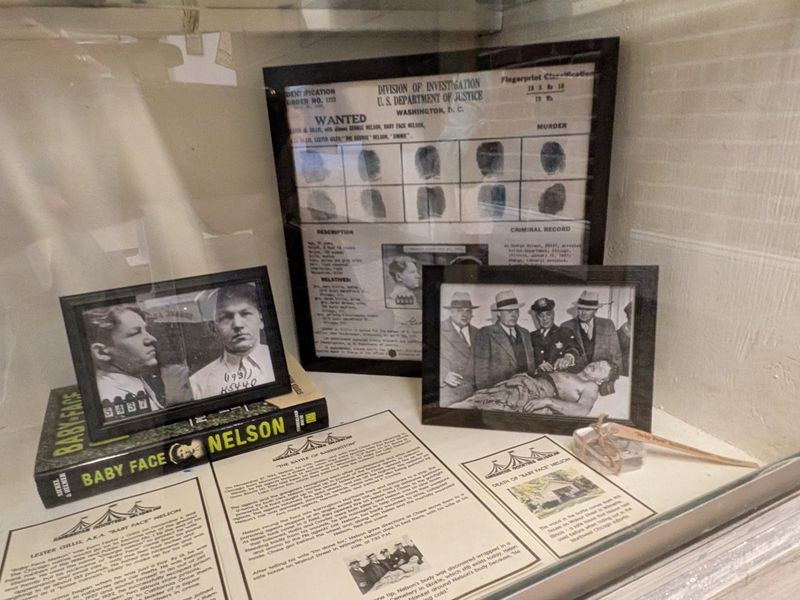
True crime has captured public attention for generations, and the American Oddities Museum approaches that fascination with more care than most. The relics on display in this section are connected to documented cases and historical events, and they are presented with enough context to make them feel like genuine historical artifacts rather than sensationalized props.
The tone here is respectful and curious rather than exploitative.
Some of the items in this part of the collection are small and easy to overlook, which is part of what makes them so affecting. A worn personal object or a piece of documentation can carry more weight than a dramatic display, and the museum seems to understand that instinctively.
The cases are organized in a way that lets you move through the material at your own pace without feeling rushed or overwhelmed.
Visitors with a background in history or criminology tend to find this section particularly engaging, but it is accessible to anyone willing to read the accompanying cards carefully. The museum avoids the trap of treating real human stories as entertainment alone, and that restraint earns it a good deal of credibility.
By the time you finish this section, you have a clearer sense of how crime, punishment, and public perception have all shifted across American history in ways that are still relevant today.
Special Events and Dinners With a Twist
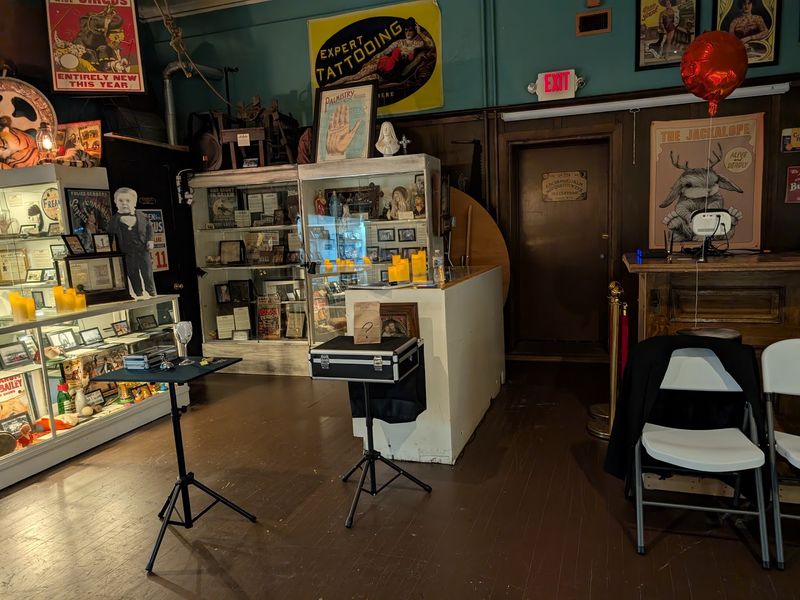
The museum offers a range of special events that go well beyond a standard self-guided tour. The most talked-about of these are the themed dinners held in the downstairs banquet room, where guests tour the museum and then sit down for a meal while the host tells stories of love, local history, and the more dramatic chapters of Alton’s past.
Couples have booked these evenings for anniversaries and Valentine’s Day celebrations, and the format works surprisingly well as a memorable outing.
Live performances have also been part of the museum’s programming, including magic shows that weave historical storytelling into the act. One notable performance involved a detailed exploration of the relationship between Sir Arthur Conan Doyle and Harry Houdini, presented by a performer who clearly knew the material inside and out.
Guests who attended described it as one of the highlights of their visit.
Haunted tours of Alton’s surrounding area are another popular offering, with bus tours that take groups to historically significant and allegedly spooky locations around the city. These events are usually bookable through the museum’s website, and they tend to fill up around holidays and during the fall season.
If you are planning a visit, checking the events calendar ahead of time is well worth the effort.
The Gift Shop and Book Selection
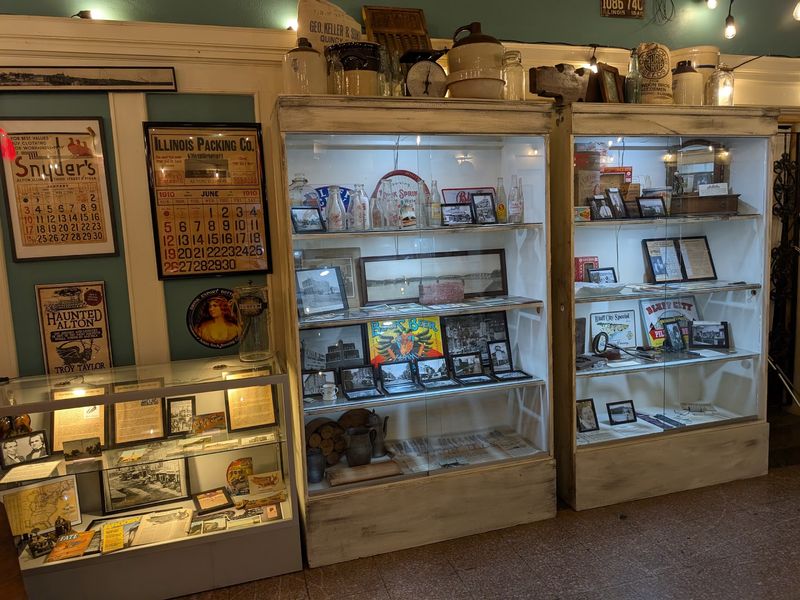
Even visitors who came away with mixed feelings about the main exhibits tend to agree on one thing: the gift shop is genuinely worth your time. The book selection in particular stands out, with a strong focus on local history, paranormal research, and titles written by Troy Taylor himself.
Several visitors have mentioned picking up a book on a small town or a specific historical event and finding it to be one of their favorite reads of the year.
The merchandise goes beyond the typical museum fare of magnets and keychains. There are carefully chosen items that reflect the museum’s themes, making it a solid stop for anyone looking for a gift that is a little outside the ordinary.
The quality of the selection suggests that whoever curates it actually thinks about what visitors will find meaningful rather than just what is easy to stock.
Browsing the shelves is a relaxed experience, and the staff in this area are friendly and knowledgeable. More than one visitor has walked in planning to spend a few minutes and ended up spending considerably longer flipping through book after book.
The gift shop also serves as a good introduction to the museum’s broader intellectual world, hinting at the depth of research that sits behind every display case in the main rooms.
Share this story