There is a cathedral in Portland, Oregon, that stops people mid-step the moment they walk through its doors. The soaring arches, the glow of stained glass, and the quiet grandeur of the space feel almost impossible to find in the middle of a busy American city.
Most visitors expect something modest and leave completely speechless. St. Mary’s Cathedral of the Immaculate Conception has been doing that to people for over a century, and it shows no signs of slowing down.
This article takes you through everything that makes this Portland landmark one of the most visually stunning and spiritually resonant Catholic cathedrals in the entire country, from its architecture and history to its music, community, and practical tips for your visit.
Address, Location, and How to Find It
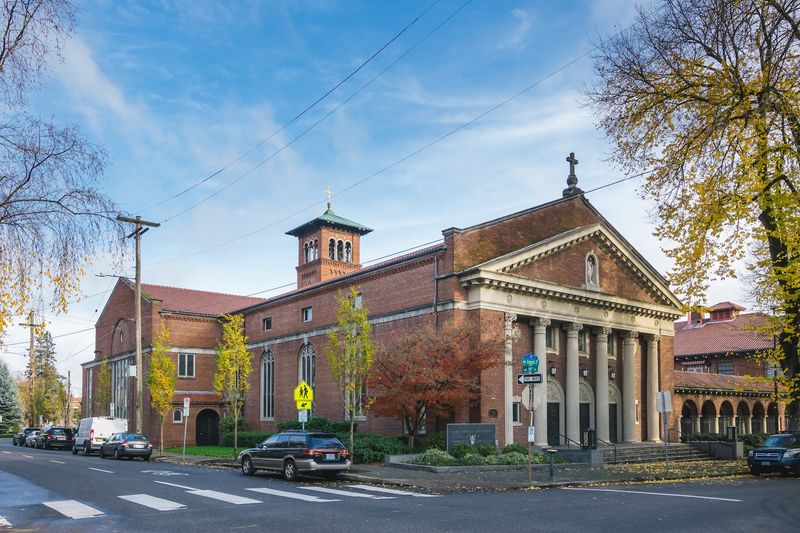
Right in the heart of Portland’s Northwest neighborhood, St. Mary’s Cathedral of the Immaculate Conception stands at 1716 NW Davis St, Portland, OR 97209. The address puts it squarely in a walkable urban grid, surrounded by the quiet energy of the Pearl District and close to public transit lines.
Getting there is easier than you might expect for a landmark of this size. Street parking exists on nearby blocks, and a dedicated parking lot sits behind the building, which is a small miracle in a city where parking can feel like a competitive sport.
The MAX light rail and several bus lines stop nearby, making it accessible without a car.
The cathedral sits at a rating of 4.7 stars across more than 400 reviews, which tells you something meaningful about how consistently it impresses visitors. You can reach the parish office at 503-228-4397 or visit maryscathedral.com for current Mass schedules and event listings before you head over.
A Century of History Behind These Walls
A building that has stood for over a hundred years carries weight that newer structures simply cannot fake. St. Mary’s Cathedral of the Immaculate Conception in Portland has been a fixture of the city’s spiritual and architectural landscape for more than a century, witnessing baptisms, weddings, funerals, and community gatherings across multiple generations.
The cathedral was built during an era when Catholic communities across America were investing heavily in grand church architecture as a statement of faith and permanence. Portland’s version reflects that ambition fully.
The craftsmanship visible in every corner of the building speaks to the dedication of the people who built it and the artisans they commissioned.
Over the decades, the cathedral has adapted to a changing city while holding onto its traditional character. That balance between history and living community is part of what makes it feel so alive today.
Visitors who appreciate sacred architecture often note that the space feels genuinely cared for, not just preserved like a museum piece but actively loved by the people who worship there every week.
The Architecture That Leaves People Speechless
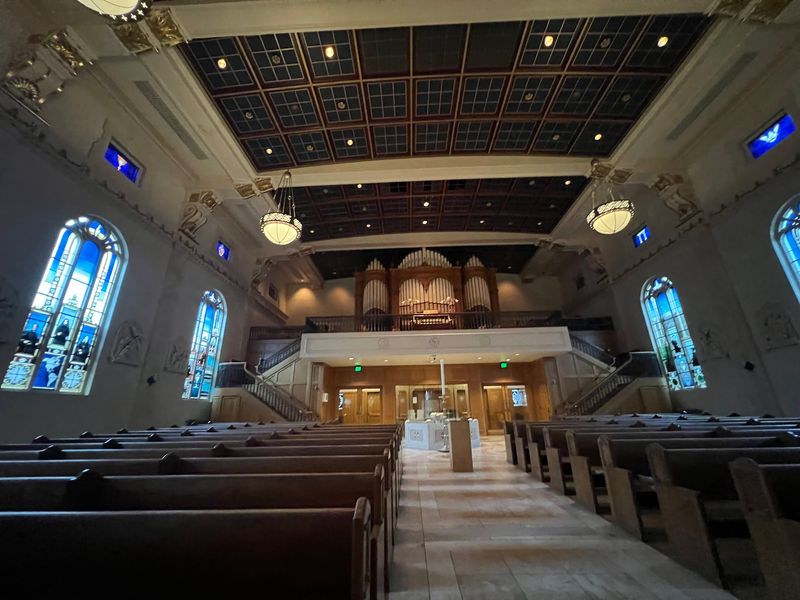
The interior of St. Mary’s is the kind of space that makes you forget what you were thinking about. The marble floors, the symmetrical arches, and the careful proportions of the nave create a visual rhythm that pulls your eyes upward almost involuntarily.
It is the sort of architecture that communicates something beyond decoration.
The Romanesque influences are visible throughout, giving the cathedral a solidity and warmth that pure Gothic buildings sometimes lack. Marble surfaces catch the light differently at different hours of the day, which means the space never looks exactly the same twice.
That quality rewards repeat visits in a way that photographs simply cannot replicate.
Visitors consistently describe a sense of presence when they enter, a feeling that the space itself demands a certain kind of attention and quiet. Whether you are Catholic, belong to another tradition, or have no religious affiliation at all, the architecture makes a strong case for itself on purely aesthetic grounds.
Few buildings in the Pacific Northwest deliver this level of craftsmanship in such a compact and accessible package.
Stained Glass That Earns Every Compliment
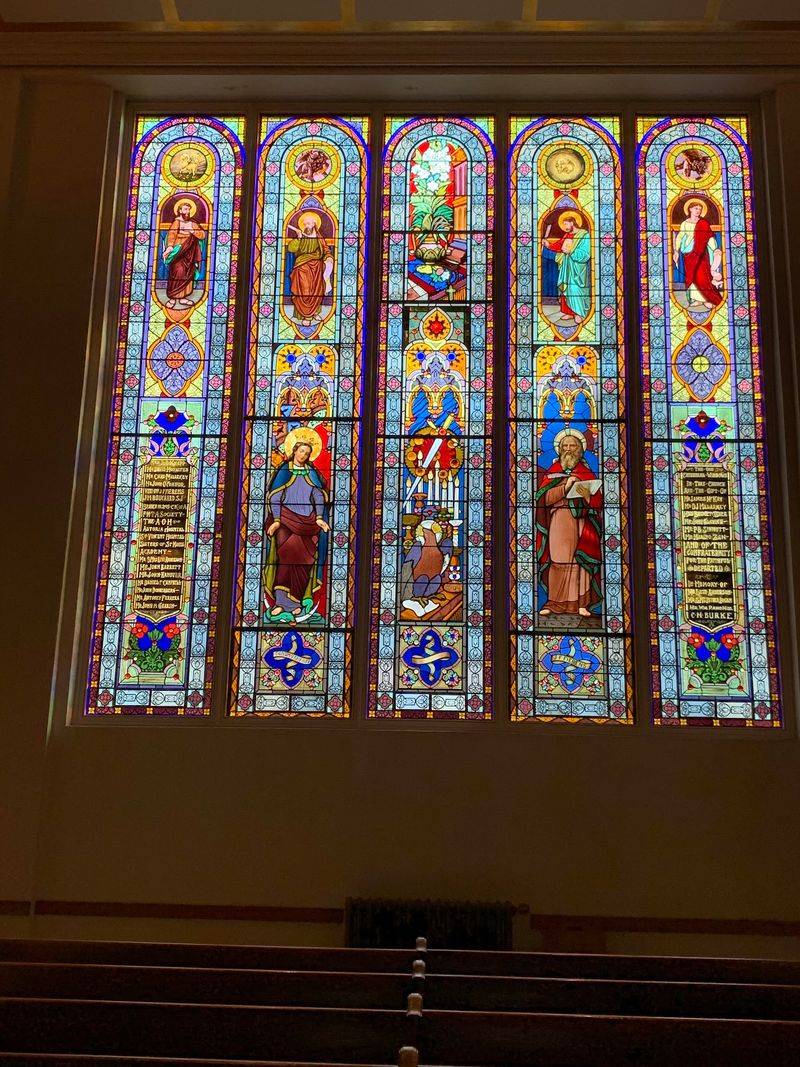
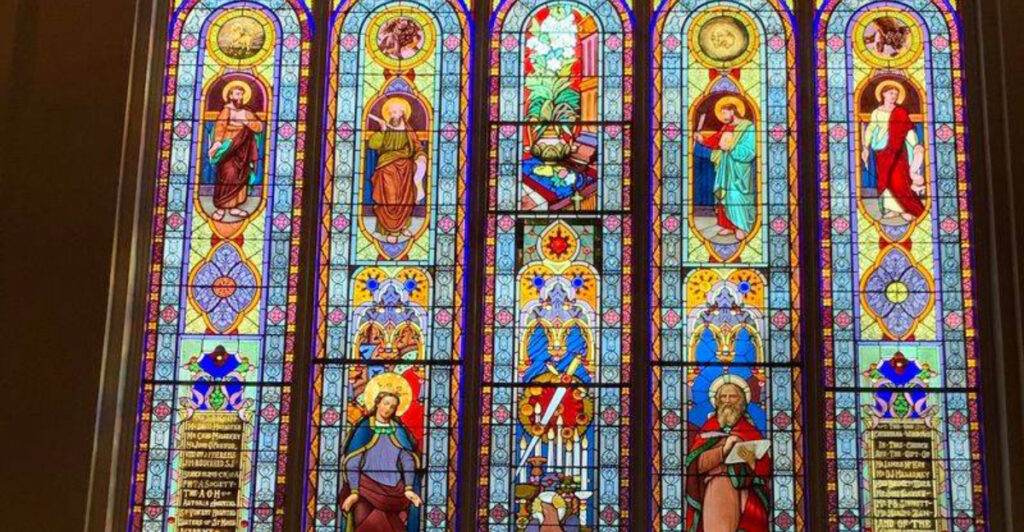
The stained glass at St. Mary’s is one of those details that visitors keep mentioning long after their visit. The rose windows in particular draw a consistent reaction from people who have toured cathedrals across Europe and America.
There is a richness to the colors and a precision to the leading that reflects genuine artistry rather than mass production.
On a sunny morning, the light through those windows transforms the interior into something close to theatrical. The colors shift across the marble floors and pews as the sun moves, creating a slow, silent show that rewards patience.
Sitting quietly for even ten minutes gives you a completely different visual experience than a quick walk-through.
The windows also serve a narrative purpose, depicting scenes and figures from Catholic tradition in a way that is readable even to visitors unfamiliar with the iconography. Each panel rewards close attention.
The craftsmanship visible up close is just as impressive as the overall effect from a distance, which is not always true of stained glass in older American churches. These windows are genuinely worth the trip on their own.
Music That Fills the Entire Space
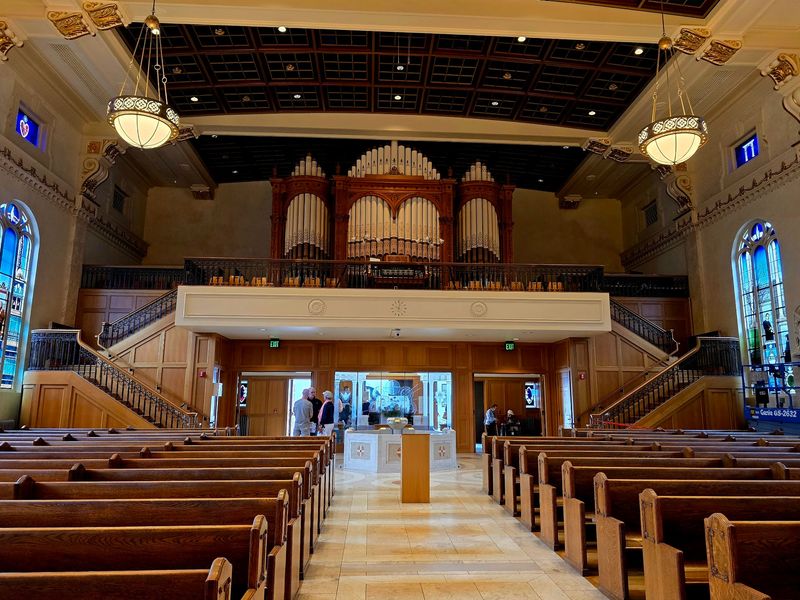
The acoustics inside St. Mary’s were clearly not an afterthought. The cathedral’s pipe organ is a significant instrument, and when it plays during Mass, the sound moves through the building in a way that feels physical as much as auditory.
The choir loft position amplifies the effect, sending voices and organ tones across the full length of the nave.
Regular Mass features trained singers and occasionally the full choir, which draws its own audience of people who come specifically for the musical experience. The cathedral has also hosted formal concerts, including performances by internationally recognized early music ensembles whose recordings have appeared on major labels.
The Tallis Scholars have performed here, and the acoustics made it a natural fit.
Christmas services at St. Mary’s have developed a reputation for especially memorable musical programming. The combination of candlelight, seasonal repertoire, and the cathedral’s natural reverb creates an atmosphere that people return for year after year.
Even visitors who attend a weekday Mass without a full choir often find that a solo cantor fills the space beautifully, proving that the building itself does a significant amount of the musical heavy lifting.
The Statues, Altars, and Sacred Art
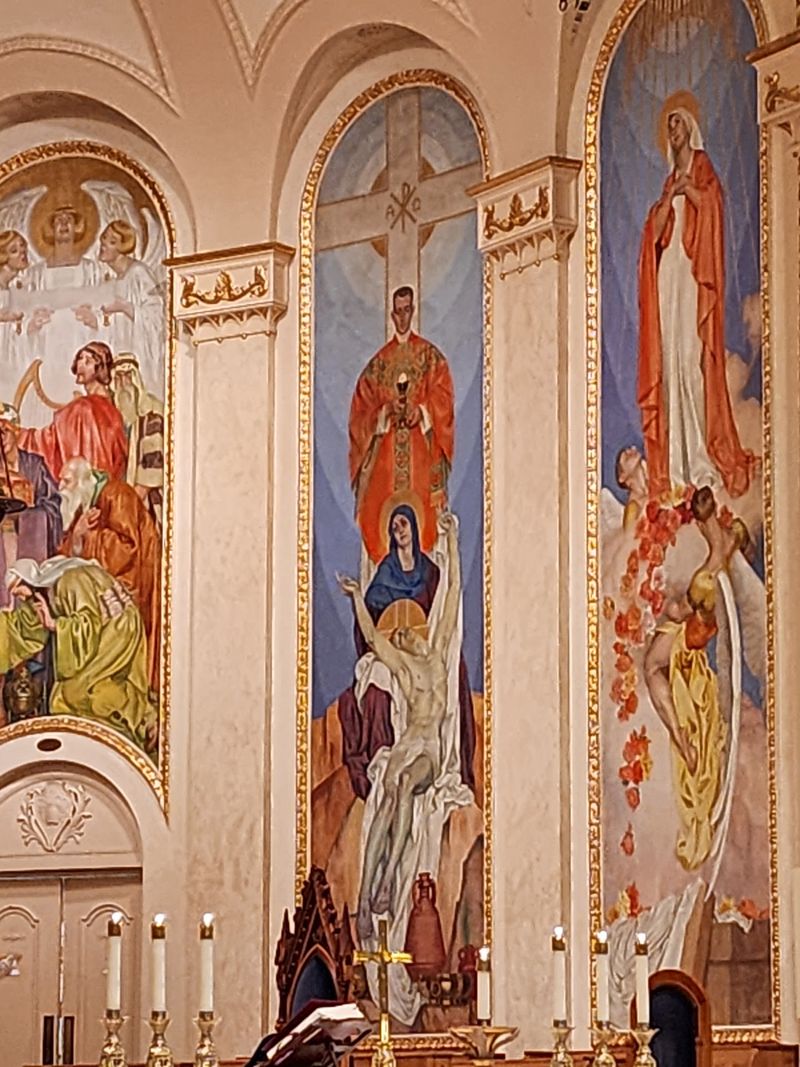
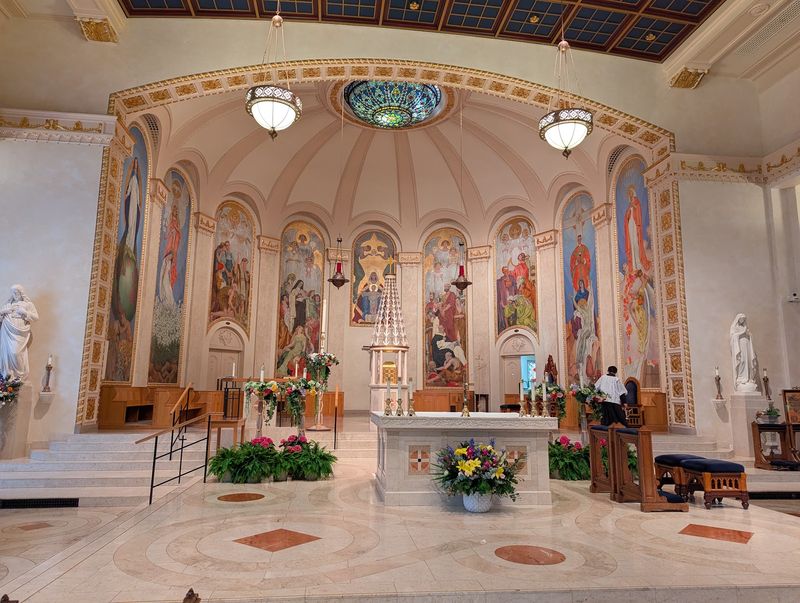
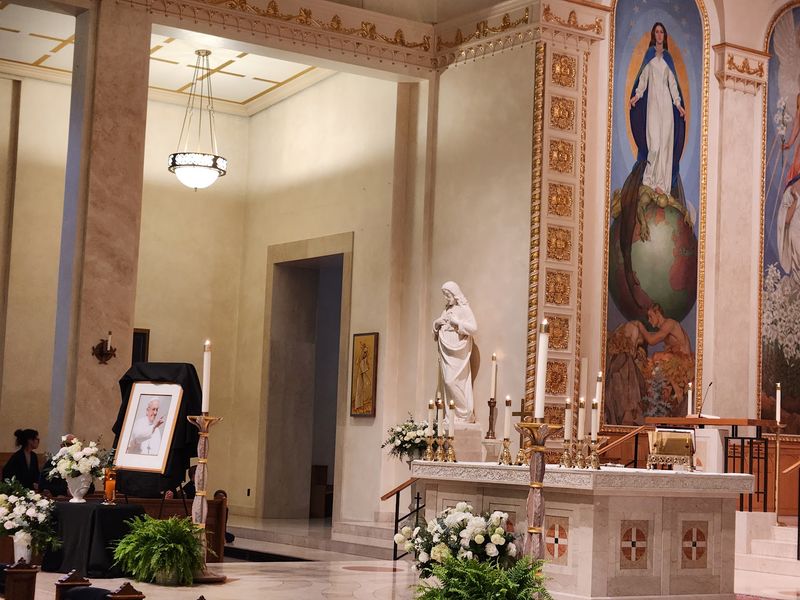
Beyond the main altar, St. Mary’s contains a collection of statues and sacred art that rewards slow exploration. The figures are positioned throughout the nave and side chapels in a way that creates multiple focal points, so your eye keeps finding new things to rest on as you move through the space.
The tabernacle placement is particularly noted by visitors who come for prayer rather than tourism. Being able to kneel close to the tabernacle gives the space a sense of intimacy that larger cathedrals sometimes sacrifice for grandeur.
That balance between scale and personal accessibility is one of the things that makes St. Mary’s feel different from cathedral-sized churches that have lost their warmth.
The Blessed Mother has a prominent presence throughout the cathedral, which fits the dedication of the building to the Immaculate Conception. Marian artwork and statuary appear in multiple locations, each piece different in style and period, giving the interior a layered quality that reflects the community’s long history of devotion.
Visitors who take time to look at individual pieces rather than just the overall effect tend to leave with a much richer impression of the space.
Attending Mass: What to Expect as a Visitor
Mass at St. Mary’s follows a traditional Catholic form, and the reverence of the celebration is something visitors comment on frequently. The priests are described as humble and approachable, and the homilies tend to be thoughtful rather than rushed.
The overall atmosphere during Mass leans formal but never cold.
Sunday Mass times begin at 7:30 AM, with the main community gathering typically drawing the largest attendance and the fullest musical program. Weekday Masses run on a different schedule, and the cathedral is generally open Monday through Friday from 9 AM to 4 PM, with Friday closing at noon.
Saturday the building is closed, so plan accordingly.
Non-Catholic visitors are welcome to attend and observe, and the staff and volunteers are known for making newcomers feel comfortable rather than out of place. The kneelers for receiving the Eucharist and the use of Latin in portions of the liturgy give the Mass a distinctly traditional character that some visitors find unexpectedly moving.
Even if formal religious practice is not part of your regular life, attending a Mass here offers a genuine cultural and architectural experience that goes beyond sightseeing.
Community Life and Events Beyond Sunday
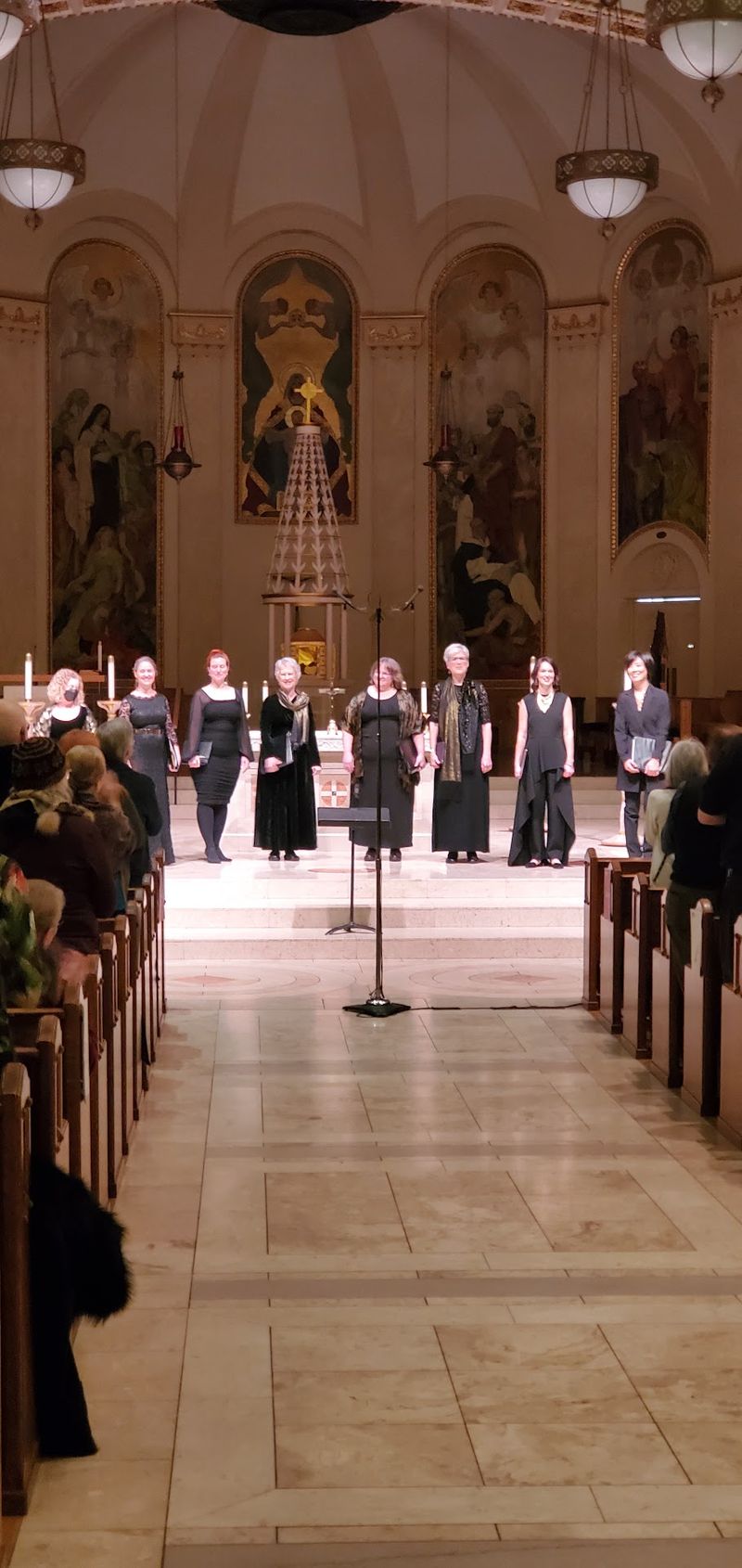
The parish community at St. Mary’s is one of its less visible but genuinely distinctive qualities. The warmth of the volunteers and regular parishioners creates an atmosphere that visitors notice even on a single visit.
After Sunday Mass, the community gathers in a way that feels organic rather than organized, with conversation flowing naturally among longtime members and newcomers alike.
The cathedral has hosted concerts, seasonal celebrations, and community events that draw people from across Portland and beyond. The Lessons and Carols concert held in the Christmas season has become a notable annual event, attracting music lovers who may not otherwise attend services.
That kind of programming reflects a parish that sees its building as a gift to the city, not just a private resource.
Mother’s Day services have included the distribution of roses to attendees, a small gesture that speaks to the parish’s attention to meaningful detail. The sense of community here extends beyond the formal liturgical calendar into the everyday rhythms of parish life, making St. Mary’s feel less like a monument and more like a living neighborhood institution that has simply been doing its job exceptionally well for a very long time.
Practical Tips for Planning Your Visit
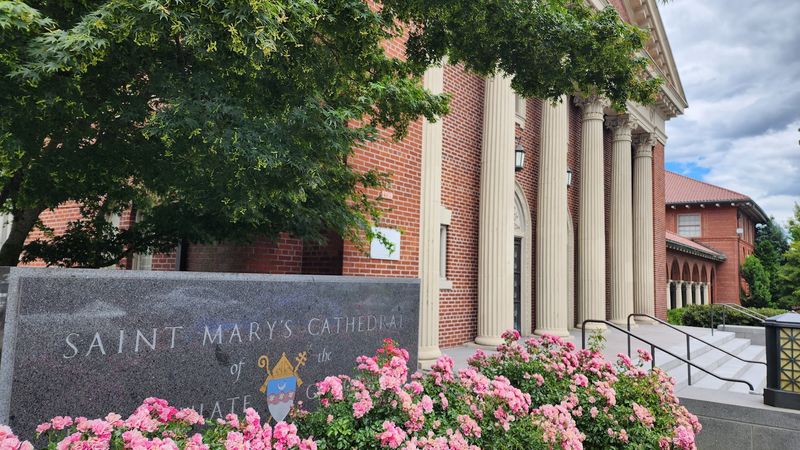
A few practical details make the difference between a smooth visit and a frustrating one. The cathedral is open Monday through Wednesday and Thursday from 9 AM to 4 PM, Friday from 9 AM to noon, and Sunday from 7:30 AM to noon.
Saturday visits are not possible as the building is closed. Arriving mid-morning on a weekday gives you the best chance of a quiet, unhurried look around.
Parking behind the cathedral is free, which is genuinely useful in this part of Portland. Street parking exists on surrounding blocks as well, and the MAX light rail stops nearby for those coming from other parts of the city.
The neighborhood is walkable and safe, with coffee shops and restaurants within easy reach for before or after your visit.
Dress modestly if you plan to attend Mass, as the traditional atmosphere of the cathedral calls for it. Photography is generally welcomed during non-liturgical hours, but use judgment and silence your phone before entering.
The cathedral website at maryscathedral.com posts current schedules, special events, and any closures, so a quick check before you go will save you from making the trip on a closed day. The phone number is 503-228-4397 for direct questions.
Share this story