There is a hot dog stand on the west side of Chicago that people either swear by or argue about, and somehow that tension is exactly what makes it worth visiting. No fancy decor, no printed menus with glossy photos, just a counter, some stools, and a hot dog that has been sparking strong feelings since 1954.
I had heard about this place from a cab driver, a local barista, and a stranger on the train, all before I even looked it up. By the time I arrived at the corner of Grand and Pulaski, I already had opinions about a place I had never eaten at, which tells you everything you need to know about its reputation.
A Corner Stand With Seven Decades of History
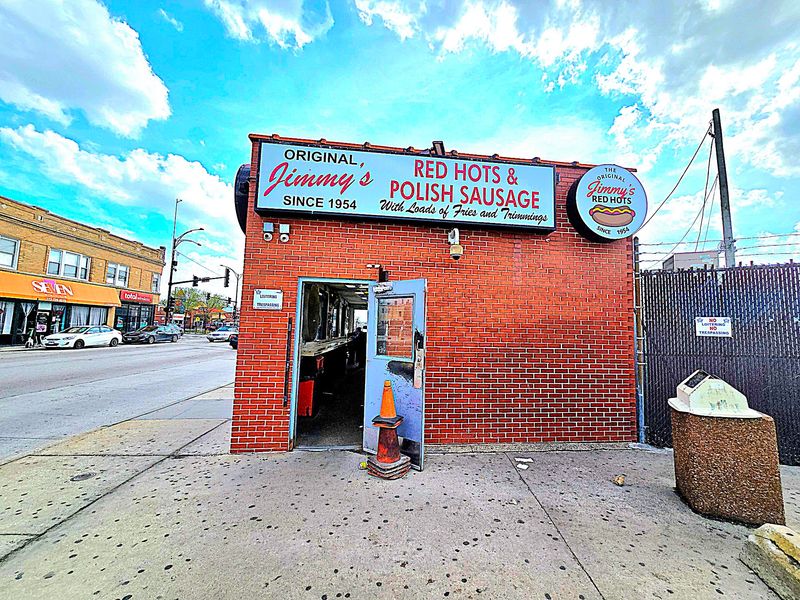
Some restaurants earn their reputation over years. Jimmy’s Red Hots earned its reputation over generations, and that is not a small distinction.
The stand at 4000 W Grand Ave, Chicago, IL 60651 has been serving hot dogs since 1954, which means it was already a neighborhood fixture before most of its current regulars were born. That kind of staying power does not happen by accident.
The location sits right at the intersection of Grand Avenue and Pulaski Road on Chicago’s west side. It is not a neighborhood that tourists usually wander into by chance, which means most of the people eating here have either grown up nearby or made a deliberate trip across the city.
Over 70 years in business, the stand has outlasted trends, competitors, and entire city blocks around it. Regulars talk about bringing their kids, and then watching those same kids bring their own children.
That kind of multigenerational loyalty is the real story behind the address, not just the food itself.
What the Menu Actually Looks Like
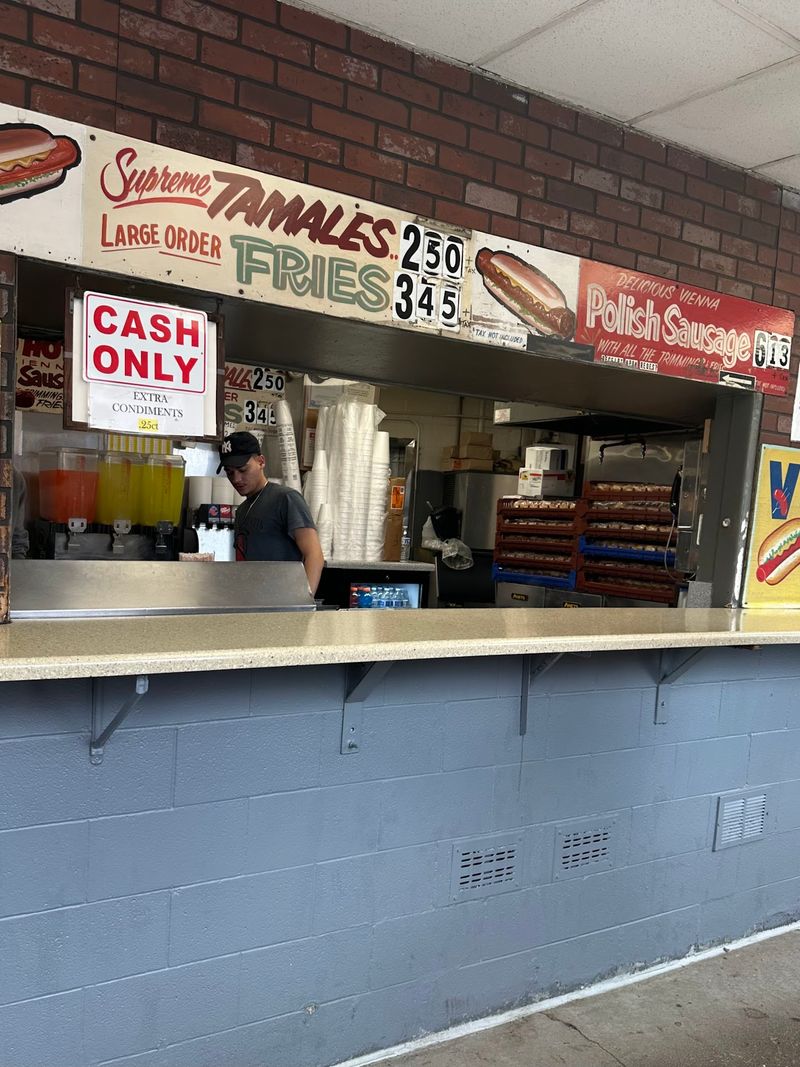
The menu at Jimmy’s is short, focused, and completely unapologetic about it. Hot dogs, Polish sausages, tamales, and fries.
That is essentially the full list, and nobody seems to mind.
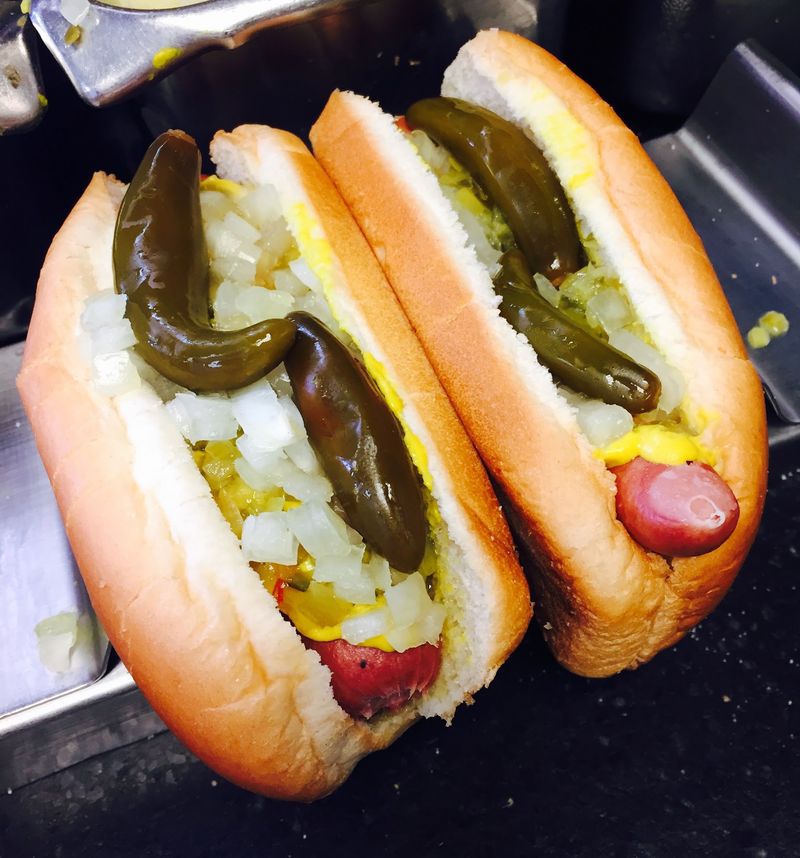
The Chicago-style hot dog is the main event. It comes on a steamed poppy seed bun with mustard, neon green relish, diced onions, tomato slices, a pickle spear, sport peppers, and a shake of celery salt.
Every topping has a specific job, and together they create something that genuinely tastes like the city.
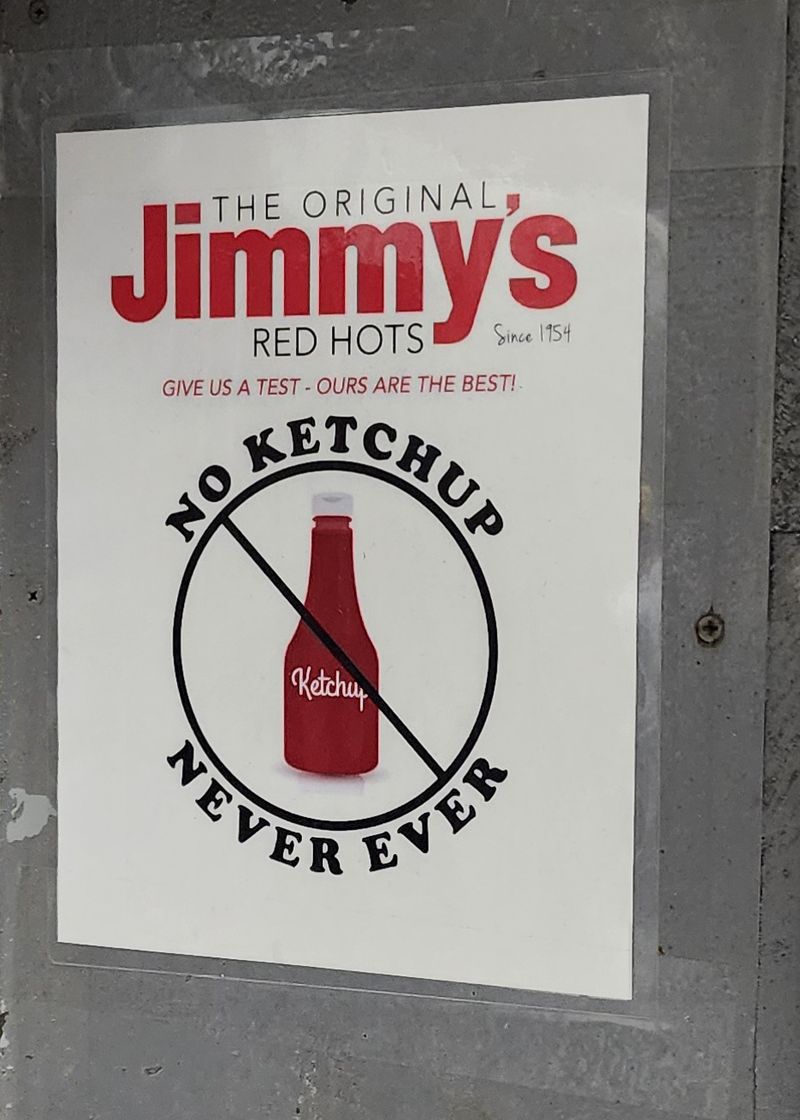
One thing worth knowing before you order: do not ask for ketchup on your hot dog. This is not a quirky local custom or a joke.
Chicagoans take this seriously, and the staff at Jimmy’s will let you know about it.
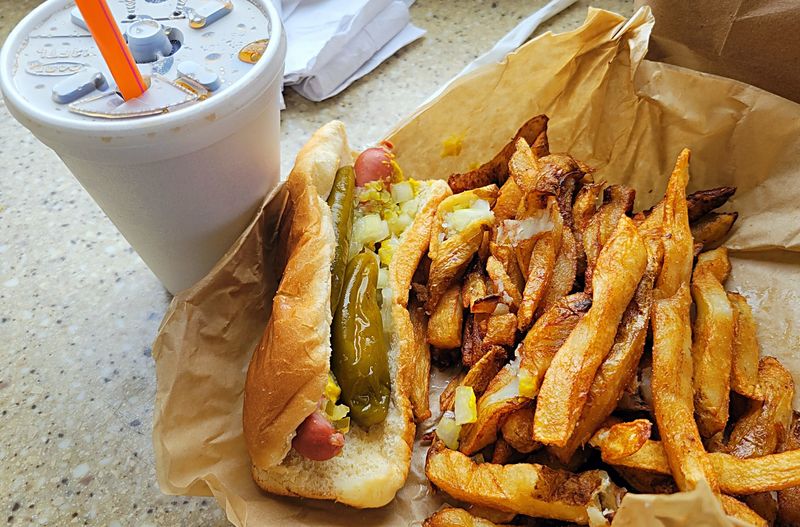
The Polish sausage is a strong second choice, especially if you want something with a bit more heft. The fries come with every order, fresh cut and hot, piled right alongside your food in the same wrapping.
Simple, direct, and exactly what it should be.
The Fries That Start Arguments
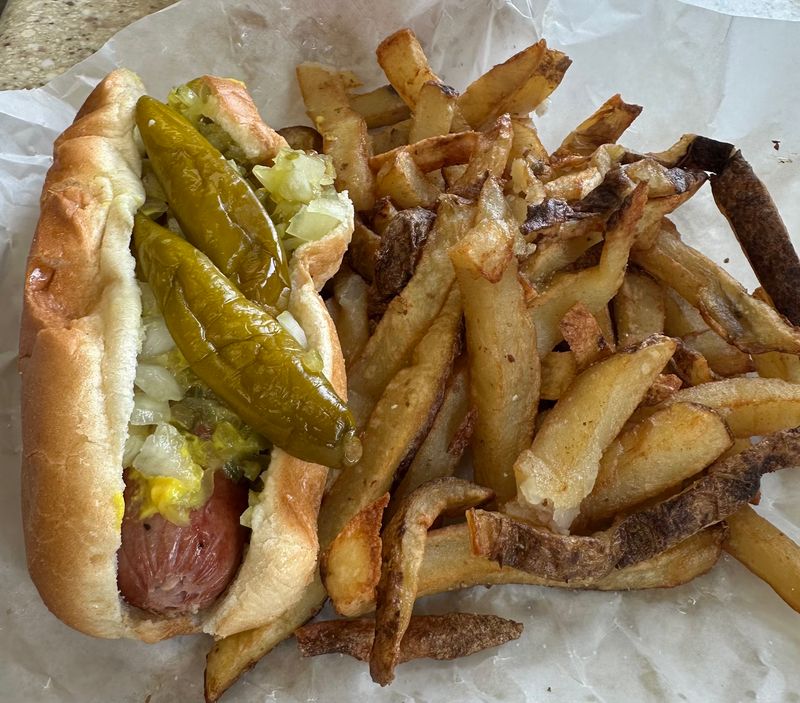
Few side dishes in Chicago generate as much debate as the fries at Jimmy’s, and that is saying something in a city with very strong food opinions.
They are fresh cut, which means they go straight from a real potato into hot oil. That process gives them a soft interior and a flavor that frozen fries simply cannot match.
The outside is not always crispy, and depending on the day and the batch, they can lean toward the softer side of the spectrum.
Some people love this. Others find it frustrating.
The reviews split almost perfectly down the middle on this specific point, which makes the fries one of the most talked-about things on the menu despite being a side dish.
What almost everyone agrees on is that the portion is generous. The fries do not arrive in a small paper cup tucked beside your food.
They get wrapped right in with your hot dog or Polish, so by the time you open the package, the two are practically inseparable. Whether that sounds appealing or chaotic probably tells you a lot about your own food preferences.
The Atmosphere Inside the Stand
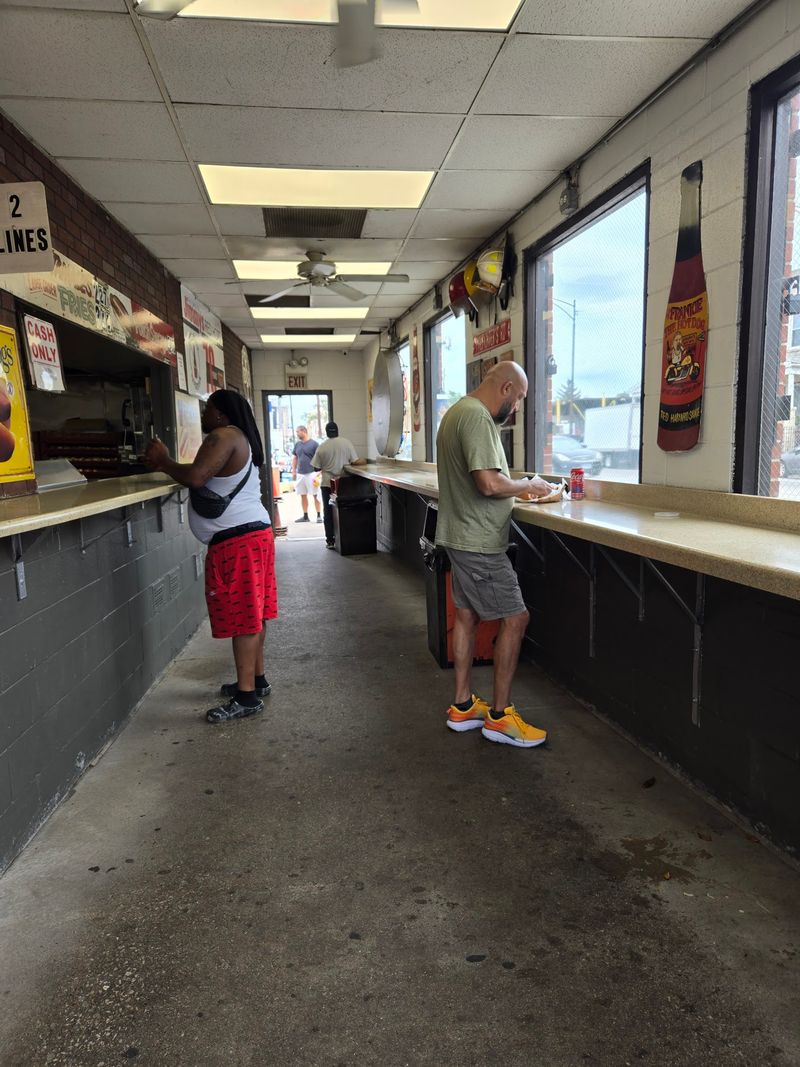
Nobody walks into Jimmy’s Red Hots expecting a sit-down dining experience, and that is genuinely part of the appeal. The interior is bare-bones in the best possible way.
There is a counter along the wall with stools where you can eat standing or perched, and the space is small enough that you are never far from the action at the service window. The lighting is bright, the surfaces are easy to clean, and the whole setup communicates one clear message: this is about the food, not the furniture.
The stand has two service sides, with one facing the parking lot, which makes it easy to grab your order and eat on the go if you prefer. The setup is practical and efficient, built for a neighborhood that has always valued speed and value over atmosphere.
That said, there is a real energy to the place that a fancier restaurant rarely captures. Regulars know exactly what they want before they reach the counter.
First-timers take a beat to read the menu board. And somewhere in that mix, you get a snapshot of a Chicago neighborhood that has been feeding itself the same reliable way for over seven decades.
The Tamales That Divide Opinions
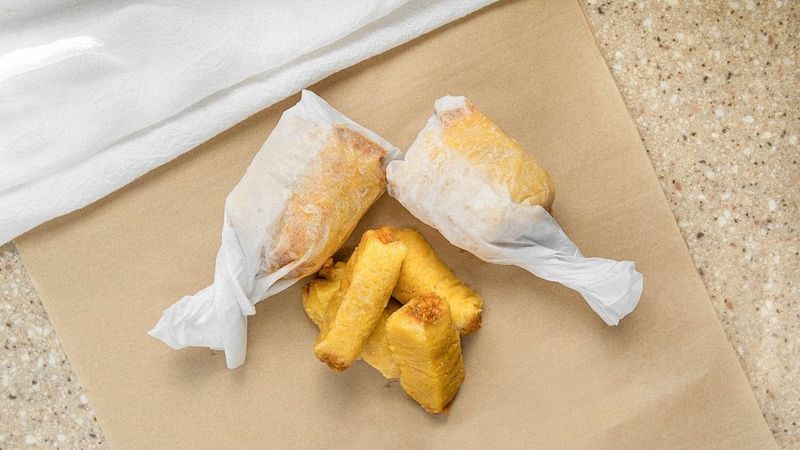
Chicago has its own tamale tradition, and it is nothing like what you find in Mexican restaurants or street markets. The city-style tamale is smaller, softer, and wrapped in paper rather than corn husks, and Jimmy’s has been serving them since the beginning.
To people who grew up eating this style, they are comfort food in the purest sense. To people expecting a more traditional version, they can come as a surprise.
The reviews reflect both reactions pretty clearly, with longtime locals treating them as a nostalgic staple and newcomers sometimes unsure what to make of them.
The tamales at Jimmy’s are not the star of the menu, but they are a genuine piece of Chicago food history. The city-style tamale has roots going back to the early 20th century, when vendors sold them from carts on the streets of the South and West sides.
Ordering one here connects you to that history in a direct and edible way.
Whether or not they become your favorite thing on the menu, they are worth trying at least once, if only to understand why Chicagoans have such specific feelings about food that the rest of the country barely knows exists.
Cash Only and Other Things to Know Before You Go
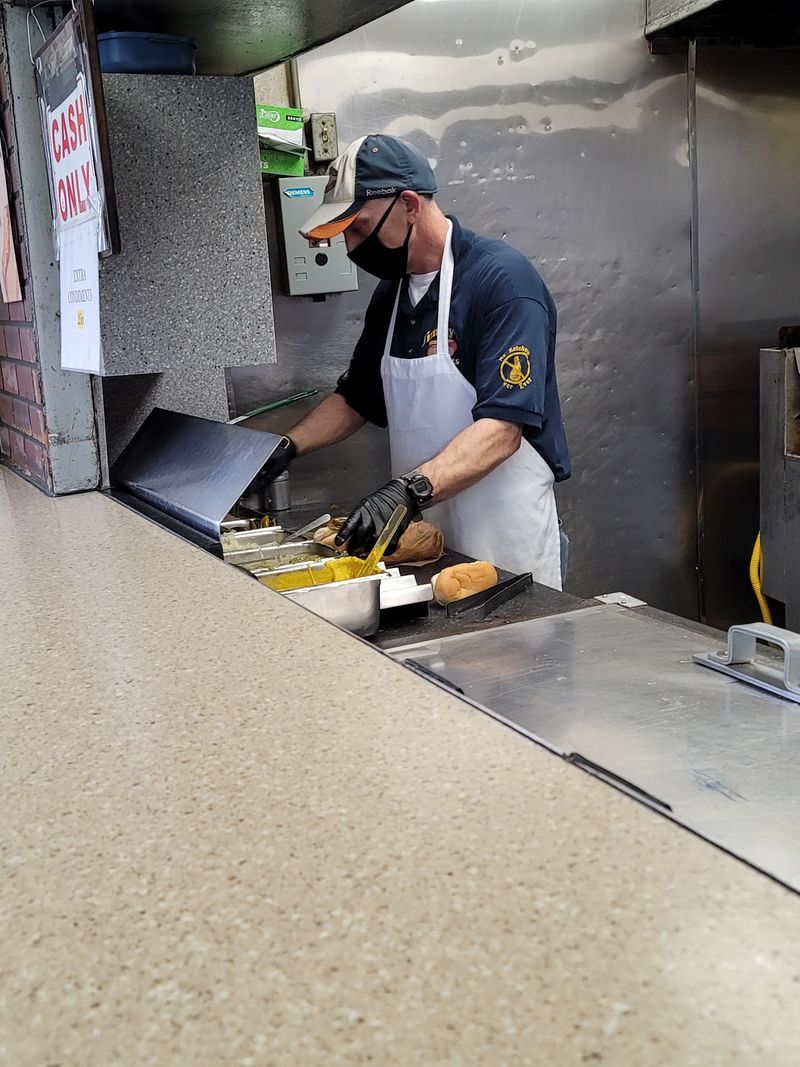
A few practical details can make the difference between a smooth visit and an awkward one at Jimmy’s, and the most important one is easy to forget: bring cash.
The stand is cash only, which is not unusual for old-school Chicago spots but can catch people off guard if they are used to tapping a card everywhere they go. There is no ATM inside, so plan ahead before you make the trip.
Hours run from 10 AM to 1 AM every day of the week, which means late-night visits are absolutely an option. The stand stays open later than most restaurants in the area, and that extended schedule has made it a go-to spot for people heading home after a long night out.
Parking is available near the stand, which is a genuine convenience in a city where parking is rarely easy. The phone number is 773-384-9513 if you want to call ahead, and the website is jimmysredhotschicago.com for basic information.
Delivery through third-party apps is available, though the experience of eating fresh off the counter is noticeably better than anything that survives a delivery ride across the city.
The Neighborhood and What It Adds to the Experience
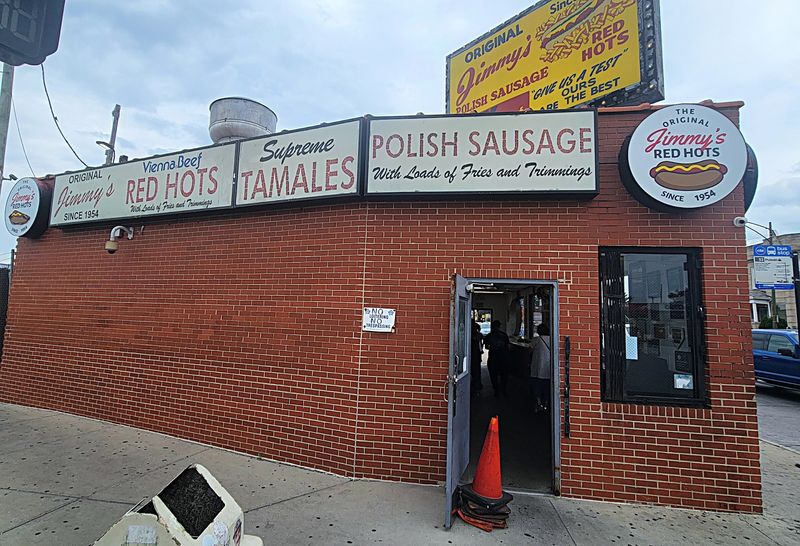
The corner of Grand and Pulaski is not a tourist corridor, and Jimmy’s Red Hots makes no effort to pretend otherwise. The west side neighborhood around the stand is working-class, lived-in, and completely authentic in a way that more polished parts of the city sometimes are not.
Some visitors mention that the area feels a little rough around the edges, and that is an honest observation. The neighborhood has faced the same economic pressures that many parts of Chicago’s west side have dealt with over the decades.
But that context also explains why a no-frills stand serving affordable, filling food has stayed relevant for so long.
For people who grew up nearby, Jimmy’s is not a destination. It is just part of the fabric of the neighborhood, the place you stop on the way home, the place your dad took you on a Saturday, the place that is still there when everything else has changed around it.
For visitors coming from other parts of the city or from out of town, the location adds a layer of authenticity that a stand in a tourist district simply cannot replicate. You are not eating a curated version of Chicago.
You are eating the real thing, in the real place, surrounded by the people who made it matter.
Regulars, Nostalgia, and Why People Keep Coming Back
There is a specific kind of loyalty that only old neighborhood spots earn, and Jimmy’s Red Hots has it in abundance. The regulars here are not casual fans.
They are people who have been coming for 20, 30, even 40 years, and they talk about the place the way you talk about family.
The reviews are full of people who first visited as children and now bring their own kids. One person mentioned being 60 years old and returning after decades away, finding that the food still matched the memory.
That kind of staying power is rare, and it says something real about consistency.
Nostalgia is a powerful ingredient, but it only carries a place so far. The reason people keep returning to Jimmy’s is that the food still delivers something worth returning for, even if opinions vary on exactly which item is the best.
The hot dog with its steamed bun and layered toppings, the Polish sausage with mustard and onion, the generous pile of fries tucked right alongside everything else. These are not complicated dishes.
They are familiar ones executed with the kind of confidence that only comes from doing the same thing the right way for over 70 years.
The Hot Dog Debate That Never Really Ends
Ask ten Chicagoans to name the best hot dog in the city and you will get at least twelve different answers, several strong arguments, and probably one person who brings up Jimmy’s Red Hots before you finish the question.
The stand has been part of Chicago’s hot dog conversation for so long that it has become a reference point, the kind of place that other spots get compared to rather than the other way around. Whether it wins every comparison depends entirely on who you ask.
The hot dogs at Jimmy’s are on the thinner side, which surprises some first-time visitors who expect something more substantial. The snap of the casing is real, the steamed bun is soft and fresh, and the toppings are applied with the confidence of a place that has been doing this the same way for decades.
What makes the debate interesting is that Jimmy’s does not try to win it. There is no marketing push, no celebrity endorsement, no updated branding.
The stand just keeps making the same hot dog it has always made, and the city keeps arguing about whether it is the best one. Honestly, that might be the most Chicago thing about the whole place.
A True Chicago Original Worth the Trip
By the time I finished my hot dog and the last of those fries, I understood why this place generates so many opinions. Jimmy’s Red Hots is not a perfect restaurant by any modern standard, and it does not pretend to be.
The service can be brisk, the seating is minimal, and the neighborhood requires a bit of intention to visit. But none of that changes the fact that what comes out of that kitchen is genuinely good, and that the place itself represents something that is increasingly hard to find in any city.
A spot that has never chased trends. A menu that has not ballooned into something unrecognizable.
A customer base that has stayed loyal across generations not because of loyalty programs or social media, but because the food keeps delivering.
Jimmy’s Red Hots is open every day from 10 AM to 1 AM, and the phone number is 773-384-9513 if you want to call ahead. More information is at jimmysredhotschicago.com.
The address is 4000 W Grand Ave, Chicago, IL 60651, and whether you end up loving it or joining the debate, the visit itself will give you something real to talk about long after the fries are gone.
Share this story